REVIEW · CHIVAY
3-day trek to the Colca Canyon from Arequipa ending in Puno
Book on GetYourGuide →Operated by Exploor Trip E.R.L · Bookable on GetYourGuide
Watching condors ride the thermals never gets old. This 3-day Colca Canyon trek starts in Arequipa, takes you down into the canyon on foot, then lifts you back up and delivers you to Puno. I like that you’re not just standing at viewpoints—you actually walk through real canyon towns and terraces, with one guide named José praised for sharing Peru’s fauna and flora along the way.
The second big win: the overnight stays are built for the trip, including a night at San Juan de Chuccho with a local family setup. You should also know the schedule is tight enough that delays can shrink your time at key stops, which can feel disappointing if you’re hoping for lots of extra photo minutes.
In This Review
- Key things that make this trek worth it
- Why the Colca Canyon trek feels different when it’s built for walking
- Day 1: Arequipa to Cruz del Cóndor, then down to San Juan de Chuccho
- A practical tip for Day 1
- San Juan de Chuccho: the canyon night with a local-family stay
- Day 2: Sangalle oasis pools plus village walks (Cosñirhua and Malata)
- What you’ll want on Day 2
- Day 3: the 05:00 climb to Cabanaconde and the long road into Puno
- Chacapi Thermal Baths: quick recovery with a paid entrance
- The sightseeing stops that soften the ride to Puno
- Price and logistics: what $175 really covers
- Guide quality and group pacing: what to watch for
- Meeting point matters
- Packing and pacing advice that keeps the trek enjoyable
- Who should book this trek (and who might choose differently)
- Should you book the 3-day Arequipa to Puno Colca trek?
- FAQ
- Where does the trek start?
- How long is the trek?
- What are the main stops during the walk?
- Do I need to pay for entry to the Colca Canyon sites?
- Is lunch included on the last day in Chivay?
- Are the hot springs included?
- What does the price include?
- What languages are the guides?
- What’s the meeting point and timing?
- FAQ
- When do you arrive in Puno?
- Is there free cancellation?
- Is there a reserve-and-pay-later option?
Key things that make this trek worth it
- Cruz del Cóndor: the classic condor-flight viewpoint, timed early in the day
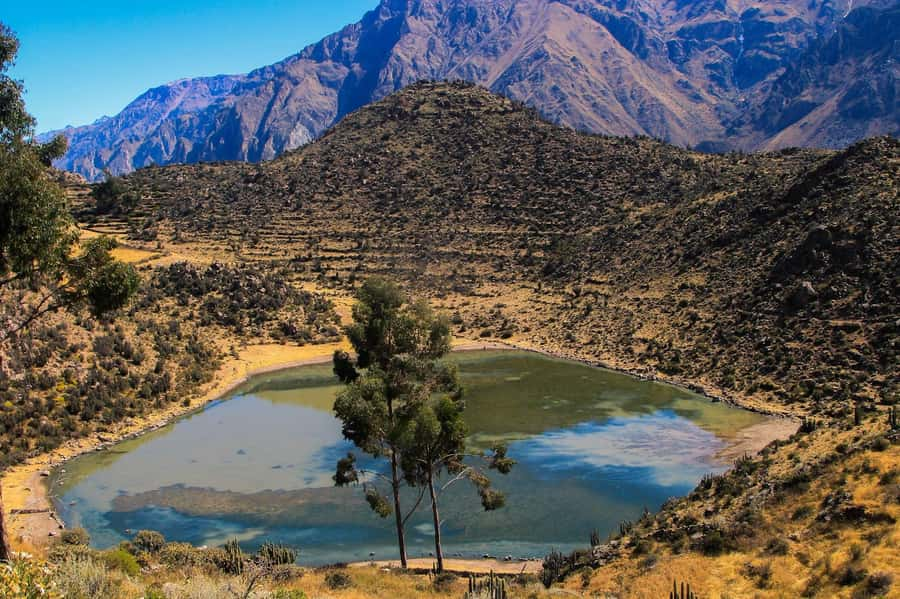
- San Juan de Chuccho: a canyon-night with local terraces and village life
- Sangalle (oasis): a calmer day with pools, plus walks through Cosñirhua and Malata
- 05:00 a.m. start on Day 3: a real ascent back to Cabanaconde
- Puno transfer with scenic stops: thermal baths, high viewpoints, and wildlife chances
Why the Colca Canyon trek feels different when it’s built for walking
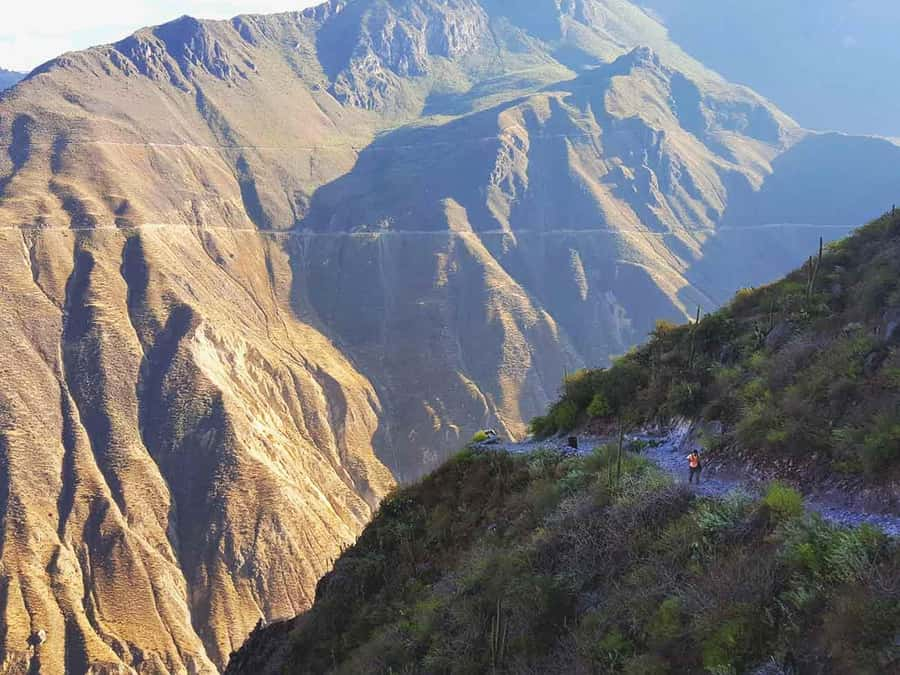
The Colca Canyon is often sold as a scenery stop, but this route earns its reputation because it’s structured like a journey. You spend real time moving through the canyon rather than bouncing between parking lots, and you get to see how people live along steep terrain. That walking time is the point: the canyon becomes something you experience in your legs, not just your camera.
Even the order of sights makes sense. You start by getting your bearings with condors and major viewpoints, then you descend into the canyon villages, and only at the end do you shift into the road-to-Puno scenery and hot springs. It keeps you from feeling like you’re repeating the same views over and over.
You can also read our reviews of more tours and experiences in Chivay.
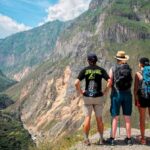
Day 1: Arequipa to Cruz del Cóndor, then down to San Juan de Chuccho
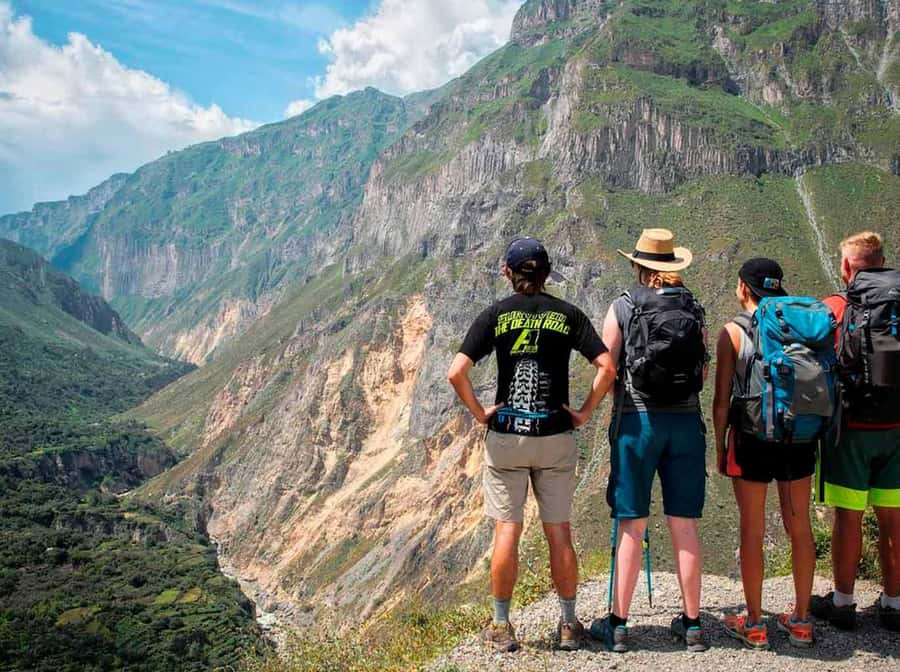
Day 1 begins with a pickup from your Arequipa hotel around 03:00. From there you’ll travel toward Chivay for breakfast, then continue to Cruz del Cóndor Viewpoint to catch the condors in flight. This viewpoint is famous for a reason: you’re watching large birds use the canyon air like a highway.
After Cruz del Cóndor, the plan shifts gears. You head by car to Cabanaconde, then start walking down toward the canyon. The important part is that the day ends with arrival into San Juan de Chuccho, so you’re not just doing a long hop; you’re landing in the canyon when the light and atmosphere feel more canyon-like than road-like.
Once you arrive in San Juan de Chuccho, you get about 3.5 hours of free time. That free window is valuable because it’s when you can slow down and actually look at what’s around you—terraces, local life, and the rhythms of a place that isn’t designed for cruise schedules.
A practical tip for Day 1
Go easy on heavy snacks at the very start, then eat when you have breakfast and a clear moment to settle. The early pickup is no joke, and your body will thank you if you don’t arrive at the first walking segment feeling underfed or overfull.
San Juan de Chuccho: the canyon night with a local-family stay
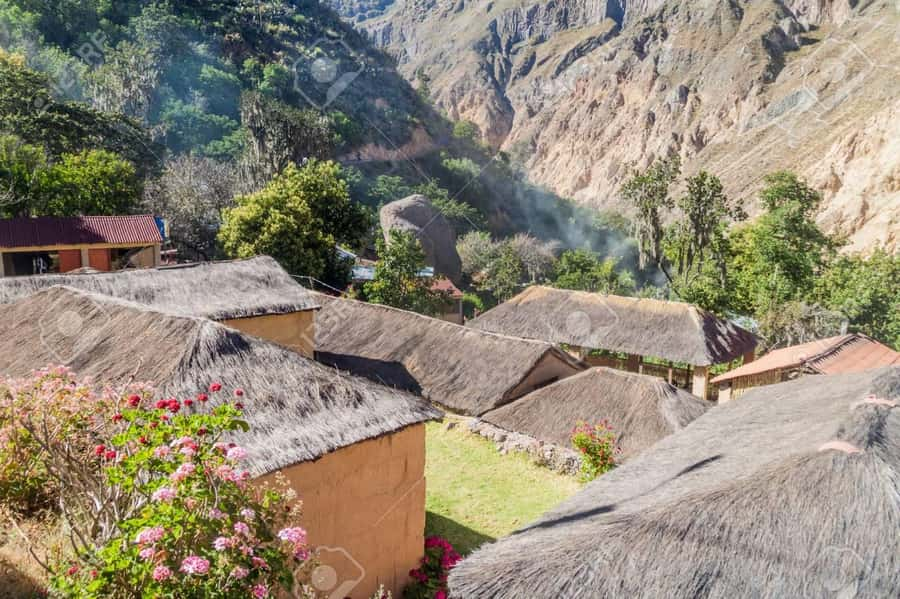
The overnight in San Juan de Chuccho is part of the deal, and it’s where this trek stops feeling like a tour and starts feeling like a community visit. You’ll sleep at a local family home in basic dormitory-style lodging, so don’t expect hotel comfort.
That said, what tends to make this stay feel meaningful is the setting. You’re in the canyon rather than hovering near the road, and you get a real taste of village life during the part of the day when people are most active locally.
This is also the night where you learn how to pack smart. Basic lodging usually means fewer conveniences, so you’ll want layers that work in cold evenings and a plan for water and snacks.
Day 2: Sangalle oasis pools plus village walks (Cosñirhua and Malata)
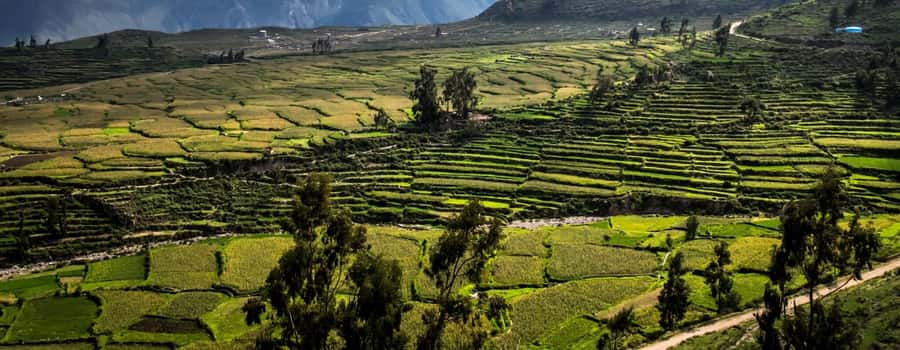
Day 2 starts after breakfast with a walk toward Sangalle (the oasis). The day includes a few village stops—Cosñirhua and Malata are part of the route—then you arrive at Sangalle for about 3 hours.
Sangalle is your breathing room. The oasis pools are a chance to cool off, soak your feet, and reset before the Day 3 climb. It’s also a welcome contrast to the steeper, more punishing moments earlier: your pace can feel more flexible, and you have time to enjoy the place instead of rushing through it.
After lunch at Sangalle, the afternoon is free. That free time matters more than it sounds because you can decide how much you want to wander, rest, or simply enjoy being in a canyon pocket that feels less harsh than the paths between viewpoints.
What you’ll want on Day 2
Bring a small towel or quick-dry cloth if you can. The pools are for relaxing, but you’ll still want to feel comfortable afterward, especially before dinner and the next night’s travel rhythm.
Day 3: the 05:00 climb to Cabanaconde and the long road into Puno
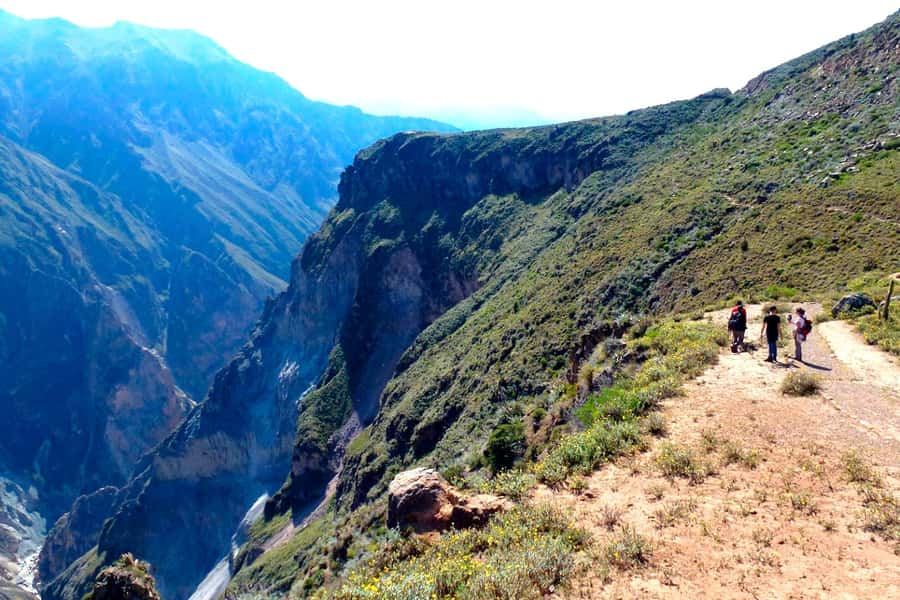
Day 3 is the most physical part of the trek. You start walking at 05:00 a.m. back up to Cabanaconde, and the ascent takes roughly 3 hours. Expect it to feel like work. Even if you’re fit, altitude and steep terrain can turn a “3-hour” climb into a grinding one.
Once you reach Cabanaconde, breakfast happens before the transfer. This sequence is important because it’s easy to plan your day assuming you’ll be able to snack along the way; the trek schedule is built around shared timing, so you should carry what you need mentally and physically.
After breakfast, you transition from trekking to sightseeing and travel. You’ll ride back to Chivay and stop at various viewpoints and towns along the way, then continue toward Puno. The end goal is arrival in Puno around 7:00 p.m., so your last day isn’t just about finishing—it’s also about getting you safely to the next stage of your trip.
Chacapi Thermal Baths: quick recovery with a paid entrance
Along the road you visit Chacapi Thermal Baths for about 40 minutes free once inside. Entrance isn’t included in the base price, and it’s listed as an optional fee of 15 soles. This is one of those “worth it if you’re beat” moments, especially after the early climb.
The sightseeing stops that soften the ride to Puno
Between Chivay and Puno, the route includes scenic checkpoints that help break up the travel day. You’ll get stops such as:
- Pampas Apachetas / Patapampa: a high point designed for mountain and volcano views
- Toccra Pampa: a place to watch alpacas and vicuñas in a natural area
- Lagunillas Lagoon: a chance to see migratory birds
- Patahuasi: a health-facility stop listed on the route
These stops matter because they prevent the final day from feeling like pure bus time. Even if you’re tired, you’ll have moments to look around and reset your attention.
Price and logistics: what $175 really covers
The base price listed at $175 per person includes several things that are usually the expensive parts of an end-to-end trek: round-trip tourist transport, a professional official tourist guide, pickup in Arequipa, 2 nights lodging, and your meals (specifically 3 breakfasts, 2 lunches, and 2 dinners). It also includes your transfer from the end of the trek area to Puno.
What’s not included can change your final total:
- The Colca tourist ticket is mandatory and listed at 70 soles.
- Lunch in Chivay on the last day isn’t included.
- Hot springs entrance (Chacapi) is an extra fee and listed as 15 soles.
This is still solid value if you want the full package—walking time, guide support, food, and getting to Puno without arranging separate transport. But you should budget for the added entrances and the extra lunch so you don’t get surprised mid-trip.
Guide quality and group pacing: what to watch for
This trek runs on timing: early starts, planned walks, and scheduled viewpoints. When everything goes to plan, it feels smooth, and multiple people have highlighted strong organization and guide support. One guide named José is specifically praised for teaching about Peru’s wildlife and plants, which is exactly the kind of context that makes a long walk more interesting.
The main caution is that the route’s best moments can be time-sensitive. If pickup or departures run late, you can lose time at signature viewpoints. On a trek where Day 3 includes an early climb, late starts also risk compressing the schedule further. It’s not hard to avoid most of this—just be ready at the meeting point on time.
Meeting point matters
You’re asked to wait 30 minutes in the main square so pickup runs smoothly. If you show up late, you effectively become the reason the whole group’s timetable tightens.
Packing and pacing advice that keeps the trek enjoyable
Because this trek includes both canyon walking and early starts, your comfort comes down to basics.
Bring:
- Layers for cold morning and night air
- Water and a few snacks you can tolerate while walking
- Walking shoes you trust on steep paths
- A small way to carry cash for optional entrances (hot springs) and the mandatory canyon ticket
Also, keep your expectations realistic. The walk isn’t just a scenic stroll. Day 3’s ascent starts early and can feel tougher than you expect, even if Day 2 felt calmer.
Who should book this trek (and who might choose differently)
This trek is a great fit if you want more than a quick canyon stop. If you like the idea of combining condors, village life, Sangalle oasis pools, and a transfer into Puno, you’ll likely feel satisfied at the end of the third day.
It’s especially good for:
- First-timers to the Colca who want structure and a guide
- People who enjoy walking through local towns and terraces
- Travelers planning to connect onward to Puno without extra organizing
If you’re short on time or you dislike intense early starts, consider whether a shorter version of the trek might suit you better. The canyon is worth it, but three days is a full commitment.
Should you book the 3-day Arequipa to Puno Colca trek?
Book it if you want the complete Colca experience in one flow: condors at Cruz del Cóndor, village stays in the canyon, Sangalle with pools for recovery, and a scenic finish that hands you off to Puno by evening. The included guide, meals, and logistics are the kind of value that pays off when you don’t want to manage details yourself.
Skip or reconsider if you hate tight schedules, you’re extremely time-sensitive about viewpoints, or you’re not ready for a 05:00 a.m. climb on Day 3. In that case, you might prefer a shorter option that gives you more breathing space.
FAQ
Where does the trek start?
It starts in Arequipa. You’ll be picked up from your hotel around 03:00 on Day 1.
How long is the trek?
It’s a 3-day experience.
What are the main stops during the walk?
Key parts include Cruz del Cóndor, Cabanaconde, San Juan de Chuccho, Sangalle oasis, and village stops along the way (including Cosñirhua and Malata).
Do I need to pay for entry to the Colca Canyon sites?
Yes. The Colca tourist ticket is mandatory and listed at 70 soles, and it’s not included in the price.
Is lunch included on the last day in Chivay?
No. Lunch in Chivay on the last day is not included.
Are the hot springs included?
No. Chacapi Thermal Baths require an additional entrance fee (listed at 15 soles). You get about 40 minutes once inside.
What does the price include?
The price includes round-trip tourist transport, 2 nights lodging (San Juan de Chuccho and Sangalle), 3 breakfasts, 2 lunches, and 2 dinners, a professional official tourist guide, and pickup in Arequipa plus transfer toward Puno.
What languages are the guides?
The guide works in Spanish and English.
What’s the meeting point and timing?
You should wait 30 minutes in the main square before pickup.
FAQ
When do you arrive in Puno?
You arrive in Puno around 7:00 p.m. on Day 3.
Is there free cancellation?
Yes. You can cancel up to 24 hours in advance for a full refund.
Is there a reserve-and-pay-later option?
Yes. You can reserve now and pay nothing today.