REVIEW · RISHIKESH
Benog Trek into the Wild
Book on Viator →Operated by walking tour · Bookable on Viator
Forest air hits fast. This Benog Trek is a peaceful morning walk through oak and pine on the way to wide Himalayan viewpoints, with chances to spot birds and other wildlife far from the busy crowd.
I like two things a lot: the slow, nature-first feel of the trail through the Benog Wildlife Sanctuary, and the payoff of mountain views (including Chaukhamba and Bandarpoonch) that show up when the path opens.
One thing to consider: the wildlife sanctuary entry fees aren’t included, so your final total may be a bit higher than the base price.
In This Review
- Key highlights you’ll actually care about
- A 3-4 hour Benog Wildlife Sanctuary walk (without the big-crowd stress)
- Meeting at Cloud End Forest Resort and what pickup changes
- Stop 1 inside Benog Wildlife Sanctuary: the guide part is the point
- Stop 2 Jwala Devi Temple: a short push with a payoff
- What you’ll see: forests and real mountain viewpoints
- Snacks, pacing, and why the “morning start” is smart
- Price and value: what $15.87 really buys you
- Practical tips so you feel comfortable the whole walk
- Who should book Benog Trek into the Wild
- Should you book this trek or skip it?
- FAQ
- How long is the Benog Trek into the Wild?
- What time does the trek start?
- Is pickup included?
- Where does the trek start?
- How hard is the trek?
- What are the main stops on the trek?
- Are entry fees included?
- Is this a group tour?
- Can I cancel for a refund?
Key highlights you’ll actually care about
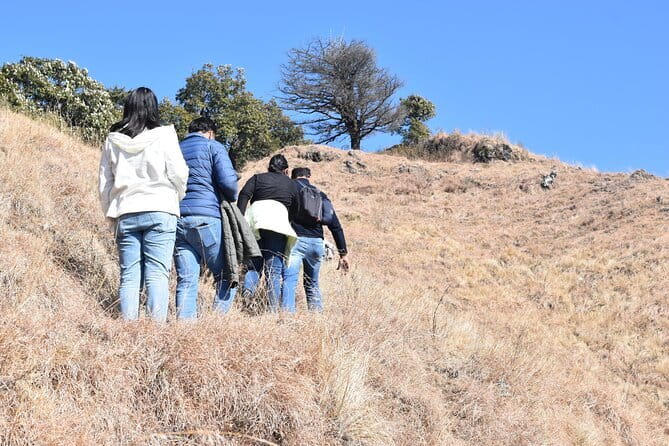
- Oak-and-pine forest walking on a moderate trail, good for beginners with steady legs
- Himalayan peak views you can appreciate even on a shorter, half-day trek
- A guided visit inside Benog Wildlife Sanctuary (time with your guide is built in)
- Jwala Devi Temple stop at the top, with admission listed as free
- Included snacks and a guide make this feel like a real morning outing, not just “go walk there”
A 3-4 hour Benog Wildlife Sanctuary walk (without the big-crowd stress)
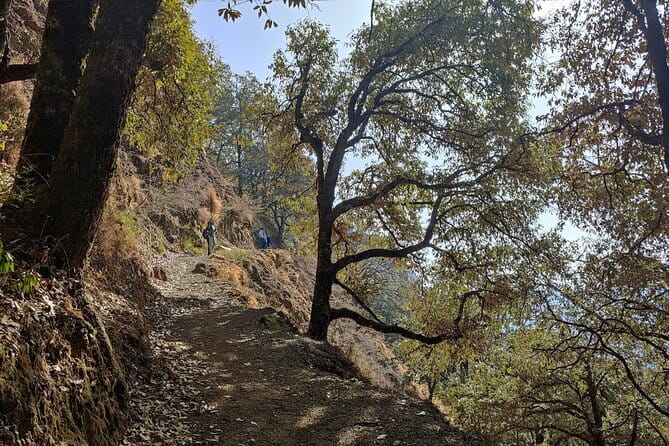
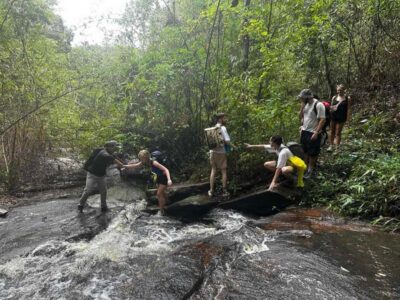
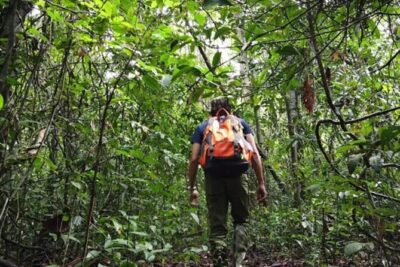
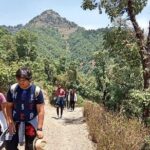
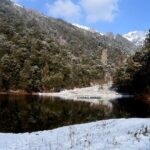
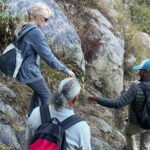
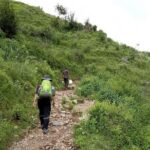
This is the kind of trek that makes you slow down on purpose. You’ll be moving through dense oak and pine forest, where the sound of birds (and wind in the trees) does most of the talking. The route is set up as a round-trip walk of about 3–4 hours, so you get nature time without turning the day into a full-blown hike.
The “why” of this trek is simple: Benog Wildlife Sanctuary is quieter than the main tourist routes, and the scenery feels more like you’re visiting a working natural area than sightseeing a view. If you like trails that feel calm and real, this fits.
Difficulty is listed as moderate, and that’s accurate in spirit. You don’t need technical climbing gear, but you should be comfortable walking on a forest path at a steady pace for multiple stretches.
You can also read our reviews of more tours and experiences in Rishikesh.
Meeting at Cloud End Forest Resort and what pickup changes
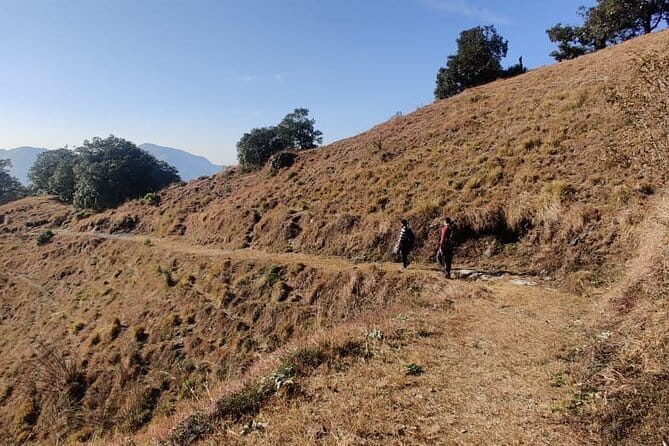
You’ll start from Cloud End Forest Resort, in the Hathipaon area of Mussoorie. The start time is 8:30 am, and the activity returns to the same meeting point.
Pickup is offered, which matters because early-morning movement in hilly areas can be a bit of a puzzle if you’re relying only on taxis. If pickup is available for your booking, it saves time and lets you focus on the trek.
Also note this is a private activity. That’s a real quality-of-life upgrade: fewer people, fewer distractions, and more flexibility with questions as you walk. If you’re traveling with family or friends who move at a similar pace, private time can make the whole morning feel smoother.
Stop 1 inside Benog Wildlife Sanctuary: the guide part is the point
Your first stop is Benog Wildlife Sanctuary, and you’ll spend about 30 minutes there with your guide. This isn’t just a sign-and-go moment. The guide accompanies you and explains what you’ll likely see during the time in the sanctuary area.
That “what you’ll see” part is key. Forest treks can feel random if you’re staring at trees without context. A good guide helps you notice things like bird behavior, small habitat details, and what kinds of wildlife may be around—so your time inside feels earned, not wasted.
One important practical note: wildlife sanctuary entry fees are not included. So bring the mindset that you’ll pay an extra on top of the trek price, even though the guide time and core experience are already part of your booking.
The upside is that this stop is time-boxed (about half an hour). You’re not trapped in an administrative loop for the day—you’re getting a focused visit with explanation, then you move on.
Stop 2 Jwala Devi Temple: a short push with a payoff

After the sanctuary portion, you’ll continue to Jwala Devi Temple. Plan for another 30 minutes here, with your guide accompanying you and sharing details about the temple and its history.
This is the “change of rhythm” stop. In the forest, you’re listening and looking for wildlife cues. At the temple, the tone shifts to a cultural viewpoint—history, place, and why this spot matters locally.
The entry detail is good: Jwala Devi Temple admission is listed as free. So you won’t face another surprise fee right at this stop.
As with any hilltop temple visit, you’ll likely feel the path more than the earlier flat sections. Even when the trek is described as moderate, that last bit toward a temple viewpoint is often where legs realize they’re working. If you keep a steady pace and use the guide’s breaks, it should stay manageable.
What you’ll see: forests and real mountain viewpoints
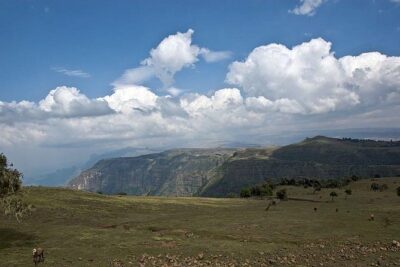
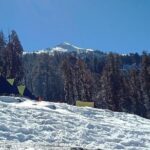
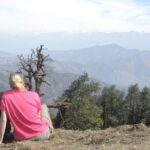
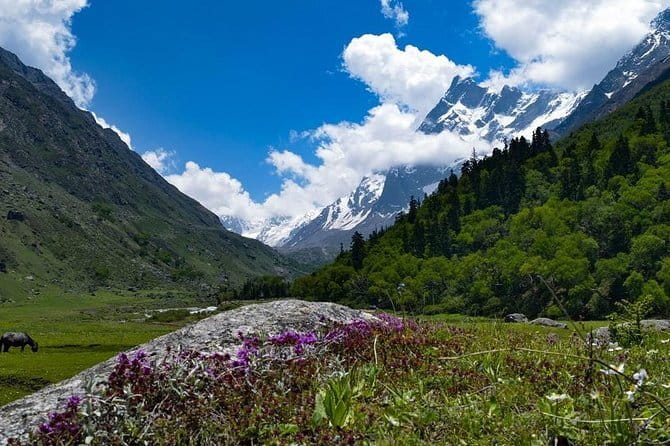
The promise of this trek isn’t just a generic “scenery.” You’re specifically looking at panoramic views of the Himalayas, including Chaukhamba and Bandarpoonch peaks. Those names matter because they help you orient your sightseeing. Instead of hoping you’ll recognize a silhouette, you can learn what you’re looking at while the mountains show themselves between trees.
You also have genuine opportunities for wildlife spotting—especially birds. The experience description emphasizes rare Himalayan birds and other wildlife, and the overall feel from guide-led walks is that bird-spotting isn’t treated as luck-only.
In particular, one guide name came up in previous experiences: Sagar. When Sagar is involved, expect walks to be friendly and careful, and expect stories with context. The goal seems to be keeping things fun and not turning the morning into a slow lecture.
Can you 100% guarantee birds? No trek can. But you can control your side of the deal: stay alert, slow down at stops, and don’t just rush through photos. Birds show up more when you stop acting like you’re late.

Snacks, pacing, and why the “morning start” is smart
You get snacks included, plus the guide. I like this setup because it removes one common stress: figuring out food during an early departure. After you’ve walked through cool morning air and forest shade, a snack break feels normal, not like an extra errand.
The trek starts at 8:30 am. In the hills, early morning tends to mean better visibility and a calmer atmosphere. Even if the views are partially blocked by trees, you’re more likely to get clearer sightlines when the light is fresh.
Pace-wise, this is built for moderate fitness rather than endurance athletes. The trail is described as suitable for beginners with moderate fitness. That doesn’t mean it’s a stroll—think “effort with breaks,” not “go sprint a trail.”
Because it’s a private activity, your guide can usually respond to your group’s rhythm. If someone needs slower steps, you can often manage it without the awkwardness of large-tour crowd control.
Price and value: what $15.87 really buys you
At $15.87 per person, the base price is low enough that you should judge it by what’s included. Here, you’re paying for a guided trek experience with snacks, plus the structured timing for a sanctuary visit and a temple stop.
The one cost to mentally budget for is the wildlife sanctuary entry fee, since it’s not included. That doesn’t make the trek a bad value—it just means your final cost will depend on the sanctuary fee.
To decide if it’s worth it for you, ask this: do you want a guided, story-plus-scene kind of morning? If yes, the included guide and snacks make this feel fair. If you’d rather self-navigate and skip context, you might not feel the value as strongly.
Given the emphasis on guided explanation (sanctuary and temple) and the private-group format, this price points toward practical value rather than a “pay for the view only” experience.
Practical tips so you feel comfortable the whole walk
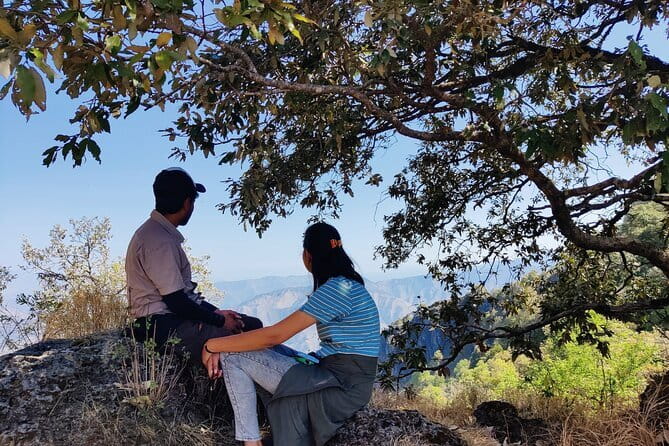
This trek is listed as moderate, so a little preparation makes a big difference.
- Wear shoes with grip for forest paths. Even when the trail is not described as technical, morning humidity and uneven ground can surprise you.
- Bring a light layer. Morning in the hills can feel cooler in shade, then warmer when you hit open view spots.
- Pack water. Snacks are included, but water isn’t listed, so bring your own.
- Use your guide’s attention. Ask where to look for peaks like Chaukhamba and Bandarpoonch. The best views often happen at the exact moment you’re guided to notice them.
- Keep expectations flexible for wildlife. Birds and wildlife are possible, but forest sightings depend on time, weather, and the day’s activity.
And if your guide is Sagar, lean into it. The best kind of trek guide doesn’t just point—they explain with stories, keep the pace comfortable, and help you notice what you’d miss alone.
Who should book Benog Trek into the Wild
This works best for you if:
- you want a calm morning in Mussoorie’s natural areas rather than a busy sightseeing loop
- you’re okay with moderate walking and want a shorter trek that still feels like an outing
- you like wildlife and want someone to help you spot and understand what you’re seeing
- you enjoy cultural context, since the temple stop includes guided history
You might rethink it if you’re looking for a long, workout-style hike, or if you don’t want to pay separate entry fees once you arrive.
Should you book this trek or skip it?
Book it if you want a guided, nature-forward Mussoorie experience that starts early, stays focused, and doesn’t drag. The combination of forest walking, sanctuary time with explanation, and a Jwala Devi Temple stop makes this feel like a complete half-day rather than two unrelated stops.
Skip it only if you’d rather go independently and you don’t care about interpretation. Also keep the sanctuary fee in mind so you’re not surprised on the day.
If you’re aiming for a quiet, thoughtful morning with real views and a guide who makes the trail easier to understand, this one is a strong choice.
FAQ
How long is the Benog Trek into the Wild?
It’s about 3–4 hours round trip, with the activity returning to the meeting point.
What time does the trek start?
The start time is 8:30 am.
Is pickup included?
Pickup is offered, depending on your booking details.
Where does the trek start?
The meeting point is Cloud End Forest Resort, Hathipaon area, Mussorie, Uttarakhand 248179, India.
How hard is the trek?
The trek is described as moderate and suitable for beginners with moderate fitness.
What are the main stops on the trek?
You’ll visit Benog Wildlife Sanctuary (about 30 minutes) and Jwala Devi Temple (about 30 minutes).
Are entry fees included?
Benog Wildlife Sanctuary entry fees are not included, while Jwala Devi Temple admission is listed as free.
Is this a group tour?
This is a private tour/activity, so only your group participates.
Can I cancel for a refund?
Yes. You can cancel for a full refund up to 24 hours in advance of the experience start time.