REVIEW · SAPA
Fansipan Trek One Day Tour – Roof of Indochina
Book on Viator →Operated by Trekking Tour Sapa · Bookable on Viator
One day, and you reach the roof of Indochina. The big draw here is the altitude ride through Hoang Lien Son, where the vegetation shifts as you climb, from older pines and yellow bamboo up to dwarf bamboo near the top, all under the watch of a protected nature reserve. You also have a shot at wildlife like mountain goats and langur monkeys if the timing and conditions are right.
I especially like the small-group pace with a local English-speaking guide and porter support, which makes a steep climb feel manageable instead of purely punishing. I also like that the price covers the practical summit day basics: lunch (vegetarian), park entrance, water, gloves, and even a Fansipan summiting certificate—so you spend your time on walking, not paperwork.
The possible drawback is the physical challenge: you need strong fitness for a long, steep hike that can include ladders/steps, and the day runs long (roughly 7–11 hours total). If rain hits, you’ll still be going—so pack for it and expect the route to be slick at points.
In This Review
- Key things I’d plan around
- Fansipan in one day: what you’re really signing up for
- Timing and transfers: Sapa Church to Tram Ton Pass
- The Hoang Lien Son hike: vegetation shifts, stairs, and wildlife odds
- Summit at noon: the view, the orchids-in-your-head, and the certificate
- Lunch, water, gloves, and porter support: the value you feel on your body
- Fitness reality: steep routes, early mornings, and what the guides do best
- Price and value: is $98 a fair deal in Sapa?
- Cable car on the return: when it helps and what it costs
- What to pack and how to pace yourself for a safe summit day
- Should you book this Fansipan Trek One Day Tour?
- FAQ
- What time do I need to meet for the Fansipan one-day trek?
- How long is the trek?
- Where does the trek start and end?
- Is pickup included?
- What’s included in the $98 price?
- Do I need to bring travel insurance?
- Is the cable car included?
- How many people are in the group?
- What happens if the weather is poor?
Key things I’d plan around
- Early departure from Sapa: meet near Sapa Church and start walking around 6:30 AM after the transfer.
- Hoang Lien National Park entry is included: you’re trekking inside a protected area, not just scenic trails.
- Vegetation changes are part of the show: pine and yellow bamboo give way to dwarf bamboo near the summit.
- Porters help with the workload: you share porter service (3 people per porter), which matters on a steep day.
- Summit time is built in: you reach Fansipan around noon and get a certificate plus time for photos.
- Optional cable car can save your knees: it’s not included, and you’ll pay extra if you choose it.
Fansipan in one day: what you’re really signing up for
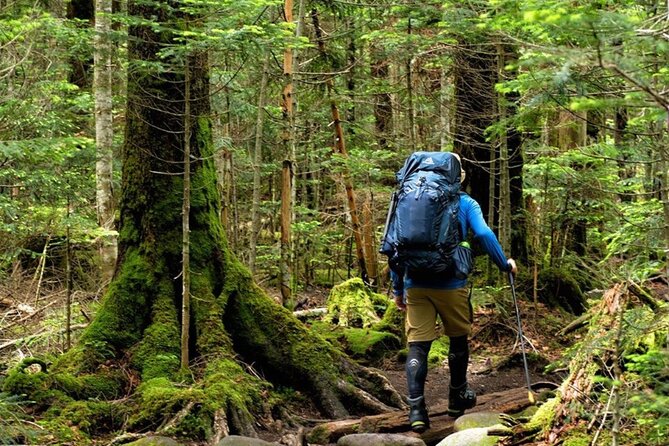
Fansipan is billed as the roof of Indochina, and this trek is the classic way to chase that claim: start in cool Sapa, drive up to Tram Ton Pass, then climb into Hoang Lien Son until you’re at the top. The cool part is that it’s not just a straight line to a view. You’re walking through an ecosystem where altitude changes the plants around you, and the guide points out what’s growing where.
What I like most is that the day feels structured. You’re not left to guess timing or route decisions; you’ve got a local guide and porter support to keep the focus on steady walking. That structure shows up in the way guides are described in feedback—names like Pau, Mei, Chu, and Phung come up as patient, encouraging, and engaged with nature—so you’re not just paying for movement, you’re paying for sense-making.
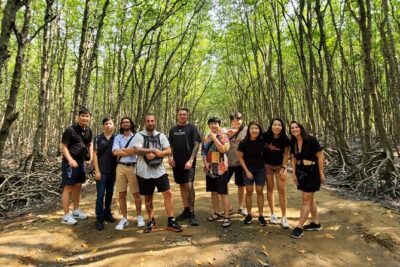
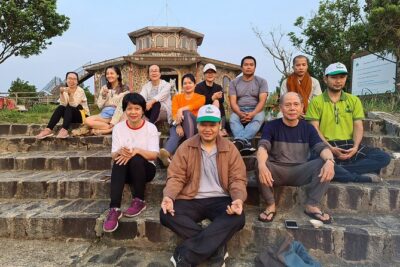
One more thing: the tour is capped at 15 travelers. That size usually means less chaos at photo stops and better attention when the trail gets steep.
Timing and transfers: Sapa Church to Tram Ton Pass
Your day starts early and stays focused. The meeting point is Sapa Church (P. Hàm Rồng, TT. Sa Pa, Sa Pa, Lào Cai). The listing shows a start time of 5:00 AM, and the itinerary has you meeting with the guide and driver around 5:30 AM, then heading by car from Sapa to Tram Ton Pass (about 2,000 meters above sea level).
This matters because Tram Ton Pass is your jump-off for the climb. You’re not wasting the morning on a long internal transfer once you’re already in hiking territory. Instead, you drive up, then start the walk around 6:30 AM.
Expect the day to feel like a full expedition without the multi-day camping rhythm. The total duration is listed as about 7 to 11 hours, which matches how the itinerary is paced: walking takes roughly 7–8 hours (ascent plus descent), with summit time and breaks built in.
Also, the endpoint is practical. You return to Sapa town and the tour ends around 4:30 PM to 5:30 PM, so you can usually line up a bus later the same day to Hanoi or elsewhere. If you want an easy flow, keep your evening plans flexible and don’t book anything that depends on you arriving before rush-hour.
The Hoang Lien Son hike: vegetation shifts, stairs, and wildlife odds
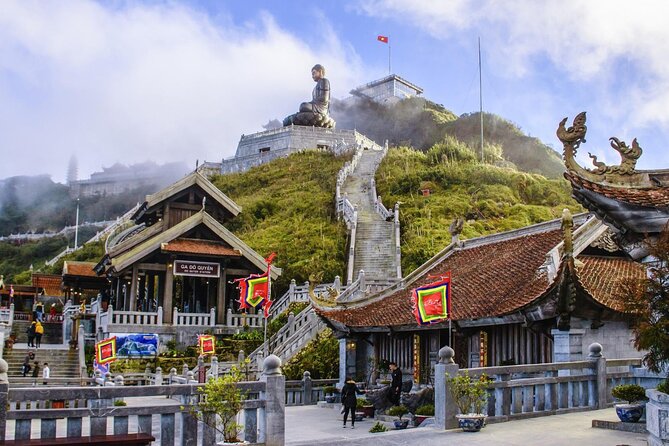
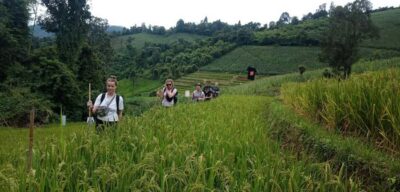
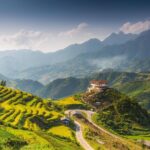
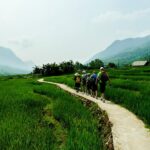
From Tram Ton Pass, the hike is the main event. This is where the Hoang Lien Son story becomes real under your feet. As you climb, you pass giant pine trees and yellow bamboo higher up. Near the top, you’re walking through dwarf bamboo—a clear sign you’ve moved into a higher-altitude habitat.
The reserve matters because it’s protected. The ecosystem includes over 100 varieties of orchids (a striking detail), plus a range of animal life. The tour info notes you might see mountain goats and langur monkeys along the way. You won’t be guaranteed a sighting, but having those possibilities in the mix is part of why this hike feels more than just exercise.
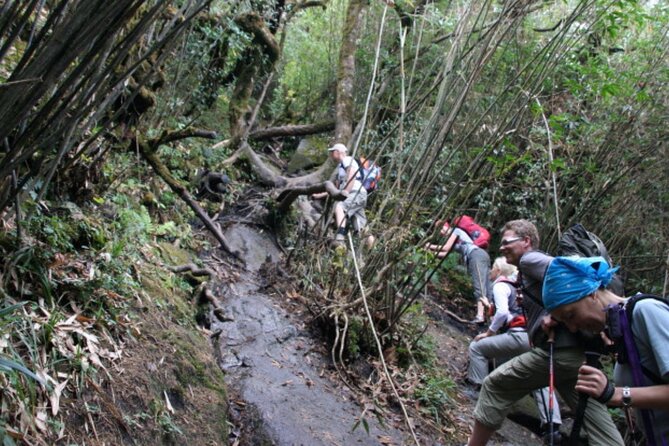
Now, the part you should respect: it’s not a gentle nature walk. Fitness needs to be solid. One review specifically flagged ladders and steps and called the hike steep. That matches what you should expect when a route is designed to get trekkers up a major peak in daylight.
You should also consider the weather. Another review mentions making it to the summit in rainy conditions with encouragement from the guide. Rain doesn’t mean cancelation here; it means you hike with the trail’s mood. If the sky looks threatening, you’ll feel every advantage of gloves and solid footwear.
Summit at noon: the view, the orchids-in-your-head, and the certificate
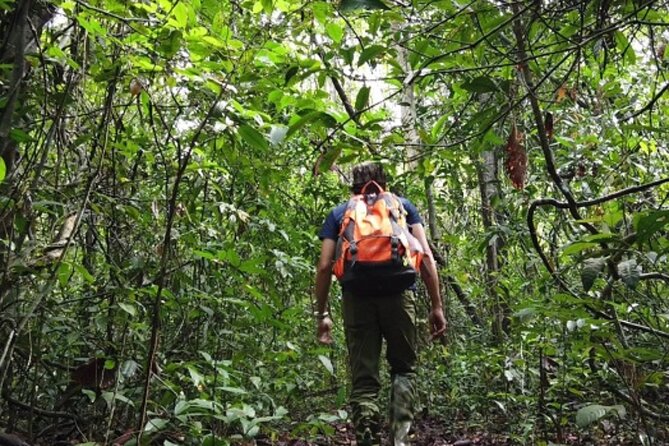
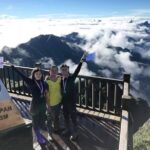
The itinerary sets up a satisfying rhythm: you reach Fansipan peak around noon. At the summit, you’re given about one hour, which is a good amount of time to do the essentials—photos, a breather, and taking in the big “roof of Indochina” moment without turning it into a rushed stop.
This is also where the guide’s interpretation pays off. You’ve been climbing through changing vegetation zones all morning, so the summit isn’t just a reward; it’s proof. Dwarf bamboo near the top isn’t just a detail you hear about—it’s the lived result of altitude and climate shift.
The tour also includes a summiting certificate. That sounds small, but I like tangible proof for milestone trips. And the included certificate plus medals mentioned in feedback helps explain why people remember this trek as more than a casual walk.
A quick practical note: peak weather can be changeable, especially in mountains. Bring a layer. Even if Sapa feels mild, the top can feel harsher, and you’ll want something warm while you’re paused for photos.
Lunch, water, gloves, and porter support: the value you feel on your body
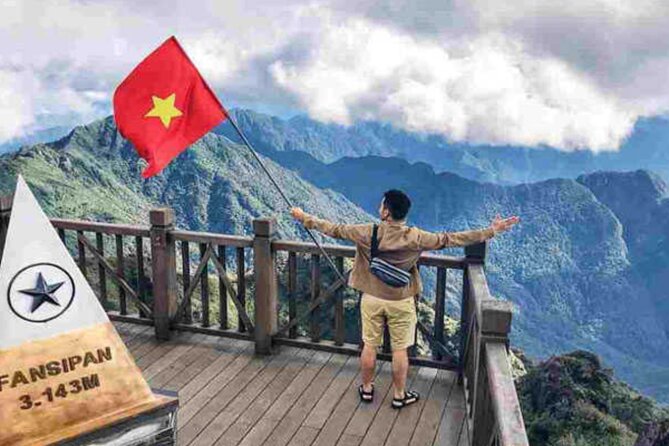
On paper, the inclusions look like a checklist. On the trail, they’re comfort and logistics.
Here’s what’s included:
- Vegetarian lunch
- 1 big bottle of water per person
- Hoang Lien National Park entrance fee
- Local English-speaking guide
- Transport Sapa to Tram Ton Pass and back
- Porter service (3 people sharing 1 porter)
- Summiting Fansipan certificate
- Gloves per person
The porter service is the inclusion I think most people underestimate. When you’re climbing steep terrain, you care less about “perfect fitness” and more about limiting what you have to carry. Sharing a porter means you still do the climbing, but you don’t haul everything on your back.
Gloves are another small item that can matter more than expected on stair-heavy trails and in cooler air. If you forget them, you end up wishing you hadn’t. Getting them included reduces that pre-trip stress.
Lunch being vegetarian is fine for many visitors, but do note what’s not included: you may see references to extra drinks costs elsewhere (like bottled drinks) during the day. The tour itself includes water and lunch, so at least your base needs are handled.
Fitness reality: steep routes, early mornings, and what the guides do best
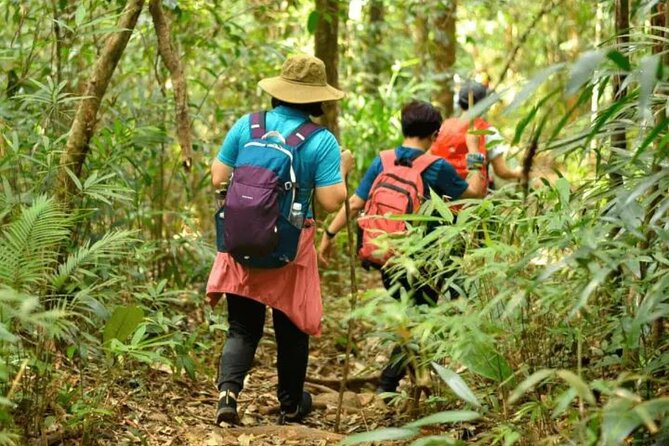
This isn’t a “slow stroll with snacks” kind of day. You should have strong physical fitness before you go. The hike is challenging, and reviews mention steep climbs with ladders and steps.
The good news is that this tour is built around support. You get an experienced local guide and porter service, and feedback repeatedly points to guides being patient and encouraging—examples include Pau, Mei, Chu, So, Pao, and Phung. Even if you don’t get your favorite guide name from the internet, the pattern is clear: the operation emphasizes keeping people moving safely and steadily.
Here’s the consideration that you’ll feel at the end of the day: the descent. Most people notice that their legs feel different halfway down, even if they got to the summit. If you’re someone who struggles on stairs or has knee issues, plan your pacing and consider whether an optional cable car might be a helpful way to reduce the strain later.
One more factor: it’s a long day from early morning until mid-afternoon. If your body runs cold in the morning, bring what you need to stay comfortable at the start, not just at the summit.
Price and value: is $98 a fair deal in Sapa?
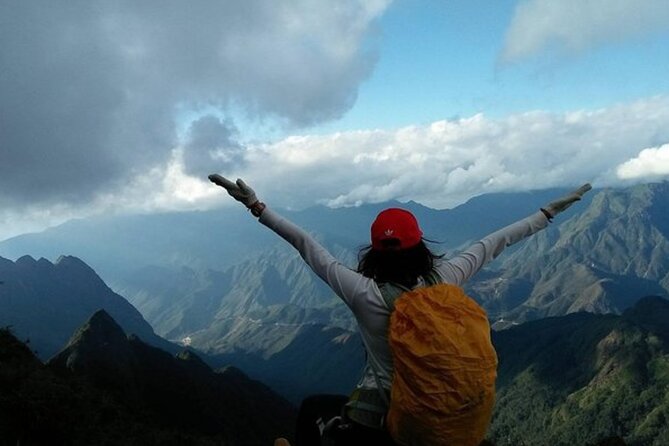
At $98 per person, this one-day trek is priced as a full guided mountain day with key essentials included. Is that expensive? It depends on what you’d otherwise pay.
What you get for your money:
- Park entrance fee
- Transport to Tram Ton Pass and back
- English-speaking guide
- Lunch (vegetarian)
- Water
- Gloves
- Porter service
- Summit certificate
Most independent “cheaper” options for Fansipan end up costing you the same or more once you price in park access, a real guide, and safe logistics. Here, the day is packaged. You can also save if you’re traveling with a group since group discounts are mentioned, which can make the total feel more reasonable for couples or friends.
At the same time, remember what isn’t included:
- Personal travel insurance
- Extra drinks
- Tips for guide, porter, and driver
- Optional cable car
- Other personal expenses
So the value question boils down to this: if you want a guided, supported summit day where the big cost items are already handled, $98 can be a solid deal. If you’re determined to DIY everything, you may find cheaper offers—but you’ll be trading away the convenience and safety net that comes with porters and a guide.
Cable car on the return: when it helps and what it costs
The tour info says an optional return via cable car is not included. That means you can reduce the hike load on the way down, depending on how your legs feel when you reach the summit area.
A review gives a concrete example: one person mentioned cable car down as an option costing 800,000 VND extra. I’d treat that as a real-world reference point, but confirm current pricing directly if you plan to use it.
Why consider it?
- If you’re okay doing the climb but worried about the knees on the descent, the cable car can be a practical pressure release.
- If the weather is rough and the trail is slick, an alternate descent can reduce fatigue when you’re already tired.
Why not rely on it automatically?
- If you enjoy finishing strong under your own power, you might prefer hiking both ways.
- Also, since it’s optional, your plan should stay flexible based on your condition that day.
What to pack and how to pace yourself for a safe summit day
The tour provides gloves, lunch, and water, but you still control the rest of your comfort. Here are practical priorities that fit this specific route:
- Good traction shoes for steep stairs and potentially rainy conditions
- Warm layer for early morning and summit time
- Rain protection (even if forecasts look uncertain)
- Small daypack for essentials (and anything you don’t want to carry in a porter plan)
Pacing is your secret weapon. Start steady at the beginning from Tram Ton Pass. Don’t sprint just because the first hour feels fine. The terrain is steep and will ask for consistent effort, not heroic bursts.
Also, use the guide’s knowledge as part of your pacing. When a guide points out orchids or vegetation changes, it’s not just trivia—it gives you short mental breaks and helps you keep a steady rhythm instead of focusing on how many steps remain.
Finally, plan your evening. The tour ends back in Sapa town around 4:30–5:30 PM, so you’ll be ready for dinner, but you’ll probably want to keep it simple.
Should you book this Fansipan Trek One Day Tour?
Book it if you want a supported, well-paced summit day with the essentials handled: park entry, transport, lunch, water, gloves, porter service, and a summit certificate. The small-group limit helps, and the repeated emphasis on patient guides (from names like Pau, Mei, Chu, and Phung) suggests you’ll be walking with more than just a person who knows the route.
Consider passing or choosing a gentler option if you don’t have strong fitness for a steep, ladder-and-steps type trail, or if you’re worried about the long day starting at dawn. This is a real mountain climb, not a casual sightseeing hike.
If you’re on the fence, ask yourself one question: do you want to earn the roof-of-Indochina moment with real effort and real support? If yes, this is a very practical way to do it in one day from Sapa.
FAQ
What time do I need to meet for the Fansipan one-day trek?
The meeting point is Sapa Church, and the start time is listed as 5:00 AM. The itinerary also notes the guide and driver meeting you around 5:30 AM.
How long is the trek?
The total tour duration is about 7 to 11 hours. The hiking ascent and descent are listed as taking around 7–8 hours.
Where does the trek start and end?
It starts at Sapa Church (P. Hàm Rồng, TT. Sa Pa, Sa Pa, Lào Cai) and ends back at the same meeting point in Sapa town around 4:30 PM to 5:30 PM.
Is pickup included?
Yes. Transport from your hotel in Sapa to Tram Ton Pass and back is included, and pickup is offered from the meeting point area.
What’s included in the $98 price?
Included: vegetarian lunch, Hoang Lien National Park entrance fee, local English-speaking guide, transport to and from Tram Ton Pass, 1 big bottle of water per person, porter service (3 people sharing 1 porter), summiting Fansipan certificate, and gloves per person.
Do I need to bring travel insurance?
Personal travel insurance is not included, so you should arrange it separately.
Is the cable car included?
No. Return via cable car is listed as optional and not included.
How many people are in the group?
The tour has a maximum of 15 travelers.
What happens if the weather is poor?
The experience requires good weather. If it’s canceled due to poor weather, you’ll be offered a different date or a full refund.