REVIEW · DUBLIN
Trek the Tombs and Trails in the Dublin Mountains
Book on Viator →Operated by MYBIKEORHIKE · Bookable on Viator
A foggy idea of Ireland gets more real fast on this hike. You ride out to the Dublin foothills, then spend the day with ancient tombs and big panoramic views over Dublin and the bay. The day is led in English, with a small group so you get real attention, and you even get the chance to stop for seasonal wild berries if conditions line up.
One thing to consider: this is a moderate hike, and you’re outdoors most of the day, so you’ll want decent shoes and weather that’s cooperative.
In This Review
- Key Things You’ll Notice on This Hike
- A Small-Group Day That Makes History Walkable
- From Dundrum to the Dublin Foothills: Start in the City, Escape the Noise
- Stop at Glencullen, Then Head Toward the First Ancient Burial
- The First Big Find: A Wedge Tomb from the Second Millennium B.C.
- Views Over Dublin and the Bay: Ridge Walking with a Purpose
- Picking Wild Berries When They’re In Season
- The Second Burial Site: Stone Circle and a Named Mountain Top
- Evergreen Forest Downshift, Then Backroads to Food
- Price and Value: Is $180.44 Worth It?
- Who Should Book This Dublin Mountains Hike
- Book It or Pass: My Take
- FAQ
- FAQ
- What’s the duration of Trek the Tombs and Trails in the Dublin Mountains?
- Where do I meet, and where does the tour end?
- How many people are in the group?
- What’s included in the price?
- Is lunch or alcohol included?
- What fitness level do I need?
- What language is the tour offered in?
- Are wild berries part of the experience?
- What happens if the weather is bad, or if I cancel?
Key Things You’ll Notice on This Hike
- Two very different megalithic tomb experiences, starting with a wedge tomb and ending at a stone circle burial site
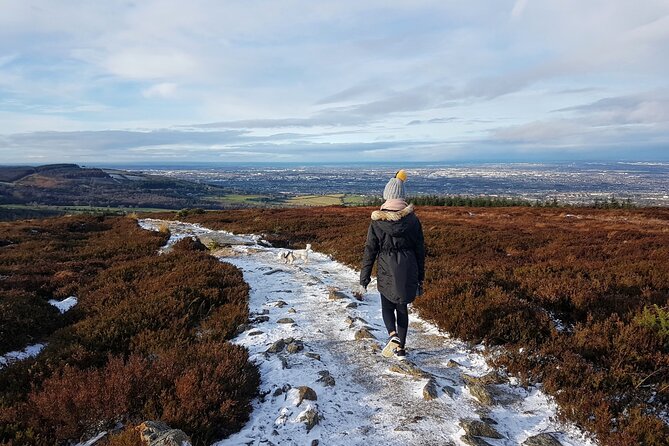
- The Dublin Mountains Way hiking feel, with ridge walking and long sightlines
- A high viewpoint stop where you can scan Dublin and the bay area from a mountain top rock
- Seasonal berry picking, if you’re hiking when wild berries are in
- Small-group guidance (max 8) that makes history feel practical, not lecture-y
- Two return routes by bus, so the ride back stays interesting
A Small-Group Day That Makes History Walkable
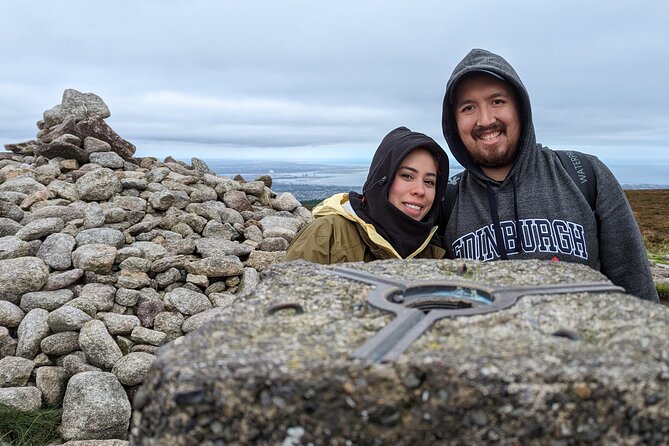
What I like most about this tour is that it doesn’t feel like a drive-by photo stop. You get a bus into the quieter Dublin Mountains backroads, then you actually walk between sites, so the history connects to the terrain you’re standing on.
The second big win is the guide’s storytelling style. In particular, I’m glad the day is led by someone like Ben, who brings Irish history to life in a way that makes the tombs feel understandable, not mysterious. When you’re standing by stones that date back to the second millennium B.C., it helps to have context in plain language.
The pace works if you’re comfortable with a steady hike for roughly seven hours. But if you hate walking for long stretches, or you expect this to be an easy stroll, it will probably feel like more work than you wanted.
You can also read our reviews of more tours and experiences in Dublin.
From Dundrum to the Dublin Foothills: Start in the City, Escape the Noise
You meet back where it’s easy to connect by public transport: outside Dundrum Luas Station. The meeting and ending point is the same, which keeps the day simple—no extra train changes to worry about after you’re tired.
Once you’re on the bus, the vibe changes quickly. Instead of staying in Dublin, you head through the backroads of the foothills toward a remote mountain village. That transfer matters more than it sounds. It gets you out of the built-up areas fast, and it sets expectations: this is a walking day in real countryside.
Also, the group stays small (up to 8). That usually means more questions get answered and fewer people get left behind when the group pauses for explanations and photos.
Stop at Glencullen, Then Head Toward the First Ancient Burial
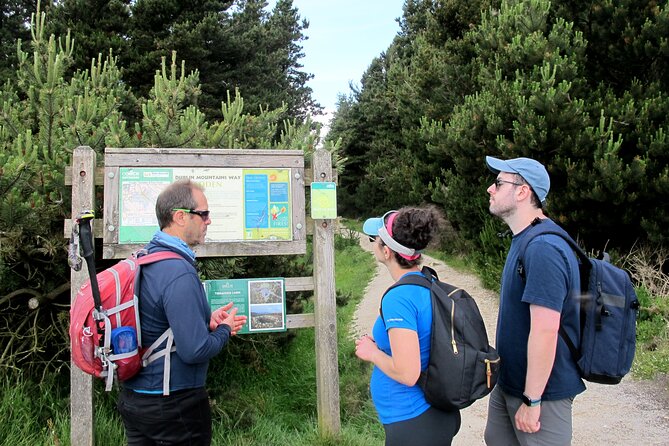
The day’s first named stop is Glencullen, and from there it’s into the hiking portion. You’ll follow a meandering mountain path before you reach the first major site.
This first segment is a good warm-up. You’re moving, but you’re not instantly thrown onto the steep parts. It also gives you time to adjust to the terrain—rocky footing in spots, uneven ground, and that “mountain trail” feeling where you can’t assume everything is smooth.
A useful detail: the tour includes a bus pass for transport to the start and for the return. So you don’t have to find your own way back through rural roads. That’s real value on a day like this, especially if you’re relying on public transport for the start.
The First Big Find: A Wedge Tomb from the Second Millennium B.C.
Eventually you reach an ancient burial wedge tomb—one of those sites where simply being there makes you slow down. This is the kind of structure that’s tied to its era and purpose, not just to tourism.
You’ll learn its history while you’re still close enough to see the details up close. That’s what makes this kind of stop worth more than a quick glance: the guide explains what you’re looking at and why it mattered.
Timing note: you may also get your first chance to connect the walking to the story. Tomb sites are often placed intentionally—visibility, access, and the way the terrain shapes movement. When you’re walking along a mountain path and then suddenly looking at a burial monument, it clicks in a way that a museum label can’t.
What to watch for: you’ll likely spend a bit of time standing and listening. So keep an eye on footing near uneven ground, especially if the path is damp.
Views Over Dublin and the Bay: Ridge Walking with a Purpose
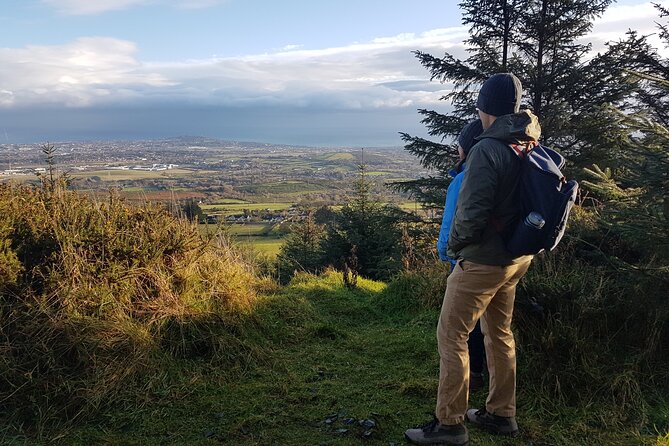
After the wedge tomb, you continue along the Dublin Mountains Way. This part of the hike is where the day turns into an outdoor experience, not just a history tour.
At a popular viewpoint, you take in panoramic views over Dublin and the bay area from a mountain top rock. It’s the kind of stop where you can pause, look around, and feel the scale of where you are. Even if you’re not the type to love hiking views, this one helps you understand why people built and used these places.
Then you’ll see more features nearby, including a never excavated cairn tomb and a triangulation pillar. Those details matter because they show how different eras left their marks. A cairn tomb is about the past burial purpose, while a triangulation pillar is a reminder that humans also mapped and measured these hills for practical reasons.
If you’re the kind of traveler who enjoys mixing “what is this?” with “why here?”, this section is a highlight.
Picking Wild Berries When They’re In Season
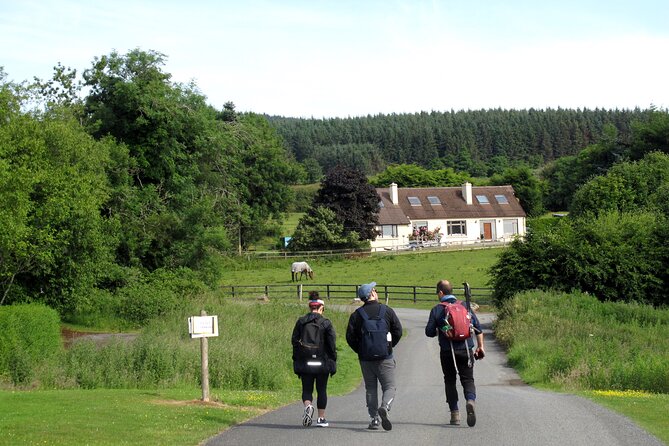
Depending on the season, the tour may pause so you can pick wild berries. This is one of those small experiences that turns a walk into a memory you can taste, not just photograph.
The idea isn’t that you’ll bring home a big haul. It’s more like a light, seasonal treat in the middle of a hike—something you can eat as is, or (if you’re thinking ahead) use later for jam or tarts.
Two practical tips:
- Wear gloves if you’re prone to getting scratchy plants on your hands.
- If the day is muddy or wet, berries can be easy to handle, but don’t rush—watch where you step.
Because it’s seasonal, don’t count on berry picking as a guarantee. But if you’re traveling in the right months, it’s a fun way to connect with the countryside directly.
The Second Burial Site: Stone Circle and a Named Mountain Top
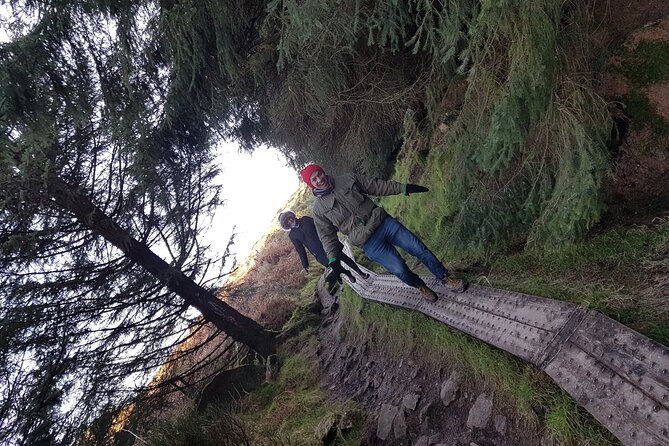
The hike continues along a ridge with views to the north (Dublin) and south (Wicklow). That ridge walking is often where your sense of direction improves quickly. You start relating the terrain to the surrounding regions, and the mountains stop feeling like a backdrop.
Then you arrive at a second burial tomb—this one connected to an ancient stone circle and burial place of the man for whom the mountain top sits. The exact identity of the person isn’t spelled out in the details you provided, but what’s clear is the site is named through connection to that individual. That gives the stones a human anchor.
What I like about ending the history element this way is that it’s not repetitive. A wedge tomb has one story shape. A stone circle burial site has a different feel: more open space, more visible arrangement, and a sense of community space around ritual activity. It’s a different kind of archaeology experience, not just a second version of the first.
Afterward, you’ll start a more relaxing phase: a descent down a meandering path through an evergreen forest. That shift from ridge walking to a wooded trail helps your body recover while you keep moving through the day.
Evergreen Forest Downshift, Then Backroads to Food
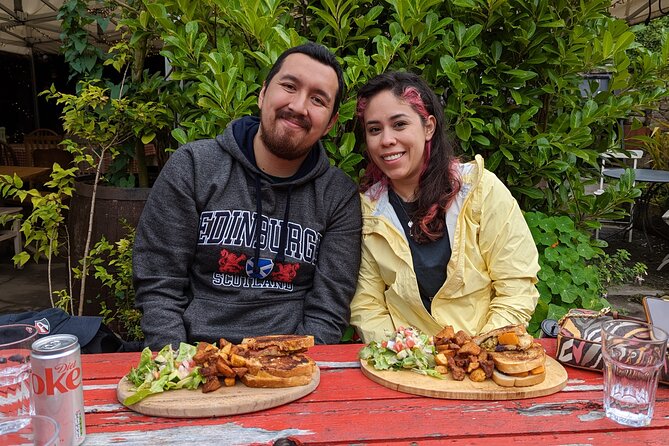
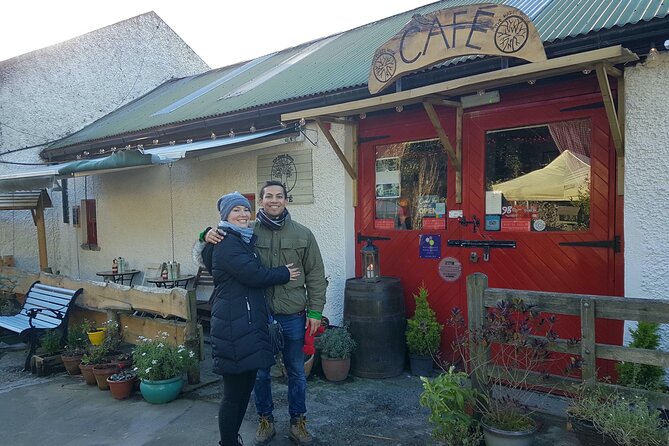
When you exit the forest, you’ll follow a rural back-road toward a rustic cafe and restaurant. This is your chance to refuel properly after hours on the trail.
You’ll have a choice:
- enjoy a lunch made of local produce and cuisine, or
- stop for a well-earned pint at a nearby country pub after the hike
Neither lunch nor alcohol is included, but the options are set up in a way that makes sense. You’re not hunting for food right after arriving sweaty. You reach a place designed for a post-hike break.
This is also where the day can shift depending on your style. If you want to linger, lunch gives you time. If you want to keep it light and social, a pint at a pub is an easy reward for the effort you put in.
One more detail I appreciate: after lunch or a pub visit, the tour uses an alternative bus route back to the finish point. That means the ride home can feel like a second mini-experience, not just empty travel time.
Price and Value: Is $180.44 Worth It?
At about $180.44 per person for roughly 7 hours, you’re paying for more than a walk. You’re paying for guided interpretation of historic sites, plus the bus transport from Dundrum to the hike start and back.
Here’s how I think about value for this kind of outing:
- Small group size (max 8) usually improves how well the guide can respond to questions and explain what you’re seeing.
- Transport is included, which matters because rural trail access isn’t always simple by public transit.
- You’re seeing two megalithic tomb areas, plus a viewpoint, plus features like the triangulation pillar and never excavated cairn tomb.
- You get the option of lunch or a pub stop without the tour rushing you out the door.
What you don’t get is extra perks like an included lunch or included alcohol. So if you show up hungry, plan to pay for lunch on site. If you’re trying to keep costs controlled, bring snacks for the hike (not listed as provided) and plan your lunch budget.
Compared to a basic walking tour that only stops at one or two places, this feels more like a full half-day field trip. If you care about history and you like views, it earns its price.
Who Should Book This Dublin Mountains Hike
This is a strong fit for you if:
- you like combining outdoor walking with ancient sites
- you enjoy panoramic viewpoints and ridge walking
- you want a small-group experience where questions get answered
- you’re curious about how Ireland’s distant past connects to the actual ground you’re stepping on
It might be less ideal if:
- you want a short, easy stroll
- you dislike being outdoors for hours
- you need lots of included food or drinks (lunch and alcohol options are on your dime)
Fitness-wise, the tour calls for moderate physical fitness. That usually means you can manage uneven trail paths and a sustained hike without needing frequent short breaks.
Book It or Pass: My Take
I’d book this if you want one day in Dublin that goes beyond museums and bus tours. The combination of two megalithic sites, long views over Dublin and the bay, and the guide’s history talk makes it feel like an Ireland experience with depth—without being heavy-handed.
If you’re the type who likes the outdoors but worries history tours will be dry, this is a good counterexample. Ben’s kind of approach—clear, practical, and grounded in what you’re seeing—seems built for people who want meaning, not a lecture.
If your weather expectations are shaky, remember the tour requires good weather. If conditions are poor, the experience may be rescheduled or refunded, so keep that flexibility in mind.
FAQ
FAQ
What’s the duration of Trek the Tombs and Trails in the Dublin Mountains?
It runs for about 7 hours.
Where do I meet, and where does the tour end?
You start outside Luas Station in Dundrum, Dublin, and the tour ends back at the same meeting point.
How many people are in the group?
The tour has a maximum of 8 travelers.
What’s included in the price?
You get a bus pass for transport to the start of the hike and returning after.
Is lunch or alcohol included?
Lunch is optional at a rustic cafe/restaurant at the end of the hike, and alcoholic beverages are not included. You can choose a country pub if you want a pint.
What fitness level do I need?
The hike is geared toward people with moderate physical fitness.
What language is the tour offered in?
The tour is offered in English.
Are wild berries part of the experience?
Depending on the season, there may be a pause to pick wild berries, either to eat then or to use later.
What happens if the weather is bad, or if I cancel?
This experience requires good weather. If it’s canceled due to poor weather, you’ll be offered a different date or a full refund. You can cancel for a full refund up to 24 hours before the experience’s start time.
If you tell me what month you’re going (and your hiking comfort level), I can help you gauge whether the berry-picking chance and trail demands will match your day.