REVIEW · TOKYO
Mt.Fuji Trekking 1 Day Tour up to the summit
Book on Viator →Operated by アウテック · Bookable on Viator
Steep. Early. Worth it. A guided one-day climb of Japan’s highest peak is a unique Tokyo-area escape, built around starting at the 5th Station and following the Yoshida trail with real support. I like that you get hotel pickup/drop-off, plus snacks and water timed for a long mountain day.
What really makes this tour feel manageable is the included climbing kit. You’ll have trekking poles and even oxygen cans to help you keep your head (and pace) when the air feels thin. The main drawback to plan for: the climb is physically demanding, and the Mount Fuji entrance fee is extra (¥4,000 per person).
In This Review
- Key highlights at a glance
- Mount Fuji in One Day: What You’re Really Signing Up For
- From Hotel Pickup to the 5th Station: Your Day Starts at Dawn
- Walking the Yoshida Trail to 7th Station (~2700m)
- Summit Option: How the Guide Helps You Decide on the Go
- Included Snacks, Water, Trekking Poles, and Oxygen Cans
- Price and Logistics: Is This Worth ¥4,000 Plus the Total Cost?
- Who This Tour Fits Best (and Who Should Rethink)
- Practical Fuji Wisdom for Your Gear and Pace
- Should You Book This Mt. Fuji Summit Day Tour?
- FAQ
- What time does the tour start?
- How long is the Mount Fuji trekking day?
- Where does the trek start?
- Will I be able to reach the summit?
- What’s included in the tour price?
- What is not included?
- Is there free cancellation?
Key highlights at a glance
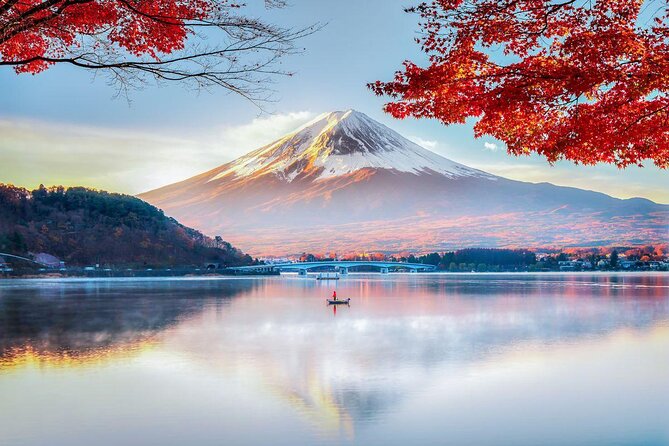
- Early departure window: pickup aligns with a 3:30 AM to 5:30 AM start time during the operating period
- Guided Yoshida trail focus: guided route up to 7th Station (~2700m)
- Optional summit continuation: the tour can arrange going all the way to the peak depending on your fitness and conditions
- Practical included support: snacks, bottled water, trekking poles, and oxygen cans
- Private group experience: only your group participates, up to 8 people
- Good-to-know stamina reality: reviews point out the steep start—go in ready to slow down
Mount Fuji in One Day: What You’re Really Signing Up For
If you want Mount Fuji but you only have a day, this is the kind of plan that can actually work. The big headline is simple: you start from the 5th Station and climb the Yoshida trail with a guide, with the option to keep going toward the summit. The day runs about 12 to 16 hours, so even if the hiking portion sounds short on paper, the whole schedule is long and early.
This is also a tour where “easy” means steady hiking on a marked trail, not that it feels flat. One review captures the reality well: the first part of Fuji can hit hard fast, even if you’ve done other hikes. Another review mentions reaching the summit despite being unfit and inexperienced, but the consistent theme is support from the guide and good weather.
You should come with a strong fitness base and a flexible attitude. If you expect to blast uphill, this will humble you. If you’re willing to pace and listen, the day becomes more about managing effort than suffering.
From Hotel Pickup to the 5th Station: Your Day Starts at Dawn

This tour is designed to remove friction. You’re offered hotel pickup and drop-off in an air-conditioned vehicle, which matters a lot when you’re leaving before sunrise. A mobile ticket is included, so you’re not scrambling with paperwork mid-queue.
Timing is the other reality check. During the operating season listed, the tour runs Monday to Friday with opening hours from 3:30 AM to 5:30 AM. That early start is not random—it’s built around getting onto the mountain when conditions are best and daylight is on your side.
You’ll also get a short, useful buffer at the start: the first stop is the Mt. Fuji 5th Station, with about 20 minutes there and an admission ticket listed as free for that stop. Think of this as your staging phase. You get oriented, you settle your layers, and you start the climb with a clear plan instead of walking in blind.
Walking the Yoshida Trail to 7th Station (~2700m)
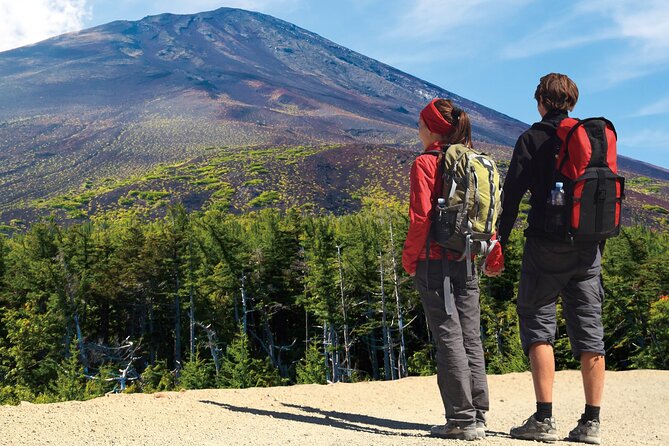
The guided trekking portion begins from the 5th Station, moving up the Yoshida trail toward 7th Station (about 2700m). The tour frames this section as an easy-level trekking route, and on a map it can look approachable. On the mountain, the difference is that Fuji can stay steep for long stretches, especially early on.
This is where a guide adds value beyond navigation. You’re not just “being shown the way.” You’re paced through the climb, and you’re less likely to burn matches too fast. That’s important because altitude fatigue makes even normal effort feel heavier. Reviews back this up with one person noting the climb felt like a constant incline, even reaching angles they described as very steep. The practical takeaway: expect your legs to work from the first kilometer.
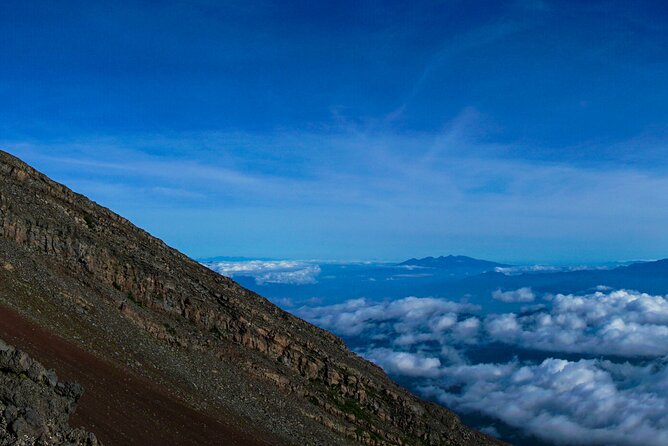
Along the way, you’ll get rewarded with a panoramic view as you climb higher. You won’t be stuck in a monotone uphill slog. The Yoshida route gives you those moments when it clicks: you’re climbing something that feels bigger than a typical day hike.
At 7th Station, you’re at a real altitude checkpoint. It’s also where you can reassess—because the tour includes the option to continue.
Summit Option: How the Guide Helps You Decide on the Go
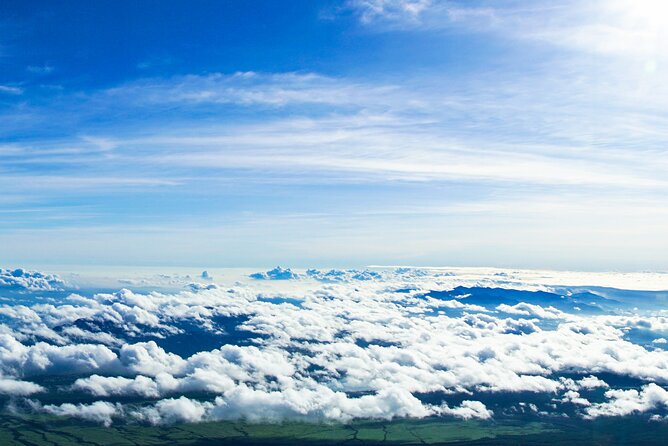
The tour doesn’t lock you into one single outcome. You’re guided up to 7th Station, and then you can continue to the very peak of Mount Fuji if your fitness and conditions allow. This is a big deal for value because it prevents the usual trap: forcing everyone to attempt the summit on the same timeline.
The guides’ support matters here. One review specifically mentions inexperienced hikers and good weather helping them reach the summit with the guides’ help. Another review emphasizes that the climb is not for the faint of heart, and that you should come ready to slow down or adjust your strategy.
In real terms, “optional summit” means you’re not betting the whole day on one early burst of ambition. You’re climbing in stages, with a decision point where you can stop, regroup, or push further with the guide’s guidance. If your plan is summit-or-bust, you’ll likely stress yourself out. If your plan is steady effort with flexible goals, you’ll enjoy the day more.
Included Snacks, Water, Trekking Poles, and Oxygen Cans
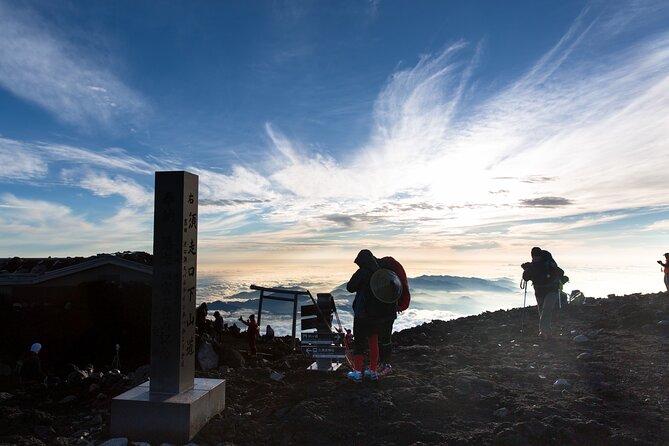
This tour earns points for giving you basics that make a difference at altitude: snacks and bottled water, plus trekking poles and oxygen cans. These items aren’t fancy. They’re smart.
Snacks and water keep your energy from dipping early. That matters because Fuji can take more out of you than you expect, especially after a very early start. If you under-fuel, the second half of the day can feel harder than it should.
Trekking poles are a quiet win on steep trail sections. They reduce strain on your knees and help you keep balance on uneven ground. Even if you’re an experienced hiker, poles make a difference when your legs are already tired.
The oxygen cans are included as well. I treat this as a safety net rather than a guarantee. You still need to pace, breathe normally, and listen to your body. But having them on hand can feel reassuring when you’re dealing with thin air for the first time.
Also note: the tour lists admission ticket as free for the 5th Station and the trekking start segment, but it does not include the Mount Fuji entrance fee for the overall visit.
Price and Logistics: Is This Worth ¥4,000 Plus the Total Cost?
The price is listed as $2,939.43 per group, up to 8 people. That pricing structure matters. For a private tour, you’re paying for a dedicated guide experience and private transportation, not a per-person group bus.
To judge value, break it down into what you’re actually buying:
- a guide-led climb on a high-stakes route
- hotel pickup and drop-off by air-conditioned vehicle
- included equipment like trekking poles
- included altitude-related add-ons like oxygen cans
- included snacks and water
Then add the one clear extra: Mount Fuji entrance fee is ¥4,000 per person (not included). So for most people, your real total is the tour price plus that fee.
I’d only call it “worth it” if you match the tour’s rhythm. This is best when you want privacy, early-day convenience, and a guide who helps with pacing and decisions. If you’re traveling solo or on a tight budget, the private-group cost might feel steep. If you’re splitting with friends or family (up to 8), the value equation looks more reasonable fast.
Another logistics clue: it’s booked on average 98 days in advance. That hints that good spots for early starts and availability can disappear. If Fuji is a must-do, don’t leave it to the last minute.
Who This Tour Fits Best (and Who Should Rethink)
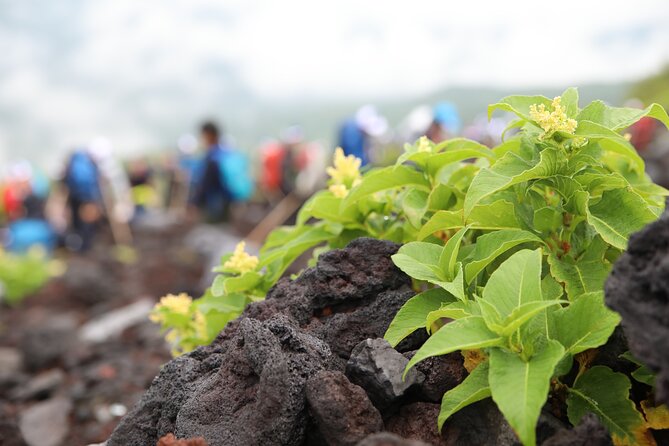
This tour explicitly says travelers should have strong physical fitness. I agree with that framing, not because it’s impossible for everyone, but because the day is long and the slope can feel brutally steep early on. Expect constant effort and fatigue accumulation, not a leisurely nature walk.
That said, reviews include a hopeful counterpoint: even people who felt unfit and hadn’t hiked before were able to make it to the summit with guide support and good weather. The difference was pacing, help, and conditions aligning.
So who should book?
- You want a guided climb with safety-minded pacing
- You like the idea of a fixed early schedule and a private setup
- You have enough fitness to hike steep terrain for hours
Who should rethink?
- You’re expecting a gentle stroll
- You have limited stamina for a very early start and long day (12–16 hours)
- You’re not comfortable hiking when it’s demanding, even if you’ve done shorter hikes before
Practical Fuji Wisdom for Your Gear and Pace
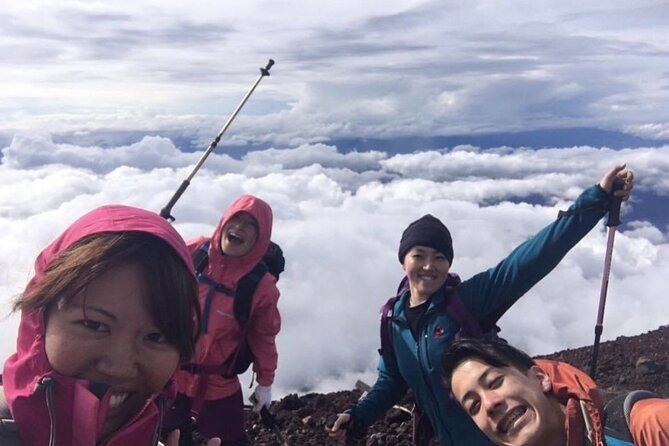
You’ll be far happier if you treat this like a climbing day, not a casual outing. Use the provided trekking poles from the start of the steep sections. They’ll help your legs stay functional longer.
Wear layers you can adjust quickly. You’re starting early in cooler conditions and climbing into different temperatures. Bring a plan for energy: snacks and water are provided, but your body still needs steady intake throughout the day.
And pace matters more than ego. One review described the first kilometer as wrecking them. That’s normal on Fuji. Your job is to control your effort early so you don’t hit a wall later. If the summit feels out of reach, the tour’s structure lets you make a smarter call instead of forcing it.
Should You Book This Mt. Fuji Summit Day Tour?
Book it if you want the summit dream with guardrails: a guide, early pickup, private logistics, and included gear that supports comfort and pacing. The reviews lean hard toward the main win—confidence and safety from the guide, plus the feeling that the summit can happen when you work the plan and weather cooperates.
Skip it (or reconsider) if you know you hate steep, long days and you’re not ready for the physical reality that Fuji starts fast. Also factor in the extra ¥4,000 entrance fee per person. If your budget can’t absorb that, your “one day” becomes a lot more expensive than it first looks.
If you’re fit, flexible, and you’re traveling with a group that can use the private setup, this is a strong way to tackle Fuji without the usual chaos.
FAQ
What time does the tour start?
The listed opening hours run from 3:30 AM to 5:30 AM (Monday–Friday) during the operating period shown.
How long is the Mount Fuji trekking day?
The total duration is listed as about 12 to 16 hours.
Where does the trek start?
You start at Mount Fuji 5th Station, the main entrance area for climbing.
Will I be able to reach the summit?
The tour climbs to 7th Station (about 2700m) and offers an option to continue to the very peak, depending on fitness level and conditions.
What’s included in the tour price?
Included items are snacks, bottled water, private transportation in an air-conditioned vehicle, trekking poles, and oxygen cans.
What is not included?
The Mount Fuji entrance fee is not included and is listed as ¥4,000 per person.
Is there free cancellation?
Yes. Free cancellation is available up to 24 hours before the experience start time for a full refund.