REVIEW · GHANDRUK
Pkr/Kathmandu: 5-Day Annapurna Base Camp & Hot spring Trek
Book on GetYourGuide →Operated by Travel Guides · Bookable on GetYourGuide
Five days to Annapurna Base Camp is the real deal, and the route is packed with forest trails, rivers, waterfalls, village stops, plus that big-mountain payoff at 4130m. I like how this trek squeezes in major views of Annapurna I, Machhapuchhre, and Hiunchuli, while still giving you moments of sunrise drama around Machhapuchhre Base Camp. It also adds a practical treat at the end: natural hot springs at Jhinu Danda, usually right when your legs want a reset.
I really like the private guide setup here because it turns a tough route into something you can actually manage, especially when weather turns cold and slippery. I also love the mountain guest house rhythm—simple stays, steady meals when included, and borrowed trekking gear that keeps you from hauling the wrong stuff.
One drawback to flag: this is moderate to challenging, with big altitude and cold nights at the top, so it’s not a good fit if you have heart or respiratory issues, or if you’ve struggled with altitude before.
In This Review
- Key highlights that make this trek click
- Why the 5-day ABC route feels worth it (even though it’s tight)
- Day 1 from Pokhara to Sinuwa: getting on the trail without losing the whole day
- Day 2 to Deurali: forests, waterfalls, and tea-house stops that break the climb
- Day 3 to Annapurna Base Camp: the day the mountain shows up
- Day 4 back toward Bamboo/Sinuwa: sunrise pressure release and a longer descent
- Day 5 to Simrung and back to Pokhara: hot springs at Jhinu Danda
- Guide and porter reality: what you get when the team is strong
- Guest houses, borrowed gear, and why packing right can save energy
- Jhinu Danda hot springs: not just relaxing, but practical recovery
- Price and value: what $60 actually covers and what can add up
- Seasons, weather, and the clothing test at Annapurna Base Camp
- Who should book this trek—and who should choose differently
- Should you book it?
- FAQ
- How long is the trek?
- Where does the trek start?
- What is the highest altitude on this trip?
- How many nights will I stay in mountain guest houses?
- Is the hot spring at Jhinu Danda included?
- What’s included for equipment?
- Are meals included?
- Is a porter included?
- What languages will the guide speak?
- What activities or substances are not allowed?
Key highlights that make this trek click
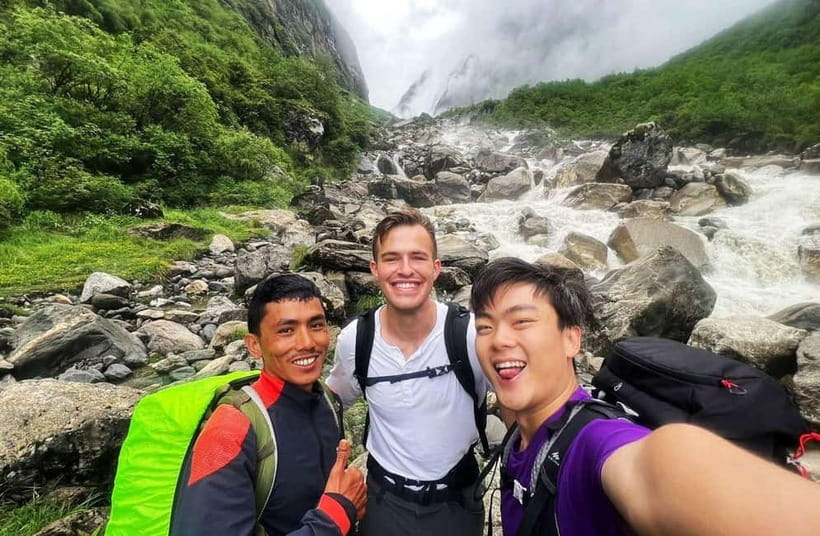
- Fast ABC payoff in just 5 days with a high-altitude summit day at 4130m
- Sunrise vibes at Machhapuchhre Base Camp area before you start the descent
- Real trail flavor: dense forests, rivers, waterfalls, and traditional village life
- Panoramic mountain views of Annapurna I, Machhapuchhre, and Hiunchuli
- Jhinu Danda hot springs on the last day for a physical reset
- Guide-and-porter quality shown in multiple guide names like Raj, Sagar, Shiva, and Nareen, plus porters like Naron, Visnu, Azis
Why the 5-day ABC route feels worth it (even though it’s tight)
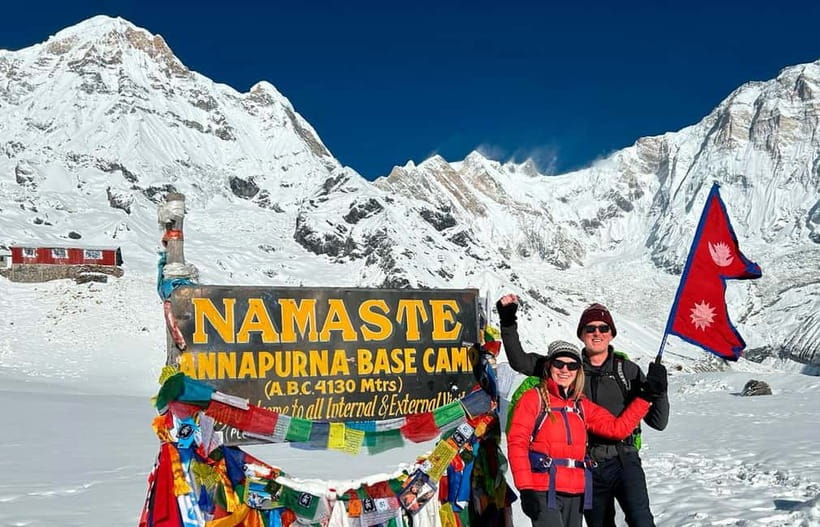
Annapurna Base Camp is one of those “I can’t believe it’s real” destinations. The big question is always time: can you get there fast without feeling rushed? This itinerary is built to do exactly that—up to Annapurna Base Camp in about three trekking days from the start, with a total of five days including drives and the hot-spring day.
That speed has a trade-off. You’ll climb steadily, not slowly for days. You’ll want to walk at a calm pace and take the acclimatization message seriously. If you go out fast, you’ll feel it; if you go out steady, the route becomes a sequence of doable days rather than a single suffering test.
The best part for me is that the trek isn’t only about the final photo. You’re walking through forests with waterfalls, crossing areas with small tea-house settlements, and passing through traditional villages where daily life keeps going long before and after the mountain view shows up.
You can also read our reviews of more tours and experiences in Ghandruk.
Day 1 from Pokhara to Sinuwa: getting on the trail without losing the whole day
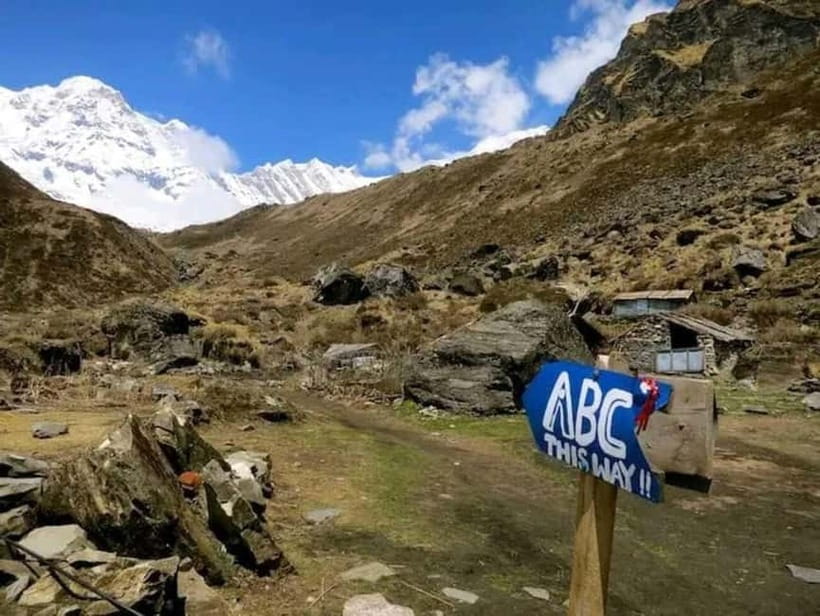
Most people start from Pokhara, and the flow is straightforward: you get hotel pickup, then a drive of about 2–3 hours toward Simrung via Nayapul. If you’re starting in Kathmandu and choose the flight option, you take a short flight to Pokhara (about 30 minutes), then continue the same overland to Simrung.
Once you reach Simrung, you begin trekking to Sinuwa (around 4–5 hours). This first day is a classic “warm-up with views” approach. You climb to about 2340m, so you’re not yet at the altitude where everything becomes harder—but you’re far enough to feel the air change.
What you’ll likely notice on this day:
- The trail begins to feel like a real corridor of life, not just a hike.
- You start encountering rivers and forest sections that set the tone for the whole trek.
Practical tip: use the first day to sort your layering. If you wait until higher altitudes, you’ll end up digging through your bag with cold hands. I like arriving at the Sinuwa guest house with a setup you can repeat tomorrow: water handled, jacket ready, and phone charged only when conditions allow.
Day 2 to Deurali: forests, waterfalls, and tea-house stops that break the climb
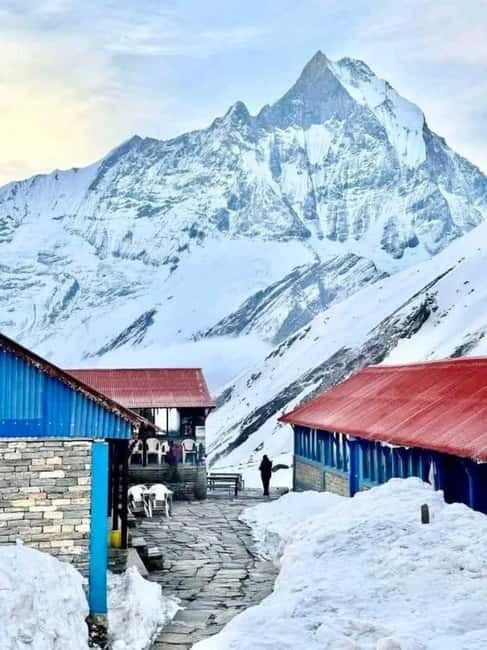
Day 2 goes from Sinuwa to Deurali (about 5–6 hours), usually via a stop area called Himalaya, which has small tea houses. Your highest point on this day is listed at around 3230m, so the altitude is rising—but you’re not jumping straight to the top.
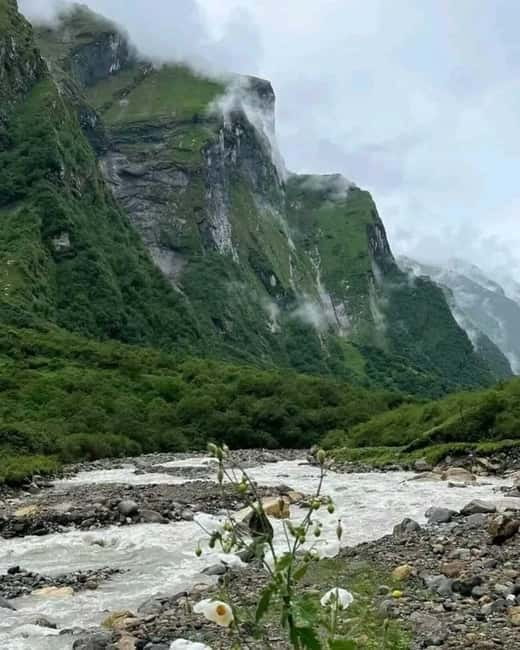
This is one of the most scenic “middle days” because the route is described as dense forest with many waterfalls along the way. Waterfalls can mean slippery stones and cold mist, so wear footwear that grips well and don’t assume every rock will be dry.
The Deurali guest house becomes your night base. These guest houses tend to be simple mountain accommodation, and the real value is that they put you in the right place to continue tomorrow without hauling extra gear.
If you want your trek to go smoothly, this is the day to practice your pace strategy:
- Shorter steps, slower rhythm.
- Frequent small sips of water.
- Keep an eye on how you feel, not only on distance.
Day 3 to Annapurna Base Camp: the day the mountain shows up
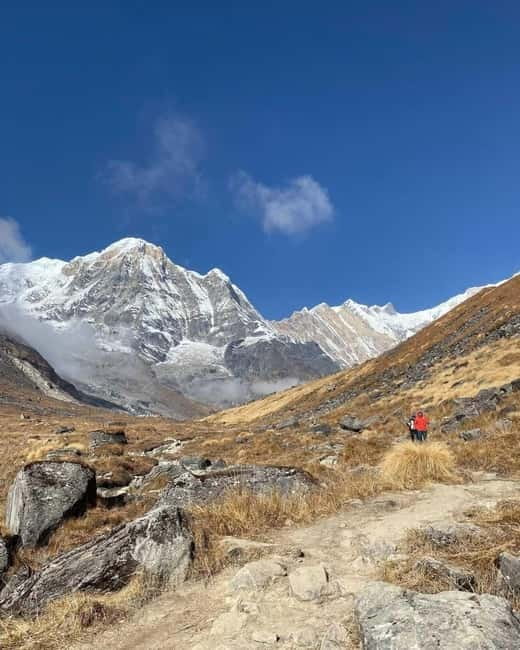
Day 3 is the big climb: Deurali to Annapurna Base Camp (about 5–6 hours) via Machhapuchhre Base Camp area. Expect the MBC valley to be a standout—part of the trek that feels like a natural bowl of mountains and hiking.
This is also the day your maximum altitude jumps to about 4130m, so it’s the moment where the whole trip becomes “real Himalaya altitude.” Even if you feel okay, you’ll likely notice your breathing and how your legs respond on the steep bits.
Once you reach Annapurna Base Camp, you’ll sleep in tea-house accommodation there. The area is known for dramatic views of the Annapurna range, plus sunset toward the west. That last-light effect matters. At ABC, the mountains don’t look flat. You get depth—peaks layered behind peaks.
One thing I find useful to know: the comfort of your guide and pace really matters on this day. The feedback from past trekkers highlights guides like Sagar and Raj for managing pace and safety, and that’s exactly what you want when your focus should be on climbing, not calculating where you are in the day.
Day 4 back toward Bamboo/Sinuwa: sunrise pressure release and a longer descent
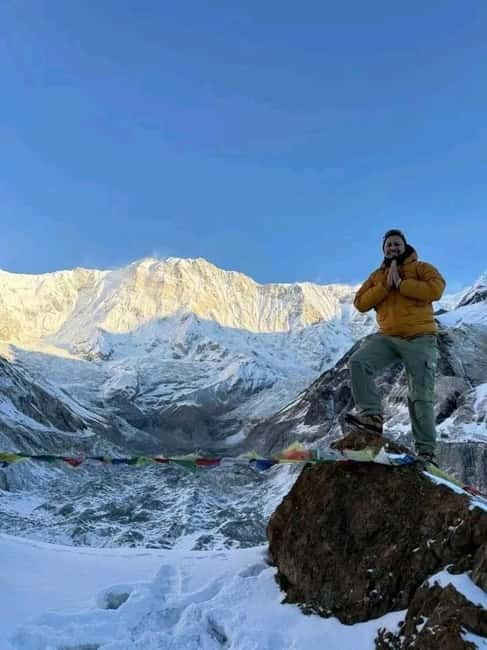
Day 4 is your return day, about 6–7 hours total back toward Bamboo or Sinuwa. The route includes passing back through Deurali, Himalaya, and Dobhan.
Here’s the emotional structure of this day: you’re up early for a sunrise view—tied to the Machhapuchhre Base Camp area—then you start descending. That sunrise moment is listed as a highlight, and it’s one of those payoffs that makes the early start feel worth it.
What changes on the way down:
- Your legs may feel heavy, even if altitude isn’t higher than before.
- Slippery sections can become the main challenge, not steepness.
Also, the itinerary indicates a minimum altitude around 2340m for the day, so you’re still in the altitude zone where it can feel cold, especially in the mornings and at night in mountain accommodation.
A useful mental trick: treat the descent as a new hike, not a victory lap. Check footing, take your time on downhills, and don’t rush just because you’ve “already been there.”
Day 5 to Simrung and back to Pokhara: hot springs at Jhinu Danda
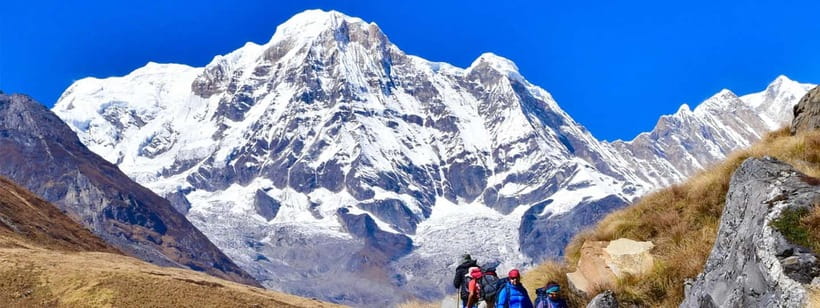
The final day ties the trip back to comfort. You trek from Bamboo/Sinuwa to Simrung via Jhinu Danda (about 3–4 hours), where the natural hot springs sit as an optional add-on. After that, you drive back to Pokhara for roughly 2–3 hours.
The hot springs are a big deal for two reasons:
- They’re a true physical reset after cold nights and several days of walking.
- They create a satisfying endpoint where the trek stops feeling like a grind and starts feeling like a memory.
Your hotel drop-off in Pokhara is described as approximately by 17:00 on day five. That’s late-afternoon timing, so you’ll want to plan dinner and rest without scheduling anything ambitious that same night.
Guide and porter reality: what you get when the team is strong
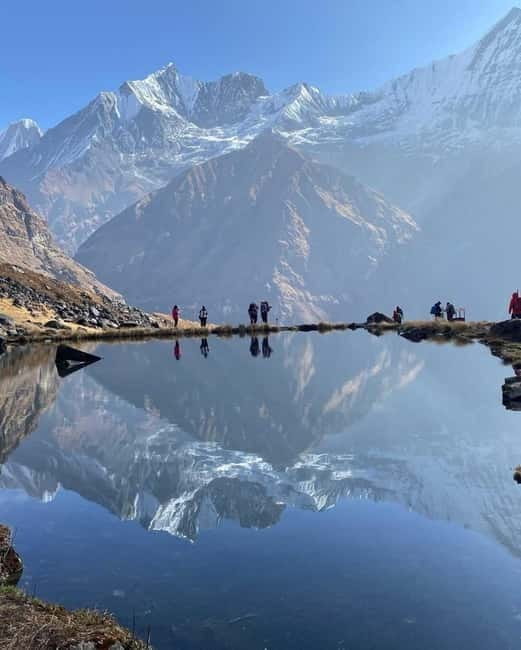
This trek is built around a private guide, and that’s where the experience often either clicks or drags. The feedback you provided puts a spotlight on guides who were professional and attentive—people like Raj, Sagar, Shiva, and Nareen (called Anarayan in one case). Names mentioned for porters include Naron, Visnu, and Azis.
Why that matters in real life:
- A good guide helps you pace your day when you’re tired and the altitude is doing its quiet work.
- They handle accommodations and meals smoothly (when included in your package), so you’re not stuck negotiating logistics after a long climb.
- On colder days with rain or snow, strong guidance is what keeps you moving safely rather than second-guessing every step.
One detail that stuck with me: a review mentioned bamboo trekking poles when poles weren’t provided as expected. Even if your gear plan is set, that’s a reminder to arrive with the right mindset—be ready for minor surprises, and lean on your team when things get rough.
Also, for language support, this trip lists English plus French, Japanese, and Chinese. That reduces the common stress of trying to communicate needs or understand safety instructions while you’re already pushing uphill.
Guest houses, borrowed gear, and why packing right can save energy
Your accommodation is listed as 4-night mountain guest house stays. The operator also offers borrowing key equipment like sleeping bags, duffle bags, and trekking poles. First aid is included.
That means you should plan around two realities:
- You may not need to bring everything from home, but you do need to bring warm clothing and trekking-appropriate shoes.
- Even with borrowed equipment, your personal layering and comfort matter a lot more at high altitude than you expect.
What to bring (based on the provided guidance):
- Warm clothing
- Hiking shoes
- Camera
- Sunscreen
- Water
- Travel insurance
- Trekking gear
If you’re asking what makes the difference between a “hard trek” and a “good trek,” it’s usually not the mountain. It’s whether you’re comfortable enough to keep moving consistently. In mountain weather, a too-thin jacket can ruin an entire day.
And one rule to take seriously: alcohol and drugs are not allowed.
Jhinu Danda hot springs: not just relaxing, but practical recovery
The hot springs option at Jhinu Danda isn’t just about pleasure. It’s recovery. Your body has been working for days. After cold trail mornings, a warm soak can make the return to town feel less punishing.
Keep expectations realistic: you’re still trekking on day five and driving afterward, so it’s not a spa day. You’ll want to dress again quickly, keep your water and warmth managed, and treat it like a post-trek reset.
If you feel unsure about whether to include the hot springs, remember that this trek is described as ending with the hot springs as part of the route. So even the decision is usually more about timing and how you feel than whether you’re near them at all.
Price and value: what $60 actually covers and what can add up
The listed price is $60 per person for a 5-day trek. On paper, that can look like a bargain—especially for Annapurna Base Camp. But trek pricing in Nepal often works like this: the headline price covers the “core structure,” while meals, porters, and some transfers depend on your chosen option.
Here’s what’s included in the information you provided:
- Hotel pickup and drop-off in Pokhara
- Hotel pickup and drop-off in Kathmandu (if the flight option is selected)
- Flight tickets for Kathmandu–Pokhara (if the flight option is selected)
- Pokhara–Simrung–Pokhara transfer via shared Jeep
- 4-night mountain guest house accommodation
- Trekking guide
- Borrowing necessary equipment (sleeping bags, duffle bags, trekking poles)
- Necessary trekking permits
- Meals (if all-inclusive option is selected)
- Porter (if all-inclusive option is selected)
- First aid
What’s not included:
- Hot, cold, and or alcoholic drinks
- Meals (if a Budget/from Kathmandu option is used; add-on available)
- Porter (if Budget/from Kathmandu option is used; add-on available)
- PKR–KTM return flight tickets (add-on available)
- Travel insurance
So the real value math is this: are you picking an all-inclusive style package, or are you budgeting hard and adding items later? If you want a smoother experience with less decision-making after arriving, the all-inclusive structure is often what you’re paying for—even if the base price looks the same.
Also, don’t ignore travel insurance. It’s not listed as included, and the provided guidance explicitly includes it as something to bring. If you get hit by altitude issues or a sudden illness, insurance is the difference between a manageable disruption and a costly one.
Seasons, weather, and the clothing test at Annapurna Base Camp
This trek runs best in March to May and September to November. But the honest part is that weather can be unpredictable, and cold temperatures are expected.
One review in your provided info mentioned cold, rain, and even snow conditions, with the guide and porter caring for the group through it. That tells you what to prepare for even if conditions look mild on the first day.
A practical packing mindset:
- Wear layers that you can add or remove quickly.
- Bring a warm set for nights at higher altitude.
- Protect from sun with sunscreen, even in cooler weather.
- Carry water even when it feels cold—hydration still matters.
If you’re vulnerable to cold, this trek will challenge you. Your best defense is warm clothing and consistent pace.
Who should book this trek—and who should choose differently
This ABC trek is listed as moderate to challenging and requires a good level of fitness. Acclimatization is called out as important due to high altitudes.
It’s also explicitly not suitable for:
- People with mobility impairments
- People with heart problems
- People with respiratory issues
- People with altitude sickness
- People with low level of fitness
If you’re in any of those categories, don’t treat this as a “maybe.” Altitude and cold are not small variables here. For the rest of you, the biggest requirement is being able to walk several hours each day and handle cold mornings and nights.
As for who it suits best:
- If you want a shorter, structured route to ABC with a private guide
- If you like the mix of forest trails and village life, not only mountain sightseeing
- If you appreciate safety and pacing support (and want a team that handles accommodations and meals)
Should you book it?
If you have a limited window and you still want the classic Annapurna Base Camp experience, this 5-day route is a solid plan. You’re getting the mountain payoff at 4130m, the sunrise moment around Machhapuchhre Base Camp, Gurung village life along the trail, and the practical recovery of Jhinu Danda hot springs. The private guide and guest house structure also make it easier to focus on walking instead of logistics.
I’d only hesitate if you’re not confident in your fitness for a steady altitude climb, or if you know you react badly to altitude or cold. For everyone else, book it with your gear sorted and your expectations realistic: this is adventure with comfort support, not a casual stroll.
FAQ
How long is the trek?
The trek is 5 days long.
Where does the trek start?
You can start from Kathmandu or Pokhara. From Kathmandu, travelers take a 30-minute flight to Pokhara (if the flight option is selected), then travel by jeep to Simrung.
What is the highest altitude on this trip?
The maximum altitude is about 4130 m at Annapurna Base Camp.
How many nights will I stay in mountain guest houses?
You’ll stay for 4 nights in mountain guest house accommodation.
Is the hot spring at Jhinu Danda included?
Jhinu Danda hot springs are described as optional and are part of the last-day trek route.
What’s included for equipment?
You can borrow necessary trekking equipment such as sleeping bags, duffle bags, and trekking poles.
Are meals included?
Meals are included if you choose the all-inclusive option. Meals are not included for the Budget/from Kathmandu option, though add-on is available.
Is a porter included?
Porters are included if you choose the all-inclusive option. A porter is not included for the Budget/from Kathmandu option unless added.
What languages will the guide speak?
The live trekking guide is available in English, French, Japanese, and Chinese.
What activities or substances are not allowed?
Alcohol and drugs are not allowed.