REVIEW · GHANDRUK
Pokhara: 7 Day Annapurna Base Camp Trek
Book on GetYourGuide →Operated by Linkage Tour & Travel · Bookable on GetYourGuide
Some trails feel big. This one hits big—fast. In a week, you’ll walk from Pokhara’s lake life toward the Annapurna Base Camp amphitheater, with certified guides who help you keep a steady rhythm and stay comfortable in the tea houses.
What makes it especially interesting is the mix: terraced fields and Gurung culture early on, then bamboo, oak, rhododendron, and alpine meadows as the peaks grow closer.
I really like how this trek is built around recognizable landmarks you’ll remember: Ghandruk and its Annapurna South and Machhapuchhre views, then a high payoff at base camp around 4,130 meters. I also like the way the route uses “recovery stops,” especially Jhinu Danda Hot Springs, so your body has a chance to loosen up after the harder walking days.
One consideration: the first days can feel like a leg burner. Even with a good guide, you’ll be dealing with an incline early in the trek, and you’ll want to plan for altitude and weather changes (including snow in some seasons). Also, food and drinks are not included, so budget for that from day one.
In This Review
- Key Things I’d Plan Around
- Pokhara as Your Trek Starting Line
- The 7 Days on Foot: What You Do, Where You Sleep, and Why It Matters
- Day 1: Nayapool to Ghandruk (1,939 m)
- Day 2: Ghandruk to Lower Sinuwa (2,249 m)
- Day 3: Lower Sinuwa to Deurali (3,230 m)
- Day 4: Deurali to Annapurna Base Camp (4,130 m)
- Day 5: Base Camp to Sinuwa (2,249 m)
- Day 6: Sinuwa to Jhinu Danda Hot Springs (1,760 m)
- Day 7: Jhinu Danda to Nayapool and back to Pokhara
- Annapurna Base Camp Views: What You’re Actually Chasing
- Certified Guides and Tea-House Relationships: The Real Value
- When Weather Turns: Snow, Monsoon Rain, and Staying Sane
- Food, Drinks, and Porter Planning (So You Don’t Get Stuck)
- Packing for ABC: What’s Supported, What to Ask for
- Price and Value: Is $215 a Smart Deal?
- Who Should Choose This Trek, and Who Might Want a Different Plan
- Should You Book This 7-Day Annapurna Base Camp Trek from Pokhara?
- FAQ
- What’s included in the $215 per person price?
- Are meals and drinks included?
- Do I have to hire a porter?
- Where does the trek start, and how does the trip end?
- What languages do the guides speak?
- What permits are covered?
Key Things I’d Plan Around
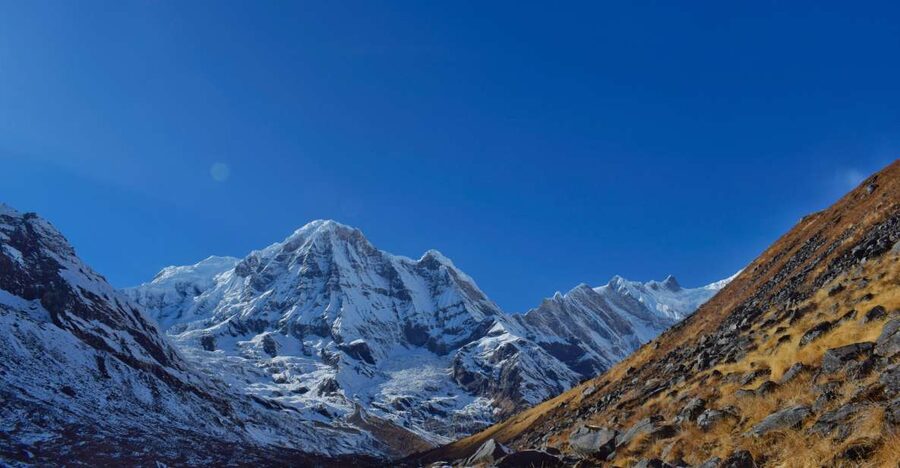
- Ghandruk first, peaks immediately: early views of Annapurna South and Machhapuchhre (Fishtail) set the tone.
- Modi Khola gorge style walking: suspension bridges, forest sections, and gorge trails break up the climb.
- Deurali to ABC is the big jump: you’ll go from dramatic cliffs and waterfalls to the amphitheater of peaks.
- Sunrise at ABC: you’ll wake up for mountain light before breakfast, when views can be at their best.
- Jhinu Danda hot springs recovery: a natural soak by the river that makes the long descent more bearable.
- Guide support seems to matter most: many praised guides for pacing, safety, and smooth tea-house stays.
Pokhara as Your Trek Starting Line
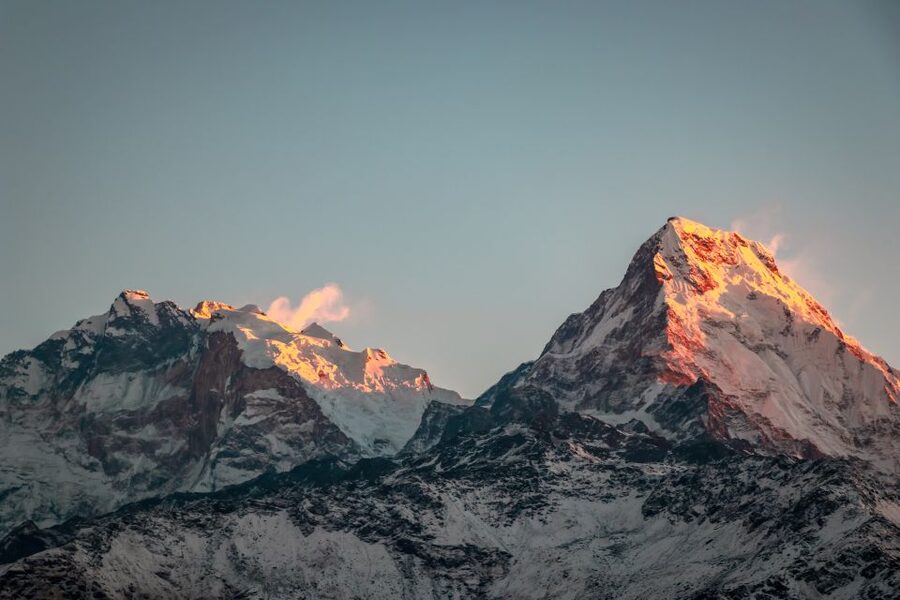
Pokhara is the logical place to start for Annapurna Base Camp. It’s where the trip transitions from town comfort into trail time, with pickup available from any hotel in the lakeside area. Then you head out by private vehicle to Nayapool to begin walking.
That private transportation piece matters more than people think. You’re not sharing a bus with a bunch of strangers, and you’re not stuck waiting around while the vehicle fills up. The transport is also highly rated, with 87% giving it a perfect score, which is a nice reassurance when you’re about to spend a week hiking.
In practice, this means you can focus on Day 1 instead of logistics. You’ll arrive at the trail, start with villages and terraced fields, and settle into a rhythm with your guide.
You can also read our reviews of more tours and experiences in Ghandruk.
The 7 Days on Foot: What You Do, Where You Sleep, and Why It Matters
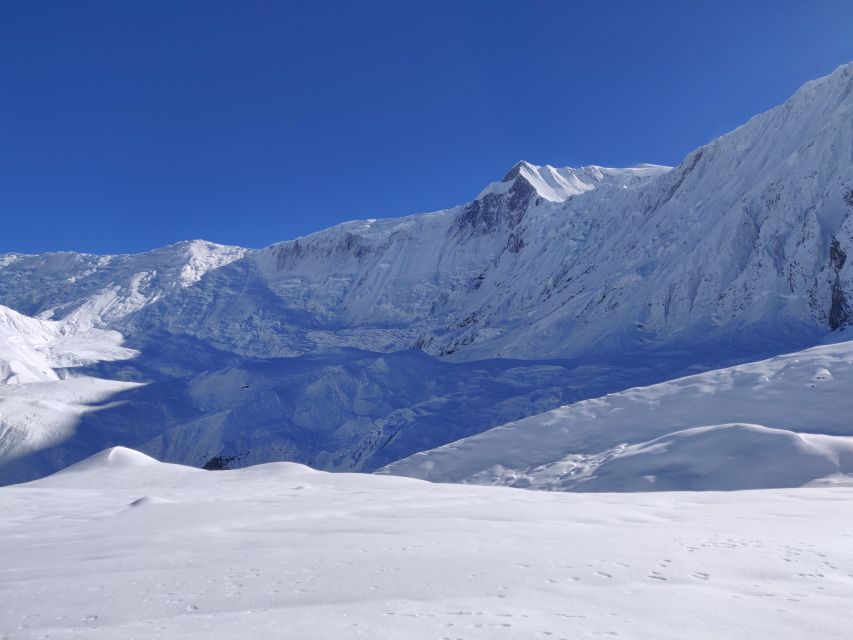
This trek is designed as a steady build-up rather than a sprint. You gain altitude gradually, then you spend a full day at the top before returning down through forests and villages.
Day 1: Nayapool to Ghandruk (1,939 m)
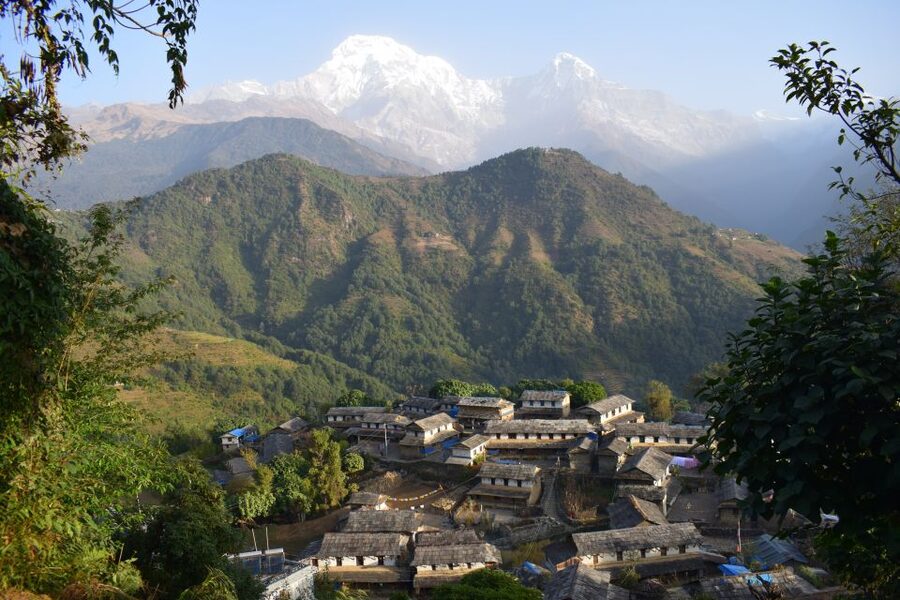
You drive to Nayapool and begin trekking through villages and terraced fields. You’ll end the day in Ghandruk, a traditional Gurung village with impressive views of Annapurna South and Machhapuchhre (Fishtail).
Why this day is more than just Day 1: Ghandruk isn’t just scenery. It’s a real cultural introduction. The Gurung villages here feel lived-in, and you get used to the tea-house rhythm early. You’ll be able to slow down, take photos, and adjust before the trail starts getting taller.
Day 2: Ghandruk to Lower Sinuwa (2,249 m)
This is a classic “up-and-down with forests” day. Expect rhododendron forests, small settlements, and crossings over suspension bridges above the Modi Khola. Overnight is at Lower Sinuwa.
This day matters because it teaches your legs how the trek moves: short climbs, then easing off, then another push. If you’ve been worried about getting through the first stretch, Day 2 is usually where you start feeling more “in it.”
Day 3: Lower Sinuwa to Deurali (3,230 m)
You’ll walk through dense bamboo and oak forest, passing places like Dovan and Himalaya as you follow the Modi Khola gorge. Then the day turns more dramatic as you keep climbing toward Deurali, with cliffs and waterfalls around you.
This is a key acclimatization day. You’re still well below the ABC altitude, but you’re already in a different terrain category. If you tend to go out too fast, this is where a guide’s pacing really helps.
Day 4: Deurali to Annapurna Base Camp (4,130 m)
This is the big day. You climb through alpine meadows, and along the way you’ll pass Machhapuchhre Base Camp for especially strong views of Fishtail and the broader Annapurna range. Then you continue to Annapurna Base Camp at 4,130 meters.
When you reach ABC, you’re stepping into an amphitheater of peaks. This is the “up close” moment: the Annapurna massif becomes the whole horizon, and the size hits differently when you’re standing among it.
Day 5: Base Camp to Sinuwa (2,249 m)
After a sunrise start and breakfast, you begin the descent. You retrace your steps down, passing bamboo and rhododendron forests again, ending overnight at Sinuwa.
Why Day 5 feels valuable: it’s recovery with a purpose. You’re not just getting away from high altitude; you’re re-seeing the route you already hiked, in different light. Sunrise at ABC also helps you feel like you got the “best version” of the view, not just the view at midday.
Day 6: Sinuwa to Jhinu Danda Hot Springs (1,760 m)
You trek down to Jhinu Danda, where you can relax in natural hot springs by the river. This is one of the smartest parts of the plan. It’s not optional in your body’s mind. After a week of hiking, soaking can make the final day feel easier.
Practical note: one review specifically pointed out bringing swimming stuff for Jhinu. That’s the sort of detail that saves you on a day when you’re tired.
Day 7: Jhinu Danda to Nayapool and back to Pokhara
You descend gradually through farmlands and villages to reach Nayapool. From there, you drive back to Pokhara, finishing near the peaceful lakeside.
This ending works because it gives you “trail closure.” You don’t end with another hard climb; you end with a gentle fade back into daily life.
Annapurna Base Camp Views: What You’re Actually Chasing
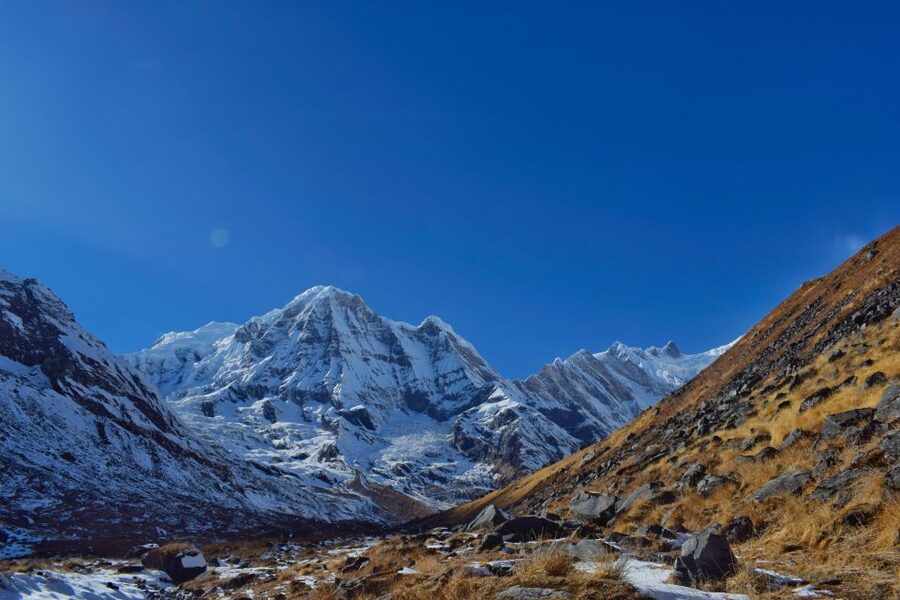
At ABC, you’re aiming for something specific: the feeling of being surrounded. Standing at about 4,130 meters, you’ll get panoramic views of the peaks around you, including iconic faces tied to the Annapurna range.
The route also gives you built-in visual milestones. You don’t wait until Day 4 to see the big names. Machhapuchhre shows up in stages—starting with early views from Ghandruk—and then again with a stronger encounter as you approach ABC via Machhapuchhre Base Camp. That pacing makes the final amphitheater moment feel earned rather than sudden.
Also, sunrise is part of the plan. Waking for early light means you’re more likely to catch clear views when the air is calmer. Even if conditions aren’t perfect, you’ll still get that morning “we’re here” feeling.
Certified Guides and Tea-House Relationships: The Real Value
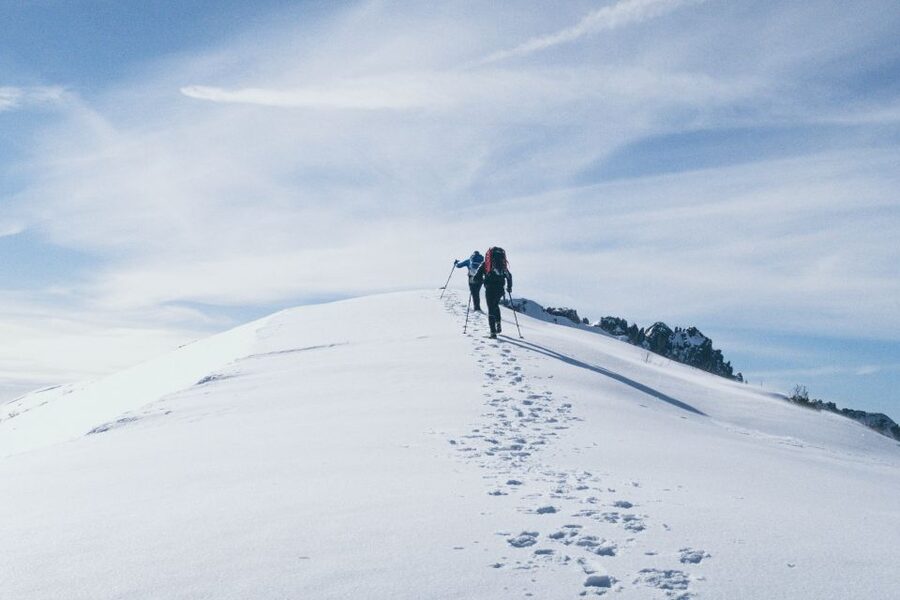
The guide role is not window dressing on this trek. You’re moving through changing altitude, forest sections, and weather shifts. A good guide helps you read the trail and handle the pace safely.
In the feedback, you’ll see a pattern:
- Pratiksha was praised for knowing the route and having strong relationships with tea houses, helping guests feel comfortable and well fed.
- Deepak was praised for adapting the walking rhythm to the trekkers needs.
- Hari was praised for safety and for sharing real context about Nepal and the Annapurna mountains.
- Krishna was praised for being professional and friendly while still giving people space.
- Bidur earned praise for care and communication, especially during monsoon season when rain is part of the deal.
There’s also a big theme of flexibility. One example: when altitude sickness stopped a trek from reaching ABC, Narayan arranged jeep transport and helped adjust the plan, so the trek still delivered something meaningful (including a hike to Poon Hill afterward). That kind of problem-solving matters because altitude is unpredictable.
If you’re new to trekking, the guide’s pacing skills become your safety net. If you’re experienced, their local knowledge helps you spend less time second-guessing and more time enjoying the scenery.
When Weather Turns: Snow, Monsoon Rain, and Staying Sane
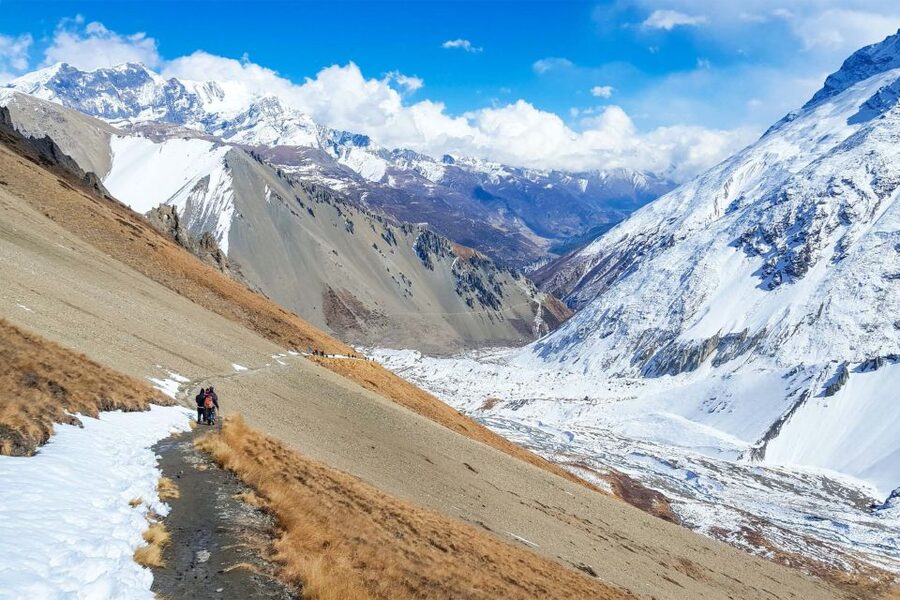
The Annapurna region can change quickly, and this trek can too. You’ll see evidence of that in the experiences people shared:
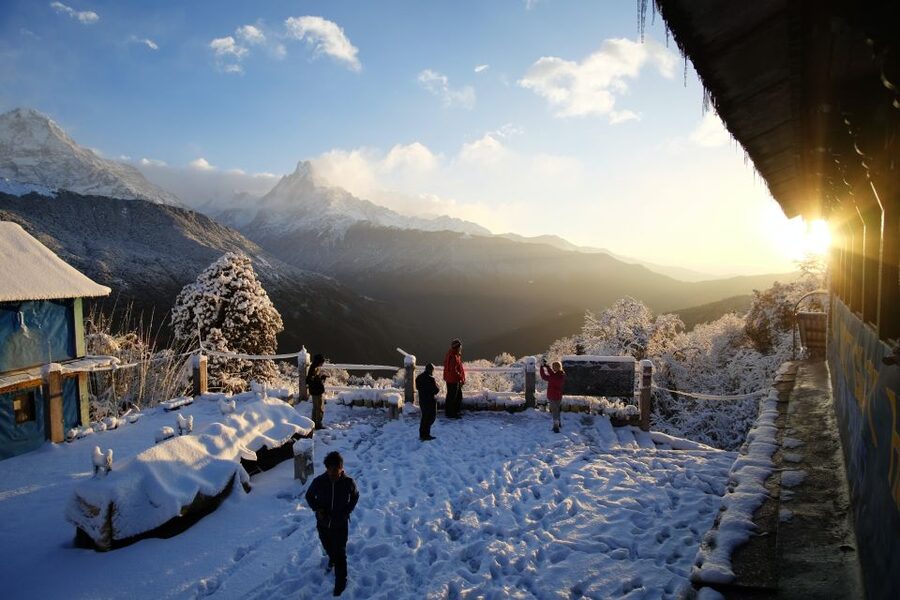
- Some trekkers reported snow as they approached and left base camp.
- Others trekked during monsoon season and described it as magical, even with rain, plus fewer people on the trail.
So what should you do with that info? Plan for variability, not perfection. If you’re thinking of going in winter, expect colder trail conditions near higher elevations. If you’re going in monsoon, expect rain and slower, heavier footing in forested and gorge sections.
Your best defense is a slow, consistent pace and smart comfort choices. That’s where a guide earns their salary.
Food, Drinks, and Porter Planning (So You Don’t Get Stuck)
Food and drinks are not included. You’ll buy meals along the way at tea houses. The good news is that tea houses are part of the route, so you’re not surviving off a single plan.
You can also hire a porter for $15 per day. That option is worth considering if you want to keep your energy for the climb to Deurali and then on to base camp. One review highlighted that a porter helped with carrying some of their weight, which can take the stress off your legs on long days.
If you’re unsure: choose based on your comfort carrying a full pack while climbing up to 4,130 meters. Even strong hikers sometimes underestimate how much weight feels at altitude and in cold wind.
Packing for ABC: What’s Supported, What to Ask for
The data you have is simple but important:
- Bring your passport or ID card.
- You may be provided a duffel bag and trekking poles if needed.
And one of the most practical suggestions from the feedback: ask for a suggested packing list based on the season. Conditions can be snowier or wetter depending on timing, so a season-specific list beats a generic one.
If you plan to use the hot springs on Day 6, also bring swimming gear. That’s a direct lesson from someone who enjoyed Jhinu Danda and wanted to be ready.
Price and Value: Is $215 a Smart Deal?
The price is $215 per person, and at this level you’re not just paying for a walk. You’re paying for a bundle of real costs that add up on their own:
- hotel pickup and drop-off
- private roundtrip transportation
- ACAP permit (Annapurna Conservation Area Permit) plus government permits
- government-certified guides
- private accommodation in standard tourist lodges
- first aid kit
- luggage storage in Pokhara
- duffel bag and trekking poles if needed
The two main add-ons you should expect are:
- food and drinks (purchased along the way)
- porter (optional at $15/day)
So is it good value? For most people, yes—if you’re comfortable handling your own meals and you’re okay with the lodge standard. The big advantage is that the expensive friction points are handled: permits, guides, and transport. That usually leads to a smoother trek, especially if you care about pacing and safety rather than figuring out logistics.
Who Should Choose This Trek, and Who Might Want a Different Plan
This is a great fit if you want:
- the classic Annapurna Base Camp experience in a tight 7-day schedule
- a route that mixes villages (Gurung culture), forest trails, and high-alpine views
- a guided setup where pacing and comfort are part of the value
It may be less ideal if you:
- have serious time constraints for meals and budgeting (since food isn’t included)
- don’t want steep early inclines and altitude changes, even with a patient guide
- prefer a very lightweight, DIY trip (because this plan is structured and includes private transport and certified guidance)
Monsoon trekkers can enjoy it too, and one review called it peaceful with fewer people. Winter trekkers should expect colder conditions and possibly snow near the higher sections.
Should You Book This 7-Day Annapurna Base Camp Trek from Pokhara?
I’d book this if you want a well-structured ABC trek with real guide support, and you’re happy to manage your own meals. The value is strong because permits, certified guidance, and private transport are covered, and the route includes the payoff days you came for—ABC views plus the hot springs reset afterward.
I’d hesitate only if you’re not ready for early climbing effort or if you need a completely all-inclusive package (because food and drinks are separate). If that’s you, plan your meal budget carefully before you go.
If you do book, do one smart thing: ask your guide for a season-specific packing list, and consider a porter if carrying your pack will slow you down or stress you out. That’s the difference between reaching base camp feeling proud versus reaching base camp feeling crushed.
FAQ
What’s included in the $215 per person price?
It includes hotel pickup and drop-off, private roundtrip transportation, the Annapurna Conservation Area Permit (ACAP) and government permits, private accommodation in standard tourist lodges, government-certified guides, a first aid kit, and luggage storage in Pokhara.
Are meals and drinks included?
No. Food and drinks are available to purchase along the trek.
Do I have to hire a porter?
No. You can hike without a porter, or hire one for $15 per day if you want help carrying your load.
Where does the trek start, and how does the trip end?
The trip includes pickup from any hotel in lakeside, Pokhara, drive to Nayapool to start the trek, and then drive back to Pokhara from Nayapool at the end.
What languages do the guides speak?
Guides offer live support in English, Hindi, and Nepali.
What permits are covered?
The trek includes the ACAP permit (Annapurna Conservation Area Permit) and government permits.