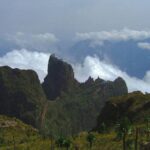
Wolves and high altitude in Bale. In three days, you move from Bale Goba toward the Sanetti Plateau and up near Tullu Deemtu, with guides who know where the wildlife tends to show up. I really like the way the route blends an easy woodland start with a longer day across different habitats, so the scenery and animals change fast. One heads-up: even if the hikes feel manageable, the 4000–4377m altitude can slow you down, so bring warm layers and plan for a slower pace.
With pickup offered and an air-conditioned vehicle for the transfers, this is a trekking-style trip that still keeps logistics under control. The group stays small (max 15), and the trip is built for people who want nature and wildlife without needing technical climbing skills.
In This Review
- Key moments that make this Bale trek worth your time
- Getting From Addis Ababa to Bale Goba: why the timing matters
- Day 1 in Bale Mountains National Park: woodland walking and an easy start
- Day 2 at Sanetti Plateau (and beyond): wolf country with real altitude
- Tullu Deemtu to Harenna forest: seeing the mountain change
- Day 3: a smaller hike, then fly back to Addis Ababa
- Guides and wildlife odds: what to expect when you’re chasing Ethiopian wolves
- What’s included (and what you should budget for)
- Comfort on a trekking schedule: what to pack for altitude
- Price and value: is $1,538.47 per person worth it?
- Who this Bale Mountains trek suits best
- Should you book this 3-day Bale trek?
- FAQ
- What is the duration of the Bale Mountains trekking tour?
- Where does the tour start?
- What are the main places you visit during the 3 days?
- Is pickup included?
- What’s included in the price?
- What is not included?
- What physical fitness level do I need?
- How big is the group?
- Can I cancel for a full refund?
Key moments that make this Bale trek worth your time
- Sanetti Plateau at ~4,000m: famous for Ethiopian wolf country and wide-open views
- Tullu Deemtu (4,377m): a serious altitude marker that shapes your walking rhythm
- Two flight days (to and from Bale Goba): helps you fit a full experience into just 3 days
- Guides who hunt the right spots for wildlife: multiple guides are praised for getting people close to key animals
- Biodiversity hotspot setting: Ethiopian wolf, mountain nyala, giant molerat, Bale monkey, and more
Getting From Addis Ababa to Bale Goba: why the timing matters
You’re starting from Addis Ababa, and the whole plan is built around moving you quickly into Bale Mountains country. The meeting point is set for 9:00am and it’s convenient to get to with public transportation nearby. From there, you’re positioned for a midday launch that gets you to Bale Goba, then into your first walking window.
This matters because altitude trips are about rhythm. You don’t want your first day to be a brutal hike. The schedule uses that first day as a warm-up: a short, easy walk after arrival, plus a night in Goba. That means you can get your bearings, get some air in your lungs, and prepare for the bigger altitude day ahead.
Also worth noting: the tour provides an air-conditioned vehicle for ground travel, which helps on long stretches between stops. It’s a small thing, but when you’re dealing with mountains and early schedules, comfort on the road adds up.
You can also read our reviews of more tours and experiences in Addis Ababa.
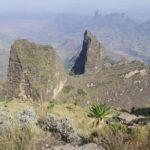
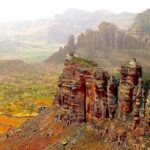
Day 1 in Bale Mountains National Park: woodland walking and an easy start
After landing in Bale Goba, you’ll handle the early trip formalities and then head for a short, easy hike. The walking focuses on the woodland part of the park, and it’s set up for spotting animals close to the trail—especially antelope families along with the kind of birds and everyday wildlife you don’t always see on high-altitude routes.
This is a smart first move. Woodland areas tend to feel less punishing than the high plateau, and it lets you “learn the system” before you go chasing the big-ticket species. You’re also getting the nature feel of Bale without turning day one into a stamina test.
Later, you drive about 45km from Dinsho to Goba for an overnight stay. The plan includes dinner at your overnight stop, but only breakfast is clearly listed as included—so keep an eye on what meals are actually covered if you’re trying to budget tightly.
Why I like this setup: you get a real first taste of Bale the same day you arrive. You’re not waiting around for days to “start the trip.” And you’re not jumping straight into the hardest altitude zone.
Day 2 at Sanetti Plateau (and beyond): wolf country with real altitude
Day two is the engine of the whole trip. You start with breakfast, then drive to the Sanetti Plateau, sitting around 4,000 meters—the high, afro-alpine zone often described as one of the biggest of its kind in Africa. This is the area connected to the Ethiopian wolf, and it’s where your guide starts stacking sightings with the local conditions.
On paper, this is just “go to the plateau.” In practice, altitude changes everything: breathing, pace, and how long it takes you to enjoy a view instead of just surviving it. Even if your walking time isn’t extreme, you’ll likely feel the thinner air more than you expected—especially if you land in Ethiopia and then jump quickly into high elevations.
After the plateau, the route moves toward Harenna forest via Tullu Deemtu (4,377m), the second-highest point in Ethiopia. That means day two is about more than a single destination. It’s a transition across ecosystems: open high country, then toward greener forest environments.
One practical way to think about this day:
- You’re chasing wildlife, but also learning how the terrain dictates what you can do.
- You’ll get a mix of sightseeing and walking that rewards people who can accept a slower pace.
- If you’re sensitive to altitude, your best strategy is to walk steadily and keep breaks short and frequent.
Also: day two is listed as admission free, but the overall package includes entrance fees. Either way, it’s part of what makes the trip feel straightforward once you’re actually on the move.
Tullu Deemtu to Harenna forest: seeing the mountain change
The Tullu Deemtu section is more than a high point on a map. It’s the part of the day that tends to tell you whether you’re adjusting well. At 4,377m, you’re operating in a zone where the body often has strong opinions about effort.
From a “what you’ll experience” angle, this transfer creates a strong contrast:
- Plateau time gives you space—big skies, open walking, and the chance for wildlife sightings where animals move across exposed terrain.
- Forest approaches (toward Harenna forest) shift the feel—less open air, more sheltered wildlife habitat, and a different set of plants and birds.
This matters if you care about seeing Bale as a living system rather than a single scenic spot. You’re not just hiking one altitude band. You’re moving through the mountain’s different personalities.
And the wildlife side is part of why this trek gets repeat praise. People often talk about Ethiopian wolves and other animals like nyalas and monkeys—and the fact that your guide is working with local knowledge and timing to place you where animals are likely to be active.
Day 3: a smaller hike, then fly back to Addis Ababa
Day three keeps things lighter. After breakfast, you take a little hike—short enough that you don’t feel dragged at the end of three mountain days. Then you catch the midday flight back to Addis Ababa.
The drop-off happens later: you’ll be picked up from Bole Airport late afternoon and taken to your hotel. That timing is good because it gives you a final nature hit without stacking fatigue on top of airport stress.
Also, day three is listed as admission free. The package still includes entrance fees overall, so you shouldn’t feel like you’re paying extra once you’re in the park.
In my opinion, this flight-back structure is a big part of why a 3-day trek can feel satisfying instead of rushed. You end while you still have energy to enjoy the last views, not when you’re completely drained.
Guides and wildlife odds: what to expect when you’re chasing Ethiopian wolves
Let’s talk about the elephant in the room—well, not an elephant. The Ethiopian wolf.
Wolf sightings are never guaranteed in the wild. But what seems to matter most on this kind of trek is whether your guide can:
- read the terrain and animal movement patterns
- choose the right times to scan and walk
- manage the group pace so everyone can keep eyes up and energy stable
In practice, you’ll see the same theme in many experiences: the guide is often singled out for being helpful, flexible, and ready to assist with what you care about. Names that come up include Mohamed, Ibrahim, Mamush, and Ayouba, along with Ahmed Alo in some cases. People also mention strong English and a calm, practical approach—especially when you’re trying to stop for spotting or get photography angles.
If you’re a photographer or filmmaker, that’s especially relevant. One of the best signs for a good wolf-day is whether your guide understands you may need patience and small repositioning rather than constant moving.
Two more wildlife notes from the overall Bale reputation and what’s been experienced:
- Bale is known for animals like mountain nyala, giant molerat, and Bale monkey, plus birds and other species that reflect the park’s biodiversity value.
- Some groups also describe camping experiences with wildlife close to camp (like warthogs near tents). Your exact night setup depends on the way your specific group is arranged, but the region’s wildlife presence is real.
My take: if you book this for wolves only, you might feel disappointed if conditions don’t cooperate. If you book for Bale’s ecosystems and wildlife atmosphere—with wolves as the highlight—you’ll likely feel satisfied either way.
What’s included (and what you should budget for)
The package includes:
- All entrance fees
- Air-conditioned vehicle
- All fees and taxes
- Breakfast (2)
That’s a strong baseline. Entrance fees and transport are the two things that quietly add up in remote areas, so it’s nice when they’re handled. It also means your day planning isn’t constantly interrupted by paying for access.
What’s not included:
- Alcoholic drinks
- Personal expenses like internet, telephone, and laundry
About flights: the trip schedule uses flights between Addis Ababa and Bale Goba, plus a flight back to Addis. The data you have doesn’t explicitly list flights under included items, so before you travel, I’d confirm what’s covered in your final booking details. That one check can save surprises.
Food beyond breakfast: day one includes dinner at the overnight stop as part of the routine, but only breakfasts are listed as included. If you want full-board certainty, ask what’s covered.
One more “value” point: guides and food setup. Some experiences from this region mention a chef (for example Awul) and meals that were praised for being varied and delicious. You may not get the exact same camp cooking on every departure, but having a solid food plan matters at altitude. It affects energy, mood, and recovery.
Comfort on a trekking schedule: what to pack for altitude
You’re not signing up for technical climbing. But you are signing up for altitude. With 4,000m to 4,377m on the route, your comfort is mostly about managing the cold and breathing.
Here’s what you should take seriously:
- Warm clothing: altitude can feel much colder than you expect, and people specifically mention needing warmer layers.
- A pace you can sustain: even when walks are described as not too demanding, the air can make you feel slower.
- Comfortable footwear: you’ll be hiking and walking each day, including the woodland start and the plateau day.
If you’re sensitive to altitude, plan to spend more time pausing and less time forcing speed. Your goal is enjoyment, not a personal best on a mountain.
Price and value: is $1,538.47 per person worth it?
At $1,538.47 per person for about 3 days, this trek sits in the mid-to-higher range for Ethiopia. The honest value question is: what are you paying for?
From the details you have, you’re paying for:
- park access via entrance fees included
- air-conditioned transport between key areas
- organized movement around a tight time window with flights
- guided tracking and day-by-day planning
- two breakfasts and on-the-ground coordination by the provider (Simien Image Ethiopian Tour and Travel Company)
Where the money makes sense:
- You’re going to high-altitude wildlife habitat where local knowledge matters.
- You’re getting a tight, structured experience across multiple ecosystems instead of one point on a map.
- Your group is limited to a maximum of 15, which tends to keep the day workable for spotting animals.
Where you should double-check before committing:
- Confirm what’s included in the flights if the package details you see don’t clearly state it.
- Budget for meals beyond breakfast, plus any personal costs.
If your priority is wolves plus Bale’s unique biodiversity, this price can feel reasonable because the logistics alone are non-trivial. If you’re only after a casual walk, you might find cheaper alternatives—but you’d lose the altitude-and-wildlife focus.
Who this Bale Mountains trek suits best
This trek fits you if:
- you want a wildlife-and-nature focus in a place known for rare species
- you’re comfortable with moderate physical fitness expectations
- you like organized guiding, especially for spotting animals like Ethiopian wolves
- you can handle altitude without needing fast speed
It may not fit you if:
- you’re extremely altitude-sensitive and don’t want even the possibility of feeling affected at 4,000m+
- you need a relaxed, low-effort schedule every day
Should you book this 3-day Bale trek?
My honest advice: book it if your dream is to experience Bale Mountains as a real ecosystem—wolf country, high afro-alpine terrain, and the shift toward Harenna forest—within a compact 3-day window. The combination of guided wildlife searching, small group size, and included entrance fees/transport is a solid value setup.
Before you pay, do two quick checks:
- confirm whether the flights are included in what you’re paying for, since the schedule relies on them
- pack for cold altitude walking, even if the hikes are described as not too demanding
If those boxes are covered, this is one of those trips where the destination does most of the talking—and the guide helps you see more of it.
FAQ
What is the duration of the Bale Mountains trekking tour?
The tour is listed as 3 days (approx.).
Where does the tour start?
It starts in Addis Ababa, Ethiopia, with a meeting point near public transportation and a start time of 9:00am.
What are the main places you visit during the 3 days?
You’ll go into Bale Mountains National Park, including stops such as Bale Goba and the Sanetti Plateau, with travel toward Harenna forest via Tullu Deemtu. You also return to Addis Ababa at the end.
Is pickup included?
Pickup is offered.
What’s included in the price?
Entrance fees, air-conditioned vehicle, all fees and taxes, and breakfast (2) are included.
What is not included?
Alcoholic drinks and personal expenses like internet, telephone, and laundry are not included.
What physical fitness level do I need?
You should have a moderate physical fitness level.
How big is the group?
The tour has a maximum of 15 travelers.
Can I cancel for a full refund?
Yes. You can cancel up to 24 hours in advance for a full refund. If you cancel less than 24 hours before the start time, the amount paid is not refunded.