REVIEW · MARRAKECH
Toubkal Ascent Trek 4167m 2 days & 1 night
Book on Viator →Operated by Morocco Mountain Guides · Bookable on Viator
Two days, one huge North Africa summit. This trek to Mt Toubkal (4167m / 13,600 ft) pairs mountain effort with Berber villages, shrines, and big high-Atlas views.
I especially like the way the plan is built for serious walkers but keeps it non-technical in the usual sense: it involves some easy scrambling and snow slopes, yet it is still a trekking climb rather than rock climbing. I also really like the added logistics support: you get a mule and cook, plus breakfast, dinner, and lunches, so you’re focused on walking and enjoying the route. One drawback to consider is altitude and footing: even when the climb is straightforward, scree, cold, and altitude can feel punishing on summit day.
In This Review
- Key Points Before You Go
- How Hard Is the Toubkal Ascent, Really?
- Marrakech to the Trail: Mizane Valley and Sidi Chamarouch
- Day 1 Finish: Toubkal Refuge at 3206m
- Summit Day to 4167m: Scree, Altitude, and the Big Views
- Guides, Mule Support, and Berber Life on the Route
- Season Matters: Nov to April and the Crampon Plan
- Price and Value: What You’re Getting for $210.62
- Gear, Pace, and Fitness: How to Set Yourself Up
- Getting Back: Imlil and the Return to Marrakech
- Should You Book This Toubkal Trek?
- FAQ
- Where does the Toubkal trek start and end?
- What time does the experience begin?
- How long is the trek?
- Is Mount Toubkal a technical climb?
- What gear is included for winter conditions?
- What’s included in the price?
- What’s not included?
- How big are the groups?
- What happens if weather is poor?
- Should you book this?
Key Points Before You Go
- Toubkal peak in 2 days with an overnight at Toubkal Refuge (3206m)
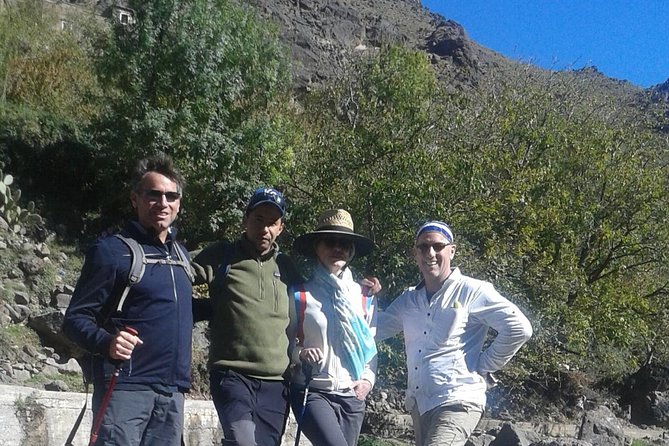
- Berber village route and stops at shrines like Sidi Chamarouch
- Non-technical trek, but expect easy scrambling and snow slopes
- Crampons and ice ax for Nov–Apr, for security on snow
- Small group size (max 12) for a calmer experience
- Mule and cook support plus meals included
How Hard Is the Toubkal Ascent, Really?
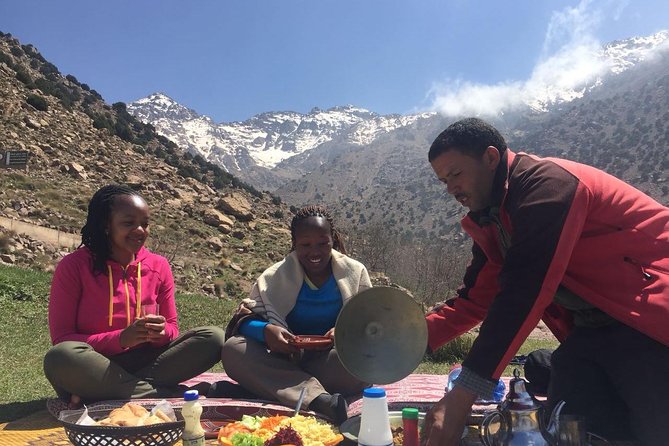
This is one of those treks where you can tell it is built for people who enjoy walking, not people chasing technical climbing. The climb targets the highest peak in North Africa, and the goal is clear: reach the summit and come home with a massive view across Morocco’s Atlas region.
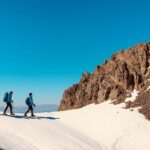
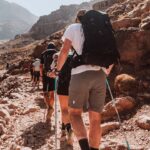
You should think of it as a workout with changing ground. Day 1 trends upward through valleys and river crossings, until you reach the snow zone and sleep at the refuge at 3206m. Day 2 shifts into higher altitude and more abrasive terrain, with scree underfoot and a sharper feel to every step. Even though the route is described as relatively straightforward, the altitude makes it harder than it sounds on paper.
If you’re the kind of person who trains for long hikes and handles cold conditions, you’ll likely feel confident. If you’re expecting a casual walk with no discomfort, you’ll probably be disappointed.
You can also read our reviews of more tours and experiences in Marrakech.
Marrakech to the Trail: Mizane Valley and Sidi Chamarouch
Your day starts with an early morning push out of Marrakech. There’s hotel pickup offered, and the experience lists a morning start time plus pickup timing. Either way, plan to leave early so you have daylight for the trail and the approach.
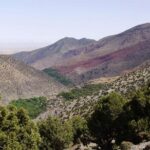
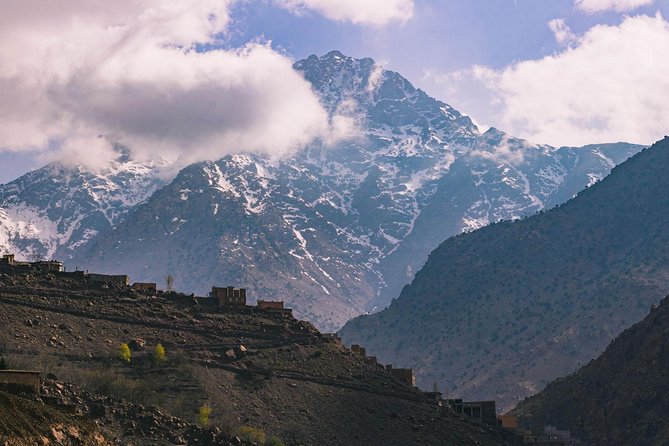
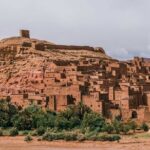
Once you’re on the way, you travel into the Mizane Valley. The trek begins with a passage through the village of Aremd and continues toward the shrine of Sidi Chamarouch. This is where the trip feels more than just a hike. You’re walking through living Berber country where a shrine can mean local pilgrimage and community gathering—not just a scenic stop.
From there, the route crosses floodplains and you reach the river crossing before continuing the steady climb. It’s the kind of walking that builds slowly: no dramatic jump in difficulty right away, just continuous height gain. As you keep going, the trail begins to snake and zigzag up toward the snowline.
What I like about this first day is that it gives you time to settle into the rhythm. You get climbing time, cultural stops, and then you finish at a high refuge before you ever attempt the summit.
Day 1 Finish: Toubkal Refuge at 3206m
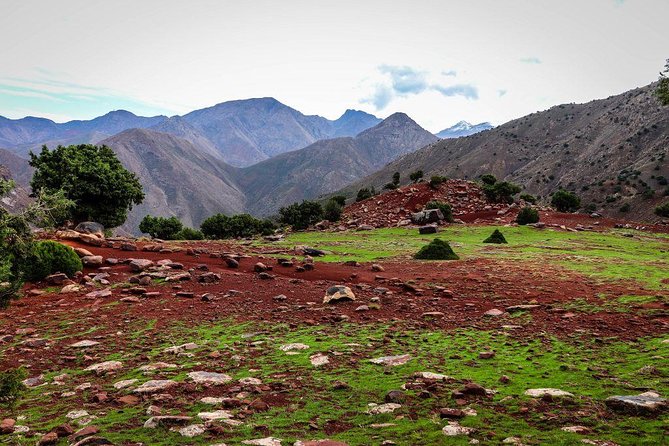
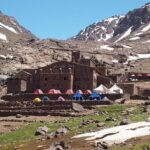
By the end of day 1, you’re aiming for Toubkal Refuge (3206m), your overnight stop. This is a practical altitude checkpoint. You’re high enough that the next morning will feel like a real summit climb, but you’re not immediately dropped into the steepest part of the hike.
The refuge stop matters because it changes the whole mindset of the trek. Instead of rushing from base altitude to summit, you adapt. You also get dinner and an included breakfast, which is a huge value point on a short trek like this. On mountain trips, the meals aren’t just comfort—they help you actually do the next day well.
Day 1 also sets expectations for the conditions you might hit later. The route climbs toward the snowline, which is why the trek notes a different gear approach depending on season. If you go in Nov to April, plan for the trek to include crampons and an ice ax for security. That detail isn’t there for decoration: once snow or icy patches appear, you want your footwear and movement system to match the terrain.
The one consideration here is simple: sleeping at altitude is not the same for everyone. If you’re sensitive to altitude changes, give yourself extra time and keep your breathing calm rather than forcing pace.
Summit Day to 4167m: Scree, Altitude, and the Big Views
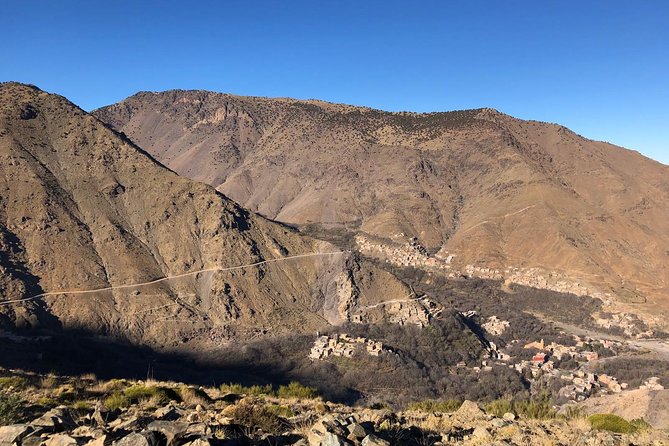
Day 2 is the payoff. You start from the refuge area and make your way toward the mountain. There’s a road approach that crosses the stream above the refuge, then you transition back onto the walking route toward the south circus.
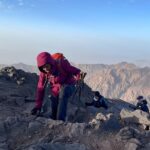
The walking is described as relatively straightforward, but here’s the real catch: scree and altitude. Scree is tiring because it shifts underfoot and forces you to pick your steps more carefully than on solid trail. Altitude amplifies everything. Even when the slope isn’t steep in a technical sense, your effort feels heavier.
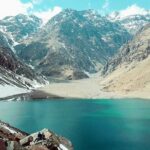
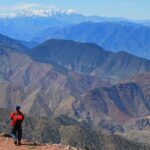
As you keep moving, the views start to make the work feel worthwhile. And when you reach the summit, the view is the main event. From Jebel Toukbal (4167m) you can see across multiple regions: toward the Marrakesh Plain and High Atlas to the north, and as far south as the Anti-Atlas and even the Sahara.
This is also where you’ll understand why the trek is described as non-climbing. You’re not doing technical rock moves. You’re doing the kind of steep, cold, altitude challenge that trekking peaks are all about: pacing, sure footing, and staying smart when conditions feel slick or unstable.
Once you’ve reached the summit, you retrace your steps back to the refuge area and then continue down to Imlil for the transfer back to Marrakech.
Guides, Mule Support, and Berber Life on the Route
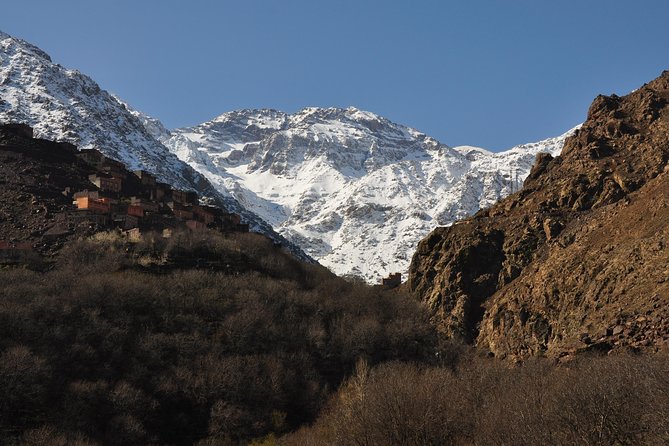
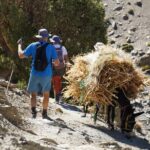
The trek runs with Berber guided support and includes muleteers, plus a cook. That combination is a big part of why this route works smoothly for many people.
For you, mule support tends to reduce the “carry everything” stress that ruins momentum on short high hikes. It also means you’re more likely to have the energy to handle the summit push without turning the trek into a gear-management project.
On top of that, the route is threaded with cultural moments. You don’t just pass through; you walk near places like Sidi Chamarouch, and you move through valleys where Berber communities live and work. It gives the climb context. The mountains aren’t a backdrop. They’re connected to the people who know the paths already.
One more detail from how the trek is run: the guides and organizer are flexible about group comfort and connections. If group logistics need to be adjusted, you may link up with another group so you’re not stuck feeling awkward or alone. That matters more than people think on a trek where the weather and pacing can influence your day.
Season Matters: Nov to April and the Crampon Plan
This trek is arranged all year around, but the experience changes with the season. The description is clear that from Nov to April, you can expect to walk in crampons and hold an ice ax for security. That tells you the trek becomes winter-minded: you’re moving across potential snow slopes and icy patches.
Even though the trek is still “non-technical,” winter conditions require respect. If you’re going in cold months, practice how you step and keep your movements deliberate. Don’t fight the terrain by rushing. Snow and ice make speed feel safe until it isn’t.
If you go outside Nov to April, you might find less snow. But don’t treat the mountain like it’s always temperate. The route climbs up to and near the snowline on day 1, so cold and wind can still make the experience feel sharp.
Price and Value: What You’re Getting for $210.62
At $210.62 per person for a 2 days and 1 night trek, the key value isn’t just the summit. It’s what’s included that usually costs extra on mountain trips.
Here’s what you get included:
- Breakfast and dinner, plus two lunches
- Air-conditioned vehicle
- Mule / cook support
- Admission tickets included for the listed stops
What’s not included:
- Travel insurance (and accident/medical coverage is not included)
- Flights
- Mineral bottled water during the trek
- Personal gear like sleeping bags and shoes (and you can’t rely on the trip to provide them)
- Tips and personal expenses
So is it good value? For a short, high-altitude trek, yes, mainly because meals and mule support reduce your daily costs and load. The vehicle transfer from Marrakech also saves time and hassle. The biggest “hidden” cost risk is personal gear. If you show up without appropriate boots or enough cold-weather layers (and you need a sleeping bag), you’ll be the one paying to fix it.
This is also why planning matters: you’re paying for an organized route and safety structure for the chosen season, not for optional add-ons.
Gear, Pace, and Fitness: How to Set Yourself Up
The trip is built for keen walkers with strong physical fitness. That’s not marketing talk—it matches how the route behaves. Day 2 has altitude and scree. Day 1 has steady climbing. Together, they add up to a real effort for two short hiking days.
You should plan for:
- A pace that doesn’t spike too early. Day 2 starts high and gets worse if you overcook day 1.
- Comfortable footwear with traction. The winter season specifically calls for crampons, so your boots and fit need to work with that system.
- Cold-weather readiness. Even if the sky is clear, altitude cools fast, and wind can make it feel colder.
Also, since sleeping gear like sleeping bags isn’t included, you should treat that as a must-check item before you go. If you’re traveling with just a daypack and normal shoes, you’ll feel the difference when the mountain expects more.
Finally, because the group is capped at 12 travelers, you’ll likely get a more coordinated experience than big mass tours. Smaller groups help on a summit day where spacing, pace, and decision-making matter.
Getting Back: Imlil and the Return to Marrakech
After the summit and the descent, you retrace your route down to Imlil. That’s a classic Atlas base region, and it’s where the trek turns back into transport reality. Then you return to Marrakech by vehicle.
For many people, the return is where you notice the value of the organization: you don’t have to figure out logistics at the end of a long day. You simply finish, transfer, and recover.
If you can, plan a light evening in Marrakech afterward. Your legs will be doing extra work from the scree and the downhill effort, even if the route is described as straightforward in the general sense.
Should You Book This Toubkal Trek?
Book it if you want a short trek with a clear summit goal, love walking in mountain terrain, and you’re interested in more than just views. This trek combines Berber culture moments, a realistic two-day structure, meals and mule support, and the big prize: Mt Toubkal at 4167m with sweeping sightlines across the Atlas region.
Skip or think hard if you’re not comfortable with altitude and uneven footing. Scree and altitude on day 2 are real. And if you’re going in Nov to April, be ready for crampons and an ice ax as part of the experience.
If you’re a fit hiker who reads conditions carefully and shows up with the right cold-weather and sleep gear, this is a strong choice for a memorable Atlas challenge.
FAQ
Where does the Toubkal trek start and end?
It starts in Marrakech at the meeting point listed at ArganaJ2H6+CPV Jamâa el-fnna, Number 18, Znikat Rahba, Marrakech 40000, Morocco. The activity ends back at the same meeting point.
What time does the experience begin?
The start time is listed as 7:30 am. Hotel pickup is offered and is listed as 9:00 AM in the trek schedule, so your exact departure details should be confirmed when you book.
How long is the trek?
It’s a 2-day experience with approximately 1 night included.
Is Mount Toubkal a technical climb?
It’s described as a trekking peak involving no climbing, and the itinerary is set for non-technical trekking. You may still face easy scrambling and snow slopes.
What gear is included for winter conditions?
For Nov to April, the trek description says you walk in crampons and hold an ice ax for security.
What’s included in the price?
Included items are breakfast, dinner, two lunches, an air-conditioned vehicle, and mule/cook support, plus admission tickets included for the stops listed.
What’s not included?
Not included are travel insurance, flights, mineral bottled water during the trek, personal gear such as sleeping bags and shoes, and tips or personal expenses.
How big are the groups?
The maximum group size is 12 travelers.
What happens if weather is poor?
The experience requires good weather. If it’s canceled due to poor weather, you’ll be offered a different date or receive a full refund.
Should you book this?
If you’re choosing a short, guided route to Morocco’s highest peak and you’re ready for altitude and winter traction needs if traveling in cold months, this trek looks like a practical win. You get the food, the mountain support, and a structured two-day plan that’s designed for walkers rather than climbers.