REVIEW · KATHMANDU
Annapurna Base Camp Trekking
Book on Viator →Operated by Adventure Treks Nepal (P) Ltd. · Bookable on Viator
High mountains hit different here. This Annapurna Base Camp trek blends Gurung, Magar, and Thakali villages with real Himalayan views that open into a deep-glacier amphitheater around 4,130m. The main drawback is altitude and long walking days—this is for people with moderate fitness and patience with slower climbs.
What I like most is how the trip is set up to keep you moving (Kathmandu to Pokhara, then the drive to Nayapul) while still giving you time to take in key moments like Poon Hill sunrise and the 360-degree Annapurna range viewpoint. You also get tea house lodging and full meals on the trek, so you’re not juggling decisions day after day—just enjoying the trail and adjusting to the air.
In This Review
- Quick Hits You’ll Care About
- Price and What You Actually Get for $1,779
- Who This Trek Fits Best (and Who Might Struggle)
- Kathmandu Arrival: Settle In and Get Your Bearings
- Pokhara and Phewa Lake Walk: A Calm Before the Climb
- Nayapul to Ulleri: The Trek Starts for Real
- Ulleri to Ghorepani/Ghode Pani Area: Rhododendron Country Energy
- Poon Hill Sunrise: The Morning That Makes People Smile
- Chhomrong to Deurali: Village Life and Higher Air
- A 360-Degree Annapurna Day: When the Hike Becomes a View
- Bamboo to Jhinu Danda: The Recovery Bonus Pays Off
- Pothana and the Final Push: The Trail Tightens
- Back to Pokhara and Free Time in Kathmandu
- Your Trekking Team: The Part That Makes It Feel Safe
- What the Daily Life Feels Like (Tea Houses, Meals, and Pace)
- Altitude Reality Check (So You Can Enjoy the Trek)
- Is This Value-Wise a Smart Pick?
- Should You Book This Annapurna Base Camp Trek?
- FAQ
- How long is the Annapurna Base Camp trekking experience?
- Where does the trek start?
- What’s included in the trek meals?
- Are accommodation costs included?
- Do I get a guide and porter?
- Are drinks and extra hot shower/heating charges included?
- Is the domestic flight included?
- What about visas and international flights?
- Is tipping included?
- What happens if I need to cancel?
Quick Hits You’ll Care About
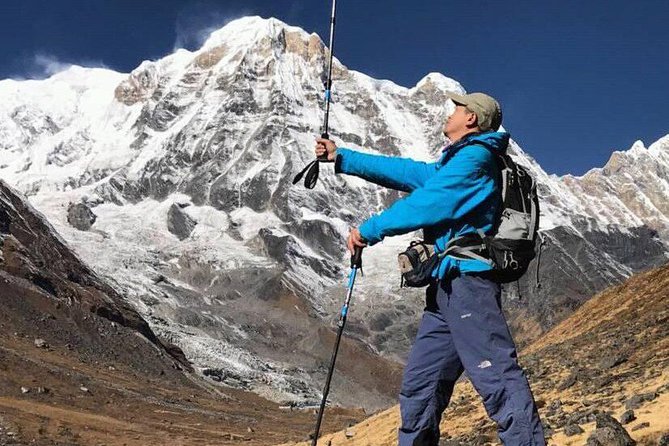
- Tea house trekking, not camping: you sleep in mountain lodges along the way.
- Poon Hill sunrise included: early start for big views over the Annapurna region.
- Jhinu Danda hot springs stop: a real reward after hiking days.
- Porter and guide support: you get insured help (1 porter for every 2 people).
- Domestic flights built in: Pokhara back to Kathmandu is part of the package.
- Private group feel: only your group participates, but you still need a minimum of 2 people to run.
Price and What You Actually Get for $1,779
At $1,779 per person for about 14 days, this isn’t a budget bargain—but it’s also not just a ticket to a starting point. You’re paying for a full service system: Kathmandu and Pokhara hotel stays with breakfast, transportation between cities, domestic flights back to Kathmandu, and then a structured trekking plan with tea house accommodation plus meals (breakfast, lunch, and dinner) while you’re on the trail.
Two things that matter for your money here:
- You’re buying time and stress reduction. The package handles transport (including Kathmandu–Pokhara driving and the Pokhara–Nayapul link), lodging, and guided trekking support.
- You’re covering the expensive parts people forget. Domestic flights and insured guiding/portering aren’t free in Nepal, and they add up fast when you try to build things yourself.
Still, keep your personal budget realistic. Drinks, snacks, and extras like heater charges and hot showers during the trek are listed as not included, and you’ll also want to plan for tips for guide/porter/driver since tips are not covered.
You can also read our reviews of more tours and experiences in Kathmandu.
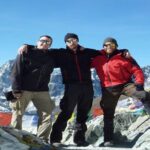
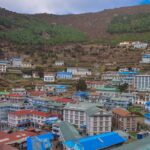
Who This Trek Fits Best (and Who Might Struggle)
This is a moderate trek, but “moderate” doesn’t mean easy. Your daily schedule includes trekking days that can feel long, plus altitude exposure as you work up toward the Annapurna Base Camp area at 4,130m.
This trek is a great fit if:
- You want iconic Annapurna views without going full camping-mode.
- You’re okay with basic lodge rooms and simple mountain meals.
- You like cultural moments as much as mountain moments—villages of Gurung, Magar, and Thakali are part of the route.
It may be a tougher fit if you:
- Get worn down by long walking days.
- Struggle with altitude in general.
- Expect warm showers and lots of comfort on the trail (those aren’t part of the included value).
Kathmandu Arrival: Settle In and Get Your Bearings
Your first day is Kathmandu arrival, with an admission ticket included. It’s your buffer day—use it to recover from travel and get organized. Kathmandu is busy and high-energy, so I’d treat this as your “light day” on purpose.
If you’re the type who likes to feel prepared, this is also when you can confirm your gear plan:
- Make sure your daypack has water, layers, and essentials.
- Let your guide/porter system sink in so you’re not carrying more than you should.
Included here is transport to connect you with the rest of the journey, plus the hotel-style stay with breakfast.
Pokhara and Phewa Lake Walk: A Calm Before the Climb
Next you head to Pokhara and spend time walking around Phewa Lake. Pokhara is where your trek stops being theory and starts being real. The air usually feels easier than Kathmandu, and it’s a nice place to mentally shift from city logistics to trail rhythm.
This is also a good day to:
- Shop if you forgot something small (sunscreen, gloves, lip balm).
- Check you have layers for cooler mornings and evenings.
- Eat something familiar if you’re nervous about mountain food.
Nayapul to Ulleri: The Trek Starts for Real
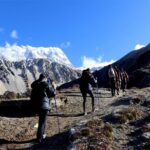
You drive to Nayapul to begin trekking, then hike to Ulleri with an overnight tea house/lodge stay. This early stretch matters because it sets the tempo. Don’t race the first day. Your body needs time to adjust, and those first steps help you learn how your breathing changes in the hills.
One practical note: early in the trek, your legs may feel fine. Your breathing might not. So keep your pace slow enough that you can talk comfortably.
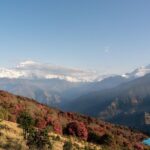
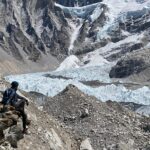
Ulleri to Ghorepani/Ghode Pani Area: Rhododendron Country Energy
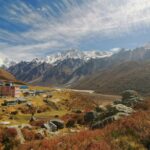
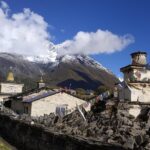
From Ulleri you trek to Ghode Pani (Ghorepani area) and sleep at another tea house/lodge. This section is famous for lush vegetation, and the wider route is described as moving through dense rhododendron forest with high peaks showing up in the background at various points.
What to plan for:
- Mud and wet patches can happen in forested sections.
- Your clothes will get tested by cool shade and warmer sun bursts.
Poon Hill Sunrise: The Morning That Makes People Smile
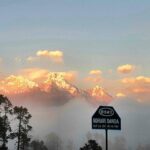
On day 5 you do Poon Hill sunrise. This is one of those “you remember this forever” moments because the Annapurna region views look different at dawn—soft light, big silhouettes, and that sense that the mountains are close enough to touch.
The trade-off is an early start. You’ll likely feel a little sleepy and cold on the way up, but the view is the payoff.
If you get cold easily, bring an extra layer you can still move in. A scarf helps more than you’d think at sunrise.
Chhomrong to Deurali: Village Life and Higher Air
You trek to Chhomrong and stay in a lodge, then continue toward Deurali for another night. Chhomrong is a key cultural/route point, and it’s also where the trek starts leaning more clearly into higher-altitude terrain.
This stage is where you’ll notice altitude more:
- Breathing may feel heavier on uphills.
- You’ll want consistent pacing and frequent short breaks.
It’s also where your guide’s approach really matters. In past ABC treks with Adventure Treks Nepal, support teams were praised for staying calm and organized, and guide names like Anuj, Hari, Expansion, Ramesh, and Gyanendra show up in credited experiences. (You can’t assume your guide will be the same person, but you can expect the guiding role to be taken seriously.)
A 360-Degree Annapurna Day: When the Hike Becomes a View
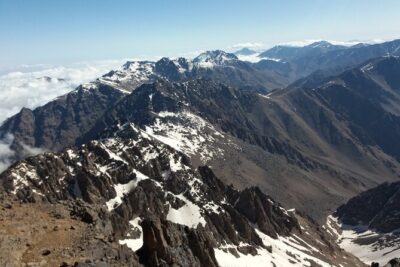
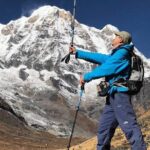
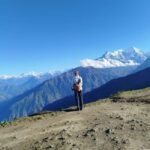
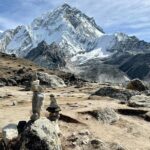
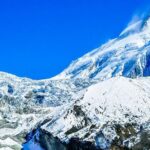
Next comes a day described as 360-degree view of the Annapurna Mountain Range. Days like this are why people do ABC. You’re not just walking between viewpoints—you’re walking into a stage set of snow-capped peaks.
The route highlights include the Annapurna massif (Annapurna III), Annapurna South, Hiunchuli, Fang, Mt Machhapuchhare (Fish Tail), and Gangapurna, described as lining up in a circle around the deep glacier-cover amphitheater at the center. That’s not just a poetic description. It hints at what you’ll feel once you’re close: the mountains start acting like a bowl around your route, not random peaks scattered in the distance.
Bamboo to Jhinu Danda: The Recovery Bonus Pays Off
After the big view day, you trek toward Bamboo and sleep at another lodge. Then you reach Jhinu Danda, where the included highlight is hot spring time.
This is practical as much as it’s fun. After days of hiking, sore muscles are real. A hot spring stop is one of those small luxuries that helps you keep enjoying the next days instead of just surviving them.
Bring a towel if you have room. And expect basic setup—this is not a resort spa, it’s a mountain hot spring experience.
Pothana and the Final Push: The Trail Tightens
You trek to Pothana and spend the night in a lodge/tea house. Pothana sits in the higher zones of this trek’s experience, so it’s a good time to:
- Hydrate steadily.
- Keep your pace easy.
- Let your body settle into altitude life.
You’re close enough now that the trek’s meaning becomes obvious: this isn’t just about checking Base Camp off. It’s about watching how the region’s culture and scenery shift as you gain height.
Back to Pokhara and Free Time in Kathmandu
You return to Pokhara and then spend time around Phewa Tal. You’re back in a city rhythm now—good meals, sleep you don’t have to earn with a hike, and time to breathe.
Then you fly back to Kathmandu for a free day and depart on the final day. This gives you a cushion in case jet lag hits hard or you want a slow last look at Nepal’s city energy.
Your Trekking Team: The Part That Makes It Feel Safe
In the best trekking setups, the route matters, but the humans matter even more. The included services spell it out clearly:
- Trekking porter with insurance (1 porter for 2 people)
- Trekking guide with insurance
- Office service charge and government taxes handled
- A trekking region map
- A trekking duffel bag
From real ABC experiences connected to this operator, people repeatedly credit support teams for reliability and genuine care. Names that show up include guide Gyanendra and a support medic named Dev in multiple stories, plus porters such as Bishnu and Bishal. I’d treat that as reassurance: you’re not wandering with only a map app and hope.
What the Daily Life Feels Like (Tea Houses, Meals, and Pace)
Tea house trekking keeps things simple, but don’t assume luxury. You’ll get lodging in mountain lodges, and meals are included during trekking (breakfasts, lunches, dinners listed in the package). That matters because in the mountains, deciding what to eat can slow you down mentally.
A good strategy is to eat consistently:
- Warm breakfast for the morning start.
- A solid lunch during breaks.
- A calmer dinner after hiking.
Also plan for cold. Even if you feel fine mid-day, mornings and evenings can get sharp as altitude climbs. The package lists heater charges as not included, so layer up instead of expecting paid heat.
Altitude Reality Check (So You Can Enjoy the Trek)
The trip is described as moderate, but it still reaches Annapurna Base Camp at 4,130m. That’s high enough that you should treat altitude as part of your itinerary, not a surprise.
What you can do to protect the experience:
- Move slowly on uphills.
- Don’t sprint to catch photos.
- Tell your guide quickly if you feel off.
And remember: the goal is to keep you comfortable enough to keep moving and appreciating. A good team will watch you and guide pacing accordingly.
Is This Value-Wise a Smart Pick?
If you want a structured, guided ABC trek with tea houses, included meals, and built-in city connections, this package makes sense. At $1,779, the value comes from bundling: lodging, transport, guide/porter support, and domestic flight back to Kathmandu.
You should weigh it against your own style:
- If you want full self-planning and don’t mind extra logistics, you might find cheaper routes.
- If you want the trekking to feel like a smooth process—less coordination, more hiking—this is priced in the range that matches the service.
Should You Book This Annapurna Base Camp Trek?
I’d book it if you want:
- Classic Annapurna highlights like Poon Hill sunrise, a 360-degree view day, and Jhinu Danda hot springs
- A supported trekking setup with insured guide and porter
- A trip plan that handles Kathmandu, Pokhara, flights, and trekking meals so you can focus on the walking and views
I wouldn’t book it if you:
- Expect lots of comfort upgrades like frequent hot showers or included drinks
- Can’t handle altitude exposure around 4,130m
- Need a flexible refund option (this experience is non-refundable and not changeable if plans shift)
If your goal is a memorable, well-supported Annapurna Base Camp experience with genuine mountain culture and a practical pace, this is a strong match.
FAQ
How long is the Annapurna Base Camp trekking experience?
It’s listed as approximately 14 days.
Where does the trek start?
The meeting point is Tribhuvan International Airport area in Kathmandu, and the trekking itself starts after the drive to Nayapul.
What’s included in the trek meals?
Breakfast, lunch, and dinner are included during the trekking portion, and breakfast is included in Kathmandu and Pokhara accommodations.
Are accommodation costs included?
Yes. You get accommodation in Kathmandu and Pokhara with breakfast, plus tea house (mountain lodge) stays during the trek.
Do I get a guide and porter?
Yes. The trip includes a trekking guide and a porter with insurance. The package provides 01 porter for 02 people.
Are drinks and extra hot shower/heating charges included?
No. Drinks, dessert, juice, mineral water, heater charge, and hot shower during trekking and main meals in cities are not included.
Is the domestic flight included?
Yes. There are flights from Pokhara back to Kathmandu, including airport tax.
What about visas and international flights?
International airfare is not included. Nepal entry visa fees are not included either (listed as US$ 50 for 30 days and US$ 30 for 15 days).
Is tipping included?
No. Tips for the guide, porter, and driver are not included.
What happens if I need to cancel?
The experience is non-refundable and cannot be changed for any reason.