REVIEW · KATHMANDU
Everest Base Camp Trek
Book on Viator →Operated by Adventure White Mountain Pvt.Ltd · Bookable on Viator
Everest starts with a flight and a plan. This trek pairs professional English-speaking guide support with Sherpa-style trekking know-how, plus a route that eases you up toward altitude instead of pushing hard from day one. You also get a Kathmandu warm-up with Thamel and an optional stop at Kathmandu Durbar Square before the mountains take over.
I especially like the built-in human support: you travel with a guide and a porter set-up that keeps the trek realistic, even when your legs start negotiating. I also love the pacing on paper: acclimatization days in Namche Bazaar and Dingboche are scheduled when you most need them.
One caution: the package doesn’t cover everything you’ll pay for on the ground—things like National Park permit fees and accommodation during the trek are listed as not included, plus drinks and extra charges like hot showers and charging.
In This Review
- Key highlights to know before you go
- Thamel setup and the Kathmandu start that actually helps
- Flight to Lukla: short in time, big in meaning
- Phakding to Namche: entering the Sagarmatha National Park zone
- Namche acclimatization: the day that keeps your trip on track
- Tengboche day: climbing above Dudh Koshi and the Danfe sighting factor
- Dingboche and Nagarkshang: high altitude requires smarter walking
- Lobuche and the approach feeling: getting closer to Everest’s zone
- Everest Base Camp day: the dream, with real-world timing
- Kalapatthar early morning: where “wow” has a schedule
- The return: Tengboche, Namche, and the satisfying rhythm of downhills
- Back to Kathmandu: Lukla flight and a farewell dinner
- Price and value: what $1,800 really buys (and what you should budget)
- Who this trek suits best (and who should rethink it)
- Should you book the Everest Base Camp Trek with Adventure White Mountain?
- FAQ
- How long is the Everest Base Camp trek?
- Where does the trip start, and when do you meet?
- Does the trek include flights to Lukla and back to Kathmandu?
- Are a guide and porter included?
- When do you reach Everest Base Camp?
- Are acclimatization days included?
- What’s not included in the price?
- Is this a private tour?
- Cancellation is mentioned as free. How does that work?
Key highlights to know before you go
- One porter for two trekker keeps the load manageable on steep and high stretches
- Acclimatization in Namche and Dingboche is built into the schedule, not an afterthought
- Kalapatthar on an early morning is your best shot at dramatic summit views in the area
- Sagarmatha National Park time means you should budget for permits even if you’re not thinking about paperwork yet
- Private tour with your group only helps the pace and timing feel less rushed
- Pickup + airport-to-mountain transfers reduce the chaos factor in Kathmandu
Thamel setup and the Kathmandu start that actually helps
Your trip begins in Kathmandu, and the first day is more than a formality. You’ll be met and transferred to your hotel in Thamel, a neighborhood that’s made for getting your bearings fast—restaurants, gear shops, and easy walking. If you still have energy after the flight, you can wander on your own and grab mini refreshments. It’s a calm landing before the big altitude math begins.
If you want a little cultural weight on day one, there’s an optional visit to Kathmandu Durbar Square. It’s close enough that it won’t eat your whole day, and it’s the kind of stop that gives you a sense of Nepal beyond the mountains. Just note: admission is listed as not included, so you’ll pay that on your end.
What I like here is that the plan gives you a gentle on-ramp. You don’t go from airport to high pass in one hop. You get a night to sort your layers, read your weather forecast, and mentally prepare for the morning transfer rhythm.
You can also read our reviews of more tours and experiences in Kathmandu.
Flight to Lukla: short in time, big in meaning
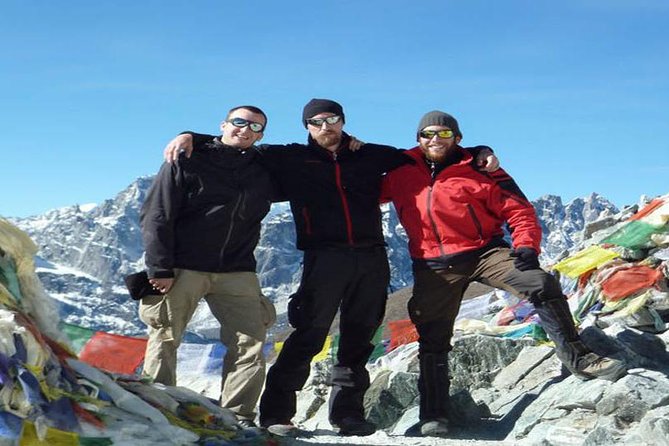
Day 2 is early. You head toward Tribhuvan Domestic Airport at dawn to catch a flight to Lukla. The air journey is about 30 minutes—short enough to feel exciting, not exhausting. From your seat, you’ll get views of mountains, hills, greenery, and lakes, and the whole flight feels like a moving postcard that drops you right into trekking country.
Once you land in Lukla, the trek truly begins for Phakding. Your guide will summarize the trip, and you’ll take a porter with you. Then it’s time to walk: you move from the small-airport world into the trail routine that matters—steady steps, frequent water breaks, and the first taste of mountain air that’s thinner than what you’re used to.
One practical thing: that early start can be harder than it sounds if you sleep badly the first night. If you’re sensitive to jet lag, do what you can on day 1—pack a warm layer, charge your phone, and set yourself up for a less cranky day 2.
Phakding to Namche: entering the Sagarmatha National Park zone
The next day shifts you toward Namche Bazaar through the Dudh Koshi route, with Monjo as part of the journey. You’ll cross rhododendron and pine forest, and that’s useful in a very real way: the shade and softer terrain help your body ease into trekking before altitude adds stress.
Monjo matters because it’s an entrance point into Sagarmatha National Park. Even if you’re not thinking about permits yet, you’re literally moving through the protected area environment of Everest region trekking. Then the day ends in Namche Bazaar.
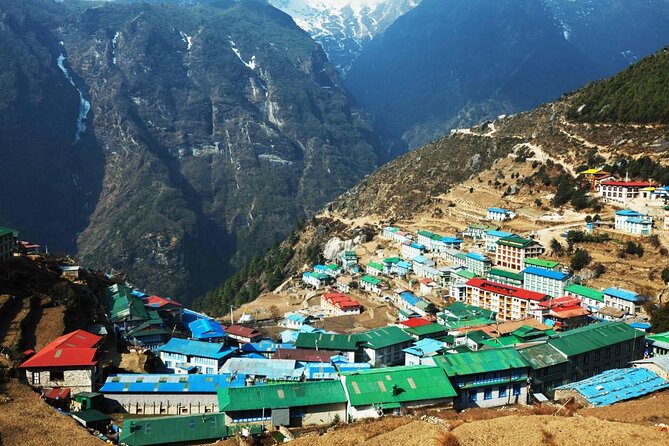
Namche is where the trip starts to feel like a different world. It’s a hub town, and you’ll get moments with locals as you arrive. This is also where you can expect more tea houses, more trekkers, and more of the Everest trail culture. It’s not just a checkpoint. It’s a place your body can learn the new pace.
My advice: arrive in Namche with a clear plan for hydration. At this altitude range, your body punishes both overexertion and dehydration. Keep it gentle on arrival day and let the guide set the pace.
Namche acclimatization: the day that keeps your trip on track
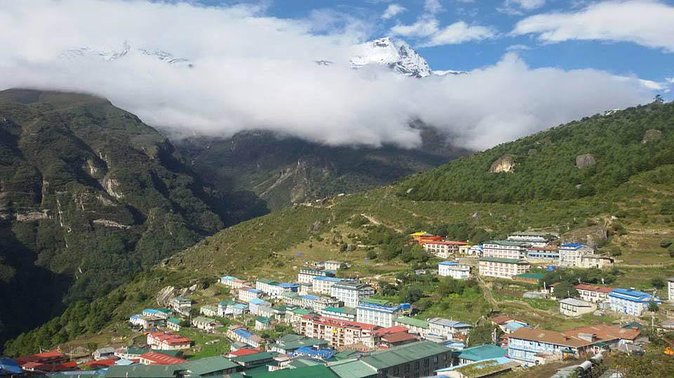
Day 4 is built for acclimatization. It’s a rest day, but not a day of doing nothing. You explore Namche and learn the local culture, and you also visit Sagarmatha National Park areas as part of the day.
This matters because altitude doesn’t care about your motivation. The goal isn’t to rest like you’re on vacation. The goal is to let your body adjust so you can move higher later without paying for it in headaches, nausea, or exhaustion.
If you’re wondering what a “good rest day” looks like, here’s the answer that fits this schedule: keep walking, but not hard walking. Take in sights, drink water, eat something you can handle, and sleep early. I find that a rest day like this is where the whole trek either becomes enjoyable—or turns into a grind.
Tengboche day: climbing above Dudh Koshi and the Danfe sighting factor
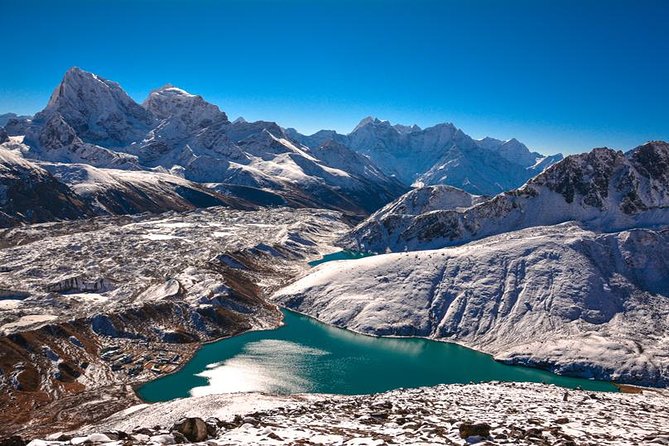
By day 5, you start challenging your body. You climb upward and move above the Dudh Koshi River, and the route brings you toward Tengboche. Along the way, you’ll encounter forests and wildlife. The trek notes mention Danfe, which is the national bird of Nepal, common in this region.
Then you descend for lunch—after the track inclines down to Phunkitenga from Trashing—before heading back upward through green forest to reach Tengboche. Tengboche itself is described as extremely beautiful, surrounded by hills and forests, and it’s a strong day for views and atmosphere.
Two notes to keep this day enjoyable:
1) Treat the climbs like a steady job, not a performance.
2) Bring extra patience for weather changes. Early morning can be chilly, and midday can fool you into going too fast.
Tengboche is one of those places where the religious and community feel of the Everest region comes through. Even if you’re only passing through, it helps the trek feel like a journey through living places, not just a route toward a summit photo.
Dingboche and Nagarkshang: high altitude requires smarter walking
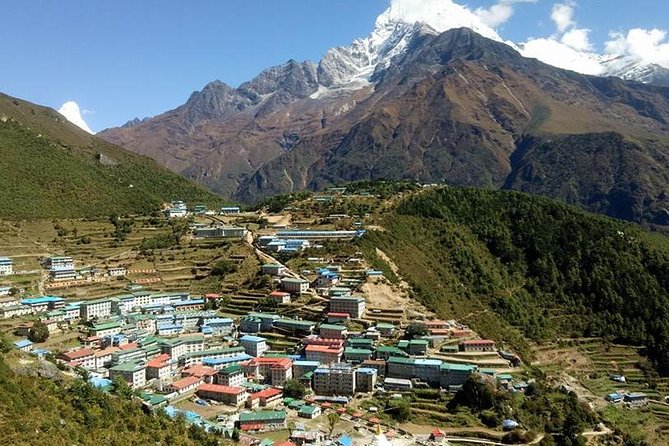
Day 6 takes you from Tengboche toward Dingboche, crossing rhododendron forests and moving through a cooler environment with views of white mountains. The walk is described as possibly the best walk of your life, which I get—this is where the scenery really sharpens and the air starts to feel serious.
Dingboche becomes your base, and day 7 is another acclimatization day. You explore Dingboche village and climb up to Nagarkshang hill and back.
That “climb up, then back down” structure is the main trick. You stimulate your body to adjust, but you don’t lock yourself into a higher altitude for the whole day. That’s one of the reasons acclimatization days are so valuable on Everest region treks.
You should also expect Dingboche to feel colder than lower villages. Night temperatures can drop fast, and even if your days feel manageable, sleep can be the real test. Warm socks, a hat, and layering discipline make a huge difference here.
Lobuche and the approach feeling: getting closer to Everest’s zone
On day 8, you move toward Lobuche via Douglas and keep going toward the Khumbu Glacier area. The trek includes views of Tawache and Chotlaste, and that’s a big reason people remember this stretch: the mountains feel like they’re hanging right over you.
Overnight is in Lobuche, and the route note calls it very cold due to geography. That’s not a poetic line. It’s a practical warning. Cold nights can sap energy, and on a trek like this, energy is your currency.
My suggestion: if you have any gear questions—how warm is your sleeping setup, how well do your gloves protect you—this is the time to focus. Lobuche is where “I’ll be fine” often turns into “I wish I packed better.”
Everest Base Camp day: the dream, with real-world timing
Day 9 is the big one. You finally move further to Everest Base Camp, a place where mountaineers prepare for climbing Everest (8,848 meters). The feeling here is described as indescribable, and honestly, that matches why this destination lives in people’s heads.
It’s also a day with a schedule that keeps you moving. At noon, you travel toward Gorakshep and spend the night there. So you’re not just arriving, taking a long stroll, and calling it done. You’ll likely feel both the emotional payoff and the physical fatigue of the day.
Two practical tips for EBC day:
- Pace yourself for the last push.
- Don’t assume clear skies. Everest region weather changes quickly, and cloud cover can alter what you see.
Even if conditions aren’t perfect, being at EBC is still the sort of moment that recalibrates your sense of scale.
Kalapatthar early morning: where “wow” has a schedule
Day 10 starts early with a move toward Kalapatthar. This is described as a place folded by mountains everywhere. The trek notes say you walk for some hours and arrive at Pheriche and break your day.
Kalapatthar is famous for a reason: it’s one of the best positions you can reach for dramatic views of the Everest region, and the early timing often matters for visibility. This is also a day when your legs may complain, but your brain will probably keep telling you it’s worth it.
If you’re the kind of person who gets distracted easily by small discomforts, plan to use routine. Layers on/off, steady breathing, water sips, and keep your attention on the next checkpoint rather than the final summit of exhaustion.
The return: Tengboche, Namche, and the satisfying rhythm of downhills
Day 11 brings the return route. You come across Tengboche again for a couple hours, then travel toward Namche Bazaar, which is your ultimate destination for the day. Overnight is in Namche.
Day 12 covers a longer distance. But the point of the final trekking days is not to suffer. It’s to flow. The route includes visiting Lukla Bazaar, where you can buy souvenirs for family and relatives, then it’s the halt at Lukla.
When you’re nearing the end, downhill can feel easy at first. Then it turns into a leg-burning, ankle-jarring rhythm if you step too aggressively. A controlled pace makes your final day smoother and keeps you from feeling wrecked on arrival.
Back to Kathmandu: Lukla flight and a farewell dinner
Day 13 is your reset day. You catch a flight from Lukla back to Kathmandu, with the air distance around half an hour. Then you get to enjoy Kathmandu for a bit and roam if you still have energy.
In the evening, the staff offers a farewell dinner after you complete the trip. For a trek like this, that dinner is more than food. It’s closure. You get a chance to share the high points, hear what others noticed, and let your body calm down after the mountains.
If you’re thinking about travel timing, keep the rest of your Kathmandu schedule light after day 13. You’ve spent days walking at altitude, and it takes time to feel normal again.
Price and value: what $1,800 really buys (and what you should budget)
The listed price is $1,800 per person for a roughly 13-day Everest Base Camp experience. For that, you get a lot of the skeleton of a successful trek:
Included items that matter most
- Human assistance: a professional English-speaking trekking guide plus one porter for two trekker
- Flights: both ways to Lukla and back to Kathmandu, including a sharing vehicle
- Meals counted in the included list: lunch, dinner, and breakfast totals across the trek days
- Transfers and support in Kathmandu at the start (pickup is offered)
Extra costs you should not ignore
- Accommodation during the trip is not included
- National Park permit fees are not included
- Drinks are listed as not included, and the package also flags hot shower fees and charging/battery costs, plus WiFi tips for guide and porter
- Personal equipment is not included (you bring your own jacket, trousers, gloves, hat, and more)
One tricky detail: the text includes both meal counts as included and also says breakfast/lunch/dinner aren’t included in a separate not-included section. That inconsistency is exactly why I tell you to confirm before you pay the final balance. In practice, these packages often include meals but not drinks; still, verify what’s actually covered so you’re not surprised mid-trek.
Is $1,800 good value? It can be, because the hardest parts of organizing Everest region treks are the people and the timing. You’re paying for local logistics, guide leadership, and the structure that helps you reach EBC without chaos. Just remember: permits, lodging, and personal extras are part of your real budget.
Who this trek suits best (and who should rethink it)
This trek is aimed at people with moderate physical fitness. That’s a key phrase. You don’t need to be an athlete, but you do need to be able to walk daily on uneven terrain for hours, handle cold nights, and deal with altitude that can be tough even for fit travelers.
You’ll likely love this trek if:
- You want experienced, English-speaking support with a real porter system
- You appreciate a schedule that includes acclimatization days
- You’re chasing the Everest Base Camp goal but still want time to enjoy towns like Namche, Dingboche, and Tengboche
You might want a different plan if:
- You’re only comfortable with easy, short walks
- You get nervous about cold, early mornings, or weather disruptions tied to flights
Also consider your gear. This trek expects you to handle your own personal layers and cold protection. If you show up under-prepared, the mountain will make the decision for you.
Should you book the Everest Base Camp Trek with Adventure White Mountain?
If you want a classic Everest Base Camp route with clear pacing, guide and porter support, and a start that handles Kathmandu basics well, I think it’s a solid option to consider. The team’s communication and people-first approach show up repeatedly in feedback, and names like Dipak Sapkota (owner) and guides such as Dilli, Sambhu, and Rishi show up as standout figures.
My final recommendation: book if you’re comfortable confirming the details that cost extra—permits, lodging, and what meals/drinks are covered. Then train for steady walking, pack for cold nights in places like Lobuche and Pheriche, and plan to treat acclimatization days like the win they are. Do that, and Everest Base Camp stops being just a dream and becomes your timeline.
FAQ
How long is the Everest Base Camp trek?
It’s listed as 13 days approximately.
Where does the trip start, and when do you meet?
The location is Kathmandu, Nepal, with a start time of 7:15 am. The meeting point is near public transportation.
Does the trek include flights to Lukla and back to Kathmandu?
Yes. It includes both-way flights between Kathmandu and Lukla, including a sharing vehicle for transport.
Are a guide and porter included?
Yes. You get a professional English-speaking trekking guide and one porter for two trekker.
When do you reach Everest Base Camp?
You reach Everest Base Camp on day 9.
Are acclimatization days included?
Yes. There are acclimatization/rest days in Namche Bazaar (day 4) and Dingboche (day 7).
What’s not included in the price?
National Park permit fees and accommodation during the trip are not included. Drinks are also not included, and extra charges like hot shower fees and battery charging apply.
Is this a private tour?
Yes. It’s a private tour/activity, and only your group participates.
Cancellation is mentioned as free. How does that work?
Free cancellation is available up to 24 hours in advance for a full refund. If it’s canceled due to poor weather, you’ll be offered a different date or a full refund, and the same applies if a minimum number of travelers isn’t met.