REVIEW · KATHMANDU
Everest Base Camp Trek
Book on Viator →Operated by Nepal High Trek & Expedition Pvt. Ltd · Bookable on Viator
Everest is the word you feel in your chest. This 14-day Everest Base Camp trek is built around real acclimatization stops and serious mountain days, with a guide team that keeps the plan moving. What I like most is that you’re not sent off with guesswork: you get gear support (sleeping bag, down jacket, duffel) plus meals, park permits, and the core logistics from Kathmandu. One consideration: the route relies on flight days and solid weather, so delays are always possible in the Everest region.
You also get a strong cultural angle, not just photos. Time in places like Namche Bazaar and the Tengboche and Pangboche monastery areas helps you understand Sherpa life while you’re hiking. In the reviews, guides like Buddhi and Pawan show up again and again for keeping people calm, safe, and motivated when the altitude and cold start doing their thing. The one drawback to plan for is that tipping, your own travel/rescue insurance, and many personal mountain extras are not included.
In This Review
- Key highlights you’ll care about
- Everest Base Camp in 14 Days: The Real Shape of the Adventure
- Kathmandu Arrival: Where the Trip Starts (and Why It Helps)
- The Lukla Flight and First Trek Days: Stepping Into the Khumbu
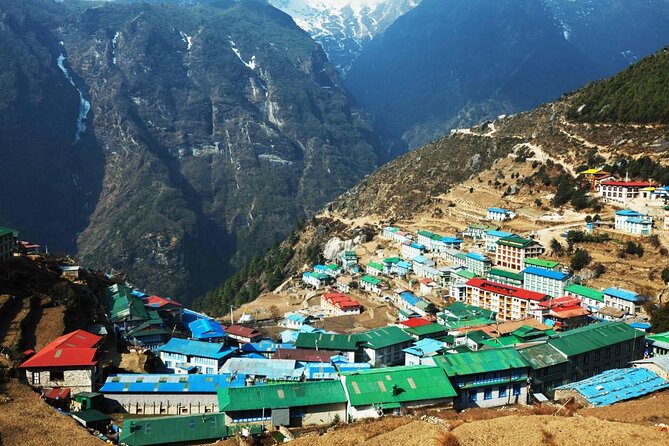
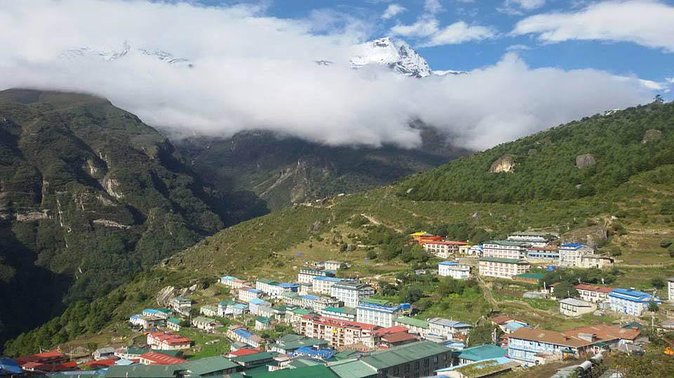
- Namche Bazaar: Acclimatization, Market Energy, and Your First Big Views
- Tengboche and the Monastery Factor: Culture Meets Cold Morning Air
- Dingboche and Chhukung: How Acclimatization Actually Works
- Khumbu Glacier and the Memorial Path: When the Trail Gets Serious
- Gorak Shep, Everest Base Camp, and the Big Goal Day
- Pheriche, Orsho, and Pangboche: The Return Has Its Own Magic
- Lukla Backtrack, Kathmandu Durbar Square, and the Farewell Loop
- Price and Value: What You’re Paying For (and What You Still Cover)
- The Trek That Trains Your Body: Who It Fits Best
- What to Bring (Beyond the Included Sleeping Bag and Down Jacket)
- Should You Book This Everest Base Camp Trek?
- FAQ
- How long is the Everest Base Camp trek?
- Where does the trek start?
- What’s included in the price?
- Are meals included?
- What trekking gear do I get?
- Are park permits included?
- Is emergency help included?
- Do I need travel and rescue insurance?
- What costs are not included?
- How does cancellation work?
Key highlights you’ll care about
- Lukla flight + guided routing: the trek starts with the classic jump-off point and stays structured through key altitude days.
- Built-in acclimatization in Namche and Dingboche (with a Chhukung-style hike) so you don’t just “go higher” and hope.
- Included cold-weather support: sleeping bag, down jacket, and duffel bag for the trekking period.
- Base Camp and Kalapatthar: you get the Everest Base Camp run and the high-view day for sunrise conditions.
- Monastery stops at Tengboche and Pangboche to mix culture with the walking grind.
- Emergency helicopter arrangement handled through your insurance (not paid out-of-pocket by you in the package).
Everest Base Camp in 14 Days: The Real Shape of the Adventure
This trek is famous for a reason. You’re walking through the Everest region long enough to feel how the weather, altitude, and terrain change day by day. The route is a back-and-forth loop that keeps you moving forward while still giving your body chances to adjust—especially around Namche and Dingboche.
If you’re worried it’ll be just “tough hiking, period,” the plan actually has rhythm. Some days are straightforward climbing days. Others are slower, with time to explore markets or monasteries and then settle into the next stretch. That structure matters. On Everest, energy management is not a motivational poster—it’s survival math.
I also like how the program clearly frames the journey as a package of logistics. Your flights, permits, trekking meals, and a guide are included, so your attention can stay on pacing and comfort rather than planning every handoff. When you’re dealing with altitude, less decision-making is a gift.
You can also read our reviews of more tours and experiences in Kathmandu.
Kathmandu Arrival: Where the Trip Starts (and Why It Helps)
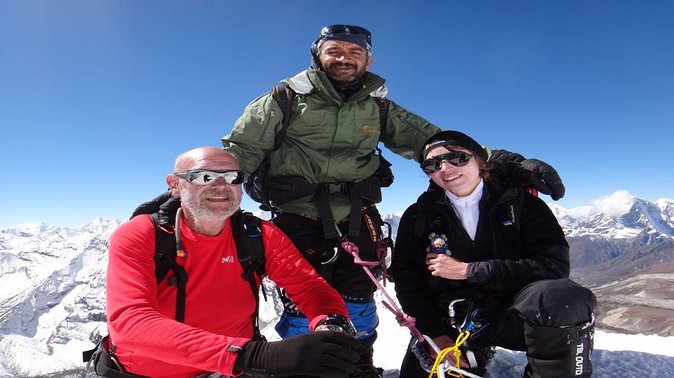
You land at Tribhuvan International Airport and get picked up by a Nepal High Trek & Expedition representative (Anjan is named in the tour flow). That sounds simple, but it matters because the first day in Kathmandu is where people either get organized or lose time to confusion.
You’re also set up with a hotel on the Kathmandu side and a dinner that closes the day. After a flight, your brain wants food and sleep, not an impromptu scavenger hunt for dinner. The tour then keeps you moving toward domestic travel the next morning.
If you want the trip to feel smoother, this kind of hands-on start helps you get your bearings fast: you’ll know where you’re sleeping, when you’re leaving, and how the next day’s Lukla flight timing works. The meeting time for the overall experience is 8:15 am, so you’ll also get a clear daily anchor.
The Lukla Flight and First Trek Days: Stepping Into the Khumbu
The big turning point is the domestic flight from Kathmandu to Lukla. After breakfast, you transfer to the domestic terminal and catch the morning flight—this is where the “vacation mode” drops and the trek starts becoming real.
Lukla to Phakding sets the tone. You’re walking upward with repeated suspension-bridge crossings over the Dudh Koshi River. That combination—terrain changes plus bridges—keeps your legs busy but gives you a steady start. You also get early glimpses of the peaks. The route includes views of Mount Thamserku (6618m), which is a great reminder that the horizon is doing something dramatic.
The first trek days are also where you learn your own pace. If you go too fast early, you’ll pay for it later. The plan’s slow-walk expectation (plus guide oversight) is what keeps the trek from turning into a suffer-only contest.
Practical note: even when the plan is tight, flight days can be weather-sensitive. Build a little mental slack into your schedule, especially on either end of the trip.
Namche Bazaar: Acclimatization, Market Energy, and Your First Big Views
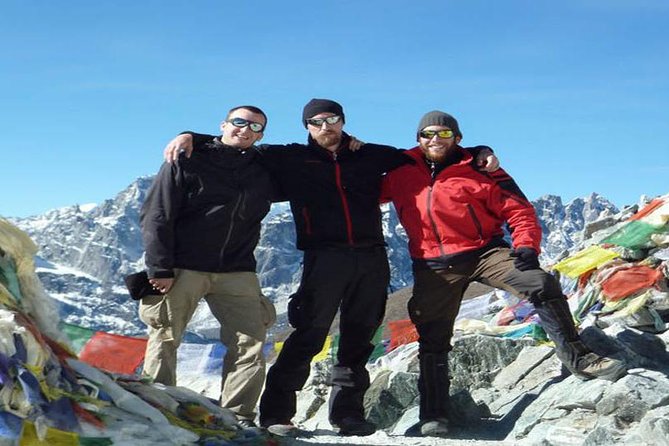
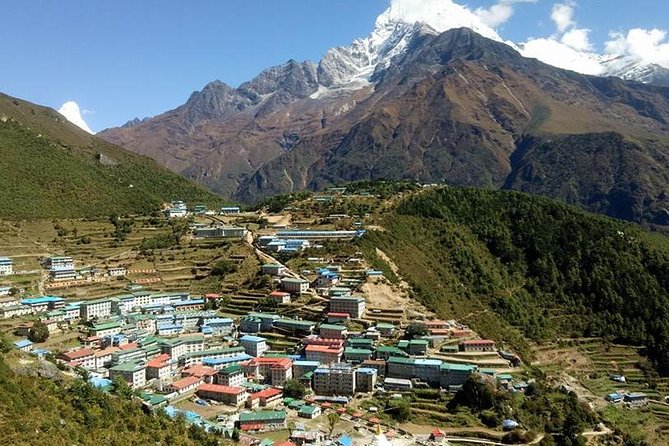
Namche Bazaar is the altitude hinge. You don’t just pass through; you spend meaningful time there to let your body catch up. The itinerary includes a full day focused on exploring the area around Namche, and that’s smart. You’re at a point where wandering can be useful, as long as you keep it reasonable and follow your guide’s pacing.
Namche is also where you’ll notice the real-life travel logistics of the Khumbu: internet spots, ATMs, and the kind of services that make long treks feel less disconnected. If you’re the sort of person who wants to send a message, recharge your own gadgets, or stock up on small items, this is one of your better chances.
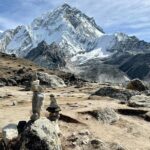
You’ll also have a high-impact view day built around surrounding peaks. From Namche and nearby routes, the plan sets you up for stunning background views of Everest, Nuptse, Lhotse, Ama Dablam, and other ranges as you head toward Tengboche.
One consideration: Namche days can feel like “almost a rest day,” which tempts people to move harder than they should. Don’t do that. The acclimatization purpose is the payoff.
Tengboche and the Monastery Factor: Culture Meets Cold Morning Air
Tengboche is the kind of place you remember even if you’re not a “temple person.” You get early timing and a visit around the monasteries, with mountain views that make the cold feel more worth it.
The tour flow includes time to visit Tengboche and view the surrounding peaks. You’ll likely feel the morning difference here: early steps, colder air, and a higher chance of clear visibility when the timing is right. That matters for photos, yes, but more importantly it helps you stay mentally hooked during altitude days.
Monastery stops aren’t just a detour. They slow the day down in a useful way. You can sit, watch, and let your breathing stabilize instead of marching nonstop. On Everest, that balance between movement and recovery is the difference between finishing strong and feeling wrecked too early.
Dingboche and Chhukung: How Acclimatization Actually Works
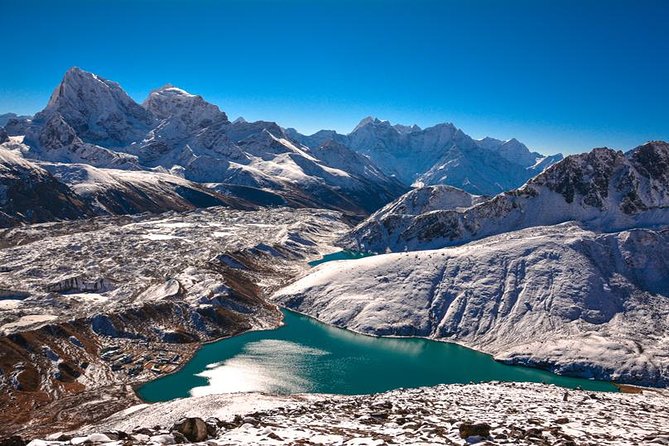
Dingboche is another key acclimatization point. The plan includes another “settle and adjust” day there, plus a short hike toward Chhukung via the Imja Khola valley. The payoff is altitude practice: you go up, you look at the mountains, and you come back to sleep at a slightly lower point. That’s the logic your body can use.
The itinerary also includes time at a Dingboche viewpoint area and then an additional day for acclimatization. This isn’t busywork. It gives your heart and lungs time to adapt to thinner air while keeping your legs active.
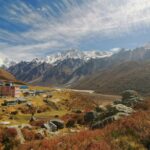
From the Chhukung side, the tour notes excellent views of Lhotse and the surrounding ranges. Those views are a real motivator, but the bigger win is that the plan teaches you how to handle height without going full gas.
If you tend to overdo it when you feel good, watch that impulse here. The safest way to keep enjoying the Everest region is to save your push for the later Base Camp and Kalapatthar days.
Khumbu Glacier and the Memorial Path: When the Trail Gets Serious
The day toward the Khumbu Glacier is one of the most emotionally loaded stretches. The trek continues along the lateral moraine of Khumbu Glacier, and you’ll pass stone memorials for climbers who perished in expedition-related summits.
This is one of those moments that makes you act differently. People tend to slow down, pay attention, and walk with more respect than usual. It’s also a reminder that this region isn’t a theme park. The mountains are beautiful and unforgiving in the same breath.
From there, you keep trekking toward the next stop (the flow indicates a move toward Lobuche after the glacier segment). Expect a steady climb. Even if you’re physically ready, conditions can turn cold fast, especially as clouds shift.
This is also a good day to use the gear support you get in the package. With a down jacket and sleeping bag provided, you’re not scrambling to improvise warmth mid-trek.
Gorak Shep, Everest Base Camp, and the Big Goal Day
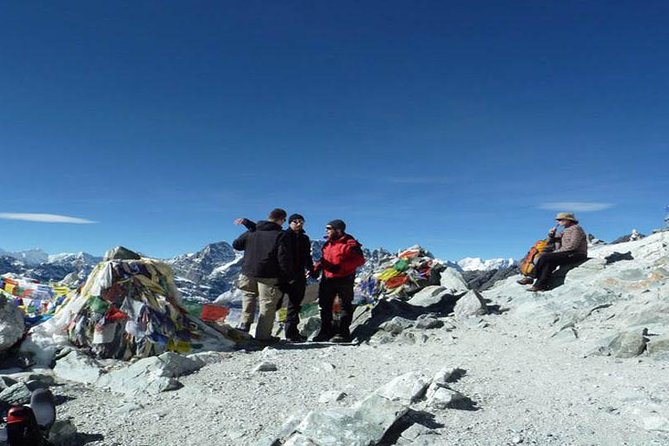
At Gorak Shep, the schedule becomes about the Everest moment. After breakfast, you walk from Gorak Shep toward the Base Camp area. The trek description points to strong “sky-kissing” mountain scenery along the way—exactly the kind of visual payoff that makes the earlier climb days feel worth it.
It’s also a day where your energy and mood matter. Base Camp gives you a finish-line feeling, but you’ll still have to manage altitude and cold. If you go into it focused and calm, the moment lands better.
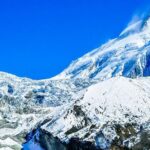
Then comes the “gist day” setup for Kalapatthar. The plan has you trekking earlier to Kalapatthar for the best chance at clear sunrise light. The description includes the idea of sun reflecting on white snow and a continuous ascent for a few hours. That uphill grind is real, but it’s the kind of effort that usually pays back quickly—when visibility is on your side.
This is also where I’d give you one direct tip that shows up in the trek culture: use sunscreen every day. Even when you feel cold, the sun at altitude is intense. I’ve seen that exact reminder in the reviews, and it matches what altitude sunlight does to your skin.
Pheriche, Orsho, and Pangboche: The Return Has Its Own Magic
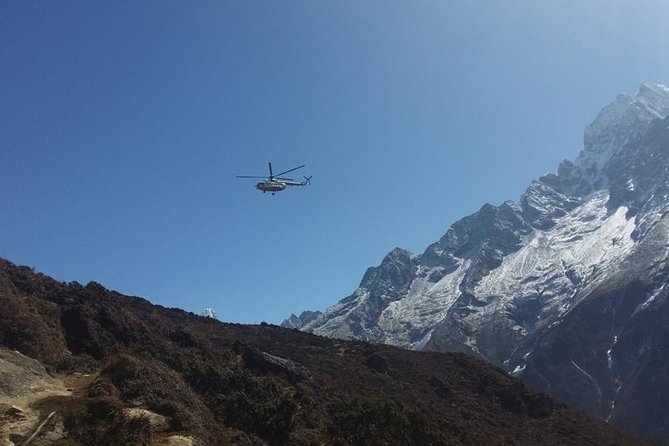
After the big Everest push, the trek turns back down through villages where life feels more settled. You’ll move from Pheriche down toward Orsho, and the route includes stopping at Pangboche.
Pangboche is tied to its monastery, described as the oldest monastery in the area. The tour also notes a local belief story about the scalp and bones of an alleged abominable snowman. You don’t have to take folklore literally to enjoy the meaning: the monastery and stories show how people made sense of the harsh Himalayan world long before modern maps.
This day is also good for resetting your body after the high-effort Base Camp and Kalapatthar segments. You’ll still walk, but the pace usually feels less like a fight against gravity and more like a steady downhill rhythm.
Lukla Backtrack, Kathmandu Durbar Square, and the Farewell Loop
The return to Lukla is built in stages. The plan says you go from Namche back toward Lukla and reach it earlier so you can explore the Lukla valley at leisure before an overnight guesthouse stay.
That small window is a smart design choice. When you’re done with the biggest altitude challenge, you still need time to decompress without rushing. You’ll likely appreciate having a slower evening before you switch back to Kathmandu.
Then you fly back to Kathmandu. There’s time for a local visit around Kathmandu, including a stop at Kathmandu Durbar Square for panoramic views of the Kathmandu valley surroundings. It’s a nice contrast: you came from snow peaks to city stone, and you get a last moment to appreciate Nepal beyond the trek line.
On the final day, you pack your luggage and head to the airport, reaching it three hours before the flight. A small farewell program is included, which helps the trip close in a human way instead of just handing you a receipt and sending you off.
Price and Value: What You’re Paying For (and What You Still Cover)
The price is $1,799.27 per person for an approximately 14-day trek out of Kathmandu. What makes it feel more than just a “price tag” is what’s bundled.
Included highlights that add up fast:
- Both-way Lukla flights (Ktm–Lukla–Ktm)
- Meals: 12 breakfasts, 12 lunches, 11 dinners
- 11 nights accommodation on the trek
- Sagarmatha National Park permit & Khumbu entrance fee
- Gear: sleeping bag, down jacket, and a duffel bag
- A government-licensed mountain guide from Kathmandu
- Emergency helicopter service arrangement paid by your travel insurance company
- Airport pickup and drop (domestic and international)
When you compare trekking options, the gear and permit inclusions are especially practical. Renting a sleeping bag and handling permit paperwork on your own would cost time and money. Here, you’re basically buying a smoother on-the-ground experience.
What’s not included matters too:
- Your travel and rescue insurance (this is specifically called out)
- Hotel in Kathmandu (the trek includes some Kathmandu movement, but your Kathmandu room isn’t listed as included)
- Porter cost
- Tipping for guide and porter
- Personal expenses on the mountain like phone calls, laundry, battery recharging, water, and hot water
- Any costs from flight delays or cancellations caused by strikes or weather shifts
So the value question becomes: are you okay with managing extras like tipping and optional porter help? If yes, the package feels structured and fair.
The Trek That Trains Your Body: Who It Fits Best
This is not a casual hike. The tour is clear that you should have strong physical fitness. That doesn’t mean you must be an elite athlete—it means you can walk uphill for hours, handle thin air, and deal with cold mornings without needing “rescue mode” every day.
It’s also a smart fit if you want a guided plan with cultural stops and a clear schedule. Reviews lean hard on guide support and team organization—people describing feeling safe, backed up, and kept on track during harder moments.
If you hate group travel and want full freedom, this might feel structured. But the program is described as private to your group, so you’re not mixing with random strangers in the way many group treks do.
One more fit check: altitude travel doesn’t love stubborn decisions. If you tend to push through warning signs, you’ll want to listen to your guide and take acclimatization days seriously.
What to Bring (Beyond the Included Sleeping Bag and Down Jacket)
You’re given a sleeping bag, down jacket, and duffel bag, so you can travel a bit lighter than some treks. That said, you still need your own essentials.
Based on the kinds of conditions the route implies (cold mornings, high sun, daily walking), plan on:
- Layers you can adjust as temperature changes
- Sunscreen every day (the trek culture reminder is real at altitude)
- Basic first-aid items beyond the medical kit box included
- Payment options for personal needs not covered (phone calls, battery charging, water/hot water)
Also note: phone calls, laundry, battery recharge, and hot showers aren’t part of the included mountain costs. If you like creature comforts, budget modestly.
Should You Book This Everest Base Camp Trek?
If you want the Everest Base Camp experience without doing the heavy lifting on logistics, this package makes sense. I’d book it if you value included flights, permits, meals, and cold-weather gear, and if you like having a licensed guide and an organized plan through the tough acclimatization days.
I’d think twice if you’re looking for a totally flexible itinerary with zero weather/flight risk, or if you dislike paying extras like tips, porter help, and personal mountain expenses. This region runs on mountain time, and even a well-run tour can’t erase altitude or weather.
If you’re physically ready and you treat Namche and Dingboche as part of the climb—not a break—this trek can deliver the “I did it” feeling you came for.
FAQ
How long is the Everest Base Camp trek?
The experience runs for 14 days (approx.).
Where does the trek start?
It starts in Kathmandu, Nepal, with the schedule beginning at a meeting time of 8:15 am.
What’s included in the price?
The package includes both-way flights between Kathmandu and Lukla, meals, 11 nights accommodation on the trek, permits/entrance fees, a government-licensed mountain guide from Kathmandu, gear (sleeping bag, down jacket, duffel bag), airport pickup/drop, and an emergency helicopter arrangement handled by your travel insurance company.
Are meals included?
Yes. You receive 12 breakfasts, 12 lunches, and 11 dinners.
What trekking gear do I get?
You’re provided with a sleeping bag, a down jacket, and a duffel bag.
Are park permits included?
Yes. The itinerary includes Sagarmatha National Park permit and Khumbu entrance fee, plus Pasang Lhamu Rural municipality entrance fee.
Is emergency help included?
The itinerary includes an arrangement for emergency helicopter service, which is paid by your travel insurance company.
Do I need travel and rescue insurance?
Yes. The tour lists travel and rescue insurance as not included.
What costs are not included?
Not included are hotel in Kathmandu, porter cost, tipping for guide and porter, and personal expenses like phone calls, laundry, battery recharge, water, and hot water.
How does cancellation work?
It offers free cancellation if you cancel at least 24 hours before the experience start time, and it notes that poor weather could trigger a different date or a full refund.