REVIEW · KATHMANDU
14 Days Private Tour Everest Base Camp Trek
Book on Viator →Operated by Nepal Mountain Adventure · Bookable on Viator
Breathing thin air on Everest feels close and real on this trek. I love the private feel and the way the route builds in breathing time through acclimatization days. I also like the practical support that comes with the trip, including a strong porter setup and an oximeter in the first-aid kit. One drawback to plan for: this itinerary depends on weather, especially the Lukla flight.
The best part for me is how much the experience is shaped by the guide you get. In the real world, that can mean the difference between just hiking and feeling safely organized, with the small decisions handled well; names that come up again and again include Tek, Dil, Ram, Som, and Keke. Still, remember that this is a physical challenge, not a stroll, and the itinerary is clearly built for people with a moderate physical fitness level.
You’ll sleep in Kathmandu before flying to Lukla, then switch into tea house trekking at high elevation. A highlight is the early push to Kala Patthar for sunrise views, plus the sense of accomplishment after standing under Everest’s shadow. And you’ll have a little extra peace of mind thanks to the included first-aid kit with an oximeter and pulse meter checker.
In This Review
- Key highlights worth your attention
- Nepal to Lukla by flight: the fast start that sets the pace
- Phakding to Namche Bazaar: suspension bridges and the first reality check
- Namche acclimatization day: why this stop actually matters
- Tengboche to Dingboche: monastery calm and Ama Dablam in your face
- Dingboche acclimatization and Nangkartsang Peak: earning your breath
- Dingboche to Lobuche: moraine rises and the Everest Memorial moment
- Lobuche to Everest Base Camp: glacier-side hiking and the big payoff
- Kala Patthar sunrise and the Pheriche return: the emotional engine of the trek
- Coming down via Namche and Lukla: you’ll feel faster and also more tired
- Price and logistics: does $1,600 buy you real value?
- Comfort, safety, and the details you should care about
- The guide factor: what good leadership looks like on this trek
- Who this private Everest Base Camp trek suits best
- Should you book this 14-day private Everest Base Camp trek?
- FAQ
- Where does the tour start?
- Are the Kathmandu to Lukla flights included?
- Are permits and national park fees included?
- What kind of lodging do you use on the trek?
- Is there any altitude safety support included?
- What’s not included in the $1,600 price?
- What happens if weather is poor or you need to cancel?
Key highlights worth your attention
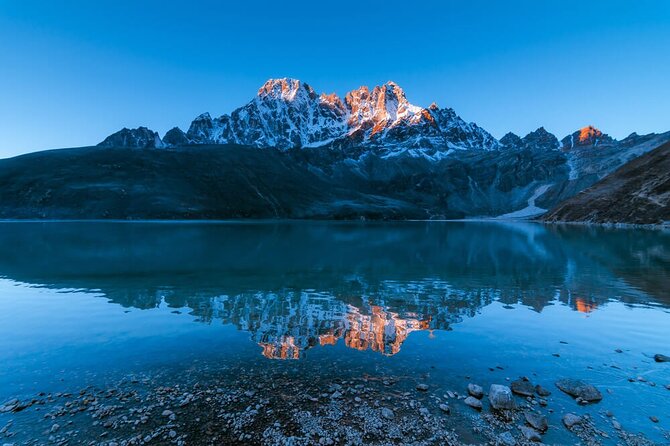
- Kathmandu to Lukla by flight: you gain time and altitude staging right from the start, with big mountain views over the Kathmandu valley en route.
- Real acclimatization days: Namche Bazaar and Dingboche aren’t just stops; they’re designed to help you adjust before higher terrain.
- Sagarmatha National Park checkpoint and permits handled: permits are organized on the trail, rather than as a last-minute scramble.
- Tea house trekking with meals mostly covered: standard tea houses on trek days, plus included dinners, lunches, and breakfasts during the hike.
- Guide-led safety support: an included first-aid kit with oximeter and pulse meter checker can help you monitor how you’re doing.
Nepal to Lukla by flight: the fast start that sets the pace
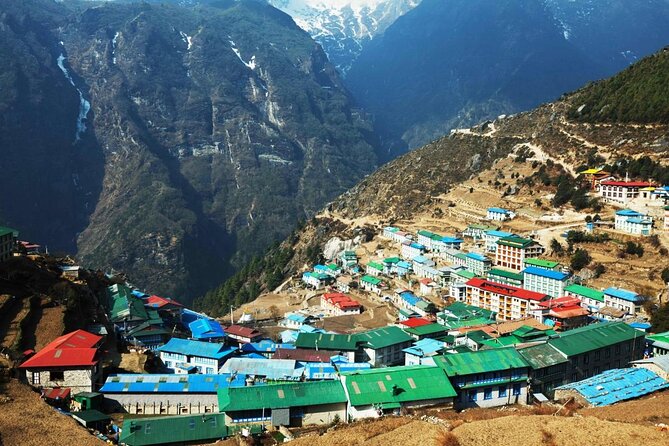
Your trip begins in Kathmandu, with a representative waiting for you at Tribhuvan Airport. You’ll get picked up by private vehicle to a pre-arranged hotel, then have a quick meeting about trekking preparation before you settle in. After that, the schedule shifts fast from city life to mountain rhythm.
The next morning is where the big change happens: you head to the airport early and fly to Lukla. The flight is short, but the views are part of the point, with Kathmandu valley scenery out the window and mountain ranges as you approach the landing. This matters because it saves you days of approach trekking and gets you into the Khumbu region where the iconic trail begins.
Practical note: Lukla flights are notorious for being weather-dependent in general, and this tour’s own wording calls out that it requires good weather. If you’re the type who hates plan changes, build a little patience into your mental checklist.
You can also read our reviews of more tours and experiences in Kathmandu.
Phakding to Namche Bazaar: suspension bridges and the first reality check
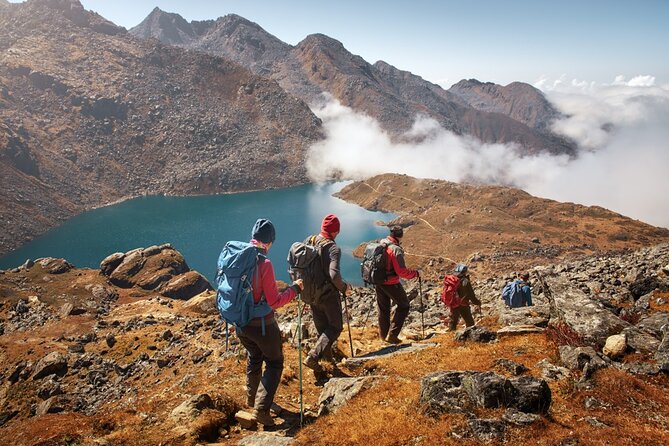
The first trek day takes you from Lukla to Phakding, and it starts with a rocky downhill. You’ll work your way through places like Cheplung, then follow the Dudh Koshi River’s edge as you move toward Phakding. This is a useful warm-up because the trail is straightforward in character even when your legs are still waking up.
On day two of trekking, you push from Phakding to Namche Bazaar. This stretch is filled with suspension bridges and river-and-valley crossings, which keeps your brain busy. You also pass through Benkar, and the view of Mt. Thamserku is highlighted along the route—exactly the kind of payoff that helps when you’re still getting used to the altitude.
Namche Bazaar is also where the logistics start to feel real. You’ll reach the Sagarmatha National Park checkpoint, and your guides help you acquire permits. After that, the trail drops toward the Dudh Koshi River, then climbs again, with views of Everest and Nuptse along the way as you enter Namche.
Namche acclimatization day: why this stop actually matters
You don’t just arrive in Namche and sleep. You adjust the next day, and this is one of the most important pieces of the whole plan. The trek involves high altitude, and altitude sickness is specifically called out as a concern, so acclimatization here is not optional in spirit.
This is the day you’ll treat as a pace-setting reset. If you’ve ever watched someone rush uphill and then struggle later, this stop is built to help you avoid that pattern. It gives your body time to catch up to what the trail is asking for.
You’ll feel this in your energy levels over the next few days. When the climb gets more serious later on, you’ll be grateful you didn’t treat Namche like just another town.
Tengboche to Dingboche: monastery calm and Ama Dablam in your face
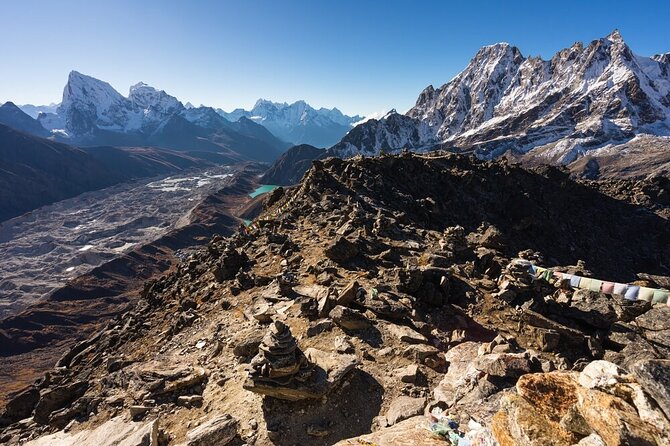
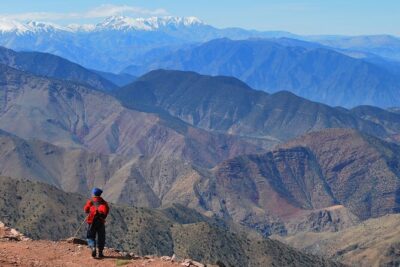
From Namche to Tengboche, the trail turns more challenging, with irregular terrain and altitude after initial descents. You’ll pass Kyanjum and move through rhododendron forest, then descend toward the Phungi Thenga River’s banks. The route then climbs again, with major peaks visible along the way—including Everest, Nuptse, Lhotse, and Ama Dablam.
Tengboche is centered around the Tengboche monastery, described as the largest Tibetan Buddhist gompa in the Khumbu region. Even if you’re not a temple person, it’s a meaningful pause in a trek that otherwise stays purely on the move. It’s also a good moment for your guide to explain the rhythm of Khumbu life—because this is a living region, not a theme park.
Then you head toward Dingboche. This section includes glacier and snowy mountain scenery on the approach, plus passes through villages like Deboche and Pangboche, including a stone-carved wall and suspension bridge crossing. Ama Dablam is noted as being seen up close around here, which can be both inspiring and intense—because it makes the scale feel less abstract.
You’ll arrive in Dingboche, and soon after you’ll get the second acclimatization day.
Dingboche acclimatization and Nangkartsang Peak: earning your breath
The second acclimatization day is built around an ascent to Nangkartsang Peak above Dingboche. The idea is simple: climb a bit higher in a controlled way so your body has a chance to adapt. You’ll hike uphill, but the experience is designed as training, not a summit push.
Nangkartsang is described as dividing the valley into two sides, with Imja valley on one side and the valley toward Lobuche on the other. As you climb, you’ll be treated to spellbinding views of peaks like Lhotse, Makalu, Cho Oyu, and Ama Dablam. Then you go back down the same way to Dingboche.
This is one of those days that feels slow when you’re doing it, and fast when you later realize how much it helped. It also sets you up for the tougher, more barren stretches coming up.
Dingboche to Lobuche: moraine rises and the Everest Memorial moment
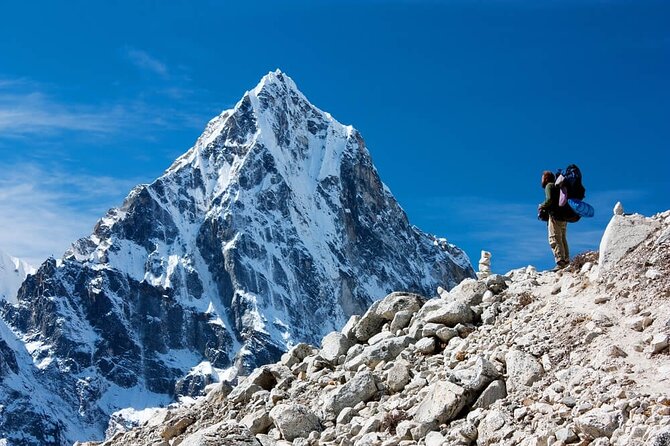
After Dingboche, you trek toward Lobuche, and the route is described as a bit difficult. You’ll rise toward a moraine, then head through Pheriche in a valley setting before crossing through Thukla. As you climb, you reach the Everest Memorial and the Khumbu glacier.
The Everest Memorial is built in memory of climbers who died while attempting Everest’s summit. This stop hits differently during a trek, because you’re carrying the reality of the mountain’s risk in your legs and lungs, not just in facts. It’s a moment of reflection that also keeps you grounded about why this trek feels so serious.
Finally, you reach Lobuche, and the trail begins shifting toward the Everest Base Camp approach.
Lobuche to Everest Base Camp: glacier-side hiking and the big payoff
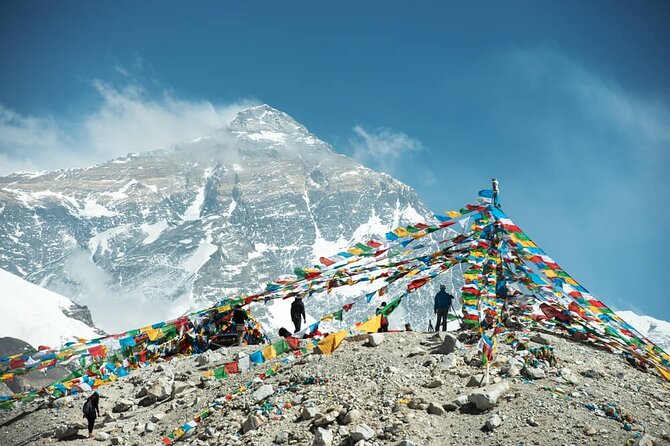
From Lobuche, the trek to the Everest Base Camp area becomes a gradual climb with less steep slopes than earlier sections. There are two segments described: one toward Gorakshep, and another that leads near it to reach the base camp area. Gorakshep is called the trek’s highest elevation and a single village, which matters because you’re moving into the cold-and-closer-to-Everest zone now.
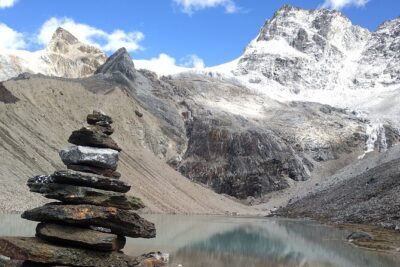
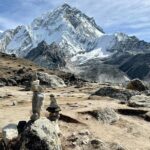
As you hike, you’ll go beside the Khumbu glacier. You may get close views of Nuptse, and depending on conditions, you might even spot the summit of Mt. Everest. The route includes Lobuche Pass as the path toward Gorakshep, and it’s the kind of crossing that makes the air feel sharper and the terrain feel steeper.
You can take a break before continuing to base camp. When the trail turns from “distance” to “destination,” you’ll feel it in your pace.
Kala Patthar sunrise and the Pheriche return: the emotional engine of the trek
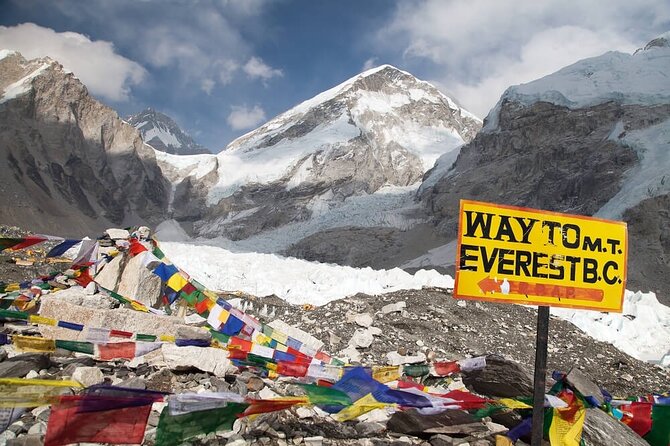
The next morning starts early for Kala Patthar sunrise. The walk to Kala Patthar is described as easy to follow, but getting there takes a difficult trail. The big reward is the improving view of Mt. Everest as the morning light strengthens.
Once you reach Kala Patthar, you take in the pristine beauty of the Himalayas and stand beneath the world’s highest mountain. Then you return along the same route and head down for breakfast at Gorak Shep. After that, the trek moves on to Pheriche.
This day is not just for photos. It’s the emotional engine of the whole journey: sunrise timing, effort, and reward all combine into one long, memorable session. If you’ve been thinking about this trek for years, this is where the dream finally behaves like a real place.
Coming down via Namche and Lukla: you’ll feel faster and also more tired
On the return route, you head from Pheriche back toward Namche Bazaar. The trail includes Pangboche and Tengboche again, using the same general tracks you took earlier. This is helpful because the terrain feels familiar, so you can focus on pace and how your body is handling recovery.
Then comes the longest-feeling legs: Namche down to Lukla. You pass settlements and keep picking up that sense of altitude being behind you, but don’t mistake downhill for effortless. The route also includes a stop at Phakding on the way, which helps break the monotony.
Once you reach Lukla, you’ll spend the night there. Then it’s back to Kathmandu, with your final Kathmandu hotel stay and the last transfer to the airport.
Price and logistics: does $1,600 buy you real value?
At $1,600 per person for 14 days, this isn’t a bargain trek. But it is priced like a full service package, and the value comes from what’s wrapped into the cost.
You get airport pickup and final departure by private vehicle. You also get the Kathmandu-Lukla and Lukla-Kathmandu flights. Permits and national park fees are included. Meals are mostly covered on trek days, with included breakfasts, lunches, and dinners during the hike, plus welcome and farewell cultural dinners.
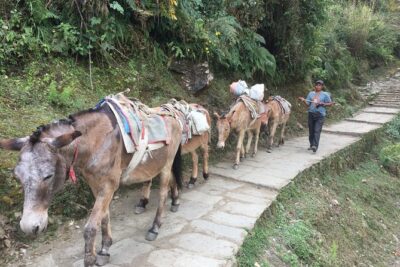
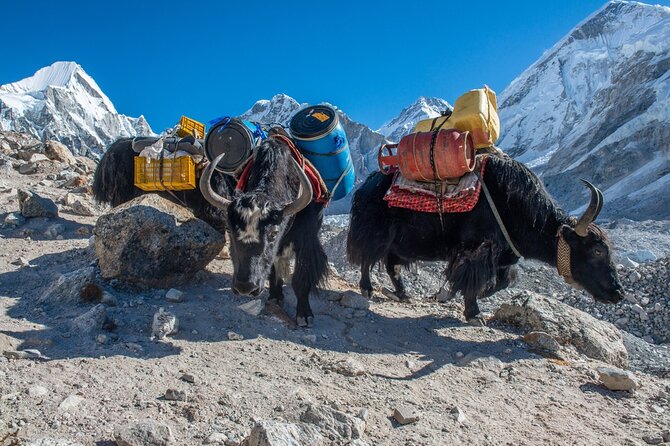
And for me, the practical value is in the human support: an excellent government licensed guide and a strong porter system. The included porter setup is specifically described as a 2:1 ratio, with a porter carrying two members’ bags, including meals and more. That reduces your mental load on steep or tiring days.
What’s not included matters too. Personal expenses like phone or camera charging, plus hot showers and wifi, are on you. Drinks are not included, and that can add up fast in a place where you’re paying for warmth and convenience. Tips for guides and porters are also not included, so you’ll want to budget that separately.
If you want minimal decision-making and a guide-led trek where permits, transport, and timing are handled, the price can feel fair. If you prefer total DIY freedom, you may find cheaper options, but you’ll be doing more planning yourself.
Comfort, safety, and the details you should care about
Accommodation on the trek uses standard tea houses. In high altitude trekking, that typically means simple warmth, basic beds, and the need to be flexible with comfort. The tradeoff is that it’s part of how you keep moving through the Khumbu efficiently.
In Kathmandu, you get three nights’ accommodation with breakfast included. That’s a nice buffer before the flight to Lukla and helps you start the trek with decent rest.
Safety-wise, this package includes a first aid kit with an oximeter and pulse meter checker. That doesn’t remove altitude risk, but it tells you the operator takes monitoring seriously and plans for emergencies. It also aligns with the itinerary’s built-in acclimatization days at Namche and Dingboche.
One more comfort detail: a private tour means it’s just your group, not a mixed crowd. That can help pacing, and it often helps you feel like the guide is watching your needs rather than juggling multiple groups.
The guide factor: what good leadership looks like on this trek
The Everest Base Camp trek is repetitive on paper—walk, sleep, walk again. What makes it feel different is leadership. In the reviews tied to this operator, guides repeatedly show up as patient, supportive, and good at handling the day-to-day problems that pop up on trail.
Names that stand out across feedback include Tek, Dil, Ram, Som, Keke, and Dawa, along with porter support teams like Hari, Prem, and Arun. The pattern is consistent: guides help you find solid teahouses, keep the mood up, and handle the pace when someone needs more time.
That matters because on Everest routes, small issues like timing, permit steps, and fatigue are where things can spiral if the team isn’t organized. With a guide who can manage that, you spend more energy on the views and less on problem-solving.
Who this private Everest Base Camp trek suits best
This trek is best for you if you’re the kind of traveler who wants a bucket list challenge but still wants support. The itinerary is clearly built for moderate fitness, with acclimatization days included and higher-effort segments like Kala Patthar labeled as difficult-trail effort.
It also suits you if you value structure. From early airport pickups to guide-led permit processing to private transfers in Kathmandu, the trip is designed so you’re not figuring everything out while tired and above the clouds.
If you’re prone to skipping rest days, take note. This plan is built around adjusting at Namche and Dingboche. Respect that design and you’ll have a better shot at enjoying the whole thing.
Should you book this 14-day private Everest Base Camp trek?
If you want Everest Base Camp with private-group support, flights, permits, and a real acclimatization plan built in, this is an easy yes for the right type of traveler. The included porter structure and safety monitoring tools add practical value, and the guide factor seems to be a strong point in real feedback.
If you hate weather-dependent timing, or you’re not comfortable with the physical demands of a high-altitude trek, then think twice. And if you’re cost-focused, be sure you’re comparing apples to apples—because this price includes a lot that many DIY trips make you pay for separately.
If your goal is to get to Everest Base Camp the organized way, with people who know how to run the day, book it—and then show up ready to pace yourself.
FAQ
Where does the tour start?
The experience starts at Tribhuvan Airport in Kathmandu, Nepal, where you’ll meet a representative.
Are the Kathmandu to Lukla flights included?
Yes. The package includes Kathmandu to Lukla and Lukla to Kathmandu flights.
Are permits and national park fees included?
Yes. All needed permits and national park fees are included.
What kind of lodging do you use on the trek?
You’ll stay in standard tea houses during the trek, plus you get three nights’ accommodation in Kathmandu with breakfast.
Is there any altitude safety support included?
The package includes a first aid kit that contains an oximeter and a pulse meter checker.
What’s not included in the $1,600 price?
Not included: personal expenses (like phone or camera charging), hot shower, wifi, tips for guide and porter, and drinks (including mineral water, beer, tea/coffee/juice, and soft or hard drinks). Lunch and dinner in Kathmandu are also not included.
What happens if weather is poor or you need to cancel?
The experience requires good weather. If it’s canceled due to poor weather, you’ll be offered a different date or a full refund. For cancellations, you can cancel up to 3 days in advance for a full refund; within 3 days, there is no refund.