REVIEW · HA GIANG
1 Day Trekking Tour in Ha Giang with Local Experts
Book on Viator →Operated by Loka Ha Giang · Bookable on Viator
Stilt houses and waterfalls in one mountain day. This Ha Giang trek is built around Tay stilt houses and the heart-shaped Thác số 6 waterfall, with terraced rice steps, tea country, and quiet village paths that feel real instead of staged. I like the way you swap between walking and hanging out with locals over meals and tea breaks. One drawback to plan for: you’re looking at about 8 to 10 hours of walking and weather matters, so cool damp trails can feel more challenging than the distances suggest.
What makes it easier to enjoy is that it’s truly private, with the no-crowding rule, plus free pickup and drop-off by private car to the trekking area. I also like that food is taken care of (brunch + lunch) and the day includes local drinks like happy water, so you’re not hunting for snacks mid-trek. Still, you’ll want moderate fitness—this is not a sit-and-see stroll.
In This Review
- Key things I’d focus on
- Why this Ha Giang trek feels more local than a checklist
- Start at Ha Thành gate: Tay stilt villages and Thác số 6
- A small consideration
- Lunch and brunch with Dao families: bamboo-tube tea pork plus rest time
- What to watch for
- The afternoon legs: Lùng Vài to Khuổi My to Na Thác
- Trekking reality check
- Nà Thác and Shan Tuyết green tea: learning while you taste
- What to bring and how to pace an 8–10 hour mountain day
- Price and value: why $70 makes sense here
- Who this trek is best for (and who should think twice)
- Final verdict: should you book this Ha Giang trek?
- FAQ
- What is the duration of the Ha Giang trekking tour?
- Where does the tour start, and is pickup included?
- How much trekking is involved?
- What meals and drinks are included?
- Are admission tickets included?
- Is this tour private or shared with others?
- What if the weather is bad or I need to cancel?
Key things I’d focus on
- Private, no-crowding trekking that keeps the day calm and safer on narrow paths
- Tay village immersion through stilt-house life, plus a chance to visit a home
- Dao food experience including grilled pork with tea leaves in bamboo tubes
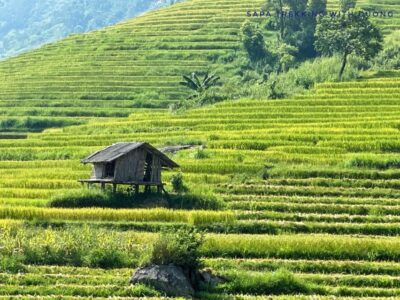
- Walks with real payoff: terraced rice views, stilt villages, and tea plantations
- Shan Tuyet green tea as a guided stop that helps you understand what you’re tasting
- Meal + drink coverage (brunch, lunch, water, and happy water) so you can travel lighter
Why this Ha Giang trek feels more local than a checklist
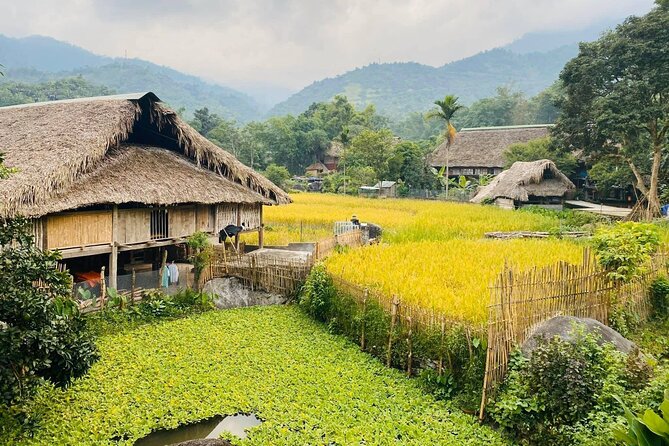
Ha Giang trekking works best when the day mixes motion with people. This tour is designed that way: you’re not just photographing scenery—you’re stepping into Tay and Dao village life, then hiking between those pockets of culture across mountains and valleys. The route follows terraced rice fields, traditional stilt houses, palm hills, and tea areas, so you get variety without feeling like the day is a car tour wearing hiking shoes.
The other detail I really appreciate is the approach to crowd control. With a no overcrowding rule, the pace stays human. That matters on Ha Giang trails where paths can narrow and turns can be quick. A smaller group also makes it easier for your guide to adjust timing for energy levels, photos, and the little moments like asking questions at a home visit or pausing for tea.
One more practical win: the tour includes pickup and drop-off by private car to the trekking area. In Ha Giang, that can save time and reduce stress. You start walking knowing you’ll get back comfortably, instead of guessing logistics after a long day of hills.
You can also read our reviews of more tours and experiences in Ha Giang.



Start at Ha Thành gate: Tay stilt villages and Thác số 6
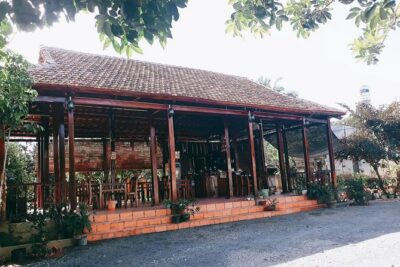
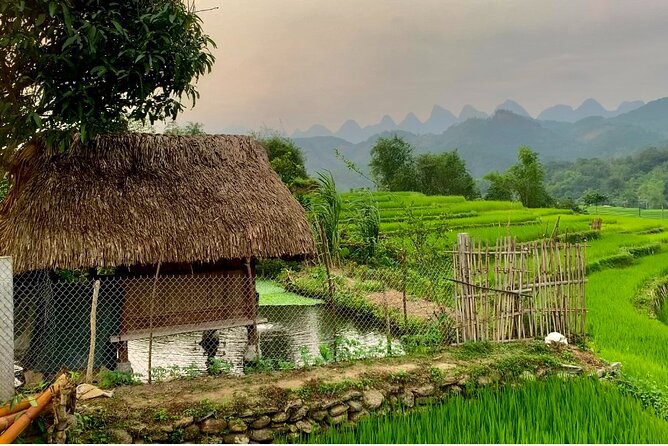
The morning begins with pickup in Ha Giang city and a transfer to the Ha Thành village gate. From there, you start at a Tay ethnic village that keeps its traditional style: stilt houses with palm leaf roofs, scattered beside terraced fields. This is the part of Ha Giang that looks familiar in photos—but feels more meaningful when you’re standing right next to the houses and farmland that support daily life.
Expect a “walk + talk” rhythm. Your guide brings you to terraced rice views next to the stilt houses, and you’ll have a chance to enter a random house and interact with the locals. That home interaction is the difference between seeing culture and understanding it. You’ll likely learn how everyday life is organized around the land—especially in a place where terraces and farming shape the year.
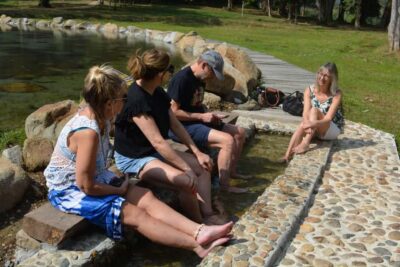
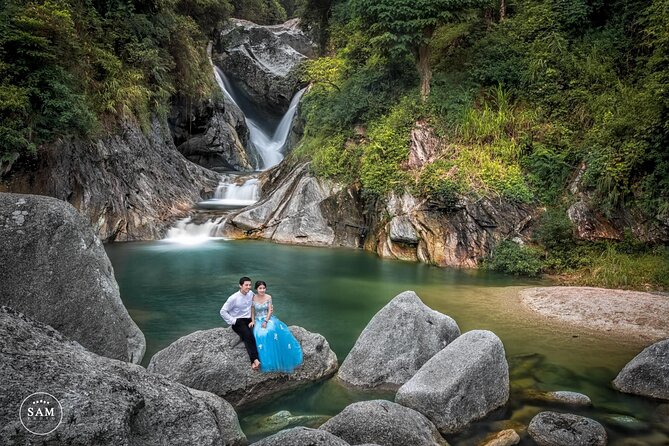
Then comes the highlight for many people: a cool dip at Thác số 6, described as a heart-shaped waterfall. Plan for water time to be more than a quick splash. The cliffs around the waterfall make it feel dramatic, and the cold water break helps reset your body before the midday meal.
Morning hiking is listed at about 4 hours and roughly 6 km, so it’s long enough to feel like a trek, but short enough that you’re not destroyed before lunch. If you’re the type who likes to earn your views, this morning section usually hits the right spot.
A small consideration
If you’re sensitive to slippery rocks or stairs, come prepared for changing ground around waterfall areas and village footpaths. Bring footwear with grip—this is not the day for flat sandals.
Lunch and brunch with Dao families: bamboo-tube tea pork plus rest time
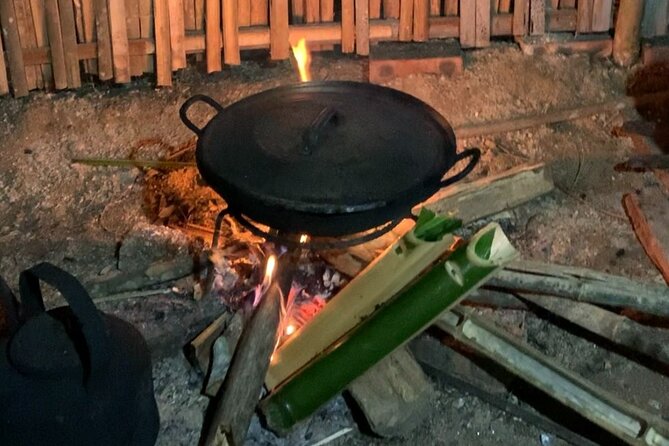
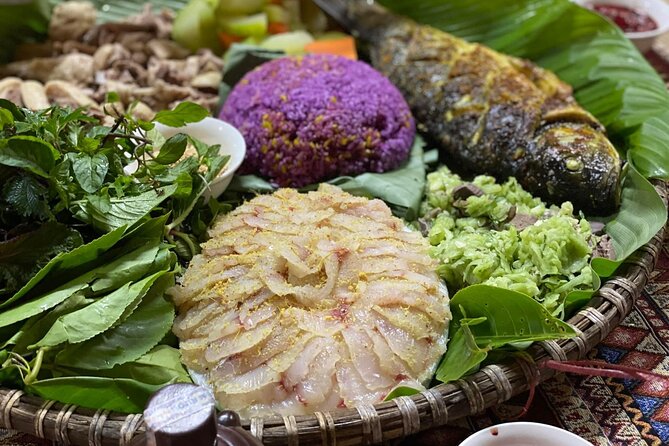
Midday is where the day slows down in a good way. You’ll enjoy a cozy family meal at a Dao house, with dishes you might not find anywhere else. One item specifically called out is grilled pork with tea leaves in bamboo tubes. The bamboo-tube method matters because it changes the cooking style and flavor profile—you’re tasting food that’s connected to how local people work with available materials.
After lunch, there’s also time built in for recovery. The itinerary includes a lunch break and a short nap at a stilt house. That’s a smart design choice for an all-day trek. After walking in the morning heat (or the morning damp, depending on weather), a real rest period helps you finish the afternoon comfortably.
You also get afternoon tea later in the day, but the seed of it starts here: the tour pays attention to tea as more than a beverage. Tea is tied to landscape and culture in this region, so having food and rest first makes the tea stop feel grounded instead of just another tasting.
Meals included on this tour are listed as brunch and lunch, plus drinking water and local wine (happy water). That coverage is great value because it removes the daily scramble for where to eat, and it helps keep your energy steady during the longer hiking stretch.
What to watch for
If you don’t drink alcohol, happy water is still listed as included, so you can simply choose not to have it. And if you have dietary restrictions, you should clarify them before booking—specific dishes are part of the experience.
The afternoon legs: Lùng Vài to Khuổi My to Na Thác
After lunch and rest, you shift into the main trekking block. The afternoon section runs about 5 hours with a route around 12 km, moving from Lùng Vài through Khuổi My to Nà Thác. This is where you get that classic Ha Giang feeling: hillsides, switchbacks, and terraced fields stretching across valleys.
This part of the route is described as tea-and-terrace country leading into Dao communities hidden along the “roof” of northeastern Vietnam (Tay Con Linh mountain). Even without needing to memorize the geography, you’ll feel the altitude and exposure in the way the air changes as the trail rises and falls. You’ll also likely see palm hills and mountain farmland that make the region feel rugged but productive.
What I like about this segment is that the day keeps alternating between walking and cultural context. You’re not just walking past villages from a distance. The tour includes time at Dao communities, with opportunities tied to how people live and what they grow. That’s especially important in a one-day format—done right, you come away with more than photos.
Trekking reality check
About 12 km in 5 hours can be totally manageable if conditions are dry and your pace is steady. But the terrain in Ha Giang tends to be uneven. Expect changes in footpath quality, plus the mental effort of walking downhill and uphill. If you normally work out but dislike hills, plan to slow down and take more frequent short pauses.
Nà Thác and Shan Tuyết green tea: learning while you taste
When you reach the Nà Thác area and Dao villages along the way, one of the promised stops is a tea-focused moment: you’ll learn how Shan Tuyết green tea was born, and you’ll get to enjoy this tea specialty. Even if you’re not a hardcore tea person, guided context can turn a sip into an experience.
Why this stop matters: in Ha Giang, tea doesn’t sit in a café. It connects to mountain slopes, seasons, and daily routines. The tour’s tea angle pairs nicely with the afternoon’s rhythm of terraces and village life. You’re walking through the region’s production systems, then tasting the result.
This section also keeps the day culturally framed. You’ll get insights into Dao culture through village visits, and the experience is described as preserving original beauty in these areas. In practical terms, that usually means fewer crowds and more space to ask questions—exactly what you want when you’re visiting a place that relies on gentle, respectful tourism.
The itinerary suggests another round of tea and scenic enjoyment in the afternoon before you arrive at the village areas. Those pauses are important. They keep the day from turning into a constant “go, go, go” scramble.
What to bring and how to pace an 8–10 hour mountain day

This tour lists a moderate physical fitness level, which is a fair warning without being scary. It’s a long day, and it includes uneven terrain, stairs, and at least one strong water moment at Thác số 6. Your goal should be steady energy, not speed.
Here’s what helps most on a day like this:
- Good grip shoes for rocky sections and village paths
- A light rain layer (weather is important, and Ha Giang can change fast)
- Sunscreen and a hat, especially if you’re hiking in bright morning sun
- A small daypack for water, your phone, and anything you need for waterfall time
Pacing advice: in the morning, keep your effort easy through the first hour. Save some legs for the afternoon block around Lùng Vài to Khuổi My. If you rush early, the downhills and later climbs can turn annoying fast.
And since brunch + lunch are included, you’re in better shape than most half-day treks where you’re hungry by 3 pm. Still, if you know you get cranky without extra snacks, you might want a little backup—but that isn’t listed, so plan based on your own needs.
Price and value: why $70 makes sense here
At $70 for roughly 8 to 10 hours, the big question is what you’re paying for. In this case, most of the expensive friction points are covered:
- Pickup and drop-off by private car to the trekking area
- Experienced local guides
- Lunch + brunch
- Drinking water and local wine
- All fees and taxes
- Admission ticket(s) included
That is real value for a day trek. A guided route in Ha Giang isn’t cheap just because someone walked with you—it costs money to organize the land, manage timing, and coordinate home visits and tea stops. Food included is also a major deal. You’re not just buying meals; you’re buying a smoother day that lets you focus on hiking and culture.
The tour also mentions a happy insurance approach: you get a refund 100% if you’re not satisfied with the quality. That’s unusual in a positive way, and it signals they care about delivering the experience they sell, not just moving people from one photo point to another.
One more value lever: it’s private with no overcrowding. If you’ve done crowded tours in Vietnam, you know how that affects the day. Here, the goal seems to keep it safe, calm, and fun.
Who this trek is best for (and who should think twice)
I think this tour is a great match if you want:
- Culture + hiking in one day, especially Tay and Dao village life
- A guided day where food and tea are part of the story
- A private format that avoids crowd chaos
- The chance to experience a waterfall swim at Thác số 6
It’s also a solid choice if you like structured pacing: morning trekking, meals, rest, then a longer afternoon section with tea and village stops.
You might want to think twice if:
- You’re not comfortable with long hours of walking on uneven paths
- You dislike cold water breaks (even though the waterfall dip is listed as a cool dip opportunity)
- You’re traveling when weather is unreliable, since the experience requires good weather
If you like quiet, thoughtful travel—where you stop long enough to ask questions—this day should feel right.
Final verdict: should you book this Ha Giang trek?
If you want one solid day in Ha Giang that combines village life, terraced scenery, and food you’ll actually remember, this is worth booking. The strongest selling points for me are the private, no-crowding approach and the way the day ties hiking to meals and tea—so you don’t just pass through places.
Book it if you’re comfortable with about 8–10 hours outdoors and you like guided cultural time. I’d skip it only if hills and uneven ground make you miserable, or if you’re in a week with consistently bad weather and you can’t shift plans.
FAQ
What is the duration of the Ha Giang trekking tour?
The tour runs about 8 to 10 hours.
Where does the tour start, and is pickup included?
You start at 8:00 am, with pickup from your accommodation in Ha Giang city and transport by private car to the trekking area.
How much trekking is involved?
The morning section is listed at around 6 km, and the afternoon section is listed around 12 km.
What meals and drinks are included?
Lunch and brunch are included, along with drinking water and local wine (happy water).
Are admission tickets included?
Yes. Admission ticket(s) are included.
Is this tour private or shared with others?
This is a private tour/activity. Only your group participates, with a no overcrowding rule.
What if the weather is bad or I need to cancel?
The experience requires good weather. If it’s canceled due to poor weather, you’ll be offered a different date or a full refund. You can cancel for a full refund up to 24 hours before the experience’s start time.