REVIEW · THIMPHU
13-Day Jomolhari Festival Trek & Cultural Immersion
Book on Viator →Operated by Raven Tours and Treks · Bookable on Viator
A festival hike in the clouds sounds unreal. This 13-day Jomolhari Festival trek blends big scenery with real cultural moments in Paro and Thimphu, then finishes with mountain traditions in full swing. You also get private transportation and a support team that makes the high-altitude days feel more manageable than the usual DIY trek.
What I really like is how the trip slows down for human stuff, not just photos. I enjoy the hands-on creative stop at Choki Traditional Art School, and I love that Bhutan Post is part of the plan so you can pick stamps and mail postcards using your own photo.
My one caution: this is not a short, easy walk. Trek days run 5–8 hours and the route reaches passes around 4,520m to about 4,890m, so you’ll want a moderate fitness level and smart pacing.
In This Review
- Key things I’d plan around before you go
- The Jomolhari Festival trek: why this itinerary works
- Price and what you actually get for $5,880.60
- Paro and Thimphu on Day 1–2: bridges, art, and the national sport
- Punakha Days 3–4: fortress views, a real cooking class, and the river
- Before the big trek: Dochula views, forests, and Paro Taktsang
- High-country trek days: what to expect from Jomolhari camps and passes
- Jomolhari Mountain Festival day: masks, attire, and ritual timing
- Paro recovery and the final descent: hot stone bath vibes and closing memories
- Who should book this trek (and who should think twice)
- Should you book this 13-day Jomolhari Festival trek?
- FAQ
- FAQ
- What’s the duration of the Jomolhari Festival trek?
- Is airport pickup and transfer included?
- Are meals included in the price?
- How much trekking is involved, and what fitness level do I need?
- Does the price include entrance and government fees?
- Are international flights included?
Key things I’d plan around before you go
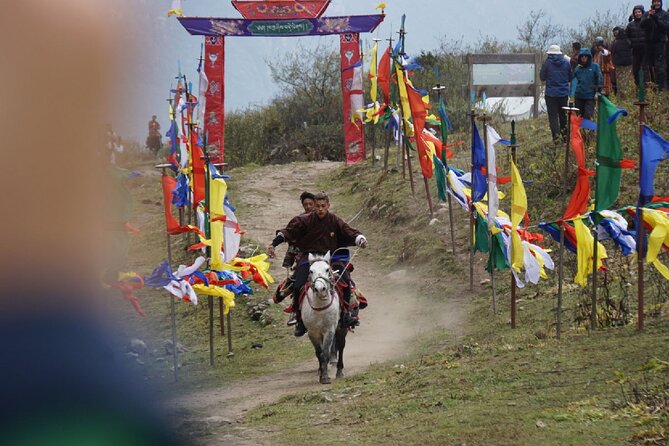
- Festival day at Jomolhari: mask dances and highland performances, with a chance to wear Bhutanese attire like kira or gho
- Your own postcard + photo: Bhutan Post gives you a simple, personal souvenir that you can send home
- Punakha farmhouse cooking with a Bhutanese family: real “hands-on” time before sharing the meal
- Trek logistics handled for you: warm branded tents plus porters, a kitchen crew, and a dining tent
- Spiritual and wellness stops, not just temples: morning yoga, butter lamp lighting, and a hot stone bath in Paro
The Jomolhari Festival trek: why this itinerary works
Bhutan has a way of mixing daily life with belief and ceremony. That’s why the timing matters here: you’re not trekking in isolation. You’re trekking with a cultural calendar, then meeting the festival in the places where it actually belongs—the highlands.
The best part is the rhythm. You start with approachable city and temple days in Paro and Thimphu, then you ramp up into the Jomolhari trek, and then you peak right when the festival energy is strongest. If you’re the type who loves travel that feels like a story—beginning, middle, and a very memorable final chapter—this structure fits.
One more practical win: you’re not switching logistics every day. The same tour framework covers transport, entrance fees, most meals, and the trekking setup. That means you spend your mental energy on acclimatizing and enjoying, not on figuring things out.
Price and what you actually get for $5,880.60
At $5,880.60 per person, this is a serious budget line. The value comes from what’s bundled.
Here’s what you can count on being covered:
- Meals: all meals included, plus tea, coffee, and snacks at hand-selected cafés (with specific meal counts listed in the trip details)
- Accommodation: 7 nights across boutique hotels, eco-lodges, and family farmhouses
- Trek setup: branded warm tents plus the full trekking logistics (porters, kitchen crew, and dining tent)
- Transport: private SUVs or vans with A/C and heaters, and larger groups may use a Toyota Coaster bus
- Entrance and government fees: monastery/museum/park entrance fees, plus Bhutan visa fee and Sustainable Development Fee (SDF)
- Water: bottled water during the tour
- Signature experiences: dress-up photo, tree planting, archery, hot stone bath, and butter lamp lighting (plus additional signature elements called out across the itinerary)
What isn’t included is also clear:
- International flights to and from Bhutan
- Travel insurance (recommended)
- Alcoholic beverages
- Personal expenses and souvenirs
- Tips/gratuities (not mandatory)
If you’re used to independent travel, handing over control can feel odd at first. Still, for Bhutan—especially with altitude trekking—this kind of package is often where the money goes: safety, staff, permits/fees, and the hard-to-organize parts.
Paro and Thimphu on Day 1–2: bridges, art, and the national sport
The trip starts gently at Paro International Airport, with a warm welcome and a private transfer. From there, Day 1 is built around small, memorable cultural anchors.
- Tachogang Lhakhang Bridge: you cross an ancient iron bridge to reach a riverside temple. This is the kind of stop that feels short on the clock, but long on atmosphere.
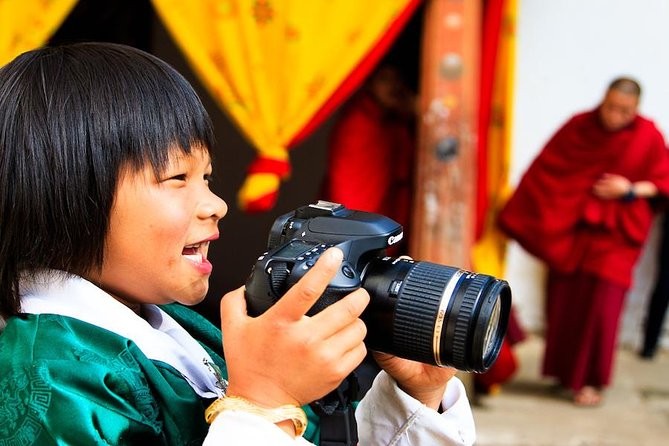
- Bhutan Post: you choose stamps and send postcards with your own photo. It’s one of those travel souvenirs that lands later, when your friends get mail from Bhutan.
- Choki Traditional Art School: you can try painting and sculpting, or at least watch local students up close. Even if you’re not an art person, this gives you a sense of how skills get passed down.
Then Day 2 moves into Thimphu with a mix of nature, spirituality, food, and local rhythm. The highlight for me is that it includes both big names and everyday life:
- Wangdi-tse Monastery hike paired with morning yoga in the courtyard. That combo is a nice reset before city wandering.
- Motithang Takin Preserve: a quick meeting with Bhutan’s national animal, the takin—mythical in reputation, gentle in reality.
- Buddha Dordenma: a calm stop that works as a breather.
- Centenary Farmers Market: stalls of local produce and handicrafts, so you’re not just looking at museums.
- Thimphu City stroll + Norzin Lam along with cafés and boutiques.
- Changlimithang Stadium & Archery Ground: Bhutan’s national sport in action. If you time it right, archery becomes more than a novelty; you see how it fits Bhutanese culture.
One small drawback to consider: Day 2 is packed with different stops back-to-back. If you want lots of unstructured downtime, you may feel a little “on” through the day.
Punakha Days 3–4: fortress views, a real cooking class, and the river
Punakha is where the trip starts to feel more grounded in daily life. It’s not only impressive buildings; it’s also food, rivers, and community.
On Day 3:
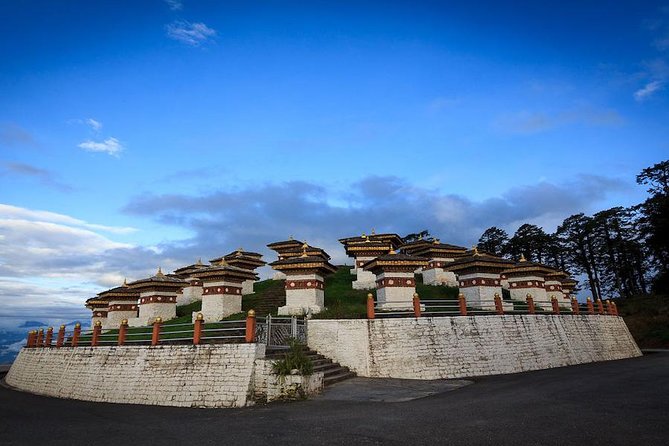
- Dochula Pass with 108 chortens framed by Himalayan views. This is a classic Bhutan photo moment, but the number of chortens makes it feel more specific than just scenery.
- Punakha Dzong: the riverside fortress of happiness, with time to explore instead of sprinting through.
- Aum Leki’s Farmhouse cooking class: this is a standout because it’s hands-on with a Bhutanese family, then you share the meal you help prepare. That’s the kind of cultural exchange that doesn’t feel staged.
On Day 4:
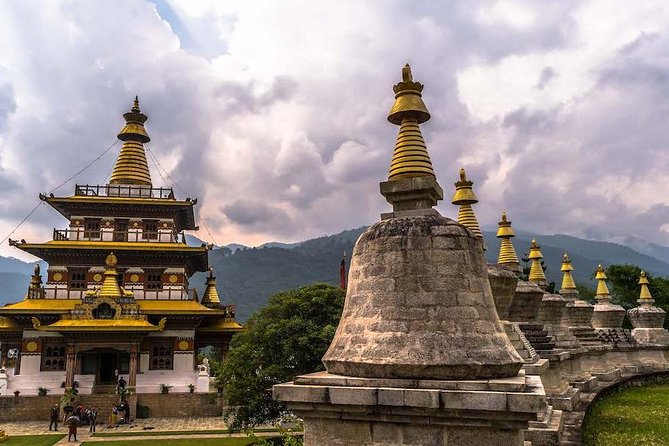
- Khamsum Yulley Namgyal Chorten hike: a walk through rice fields toward a riverside temple. It’s a slower-paced altitude day that still feels like travel, not just transit.
- Mo Chhu River rafting/kayaking: you trade temple quiet for river energy. This is also a good chance to work up an appetite for dinner.
- Private blessings and butter lamp lighting plus archery and monk interaction: this part leans spiritual and participatory. If you’re curious how ceremonies actually look and feel up close, this gives you that access.
- Visit a local school: an effective way to connect to community life beyond tourist sites.
A practical consideration: with rafting/kayaking and multiple cultural activities in one run, you’ll want to manage your energy. If you overdo day 4, days 7–11 will feel tougher than they need to.
Before the big trek: Dochula views, forests, and Paro Taktsang
Days 5 and 6 act like a warm-up phase before the Jomolhari trek fully takes over.
Day 5:
- Lungchotse Hiking Trail: a scenic forest and ridge trail with panoramic Himalayan views over about 3 hours. This is a good “test run” for how your legs feel on a longer day.
- A tea break at Café at the Bend keeps it from feeling like you’re always walking.
Day 6 is more intense:
- Paro Taktsang (Tiger’s Nest) hike: a guided hike that takes about 7 hours. It’s iconic, but the real value here is having guidance so you don’t treat it like a checklist.
- Traditional hot stone bath in Paro: herbal soak time in the evening. This is smart travel planning. Your muscles will thank you later on the trek.
You finish Day 6 with a stroll through handicraft shops and cafés. That’s your chance to slow down without losing momentum.
High-country trek days: what to expect from Jomolhari camps and passes
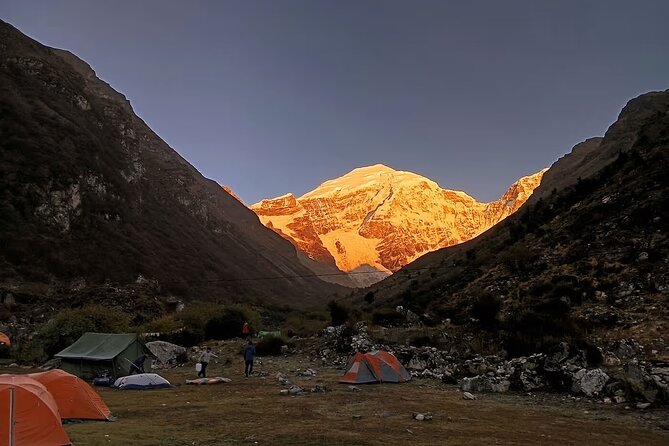
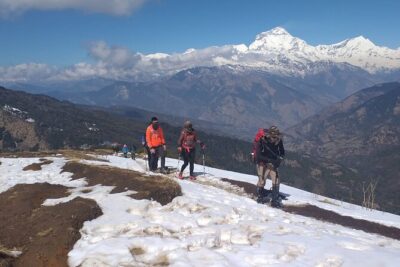
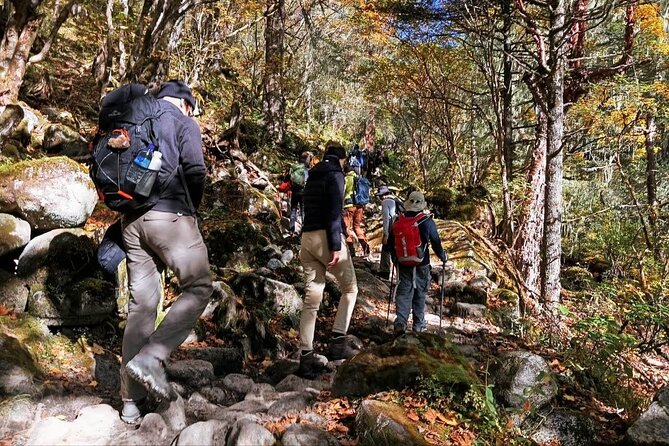
Once you start Day 7, the trip turns into a true trekking journey. You move through river valleys and forest trails, including pine and rhododendron forests. Expect a gradual shift from wooded walking to high, open mountain air.
Day 7:
- Jomolhari trek begins: about 7 hours, ending at Thangthangkha Camp.
- Even early, you’ll likely feel the difference in altitude. The best strategy is steady pace and frequent, small hydration breaks.
Day 8:
- Trek to Jangothang, about 5–6 hours, and camp around 4,080m.
- You also catch the Jomolhari Mountain Festival in the highlands through local traditions like mask dances and performances (the itinerary frames this as a key cultural overlap with the trek).
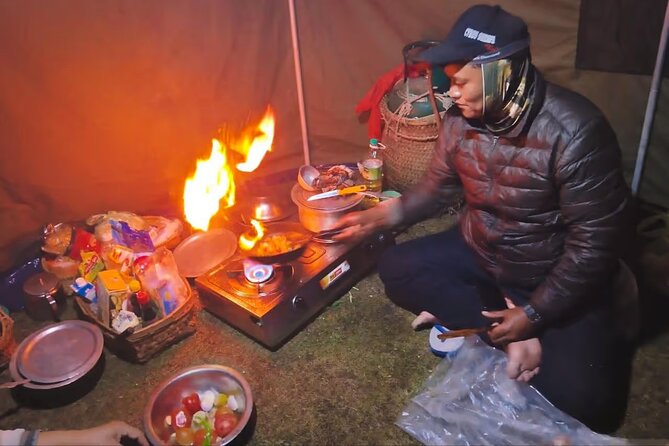
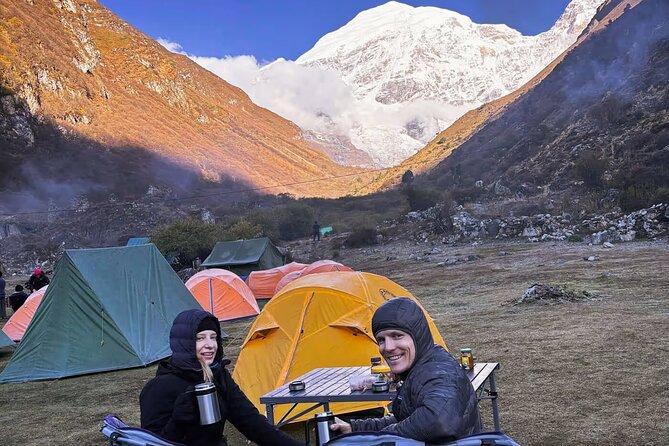
This is where the support structure matters. You’re not just “walking somewhere and hoping.” The trek includes warm branded tents and a full crew: porters, a kitchen crew, and a dining tent. That helps meals happen when they should, and it reduces the time you spend managing camp life.
Day 10 and 11 are the big altitude days:
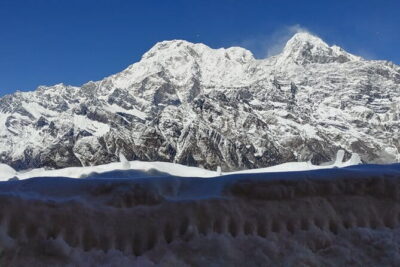
- Day 10: trek about 7–8 hours from Jangothang to cross mountain passes, including Bongtsho La Pass (~4,890m) with dramatic views of Mount Jomolhari and nearby peaks mentioned in the itinerary.
- Day 11: trek about 6–7 hours from Soi Yaksa into alpine ridges and meadows, reaching Takhung La Pass (~4,520m).
Day 12 becomes the payoff of all that effort:
- Trek from Thombu Shong down to Sharna (~2,850m) for about 7–8 hours, then a scenic drive back to Paro.
- You finish with a Bhutanese wellness treatment to help your body recover.
One more consideration: altitude changes fast. Even if you feel fine, the passes can slow your breathing. If you’re prone to headaches or fatigue, tell your guide early and stick to the conservative pace they set.
Jomolhari Mountain Festival day: masks, attire, and ritual timing
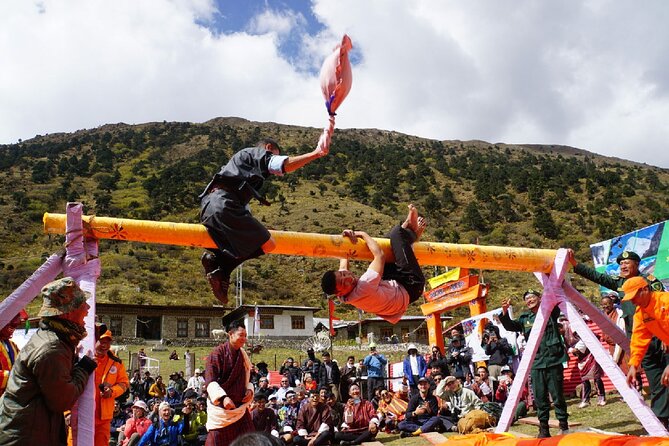
The festival is the reason many people choose this specific trek. Here’s what you can expect from the trip details, and how to make the most of it.
Day 9 is framed as a full day at the festival venue:
- Mask dances and cultural performances in the highlands.
- You’re invited to wear Bhutanese attire like kira or gho. This isn’t just for the camera; it’s a way to participate in a setting where clothing is part of identity and ceremony.
- The itinerary also points to traditional moments tied to how locals experience the festival in place.
Day 8 includes earlier festival exposure as you reach the high country. That’s useful because it prevents the festival from feeling like a sudden shock. You see it gradually, then you experience it fully on Day 9.
The overview also mentions a dawn prayer-flag moment. If you’re the kind of person who enjoys quiet ritual travel, this is the kind of detail that often ends up being the most meaningful memory later.
Practical tip: on festival days, plan for layers. The trek has altitude, and festival celebrations can bring long periods outdoors.
Paro recovery and the final descent: hot stone bath vibes and closing memories
After the high trek, the last days are about lowering stress and helping your body reset.
Day 12:
- Trek down to Sharna through forests and valleys (about 7–8 hours, descending to around 2,850m).
- Then you transfer by scenic drive back to Paro for a long day of travel comfort and recovery.
- You finish with a Bhutanese wellness treatment for a body-and-mind reset.
Day 6 already gave you the traditional hot stone bath, so by the end you’ll have two clear wellness anchors. That’s a smart choice for a trip where you’re working your legs hard for days.
Day 13 wraps with a private transfer to Paro International Airport.
If you’ve ever had a great trip end too fast, this one doesn’t. It gives you at least one recovery buffer right before departure.
Who should book this trek (and who should think twice)
This is a good fit if you:
- Want culture that’s hands-on, not only sightseeing
- Like trekking with support (tents, dining tent, kitchen crew)
- Enjoy a structured itinerary that still leaves room for real interactions, like art at a school and cooking with a Bhutanese family
- Are excited about the Jomolhari Mountain Festival, especially mask dances and wearing kira or gho
This might be a tougher match if you:
- Need a lot of downtime built into each day
- Have limited tolerance for altitude, long days, and cold evenings in mountain camps
- Prefer fully independent travel where you control every decision moment
Should you book this 13-day Jomolhari Festival trek?
Book it if you want one trip that connects high-altitude trekking with Bhutanese culture in a way that feels practical, not just ceremonial. The big value is how much is included: meals, entrance fees, private transport, trekking logistics, and multiple signature experiences like archery, butter lamp lighting, and the hot stone bath.
Think twice if you’re on the edge physically. The itinerary includes long trekking days and high passes. If you’re unsure, focus on training for a moderate fitness baseline and talk to your doctor if altitude is a concern.
FAQ
FAQ
What’s the duration of the Jomolhari Festival trek?
The tour runs for 13 days (approx.), based in Thimphu with trekking through the Jomolhari region and a return to Paro.
Is airport pickup and transfer included?
Yes. You get a private transfer on Day 1 from Paro International Airport, and on Day 13 there is a private transfer to Paro International Airport.
Are meals included in the price?
Yes. All meals are included, along with tea, coffee, and snacks in hand-selected cafés. Dinner (12), lunch (13), and breakfast (12) are listed in the inclusions.
How much trekking is involved, and what fitness level do I need?
The trek includes multiple long days, with trekking times such as 5–6 hours on some segments and up to 7–8 hours on others. The guidance is that travelers should have a moderate physical fitness level.
Does the price include entrance and government fees?
Yes. Entrance fees for monasteries, museums, and parks are included, along with Bhutan visa fee and the Sustainable Development Fee (SDF).
Are international flights included?
No. International flights to and from Bhutan are not included in the tour price. Travel insurance is recommended.