REVIEW · KATHMANDU
Annapurna Base Camp Trek 12 Days
Book on Viator →Operated by Adventure Glacier Treks & Expedition · Bookable on Viator
The Himalayas pull you in fast. This 12-day Annapurna Base Camp trek blends guiding you safely with plenty of real village time, from Gurung and Magar communities to big-mountain sunrise moments. You also get the practical backbone that makes a trek like this actually work: airport pickup, ground transport, lodge nights, and the permits already handled.
Two things I really like: the route-and-safety mindset (including route changes in the avalanche-prone section near the base camp area), and the way the trip is value-packed with lodge meals and permits included. A possible drawback to plan around: Kathmandu and Pokhara accommodation (and most meals there), plus drinks and tips, are not included.
If you want a straightforward, guided walk through lower Annapurna all the way to base camp, this is a solid bet.
In This Review
- Key Highlights You’ll Feel on the Trail
- First Steps in Kathmandu’s Thamel: Easy Start, Less Stress
- Kathmandu to Pokhara by Tourist Bus: What That Drive Really Does
- Nayapul to Tikhedhunga and Beyond: The Route Starts Gently, Then Works
- Poon Hill Sunrise (3,200m): The Best Payoff Per Minute
- Chhomrong and the Gurung Villages: Where the Trek Becomes Personal
- Toward Deurali and the Altitude Shift: Slow Pace, Real Breathing
- Base Camp Day 9: The Avalanche-Prone Section and Route Flexibility
- The Return Loop: Dovan to Sinuwa Hill for an Unhurried End
- Jhinu Hot Spring on Day 12: Why the Finish Feels Right
- Price and Value: What $799 Covers (and What It Doesn’t)
- Support That Makes a Big Trek Feel Manageable
- Who Should Book This Annapurna Base Camp Trek
- Should You Book Annapurna Base Camp with Adventure Glacier Treks & Expedition?
- FAQ
- What city does the trek start from?
- How long is the Annapurna Base Camp trek?
- Is this a private tour?
- Are airport transfers included?
- What meals are included during the trek?
- Are permits included?
- Is accommodation included during the trekking portion?
- Is Kathmandu accommodation included?
- Do I need a porter?
- Is there a cancellation policy with a full refund?
Key Highlights You’ll Feel on the Trail
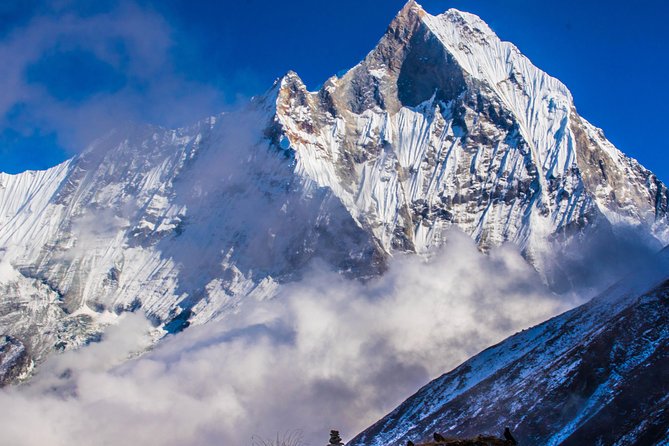
- Safety-first routing near Annapurna Base Camp with planned adjustments depending on situation and season
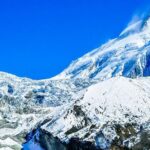
- Sunrise focus at Poon Hill (3,200m), including a morning climb and panoramic views of many peaks
- Culture on the route with time through Gurung villages like Chhomrong
- Altitude pacing built in as you slow up above Dovan toward Deurali
- Lodge trekking with three meals a day en route, so you’re not constantly hunting food
- A relaxing finish at Jhinu Hot Spring after your trek toward the end
First Steps in Kathmandu’s Thamel: Easy Start, Less Stress
Day 1 is all about getting set up without chaos. You’ll meet the airport representative at Tribhuvan International Airport, then transfer to a hotel for a briefing. Thamel is convenient for pre-trek needs, and having someone guide your first steps matters more than people think when you’re tired from travel.
Tip for your first night: keep tomorrow’s items simple. You’ll want a small daypack ready with water, a layer, and anything you’ll use on the first walking stretches. Once you’re in trekking mode, you’ll be grateful you didn’t over-pack.
One thing to keep in mind: the trip includes pickup and briefing, but it does not include your Kathmandu hotel accommodation. That cost is on you, so budget for at least one night in Kathmandu unless you already have plans.
You can also read our reviews of more tours and experiences in Kathmandu.
Kathmandu to Pokhara by Tourist Bus: What That Drive Really Does
Day 2 is a long but normal Nepal road day: a tourist bus from Kathmandu to Pokhara, usually leaving around 7:00 a.m. and taking about 6–7 hours depending on road conditions. You’ll arrive, rest at the hotel, and then reset your body for trekking.
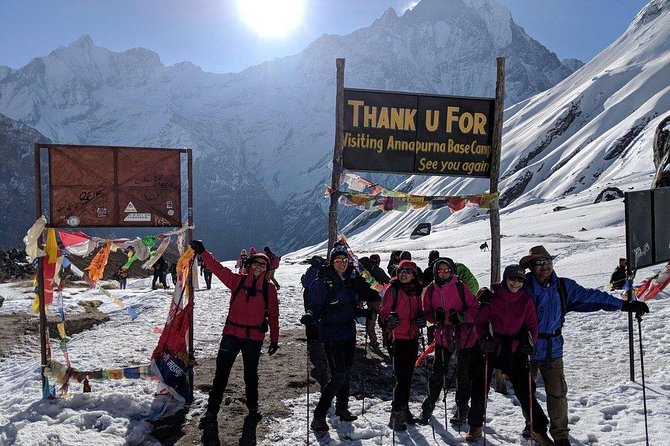
This part is useful even if you’d rather skip transport. Pokhara is the launchpad for so many Annapurna routes, and it gives you a mental shift: mountains feel real here, not just on a screen.
Also note the tradeoff: you’re moving early, and the road can be bumpy. If you get motion sickness, pack what you use at home. This trip doesn’t list any special medical support beyond guide insurance, so basic comfort planning is on you.
Nayapul to Tikhedhunga and Beyond: The Route Starts Gently, Then Works
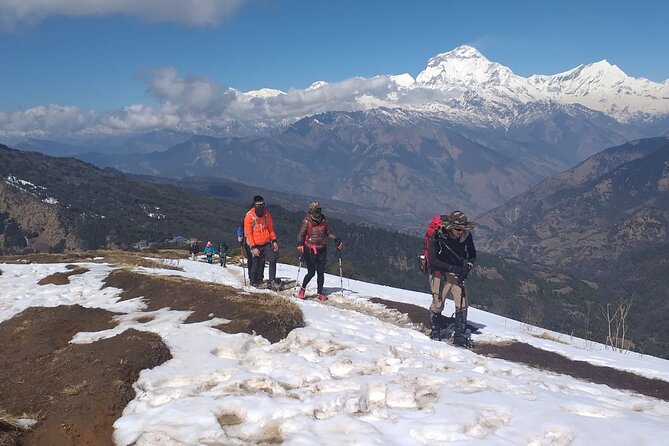
On Day 3, you head toward the hiking trail at Nayapul after an about 2-hour scenic drive from Pokhara. The route follows the Modi River area, which is part of what gives this section its sense of place. You’re not just walking randomly through the hills—you’re moving through valleys that lead you into the Annapurna corridor.
Day 4 is the big stair day toward Ghorepani. You climb uphill to Ulleri, with around 3,000 stone steps that can take about 2 hours. That’s the kind of exertion that teaches you how to trek: steady rhythm, short breaks, and no sprinting.
A practical mindset: think of this climb as training for what’s coming. Base camp isn’t just one day of effort. If you treat the steps like an early warm-up, the rest of the trek feels easier to manage.
Poon Hill Sunrise (3,200m): The Best Payoff Per Minute
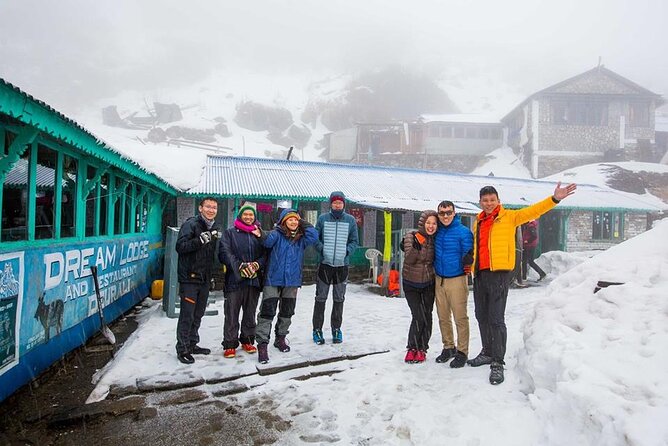
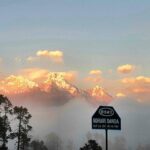
Day 5 is where Annapurna starts giving you those famous sunrise rewards. You walk about 50 minutes to Poon Hill at around 3,200m to watch the sunrise over the Himalayas. The views can include a wide range of peaks (the itinerary notes about 15 peaks), and that’s why this stop is worth waking up for.
This day is also a good altitude lesson without going too far too fast. You’re high enough for dramatic morning light, but not pushing into the hardest zone of the trek.
If you want to maximize this day, keep your layers ready. Morning at elevation usually means a colder start, and you’ll want something warm before the sun does its job.
Chhomrong and the Gurung Villages: Where the Trek Becomes Personal
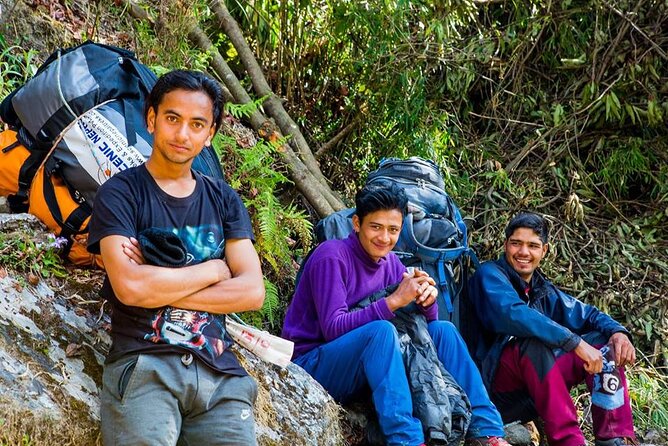
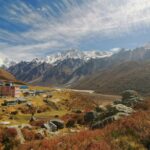
On Day 6, you trek from Tadapani and descend about 900 meters toward the Gurjung River valley, then gradually climb toward Chhomrong. Chhomrong is described as a large Gurung village in the Annapurna region, and that matters because it changes your experience from pure exertion to something more human.
This is one of the trip’s stated strengths: more than just reaching a point, you’re moving through communities. That fits the character of lower Annapurna treks well, where villages are close enough to feel connected without turning it into a busy tourist circuit.
What I like about this day’s structure is the rhythm: descent, valley time, and then ridge climbing. It helps you pace your energy instead of stacking everything uphill in one go.
Toward Deurali and the Altitude Shift: Slow Pace, Real Breathing
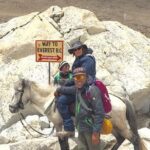
Day 8 focuses on Deurali, after you spend time trekking through Dovan the day before. The itinerary notes that above Dovan you’ll start to feel the altitude effect, and you’ll ascend at a slow pace to another Himalayan hamlet in about 2 hours. The description also calls out a peaceful, lush forest trail, which is helpful because it gives you a calmer setting when your breathing changes.
This is the part of the trek where “slow” becomes a skill. Don’t try to keep the same pace you use at lower elevations. Use the guide’s slow approach as your cue that altitude needs respect, not toughness contests.
If you’ve never trekked before, this is a good spot to learn how to move efficiently: smaller steps, longer pauses, and consistent hydration.
Base Camp Day 9: The Avalanche-Prone Section and Route Flexibility
Day 9 is the main target day. The route from Deurali toward Fishtail Base Camp is described as avalanche-prone, so the team changes the route across the Modi River depending on situation and season. That’s a big deal, because it shows this trek isn’t just a fixed checklist. It’s an adaptive plan.
The itinerary also suggests about 2 hours to reach the Fishtail base area, then you continue on to the Annapurna Base Camp experience.
Here’s how to think about it as a trekker: you’re not being delayed randomly. You’re being managed by conditions, and that’s what you want in a place where snow and steep terrain can shift the risks. If you’re the kind of person who loves a clear route, this flexibility can feel unusual at first—but it’s exactly what makes the trip feel safer.
Also, this is the day where your “expectations” should match reality. Base camp is a goal, but it’s also a working environment influenced by weather and trail conditions. A good guide helps you stay calm and keep moving.
The Return Loop: Dovan to Sinuwa Hill for an Unhurried End
Day 10 brings you back toward Doban/Dovan after watching a magnificent sunrise over Annapurnas. The first part can be steep, then it eases into more gradual downhills. Dovan is noted as a river junction of two streams, so expect that sense of water and valley sound as you walk.
Day 11 then turns the pace slightly gentler again: you follow a river path through a peaceful forest with waterfalls, sounds, and birds. You take an easy hike up toward Sinuwa Hill and sleep at a trekking lodge there.
I like this sequencing because it gives you an emotional landing. After the intensity of the base camp area, the return days let you process what you saw without feeling like you’re sprinting to finish.
Also, the lodge stays matter. You’re not just trekking during daylight; you’re living in a simple rhythm at night, eating, resting, and recovering. That’s part of the trek’s value.
Jhinu Hot Spring on Day 12: Why the Finish Feels Right
Day 12 is a soft landing. You trek about 2 hours to Jhinu, then spend time at the natural hot spring, have lunch there, and then drive back to Pokhara. The itinerary also notes you could trek further and then drive back, but the core plan is clear: soak, eat, descend into regular life.
This is one of those days that makes the whole trek feel balanced. You’ve earned the relief, and you get a bonus nature moment that’s not just another high view point.
Price and Value: What $799 Covers (and What It Doesn’t)
At $799 per person for 12 days, the key question isn’t just cost. It’s what you’re buying with that price.
What you get included:
- Lodge accommodation en route
- Three meals a day (breakfast, lunch, dinner) with tea/coffee during the trek
- Professional guide (and their expenses, including insurance and equipment)
- Airport pickup and drop
- Ground transportation
- Permits and fees including ACAP and local permits
- Meals listed for Kathmandu and Pokhara are limited (breakfasts are covered, not full meals)
What’s not included:
- Beverages
- Tips for your guide
- Your insurance
- Personal expenses
- Food in Kathmandu and Pokhara beyond daily breakfast
- Porter (if you want one)
- Kathmandu accommodation
To me, the value sits in the combination: permits handled, guide support built in, and your daily trek meals covered. Many cheaper-looking treks quietly push those costs onto you later. Here, you can plan your budget with fewer surprises.
Also worth noting: multiple positive comments highlight that the company handled things smoothly and professionally, and that their team offered helpful problem-solving when flights got disrupted. That kind of support is hard to price, but it matters a lot when weather turns.
Support That Makes a Big Trek Feel Manageable
Beyond the basics, the reviews you can find on this operator highlight a recurring theme: communication and solutions when life gets in the way.
For example, the named person Dil Prasad Sapkota is mentioned for advice and information in the weeks leading up to the trek, and for helping when a flight to Pokhara was canceled due to weather so the traveler still arrived. That’s not a small detail. It’s the difference between a trek that feels organized and one that feels like you’re constantly catching up.
Other guides named in feedback include Arjun and Sudip, with mention of being experienced and offering flexibility. A porter-guide named Ram is also singled out for being polite and professional.
I can’t guarantee which exact person you’ll get, but it’s a strong signal that the operator cares about staffing quality and responsiveness, not just moving people from point A to point B.
Who Should Book This Annapurna Base Camp Trek
This trek is a good fit if:
- You have moderate physical fitness and you can handle long walking days and steep sections like the Ulleri steps.
- You want a guided trek with lodges, meals, and permits taken care of.
- You care about culture along the way, especially with Gurung and Magar community contact.
- You enjoy sunrise-view trekking and want those big early-morning rewards.
You might reconsider if:
- You hate altitude changes and prefer routes that avoid the altitude-effect section around Deurali.
- You’re on a super tight budget and can’t add Kathmandu hotel costs plus meals not included.
- You need a porter but didn’t plan for the optional cost.
Should You Book Annapurna Base Camp with Adventure Glacier Treks & Expedition?
If you want a well-structured, safety-minded Annapurna Base Camp trek with meals and permits handled, I think this is a strong match. The best reason to book is the combination of route flexibility in a high-risk area and value-packed inclusions like three meals a day en route, lodge nights, and professional guide support.
The main reason to pause is budget reality: Kathmandu accommodation and extra costs like drinks and tips are still part of the picture. If you plan for that up front, the rest of the trek feels orderly.
If you’re aiming for the Annapurna Base Camp experience without spending mental energy on logistics, this one makes that easier.
FAQ
What city does the trek start from?
The trek starts with meeting at Tribhuvan Airport in Kathmandu, Nepal.
How long is the Annapurna Base Camp trek?
The full experience runs for 12 days approximately.
Is this a private tour?
Yes. Only your group will participate.
Are airport transfers included?
Yes, airport pickup and drop are included.
What meals are included during the trek?
The package includes three meals a day (breakfast, lunch, and dinner) with cup of tea or coffee during the trek.
Are permits included?
Yes. The package includes applicable permits and fees, including ACAP and local permits.
Is accommodation included during the trekking portion?
Yes. Lodges en route are included.
Is Kathmandu accommodation included?
No. Accommodation in Kathmandu is not included.
Do I need a porter?
A trekking porter is not included, but you can hire one if you need it.
Is there a cancellation policy with a full refund?
Yes. You can cancel up to 24 hours in advance for a full refund. If you cancel less than 24 hours before the start time, it is not refunded.