REVIEW · MANILA
4 Day Banaue Ifugao Rice Villages Private tour Trekking
Book on Viator →Operated by Vagabondpinas Outdoor Travel and Tours · Bookable on Viator
That first morning in Banaue hits fast. This private 4-day trek strings together four Ifugao villages and the kind of terraced views that feel made for slow looking. You’ll trek a reported 34 km total, guided by an English-speaking team, and you’ll sleep in local village guest-house-style lodging rather than a big hotel bubble.
I especially like that the route is built around real rice-terrace terrain, not just scenic stops. Day 2 moves through Pula and Cambulo with about 16 km of trekking, and Day 3 puts you into Batad’s amphitheater-like terraces plus a chunk of waterfall time. It’s active, but you’re never stuck staring at the same view from the same angle.
One possible drawback: this trip asks for strong physical fitness. There are long drive days, early starts (your pickup begins at 5:30 am), and multiple multi-hour hikes, with an itinerary that is weather-dependent.
In This Review
- Key Things I’d Plan Around
- The Route: Four Villages, One Terraced World
- Manila to Banaue: The 5:30 am Start Makes Sense
- Day 2: Banaue to Pula and Cambulo (About 16 km Trek)
- Day 3: Cambulo to Batad + Waterfall Activity (About 7 km)
- Day 4: Batad to Bangaan (UNESCO Rice Terraces) + Final Stretch Back to Manila
- Homestay Nights: Living in the Village Rhythm
- Transportation, Permits, and the Private-Guide Value
- Trekking Difficulty: Strong Fitness Needed (34 km Total)
- Who This Tour Fits Best
- Should You Book This Banaue Ifugao Private Trek?
- FAQ
- What time does the tour start?
- How long is the drive from Manila to Banaue?
- How much trekking is included in total?
- Which villages are visited during the 4 days?
- Is Bangaan part of UNESCO?
- How long is the trekking on Day 2?
- How long is Day 3’s hike and waterfall activity?
- Is Day 4’s hike required?
- Are meals included in the price?
- What happens if weather is poor?
- Can the tour be changed or refunded after booking?
Key Things I’d Plan Around
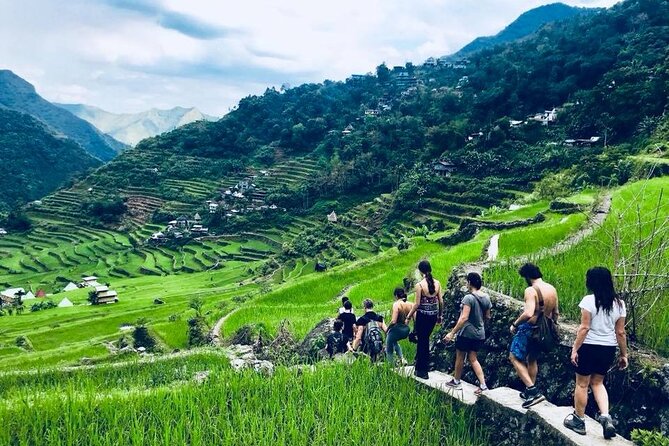
- A serious 34 km trek total across Banaue, Pula, Cambulo, Batad, and Bangaan
- Batad + waterfall time (about 2 hours of waterfall activity) on Day 3
- UNESCO Bangaan rice terraces on the final morning with an option for an 8 km hike
- Private tour flow with only your group, plus English-speaking guiding and permits included
- Homestay nights in local village guest house lodging (meals are not included)
- Long drive from Manila (about 8 to 9 hours on Day 1) before the hiking even starts
The Route: Four Villages, One Terraced World
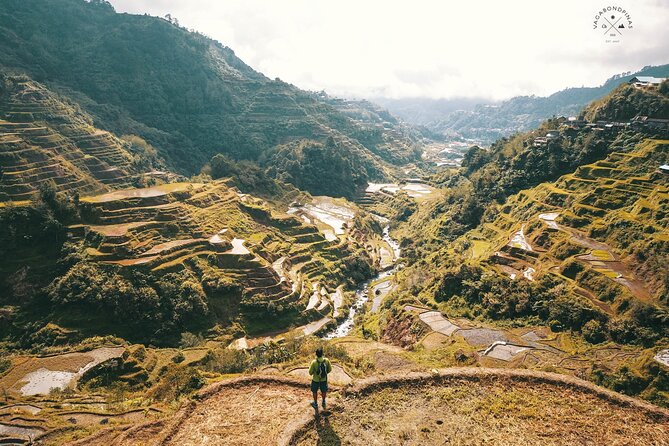
This tour is for people who like their photos with a trail attached. The Ifugao rice terrace region isn’t one single viewpoint. It’s a chain of village communities, ridge paths, stair-like steps, and narrow trails that shift how the terraces look as you gain and lose elevation.
You’ll visit Banaue to start, then move into Pula and Cambulo, continue to Batad, and finish at Bangaan, which is described as a UNESCO world heritage site. That progression matters because each place has a different terrace shape and village setting. You’re not just traveling between checkboxes. You’re hiking through how locals live around the terraces.
Also, this is a private experience. That usually means fewer awkward pauses and more flexible pacing for your group. In this specific program, that private nature pairs with the included English-speaking guide and local DOT-accredited guiding as part of the route.
Manila to Banaue: The 5:30 am Start Makes Sense
Your tour kicks off early: pickup starts at 5:30 am in Manila. Day 1 is listed as an 8 to 9 hour drive from Manila to Banaue. That’s a long first day, but it’s also the reason you can stack real hiking in the following days.
Here’s what I’d think about before booking this kind of route:
- You’ll want to treat Day 1 as transportation with a little buffer time, not as a day to explore like a normal city tour.
- Plan on getting comfortable fast on the drive. A long road day plus early starts can make your legs feel “off” if you don’t rest well afterward.
- If you’re prone to motion sickness, it’s worth preparing, since the itinerary doesn’t suggest a short transfer.
You’ll reach Banaue on Day 1 and settle in for the trek ahead. The tour doesn’t frame Day 1 as difficult hiking, so the main value of that drive day is timing: it positions you to enjoy the terrace areas while they’re at their best earlier in the day.
Day 2: Banaue to Pula and Cambulo (About 16 km Trek)
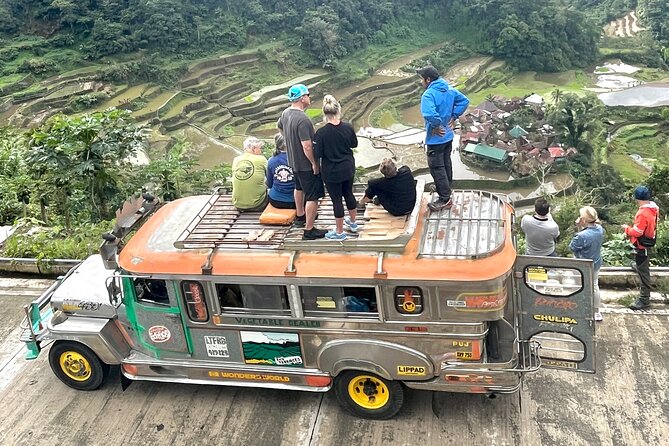
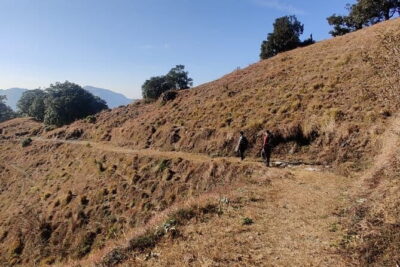
Day 2 is the big move: Banaue to Pula and Cambulo Village with about 6 to 7 hours of trekking and roughly 16 km covered. The day begins with breakfast in Banaue with views of the rice terraces. Then you meet your local DOT-accredited guide and head into the trail system.
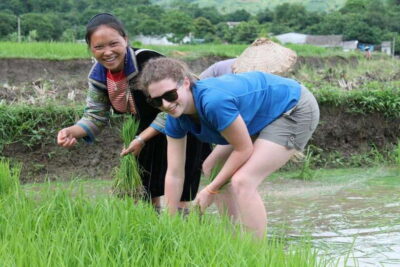
What makes this section special is that it’s both scenic and communal. You’re not only walking through terrace edges; you’re traveling between villages that are connected by paths locals use. The terraces in Ifugao are living agriculture, so your walk often parallels how rice growing shapes the terrain.
What to consider:
- This is long enough that your energy management matters. If you rush early, you’ll feel it later.
- There’s no mention of meal inclusions on the trek itself, and the tour lists all meals as not included. That means you should plan your day snacks and hydration strategy carefully so you’re not scrambling for food mid-hike.
- Because it’s multi-hour and multi-kilometer, you’ll want footwear that grips well. If your shoes are new or slick, you’ll notice it here.
This is also a good day to get comfortable with the rhythm of the trip: hike for hours, pause where it makes sense for views and the village experience, then keep going. Day 2 sets the tone for the rest.
Day 3: Cambulo to Batad + Waterfall Activity (About 7 km)
Day 3 is described as Cambulo + Batad with about a 4-hour hike plus 2 hours of waterfall activity, for around 7 km total. Compared with Day 2, it’s shorter in distance, which can feel like a relief. But don’t let the kilometer count fool you. The terrain type is still rugged and requires steady footing.
Batad is the star for many people on this route. The itinerary notes Batad’s rice terraces are known for an amphitheater-like shape. Even if you never look at a single photo in advance, you can expect a dramatic change in how the terraces fold across the hillsides.
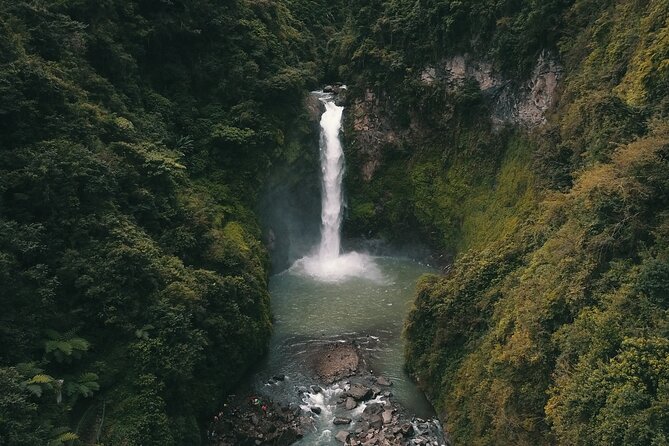
The other big highlight is the waterfall time. Your schedule includes about 2 hours for waterfall activity, and one of the standout moments from the feedback you’ll hear about this program is time at waterfall plunge pools. If you’re the type who likes to cool off after a hike, this is your moment.
How to think about Day 3 practically:
- You’ll want quick-dry planning for waterfall time, but only pack what you can carry comfortably during the hike.
- Water conditions can affect how enjoyable the pools are, and the experience is described as weather-dependent. In heavy rain, trails and waterfall areas may change how they’re handled.
- This day is a nice mix: terraces for the big wow factor, then waterfall time to reset.
If Day 2 is about distance, Day 3 is about atmosphere: terrace drama plus that hands-on, body-in-the-water break.
Day 4: Batad to Bangaan (UNESCO Rice Terraces) + Final Stretch Back to Manila
Your final day focuses on Bangaan Ifugao Rice Terraces, noted as UNESCO world heritage. The itinerary includes an option for an 8 km hike (about 3 to 4 hours) starting at 7:00 am, walking through dense forest areas.
That word option matters. An 8 km morning hike is still a real effort, but having a choice can help if your legs have taken a hit from the prior days. If you decide to do the hike, aim to move steadily rather than fast. Early starts help keep the heat manageable and can improve trail comfort.
Why Bangaan is worth putting energy into:
- The UNESCO tag in the itinerary signals that this isn’t just another terrace viewpoint. It’s recognized as a significant cultural landscape connected to the Ifugao rice terrace tradition.
- Finishing here gives you a “last chapter” feeling. After three terrace-centered days, Bangaan offers a capstone moment.
After Bangaan, the day continues with the return toward Manila. The schedule lists Day 4 with about 12 hours overall. In other words: it’s not a slow-sunrise farewell. Plan on travel time eating up the afternoon.
Homestay Nights: Living in the Village Rhythm
The tour includes 3 days homestay accommodation in local village guest-house style lodging. That’s one of the quiet reasons this itinerary feels more grounded than a standard day-trip package.
Homestays change the feel of the trek. Instead of collapsing into a resort routine, you’re closer to the community that sustains the terraces. Even without a long list of formal activities described, the structure of the tour supports cultural contact: the overview specifically mentions spending nights in the village and talking with locals to learn about culture.
One practical catch: meals are not included. That doesn’t mean you’ll starve, but it does mean you can’t count on your lodging to cover breakfast, lunch, and dinner every day. Some homestay setups may have meal options, but your itinerary clearly does not include all meals.
So, for the best experience:
- Budget time to eat when food is available rather than waiting for a planned restaurant stop.
- If you have dietary restrictions, treat that as an essential conversation before you go. The provided info doesn’t spell out menus or guaranteed options.
The homestay component is also a reason this tour can feel better for people who like respectful, low-key cultural exchange over “tourist performance.”
Transportation, Permits, and the Private-Guide Value
This package lists private transportation, plus all fees and taxes, tour fees and permits, and an English-speaking guide. In practice, that means you’re paying for the machinery that makes the route possible: driving from Manila, local logistics between villages, and the permissions that come with operating in protected cultural areas.
What you’ll still need to handle yourself:
- All meals and tips/gratuities are not included.
- You’ll need to manage your personal gear and day-to-day comfort.
Price is listed at $810 per person for a roughly 4-day program. That isn’t cheap, so here’s where the value math can work if the itinerary matches your style:
- You’re paying for a private flow plus guide services and permits, not just a bus ticket.
- You’re getting multi-day homestay lodging for 3 nights.
- You’re stacking serious hiking across multiple terrace villages, with guided support.
If you’re the type who loves group tours for efficiency, this might feel pricey. If you value private guiding and a route that’s designed for trekking between villages, the cost starts to feel more reasonable because the “admin work” is already handled for you.
Also, a note on tickets: the tour summary mentions a mobile ticket and shows admission ticket availability as free or included on certain days. That suggests you’re not stuck paying random entrance fees at each stop.
Trekking Difficulty: Strong Fitness Needed (34 km Total)
The itinerary calls for strong physical fitness. That’s consistent with the numbers: about 34 km total mountain trekking across the route.
Here’s what those distances imply:
- Day 2’s 16 km is the endurance test.
- Day 3’s 7 km is shorter, but it includes both hiking and a 2-hour waterfall activity block, so it’s not a simple walk.
- Day 4 offers an 8 km option (3 to 4 hours), so you should decide based on how you recover after Day 3.
A smart way to prepare is to train for steady uphill and uneven steps before you arrive. If your fitness is good but you’re not used to hiking for hours, you’ll still feel the trip. Bring trekking poles only if you already use them confidently; otherwise, focus on footwear and pacing.
One more thing: the experience requires good weather. If conditions are bad, the tour notes you’ll be offered a different date or a full refund. That matters because rain can change trail conditions fast in mountainous terrain.
Who This Tour Fits Best
This is a great match for you if:
- You want a true trekking itinerary through Ifugao villages, not just a quick photo stop.
- You like the idea of homestay nights and learning through conversation, not only through a guide script.
- You’re excited by the mix of rice terraces and waterfall time, especially the chance to enjoy plunge pools.
It might not be the best fit if:
- You prefer easy walking or minimal hiking time.
- You don’t want to plan meals during the days, since meals are not included.
- You’re not comfortable with long driving and early starts (pickup at 5:30 am, and Day 1 is a long road transfer).
Should You Book This Banaue Ifugao Private Trek?
I’d book it if you’re ready for real trail days and you’re excited by the idea of hiking terrace villages in sequence: Pula and Cambulo, then Batad’s amphitheater feel, then UNESCO Bangaan. The private structure, English-speaking guiding, and permits included remove a lot of friction that can spoil a complicated itinerary like this.
I wouldn’t book it if your goal is a relaxed holiday with minimal exertion. This tour is built for people who enjoy long hikes, early starts, and weather-based flexibility.
If you’re on the fence, the deciding questions are simple:
- Can you handle multiple hours of hiking on consecutive days?
- Are you comfortable budgeting for meals since none are included?
- Do you want homestay village nights as part of the experience?
If your answers are yes, this is one of the more focused ways to experience the Ifugao rice terraces as a lived, walkable route rather than a single scenic postcard.
FAQ
What time does the tour start?
The start time is listed as 5:30 am, with pickup offered from your residence in Manila.
How long is the drive from Manila to Banaue?
Day 1 includes an approximately 8 to 9 hour drive from Manila to Banaue.
How much trekking is included in total?
The overview states a total of about 34 km of mountain trekking across the program.
Which villages are visited during the 4 days?
The route goes from Banaue to Pula, Cambulo, Batad, and finally Bangaan Village.
Is Bangaan part of UNESCO?
Yes. Bangaan Ifugao Rice Terraces are described as a UNESCO world heritage site.
How long is the trekking on Day 2?
Day 2 includes about 6 to 7 hours of trekking and is described as roughly 16 km.
How long is Day 3’s hike and waterfall activity?
Day 3 includes about a 4 hour hike plus about 2 hours of waterfall activity, for roughly 7 km of hiking.
Is Day 4’s hike required?
Day 4 provides an option to do an 8 km hike for about 3 to 4 hours starting at 7:00 am.
Are meals included in the price?
No. The tour lists all meals as not included.
What happens if weather is poor?
The experience requires good weather. If it’s canceled due to poor weather, you’ll be offered a different date or a full refund.
Can the tour be changed or refunded after booking?
The experience is listed as non-refundable and cannot be changed for any reason.