REVIEW · AREQUIPA
4 hours Tour: Route of Sillar with Trek in Culebrillas
Book on GetYourGuide →Operated by AREQUIPA EXPLORER Y ACTIVIDADES TURISTICAS · Bookable on GetYourGuide
That pale white stone you see in Arequipa has a source. This tour links the Sillar Route to living quarry work and a canyon walk that still shows traces of ancient cultures. You also get strong volcano-and-valley viewpoint time without feeling like you’re in a rush.
I love the hands-on feel at Añashuayco: you see where sillar comes from and you even get a chance to try cutting a stone block yourself. I also really like the Culebrillas section, because the walk goes into a narrow canyon with tall walls and ends at Wari petroglyphs that are more than a thousand years old.
One thing to consider: if the guide language changes (English may not always be available) or the start runs later than expected, the schedule can feel tight—especially if you like lingering for photos.
In This Review
- Key highlights to know before you go
- Where the Sillar Route Starts: Volcano Views and a Quick Taste of the Region
- Añashuayco Quarry: Megacarvings, Working Stonemasons, and the Real Meaning of Sillar
- How long you’ll spend here
- The main drawback risk
- The Culebrillas Canyon Walk: Water-Carved Walls and Wari Petroglyphs
- What to watch for on the walk
- Volcano-and-Valley Viewpoints: Why the Early Stops Matter
- Apachetas Before You Return: Stone Gratitude and a Side of Local Belief
- Timing, Transport, and Comfort: What the 4.5 Hours Feel Like
- Van ride breaks
- Language matters for pacing
- Price and Value: $11 Covers Transport and Guide, Tickets Cost Extra
- Who Should Book Route of Sillar with Culebrillas Trek
- Should You Book This Tour?
- FAQ
- What is the duration of the tour?
- What time does the morning tour start?
- Is there an afternoon option?
- Where is the meeting point?
- What is included in the price?
- Are entrance tickets included?
- What languages is the guide available in?
- What is the cancellation policy?
Key highlights to know before you go
- Sillar Route history with real quarry extraction you can watch up close
- Añashuayco Quarry with immense ignimbrite-cliff walls and a mega carving of the Church of the Company of Jesus
- Try the work: hands-on stone cutting with the stonemasons
- Culebrillas canyon trek through walls about 15–20 meters high
- Wari petroglyphs at the far end of the canyon walk
- Apachetas stone piles tied to gratitude and good luck
Where the Sillar Route Starts: Volcano Views and a Quick Taste of the Region
The tour day begins in Arequipa at C. Álvarez Thomas 115. After you check in and get brief instructions, you’ll ride by van toward the Sillar Route. The whole point of this start is simple: you’re in the Arequipa area, and the tour wastes no time showing you the physical context—high altitude, volcanic geology, and the wide bowl of the valley.
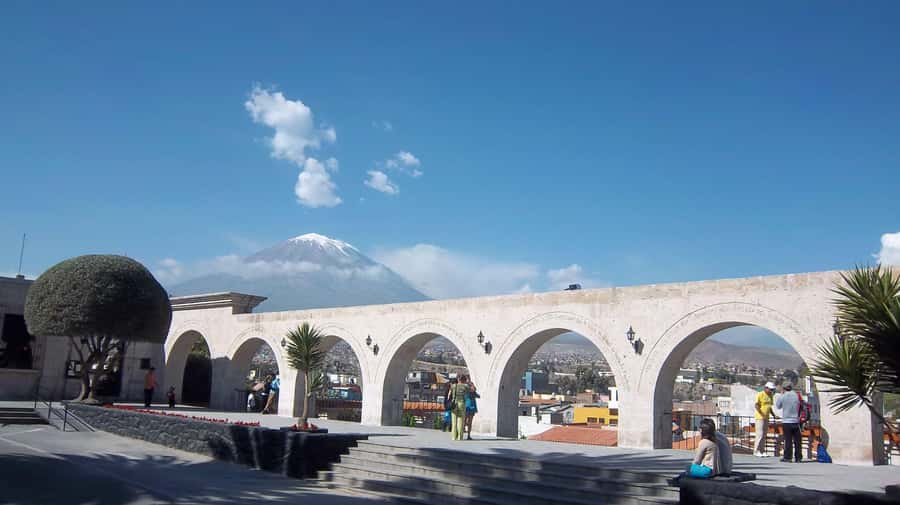
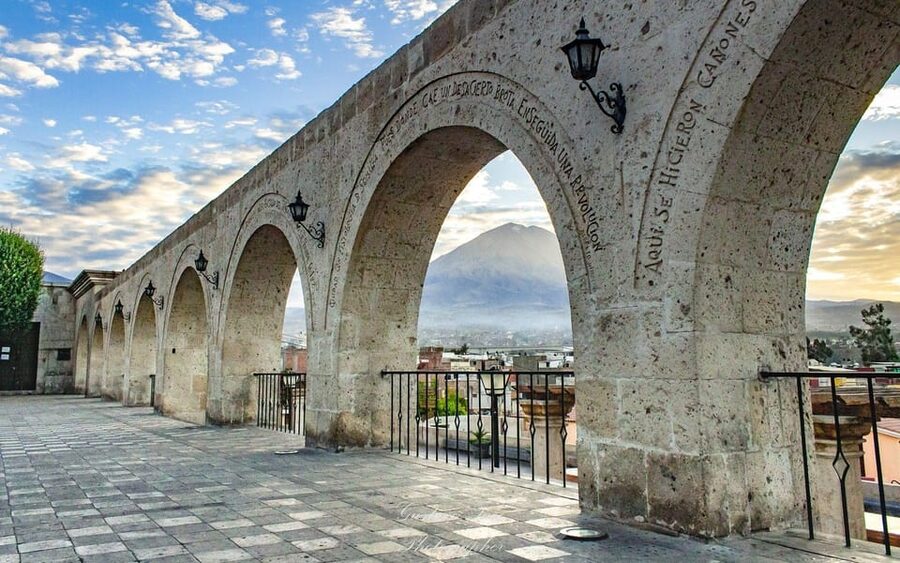
Before you settle into the quarry portion, you’ll make a strategic stop at a viewpoint. From here you can see the Volcanoes and the Chilina Valley (the exact viewpoint can vary by season). This matters because it helps you understand what you’ll be looking at later. When you stand inside quarries or walk a canyon, it’s easier to connect the scenery to how sillar forms in the first place.
You’ll then head on toward Añashuayco Quarry, which is about a 45-minute ride from the viewpoint area. This is a good pacing choice for a half-day. You’re not waiting around. You’re also not doing nonstop travel time before the good stuff starts.
You can also read our reviews of more tours and experiences in Arequipa.
Añashuayco Quarry: Megacarvings, Working Stonemasons, and the Real Meaning of Sillar
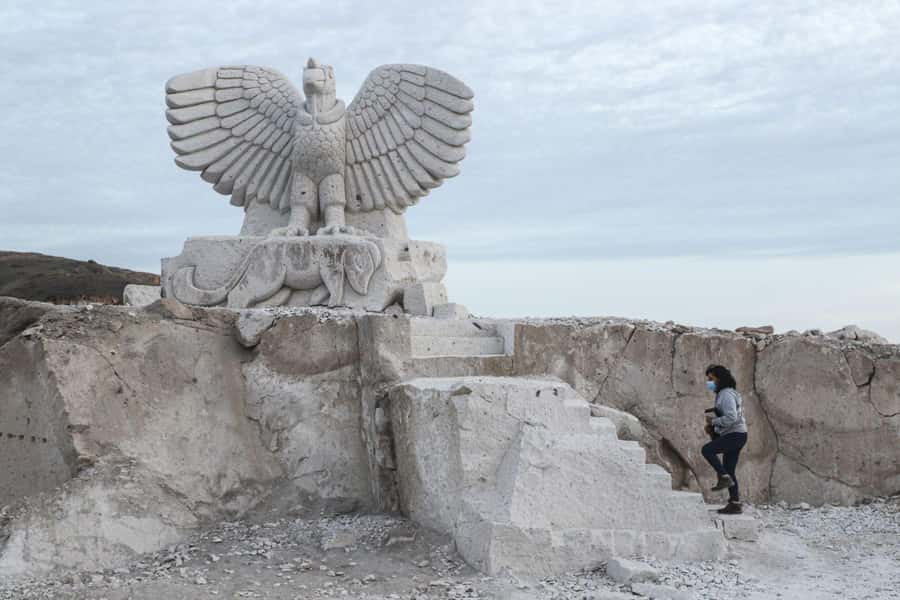
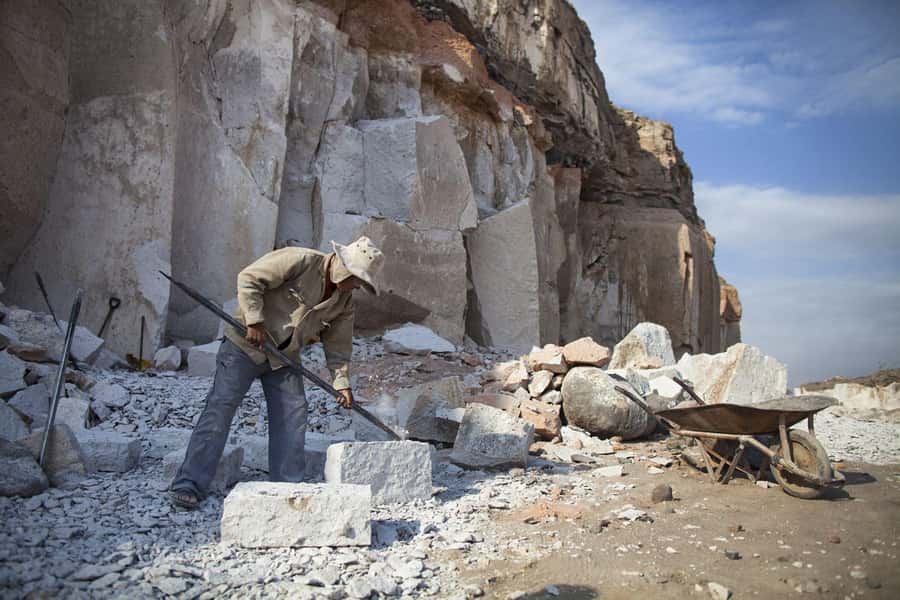
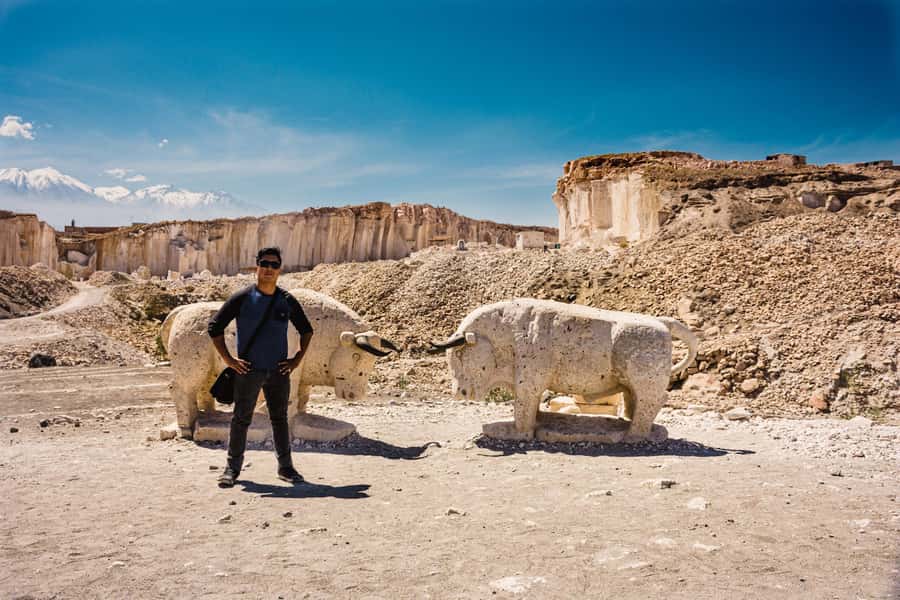
If you’re only expecting views and photos, Añashuayco will surprise you in the best way. This quarry is still in operation, and that changes the whole vibe. You’re not studying a museum set-up. You’re watching people do a job every morning.
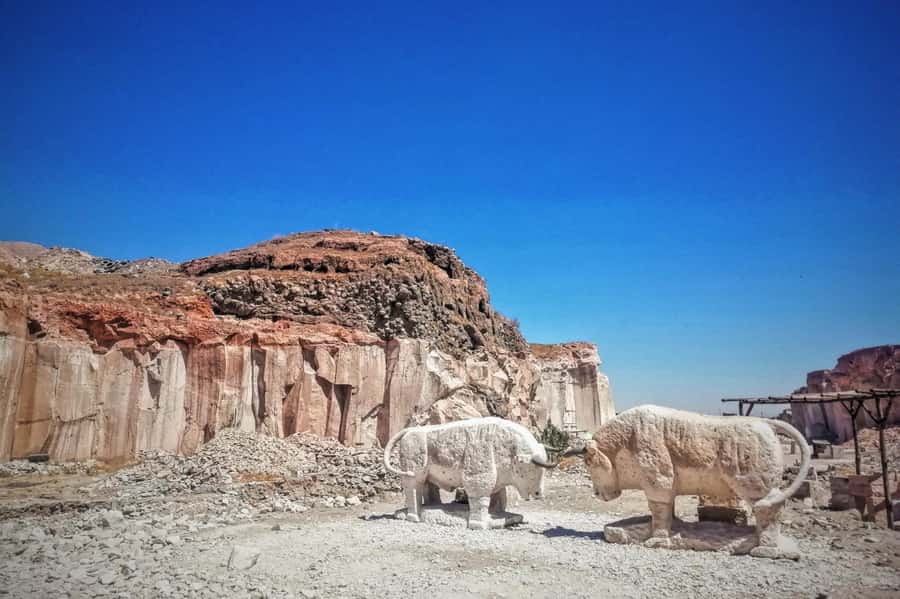
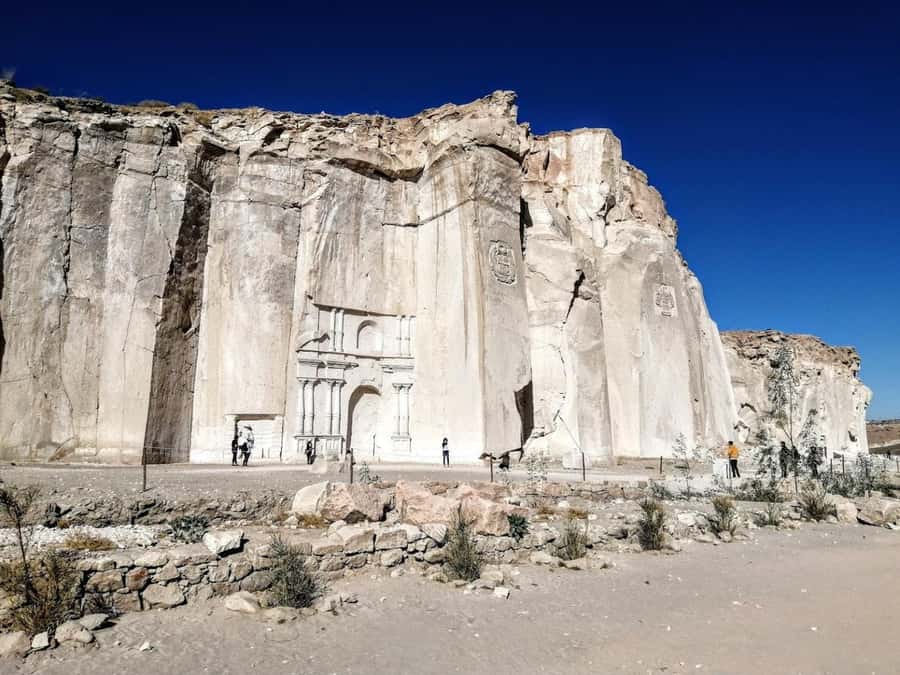
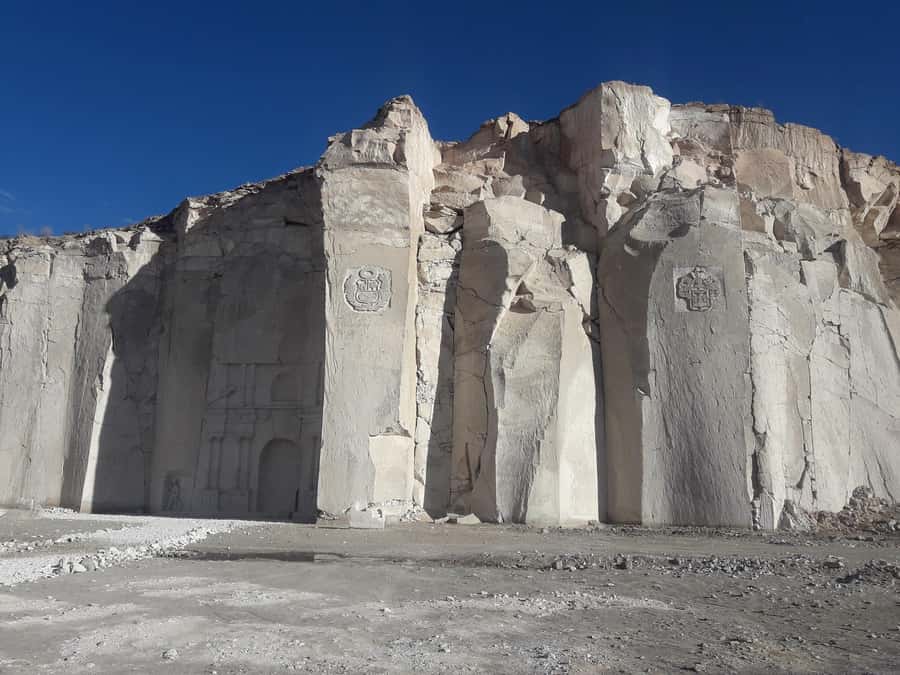
You’ll arrive in time to see the immense canyon-like cut with high ignimbrite walls. These cliffs form from extraction—basically, they’re the scar left behind as stone is pulled out for ashlar and sillar-style building stone. The guide explains what sillar is, how it’s produced, and why it has been used for generations in Arequipa’s architecture.
The quarry stop also includes one of the tour’s most memorable visuals: a Mega carving of the Church of the Company of Jesus, made by the stonemasons themselves. It’s a strong reminder that this isn’t only industrial work. Craft skills and religious imagery both show up in the stone.
Then comes the part you should not skip if you like doing things, not just watching: you can visit a stonemason at work and try a cutting experiment on a stone block. You’ll get a taste of how much technique matters—stone doesn’t yield like wood, and you quickly learn why experienced hands are valued here.
How long you’ll spend here
Expect a longer quarry window—about 50 minutes for photo stops, guided explanation, free time, walking around the area, and that hands-on introduction.
The main drawback risk
This is one of those stops where you’ll want your timing to go right. If the tour starts late or the guide language situation affects the flow, you may feel you didn’t get enough time to watch slowly or ask follow-up questions.
The Culebrillas Canyon Walk: Water-Carved Walls and Wari Petroglyphs
After the quarry, you’ll move about 30 minutes toward Quebrada de Culebrillas. The drive sets expectations: the scenery becomes more “cut and carved” than open and view-heavy.
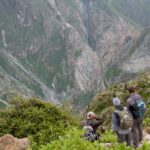
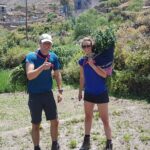
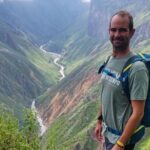
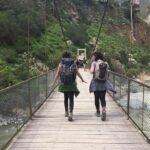
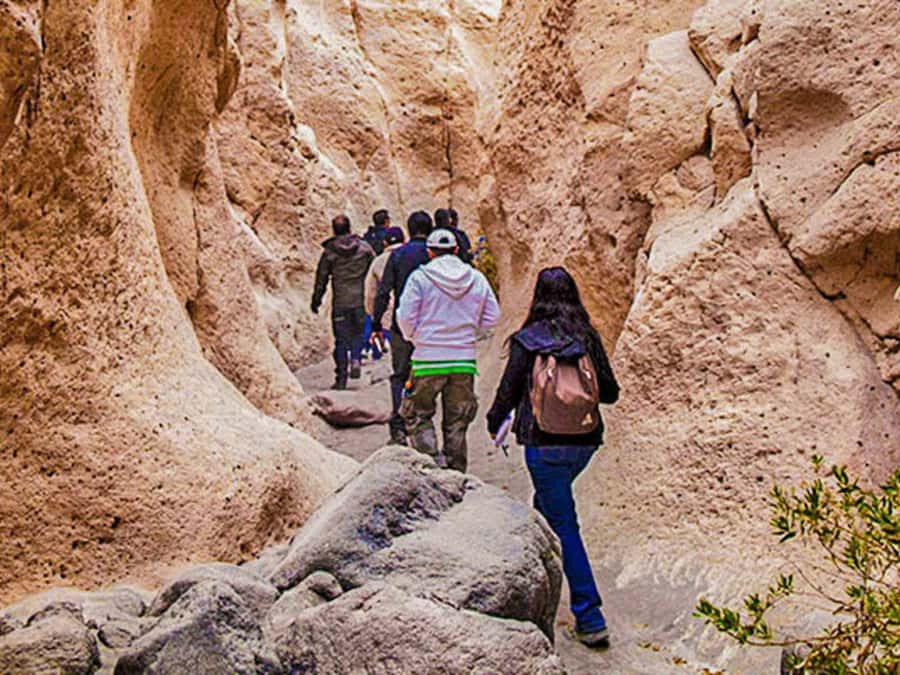
At Culebrillas, you take a walk of roughly 20 minutes inside a small canyon. The canyon walls rise as you go in—about 15 to 20 meters tall near the entrance, then higher toward the interior. This is one of the tour’s best moments for atmosphere because you feel the narrow space and the scale of erosion in a way you can’t from a roadside overlook.
At the far end, you’ll see petroglyphs made by the Wari culture, described as more than a thousand years old. Even when you’re not an expert in ancient art, these marks land because of the setting. They’re not behind glass. They’re part of the stone and water story of the place.
The walk back out also helps you notice the canyon’s rhythm—how the walls tighten, then open, and how the depth changes your sense of distance for photos.
What to watch for on the walk
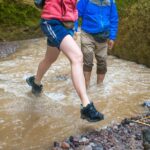
You’ll want footwear you trust on uneven ground. The canyon is short, but it’s still a canyon walk, and you’ll likely spend time stepping carefully while you take photos and listen.
Volcano-and-Valley Viewpoints: Why the Early Stops Matter
You get viewpoint time more than once, and that’s not accidental. Before reaching the quarry, the guide brings you to a strategic stop where you can see volcanoes and the Chilina Valley. Depending on the season, another traditional viewpoint may replace or supplement this first photo moment.
Why does this matter? Because later, when you’re looking at quarry walls and canyon cuts, you’ll be able to connect what you see to the volcanic geography around Arequipa. It’s the difference between seeing stone and understanding why that stone is shaped the way it is.
These stops also give you a calm break before you enter the more hands-on and walking parts of the tour. If you’re the type who needs a quick photo buffer between heavier stops, this route gives you that.
Apachetas Before You Return: Stone Gratitude and a Side of Local Belief
Before heading back into the city, you’ll stop to observe Apachetas—stone formations built as stacks. The guide explains their meaning: they’re seen as a symbol of gratitude toward nature and also an attraction of good luck.
What I like about including this is that it shifts the tour slightly away from geology-only storytelling. Yes, you’re learning about sillar, quarries, and canyon formation. But you’re also seeing how people relate to the mountains and the act of passing through them.
The experience is described as having a mystical sensation, which makes sense in a practical way. Even if you don’t share the belief, there’s something human and intentional about a structure made from many small gestures over time. You’ll probably find yourself slowing down and taking in the stacks a little more than a quick photo stop.
Timing, Transport, and Comfort: What the 4.5 Hours Feel Like
This is a 270-minute tour, so think half-day rather than a full-day “marathon.” The schedule moves in a loop:
- You start at 9:15 am
- You return to Arequipa around 1:30 pm
- You’ll finish near the main square, or sometimes closer to Av La Marina, depending on the flow of the day
If you prefer a later start, there’s also a 2:00 pm shift.
Van ride breaks
You’ll have multiple van segments, including:
- a short ride from the meeting point
- travel to the viewpoint
- the drive to Añashuayco
- the drive to Culebrillas
- the ride back
The transport is included, and the format is designed for efficiency. You’re not stuck waiting for a long time between highlights—most of the time, the ride leads into another “do or see” moment.
Language matters for pacing
The tour runs with a live guide in English and Spanish. In one real-world scenario, the visit ran only in Spanish because the English guide wasn’t available, and the start shifted later. That’s a reminder to plan your expectations if you’re strict about language. If Spanish works for you, you’ll likely be fine either way. If English is essential, it’s worth booking with flexibility in mind.
Price and Value: $11 Covers Transport and Guide, Tickets Cost Extra
The price is listed at $11 per person, and what you’re paying for is the big structure of the day: tourist transport plus a professional guide. For that money, you’re getting multiple stops, guided explanation, and a hands-on quarry experience.
The one extra cost you should budget for is entrance fees. Tickets are 18 soles total and are not included. Depending on exchange rates, this is a noticeable add-on—but it’s also common for places where guides need access or where ticketed entry applies.
Here’s how I’d judge the value for you: if you want a short, focused outing that mixes geology, working stone craft, a canyon walk, and ancient petroglyphs, this pricing makes sense. If you only care about viewpoints and would rather spend more time wandering independently, a cheaper self-guided day might appeal. But this tour is built for stories, context, and access.
Also, it has a 4.2 average rating from 69 reviews, which is a good sign for a small, specialized half-day experience.
Who Should Book Route of Sillar with Culebrillas Trek
This is a strong match if you want:
- A practical, half-day plan without full-day fatigue
- Real quarry work rather than only “look at the stones” tourism
- A short canyon walk that still feels like an excursion
- A mix of geology, local belief (Apachetas), and ancient traces (Wari petroglyphs)
It’s less ideal if:
- You need everything in English with no chance of language changes
- You prefer long, unhurried time at each stop and tend to feel boxed in by schedules
- You dislike walking at all, because you’ll do canyon steps even though it’s not a long trek
Should You Book This Tour?
I’d book it if your goal is to understand Arequipa beyond the city center—specifically through how sillar is made and how the surrounding terrain shaped human life. The Añashuayco quarry portion is the anchor, and the Culebrillas canyon walk gives you a satisfying payoff with Wari petroglyphs in a setting you can actually feel.
If you’re tight on time, this route is also a smart choice. You’ll hit multiple highlights in about four and a half hours, and you’ll be back near the main square so the rest of your afternoon in Arequipa is still yours to plan.
If you can handle the possibility of schedule or language quirks, this tour is great value for the content you get.
FAQ
What is the duration of the tour?
The tour lasts about 270 minutes.
What time does the morning tour start?
The morning departure is at 9:15 am, with return around 1:30 pm.
Is there an afternoon option?
Yes, there is also a 2:00 pm shift.
Where is the meeting point?
The meeting point is at C. Álvarez Thomas 115.
What is included in the price?
Tour includes touristic transport and a professional guide.
Are entrance tickets included?
No. Entrance tickets are 18 soles total and are not included.
What languages is the guide available in?
The guide is available in English and Spanish.
What is the cancellation policy?
You can cancel up to 24 hours in advance for a full refund.