REVIEW · AREQUIPA
2 Day 1 Night Trek / Colca Canyon
Book on Viator →Operated by Trek The Colca · Bookable on Viator
Two days in the Colca moves fast. You start in the dark, chase Andean condors, and finish at the Cielo Azul lodge with a pool for sore legs.
I like how the tour handles the stuff that usually eats your time: meals are covered (2 breakfasts, 1 lunch, 1 dinner), and you also get return transfers from your Arequipa hotel/hostel. Even better, this runs with a small group size—max 12 travelers—so the pace feels more human.
One thing to think about up front: you’re dealing with a tough schedule and altitude, including a steep morning uphill with torch lights on Day 2. If you’re not comfortable with early starts and real hiking effort, this will feel like a long way to get to beautiful views.
In This Review
- Key points to know before you go
- Arriving in Colca rhythm: timing, transport, and that 3:00 am start
- Chivay first: Plaza de Armas and Condor’s Cross viewpoints
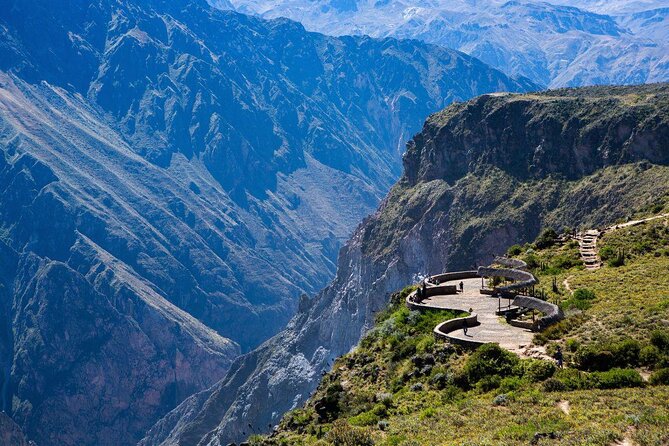
- Day 1 downhill to Sangalle: from 3300 m to 1900 m (and a warm pool waiting)
- Cielo Azul lodge at Sangalle: basic, but recovery is real
- Day 2 at 5:00 am: torch-light uphill to Cabanaconde
- The Hot Springs option near Chivay
- Camelids and volcano views in Pampa Cañahuas
- Guides on the trail: English/Spanish support and real human help
- Safety reality: the mule ride question is complicated
- Price and extras: what $124 really covers
- Who should book this Colca trek (and who should consider another option)
- Should you book this 2-day Colca Canyon trek?
- FAQ
- What time is pickup in Arequipa?
- How long is the trek?
- Does the tour include guiding in English and Spanish?
- What meals are included?
- Are transfers to and from the hike included?
- Where do you sleep overnight?
- Is there a pool at the lodge?
- What entrance fees are not included?
- Can I cancel for a refund?
- What is the group size limit?
Key points to know before you go
- 3:00 am pickup from Arequipa, so plan on a night-before packing sprint
- English or Spanish guide on the trail and during stops
- Meals included (2 breakfasts + lunch + dinner), no meal-prep stress
- Overnight at Cielo Azul in Sangalle with a warm swimming pool to recover
- Two major extra fees to budget: Colca Canyon entry and the Hot Springs
- Day 2 starts at 5:00 am for the uphill back to Cabanaconde
Arriving in Colca rhythm: timing, transport, and that 3:00 am start
This trek is built around the Colca’s best hiking window, which means your day begins well before sunrise. Your pickup is set for 3:00 am (and the group departs Arequipa between 3:00 and 3:30 am). You’ll ride about 6 hours toward the canyon area, with an organized plan for breaks so you’re not stuck trying to improvise in the morning.
By the time you reach Chivay (around 7:30 am), you get the first real reset: breakfast and time to stretch before the sightseeing stops. The transfer is private for the group, and you’ll get dropped back in Arequipa at the end of Day 2 (near Calle Santa Catalina by the Santa Catalina Monastery). That door-to-door structure is one of the biggest value points here—no rental car, no arranging connections, and no wandering for the next bus.
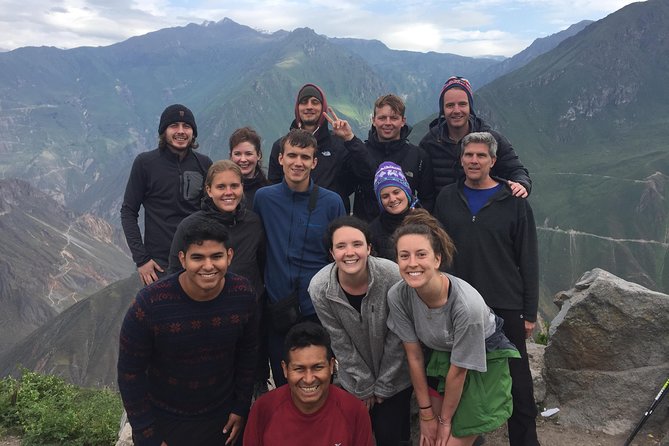
Group size matters. With a maximum of 12, you can usually move at a steadier pace, and guides can manage questions and tempo without turning everything into a cattle-herding exercise.
You can also read our reviews of more tours and experiences in Arequipa.
Chivay first: Plaza de Armas and Condor’s Cross viewpoints
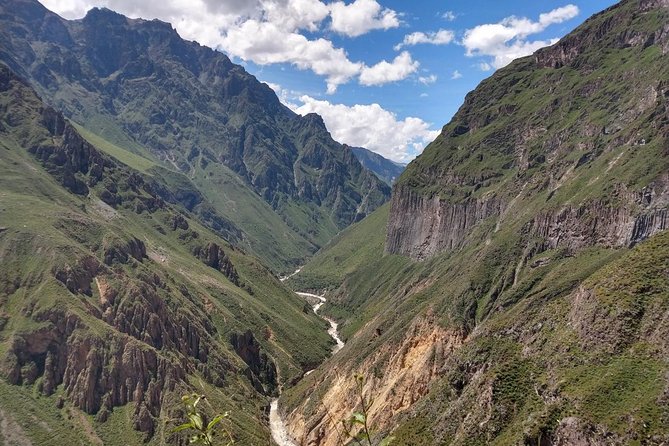
Chivay is the launchpad. You’ll spend about 30 minutes at Plaza de Armas de Chivay, where the focus is local life: traditional houses and colorful scenery you can take in while you eat. It’s not a museum stop. It’s a chance to get your bearings fast and start the day awake.
Then comes the signature bird-watch moment: Condor’s Cross. This viewpoint is known for being one of the best places to spot the Andean Condor, a bird that can weigh up to 12 kg with a wingspan over 3 meters. Even if you’ve seen condors before, the real payoff is watching how they use the wind here—gliding like they own the sky.
One practical note: condors are not on a schedule. You’re going to the right spot, but nature decides whether you get a close view. On the route, there’s also a chance to spot them during the canyon descent, depending on timing and conditions—so keep your eyes open even when you’re focused on walking.
Day 1 downhill to Sangalle: from 3300 m to 1900 m (and a warm pool waiting)
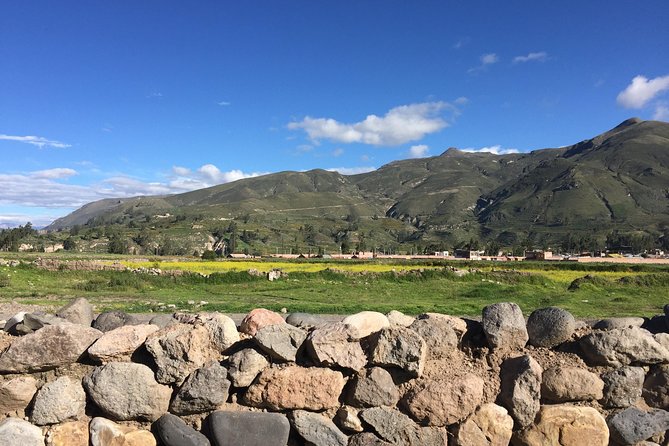
Day 1 is mainly a descent into the Colca Canyon. You’ll start trekking downhill after the initial drive and viewpoints, dropping from about 3300 masl to 2100 masl over roughly 3 hours. That’s a big elevation shift in a short period, so your legs feel it even if you’re not sprinting.
Once you reach the lower area, you get lunch and time to rest in San Juan de Chuccho, a village known for vegetation and some fruit trees. This break matters more than it sounds. After hours of moving and changing altitude, a real rest stop helps you keep your pace steady for the next push deeper into the canyon.
From there, the route continues through small towns like Cosñirhua and Malata, and then you hike farther into the canyon’s deepest part to reach Sangalle at around 1900 masl. The goal is arrival around 17:00. And yes, the timing is intentional: you want enough daylight to settle in, eat, and recover before the next day gets serious.
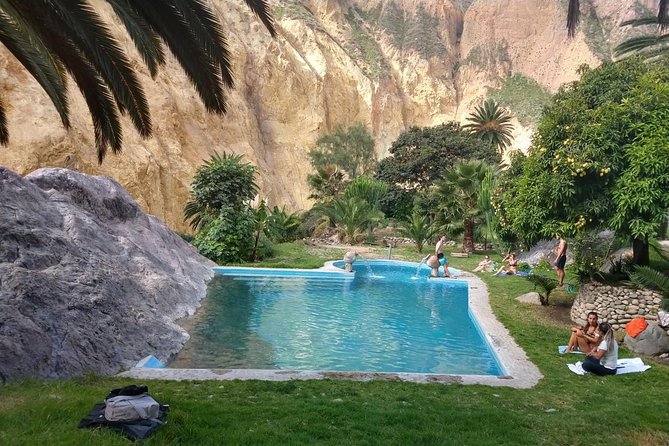
At Sangalle, the tour includes downtime at a warm swimming pool. This is a smart design choice for a trek like this, because the day includes downhill walking, which tends to beat up knees and calves. After that, you’ll have dinner and sleep in bungalows at the Cielo Azul lodge.
One detail I’m glad they include: they’ve built the day so you’re not carrying the day’s entire food plan. With breakfast and lunch and dinner covered, you can focus on water, layers, and staying comfortable.
Cielo Azul lodge at Sangalle: basic, but recovery is real
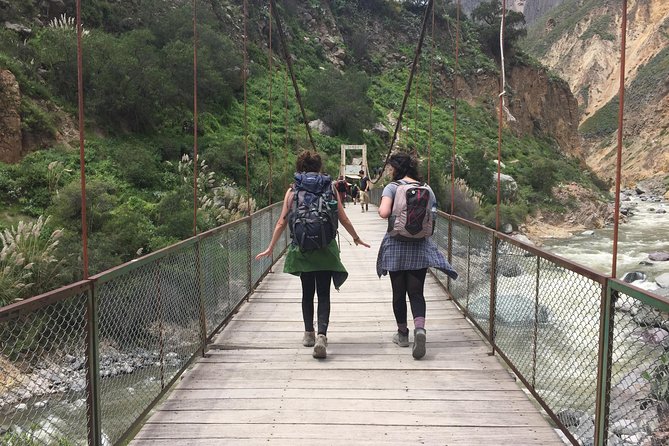
Your overnight is at Cielo Azul lodge, in Sangalle. Let’s set expectations clearly: this is not a hotel stay. It’s functional. Think simple bungalows and time to reset, not luxury.
What you do get is the thing you’ll care about after a tough descent: a warm pool to loosen your muscles. If you’ve done any hiking in cold high places, you know this kind of recovery beats the icy soak option every time.
A good practical tip from a hiker who did this: bring your own sleeping sheet (or whatever you use as a liner) and sunscreen. That area gets strong sun during breaks and while you’re moving, even when the day starts chilly.
Also, pack for bumpy comfort. The lodge is there to get you through the night and help you wake up ready to climb. The better you show up prepared, the less “basic” will feel like a problem.
Day 2 at 5:00 am: torch-light uphill to Cabanaconde
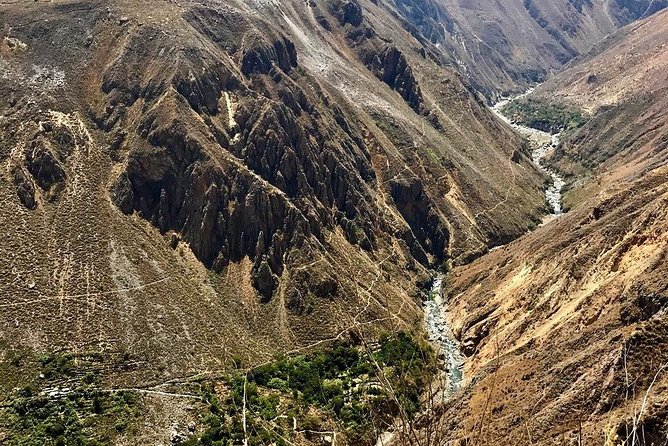
Day 2 is where the trek turns from scenic descent to physical comeback. Breakfast happens in Cabanaconde, and the schedule is tight: at 05:00, you start trekking uphill for about 3 hours using torch lights.
That torch-lit start is not just for drama. It helps you start while the footing is safer and when you still have a full day for the drive back. But it also means you’ll want to be ready to move quickly—no lingering, no late packing, no treating it like a leisurely morning.
The uphill segment covers the climb back to Cabanaconde, around 4830 masl. You’re also going from a lower canyon area up toward high altitude. Expect your breathing to feel different. Pace matters more than speed here.
Once you reach Cabanaconde, you have breakfast and then head toward Chivay. Along the route, you’ll pass by views of pre-Inca terraces, plus archaeological ruins and colonial towns. You’re not walking here, but it’s one of the more interesting “recovery viewing” segments of the day—nice when your legs are ready for rest but your eyes still want something.
The Hot Springs option near Chivay
After you arrive in Chivay around noon, you have an optional stop for Hot Springs Chacapi. Entrance costs 15 soles and is not included in the tour price. The pools reportedly range from about 30°C up to 60°C.
If you’re someone who loves warm water after hiking, this is the kind of optional add-on that can feel worth it. If you’re sensitive to long waits or you’re already cooked, you can skip it and go straight to the return.
Camelids and volcano views in Pampa Cañahuas
On the way back to Arequipa, you stop at Salinas y Aguada Blanca National Reserve, specifically at Pampa Cañahuas. The stop might be short on paper—about 10 minutes—but you’ll spend over 1 hour there. The payoff is viewing volcanoes and camelids, including alpacas, llamas, vicuñas, and possibly other South American camelids in the area.
This part of the trip gives you a different feel than the canyon: wide open sky, animals grazing, and volcanic forms in the background. It’s a good “legs down” moment before the final drive back.
Guides on the trail: English/Spanish support and real human help
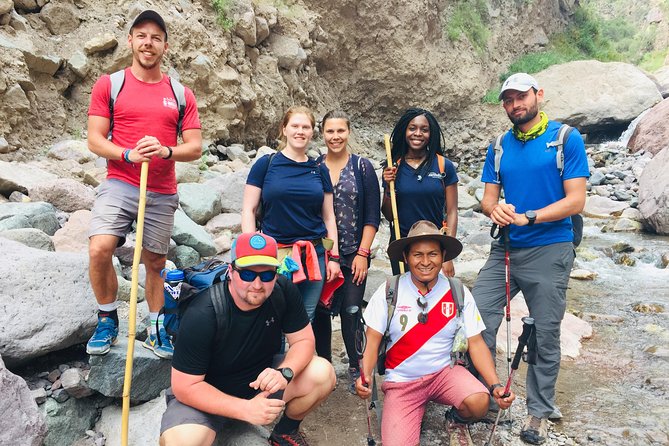
A trek lives or dies by the guide’s ability to keep the group moving and feeling informed. This one includes guiding in English or Spanish.
In one of the standout experiences, the guide Eveline was described as competent and kind, giving helpful information and then letting people enjoy the hike at their own pace—especially during harder sections. That approach makes a difference. You need structure to stay safe and on time, but you also need room to breathe and take photos without feeling managed like a school trip.
There’s also a reminder here about altitude and heat. One participant experienced heat-related sickness early in Day 1, and the guide was helpful in getting through the day. That tells you the group is used to dealing with rough moments and doesn’t abandon people when the body says no.
Safety reality: the mule ride question is complicated
You may hear about mule rides as an alternative if you need help with the uphill portions or you’re struggling with the terrain. One important point: mule renting is described as coming from locals in the canyon and not provided by the tour operator.
In at least one case, a rider had safety concerns with how their feet were placed in the mule’s foot setup, and the operator relationship to regulation was unclear. That doesn’t mean you’ll have the same issue, but it does mean you should treat a mule option as a trade-off.
If you’re considering it, be direct. Ask how the setup will fit your legs and how they’ll secure it before you mount. Your goal is to avoid surprises mid-ride. A bad fit isn’t just uncomfortable—it can become risky fast.
Price and extras: what $124 really covers
At $124 per person, this trek is priced around the big costs that usually make these trips expensive: organized transport, pickup and drop-off, a guide, and meals.
Included items are meaningful:
- 2 breakfasts
- 1 lunch
- 1 dinner
- Private tourist transport
- Hotel/hostel pickups
- Overnight at Cielo Azul Lodge in Sangalle
What’s not included is where you’ll want to budget ahead:
- Colca Canyon entrance (listed as PEN 70.00 per person)
- Hot Springs entrance (listed as PEN 70.00 per person, but the hot springs stop also notes 15 soles for entry)
- Last lunch in Chivay (PEN 30.00)
So is it good value? Often, yes—because you’re paying for logistics that can be a hassle to assemble yourself at 3:00 am. But you should also understand you’re not getting a fully all-in package where every single fee is covered. If you’re strict about your budget, plan for the canyon entry fee first, then decide on hot springs and the Chivay lunch based on your energy.
Who should book this Colca trek (and who should consider another option)
This trek fits you if:
- You want a structured itinerary with meals included and transfers handled
- You’re okay with early starts and want the canyon experience without car logistics
- You can handle moderate physical effort and altitude changes, including an uphill Day 2
I’d be more cautious if:
- You hate being up before dawn
- Your legs struggle with steep uphill walking or you know you get sick in heat
- You’re expecting a hotel-style overnight (the lodge is basic)
The best match is someone who’s excited for the Colca’s big moments—condors, the canyon descent, and sunrise uphill effort—and who can meet the trek halfway with preparation.
Should you book this 2-day Colca Canyon trek?
Book it if you want a guided, meal-covered, transfer-included way to experience the Colca without the stress of arranging transport and meals in between altitude changes. The chance to end Day 1 with a warm pool at Cielo Azul is a real quality-of-life win.
Skip (or choose carefully) if you know early mornings and uphill effort are a deal-breaker for you. This trek asks your body to work twice, and the payoff is worth it only if you’re ready for the climb.
If you do book, pack for discomfort that’s part of the deal: layers for early hours, sunscreen, and whatever you use to sleep comfortably. Then show up ready to move—and enjoy the ride.
FAQ
What time is pickup in Arequipa?
The start time is 3:00 am, with departure from Arequipa between 3:00 and 3:30 am.
How long is the trek?
It’s a 2-day experience with 1 night included.
Does the tour include guiding in English and Spanish?
Yes. Guiding is available in English and Spanish.
What meals are included?
You get 2 breakfasts, 1 lunch, and 1 dinner. The last lunch in Chivay is not included.
Are transfers to and from the hike included?
Yes. Return hotel/hostel transfers are included, so you don’t need to rent a car.
Where do you sleep overnight?
You sleep at Cielo Azul lodge in Sangalle.
Is there a pool at the lodge?
Yes. There is a warm swimming pool available to relax after hiking.
What entrance fees are not included?
The Colca Canyon entrance is not included (PEN 70.00 per person). The Hot Springs entrance is also not included, and the Hot Springs stop notes an entry cost in soles.
Can I cancel for a refund?
No. The experience is non-refundable and cannot be changed for any reason. If you cancel or request an amendment, the amount paid is not refunded.
What is the group size limit?
This tour has a maximum of 12 travelers.