REVIEW · KAMPALA
Rwenzori Mountains Trekking with Margherita Peak Summit
Book on Viator →Operated by Bujuku Eco Tours & Travel Ltd · Bookable on Viator
Foggy peaks. Real glaciers. Real altitude.
This trek through Rwenzori Mountains National Park feels like hiking through a living science lab—forest, bamboo, mossy rock, giant lobelia bogs, then glacial terrain near Margherita Peak (5,109m). You’ll spend your days moving along the Mubuku and Bujuku/Bujuku Lake areas, with stops at classic Rwenzori huts and camps that keep you close to the action.
Two things I really like: first, the sheer variety of “ecosystems on foot,” from colobus and chimp calls in the forest to the strange world of giant heathers, lobelias, and groundsel at higher altitudes. Second, the support system is strong—guides and the team’s communication are the difference between a trip that feels chaotic and one that feels controlled, especially on the hardest summit day.
One consideration: Margherita is serious. You’ll be on exposed, slippery terrain and you cross areas described as glaciers and ice. Also, climbing gear is not included in the price, so you’ll need to plan your packing early.
In This Review
- Key highlights worth knowing before you go
- Rwenzori Mountains National Park: what makes this trek special
- Price and logistics: what $1,400 buys you (and what it doesn’t)
- The physical reality: moderate fitness isn’t the same as easy
- Day by day: from Nyakalengijja forest start to Mihunga gate finish
- Day 1: Nyakalengijja briefing and the long climb to Nyabitaba Hut
- Day 2: Bamboo, mossy rock, and the trek into giant heather country
- Day 3: Giant-lobelia bogs, Bujuku Lake views, and acclimatization at Bujuku Hut
- Day 4: Groundsel Gully magic, Elena Hut cold, and a key fork in the route
- Day 5: Margherita summit day—three glaciers, exposed scrambling, and the top at 5,109m
- Day 6: Freshfield Pass (4,282m), views into Congo, and Guy Yeoman Camp
- Day 7: Kichuchu cliffs, bamboo crossings, and finishing at Mihunga gate
- Wildlife and plant nerd moments: giant heathers, lobelias, and turaco sightings
- Support that matters: guides, communication, and making the tough day manageable
- Should you book? A straight answer based on your goals
- FAQ
- What altitude is Margherita Peak on this trek?
- How long is the trek?
- What’s included in the tour price?
- Is park admission included?
- Is climbing gear included?
- Where does the trek start and end?
Key highlights worth knowing before you go
- Margherita Peak summit (5,109m asl): a high, glacier-focused day with exposed scrambling.
- Iconic Rwenzori habitats: forest and bamboo give way to giant heather and lobelia zones.
- Huts and camps along the way: Nyabitaba, John Matte, Bujuku, Elena, Kitandara, Guy Yeoman.
- Wildlife chances on the trail: colobus monkeys, blue monkeys, and Rwenzori turaco may show up.
- You’re not just hiking scenery: the route is built for acclimatization before going for the top.
- Private group feel: only your group participates, with pickup offered from Kampala/Entebbe area logistics.
Rwenzori Mountains National Park: what makes this trek special
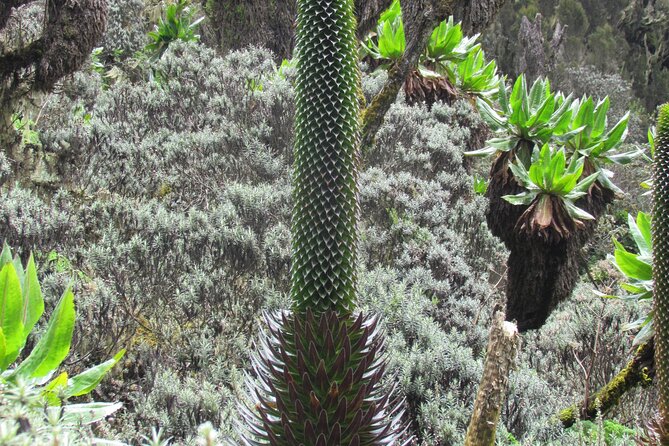
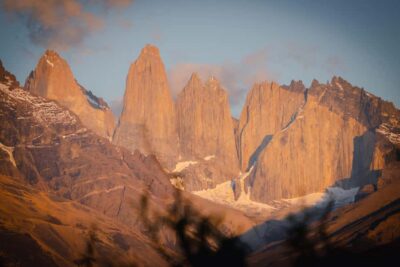
The Rwenzori range is often called the Mountains of the Moon, and once you’re inside the park, you get why. This is equatorial alpine country—meaning you can go from humid forest edges into cold, high-altitude plant zones that look nothing like what you expect from Uganda at ground level. The park protects a 120 km long by 65 km wide mountain system, and it’s packed with wildlife and birdlife.
What I love about this trek is how quickly you feel that ecological shift. Day 1 starts with farmland and then locks into thick forest along the Mubuku River. By the next days, you’re walking through bamboo forest and then through moss-covered rock that can be slippery underfoot. Higher still, you transition into the giant-heather and lobelia zones—those iconic Albertine Rift high-altitude plants that make Rwenzori hikes feel like walking on a different planet.
And yes, the views matter. You’ll get windows to major peaks at different points, including sightlines toward Mount Stanley and Mount Speke. On clear moments, it feels like the whole range is presenting itself in layers.
You can also read our reviews of more tours and experiences in Kampala.
Price and logistics: what $1,400 buys you (and what it doesn’t)
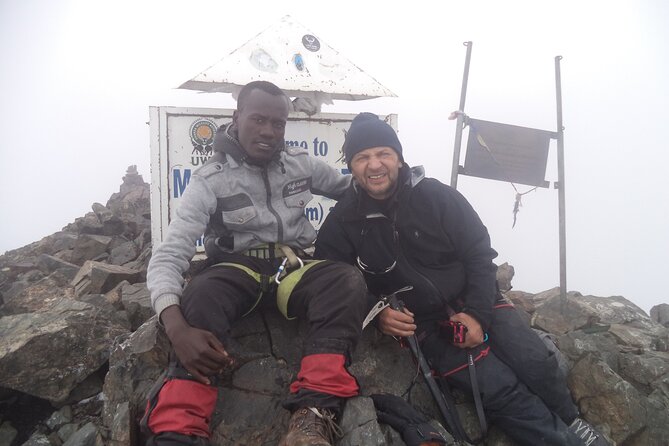
The listed price is $1,400 per person for an approximately 7-day trek. That cost includes all your meals for the trek days—breakfast, lunch, and dinner for 7 days. It also includes the practical side of getting you started: pickup is offered, and the meeting point is Entebbe Airport, with the experience ending back there.
What you should budget for separately is climbing gear. The trek is described as involving glaciers, ice, and very exposed areas on summit day. That means you should not assume you’ll be able to rent everything last-minute or that the essentials are packed for you. If you don’t already have the right technical kit, get clarification early, and plan to carry what you need comfortably.
Also, remember you’re paying for a real, remote operation—not a “walk to a viewpoint.” This route uses mountain huts and camps inside the national park. That logistical reality is part of what makes the price make sense.
The physical reality: moderate fitness isn’t the same as easy
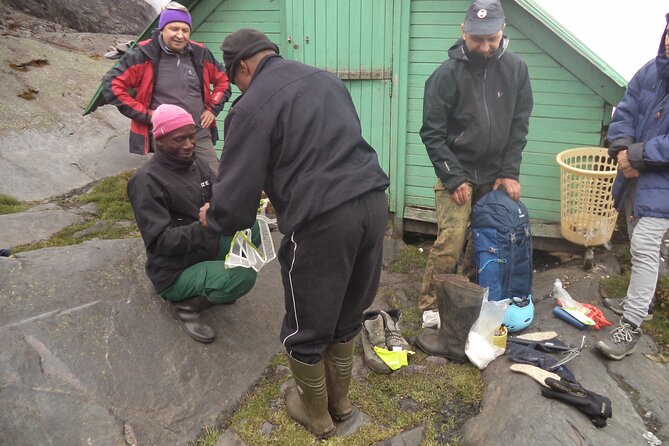
The trip calls for moderate physical fitness. That’s true in the sense that it’s not marketed as a beginner fantasy. But “moderate” can still mean long days, wet footing, and steep climbs that wear you down even before you start thinking about a summit.
You’ll hike between about 4 and 8 hours on different days. Expect terrain variety: steep ridges, forest trail, then bog and tussock crossings where you’re basically learning how to move carefully instead of quickly. Some days list elevation changes of roughly 1,000m up or more, then you go lower the next day. This pattern isn’t random—it’s how the route manages acclimatization.
One thing you’ll hear in the route description is that summit day can involve fog and altitude sickness concerns, plus cold conditions. That doesn’t guarantee any one thing will happen to you. But you should go in mentally prepared to move slowly, follow pacing instructions, and accept that the summit is dependent on weather and conditions.
Day by day: from Nyakalengijja forest start to Mihunga gate finish
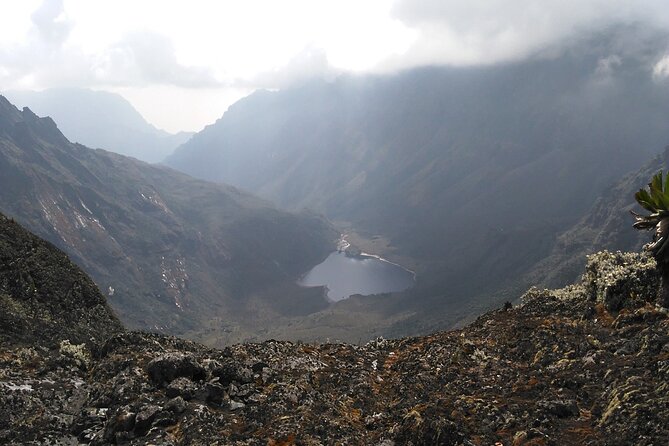
Day 1: Nyakalengijja briefing and the long climb to Nyabitaba Hut
You start with a drive to Nyakalengijja for your trip briefing and equipment organization. Then the trail begins by passing farmland, before you enter the park boundary and follow thick forest along the Mubuku River.
The walking here is about adjustment. Early on you’re surrounded by forest and river sounds, and you might pick up wildlife activity—calls or glimpses like black-and-white colobus and blue monkeys, plus the chance of the colorful Rwenzori turaco. The day’s core challenge is the transition into a massive ridge climb to Nyabitaba Hut. This is the first “you’re really here” day.
Practical tip: Start conservative. Save your energy for the ridge. Your legs will feel fine for the first hour or two, then the climb starts asking for focus.
Day 2: Bamboo, mossy rock, and the trek into giant heather country
From Nyabitaba, you drop down toward Kurt Shafer Bridge, below the confluence of the Mubuku and Bujuku rivers. Then you move into bamboo forest.
After that, the terrain turns into the Rwenzori signature: slippery, moss-covered rock. This isn’t just “muddy”—it’s slick and grounding yourself on each step becomes the skill of the day. You’ll pass by the Nyamuleju rock shelter, where views open toward Mount Stanley and Mount Speke, before the vegetation changes again into giant heather, lobelia, and groundsel.
You finish at John Matte Hut, after crossing tiring bog. The day is listed around 7–8 hours, so build in time for slow movement, not speed.
Watch-outs: Wet moss rock makes quick steps dangerous. Use shorter strides and keep your weight stable.
Day 3: Giant-lobelia bogs, Bujuku Lake views, and acclimatization at Bujuku Hut
Day 3 begins by crossing down toward the Bujuku River and entering Lower Bigo Bog, known for giant lobelias. The trail crosses bog using tussocks. The route description basically tells you to expect some cold ooze contact—so yes, you’ll get your feet wet. Plan for it.
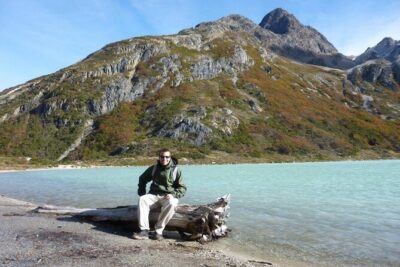
Once the bog is crossed, you reach Bujuku Lake and get views including Mount Baker to the south and Mount Stanley to the west. That’s a big emotional reward after a slow, careful morning.
Your destination is Bujuku Hut, located in a narrow valley below Stuhlmann Pass. This camp is specifically noted as good for acclimatization for clients attempting the summits of Mount Stanley and Mount Speke.
Even if your goal is Margherita, this is the day that helps your body handle the higher country.
Day 4: Groundsel Gully magic, Elena Hut cold, and a key fork in the route
You leave Bujuku and continue through more bog while climbing the steep slopes west of the lake. Then you enter Groundsel Gully, which is described as magical and forested. It’s the kind of place where you stop rushing, because the environment changes your pace.
Then the route offers a fork: you can head toward Kitandara Lakes and Kitandara Hut if you’re not climbing Margherita Peak. But if you are climbing Margherita, you go up toward Elena Hut, which is described as cool and icy, and closer to the next stages of the ascent.
This day is about getting into the right position. The hiking time is listed around 5–6 hours, with elevation change that includes a noticeable climb.
Day 5: Margherita summit day—three glaciers, exposed scrambling, and the top at 5,109m
This is the day with teeth.
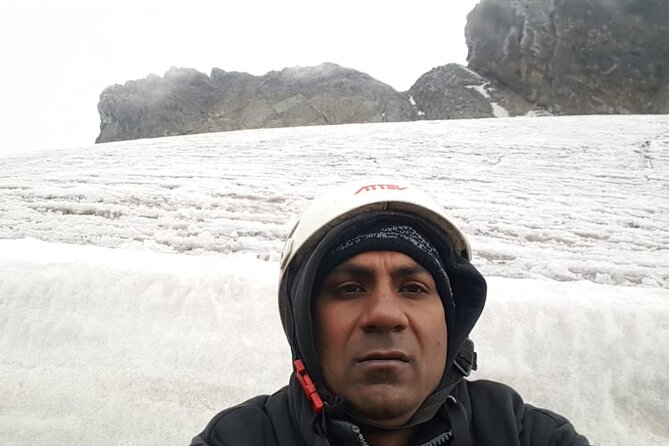
In the early morning, you attempt the climb to Margherita Peak, part of Mount Stanley. The ascent is described as taking about 4–5 hours depending on weather and pace. The route includes crossing three glaciers, walking slippery rock, areas of ice, and very exposed zones open on many sides.
The description also notes that you’re likely to experience cold conditions and fog, plus altitude-sickness sensitivity. It emphasizes acclimatization and cool weather. In other words: even if you feel fit, the mountain asks for patience.
From the summit, the descent back to Elena Hut is around 2–3 hours. After this, you’re not “done” in a fitness sense—you’re done with the highest technical part. The rest of the trek is still long and requires good boots and careful footing.
Practical tip: On a glacier day, it’s not about how fast you move. It’s about moving consistently—and listening when the guide calls for slower steps.
Day 6: Freshfield Pass (4,282m), views into Congo, and Guy Yeoman Camp
From Kitandara, you take a steep ascent up the headwall and travel along the south side of the mountain toward Freshfield Pass (4,282m).
At this pass, the route description says you can view into the Congo to the west and toward Mount Stanley to the north. That kind of broad look is rare in bog-heavy days and it feels like a reward for your slow work.
Then you go across long high alpine mossy areas and start a descent on steep rocky trails. You pass by the rock shelter at Bujongolo, noted as the base camp for the historic 1906 expedition by the Duke of Abruzzi. You overnight at Guy Yeoman Camp.
This day is a mix of endurance and navigation. It’s not technical like the summit, but the hours can still wear you down.
Day 7: Kichuchu cliffs, bamboo crossings, and finishing at Mihunga gate
Your final day descends through Kichuchu cliffs. Then you leave the steepness behind and move into a muddy path that crosses the Mubuku River twice through bamboo forest. After that, you climb downward toward Nyabitaba to complete the circuit.
You then continue descending Nyabitaba Camp and finish by completing the trek to Mihunga gate in the evening.
Expect about 7–8 hours of descent. This is the “legs in reverse gear” day. Your body will feel the trek here, even if your head is already thinking about the drive back.
Wildlife and plant nerd moments: giant heathers, lobelias, and turaco sightings
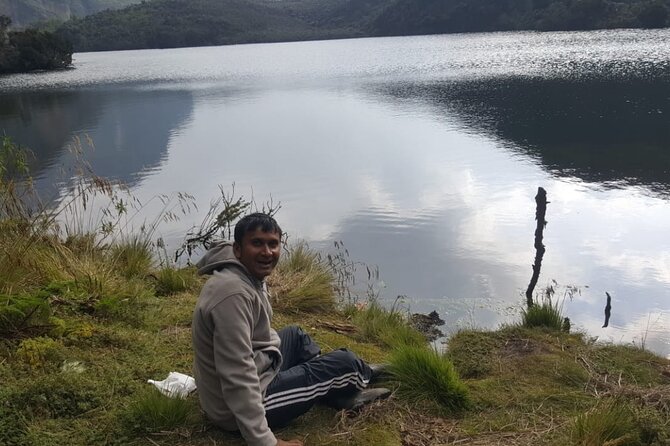
Rwenzori trekking isn’t only about summits. It’s about walking through a unique equatorial alpine system. The park is described as protecting rare vegetation, including giant heathers, lobelias, and groundsel—many endemic to the Albertine Rift higher altitude zones.
What’s cool is how you can literally see this change by elevation and microclimate. Forest days feel green and alive. Then bamboo forest adds a different texture and rhythm. After that, mossy rock and bog bring a slow, careful style of movement. Finally, when you reach zones associated with giant heathers and lobelia, the trail feels strangely open and cold.
Wildlife sightings are possible—especially in the forest sections. You might hear chimpanzees and see black-and-white colobus, blue monkeys, and possibly the Rwenzori turaco. Even when animals don’t appear, the soundscape changes by habitat, which still makes the journey feel alive.
Support that matters: guides, communication, and making the tough day manageable
This kind of trek runs on timing and calm coordination. The team behind this route has a track record of professional, efficient guiding and good communication before you go. In practical terms, that means you’re less likely to wonder what’s happening next when you’re tired and cold.
In the field, names show up consistently in the people travelers thank—driver Johnson and Geoffrey/Geofrey are mentioned for kindness and responsiveness. That’s not a small detail. On summit day, you want a guide who gives clear instructions and doesn’t waste time.
The trip is also set up as private, meaning only your group participates. That can be a big value. It cuts down on waiting around and lets the guide manage pace more directly.
Should you book? A straight answer based on your goals
Book this trek if:
- You want a real high-mountain experience in a place that feels genuinely wild, not staged.
- Your goal includes Margherita Peak (5,109m) and you’re okay with exposed, icy terrain.
- You want strong support, private-group attention, and meals handled during the trek days.
Skip or choose a different plan if:
- You’re not ready to handle wet bog crossings, steep climbs, and cold mornings.
- You don’t want to sort out technical climbing gear yourself, since climbing gear is not included.
- Your fitness is more “short hikes” than “multi-day endurance with uneven footing.”
If you fit the first group, this is one of those trips where the ecology and altitude combine into something memorable for the right reasons. You’ll come away thinking about plants, weather, and footwork—because the mountain forces you to pay attention.
FAQ
What altitude is Margherita Peak on this trek?
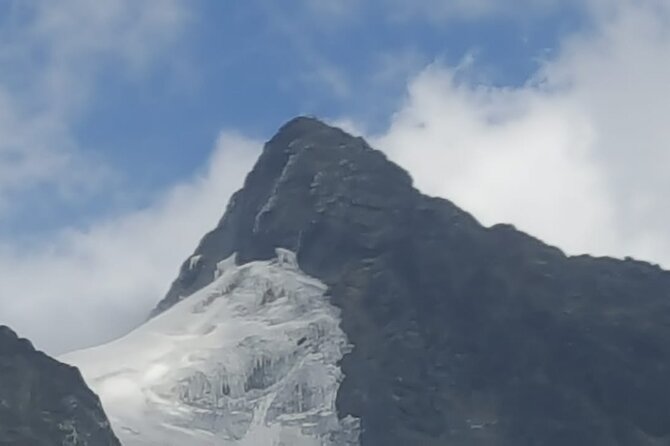
Margherita Peak is listed as 5,109m asl.
How long is the trek?
The duration is listed as about 7 days.
What’s included in the tour price?
Dinner, breakfast, and lunch are included for 7 days. Pickup is offered.
Is park admission included?
The itinerary shows admission ticket free for the trek days.
Is climbing gear included?
No. Climbing gear is listed as not included.
Where does the trek start and end?
It starts at Entebbe Airport (Entebbe, Uganda) and ends back at the meeting point.