REVIEW · KATHMANDU
Manaslu Circuit Trek
Book on Viator →Operated by Nepal Mountain Trekkers - Day Tours · Bookable on Viator
Manaslu Circuit feels like a complete mountain world. You get Kathmandu’s UNESCO highlights first, then the trek proper starts with a long drive into the Budhi Gandaki valley and ends at Larkya La Pass with big Himalayan sightlines.
I especially liked the hands-on support: airport pickup, a Kathmandu hotel base, and a licensed English-speaking guide plus porter so you’re not juggling details. I also really enjoyed the culture moments, including Pungyen Gompa and the slow wander through Gurung-style village life.
One real consideration: this is high terrain, and the pass day can be weather-dependent, so plan for some flexibility if conditions turn.
In This Review
- Key things that make this trek click
- Why Manaslu Circuit feels different (and not just “another trek”)
- Kathmandu setup: UNESCO sights, Thamel comfort, and a clear start
- The long drive into trekking country: where the route really begins
- From river valleys to Jagat and Deng: forests, bridges, and steady effort
- Namrung and Lho: mani walls, apple country, and Ribung Monastery views
- Samagaon and Pungyen Gompa: where culture meets big peak energy
- Samdo and Dharamsala: acclimatization that actually makes sense
- Larkya La Pass day: the views, the cold, and the weather reality
- Bimthang to Tilije to Tal: ridges, rhododendrons, and the endgame
- The ride back to Kathmandu and a proper send-off
- Price and value: what you’re really paying for at $1,386.67
- Who should book this Manaslu Circuit trek (and who should rethink)
- The guide factor: real professionalism is the difference
- Should you book this Manaslu Circuit Trek?
- FAQ
- How long is the Manaslu Circuit Trek, and when does it end?
- Do you get airport pickup and drop service?
- Is Kathmandu hotel included?
- Are trekking permits included in the price?
- What meals are included during the trek?
- Is trekking gear provided?
- What is the highest point on this trek?
- Is travel insurance included?
- What about tips and personal expenses?
- Can I cancel for a full refund?
Key things that make this trek click
- Small group size (up to 20) helps communication and keeps the pace manageable.
- Kathmandu prep plus UNESCO sites sets context before you ever hit the trail.
- Acclimatization days at Samdo and around 5,000m reduce the stress of going too fast.
- Larkya La Pass is the headline point for close-up mountain views.
- Hot spring break at Tatopani gives your legs a rare off-trail moment.
- Full trek food and lodging included means fewer logistics headaches in remote areas.
Why Manaslu Circuit feels different (and not just “another trek”)
Manaslu Circuit has a way of mixing the grand stuff with the everyday. One day you’re watching big peaks loom over villages like they’re keeping score. The next day you’re walking past mani walls, river bends, and farm terraces where life keeps running. That blend is exactly why this route earns its reputation.
You also get an extra layer of variety compared to treks that feel similar from day to day. The route moves through forested stretches, then opens up toward ridge walking and wide views. You’ll pass multiple settlements—Jagat, Deng, Namrung, Samagaon, and more—so the trek keeps changing its feel, not just its elevation.
And the culture stops matter here, not as a side quest. Pungyen Gompa and the monastery visits turn the trek into more than cardio. You’re walking in a place with real religious routines, not just scenery pasted onto a walking route.
You can also read our reviews of more tours and experiences in Kathmandu.
Kathmandu setup: UNESCO sights, Thamel comfort, and a clear start
Your trip starts in Kathmandu, and the first value is simple: you’re met right at Tribhuvan International Airport and taken to your hotel. That means you don’t spend your first hours hunting transport while jet-lag kicks in.
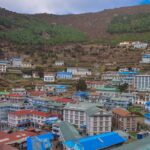
You stay around the Thamel area (Hotel Green Horizon is the base mentioned for this style of trek). From there, you get time to recover and get your bearings. Thamel is busy, full of trekking shops, and great for last-minute needs—if you arrive with open time, you can handle anything you forgot.
Then you shift into UNESCO sightseeing with a licensed guide and car/jeep/bus based on group size. The key stops listed are Kathmandu Durbar Square, Swayambhunath, Pashupatinath, and Boudhanath. Even if you’ve seen some temples before, this cluster gives you a strong overview of Nepal’s religious and artistic variety before you head into the mountains.
Practical note: admission tickets for the UNESCO day are not listed as included, so you may want some cash set aside for entry fees.
The long drive into trekking country: where the route really begins
After Kathmandu, you’re in for the kind of road day Nepal does so well. The trek doesn’t start with a quick hop to a trailhead. You travel for about 8 to 9 hours (and in the plan, you’ll drive further toward trail start points like Maccha Khola). Expect mountain roads, slow stretches, and the kind of scenery you’ll keep thinking about later when you’re hiking uphill.
Once you reach the trekking start area, the Budhi Gandaki river becomes your constant companion. Crossings and river-adjacent walking show up early—so even the first hiking days feel like you’re already in “real trek mode,” not just warming up.
On the first walking stretches, you’ll move through forests and Gurung villages, then gradually begin the repeated ascends and descends that define the circuit. Suspension bridges also appear early, and they’re a good reminder that Nepal’s trekking routes often feel like engineering meets landscape.
From river valleys to Jagat and Deng: forests, bridges, and steady effort
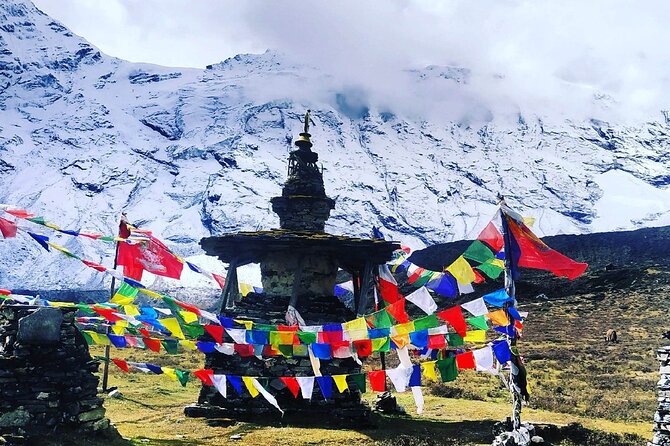
The trek’s middle rhythm starts here: you’re walking long days, often around 12 hours depending on the stage. This isn’t a light stroll with frequent exits back to the car. You’ll need stamina and patience, because the trail keeps presenting a mix of uphill work and downhill recovery.
Tatopani is one of your early comfort stops—natural hot springs where you can soak tired legs. That’s a smart feature for this kind of circuit, since you’ll keep earning sore muscles for days.
Then come the village days. Jagat and Deng are small enough that you feel the scale of the route. You’re not just passing through; you’re seeing how communities sit along the trail line. You’ll also notice how the trail follows the river’s logic—cross, climb, contour, and then drop again as the valley opens and closes.
If you’re the type who likes steady progress without surprises, this portion delivers. The challenge is consistent rather than chaotic.
Namrung and Lho: mani walls, apple country, and Ribung Monastery views
Namrung and Lho bring the trek into a more scenic and spiritual zone. You’ll pass mani walls and cross the Budhi Gandaki river again, with pasture land and village rhythms appearing more often. These days tend to feel big even when the walking is simply “walk and breathe.”
Lho is a highlight for views, and the itinerary includes a half-day walk to Lho for outlooks toward Himalchuli and the Hinang Glacier area. After that, you’ll head up to Ribung Monastery and even climb to a hill top area behind it for wider sightlines. There’s also a mention of sunrise viewing near the monastery area for Manaslu-focused views.
This is one of the best places to remember why you came. The pass later is the headline, but the monastery hill and nearby viewpoints are where you start to understand the mountain’s scale.
Samagaon and Pungyen Gompa: where culture meets big peak energy
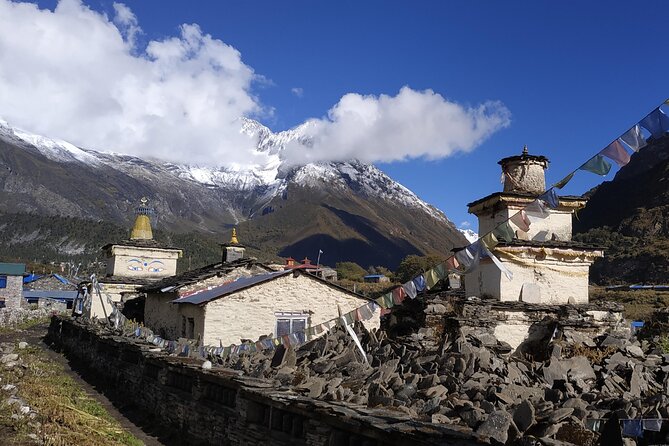
Samagaon is where the trek shifts into a calmer, higher-feeling routine. You’ll be surrounded by close mountain views, with listed peaks including Ganesh Himal, Himal Chuli, and Siring Himal. The villages here have a quieter, more settled feel, and the route includes chortens and terraced farming scenes.
Then you get an excursion around Pungyen Gompa, described as an ancient monastery with a prayer hall. This is one of those days where the hiking is still part of it, but the payoff comes from slow observation—how the gompa fits into daily life, and how the rituals give the area a different kind of rhythm.
If you care about trekking with meaning, not just elevation gain, this is a strong match.
Samdo and Dharamsala: acclimatization that actually makes sense
If you only remember one logistics detail about this trek, make it this: it includes proper acclimatization time rather than forcing a straight line upward.
There’s a rest day at Samdo for acclimatization. Then you move toward Dharamsala, where the plan calls out acclimatization around 5,000m and time built into the day. That matters because altitude isn’t a theory here. It affects breathing, sleep, appetite, and your mood.
From a planning perspective, this is also where you’ll feel the difference between trekking companies that treat acclimatization like a checkbox versus those that treat it like training. The inclusion of time at Samdo and the emphasis on rest at Dharamsala gives you a better shot at staying comfortable and steady.
Larkya La Pass day: the views, the cold, and the weather reality
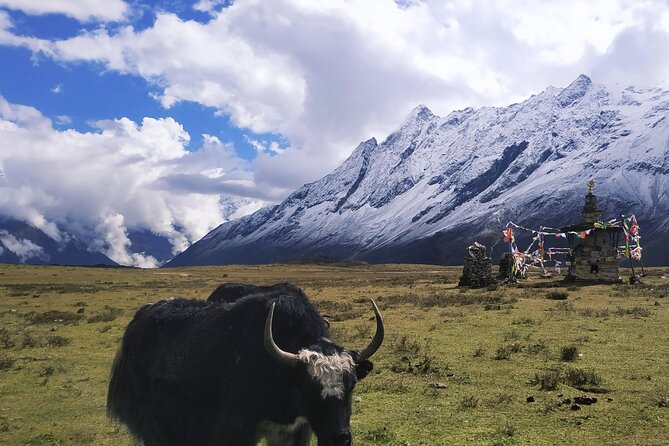
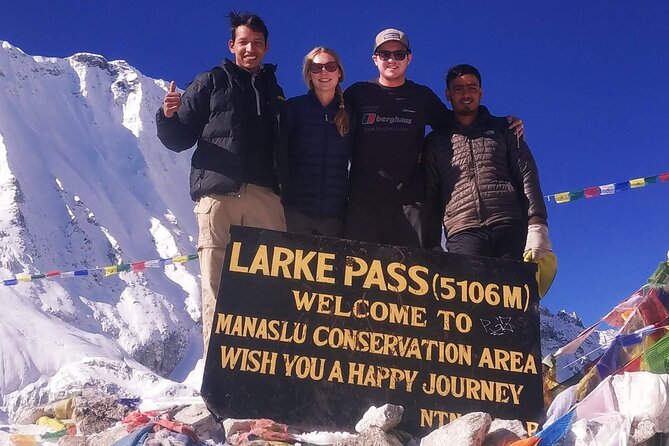
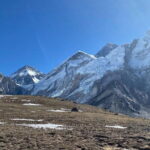
Larkya La Pass is the highest point listed for the trek, and the views are described as dramatic: Annapurna 2, Cheu Himal, Himlung Himal, and surrounding peaks with very close Manaslu Himalaya in front.
That’s the dream day. But here’s the practical side you shouldn’t ignore: weather. One of the experiences shared in the info you provided mentions that Larkya La Pass couldn’t be crossed because of bad weather, and the itinerary couldn’t follow the planned Annapurna circuit direction. So even with a great plan, the mountains can change it.
What you should do as the hiker: pack for cold and wind (especially for pass time). Even if you think you’re tough, the pass area can take away your warmth fast.
Bimthang to Tilije to Tal: ridges, rhododendrons, and the endgame
After the pass, the trek continues with ridge walking and descending work that feels like switching from effort to focus. You’ll reach Bimthang, described as a re-energizing rest place with mountain views, rhododendron flowers, and warm local hospitality.
From there, the route moves through open areas toward ridges, then down again through rhododendron forests. If you’re trekking in spring, rhododendrons are a real visual reward on this section. The plan then brings you to Tilije for overnight.
Tal is the next big destination, and the day includes tea house stops and the connection toward the Annapurna circuit trail at Dharapani. You’ll also cross the Milky white river above a bridge, then cross over a Marsyandi River bridge, with waterfalls in the mix before arriving at Tal.
This is the part of the trek where you start thinking about the finish line, but you still need to walk carefully. Descents after a high pass can be tough on knees, so pace matters.
The ride back to Kathmandu and a proper send-off
Coming out of the mountains, you’ll drive to Besisahar first, then continue back toward Kathmandu. In the plan, there’s also a lunch stop in Besishar before the final drive into the city. It’s a long travel arc, but it’s also the moment when you realize how much you’ve covered.
Back in Kathmandu, you get free time. The plan notes that you can stay without a guide and porter to relax and even do shopping. Then there’s a farewell dinner in a Nepali culture restaurant and time to pack for your departure.
A lot of trekking companies treat the end like a footnote. This one treats it like a wrap-up.
Price and value: what you’re really paying for at $1,386.67
At $1,386.67 per person for roughly 17 days, this is not a budget trek. But it also isn’t just selling walking days. You’re paying for the stuff that keeps a remote trek workable:
- Airport pickup and drop
- 4-night Kathmandu hotel base
- Kathmandu sightseeing with a licensed guide (plus the included transport)
- All food and lodging during the trek (breakfast, lunch, dinner included)
- Licensed English-speaking guide and a porter
- All required trekking permits
- Trekking gear rental like sleeping bags and down jacket
- First aid medical box and rescue management service
- Trek extras like a t-shirt, duffel bag, and trekking map
- Farewell dinner
Where the cost can feel heavy is usually where independent trekking gets cheap: you’re not cutting corners on guides, permits, and logistics. If you want a smoother, more structured experience, you’re buying that trade.
What’s not included also matters for planning: visa fee, international flights, travel insurance/rescue operation costs, personal expenses, and tips for guide and porters.
The value question is basically this: do you want Nepal to be easy to navigate during the hard parts? If yes, the price starts looking reasonable.
Who should book this Manaslu Circuit trek (and who should rethink)
This trek fits best if you have moderate physical fitness and you’re ready for long walking days. Many days are described as full-day treks around 12 hours, with a major pass day at Larkya La.
You’ll enjoy it most if:
- you like a mix of mountain views and village life
- you want monastery and culture time, not just hiking kilometers
- you appreciate acclimatization days and a structured guide setup
- you want a group experience with a max of 20 people
You might rethink if:
- you hate long travel days and long days on foot
- you don’t handle cold well and can’t commit to proper layering
- you need a guaranteed pass summit no matter the weather (the pass is weather-dependent)
The guide factor: real professionalism is the difference
The info you shared includes multiple mentions of how guides handled the experience. Names that show up include Suman (planning and organization), Ramesh (in the company leadership role), and trekking guides like Mod, Chirring, and TB.
What’s consistent across those stories is a focus on organization and safety, plus supportive behavior on the trail—especially for people who want help staying calm when the route gets tough.
In one account, the plan had to adjust because of weather and the team handled the changes without leaving people stranded in limbo. That’s the kind of reliability you want around high terrain.
Should you book this Manaslu Circuit Trek?
If you want a well-run trek that handles permits, guides, food, lodging, and acclimatization—and still gives you genuine culture stops—yes, this is a strong choice. The Larkya La Pass day is the headline, but the real win is how the trip is paced and supported so you can enjoy the mountains without constantly managing logistics.
If you’re the sort who needs zero uncertainty, keep in mind the weather factor on the pass. Bring the right layers and accept that Nepal’s schedule sometimes has its own plans.
FAQ
How long is the Manaslu Circuit Trek, and when does it end?
The trek is about 17 days. It starts in Kathmandu and ends back at the meeting point in Kathmandu on the final day, with transport provided to Tribhuvan International Airport for international flights on that last day.
Do you get airport pickup and drop service?
Yes. Airport pickup and drop service is included in the package.
Is Kathmandu hotel included?
Yes. The trip includes 4-night hotel stay in Kathmandu.
Are trekking permits included in the price?
Yes. All required trekking permits are included.
What meals are included during the trek?
All food and lodging during the trek are included, with breakfast, lunch, and dinner listed.
Is trekking gear provided?
Yes. Required trekking gears like sleeping bags and a down jacket are available on rent.
What is the highest point on this trek?
The highest point is Larkya La Pass.
Is travel insurance included?
No. Travel insurance and any rescue operation costs are not included.
What about tips and personal expenses?
Tips for the guide and porters are not included. Personal expenses like laundry and alcohol/soft drinks are also not included.
Can I cancel for a full refund?
Yes. You can cancel up to 24 hours in advance for a full refund. If you cancel less than 24 hours before the experience starts, the amount paid is not refunded.