REVIEW · BUKIT LAWANG
Wonderfull Orangutan Sumatera Jungle Trekking and tour
Book on GetYourGuide →Operated by Wonderful Orangutan Sumatera · Bookable on GetYourGuide
A real jungle trek beats a quick bus stop every time. This one is built around Sumatra orangutan viewing in Gunung Leuser National Park, led by HPI-certified, English-speaking guides and assistants who keep the experience practical and friendly.
I especially like how the pace can be adjusted for different comfort levels, so even if you’re a bit nervous about walking, you’re not just thrown into the deep end.
The best part is the mix of wildlife time on foot and then relaxing movement on the Bohorok River. One possible drawback: you’ll be sleeping rougher than a hotel, because this includes jungle camping gear but not trekking shoes or mosquito repellent, so you’ll want to show up prepared.
In This Review
- Key highlights at a glance
- Why this Gunung Leuser orangutan trek feels different than a quick outing
- Your guides: English support plus real jungle teamwork
- Into the forest: what the first trekking day is really like
- Camping near water: sleeping conditions you can actually plan for
- Second day and the bird-spotting push in deeper rainforest
- Tubing the Bohorok River: the fun payoff after the hard work
- Food on the trail: snacks, fruits, and meals that keep you satisfied
- Price and value: what $77 covers and what you must plan to add
- Who this trek fits best (and when you might choose differently)
- Quick practical tips so you enjoy the whole experience
- Should you book Wonderful Orangutan Sumatera?
- FAQ
- How long is the Wonderful Orangutan Sumatera jungle trekking tour?
- Where does this activity take place?
- Are the guides English-speaking?
- Are the guides certified?
- What’s included in the camping setup?
- What food and drinks are included?
- Do I need to bring mosquito repellent and trekking shoes?
- Is pickup included?
Key highlights at a glance
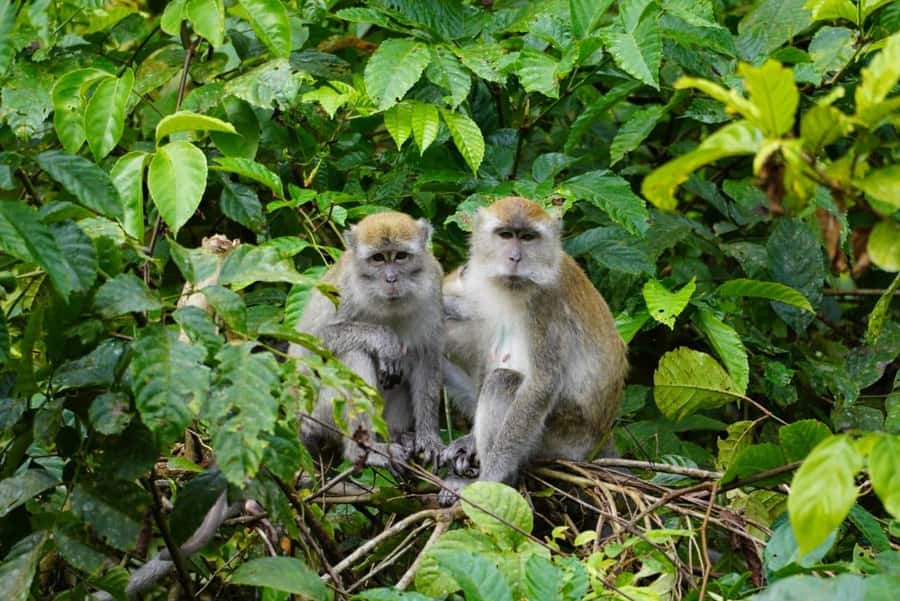
- Gunung Leuser National Park trekking with chances to spot orangutans and other wildlife close to their natural habitat
- HPI-certified English guidance from a lead guide plus an assistant for more eyes on the forest
- Overnight campsite near a river or waterfall for real jungle atmosphere (with mosquito net included)
- Deep-forest hiking for birds such as great argus and rhinoceros hornbill
- Bohorok River tubing back to Bukit Lawang using oversize rubber rings
- Meals that keep you moving: snacks, fresh fruit breaks, coffee/tea, breakfast, lunch (2x), dinner
Why this Gunung Leuser orangutan trek feels different than a quick outing
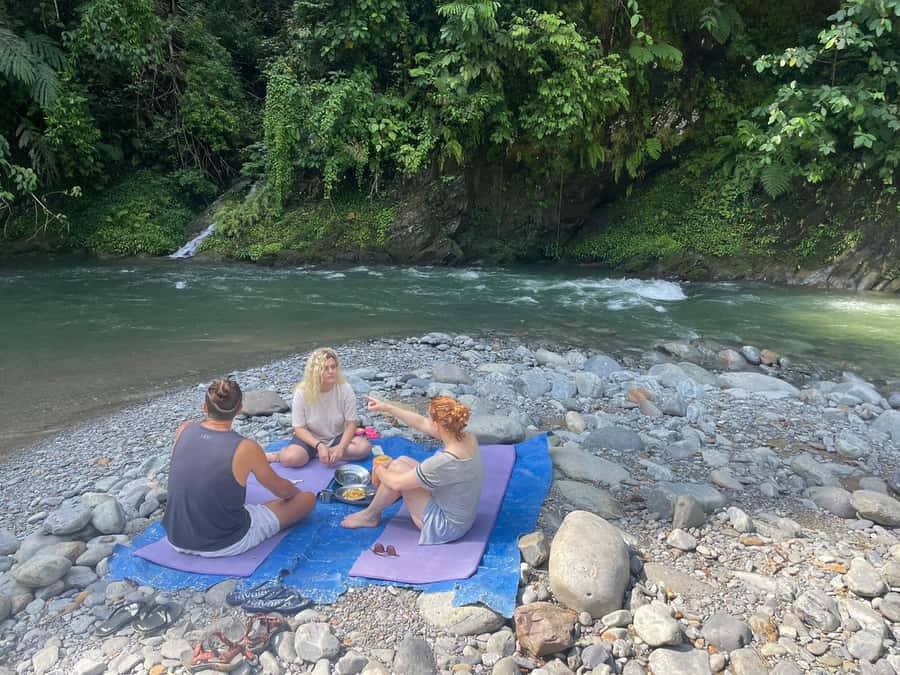
If you’re coming to North Sumatra for wildlife, you want two things: time and good local guidance. This trek is set up for both. You don’t just walk the edges. You go deeper into Gunung Leuser National Park, which is where you get real chances to see orangutans and other animals in the places they actually use.
The tour also mixes intense forest time with a calmer finish. After hiking and searching for wildlife, you tube down the Bohorok River back toward Bukit Lawang. That shift matters. Your legs get a workout, and your brain gets a break.
One more thing I like: the experience is described as eco-friendly, and it’s run through certified guides with all the usual park entry permits taken care of. That reduces the hassle for you and increases the odds that you’re moving through the right places in the right way.
You can also read our reviews of more tours and experiences in Bukit Lawang.
Your guides: English support plus real jungle teamwork
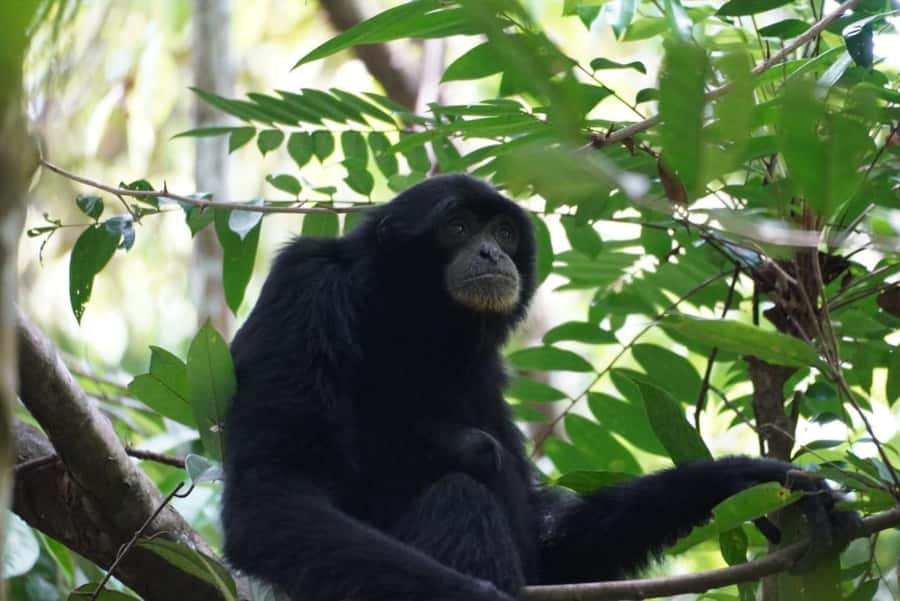
A jungle trek lives or dies by the guide. Here, you get a certified guide and a certified assistant through HPI (Indonesian Tourist Guide Association). That matters because one person can track what they see, while another helps with group flow, timing, and safety.
The guides are also consistently described as patient and accommodating. In particular, I’ve seen good notes about Marwan and Imam being especially understanding when someone in the group was worried about the amount of walking. That gives you confidence if your group includes different fitness levels.
Other guide names that stood out in the feedback include Masri, Putra, and Anti. The theme is the same: energy, humor, and clear explanations of what you’re looking at. On a trek like this, you’re not only waiting for wildlife. You’re also trying to understand how the forest works—what birds do, why certain areas are worth checking, and how animals use the habitat.
Tip for you: if you care about seeing specific animals, ask your guide early about where they plan to focus that day and what the best time window is for wildlife spotting. With a strong guide team, that kind of question gets you more than a generic answer.
Into the forest: what the first trekking day is really like
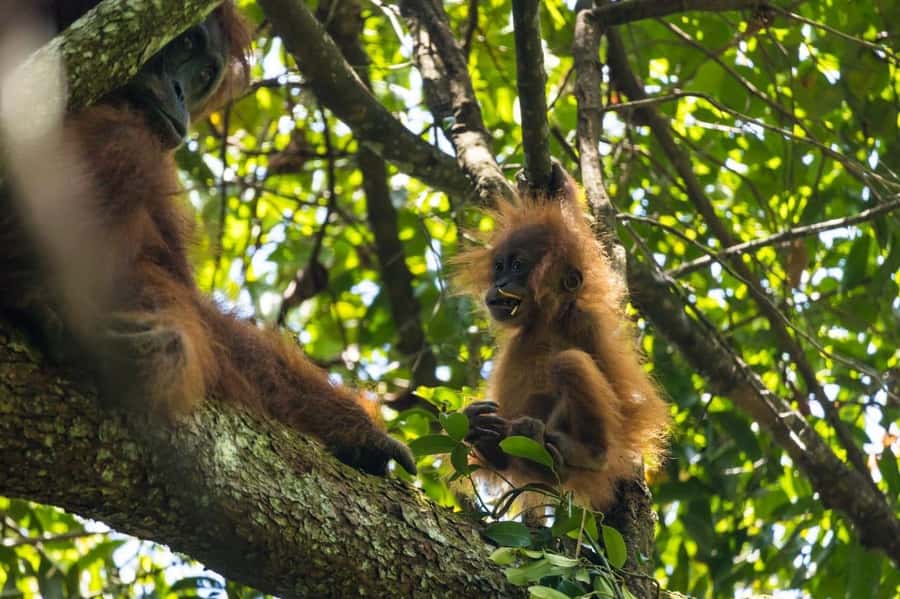
The first part of the experience is all about getting moving and getting into the right rhythm. You start with a short introduction meeting with your guide one day before the trek begins. If you’re staying in Bukit Lawang, you can meet in front of your accommodation, or you’ll gather at the main meeting point depending on your preference.
Then you head into the park. The goal isn’t to rush from point to point. It’s to search the forest at a pace that lets you actually notice movement—birds calling overhead, insects along the understory, and the bigger shapes that only show themselves when you’re alert.
You should expect the hike to be active but flexible. One of the better signs in the feedback is that the tempo can be adapted to each person. That’s exactly what you want in jungle terrain: a guide who can manage group pacing, breaks, and energy so no one feels stuck dragging behind or sprinting ahead.
What makes this phase valuable: you’re building “forest awareness.” The longer you walk with a guide who knows what to scan for, the more you’ll pick up without needing a second guidebook. Even if orangutans aren’t in view constantly, the experience stays engaging because the forest itself is full of clues.
Camping near water: sleeping conditions you can actually plan for
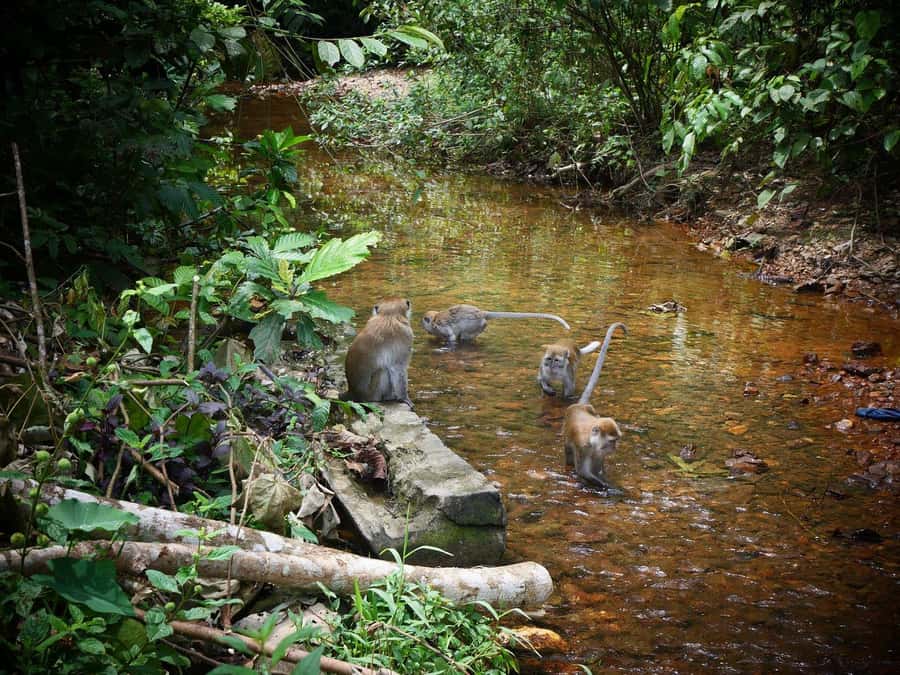
A lot of jungle trips fail on the sleep setup. This one includes camping equipment, including a tent, mattress, blanket, and mosquito net. That means you’re not left trying to improvise in the dark with nothing but your backpack.
The campsite is positioned near a river or waterfall. That’s a big deal for atmosphere and comfort. Water nearby often means cooler air at night and a constant sound backdrop that can make it easier to relax. It also creates a natural reason for wildlife activity nearby, since animals move through water corridors.
Still, be realistic: this is camping in the jungle, not a lodge. Expect a more basic setup than a hotel bed. One review described the sleeping conditions as decent for jungle conditions, and that matches the reality of the included gear: the tour gives you the basics, and you provide your personal comfort items.
What I recommend you bring (since the tour doesn’t include these): extra clothes. The tour also doesn’t include mosquito repellent. Even with a mosquito net, repellent is a smart layer for your own peace of mind, especially if you’re sensitive to bites.
Second day and the bird-spotting push in deeper rainforest
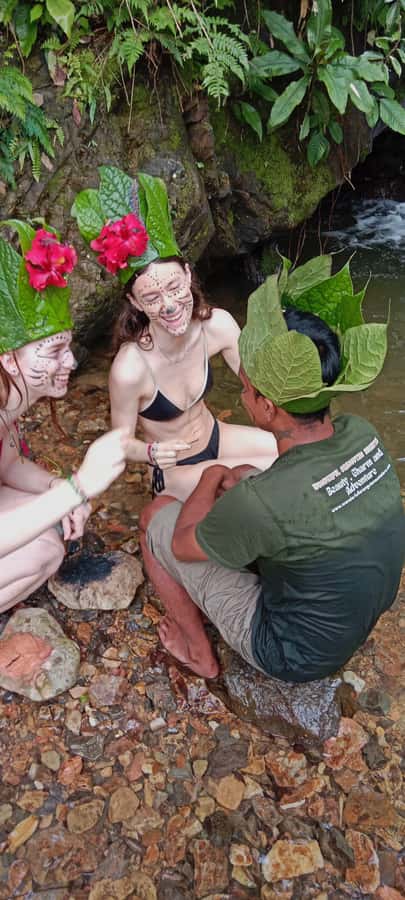
On the later portion of the trek, you hike even deeper into the forest. The reason this matters is simple: deeper rainforest can change what you hear and see. One of the most specific promises here is more bird chances, including species like great argus and rhinoceros hornbill.
You’re still searching, but the strategy shifts toward patience and listening as much as spotting. Bird calls often come first, and a guide who knows the difference between common sounds and meaningful ones can turn a quiet hour into a “stop and watch” moment.
This is also where a good English-speaking guide adds real value. When the guide explains what you’re looking at and why the area matters, the trek stops feeling like walking for a single target animal and becomes a broader understanding of the habitat.
From a practical standpoint, deeper walking days mean you’ll want to manage your energy. Take the breaks your guide offers, drink water when prompted, and don’t treat every movement as a sprint. In the jungle, conserving effort helps you stay sharp, and sharp usually means better spotting.
Tubing the Bohorok River: the fun payoff after the hard work
After hiking, you finish with tubing the Bohorok River back to Bukit Lawang. Tubing is one of those travel moments that changes the tone instantly: you’re still outside, still surrounded by nature, but your body gets to recover.
The tour includes oversize rubber rings, plus a tubing/rafting captain, equipment, and porter support. That’s important because river activities work best when someone handles logistics and safety details. You’re not stuck figuring out gear while also trying to enjoy the ride.
What to expect mentally: this segment gives you time to settle. After hours of scanning treetops, you can relax and watch how the river corridor flows through the forest edge. It’s also a nice contrast if you’re the kind of traveler who likes seeing both active and calm parts in one itinerary.
One more practical note for you: wear clothes and gear that can get wet. The tour includes some essentials, but it doesn’t include extra clothes, so plan for laundry later or quick drying.
Food on the trail: snacks, fruits, and meals that keep you satisfied
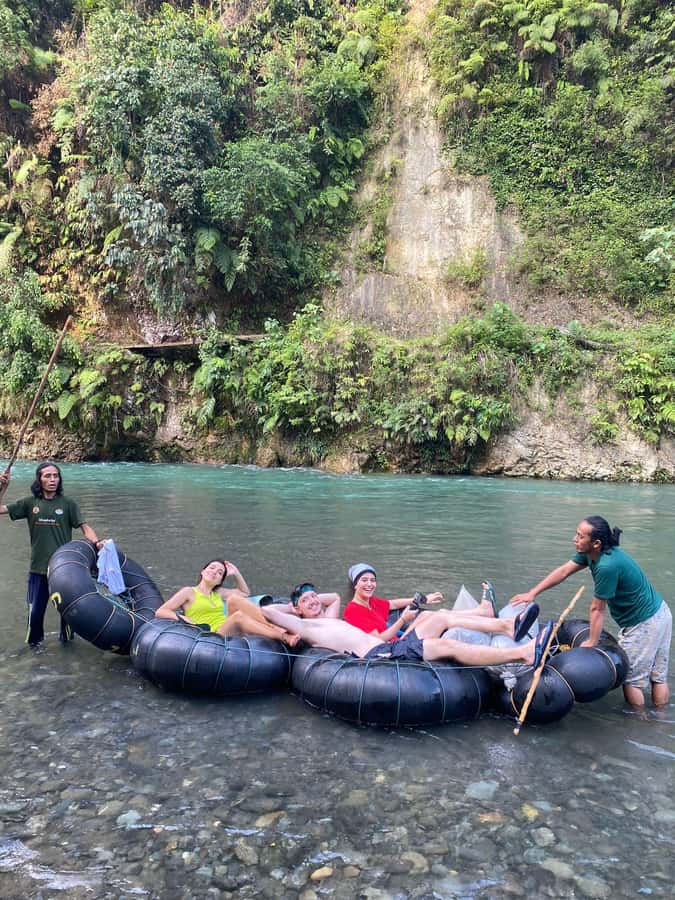
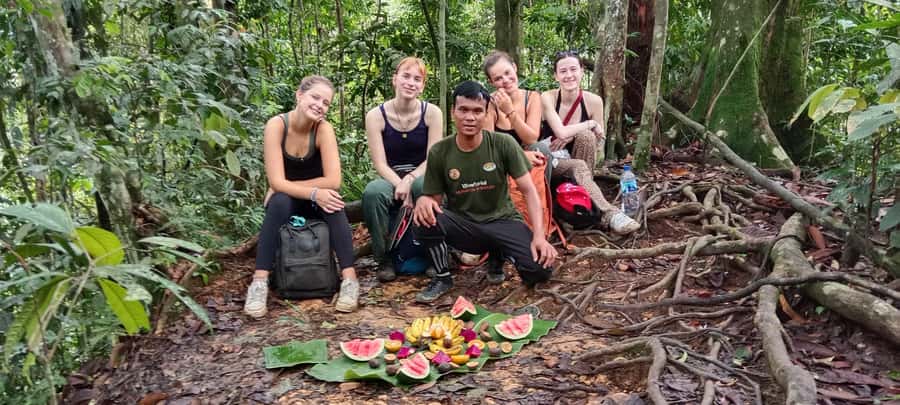
In jungle trekking, food isn’t just comfort. It’s energy for hiking, and it’s morale for long hours. This tour includes snacks and fruit break times, plus coffee and/or tea. You also get lunch twice, dinner, and breakfast.
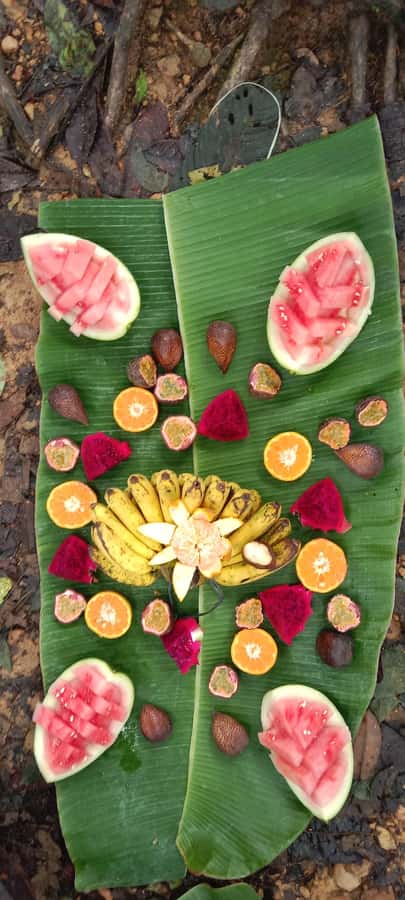
A key detail from the feedback: the food is described as delicious and vegetarian, with fresh fruit served during the trek. That’s a big quality signal, because jungle tours sometimes skimp on taste when planning meals. Here, the emphasis seems to be on keeping you fed without turning the day into a constant snack hunt.
You should also notice the structure of the included items. If the schedule includes breakfast and then repeated lunch/snack moments, you’re less likely to feel the classic trekking problem: skipping meals and then crashing halfway through the day.
If you have dietary restrictions beyond vegetarian needs, the tour data doesn’t list specifics. In that case, message the provider before you book so they can confirm what they can handle.
Price and value: what $77 covers and what you must plan to add
At $77 per person, this trek looks like good value because it bundles a lot of the expensive-looking items you’d otherwise have to source yourself.
Included value highlights:
- Certified guide and assistant (HPI)
- All entrance permits
- Camping equipment (tent, mattress, blanket, mosquito net)
- Meals across multiple parts of the experience: breakfast, lunch (2x), dinner, snacks, fruit breaks
- Coffee/tea
- Tubing equipment: oversize rubber rings, plus captain, equipment, and porter support
What you provide:
- Trekking/hiking shoes
- Extra clothes
- Mosquito repellent
So here’s the honest math: if you already own solid hiking shoes and you don’t mind bringing a couple of extra shirts/socks and repellent, the price starts looking like a straight-up package deal. If you have none of that gear, the total cost climbs fast, mostly because you’ll need to buy or rent shoes and then deal with the comfort hit of wearing the wrong footwear.
My advice: treat the excluded items as part of the budget, not an afterthought. Jungle terrain punishes bad shoes, and repellent can be the difference between a relaxing trip and a constant itch.
Who this trek fits best (and when you might choose differently)
This tour is a strong match for travelers who want more than a drive-by wildlife moment. If you like guided searching, you enjoy learning from local experts, and you’re comfortable with camping, you’ll likely feel at home.
It’s also a good choice for mixed groups because the trekking tempo can be adjusted. That matters if your travel partner is nervous about walking volume. The guiding team is reported to be patient and accommodating, which usually translates to more group harmony on rugged terrain.
You might rethink this trek if:
- You hate basic sleeping conditions in the jungle (even with the included gear)
- You want a very low-effort walking experience
- You don’t want to plan for shoes and mosquito control, since those are not included
Quick practical tips so you enjoy the whole experience
A few simple things will help you get the most out of this jungle trek:
- Bring proper trekking shoes. This is the biggest quality-of-life factor you control.
- Pack extra clothes since the tour doesn’t include them, especially if you plan to tube in wet conditions.
- Bring mosquito repellent even though the trip provides a mosquito net; it adds a layer of comfort.
- Keep a flexible mindset about wildlife. You’re given many opportunities, but jungle animals move on their own schedule.
- If you care about bird spotting, ask your guide when to slow down and listen. The deeper forest bird chances tend to pay off for patient watchers.
Should you book Wonderful Orangutan Sumatera?
I’d book it if you want a real Sumatra jungle trek with certified local guidance, camping that includes the essentials, solid meal coverage, and a fun finish on the Bohorok River. At $77, the value is strongest when you already have hiking shoes and you’re okay with a more outdoorsy sleep setup.
I wouldn’t book it if you’re expecting hotel comfort or if you’d rather skip the planning around jungle gear like footwear and mosquito repellent. In other words: this is for people who like nature firsthand, not people who want a fully cushioned day.
If that sounds like you, Wonderful Orangutan Sumatera is the kind of trip that rewards attention—because the best moments here come from time, guides, and staying present in the forest.
FAQ
How long is the Wonderful Orangutan Sumatera jungle trekking tour?
The duration is listed as 6 hours to 3 days, depending on the option and starting times available.
Where does this activity take place?
It’s based in Riau, Indonesia, with trekking in Gunung Leuser National Park and tubing on the Bohorok River with the route back toward Bukit Lawang.
Are the guides English-speaking?
Yes. The tour provides a live tour guide who speaks English.
Are the guides certified?
Yes. The guide plus assistant are certified by HPI (Indonesian Tourist Guide Association).
What’s included in the camping setup?
Camping equipment is included, such as a tent, mattress, blanket, and mosquito net.
What food and drinks are included?
You get snacks, fruits break, coffee and/or tea, dinner, breakfast, and lunch twice (2x).
Do I need to bring mosquito repellent and trekking shoes?
Yes. Trekking/hiking shoes and mosquito repellent are not included, and extra clothes are also not included.
Is pickup included?
Pickup is included. You can meet at the meeting point, and the tour can also pick you up in Bukit Lawang in front of your accommodation. Private transport can also be arranged on demand with an English-speaking driver and A/C (extra charge), up to max 4 persons per car.