REVIEW · KATHMANDU
13-Day Private Trekking Experience in Everest Base Camp
Book on Viator →Operated by Alpwander_adventures (Treks & Expeditions) · Bookable on Viator
Everest Base Camp starts with a quiet village climb. This 13-day private trek strings together Sherpa villages, Tibetan Buddhist sights, and big-mountain moments like Kala Patthar. You also get a licensed guide and included domestic flights that remove a chunk of logistics stress.
I like how the route builds acclimatization into the pacing, not just hope and hard will. Two nights in Namche Bazaar plus a dedicated rest-and-hike day help you adjust before you push higher toward the glacier zones.
One drawback to plan for: comfort is basic on the trail, with no hot shower during the trek and limited electricity options.
In This Review
- Key highlights I think you’ll care about
- Everest Base Camp: What Makes This Trek Work
- Day 1 in Kathmandu: Arrival, Thamel energy, and altitude prep
- The Lukla flight and Phakding warm-up walk
- Namche Bazaar: the acclimatization hub with a view at the top
- Acclimatization day near Namche: Everest View Hotel and Sherpa villages
- Tengboche: forests, long hills, and the climb toward the monastery area
- Dingboche and the 4,900m practice hike
- Lobuche: cairn memorials, glacier-edge walking, and a big-picture feeling
- Gorak Shep and the Everest Base Camp push: the tough day
- Day 10 Kala Patthar at 5550m: sunrise view potential
- The return hike: Pheriche to Namche, then Namche Hill back to Lukla
- Day 13 fly Lukla to Kathmandu and reset with a hot shower
- Price and Logistics: what $1,350 really buys you
- Guides and support: what you should expect on the hard days
- Packing and comfort reality: cold nights, limited power, and hydration
- Who this trek suits best (and who should reconsider)
- Should you book this Everest Base Camp private trek?
- FAQ
- What is the duration of the Everest Base Camp private trek?
- Where does the tour start and does it include airport pickup?
- What is the price per person?
- Are permits and national park fees included?
- Is a guide included, and what type of guide is it?
- What accommodation is included in Kathmandu and during the trek?
- Are meals included on the trek?
- How far in advance can I cancel for a full refund?
Key highlights I think you’ll care about
- Lukla round-trip airfare included so the biggest travel variable is handled for you
- Real acclimatization rhythm with extra nights in Namche and Dingboche
- Tea house stays for 11 nights on a guided schedule
- Kala Patthar viewpoint time for sweeping sunrise or sunset options
- Guide + gear support including trekking poles and a sleeping bag
- Private trek for your group with airport pickup and drop-off in Kathmandu
Everest Base Camp: What Makes This Trek Work
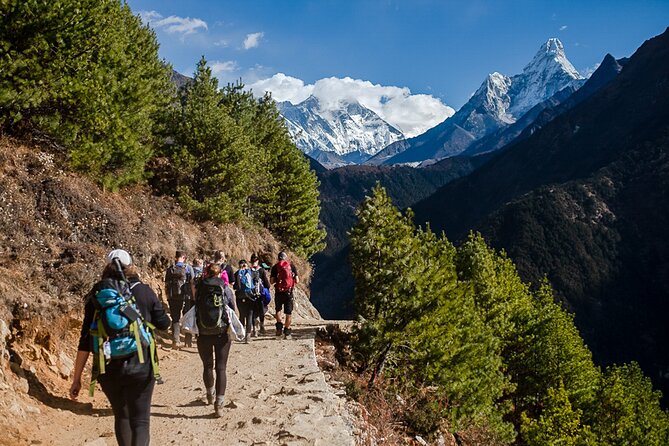
Everest Base Camp is the headline, but the real story is how you get there. This trek moves slowly enough to absorb the Khumbu region: prayer walls, monasteries, suspension bridges, and Sherpa towns that feel lived-in rather than staged.
What makes it click for most people is the balance between movement and pause. You’re not sprinting from altitude to altitude; you’re working with a gradual ascent, plus planned higher-hike days where you sleep lower.
And because you’re starting from Kathmandu with a proper handoff (airport pickup and a 3-star hotel night for acclimatization), you’re not just landing and instantly jumping into thin air.
You can also read our reviews of more tours and experiences in Kathmandu.
Day 1 in Kathmandu: Arrival, Thamel energy, and altitude prep
Day 1 is all about getting your bearings. You’ll be picked up from Kathmandu International Airport and transferred to a 3-star hotel in Kathmandu for an acclimatization night.
Then you have a city visit in Thamel, the lively area that most trekkers use as a base. Expect streets full of outdoor gear shops, cafes, and people in full-on trekking mode, which is oddly motivating when you’re staring at your first checklist.
I like that the plan doesn’t waste your first day with complicated tasks. You’ll do light sightseeing, rest, and get your body ready for the jump to Lukla the next day.
The Lukla flight and Phakding warm-up walk
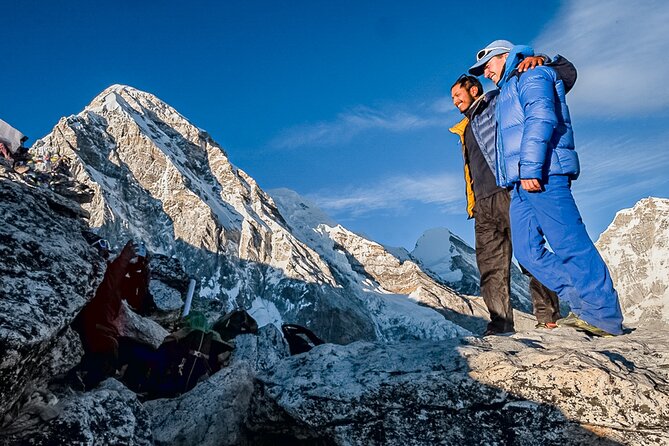
The trek formally starts after the exciting Lukla flight. You fly from Kathmandu to Lukla (2800m) with mountain views, then begin walking toward Phakding (2610m).
Day 2 is designed as a gentle on-ramp: about a 3-hour walk through villages and classic Everest-area features like colorful Tibetan Buddhist prayer walls and monasteries. You’ll also cross suspension bridges early, which helps you get used to the trail style before the steeper sections.
Phakding is a Sherpa village town vibe—small, comfortable, and made for settling in. After you check in at the lodge, you’ll spend the afternoon relaxing and starting your acclimatization mindset.
Practical tip: the plan pushes hydration hard. Aim for 4 to 5 liters of water a day throughout the trek. It sounds like a lot, but on high trails, staying ahead of dehydration is a simple way to help your performance.
Namche Bazaar: the acclimatization hub with a view at the top
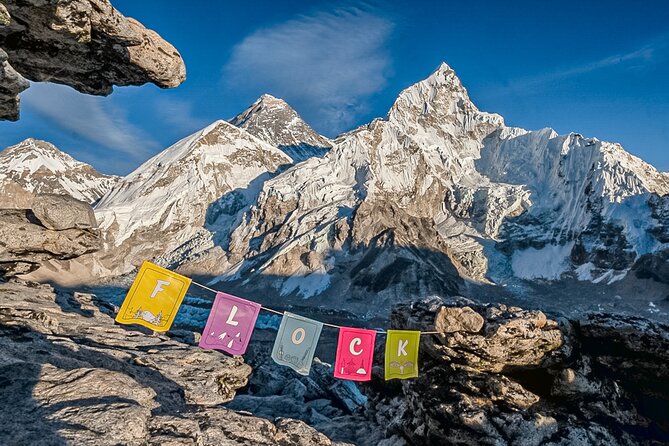
Getting from Lukla into Namche is a classic Khumbu staircase: mixed terrain, bridges, and a steady uphill rhythm. Along the way, you’ll pass through the entrance area for Sagarmatha National Park, and you’ll walk sections that dip and then rise again.
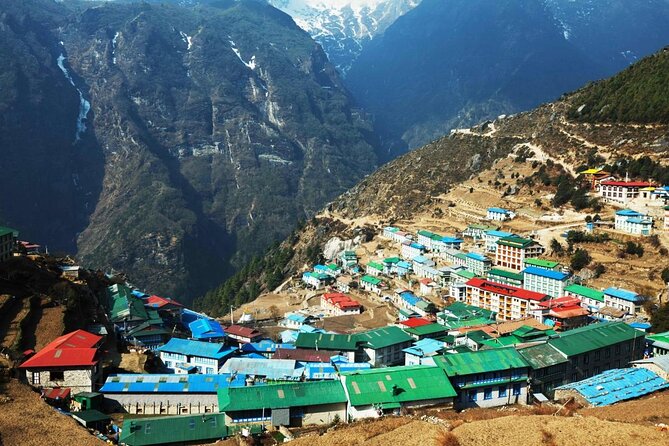
Namche Bazaar is where the region starts feeling like a hub. The plan gives you 2 nights here, which is one of the smartest things you can do before pushing higher.
You’ll trek via Toktok, Benkar, Monjo, and Jorsalle, including that long push called Namche Hill. This isn’t just cardio; it’s also your chance to notice how the villages change and how the trail communities work.
Acclimatization day near Namche: Everest View Hotel and Sherpa villages
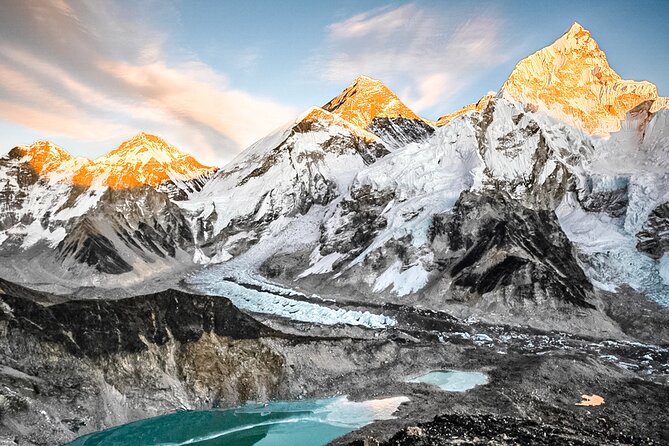
Day 4 is your “don’t rush it” day. You’ll rest, and then hike higher for a view while sleeping lower. The plan specifically mentions walking up toward Everest View Hotel for panoramic mountain scenery, plus visits to Khumjung and Khunde.
This is where the trek gets more than athletic. You’re spending time with Sherpa culture in a real way—visiting a Sherpa museum (on the route) and wandering around towns where trekking is part of daily life.
I also like that this day keeps you moving without pretending you’re training for a race. It’s an acclimatization day in the true sense: you’re practicing the altitude routine so Days 6–9 don’t feel like a shock.
Tengboche: forests, long hills, and the climb toward the monastery area
Tengboche is a major step in the Khumbu feel. The trail goes through rhododendrons and forested sections, then you descend and cross the Dudh Kosi River by suspension bridge.
One nice detail built into the plan: along the way, you’ll see a series of water-driven prayer wheels near Phungitenga. Those small moments matter because they break up the monotony of just hiking uphill.
Day 5 is longer than the first days—about 5 to 6 hours of hiking total and around 12km. You’ll have lunch along the way, then work up a long, gradual ascent to reach Tengboche (around 3870m).
This is also a good reminder: the higher you go, the more every hour matters. Even if you feel okay, keep your pacing conservative.
Dingboche and the 4,900m practice hike
Day 6 heads toward Dingboche via Pangboche and up the Imja Khola valley area. You’ll cross a suspension bridge near Pangboche, stop for lunch at Somare, then continue on until you arrive in Dingboche.
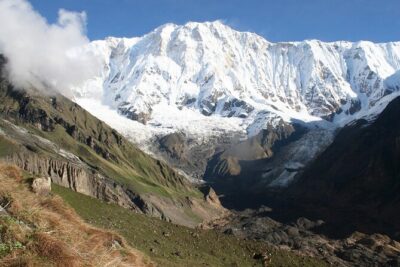
The views from this zone are part of the payoff: you get scenery that includes Amadablam, Island Peak, Lhotse, Tawache, and other surrounding peaks.
Then Day 7 gives you the second acclimatization night. You’ll aim to hike to around 4,900m, gaining about 500m, then return down for lunch and rest. That pattern—go up, sleep lower—is the altitude strategy your body can actually use.
There’s also an optional harder side hike mentioned: Nangkar Tshang (5616m). It sounds physically demanding, but if you’re the type who likes earning your views, it can be a satisfying challenge.
Lobuche: cairn memorials, glacier-edge walking, and a big-picture feeling
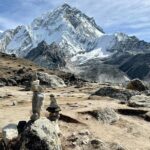
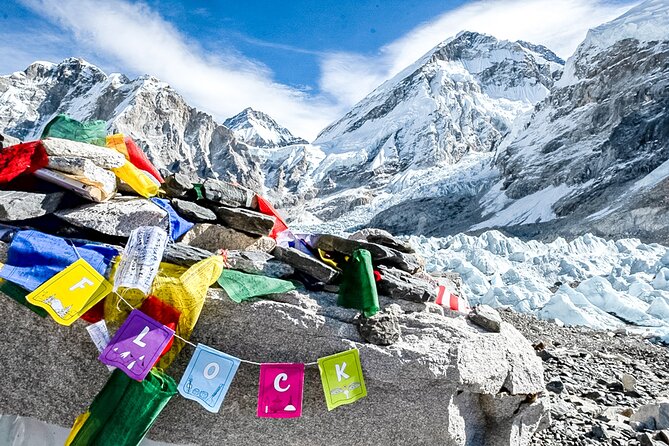
Day 8 moves you onward toward Lobuche. The route climbs from the ridge area above Dingboche, passes Chhorten-style structures and cairn memorials, and includes prayer flags in the memorial zone.
This is emotionally different from the earlier villages. Those cairns and stone heaps remind you that people have pushed through storms, not just for photos.
The hiking day totals around 5 to 6 hours. You’ll continue through the Khumbu Khola valley and reach Lobuche where your lodge becomes your home base for the next push.
Gorak Shep and the Everest Base Camp push: the tough day
Day 9 is one of the most challenging days for most people. After breakfast, you head on the glacier-side trail and do a steep climb to Changri glacier, then descend to Gorak Shep.
Gorak Shep is basically a staging area for the final act. The plan has you drop stuff, take a lunch break, then hike on to Everest Base Camp.
Then comes the choice that can make or break your energy plan: you can hike Kala Patthar for sunset instead of base camp, and do base camp the next day. The route specifically gives you that option because stamina at this stage can vary wildly.
Either choice still gets you dramatic mountain scenery. The key is matching the plan to your actual breathing and comfort, not to what you wish you had done.
Day 10 Kala Patthar at 5550m: sunrise view potential
Early on Day 10, you hike up to Kala Patthar (about 5550m). The plan says it’s about 400m ascend from the hotel area and can take up to around 2 hours.
From the viewpoint, you get a 360-degree panorama: Mount Everest, Nuptse, Lhotse, Khumbutse, Pumori, Lingtren, Amadablam, Thamserku, Lobuche peak, and others around you.
This is also where the trek earns its iconic reputation. The plan mentions unobstructed sunrise and sunset views, which is why Kala Patthar is such a big deal here: it’s not just Everest. It’s a whole high-altitude map.
After enjoying the viewpoint, you walk back down and continue toward Pheriche, passing through Lobuche and Thukla. You’re still hiking, but you’re trending downhill—altitude relief is real relief.
The return hike: Pheriche to Namche, then Namche Hill back to Lukla
Day 11 brings you from Pheriche back to Namche Bazaar. It’s a long day—about 8 to 9 hours—and totals around 22km. The good news is you’re going lower, so you’ll usually move faster than on the way up.
The plan also bakes in a reward: when you hit Namche, you can enjoy normal-day comforts like the Namche Bakery and a cafe stop (Cafe Danfe is named) before you rest.
Day 12 repeats the long glide back toward Lukla. This can feel harder than it looks on paper because you’re tired after the higher days. It’s about 7 to 8 hours, around 21km, and includes the long downhill Namche Hill section and the final uphill into Lukla.
You sleep again in Lukla, readying for the flight home.
Day 13 fly Lukla to Kathmandu and reset with a hot shower
On Day 13 you fly back to Kathmandu from Lukla around 8:30am. The flight is short, about 35 minutes, and the trek ends with a clean reset in Kathmandu.
You’ll get back to your hostel, take a hot shower (finally, since hot showers aren’t included during the trek), do laundry, and eat well. The plan also includes time for last-hour shopping in Kathmandu.
This last day matters because it closes the experience properly. You don’t just drop out of the mountains and immediately move on.
Price and Logistics: what $1,350 really buys you
At $1,350 per person, this is not a budget trek. The value comes from what’s actually included.
Your price covers:
- Domestic return flights Kathmandu–Lukla–Kathmandu, including airport pickup and dropoff
- A licensed trekking/expedition guide and a first aid kit
- 2 nights in Kathmandu (3-star hotel with breakfast)
- 11 nights tea house accommodation
- Guided trek coverage for 12 days
- Meals during the trek: breakfast, lunch, dinner at tea house lodges
- Trekking poles, a sleeping bag, and a trekking t-shirt
- National park permits and government taxes
What’s not included is also important:
- Bottled water and alcohol
- Charging and wifi during the trek
- Hot shower during the trek
If you’re budgeting separately, those missing items can add up. But the big-ticket costs—Lukla flights, guide, permits, and most meals—are already handled, which makes the plan easier to compare fairly against cheaper-looking offers.
Guides and support: what you should expect on the hard days
This trip is guided by a government license holder. That matters because high altitude isn’t just about views; it’s about pacing, timing, and knowing when to push and when to hold back.
In the wider operator history you provided, trekkers repeatedly praised specific guides for patience and for answering questions clearly before the trek. Names that came up include Kumar and Dorchi Sherpa, with additional mentions of Dan and Arkita for strong communication and responsiveness.
Even without knowing who you’ll be assigned, the pattern is consistent: you’re not meant to show up and figure it out alone. You’ll also have a trekking setup in place via included poles and a sleeping bag.
Packing and comfort reality: cold nights, limited power, and hydration
No hot shower during the trek is the main comfort tradeoff. Expect cold lodge nights and basic facilities. Charging and wifi are not included on the trail, so plan to treat your phone battery like it’s precious.
Hydration is a big theme in the plan, with a specific recommendation of 4 to 5 liters of water a day. That’s a lot, but if you follow it and move slowly, it can help you stay steadier on the higher sections.
Also, start thinking about the “long day” pattern:
- Early days are shorter, but still involve bridges and steady grades.
- Middle days are about acclimatization.
- Days 9 and 11–12 are long and physically tiring.
If you walk like you’re always in a hurry, the altitude will punish you.
Who this trek suits best (and who should reconsider)
This is a good fit if you have moderate physical fitness and you like structured days with clear pacing. The private format also suits you if you want your own group dynamic, without sharing your schedule with a larger crowd.
You’ll especially enjoy it if you care about:
- Sherpa villages and Tibetan Buddhist sights (not just peak chasing)
- Acclimatization with purpose (not guesswork)
- A realistic chance at Everest Base Camp plus Kala Patthar
You might want to think twice if you hate cold lodge sleeping, basic bathrooms, or long travel days. The trek is demanding, and the comfort level is intentionally simple.
Should you book this Everest Base Camp private trek?
If you want Everest Base Camp with fewer moving parts, this is the kind of setup that makes sense. I’d book it if you value included Lukla flights, guided acclimatization, and the certainty that meals and tea house lodging are handled.
I’d hesitate if you need frequent hot showers, reliable charging, or ultra-light comfort on the trail. This trek trades convenience for authenticity—and that’s usually worth it once you’re standing at Kala Patthar looking at the Everest panorama.
If you’re flexible, patient, and ready for cold nights, this route is a strong match for a first-time Everest trek.
FAQ
What is the duration of the Everest Base Camp private trek?
The trek runs for about 13 days.
Where does the tour start and does it include airport pickup?
It starts in Kathmandu. The package includes pickup from Kathmandu International Airport and drop-off, both on arrival and departure.
What is the price per person?
The price is $1,350.00 per person.
Are permits and national park fees included?
Yes. Government taxes and national park permits fees are included.
Is a guide included, and what type of guide is it?
Yes. You’ll have a government license holder trekking/expedition guide.
What accommodation is included in Kathmandu and during the trek?
You get 2 nights in Kathmandu in a 3-star hotel with breakfast, and 11 nights in tea house accommodation during the trek.
Are meals included on the trek?
Yes. Breakfast, lunch, and dinner are included during the trek at the tea house lodges.
How far in advance can I cancel for a full refund?
You can cancel up to 6 days in advance for a full refund (you must cancel at least 6 full days before the start time).