REVIEW · HANOI
From Hanoi: 2 Days Luxury Sapa Trek & Fansipan Peak with Dcar
Book on Viator →Operated by SST TRAVEL · Bookable on Viator
Sapa starts early, but it stays easy. This 2-day trek mixes ethnic village culture with valley walking, and it runs on a planned Hanoi–Sapa–Hanoi schedule by Dcar limousine. You’ll get a real sense of the Muong Hoa Valley from the trail, not just a bus stop and a photo.
I like the mix of comfort and structure: air-conditioned transport, an English-speaking guide, bottled water, and meals built into the plan. I also like the included hotel option in Sapa (3-star or 5-star), because it saves you from piecing together overnight arrangements on your own.
One consideration: the Fansipan cable car is not included, and Sapa weather can be moody, which can affect how much you see from peak viewpoints. This is also a moderate trekking experience, so bring shoes that handle uneven ground.
In This Review
- Key highlights to know before you go
- Hanoi to Sapa Without Stress: The Dcar Limousine Start
- Day 1 in Sapa: Cat Cat Village, Valley Views, and a Gentle Landing
- Cat Cat Village Culture: Stilt Houses, Weaving, and Everyday Work
- Day 2: Ham Rong Dragon’s Jaw or Fansipan by Train and Cable Car
- Lao Chai and Ta Van: Rice Terraces and Different Ethnic Influences
- What Makes It Feel Luxury-Like: Hotel Choice, Meals, and Pace
- Price and Value: How $110 Adds Up (and When It Doesn’t)
- Transport, Guides, and the Punctuality Factor
- Weather, Packing, and Trek Tips That Actually Matter
- Who This Trek Is Best For (and Who Might Skip It)
- Should You Book This 2-Day Sapa Trek with Dcar?
- FAQ
- Where is the meeting point in Hanoi?
- What time does the tour start?
- How long is the experience?
- How physically demanding is the trek?
- What’s included in the price?
- Is Fansipan included in the tour price?
- Is there a cancellation window?
Key highlights to know before you go
- Hanoi Opera House pickup and easy round-trip by Dcar limousine so your first day doesn’t start with logistics homework
- Small group size (max 10) keeps the pace flexible and the guide’s attention focused
- Cat Cat Village downhill walk plus Cat Cat Waterfall for a strong first-day win
- Cultural stops with H’mong daily life: stilt houses, weaving, embroidering, and drying clothes
- Day 2 options for mountain time: Ham Rong Dragon’s Jaw trek or a train/cable car route to Fansipan (Fansipan cable car not included)
- Hotel + meals included (breakfast and 2 lunches), which helps the trip feel like a true package
Hanoi to Sapa Without Stress: The Dcar Limousine Start
The best part of a Sapa trip is often the first 5 minutes after pickup. Here, you start at the Hanoi Opera House area around 6:30am, either with hotel pickup or by meeting at the designated point. The drive is long enough that you’ll want it to be comfortable, and this one is handled with an air-conditioned vehicle and a round-trip Dcar limousine.
You’ll reach Sapa Town around 1:00pm, which is a key detail. It means you’re not arriving at dusk and forced into rushed check-in and a short stroll. Instead, you get lunch, check into your hotel (3-star, with 5-star available as an option), and still have time for an organized afternoon trek.
I also appreciate the practical rhythm of the schedule: early departure from Hanoi, then a full day on the ground in Sapa rather than hopping between activities like a conveyor belt. If you’re the type who likes to get your bearings fast, this setup helps.
You can also read our reviews of more tours and experiences in Hanoi.


Day 1 in Sapa: Cat Cat Village, Valley Views, and a Gentle Landing
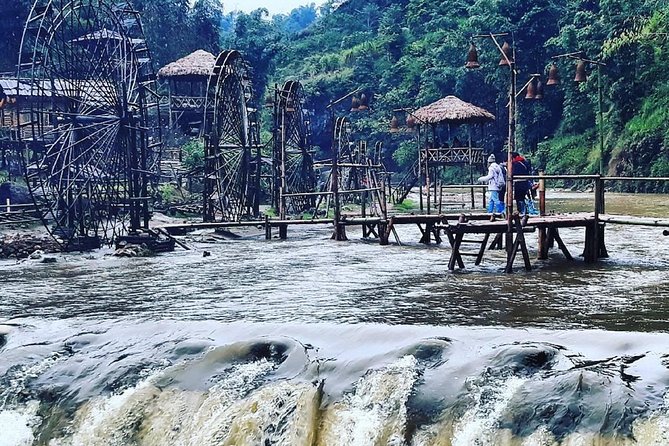
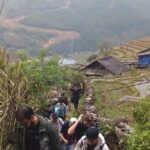
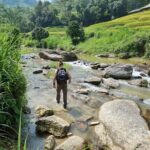
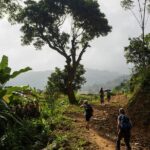
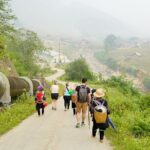
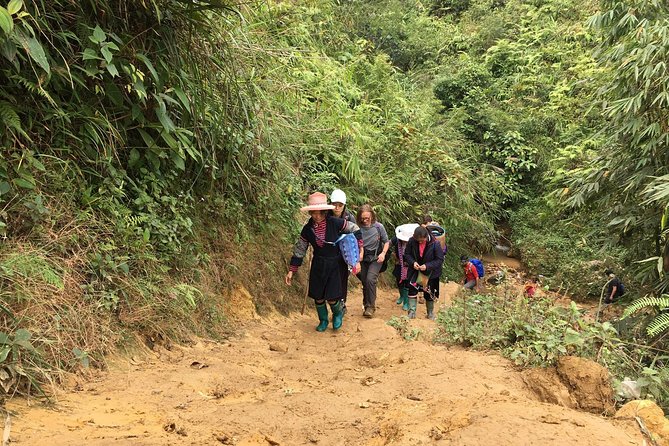
Day 1 is built around the classic Sapa feeling: mountain air, terraces and villages in view, and walking that’s manageable without feeling like a sightseeing stroll. After arriving and checking in, you’ll head out at around 2:30pm for a trek downhill toward Cat Cat Village at the bottom of the Muong Hoa Valley.
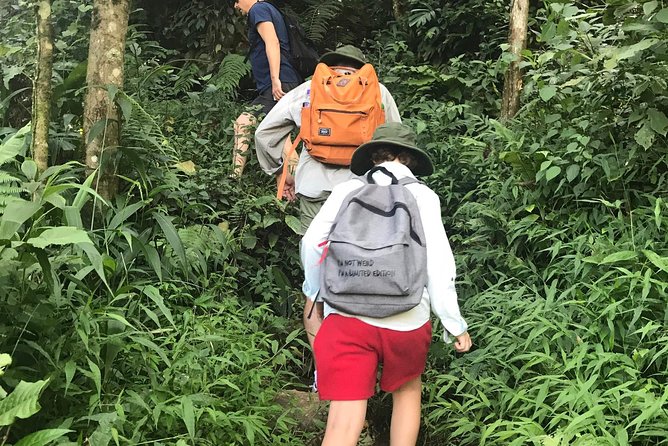
This “downhill first” approach matters for most people. Going downhill can be easier mentally because you’re not fighting the steepest climbs right away. Your legs will still feel the walk, but you’ll likely enjoy the trail more because the views are constantly opening up as you move through the valley.
You’ll return to the hotel around 5:00pm and have time to rest before dinner on your own. That evening buffer is not a small detail—after a long drive, it’s the difference between enjoying the town and feeling like you’re just waiting for sleep.
Cat Cat Village Culture: Stilt Houses, Weaving, and Everyday Work
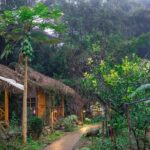
Cat Cat is more than a pretty waterfall stop. The experience is designed to put you close to daily life and traditional work in the village. When you arrive, you’ll have a chance to visit Black H’mong stilt houses, which are part of the community’s long-standing adaptation to local conditions.
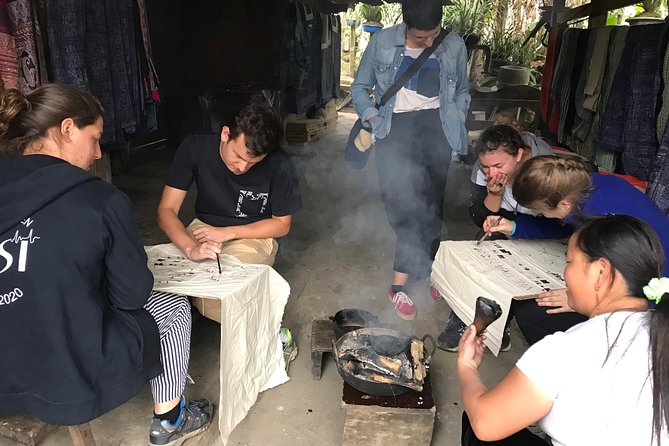
You’ll also see people weaving, embroidering, and drying their clothes. These aren’t just stage props for tourists; they’re practical tasks tied to how families maintain clothing and textiles. If you’ve ever wondered how cultural heritage lives in real routines (not only in performances), this is the kind of stop that answers the question.
After that, you keep walking to the Cat Cat Waterfall. The key here is timing and pacing: you’re not stuck there for hours, and you’re not sprinting between photo spots. It feels like a walk that has a destination, not a checklist.
Potential drawback: because this is a cultural village stop, you should expect some moments that feel like they’re meant for human-scale curiosity rather than fast-paced sightseeing. Slow down, look, and be respectful with photos.
Day 2: Ham Rong Dragon’s Jaw or Fansipan by Train and Cable Car
Morning starts with breakfast, then check-out around 9:00am. From there, you face a fork in the road that affects how energetic your second day will feel.
Option one is the trekking route up Ham Rong (Dragon’s Jaw) Mountain. This is a great choice if you want more walking time and better chances to feel the mountain up close on foot. Even if you’re not chasing a summit, it tends to deliver that Sapa “view reward” feeling.
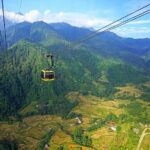
Option two is a route to Fansipan using train and cable car. The important detail: Fansipan cable car is not included, so you’ll need to budget for it separately if you go that way. The listing also notes Fansipan is not included, which lines up with the idea that the add-on is on you.
What I’d tell you to think about: Fansipan days are more weather-dependent. If clouds roll in, you might get limited visibility from the top, and the experience can shift from sweeping views to misty mountain walking. If you hate that kind of uncertainty, Ham Rong can feel safer because you’re moving through viewpoints closer to town.
Lao Chai and Ta Van: Rice Terraces and Different Ethnic Influences
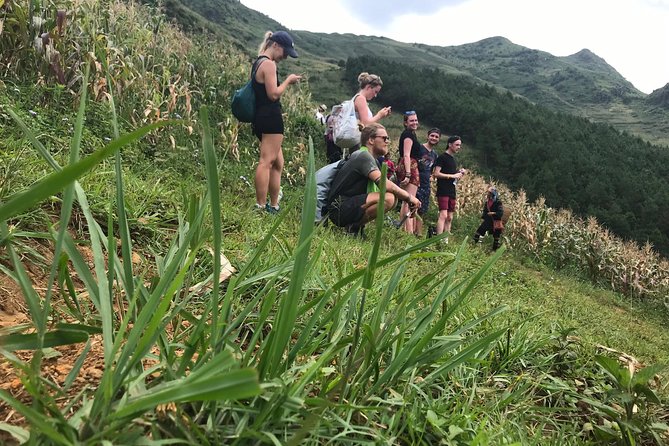
The heart of Sapa isn’t only the mountains—it’s the human geography too. This itinerary is designed to keep you moving through the valley’s village belt, including Lao Chai and Ta Van.
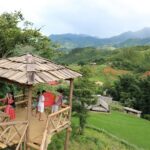
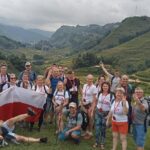
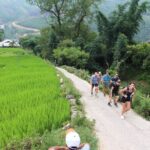
As you continue through the walking route, you’ll pass by rice terraces that make Sapa famous. The terraces can look dramatic in changing light, and the walking routes often make you feel like you’re learning the valley’s logic step by step: where families farm, where paths connect villages, and how the terrain shapes daily routines.
At Lao Chai, you’ll get a chance to experience Black H’mong daily life and traditional culture. That means more than one photo stop. You’re there to see how people live alongside the landscape (including farming and household rhythms) and to connect what you saw in Cat Cat with the broader village network.
Then you move to Ta Van, home to the Tay minority, where you’ll notice a strong influence from Chinese culture. That detail matters because it reminds you that this region isn’t one single “tribal” story. It’s a set of communities with different connections and traditions.


What Makes It Feel Luxury-Like: Hotel Choice, Meals, and Pace
For $110, the value is in the “glue” that holds the trip together. You’re not just buying trekking—you’re buying a schedule, transportation, food, and a place to sleep.
Here’s what’s included:
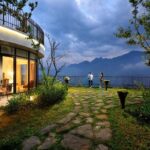
- Hotel accommodation in Sapa, with 3-star or 5-star options
- Breakfast and 2 lunches
- Air-conditioned vehicle and round-trip Dcar limousine
- English-speaking guide, plus entrance fee and bottled water
That meal and lodging structure makes a big difference on a short trip. When you’re only in Sapa for two days, eating and sleeping can quickly become the part that ruins the experience if you have to arrange it yourself. This plan solves that.
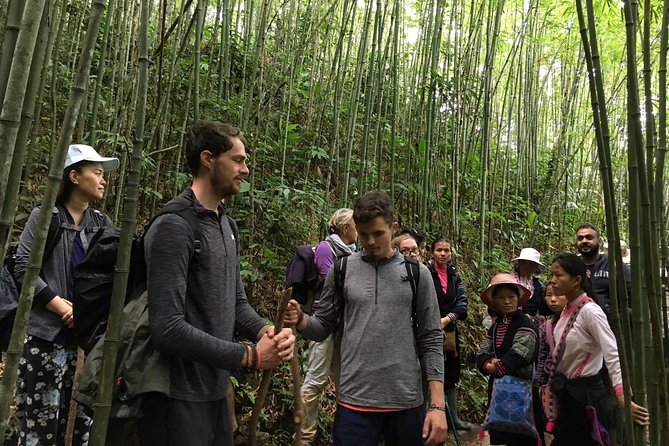
Group size also helps. With a maximum of 10 travelers, you’re less likely to feel like you’re in a herd. The guide can adjust stops and pace when the trail feels different than expected.
Optional upgrade note: there are single surcharges listed for 3-star and 5-star hotels. If you’re traveling solo, that impacts your real per-person cost, so check your final total before you lock it in.
Price and Value: How $110 Adds Up (and When It Doesn’t)
At $110 per person, this is priced as a mid-level package for Sapa. The math mostly works because several real costs are baked in: round-trip Dcar transport, hotel, and meals.
Where the value can shrink:
- If you want Fansipan, you’ll likely pay extra for the cable car (not included).
- If you travel on a holiday, there’s a holiday surcharge.
- If you need a single hotel room, there’s a listed surcharge for both 3-star and 5-star options.
Where the value is strong:
- You don’t spend time figuring out the Sapa leg from Hanoi.
- You get an organized day 1 with Cat Cat and a full day 2 that covers village culture.
- You keep the trip within a tight window without losing hours to coordination.
If you want a short Sapa taste with structure, this package tends to be a good fit. If you want a flexible, self-guided route with zero extra fees, you might feel boxed in by add-ons like Fansipan.
Transport, Guides, and the Punctuality Factor
In Vietnam, delays are common. What you want is a plan that reduces them. The service here is built around pickup and timing: a morning start from Hanoi, arrival in Sapa at 1:00pm, and a clear afternoon trek.
The guide component is also a practical advantage. You’re dealing with villages, trail directions, and cultural context. Having an English-speaking guide helps you understand what you’re seeing and reduces the “What am I supposed to do next?” anxiety.
Even small timing details matter. When drivers arrive before schedule and pick you up reliably, you arrive less stressed and ready to walk. That translates into a better day, even if you don’t notice it consciously.
Weather, Packing, and Trek Tips That Actually Matter
You’re dealing with a mountain climate, so plan like you might get mist or rain. The tour itself doesn’t promise perfect peak visibility, and people often find that clouds can hide Fansipan views.
Bring:
- Non-slip walking shoes for uneven paths (especially with any rain)
- A light rain layer just in case
- Warm layers for early morning and higher viewpoints
- A small daypack for water and essentials
Pacing tip: day 1 is downhill, but day 2 can include uphill movement (Ham Rong option). Start day 2 rested, and don’t treat the second day as if you’re just sightseeing from the road.
If you’re sensitive to weather uncertainty, choose your priorities for day 2 early. Decide whether you’re going for Fansipan views or for the walking and village experience first, then adapt if clouds roll in.
Who This Trek Is Best For (and Who Might Skip It)
This tour is a good match if:
- You want a short 2-day Sapa trip with a guided plan
- You prefer comfort and organization over DIY logistics
- You like cultural village visits as much as the walking
- You have moderate physical fitness and you can handle a trek with some uneven terrain
It might not be ideal if:
- You want a lot of free time to roam on your own schedule
- You strongly dislike weather uncertainty tied to mountain viewpoints
- You expect Fansipan to be fully included without extra cable car cost
Should You Book This 2-Day Sapa Trek with Dcar?
If your goal is a smooth Sapa intro with real villages—Cat Cat in the afternoon, then terraces and Tay/H’mong cultural stops on day 2—this is the kind of package that makes sense. The biggest reason to book is that it removes the hardest part for many people: getting to Sapa, sleeping there, and coordinating the daily flow without chaos.
I’d book if you:
- Like guided cultural walking more than rushing between stops
- Want a hotel included so you can focus on the trail and town
- Are okay paying extra for Fansipan cable car if you choose that route
I’d hesitate if:
- You’re counting on Fansipan views to be guaranteed (they aren’t, and cable car is extra)
- You’re traveling solo and the single-room surcharge changes the math in a way you don’t like
FAQ
Where is the meeting point in Hanoi?
You meet at the Hanoi Opera House area at 1 Tràng Tiền, Phan Chu Trinh, Hoàn Kiếm, Hà Nội, Vietnam. The tour ends back at the same meeting point.
What time does the tour start?
The start time is 6:30am.
How long is the experience?
The duration is listed as about 2 days.
How physically demanding is the trek?
It’s designed for people with moderate physical fitness. You’ll do walking on uneven paths, including a downhill trek on day 1 and potentially more walking on day 2.
What’s included in the price?
Included are breakfast, lunches (2), an English-speaking guide, air-conditioned vehicle, bottled water, entrance fees, and round-trip Dcar limousine service Hanoi–Sapa–Hanoi. Hotel accommodation is also included with an option for 3-star or 5-star.
Is Fansipan included in the tour price?
Fansipan visit is not included. The cable car is also listed as not included, so you’ll need to pay extra if you choose the Fansipan route.
Is there a cancellation window?
Yes. Free cancellation is available up to 24 hours in advance for a full refund. If you cancel within 24 hours, the amount paid is not refunded.