REVIEW · CHIANG MAI
Chiang Mai Authentic Trekking
Book on GetYourGuide →Operated by Thai Eco Trek Adventures · Bookable on GetYourGuide
A jungle hike south of Chiang Mai with real people. You’ll start with a local market run, then trek up to Phalai Mountain with guide Pan, learning plants used for food and daily life along the way. I like that it feels designed for small groups and smaller impact, not a big sightseeing line.
Two standout parts for me: the Karen hill-tribe village stop (including a school visit) and the fact the route mixes rice fields, forest trails, and working farms instead of just one view. The one thing to think about up front is fitness: you’re looking at about 4–5 hours of trekking over 10–12 km of mountain terrain, with some steep, potentially slippery sections.
In This Review
- Key bits that make this Chiang Mai trek worth your time
- Where this trek fits in Chiang Mai (and why it feels different)
- The day’s rhythm: early pickup, market breakfast for lunch, then uphill work
- Khun Poi Village and the Karen Hill Tribe school stop
- The trek itself: rice fields, evergreen forest, and plant knowledge
- Footwear and slipping: where you can feel the terrain
- Phalai Mountain Peak: the view payoff and the climb sting
- Forest lunch: healthy food in the open air
- Through Hill Tribe farms: crops, coffee, and how farming shapes the trek
- Hidden waterfall refresh: swimming and cooling down
- Getting back to Chiang Mai by late afternoon
- Price and value: $57 for a small-group, full-day mountain experience
- What to pack (so you actually enjoy the hike)
- Who should book, and who should skip
- Tips to get the best day (without making it weird)
- Final verdict: should you book Chiang Mai Authentic Trekking?
- FAQ
- How long is the trekking portion?
- What time does the pickup happen?
- Is lunch included?
- Do I need to be a strong hiker?
- Will there be time to swim?
- Is the guide English-speaking?
- What’s the group size?
- Is there cancellation flexibility?
Key bits that make this Chiang Mai trek worth your time
- Small group size (max 8) keeps the experience personal and helps reduce crowding on the trails
- Market-to-mountain lunch: you buy food at a traditional market, then eat it later in the mountains
- Pan’s plant lessons: edible herbs and plants used for medicine show up during the hike
- Karen Hill Tribe culture at Khun Poi: agriculture, daily life, and a village school stop
- Forest lunch + Phalai Mountain views: the day is built around payoff, not just walking
- Waterfall refresh after trekking, with time to swim and take photos
Where this trek fits in Chiang Mai (and why it feels different)
Chiang Mai is packed with easy half-days and big, famous elephant-style attractions. This one goes the other direction. You’re heading south into the countryside, spending most of the day moving on mountain trails, and only then coming back to town. The vibe is simpler: less stage-managed tourism, more nature plus real community life.
The “authentic” part isn’t a marketing slogan here. The day is structured around places where people live and work—markets, rice-growing areas, hill-tribe farmland, and village paths that locals actually use. That means you’ll spend time slowing down and paying attention to how daily life connects to the land.
And yes, the sustainability angle matters. You’re supporting local businesses through the day’s stops and meals, and the format is small-group (8 people max), which typically means less pressure on a community and more room for respectful travel.
You can also read our reviews of more tours and experiences in Chiang Mai.
The day’s rhythm: early pickup, market breakfast for lunch, then uphill work
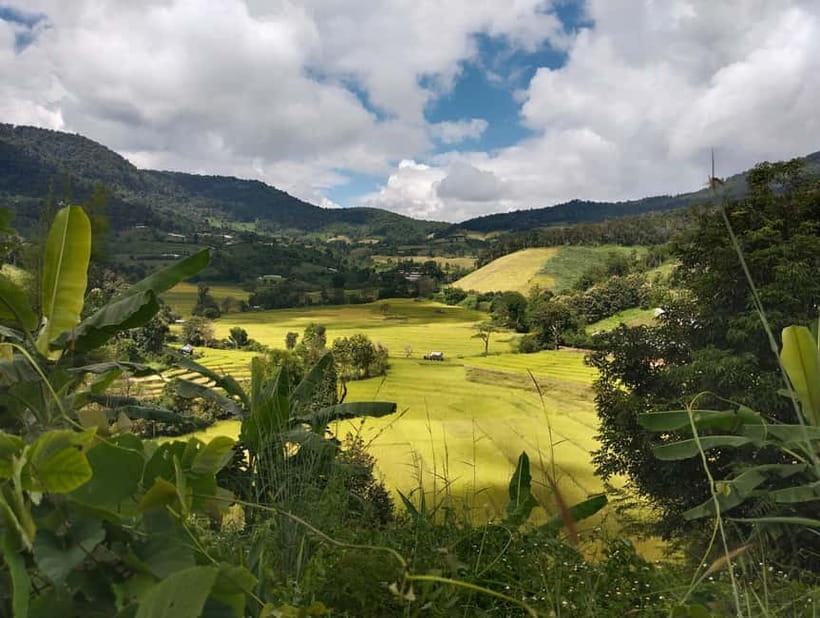
You start early. Pickup is scheduled for about 7:45–8:00 AM, and your van heads south with scenery passes before your first stop. This is one of those days where being on time helps—you’re buying food and water at the local market, and the walk later feels easier when you’re not rushing.
Next comes the traditional Thai market visit. Your guide will help you understand local ingredients and snacks, and you’ll use that market purchase for the lunch you’ll eat at higher elevation later. It’s a practical touch: you get to choose what you like, and you’re not stuck with an identical meal everyone receives.
Then you head toward a scenic viewpoint and continue onward to the Mae Wang area. You’ll get short walking breaks and photo pauses, but the main event is the trek that begins at Khun Poi Village (Karen Hill Tribe).
Khun Poi Village and the Karen Hill Tribe school stop
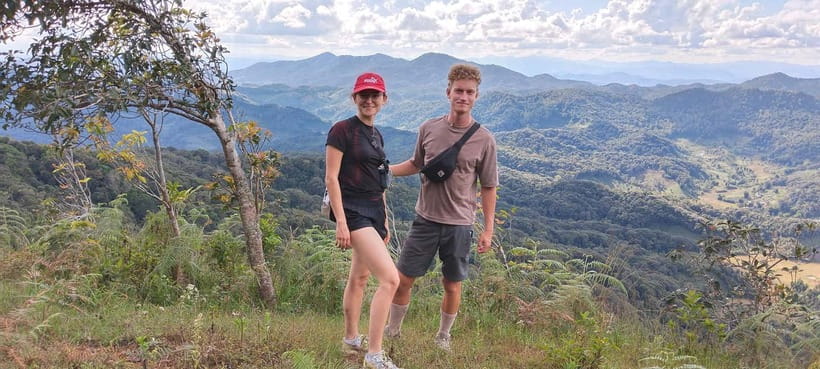
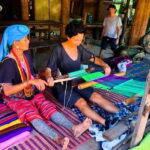
Khun Poi is a Karen hill-tribe community surrounded by mountains and farmland. The time there isn’t just a photo stop. You learn about agricultural life and local culture, and you get a warm, memorable moment from the village school visit.
This is where the day starts feeling more like a relationship than a route. A school visit changes the tone fast. Instead of treating the community like a scenery backdrop, you’re seeing how everyday rhythms look from inside the village. It also gives your trek meaning: you’re walking through land that supports real livelihoods.
One practical consideration: it’s a cultural stop, so you’ll want to stay respectful and follow your guide’s cues closely. If you’re the type who likes asking lots of personal questions, this is the part where timing and tone matter most.
The trek itself: rice fields, evergreen forest, and plant knowledge
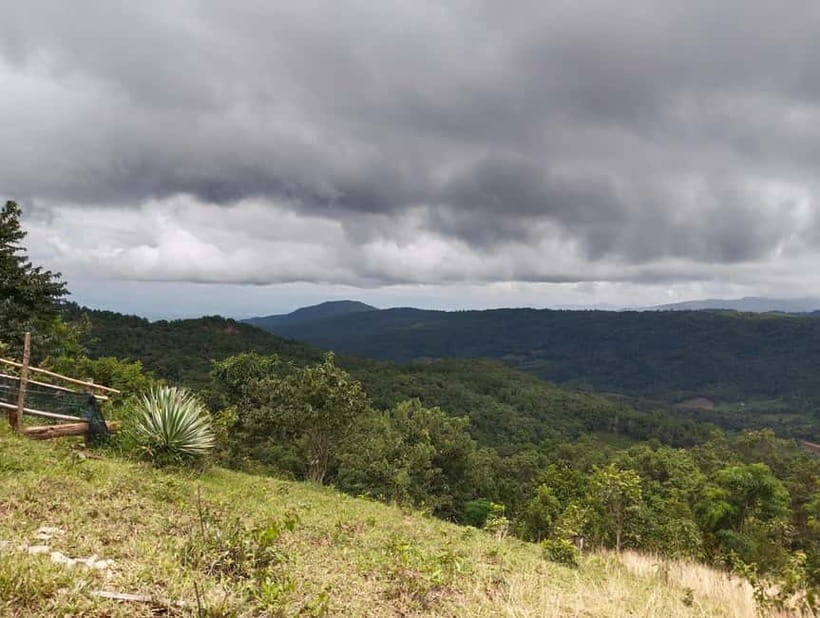
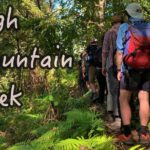
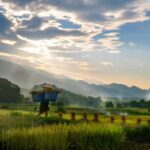
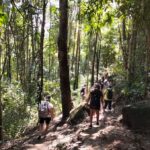
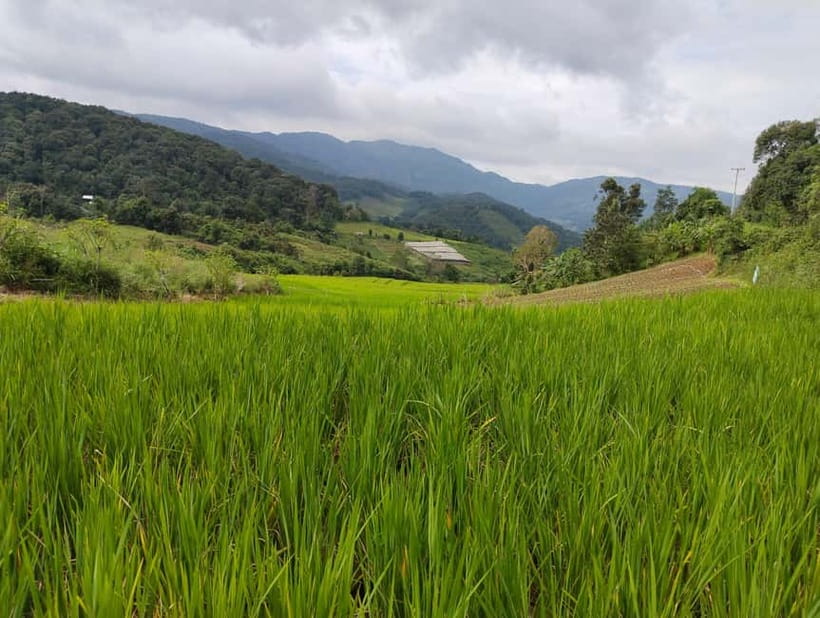
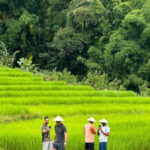
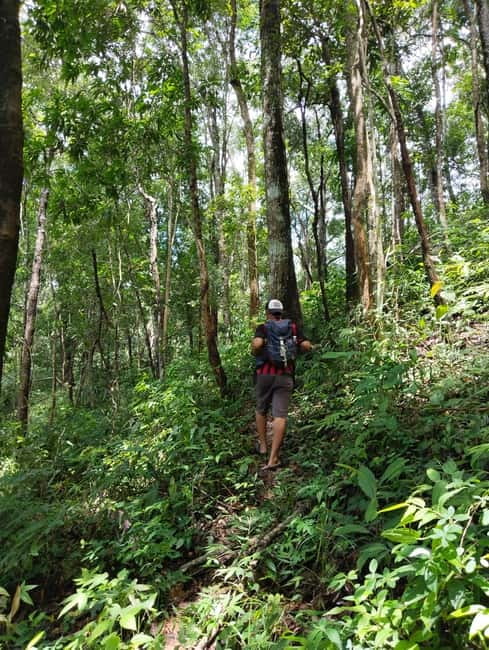
Once trekking begins, you move through a mix of environments: rice fields, evergreen forest, and natural trails. The distance is about 10–12 km, with roughly 4–5 hours of trekking total, and the difficulty is listed as medium. In plain terms: expect a workout day, not an easy stroll.
A big reason people rate this highly is the guide focus on what you’re walking past. Your guide (English-speaking, with a local assistant) shows plants used for food and medicine and explains how people use the surrounding vegetation in daily life.
In one account of the experience, the guide’s plant knowledge was a highlight, including tasting some plants and fruits. Even if tastings don’t happen in your exact group situation, the lesson approach is built in. You’ll spend less time “just walking” and more time understanding what you’re seeing.
Wildlife is often mentioned as possible on the route. You might spot animals like wild boar, gibbons, barking deer, and birds, depending on conditions and luck. I’d treat that as a bonus, not a promise—but the chance is real because the trek is on natural trails.
Footwear and slipping: where you can feel the terrain
Medium trek often means steep segments and uneven ground. Even if you’re fit, you may still feel it in your legs after an hour of uphill walking. Some sections can be slippery, especially in warmer seasons when the trail gets damp.
This is why comfortable shoes and hiking shoes matter. If you show up in thin sneakers, you’ll pay for it.
Phalai Mountain Peak: the view payoff and the climb sting
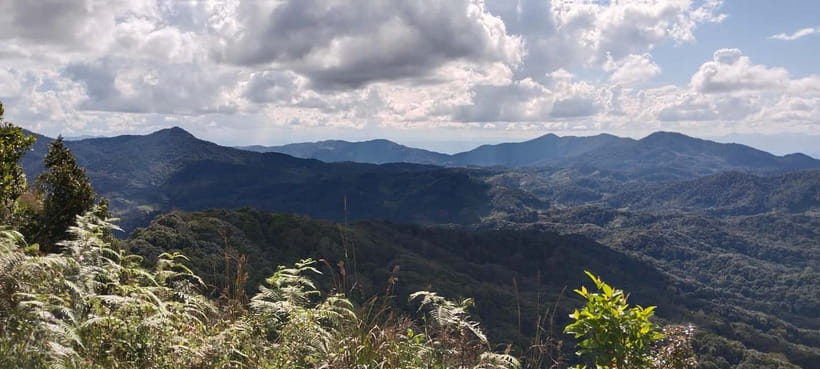
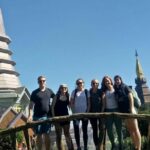
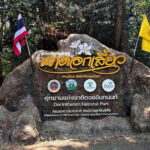
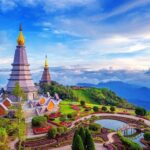
The highlight peak is Phalai Mountain, connected to the Doi Inthanon National Park area and located between Chom Thong and Mae Wang districts. This is where the trek earns its reputation. You climb, you work for it, then you reach the top and get panoramic views over valleys, villages, and surrounding mountains.
The day is designed so lunch connects to the effort. You’ll enjoy lunch after reaching high ground, using what you purchased at the market earlier. That makes the meal feel earned, and it’s also a practical logistics win—you’re not waiting around for food while everyone’s hungry.
The viewpoint is also when the “forest and valley” details come into focus. You can see the pattern of villages and farmland instead of just feeling like you moved uphill for no reason. It’s one of the best parts of the whole Chiang Mai countryside experience because it turns effort into orientation.
Forest lunch: healthy food in the open air
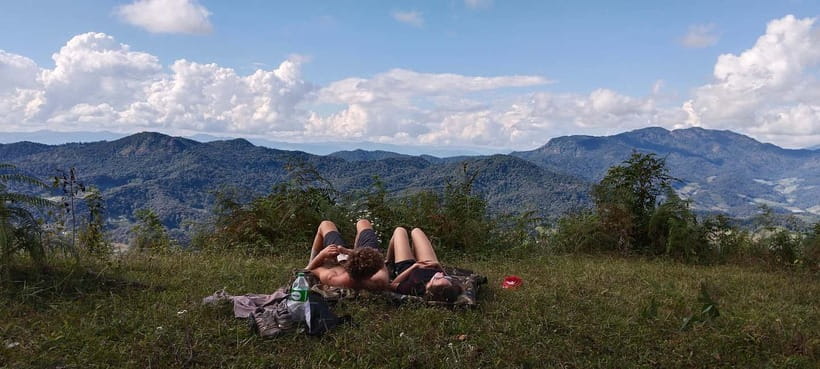
After the climb, you’ll eat in the forest setting, with fresh air and quieter surroundings. Lunch is included, and drinking water is included too, which matters because you don’t want to budget mid-trek in a remote area.
I like this setup because it’s not a generic lunch break. It’s timed around a high point so you can rest without losing the day’s rhythm. If you’re someone who gets cranky when hiking fatigue hits, this meal stop is your reset.
Through Hill Tribe farms: crops, coffee, and how farming shapes the trek
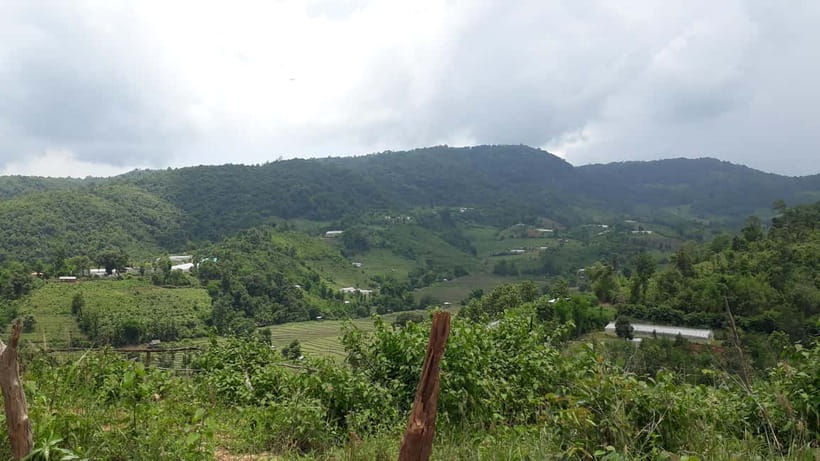
After lunch, you continue on a mountain path through hill-tribe farms. This is a slower, scenic section compared with the earlier uphill push, and it gives your legs a chance to recover.
Your guide will point out local crops you’ll pass, including coffee, passion fruit, cape gooseberry, tomatoes, zucchini, taro, and more. You learn the farming lifestyle and how the community lives in harmony with nature.
In real terms, this is where you stop seeing the day as only “nature.” You start seeing it as production—food systems, not just scenery. It also explains why the route feels like locals’ land, not a tourist trail with a few staged stops.
If you’re the type who loves food even on vacation (I am), this portion is a treat. The crops you see aren’t random—they connect to what you might have eaten at the market earlier.
Hidden waterfall refresh: swimming and cooling down
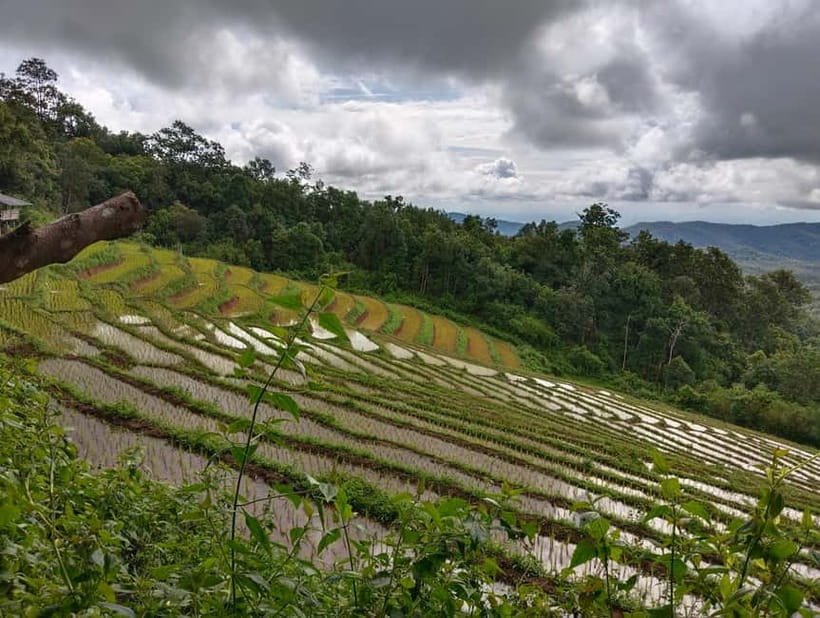
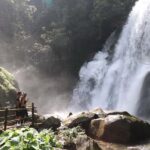
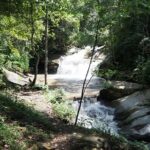
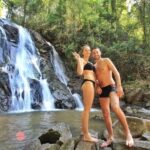
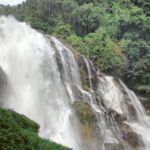
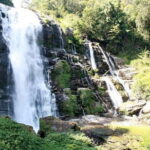
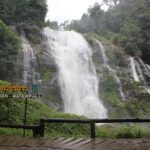
After trekking, you get to cool off at a secluded waterfall. You’ll have time to swim, relax, and take photos. This is one of those payoff moments after a hiking day because it cools your body quickly and makes the final stretch back to Chiang Mai less of a slog.
If you want to swim, pack swimwear and a towel. The tour provides lunch and water, but it won’t provide those comfort items for you. Also bring a daypack so you’re not carrying everything loose in pockets.
Getting back to Chiang Mai by late afternoon
Once the waterfall break is done, you head back to the city. You should arrive around 5:00–6:00 PM.
This timing is useful. It keeps the rest of your evening open for dinner in town, a night market, or just a long shower and an early sleep. It’s also helpful for packing your next day, since you won’t come back at midnight feeling wrecked.
Price and value: $57 for a small-group, full-day mountain experience
At about $57 per person for a full day, the value comes from what’s actually included: hotel pickup and drop-off around the city, transportation, English-speaking guide plus local assistant, accident insurance, lunch, and drinking water.
For me, the key value isn’t only the price. It’s the combo:
- You’re not self-navigating a mountain trek.
- Your lunch is handled (including the market-to-mountain flow).
- Small group size keeps things from becoming chaotic.
- Insurance is included, which is smart given the terrain.
- Guided cultural context turns the day into more than exercise.
The only costs you’ll likely add are your own purchases like souvenirs or extra snacks/soft drinks. If you like having spending money for small community items, bring a bit of cash as suggested.
What to pack (so you actually enjoy the hike)
Here’s your practical checklist based on what the day demands:
- Comfortable shoes and/or hiking shoes
- Sun hat, sunscreen, and insect repellent
- Comfortable clothes plus a daypack
- Swimwear and a towel (waterfall stop is real)
- Camera
- Cash
- Personal medication and passport (listed as a bring item)
If you’re sensitive to heat, plan for sun exposure. Even on a mountain trek, the day starts early and includes viewpoint breaks.
Who should book, and who should skip
This trek is best for people who want an active day and don’t mind getting muddy and sweaty. You’ll enjoy it most if you like:
- learning about plants, farming, and how communities live with their environment
- moderate hikes with real terrain work
- cultural moments beyond a quick temple photo
It’s not suitable for pregnant women, people with mobility impairments, people with heart problems, wheelchair users, babies under 1 year, people over 95, and people over 70.
If you’re on the fence because of fitness, look closely at the medium trek note: 10–12 km and 4–5 hours on mountain terrain. This isn’t a “light walk.”
Tips to get the best day (without making it weird)
- Be ready for an uphill push. Mentally plan for effort in the first part of the day.
- Bring layers if mornings feel cool, but expect warm sun later.
- When you’re at the village and school, follow your guide’s lead and keep questions respectful.
- If you want plant photos, ask your guide when it’s safe and practical—don’t rush ahead of the group.
- At the waterfall, switch into swimwear when you get the chance; don’t wait until you’re already chilled.
Final verdict: should you book Chiang Mai Authentic Trekking?
If you want a Chiang Mai countryside day that mixes Karen hill-tribe culture, forest walking, plant lessons with guide Pan, mountain views from Phalai Mountain, and a waterfall swim—this is a strong choice.
Skip it if you need low-impact travel, have mobility or heart limitations, or dislike steep terrain. Also skip if you’re hoping for a gentle walk with lots of sitting. This one is built for movement.
FAQ
How long is the trekking portion?
You’ll trek about 4 to 5 hours, covering roughly 10–12 km of mountain terrain.
What time does the pickup happen?
Pickup is scheduled between 7:45 and 8:00 AM from your hotel area.
Is lunch included?
Yes. Lunch is included, along with drinking water.
Do I need to be a strong hiker?
It’s listed as a moderate trek with a mountain trail and medium difficulty. Comfortable shoes and preparation for uphill and uneven ground matter.
Will there be time to swim?
Yes. After the trek, you’ll cool off at a secluded waterfall with time for swimming and relaxing.
Is the guide English-speaking?
Yes, you’ll have an English-speaking tour guide, plus a local assistant.
What’s the group size?
The group is small, limited to up to 8 participants.
Is there cancellation flexibility?
You can cancel up to 24 hours in advance for a full refund. The booking also offers reserve now & pay later.
You Might Also Enjoy
 Poon Hill Trek
 Toubkal Ascent Trek 4167m 2 days & 1 night
 Everest Base Camp Trek – 14 Days
 Unforgettable Everest Base Camp Trek with Third Rock Adventures! 🌄
I recently completed an incredible journey to Everest Base Camp with Third Rock Adventures, and I can’t recommend them enough! From starRead more
Unforgettable Everest Base Camp Trek with Third Rock Adventures! 🌄
I recently completed an incredible journey to Everest Base Camp with Third Rock Adventures, and I can’t recommend them enough! From starRead more