REVIEW · CHIANG MAI
Chiang Mai: 2-Day Jungle Trek with Elephant Farm & Raft Ride
Book on GetYourGuide →Operated by Chiang Mai Footsteps Travel · Bookable on GetYourGuide
A jungle hike with elephants and rafting is a rare combo. This 2-day Chiang Mai trek mixes Karen Hill Tribe village life, an elephant sanctuary visit, and calm Mae Wang bamboo rafting into one practical, hands-on adventure. Guides matter here, and names like Witoon, Moon, Sammy, Toon, and Sami keep showing up in feedback for their pacing and care.
Two things I really like: you get real time outdoors (not just photo stops), and the trip includes full meals plus basic overnight lodging. On top of that, the guide attention can be memorable, like Witoon sending tour photos on WhatsApp after the day. One drawback to plan for: this is physical. You’ll face uphill stretches, hot sun, and you might feel it the next morning.
In This Review
- Key Takeaways Before You Go
- Market to Mountains: Starting Chiang Mai Like a Local
- Mae Wang Bamboo Rafting: Quiet Water, Real Thai Sun
- Jungle Waterfall Picnic: The Reward After the Climb
- Karen Hill Tribe Overnight: Hospitality With Real Structure
- Next Morning Trek: Quick Breakfast, Then More Footsteps
- Elephant Sanctuary in the Jungle: Up Close Without Riding
- Second Day: Waterfall Swim and Bamboo Rafting Wrap-Up
- Price and Value: What $97 Buys in Two Full Days
- Guides Make or Break It: The Names People Keep Mentioning
- Packing for Jungle Weather: Don’t Overthink, Do Prep
- Who Should Book This Trek (and Who Should Skip It)
- Should You Book the Chiang Mai 2-Day Jungle Trek?
- FAQ
- Where do I meet for the tour?
- What time does pickup happen?
- How long is the tour?
- How much does it cost?
- What’s included in the price?
- What isn’t included?
- What activities are included with the elephants and are you allowed to ride?
- Who is this tour not suitable for?
Key Takeaways Before You Go
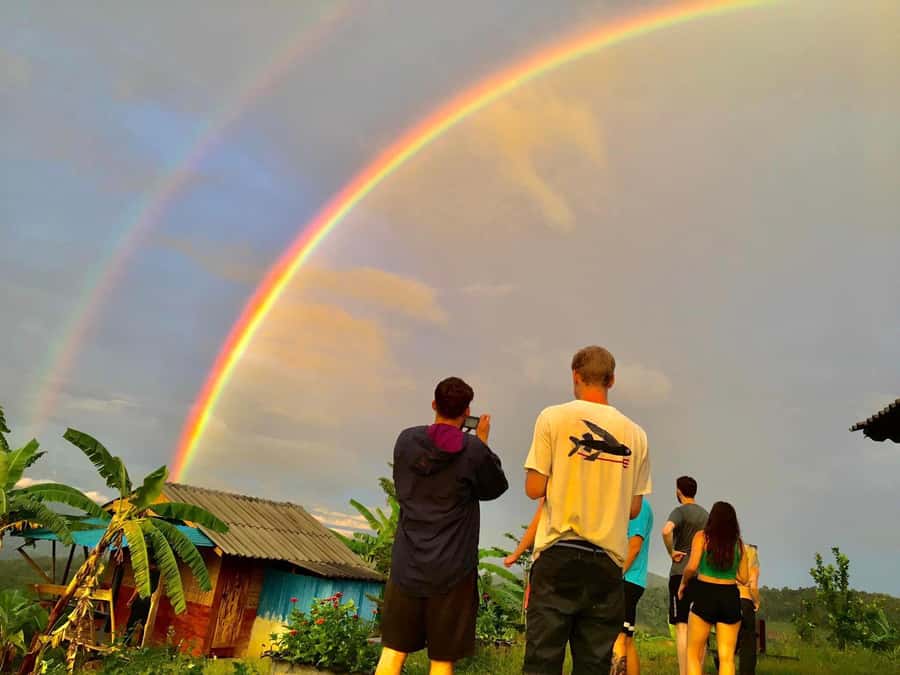
- Small group (up to 12) means more time with your guide and less waiting around.
- Karen village overnight gives you a cultural night with local food and an evening around a campfire.
- Rescued elephants in a sanctuary: you can feed and bathe them in a respectful setting, with no animal riding allowed.
- Mae Wang bamboo rafting is calm and scenic, but rain can change timing or plans.
- Waterfall swim + picnic breaks up the hiking with a cooling reward (if conditions allow).
- Bring your own water since drinking water isn’t included.
Market to Mountains: Starting Chiang Mai Like a Local
Your day starts close to the old town. You’ll either meet at Baan Meesuk (the meeting point) or get hotel pickup if you choose it, with pickup typically between 9:00 AM and 9:30 AM. Then the trip shifts quickly from city shortcuts to real local rhythms.
The market stop is short but useful. You’ll walk through stalls with fresh vegetables, fruits, and regional snacks, guided so you understand what you’re looking at (not just eating random bites). It’s also a good moment to grab a little extra energy before trekking, especially if you’re picky about meals later. If your guide is Sammy, Toon, or Witoon, expect talk-time too—some guides are big on explaining culture and plant/animal details while you browse.
Practical note: wear light layers you can keep on. Market mornings can be warm, and the sun ramps up fast once you leave town.
You can also read our reviews of more tours and experiences in Chiang Mai.

Mae Wang Bamboo Rafting: Quiet Water, Real Thai Sun
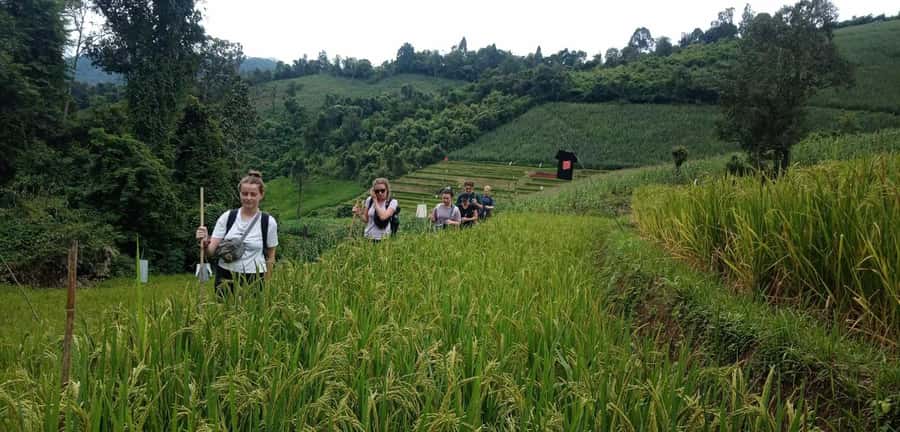
Right after the market, you head to the river for a 40-minute bamboo rafting ride on the Mae Wang River. This part is one of the best mood-shifters on the itinerary. You go from “moving and climbing” to “slow drift,” and the scenery has time to land.
This is where you’ll feel the weather. You’ll want long sleeves and long pants for sun and mosquitoes. Bring swimwear and plan to get a little damp if you’re anywhere near the waterline, especially if you’re doing waterfall time the next part of the day.
Also, bamboo rafting is calm, but it’s not a theme-park smooth ride. You’ll likely get splashes and feel the movement. If you get chilly easily, pack a thin jacket because mornings and late afternoons can feel cooler after jungle humidity.
Jungle Waterfall Picnic: The Reward After the Climb
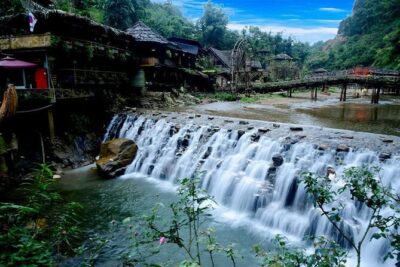
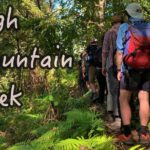
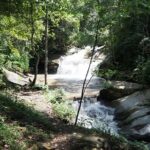
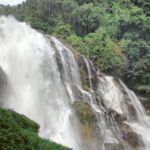
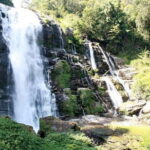
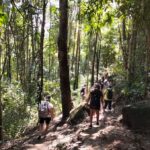
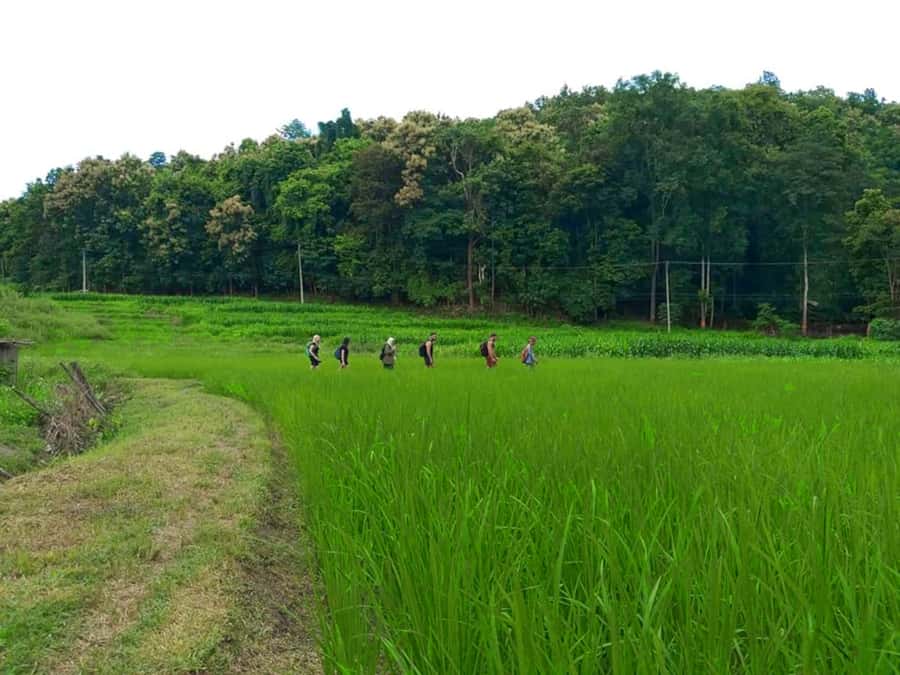
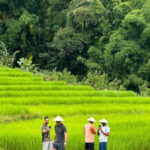
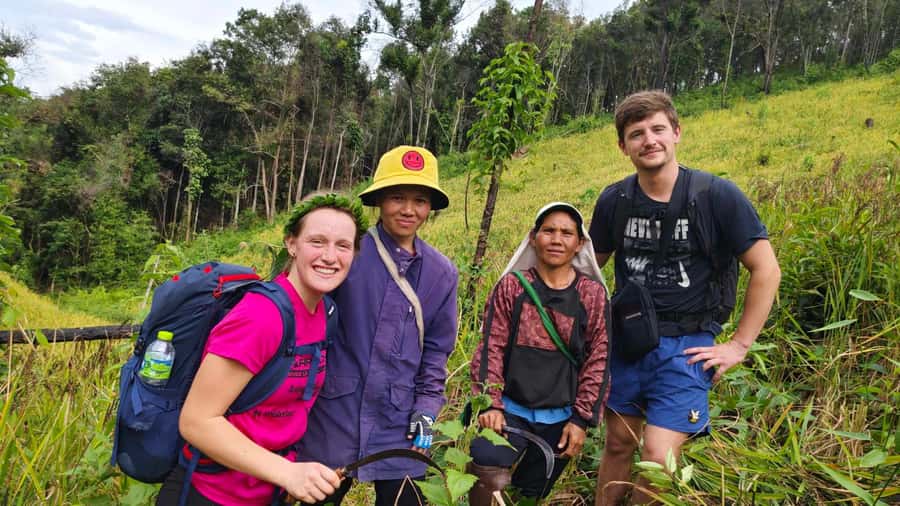
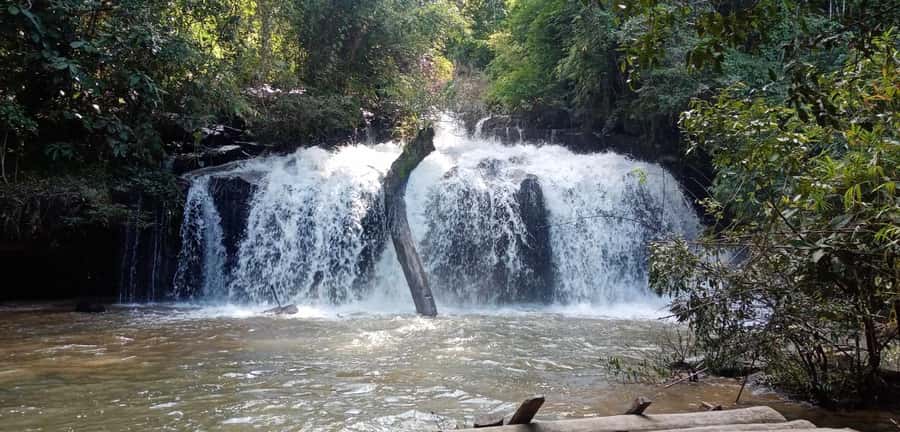
After rafting, you start hiking toward a jungle waterfall. The walk is about 2 hours through mixed forest and paddy fields, which is a nice touch because it changes what your eyes are doing. One moment you’re looking at open farmland; the next you’re in bamboo and thicker greenery where the air feels different.
At the waterfall area, you get a picnic lunch. Then you’ll have the chance to cool off in the water. This is the “prove you’re human” moment—those short, slippery rocks and uneven footing can be tricky if you rush.
What I’d plan for: shoes matter more than you think. If you only bring flip-flops, you’ll regret it on the approach and return. You want hiking shoes you can trust. And if you’ve got rain gear, use it early rather than waiting for the soaking to start.
Karen Hill Tribe Overnight: Hospitality With Real Structure
The overnight stay is the heart of the trip for many people, and it’s also where expectations can be set correctly. After lunch, you continue uphill through bamboo and evergreen forest for about 2 hours to the Karen Hill Tribe village.
In this village stay, you’re not doing a quick “visit and leave.” You’ll eat with the community and then spend the evening together. Dinner is prepared by villagers, and the day can end with a campfire or small party under the stars. Some guides also bring playful moments—games, storytelling, and a sense that you’re part of the evening flow even if you’re a visitor.
A real detail worth knowing from feedback: nights can get cold. One review noted it gets really cold after dark, so even if the day hike is hot, you may want a warm layer. On the comfort side, many people say the sleeping setup is better than expected, with mosquito nets mentioned in some feedback.
This is also where the guides shine. People call out guides like Moon, Witoon, and Sami for being funny and caring, and for explaining traditions instead of making it feel like a scripted “tour.” If you’re lucky, you’ll learn specific things about village life and daily habits rather than just hearing a general speech.
Next Morning Trek: Quick Breakfast, Then More Footsteps
After breakfast at the village, you start the next part of the trek. This day begins with a proper meal, not a “grab a snack and go” moment. From there, you’re back on the move for about 2 hours to reach the elephant sanctuary.
This middle morning stretch is a good time to reset your pace. Don’t treat it like a race. You’ll move uphill and uneven terrain again, and your guide will usually keep a steady rhythm so the group doesn’t fall apart.
Elephant Sanctuary in the Jungle: Up Close Without Riding
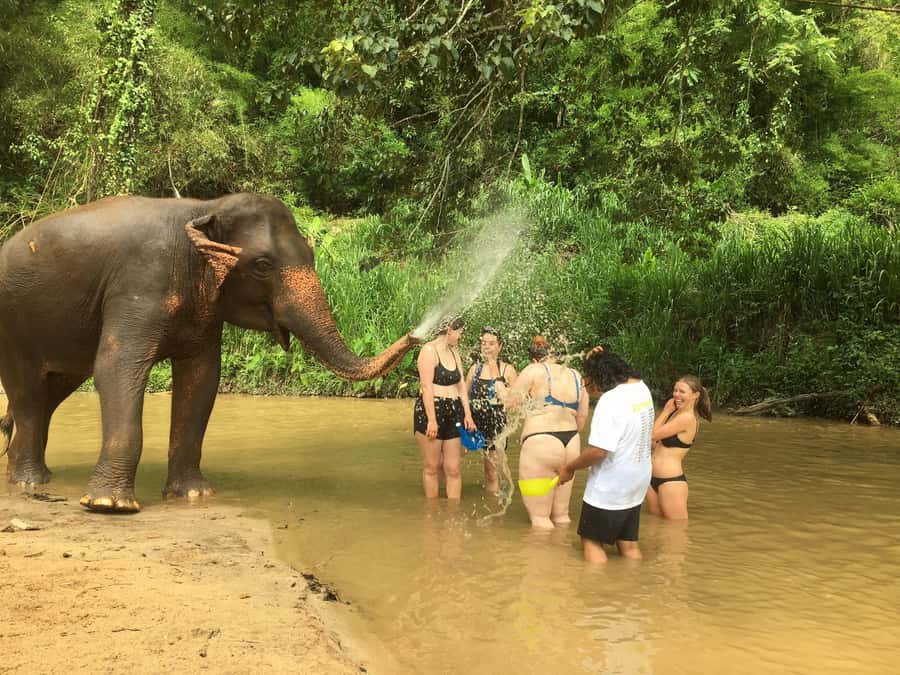
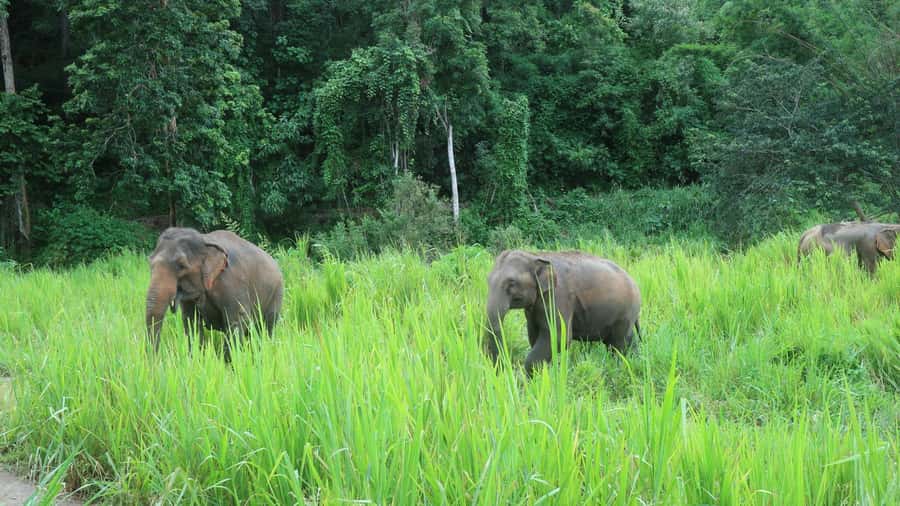
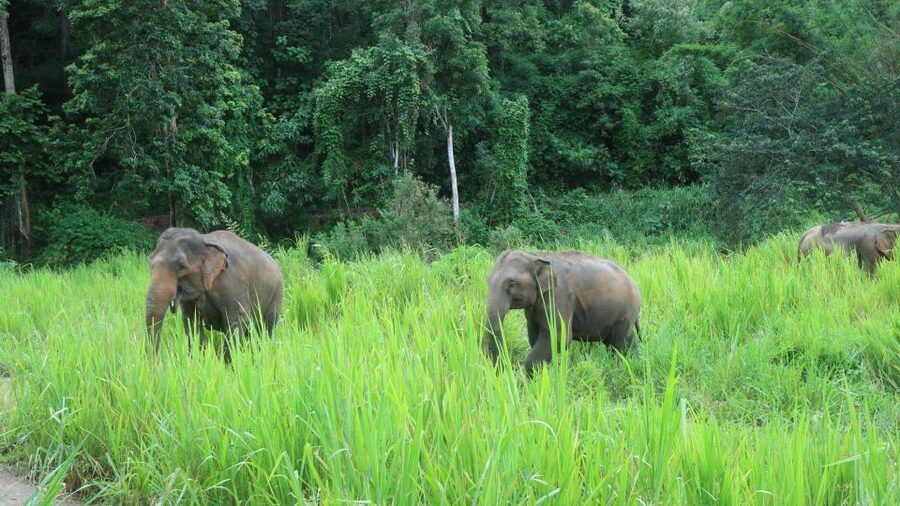
At the ethical elephant sanctuary, you meet a group of rescued elephants in the jungle environment. The big thing here is what you do with them: you can feed and bathe them, and you’ll learn about them in a safer, more respectful setting. Also, important rules are clear: riding the animals isn’t allowed.
This is where you’ll see the value of doing the activity in a sanctuary context rather than just chasing a quick photo. Feeding and washing puts you closer to the elephants’ daily movements, and it tends to change how you think about the animals—this is one reason so many people rate the elephant stop as a top highlight.
If you’re sensitive to the idea of elephant contact, keep your mindset grounded: you’re interacting under the sanctuary’s approach, with a “care and respect” framework described as part of the experience. It’s still a hands-on activity, so your comfort level matters.
Second Day: Waterfall Swim and Bamboo Rafting Wrap-Up
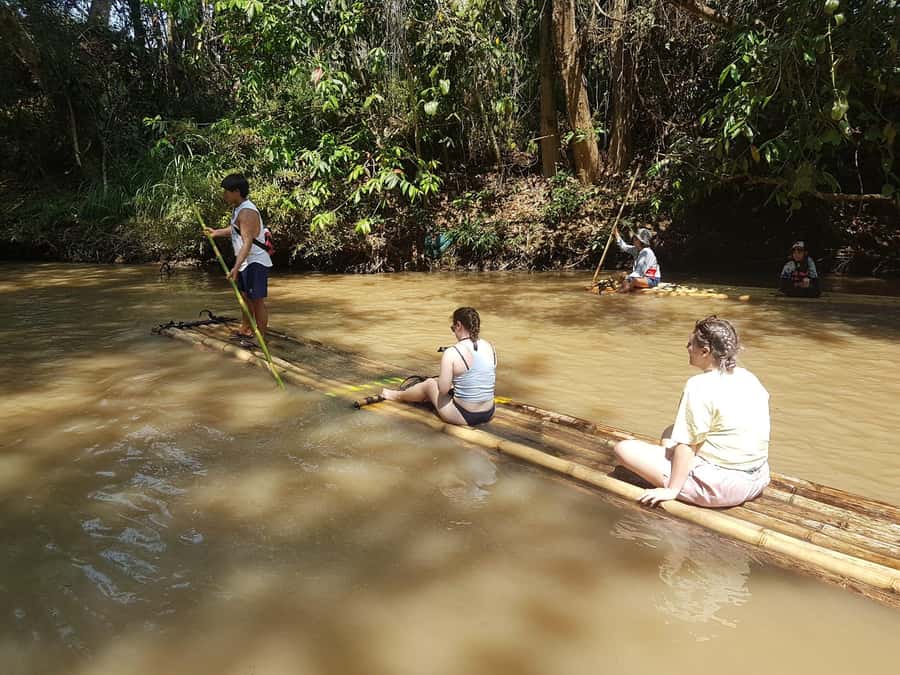
On day two, you hike toward a waterfall for swimming time. You’ll then continue down toward the road before being transferred for the bamboo rafting portion. Depending on weather, you might find timing changes or reduced activities, since the operator notes the schedule can shift with bad weather or force majeure.
The rafting here feels shorter and lighter compared with the first day’s opening feel, but it still brings that calm finish you want after two days of movement. The water time can also help your legs recover—if the footing at the waterfall doesn’t punish you first.
One more reason this second day works: you’re moving down more than you’re climbing, and a lot of the hiking becomes “steady downhill walking” rather than constant uphill grind.
Price and Value: What $97 Buys in Two Full Days
For $97 per person over 2 days, this is strong value because so much is included: pickup/drop-off, transportation by songthaew or van, a guide, the market visit, jungle trek, all meals (2 lunches, 1 dinner, 1 breakfast), basic overnight accommodation, elephant sanctuary entry, and bamboo rafting.
Where the value really shows up is in the total “planning load” you avoid. In Chiang Mai, it’s easy to pay separately for transport, a guide, and then each activity. Here, the package bundles it so you spend your energy on the hike, not on booking and transferring all day.
Two quick caveats for value judgment:
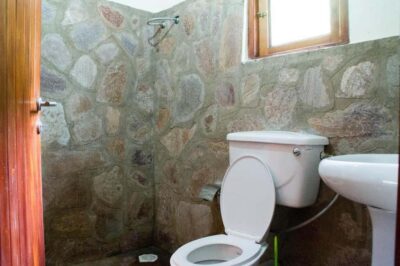
- The overnight lodging is basic. Reviews often say it’s comfortable enough, but don’t expect a luxury bed.
- Drinking water isn’t included. That’s small, but you should budget for it and carry what you need.
Guides Make or Break It: The Names People Keep Mentioning
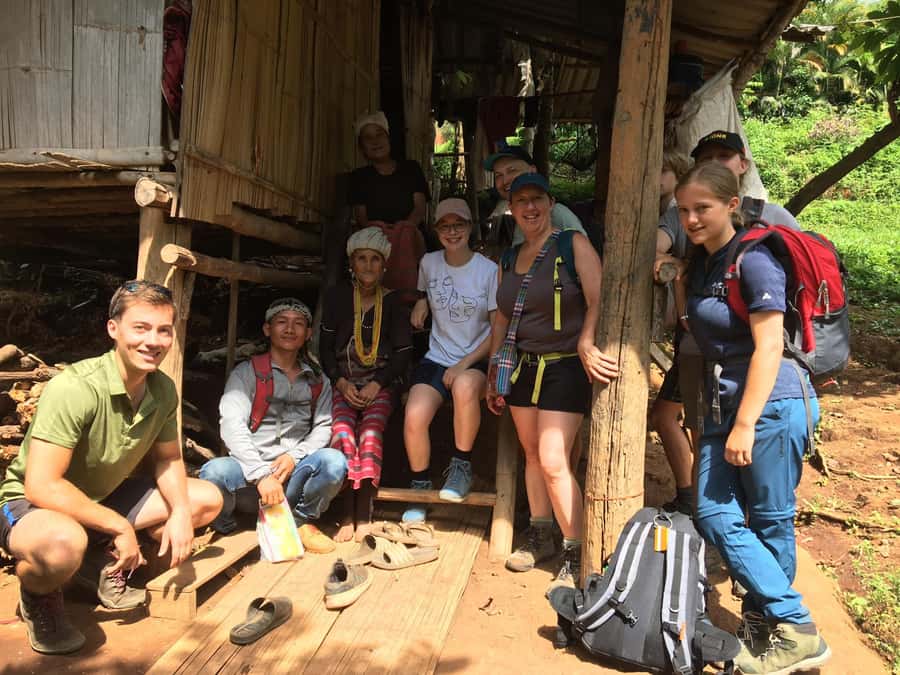
This is a guide-driven experience. Lots of feedback praises guide personalities and small touches that make the days smoother.
Names you’ll see again and again include Witoon, Sammy, Toon, Moon, Sami, and others. People mention photo-taking and sending pictures on WhatsApp (Witoon is specifically called out for this). Others highlight careful group management when someone gets injured, or steady pacing that keeps the hike manageable.
If you care about an English-speaking guide (English and Thai are offered), this kind of tour depends on the person leading you. When you see a guide described as funny, patient, and genuinely supportive, that’s not a small detail—it’s how you avoid frustration when trails get steep or slippery.
Packing for Jungle Weather: Don’t Overthink, Do Prep
You’ll be outside for long stretches, so pack for sun, mosquitoes, and wet conditions. The recommended list is spot-on for this style of trekking:
- Hiking shoes (important)
- Insect repellent and sunscreen
- Long pants and long sleeves for rafting and the hike
- Swimwear, plus a towel and change of clothes
- Rain gear (weather can shift fast)
- Sun hat, sunglasses
- Daypack, toiletries, and clothes that can get dirty
- Flip-flops for downtime and river-side moments
- A jacket for colder village evenings
Also, bring a little flexibility in your expectations. If it rains, some parts like rafting can be adjusted. Your best move is to stay practical: dry socks when possible, and a calm attitude about schedule changes.
Who Should Book This Trek (and Who Should Skip It)
This is not a casual stroll. It’s a physical, adventurous tour with uphill hiking and outdoor time in jungle terrain.
It’s specifically not suitable for:
- pregnant women
- people with mobility impairments or wheelchair users
- people with heart problems, vertigo, respiratory issues, epilepsy
- people with low fitness
- babies under 1 year and children under 2 years
If you’re generally healthy, you like walking, and you can handle heat and uneven trails, you’ll probably enjoy it a lot—especially if you want more than just sightseeing.
This is also a great fit if you like ethical tourism elements, because the activity is described as a sanctuary visit and includes rules like no animal riding.
Should You Book the Chiang Mai 2-Day Jungle Trek?
Book it if you want a well-filled 2 days that mixes nature, culture, and animals without making you plan transport and tickets all day. The overnight with the Karen village, the elephant sanctuary interactions, and the bamboo rafting combination are the standout reasons to choose this over a simpler day tour.
Skip it if you hate steep uphill walking, can’t handle cold nights, or need easy access routes. Also skip if you’re not comfortable with an itinerary that can shift due to weather.
If you’re the type who enjoys getting muddy, asking questions, and taking your time on trails, this is the kind of Chiang Mai experience that feels like you actually left the city behind for a couple of days.
FAQ
Where do I meet for the tour?
You meet at Baan Meesuk, an hotel/hostel in the old town of Chiang Mai. If you request pickup, pickup is optional and typically occurs between 9:00 AM and 9:30 AM.
What time does pickup happen?
Hotel pickup (if selected) is usually between 9:00 AM and 9:30 AM. If you’re picked up, wait in the hotel lobby.
How long is the tour?
The experience runs for 2 days.
How much does it cost?
The price is listed as $97 per person.
What’s included in the price?
Included are hotel pickup/drop-off, round-trip transportation, a guide, market visit, jungle trek, all meals (2 lunches, 1 dinner, 1 breakfast), basic 1-night accommodation, elephant sanctuary visit, and bamboo rafting.
What isn’t included?
Drinking water isn’t included.
What activities are included with the elephants and are you allowed to ride?
You can visit an elephant sanctuary, and the activities include feeding and bathing. Riding the animals is not allowed.
Who is this tour not suitable for?
It’s not suitable for pregnant women, people with mobility impairments, wheelchair users, people with heart problems, vertigo, respiratory issues, epilepsy, people with low fitness, and children under 2 years (and babies under 1 year).