REVIEW · HANOI
2-Day Sa Pa Ethnic Homestay Tour & Trek with Limousine Bus
Book on GetYourGuide →Operated by Go Asia Travel · Bookable on GetYourGuide
First light in Sa Pa is unforgettable. This 2-day homestay trek pairs rice-terrace trails with an English-speaking Hmong guide, and it kicks off with a comfortable limousine bus from Hanoi. You’ll spend a night in Ta Van and get a real feel for mountain village life, not just a quick photo stop.
I love that the route connects multiple ethnic communities—Hmong, Dzao, and Tay—while you’re walking through Muong Hoa Stream areas and rice paddies. I also really like the built-in meals: lunch in Sa Pa town on Day 1, then dinner and breakfast with your homestay hosts in Ta Van.
One thing to consider: the trekking can get slippery fast. If you visit after rain, expect mud and steep, uneven footing, and this tour isn’t designed for mobility limits or kids under 6.
In This Review
- Quick hits: what makes this Sa Pa trek work
- Limousine Bus to Sapa: comfort on a long jump
- Day 1: rice terraces, Muong Hoa Stream, and the Lao Chai → Ta Van rhythm
- Homestay night in Ta Van: basic, but it can be very comfortable
- Day 2 trek: bamboo forest, Giang Ta Chai views, and the bridge moment
- Trek difficulty: short distances, real slopes
- Guides that shape the experience: English + local context
- Cost and value: what’s included, what you’ll likely pay for
- Packing list that saves your ankles and your skin
- Crafts, selling, and how to handle it without a scene
- Who this tour fits best (and who should skip it)
- Should you book this Sa Pa homestay trek?
- FAQ
- What meals are included on this Sa Pa tour?
- Where do I stay during the overnight portion?
- How long and how hard is the trekking?
- What should I bring with me?
- Do I need to bring cash?
- Is this tour suitable for children or mobility impairments?
Quick hits: what makes this Sa Pa trek work
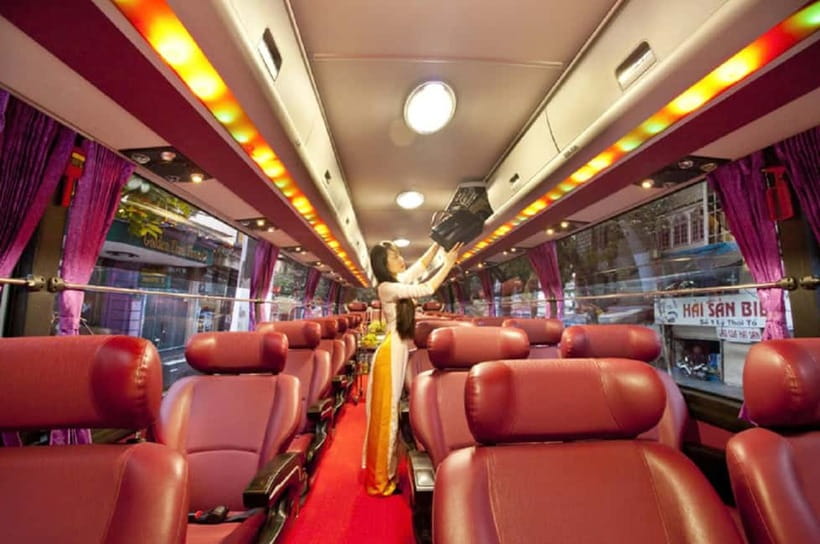
- Limousine bus comfort on the Hanoi–Sapa–Hanoi route (often with sleeper options)
- Village-to-village trekking through Lao Chai, Ta Van, and Giang Ta Chai areas
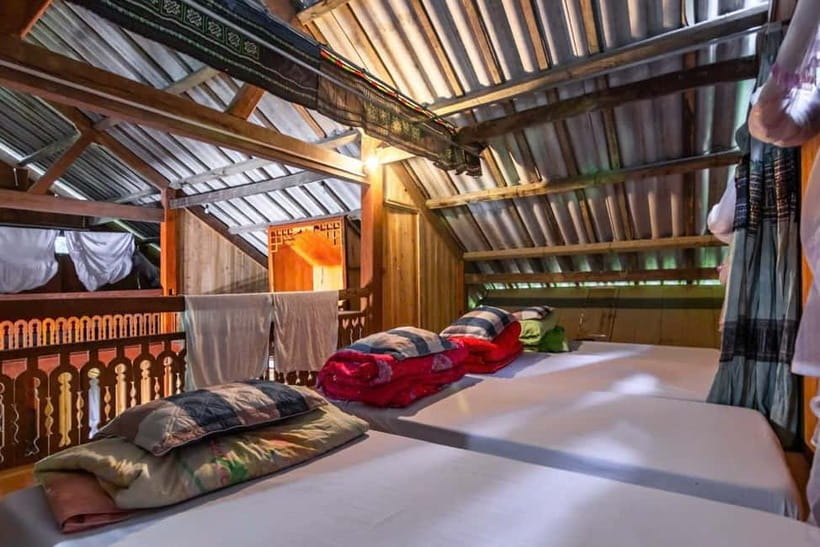
- An overnight in Ta Van with family-prepared meals and basic (but clean) accommodation
- Moderate distances, real effort thanks to steep slopes, bamboo trails, and muddy patches
- A guide who can translate life, with names like Sua, Soso, Sha, Tung, and Wan showing up often in the experience
- Cash-first spending for crafts, snacks, and small purchases—banking can be unreliable in Sa Pa
Limousine Bus to Sapa: comfort on a long jump
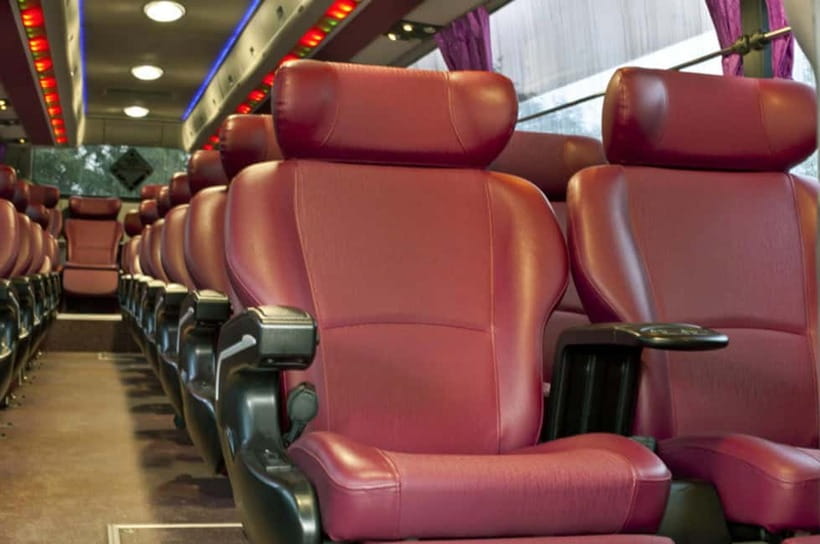
The biggest “time saver” here is the round-trip limousine bus between Hanoi and Sa Pa via Lao Cai. You’re leaving early, riding for a while, and then waking up in a different altitude world. It’s not just transportation—it buys you energy so you can actually enjoy the first trek day.
Once you arrive in Sa Pa, there’s usually a representative waiting at the bus stop who helps you get oriented. You’ll then head for a hotel break and a proper lunch in Sa Pa town before the walking starts. That buffer matters because trekking right after a long bus ride can feel brutal if you’re hungry.
If you have the option to upgrade the bus and room, it can be worth it. Many guides and drivers manage the flow so you’re not scrambling for tickets or directions. Still, you should plan for a full day in motion on Day 1: bus, lunch, trek, then homestay.
You can also read our reviews of more tours and experiences in Hanoi.
Day 1: rice terraces, Muong Hoa Stream, and the Lao Chai → Ta Van rhythm
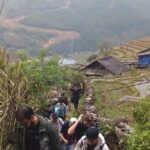
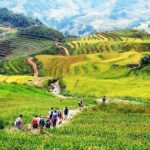
Day 1 has a clear arc: lunch in Sa Pa town, trekking through paddies and stream areas, then reaching Ta Van for check-in and an evening with the family. You start by heading out of town and into the Sa Pa highlands feel where the air is cooler and the paths narrow.
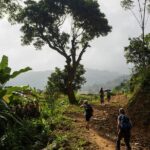
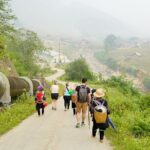
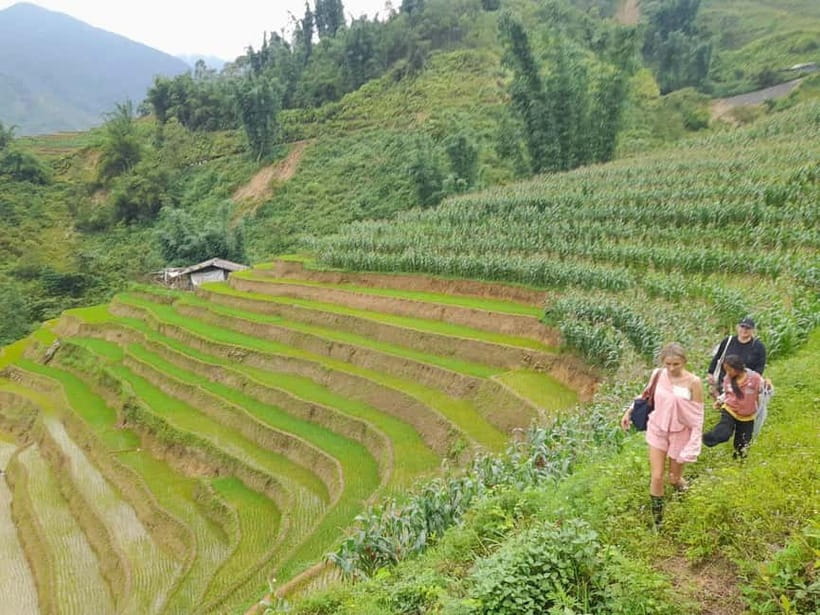
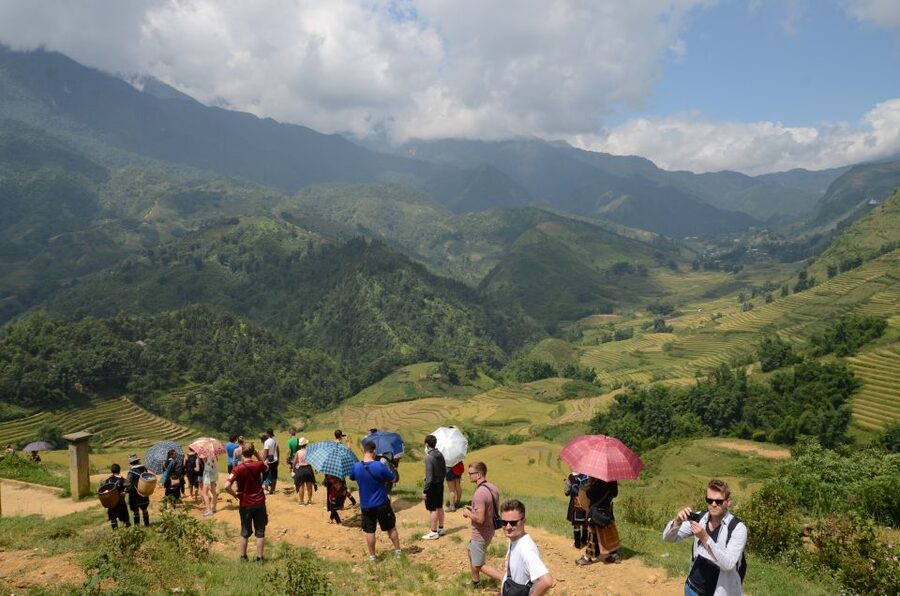
The trek route commonly threads through rice terraces and along the Muong Hoa Stream area, before you reach Lao Chai, a Black Hmong village surrounded by the Hoang Lien Son mountain region. In practical terms, this first day often feels like a downhill working day—one that sets you up for beautiful views and easier walking once you’re on the slope.
You’ll then continue to Ta Van to check into the homestay. This is the part of the experience that separates it from typical day tours. Instead of coming back to Sa Pa and heading to a hotel restaurant, you stay in the community where your next meal and sleep happen.
One detail I’d watch: Day 1 visibility can swing. Some trips happen in mist and fog, which can reduce the “wow” at lookouts. The upside is you still get immersion—sound of the water, textures of the trail, and the feel of village life—even when the mountains aren’t perfectly postcard.
Homestay night in Ta Van: basic, but it can be very comfortable
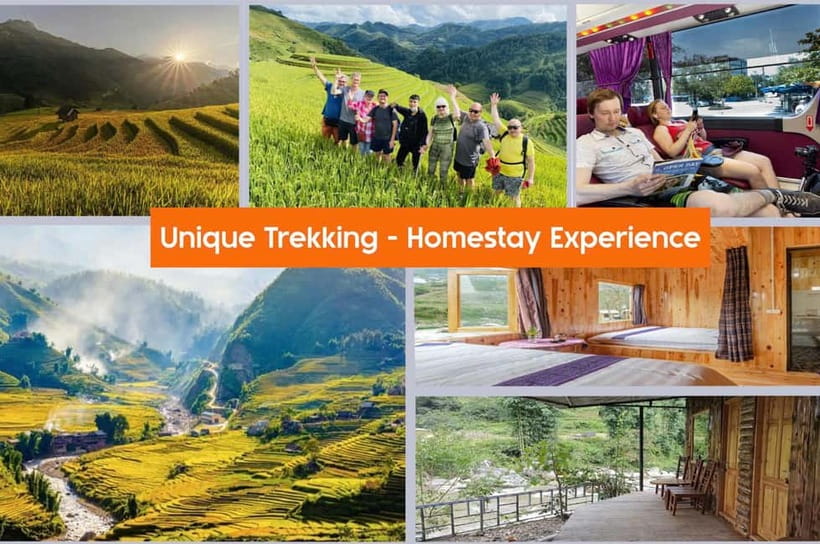
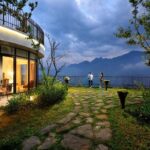
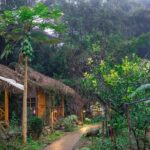
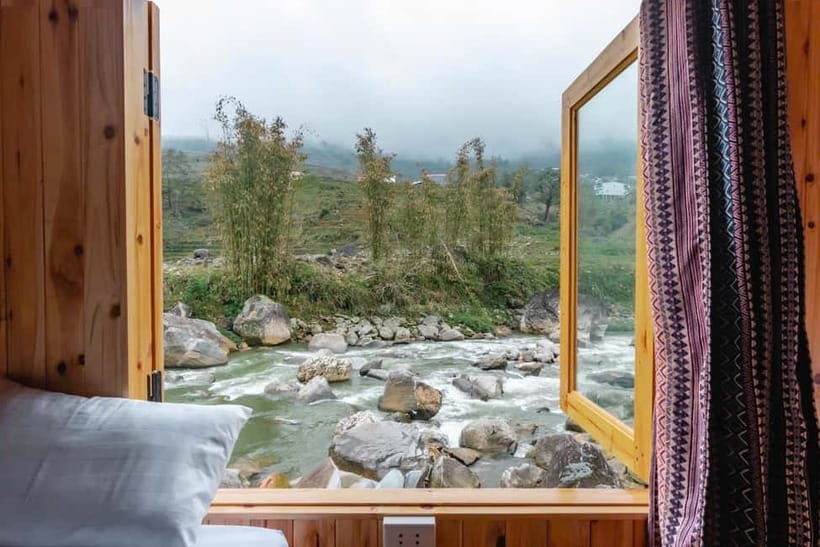
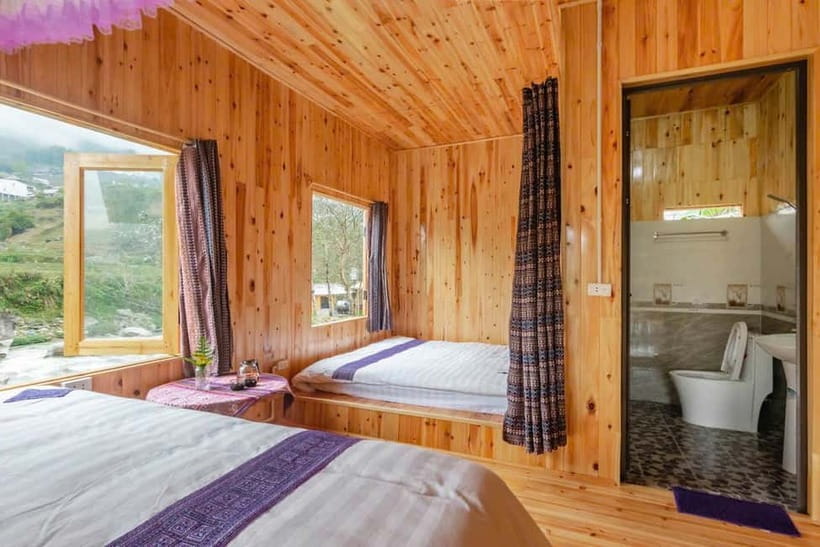
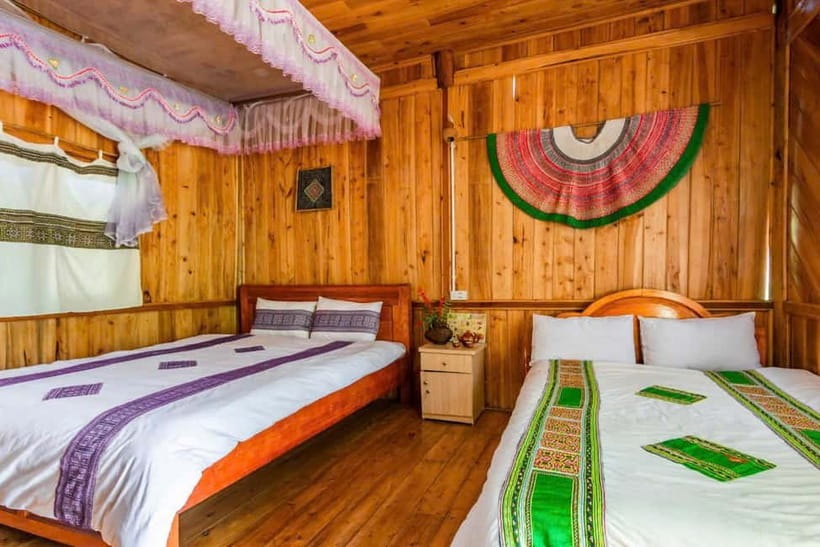
Your homestay accommodation is listed as single mattress in Ta Van, and the tour notes it’s basic with culture facilities. In real life, that can mean different room setups depending on your group and options. Many people report clean rooms and even private setups with hot showers when upgrading.
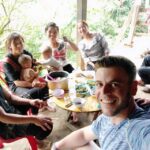
What you’re really paying for here is the rhythm of the night. You’ll have dinner with the host family and breakfast the next morning, and that changes the tone of the entire trip. Instead of eating quickly and leaving, you get to slow down and connect with daily routines.
Also plan for sounds. One strong practical tip from past experiences: night in the village can be active, so if you’re a light sleeper, earplugs are a smart move. It’s not unsafe chaos—just mountain village life.
Food is another big theme. Meals are included (lunch + dinner on Day 1, breakfast + lunch on Day 2), and people consistently describe the included homestay food as a highlight. Even when the trek leaves you muddy and tired, you’ll likely be happy you don’t have to find dinner options in town.
Day 2 trek: bamboo forest, Giang Ta Chai views, and the bridge moment
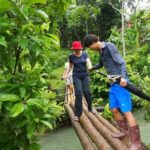
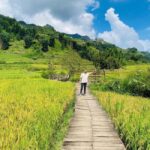
Day 2 starts with breakfast prepared by the family, then a morning trek through rice paddies and bamboo forest. If Day 1 feels like you’re getting your legs back, Day 2 feels like you’re exploring with more confidence. The paths may still be uneven, but you’ll understand the pace and footing better.
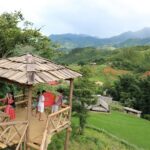
A key viewpoint is the panoramic area near Giang Ta Chai village. Then you cross the Giang Ta Chai Bridge, which is one of those simple moments that makes photos feel worth it. From there, the day transitions from trekking to logistics.
You’ll take a car back to the hotel for lunch and a shower. That shower stop is underrated. Trekking days in Sa Pa can leave you covered in trail dirt, and having the time and plan for washing up makes the ride home feel much more pleasant.
After lunch and shower, you return to Hanoi by limousine bus. The bus stops at the meeting point, and from there you get to your hotel on your own. In other words: don’t plan a late-night second long activity right after you arrive back in Hanoi.
Trek difficulty: short distances, real slopes
The trekking distances sound manageable on paper. One common pattern is about 8 km on Day 1 (mostly downhill) and about 4 km on Day 2 (undulating). Those numbers are not huge, but they don’t tell the full story.
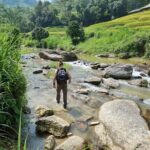
The full story is the ground. After rain, trails can turn muddy and slippery. Several people emphasized steep declines, steep steps, and slipping risk. In practical terms: sneakers are often not enough. If you want solid traction, bring real hiking shoes with grip.
Heat can also be a factor depending on the season and weather, and bamboo forest trails can feel warmer with humidity. The guide teams typically keep things moving at a pace that works for most groups, and you may have extra local help along tougher patches.
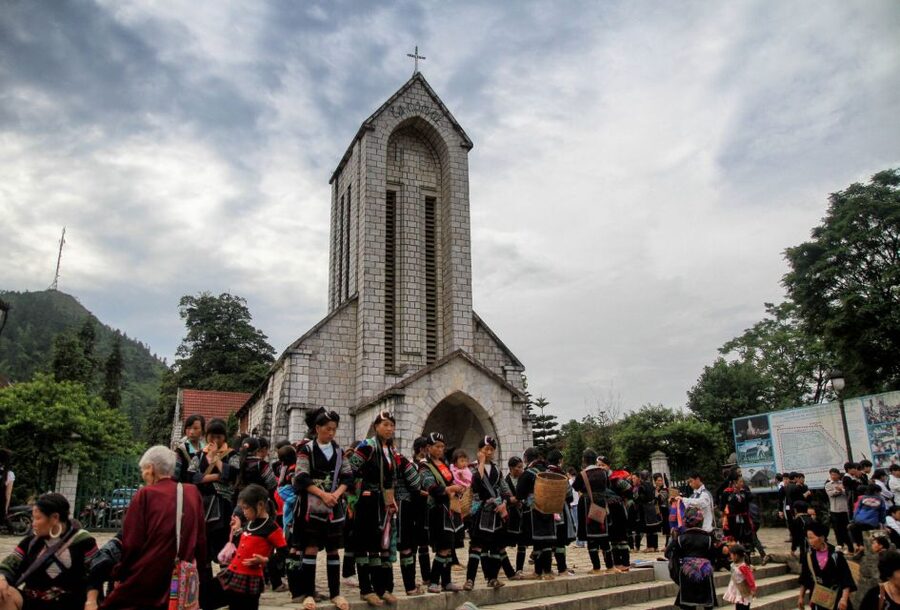
One comfort detail: guides often work with women from the hill tribes who know the trails. That’s part of how the trekking stays safe and connected to the local community, not just a guided walk for tourists.


Guides that shape the experience: English + local context
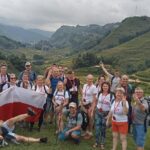
The tour includes a local guide who is Hmong English-speaking. In practice, the guide can be the difference between walking through villages and actually understanding what you’re seeing.
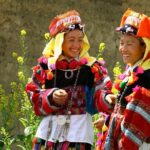
In past experiences, names like Sua, Soso, Sha, Tung, and Wan show up again and again. The common thread is that they explain daily life and the meaning behind what you notice: traditional costumes, the rhythm of mountain agriculture, and how villages connect through trails and streams.
If you like conversation, this tour can deliver. Several people mentioned guides chatting easily, answering questions, and keeping the group organized and in good spirits even when weather turns foggy.
It also helps when the guide can manage the “social side” of trekking—like when craft selling starts to happen along the route. You still control your own boundaries, but a good guide helps the experience stay respectful.
Cost and value: what’s included, what you’ll likely pay for
There isn’t a single price number provided here, so I’ll focus on what you actually get for your money. This tour includes:
- Round-trip limousine bus (optional, as stated)
- Guide (Hmong/English-speaking)
- Homestay accommodation in Ta Van (single mattress)
- Meals: 2 lunches, 1 dinner, 1 breakfast
- Entrance tickets to Lao Chai and Ta Van
- A car transfer on Day 2 from Giang Ta Chai back to your hotel
Tips and drinks aren’t included, and there’s an on-site holiday surcharge listed as 700,000 VND per person on specific dates. If you’re traveling around major holidays, that’s something to budget for early.
Also, expect some additional spending. A lot of purchases in the villages are cash-based, and people often want to buy handmade scarves, craft items, and jewelry. Even if you don’t plan to buy much, having small cash on hand makes life easier.
Finally: upgrading can affect value. Many people say the upgraded sleeper bus and/or upgraded homestay room options are worth it for comfort. If you’re sensitive to sleep quality, it may be a wise add-on.
Packing list that saves your ankles and your skin
The tour’s own packing guidance is simple, and it’s spot-on:
- Sunglasses
- Hiking shoes
- Sunscreen
- Insect repellent
- Cash
I’d also add one practical thought: pack an extra layer if you run cold in the highlands. Weather can change quickly around the mountains, and fog can make it feel cooler than you expect.
For rain days, go harder on traction. Mud isn’t just messy; it changes how your foot hits the ground. If your shoes don’t grip, you’ll feel it within minutes.
And yes, bring cash. Sa Pa banking is described as unreliable, and the tour notes that Vietnamese Dong is best, with USD, Euros, and Australia Dollars accepted. If you plan to buy anything handmade, having cash ready prevents the awkward scramble.
Crafts, selling, and how to handle it without a scene
A big part of the social reality here is craft selling. The tour environment includes chances to see and purchase handmade items, and some experiences note sellers can be persistent.
Here’s how to make it smoother for yourself:
- Decide your spending limit before you start walking.
- If you don’t want to buy, keep it simple and firm.
- If you do want to buy, treat it like a purchase—not a forced obligation. Offer a fair exchange or walk away if it doesn’t feel right.
One review mentioned the women may accompany you along part of the trek and then try to sell crafts midway. That’s not automatically unpleasant, but it can be uncomfortable if you’re not in the mood to negotiate.
A good guide and calm boundaries help a lot. If you feel pressured, don’t get pulled into long conversations. You’re there for the trekking and the homestay, not a shopping contest.
Who this tour fits best (and who should skip it)
This is a great match if you want:
- Short, real trekking with village visits
- An overnight in Ta Van instead of a quick day trip
- A guide who explains what you’re seeing, including traditional costumes
It’s not a great match for:
- Children under 6 years old
- People with mobility impairments or wheelchair users
If you’re older, you can still often do it, but pace matters. The trek has steep and slippery sections, and some groups adjust by taking breaks. If you’re concerned, check with the provider before booking, especially if you have balance issues or knee problems.
Should you book this Sa Pa homestay trek?
I think you should book this tour if you want a two-day Sa Pa experience that feels human. The combination of limousine bus comfort, guided village trekking, and an overnight with family meals makes it a strong value for limited time.
You should be cautious if:
- You hate muddy trails and uneven footing
- You’re traveling with mobility limitations
- You’re expecting a “hotel-style” homestay experience (it’s basic, even when it’s clean and comfortable)
If you want a practical rule: pack for traction and weather, bring cash for small purchases, and lean on your guide—people like Sua, Soso, and Tung show up as favorites because they make the day make sense.
FAQ
What meals are included on this Sa Pa tour?
The tour includes 2 lunches and 1 dinner, plus 1 breakfast. Lunch is included on Day 1 in Sa Pa town, dinner and breakfast are included with the homestay experience, and there is also lunch included on Day 2 after you return to the hotel area.
Where do I stay during the overnight portion?
You stay at a homestay in Ta Van village. The accommodation is described as basic and includes a single mattress. Upgrades are mentioned as possible if you contact the provider when booking.
How long and how hard is the trekking?
Day 1 is commonly about 8 km and mostly downhill, while Day 2 is commonly about 4 km and undulating. The walking can still feel challenging due to steep, slippery sections, especially if it’s muddy.
What should I bring with me?
Bring sunglasses, hiking shoes, sunscreen, insect repellent, and cash. Trekking shoes are strongly recommended for grip on muddy and slippery paths.
Do I need to bring cash?
Yes. The tour notes that cash in Vietnamese Dong is important because banking in Sa Pa can be unreliable. USD, Euros, and Australian Dollars are also accepted.
Is this tour suitable for children or mobility impairments?
No. The tour is not suitable for children under 6 years old. It also isn’t suitable for people with mobility impairments or wheelchair users.