REVIEW · CATANIA
Etna: Trekking to the summit craters at 3340 meters
Book on GetYourGuide →Operated by Sicilying S.R.L. · Bookable on GetYourGuide
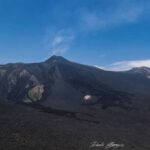
Etna has a way of making your map feel tiny. This 6-hour hike takes you from the Rifugio Sapienza area up to the summit craters at about 3,340 m, with a real volcanology guide explaining what you’re seeing as the mountain changes. You get a mix of effort and wow: lunar-looking ground, big crater views, and the sense you’re standing near something alive.
Two things I especially like: you’re not just walking for photos, you’re learning as you go, and you spend time right on the crater edge watching the conduits and eruption points. One heads-up: the pace can be brisk, and if weather affects access, the route may change, so you’ll need to stay flexible with your guide.
In This Review
- Key highlights to look forward to
- Why Etna’s summit craters are worth the effort
- Getting there: cable car and 4×4 mean more time on your feet
- The climb to 3,340 m: what the hike feels like
- Summit craters at the edge: chasm, new mouth, and real crater air
- After the rim: the southeast crater and the eruption story
- The first lunch stop: recover, refuel, then keep going
- Barbagallo crater: more viewpoints, more volcanic texture
- Entering the lava flow channel: where the mountain gets close
- Valle del Bove viewpoints: the 9,000-year-old caldera effect
- Timing and group feel: what 6 hours really means
- Price and logistics: what you’re paying for, and what’s extra
- Who should book this Etna summit crater trek
- What to bring (and what to skip)
- Should you book this Etna trek?
- FAQ
- How high do you hike on this Etna tour?
- What’s included in the tour price?
- What do I pay on site for the cable car and 4×4?
- How long is the trek to the summit craters?
- What should I bring and wear?
- Who is this tour not suitable for?
Key highlights to look forward to
- Summit craters at 3,340 m for that unmistakable Etna height feeling
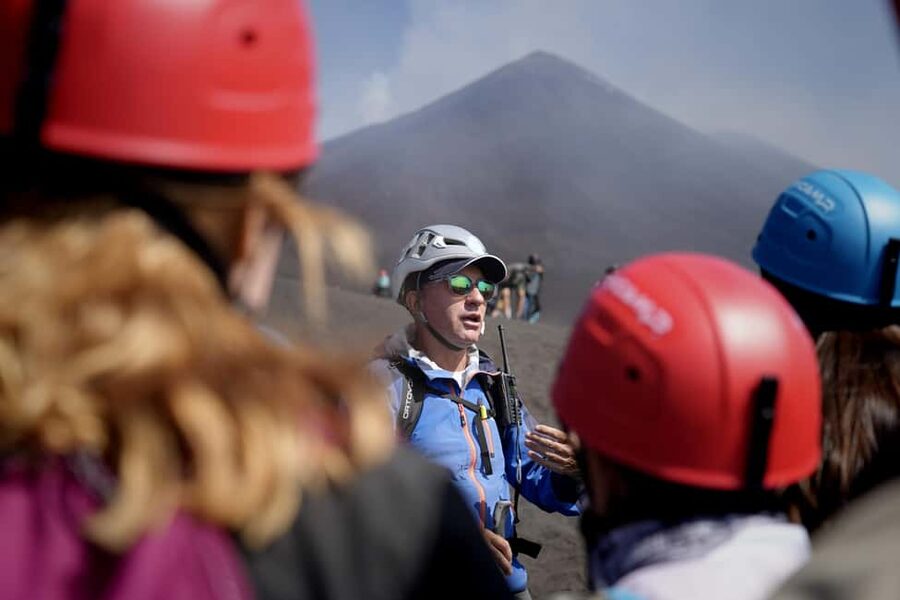
- Expert volcanology guide who helps you read the terrain as you walk
- Cable car, then 4×4 minibuses to cut down the “how do we get up there” headache
- Central crater viewpoints over features like the chasm and the new mouth
- Barbagallo crater + Valle del Bove for a wider picture of Etna’s active history
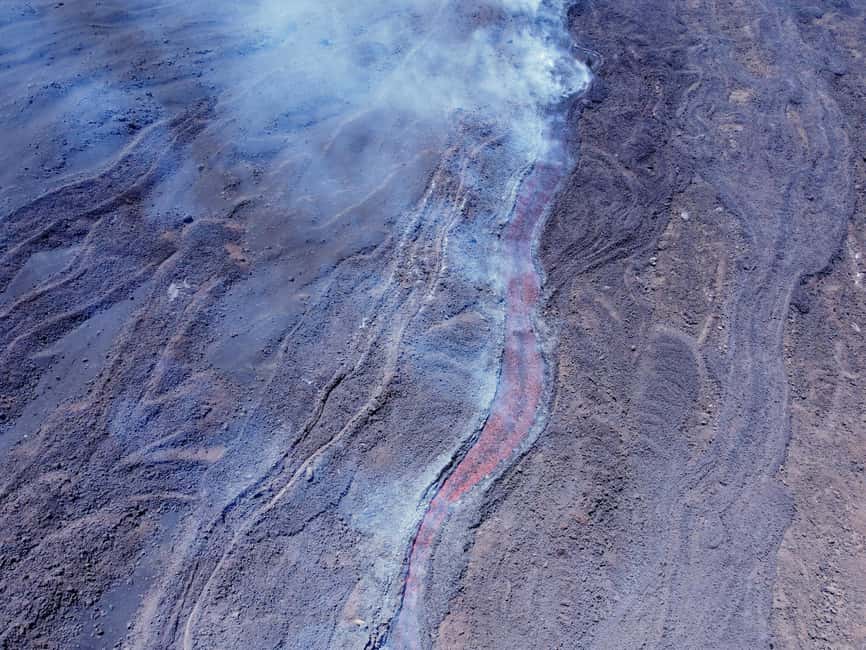
- A lava-channel passage that feels like a short lava-tube walk
Why Etna’s summit craters are worth the effort
You come to Etna for the obvious reason: it’s an active volcano you can actually get close to. But the best part is how fast Etna changes from normal mountain hiking into something more surreal. One moment you’re on familiar-looking ground; the next you’re stepping across fresh lava flows, volcanic sand, and lapilli. It’s a geology class you can feel in your shoes.
What makes this tour feel especially “real” is the combination of height, access, and guidance. You’re headed for about 3,340 m, so the views aren’t just impressive, they’re broad and clear when the weather behaves. And because you have a volcanology guide in your corner, you’re not guessing what you’re seeing. You’re getting the why behind the shapes.
The other great value is that the tour is built around multiple types of terrain and crater areas, not one straight hike. You get a crater-edge segment, then a descent that keeps the story moving through different eruption zones and landforms.
You can also read our reviews of more tours and experiences in Catania.
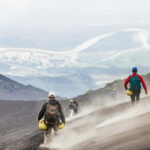
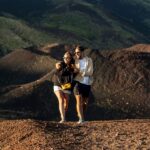

Getting there: cable car and 4×4 mean more time on your feet
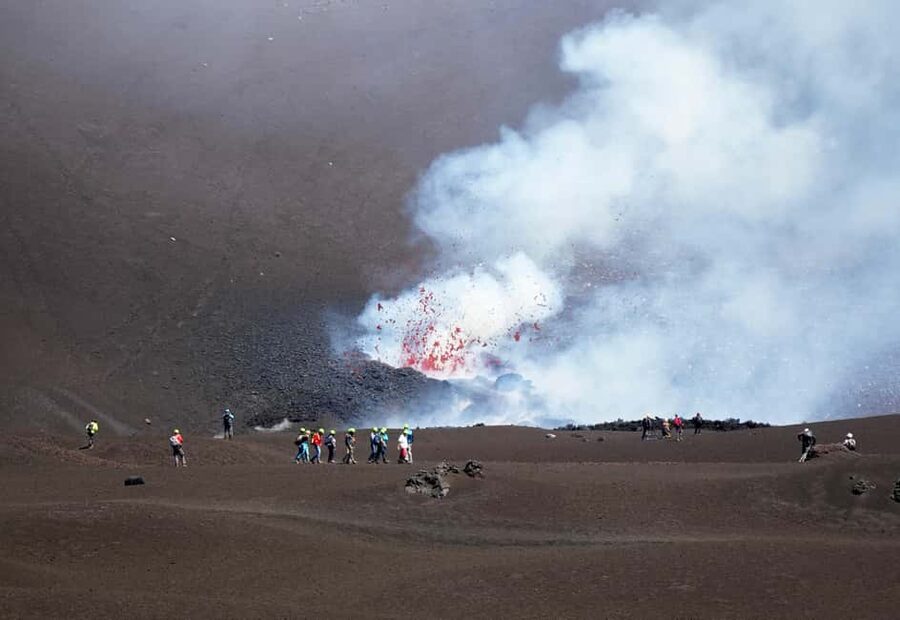
The tour starts in the Rifugio Sapienza area at about 1,900 m. Instead of spending your whole morning grinding uphill, you use transport in layers: first a cable car up to around 2,500 m, then 4×4 minibuses up to roughly 2,850 m.
That matters because you want your energy for the summit walk, not for the approach.
Here’s the one cost point you should plan for early: the round-trip cable car ticket and the 4×4 vehicle are paid on site. Adults are listed at €82, and children up to 10 are €51. Your tour price covers the hike and guiding, but not those transport tickets.
Also note the nice detail: the tour includes skipping the ticket line. On busy Etna days, that can save real time and stress.
The climb to 3,340 m: what the hike feels like
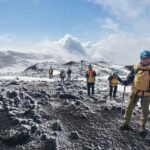
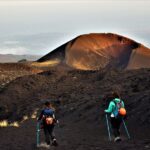
The hiking portion to the summit craters is described as about 2 hours. Expect it to feel physically demanding, not because it’s a marathon, but because volcanic ground can be uneven and loose. You’ll walk through very recent lava flows and stretches of sand and volcanic lapilli. That mix tends to slow you down and asks your ankles to do more work.
I like that the tour gives you equipment to make that easier. You’re provided a windbreaker, trekking poles, and a protective helmet. Poles help a lot on descending and on unstable footing, and the helmet is there because you’re moving through an active-volcano environment where the guide needs you ready for the conditions.
Layering is key. The tour recommends layered clothing and an adequate water supply (at least 1.5 liters per person). You’ll also want long pants as a requirement. And yes, knees matter here. One strong recommendation I’d take from the experience is this: if you’re prone to knee pain, consider your limits before you sign up.
Summit craters at the edge: chasm, new mouth, and real crater air
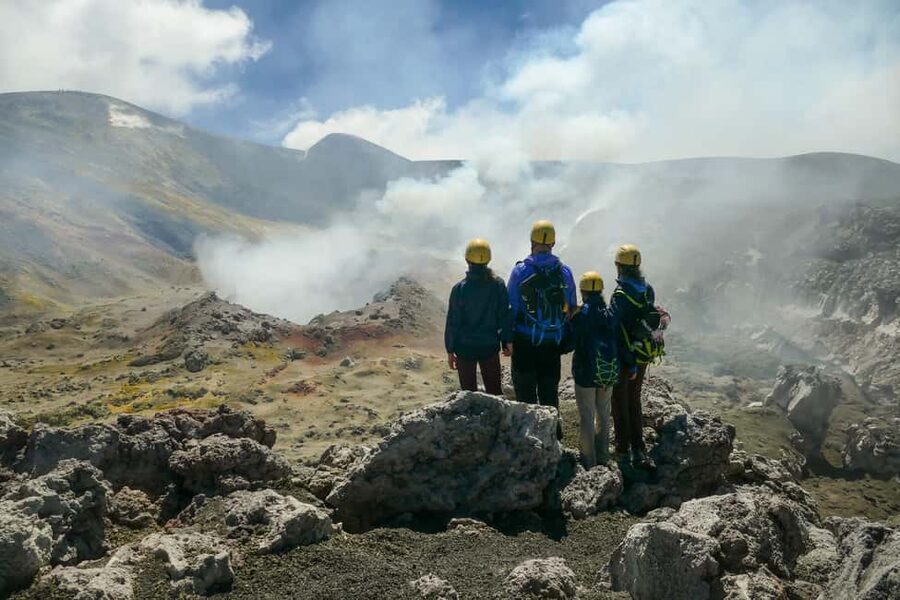
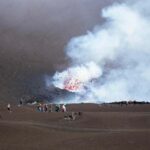
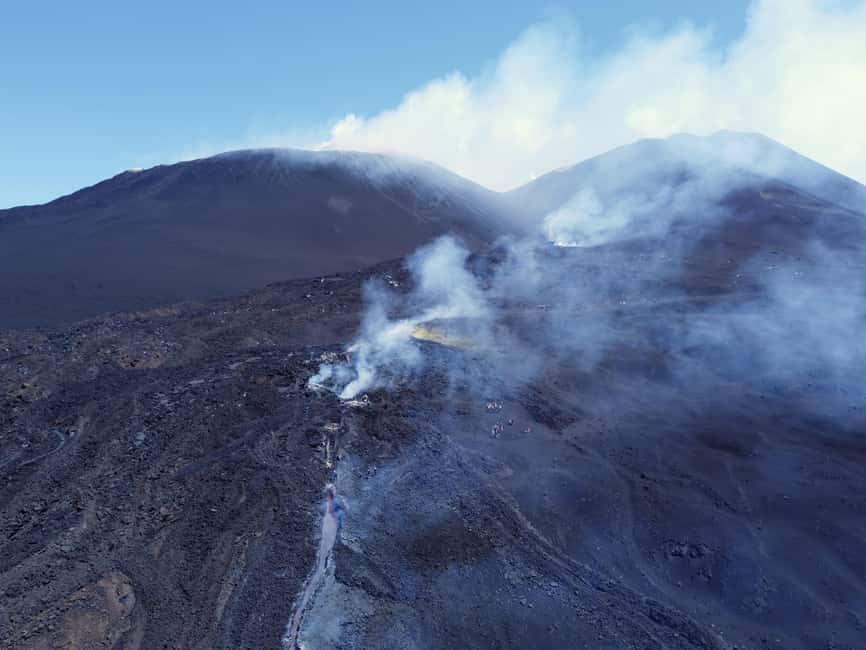
When you reach the summit craters at about 3,340 m, the experience shifts from “climb” to “standing and absorbing.” A major highlight is walking along the edge of the central crater so you can admire the two main conduits: the chasm and the new mouth.
This is the part where the guide’s explanations can really change how you see the volcano. Instead of looking at one giant crater, you start noticing how eruption pathways connect to the shapes around you. You’re seeing the volcano not as a single peak, but as a system of openings and vents.
You’ll also get time for unforgettable photos here, because the viewpoint is naturally dramatic. The air can be cooler at this altitude, but the main factor is how wind and weather play out on the rim. Bring your layers and listen to your guide about conditions.
After the rim: the southeast crater and the eruption story
From the central crater area, you continue toward the southeast crater, which is noted as the source of many eruptions in recent decades. That segment is about keeping the story moving: you’re not only reaching a high point, you’re seeing where the activity has concentrated.
This portion is valuable even if you’re not a volcano nerd. When you can connect the terrain to an eruption source, the whole mountain starts to make more sense. Etna stops being a vague destination and becomes a place with specific activity patterns.
As you continue, you’ll transition into the descent on a sandy slope, moving away from the summit zone and back down toward lower elevations where you can breathe easier.
The first lunch stop: recover, refuel, then keep going
During the descent you return quickly and enjoyably to about 3,000 m, where there’s a lunch break. You’ll have a “well-deserved” rest here, with time that’s useful for eating, taking photos, and catching your rhythm again.
Important detail: lunch is not included. So plan to bring food or buy it before/at the break point, depending on what’s available on the day. With a tour like this, I recommend packing something simple that you’ll actually eat even if you’re tired.
One practical tip: treat the lunch break like part of your hiking strategy, not a reward after you’re done. If you under-fuel on Etna, you’ll feel it during the later descent.
Barbagallo crater: more viewpoints, more volcanic texture
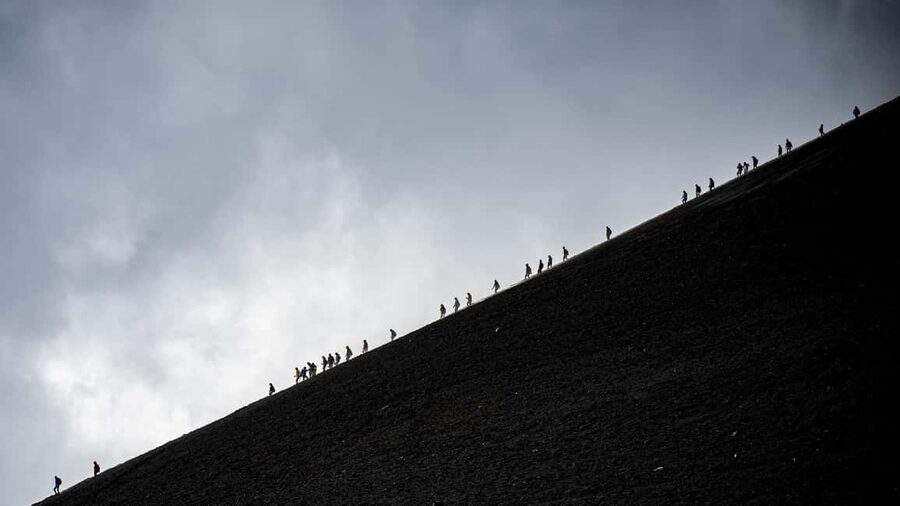
After lunch, you keep descending until you reach the northern base of the Barbagallo craters (a lateral eruption area from 2002/2003). You’ll walk around the perimeter and continue down with guided stops and photo opportunities.
This part matters because it adds variety. Early on you’re focused on the central crater and summit access; at Barbagallo you get a different eruption geometry, which helps you understand Etna’s activity beyond one big opening.
If you’ve got a background in hiking, you’ll notice the terrain changes. Volcanic areas can alternate between loose and firm surfaces, and the tour uses those shifts to keep the walk interesting while still moving downhill efficiently.
Entering the lava flow channel: where the mountain gets close
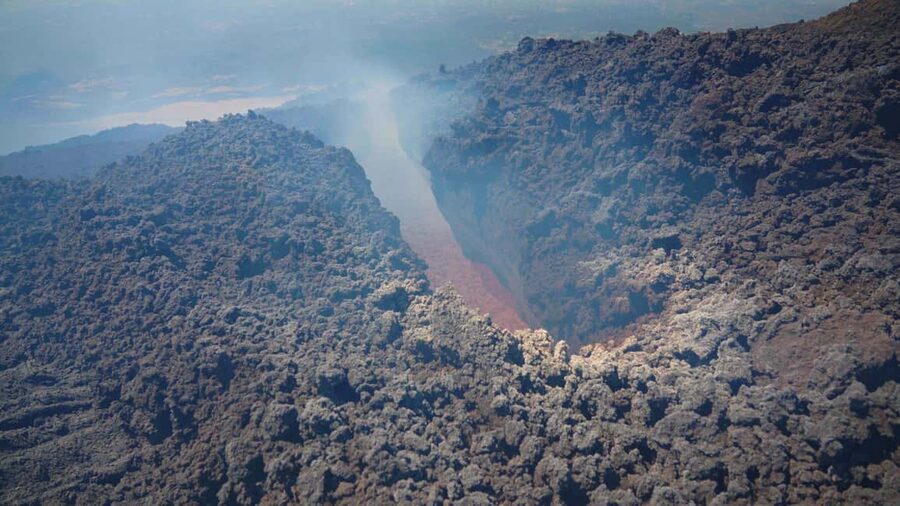
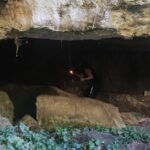
One of the highlights is a walk through a lava tube, and the itinerary describes entering a lava flow channel (a canyon formed by lava) when you reach the mouth of the lava flow.
This is one of those “you’re really in it” moments. The ground and the air can feel different in a lava-formed passage. It’s also a nice break from open-sky crater walking, because you shift from watching huge views to experiencing something more intimate and physical.
Even if you’re not claustrophobic, treat this section as a reminder that you’re in a working volcanic environment. Listen closely, keep moving safely, and let your guide lead the pace.
Valle del Bove viewpoints: the 9,000-year-old caldera effect
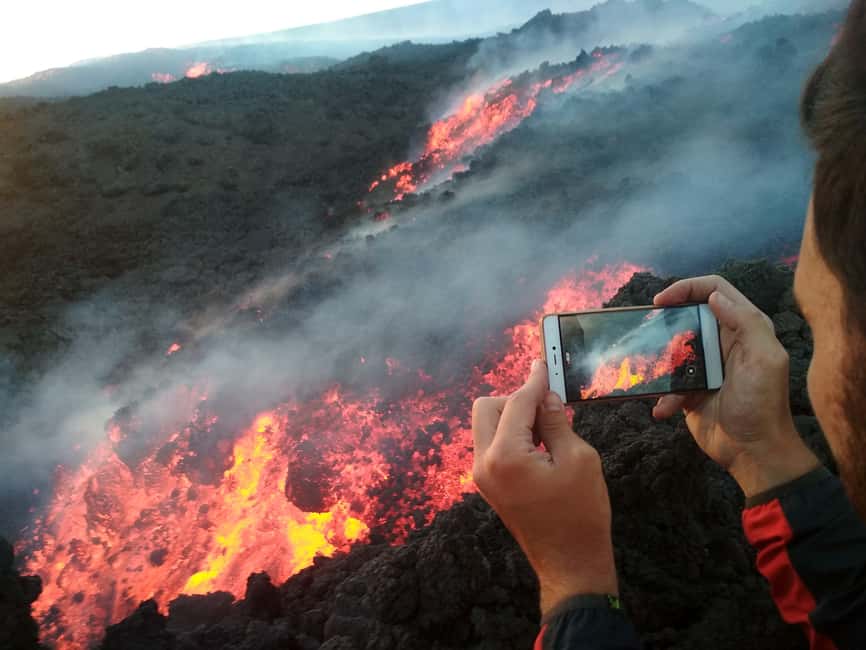
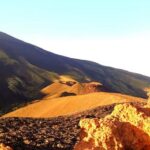
Next comes the Valle del Bove, described as an ancient caldera formed about 9,000 years ago from the collapse of Etna’s older eruptive centers. You’ll reach the viewpoint and get a short stop before continuing.
This is where the tour broadens out. After spending time on eruption sources and crater rims, Valle del Bove gives you a bigger mental picture of how Etna has reshaped itself over thousands of years. Even if you only spend a short time here, it’s a meaningful pause that helps the earlier sections click into place.
Then you continue toward the lateral crater formed during the 2001 eruption, and finish your descent back toward the cable car.
Timing and group feel: what 6 hours really means
The tour duration is listed as 6 hours. Realistically, that’s a full half-day with transit segments and multiple stops for photos and guidance.
One note to take seriously from the experience: the hiking can feel fast, with limited breaks along the way. In other words, don’t plan on treating every viewpoint like a long sit-down moment. You’ll get the biggest time to absorb the views at the summit and main stops, and you’ll spend much of the hiking in motion.
If you’re comfortable hiking with steady effort and you have decent knees, you’ll likely love it. If you need lots of pauses to stay relaxed, you might find the rhythm a bit quick.
Price and logistics: what you’re paying for, and what’s extra
The headline price is $77 per person, and the tour includes the hike, volcanology guide, windbreaker, trekking poles, protective helmet, and insurance. That’s not just “a guide for walking.” The included gear meaningfully reduces what you need to bring and what you might otherwise rent.
But you also need to budget for the transport tickets paid on site: €82 adults / €51 children up to 10 for the cable car and 4×4 vehicle.
So what’s the overall value? For me, the value comes from two places:
- You’re getting high-altitude crater access without having to manage every step of the climb from the start.
- You’re getting guided interpretation with safety gear, which makes a volcanic hike feel less like a stunt and more like learning.
Also, the meeting point is easy to find: park at the Rifugio Sapienza square and head to the Monte Gebel souvenir shop near there. You’ll then move into the activity with the group.
Who should book this Etna summit crater trek
This is best for adults and active hikers who feel steady on uneven ground.
It is not suitable for:
- Children under 9
- Pregnant women
- People with heart problems
- People with altitude sickness
- People with high blood pressure
- People over 95 years
If you fit the physical profile, you’ll probably enjoy the experience most if you:
- Like geology and want it explained while you walk
- Want big altitude views but not a full day of ascent planning
- Are okay with a fairly direct hiking rhythm and a lot of moving time
And if you get nervous about weather, read this as reassurance: there have been days when meteorology affected summit access, and the guide handled the situation with a strong alternative outing. Still, you should dress for changing conditions and stay flexible.
What to bring (and what to skip)
You’ll want:
- Long pants (required)
- Layered clothing and a plan for wind and cool air at elevation
- At least 1.5 liters of water per person
- Sturdy hiking shoes (even though footwear isn’t listed, you’ll want them)
What not to do: alcohol and drugs aren’t allowed.
Also, the tour provides key hiking gear, so you can travel lighter. Still, packing smart matters because you’ll feel the altitude and the walking time.
Should you book this Etna trek?
I’d book it if you want the full Etna experience: summit crater edge access, guided explanation you can actually use, and a route that keeps changing terrain instead of repeating the same steps. It’s a practical way to get to the high volcanic zones in about half a day, with safety gear included.
I wouldn’t book it if you need a slow, relaxed hike with long breaks every step of the way, or if you fall into the tour’s medical and age limitations. And if weather is a big concern for you, plan to stay flexible on the day.
If your goal is to understand Etna while you stand near its active features, this is a strong choice.
FAQ
How high do you hike on this Etna tour?
You start around 1,900 m at Rifugio Sapienza, take transport up to about 2,850 m, and trek to the summit craters at about 3,340 m. The descent brings you down to roughly 3,000 m at the lunch stop and then further toward the lower areas.
What’s included in the tour price?
The tour includes the Etna hike, a volcanology guide, windbreaker, trekking poles, protective helmet, and insurance. Lunch is not included.
What do I pay on site for the cable car and 4×4?
You pay on site for the round-trip cable car ticket and 4×4 vehicle. Adults are €82, and children up to 10 are €51.
How long is the trek to the summit craters?
The hike described to reach the summit craters is about 2 hours.
What should I bring and wear?
Bring long pants and dress in layers. The tour recommends at least 1.5 liters of water per person.
Who is this tour not suitable for?
It’s not suitable for children under 9, pregnant women, people with heart problems, altitude sickness, high blood pressure, or people over 95 years.