REVIEW · SAPA
Mount Fansipan 2 Days Trek – Roof of Indochina
Book on Viator →Operated by Trekking Tour Sapa · Bookable on Viator
That view you came for is only half the story. This 2-day Mount Fansipan trek is built around a real climb through shifting forests in the Hoang Lien Son nature reserve, with early-morning summit time and guides who explain what you’re walking past.
I like that the trek feels well-paced and supported: you get an English-speaking local guide, shared porter service (3 people per porter), and even gloves, so you spend less energy on logistics and more on the trail.
My main caution is simple: you’re going high in mountain weather, so cloud cover can hide the summit view, and the hike still takes real effort even with help.
In This Review
- Key highlights worth caring about
- Mount Fansipan’s Hoang Lien Son climb: what you’re really hiking
- Price and value: what $185 buys you (and what it doesn’t)
- Day 1 from Sapa to Tram Ton Pass: cardamom lessons and altitude changes
- Day 2’s summit push: breakfast, last-stage effort, and the summit you came for
- Porters, gloves, and group size: how the trek stays human
- What you’ll see on the trail: pine, bamboo, monkeys, and orchid country
- Timing, transport, and meals: the part that makes or breaks a 2-day trek
- Who should book this Roof of Indochina trek
- What to do before you go (practical prep that matters)
- Should you book this Mount Fansipan 2-day trek?
- FAQ
- Where do we meet for the Mount Fansipan trek?
- Is pickup included?
- How many people are in the group?
- What’s included in the $185 price?
- Do I need to pay for park entrance or the cable car?
- What happens if weather is poor?
Key highlights worth caring about
- Hoang Lien Son ecosystem change: from pine-and-bamboo zones upward to dwarf bamboo near the top
- Tram Ton Pass teaches as you walk: you’ll learn about local cardamom plants while trekking toward 2,200m
- Porter support + gloves included: reduces the load so you can focus on footing and rhythm
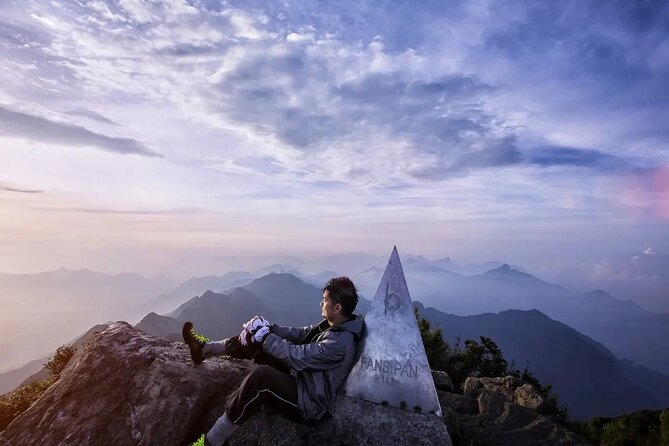
- Early Day 2 summit timing: breakfast then a last push to Fansipan Peak in the morning
- Summit certificate: a small thing, but nice to have after the work
Mount Fansipan’s Hoang Lien Son climb: what you’re really hiking
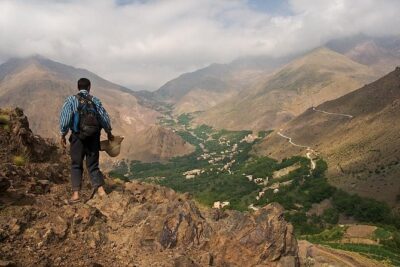
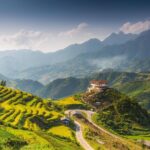
Mount Fansipan sits in the Hoang Lien Son mountain range, inside a nature reserve area that’s protected for wildlife and plants. You’re not just walking toward a number on a map. You’re moving through a living system where altitude changes what you see.
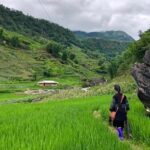
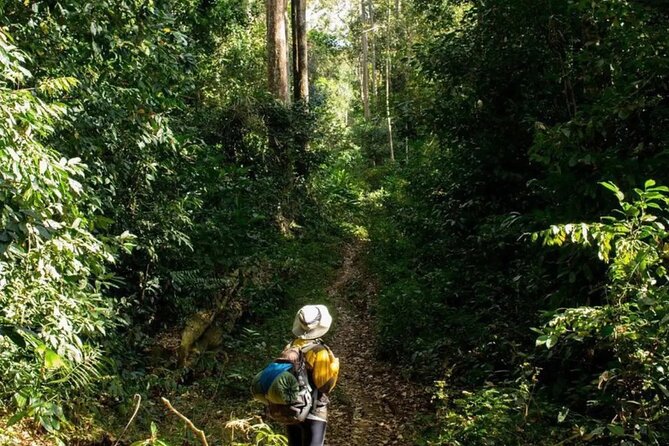
As you climb, the vegetation is the show. You may pass centuries-old pine trees and stretches of yellow bamboo, then later see dwarf bamboo closer to the summit zone. The tour also frames the hike as a chance for wildlife spotting, so keep an eye out for mountain goats and langur monkeys when conditions allow.
This is also an orchid-heavy area. The trek description points out that the region supports over 100 orchid varieties in that ecosystem. You won’t be stopping for a botany lecture the whole way, but it does mean the route you’re taking sits inside an area that’s actively protected for a reason.
Price and value: what $185 buys you (and what it doesn’t)
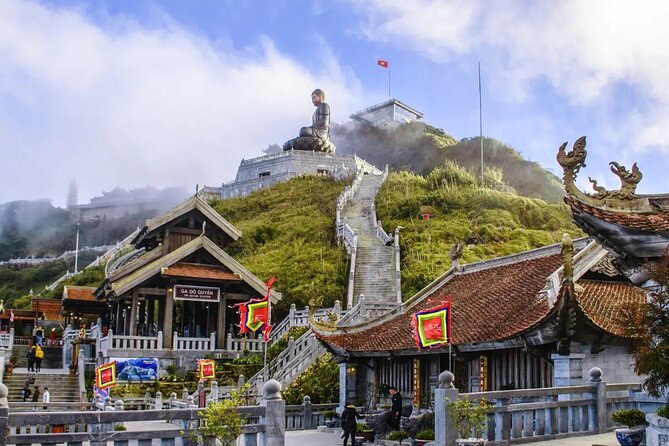
At $185 per person, this is not a bargain trek in the “pack your own food and go” sense. But it does include a lot of the expensive, annoying parts.
You’re paying for:
- Local English-speaking guide
- Hoang Lien National Park entrance fee
- Transport from Sapa to Tram Ton Pass and back
- Dinner, breakfast, and lunch twice
- Porter service (shared: 3 people per porter)
- Gloves and 1 big bottle of water per person
- A Fansipan peak summiting certificate
- Mobile ticket
What you should plan on paying separately: travel insurance, tips, and any extra drinks at the overnight stop or along the way. Cable car return is also optional and not included.
Is it worth it? For a 2-day summit trek, yes—because you’re getting more than a guide. You’re getting transport, park entry, meals, and shared porter support wrapped together. The cost starts to feel more fair when you price those items individually.
One other detail: this trek is popular. The average booking time is about 41 days in advance, so if your dates are fixed, don’t wait until the last week.
Day 1 from Sapa to Tram Ton Pass: cardamom lessons and altitude changes
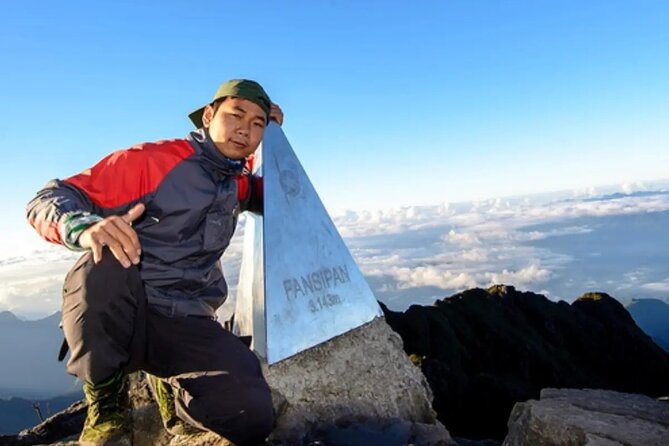
Day 1 starts in Sapa. You’ll meet at Sapa Church or at your hotel, with the plan showing 8:30 AM as the meet time and 9:00 AM listed as the start time. Either way, you’re early, and that matters because the first leg is about reaching the trail zone and settling into the pace.
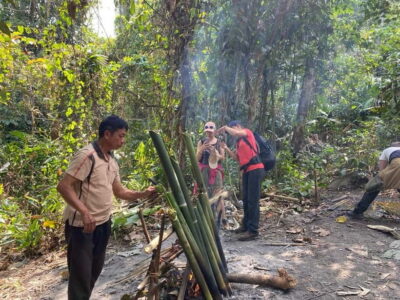
After the introduction, you transfer from Sapa town to Tram Ton point. Tram Ton Pass is not just a starting line. It’s part of the hike experience, and the tour specifically includes time to learn about local cardamom plants and how they’re used in the area.
From there, you trek up to around 2,200m. At that point, you slow down with a picnic lunch for about an hour. This stop is a smart part of the schedule: it gives your body a break while your eyes adjust to the change in plant life as altitude rises.
What’s good about Day 1 is that it sets you up for Day 2 without pretending the climb is easy. You’re gaining elevation, learning a little along the way, and ending the day close enough to make the summit push the next morning realistic.
The only drawback on Day 1 is what comes with mountain trekking: if the weather is misty or wet, the trail can feel longer than you expected. That’s not a failure of the plan—it’s mountain reality.
Day 2’s summit push: breakfast, last-stage effort, and the summit you came for
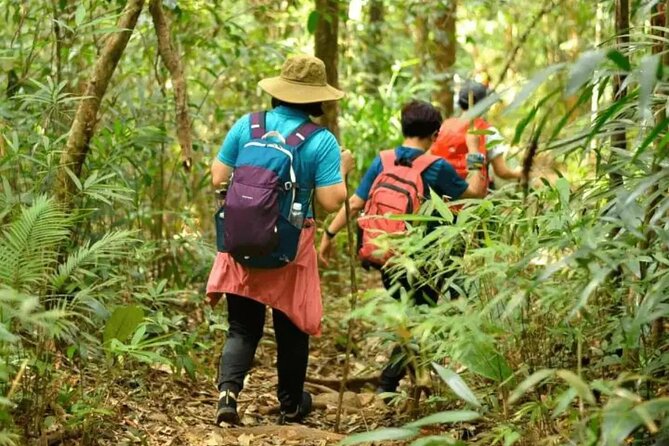
On Day 2, the day kicks off early. You’ll have breakfast together, then you’ll be at the last stage to conquer Fansipan Peak around 6:00 to 6:30 AM.
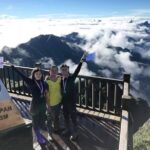
From there, it’s about steady work for about 1.5 hours before you arrive at the peak area. When you reach Fansipan Peak, you get time to enjoy the morning view. This is the part you remember later, even if the weather doesn’t cooperate.
Here’s the honest part: clouds can roll in. One traveler noted that the summit view was hampered by cloudy weather. That’s why this tour’s structure still makes sense. The climb itself is the payoff—altitude-driven vegetation changes, the effort, and the early summit timing improve your odds of a good summit window.
After the summit time, you come back down. Around 3:00 PM, you reach Tram Ton Pass, where your driver is waiting to take you back to Sapa town. The experience ends around 15:30, so you can still plan a late afternoon meal and a calm evening.
Porters, gloves, and group size: how the trek stays human
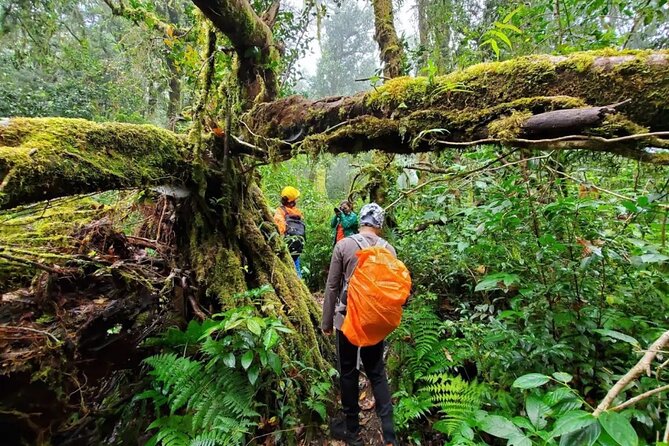
This is a moderate physical fitness trek, but it’s still a challenge. The tour description is clear that support is part of the formula. Porters help you along, and your guide moves you step-by-step through the climb.
Porter sharing is specifically 3 people sharing 1 porter. That’s a key detail for expectations. It’s not a private sherpa service where the group floats up on easy mode. It’s support designed to make the hike manageable for more people.
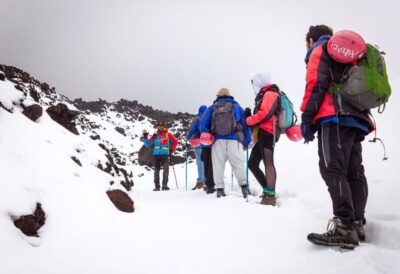
Gloves are included per person. That’s a practical inclusion for a mountain trek, especially in early morning and higher elevations where it can feel colder than you expected in Sapa.
Group size is limited to a maximum of 15 travelers. I like that number because it usually means you get more personal attention from the guide. In the feedback you can also see this reflected in guide style—people highlighted guides like Pao, Chu, Zhu, and Phung as friendly, patient, and careful with pacing.
One small but meaningful tip from past hikers: bring a headlight. Day 2 starts when it’s still dark, and having proper light helps with footing and comfort.
What you’ll see on the trail: pine, bamboo, monkeys, and orchid country
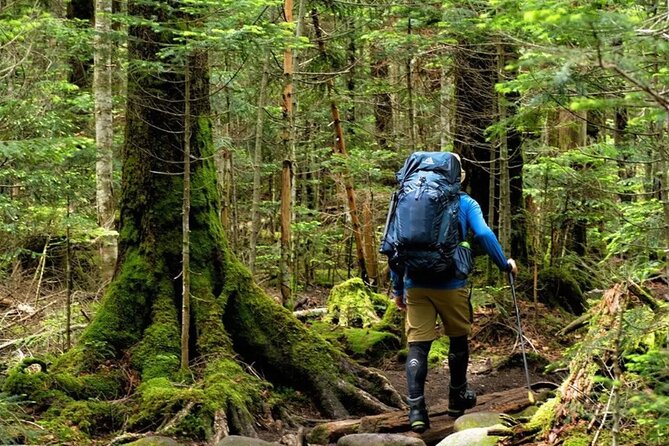
The route is built around visible altitude change. Early on, giant, centuries-old pine trees and yellow bamboo are part of the scenery as you gain elevation. As you go higher, the vegetation shifts again, and the description says you can reach a forest of dwarf bamboo near the top.
Wildlife sightings are never guaranteed, but the trek’s nature reserve setting is why the expectation exists. The description mentions possible sightings of mountain goats and langur monkeys. Even if you don’t see them, it’s still a good reminder: this isn’t a paved lookout hike. It’s a living mountain environment.
You may also feel the effects of the mountain itself—cooler air, changing light, and the way your breathing settles into rhythm. That’s part of why the summit feels earned.
If you get cloud, treat it as a different kind of experience. You’ll still climb through the same habitats. And at the summit, the work you did still counts even if the panorama is muted.
Timing, transport, and meals: the part that makes or breaks a 2-day trek
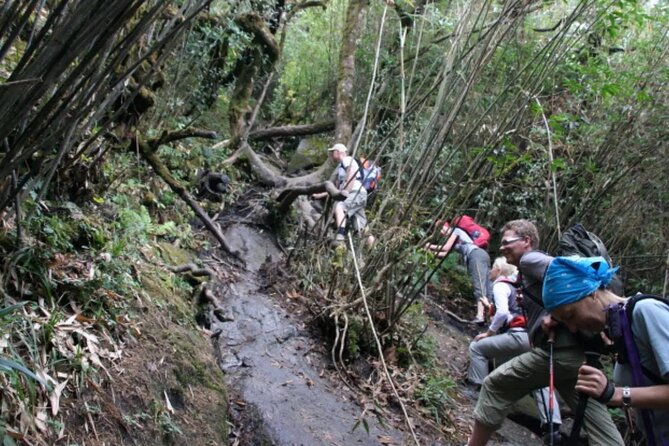
Two days is short for a mountain summit, so schedules need to be tight. This tour keeps things moving with clear anchors: meet in Sapa in the morning, picnic lunch at about 2,200m on Day 1, breakfast on Day 2 around early hours, then summit time and a return by around 3:00 PM.
Meals are handled for you. Dinner is included, as well as breakfast and two lunches across the two days. That matters because trekking appetite doesn’t always match your normal travel habits. Having real meals reduces decision fatigue and helps you manage energy for the next leg.
You’ll also have 1 big bottle of water per person included. If you’re the type who likes to sip often, you’ll appreciate not having to calculate water purchases mid-trek. Just remember extra drinks aren’t included.
Transport is included for both directions: Sapa to Tram Ton Pass and back. That’s one less thing to coordinate when you’re juggling early starts and possibly poor weather.
Who should book this Roof of Indochina trek
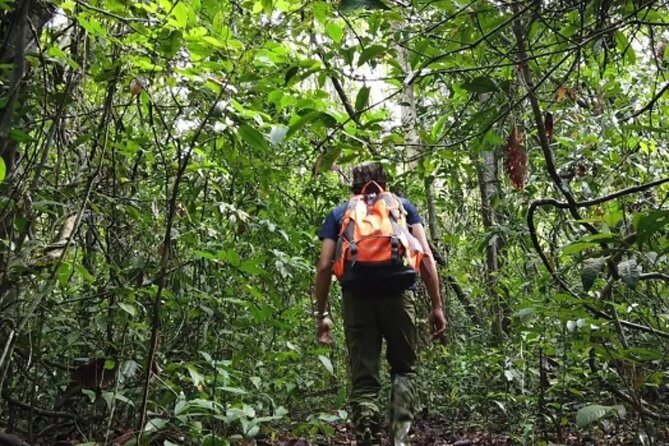
This trek fits best if you want a true summit challenge without trying to DIY every detail. The tour is described for people with moderate physical fitness. If you can handle a demanding 2-day hike and you’re okay with early mornings, you’re a good match.
It’s also a strong option if you care about guides and local interpretation. Past trip feedback praised guides for being patient and informative, and for taking care of the group. People also mentioned guides being helpful in small moments, like one person sharing that their guide helped make a marriage proposal happen at the right time.
If you’re coming for scenery and wildlife and you like learning while you walk, this is the right kind of effort. If you want a purely comfortable walk with minimal exertion, you might find Fansipan too demanding even with porters.
What to do before you go (practical prep that matters)
Because the route starts early on Day 2, I’d treat it like an equipment trip, not just a sightseeing trip. Bring a headlight, since the climb begins while it’s still dark.
For footwear, think about mountain mud. One traveler specifically warned that in muddy months you should expect slippery paths and recommended gum boots. You don’t need to buy anything fancy, but you do want grip and comfort you can trust.
Also plan for varying temps. Even if Sapa feels mild, mountain mornings can feel sharper, and the tour includes gloves—so assume you’ll want to stay comfortable rather than tough it out.
Lastly, set expectations about weather and views. The trek requires good weather, and a cloudy summit is possible. In that case, you’ll still get the main benefit: the climb through different vegetation zones and the sense of accomplishment at the peak.
Should you book this Mount Fansipan 2-day trek?
Book it if you want the classic Roof of Indochina experience done in a structured, supportive way. The mix of included meals, park entry, transport, porter service, and a summit certificate makes this feel like a complete package for a $185 price point.
Skip it (or think twice) if you’re extremely sensitive to cold or darkness and you’re not willing to do an early-morning summit push. Also consider that summit views can be affected by clouds, and this is a trek in protected mountain terrain where the weather calls the shots.
If you’re deciding now, here’s my simple checklist:
- You’re okay with moderate hiking effort and early starts
- You want a guided, supported climb rather than DIY logistics
- You pack for dark mornings (headlight) and possible mud (gum boots idea)
If those boxes are true, this is a smart way to take on Fansipan.
FAQ
Where do we meet for the Mount Fansipan trek?
You’ll meet in Sapa at Sapa Church or at your hotel. The schedule shows an 8:30 AM meet time, with a start time also listed as 9:00 AM.
Is pickup included?
Pickup is offered. You’ll be met either at Sapa Church or at your hotel.
How many people are in the group?
The tour has a maximum group size of 15 travelers.
What’s included in the $185 price?
The price includes a local English-speaking guide, Hoang Lien National Park entrance fee, transport to and from Tram Ton Pass, dinner, breakfast, and lunch twice, porter service (3 people sharing 1 porter), 1 big bottle of water per person, gloves per person, and a Fansipan summiting certificate.
Do I need to pay for park entrance or the cable car?
Hoang Lien National Park entrance is included. Cable car return is optional and not included.
What happens if weather is poor?
This experience requires good weather. If it’s canceled due to poor weather, you’ll be offered a different date or a full refund.