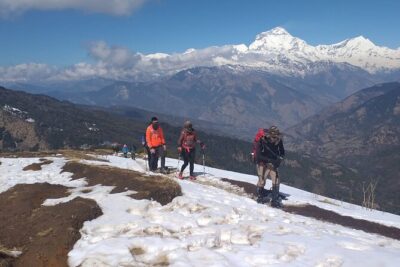
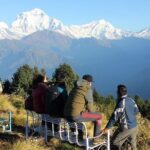
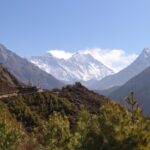
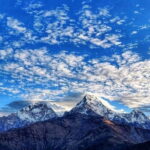
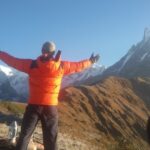
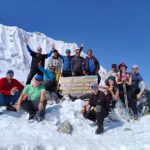
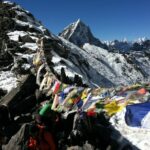
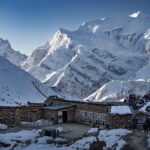
Mustang starts where Nepal stops feeling familiar. You’re heading into Upper Mustang—the so-called Last Forbidden Kingdom—where the desert-like rain shadow turns the mountains into a stark, striking world of walled villages. I especially like the way the trek follows the Kali Gandaki river corridor, setting up big Himalayan views as you go.
I also like that this trip is run with a government-licensed Sherpa guide, so you’re not guessing about the route, the permits, or the day-to-day details. You’ll be sleeping in tea houses or camping during the trek, and the included meals keep the logistics simple.
One thing to weigh: the restricted-area paperwork can make this trek pricey. Even within the overall tour cost, permit fees can feel steep, with one traveler calling out restricted fees over $500.
In This Review
- Key highlights you’ll feel on the trek
- Why Upper Mustang Feels Like a Different World
- Kathmandu Warm-Up: UNESCO-Style Sightseeing and a 3-Star Base
- The Ride to Pokhara and the Flight to Jomsom
- First Footsteps into Mustang: Kagbeni and the River Corridor
- Lo Manthang: Walled Town Feel, Monasteries, and Cave Areas
- Muktinath: When Hindu and Buddhist Paths Cross
- Chhuksang and Chele: Canyons, Waterfalls, and Eroded Cliffs
- Tea Houses and Camping: Sleeping How Mustang Chooses
- Permits, ACAP, TIMS, and Restricted Access: Why Paperwork Shapes the Trek
- The Guide Factor: Ganesh, Sudan, Mani, and the Team Dynamic
- Meals and Daily Energy: What’s Included, What Isn’t
- Price and Value at $1,476.93 per Person
- Who This Trek Suits Best
- Should You Book This Upper Mustang Trek?
- FAQ
- FAQ
- What does the tour include for Kathmandu?
- How do you get from Kathmandu to the trekking area?
- What trekking villages and places are included?
- Are meals included during the trek?
- What permits are included?
- What kind of accommodation do you get on the trek?
- What fitness level do you need?
Key highlights you’ll feel on the trek
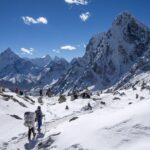
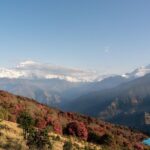
- Kali Gandaki river walking with regular sightlines toward Dhaulagiri, Nilgiri, and Annapurna
- Lo Manthang and its Tibetan-style culture, including monasteries and cave areas
- Muktinath Temple as a major pilgrimage for both Hindu and Buddhist traditions
- Desert-in-the-Himalayas route shaped by the Dhaulagiri/Annapurna rain shadow
- Simplified travel legs via tourist bus to Pokhara and a flight from Pokhara to Jomsom
- A professional Sherpa guide with government license, plus supported porter logistics
Why Upper Mustang Feels Like a Different World
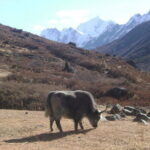
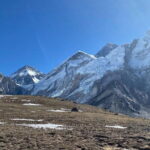
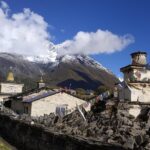
Upper Mustang sits in a rain shadow created by the Dhaulagiri and Annapurna ranges. The result is a “mountain desert” feel: dusty plains, eroded cliffs, and canyons that make the region look more like northern Tibet than the greener parts of Nepal. You’ll see why it used to be tied to Tibetan influence and why salt caravans once crossed these higher Himalayan passes.
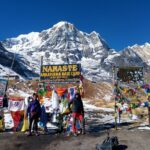
The cultural side is just as real as the physical one. You’re passing villages with a heavy Tibetan imprint—monasteries, rock-built places, and day-to-day rhythms that feel older than the surrounding modern world. Even when the days are long, the scenery and culture keep switching gears: desert walking gives way to canyon sections, then to viewpoints over bigger mountain masses like Mt. Dhaulagiri and Mt. Annapurna.
And yes, you’ll be dealing with a different kind of weather too. This region can be demanding on your energy levels, which is why the trip is best for people with moderate fitness and a steady walking pace.
You can also read our reviews of more tours and experiences in Kathmandu.
Kathmandu Warm-Up: UNESCO-Style Sightseeing and a 3-Star Base
Before you head out into the high country, you get a half-day Kathmandu sightseeing block focused on UNESCO World Heritage Sites of Kathmandu Valley. This is a good use of time because it gives you context: you start to understand how people in Nepal navigate religion, art, and daily life before you move into Mustang’s more Tibetan-flavored sacred landscape.
You’ll sleep in a 3-star hotel in Kathmandu, which helps you recover from travel days. The tour also offers pickup, which matters if you’re arriving tired and just want to get moving without turning your first day into a logistics puzzle.
One small practical note: lunch and dinner in Kathmandu aren’t included. That’s not a deal-breaker, but you’ll want a plan so you’re not stuck searching for food right when you’d rather be relaxing.
The Ride to Pokhara and the Flight to Jomsom
Your route uses two very different transport legs: a tourist bus from Kathmandu to Pokhara, then a scenic flight from Pokhara to Jomsom (with the flight ticket included).
Why this matters for you:
- The bus segment gets you positioned near the trekking start region without adding extra trekking days.
- The Pokhara-to-Jomsom flight saves you from a longer approach trek and helps you keep the trip feeling like a trek, not a slog.
If you like your travel with clear checkpoints—hotel, bus, plane—this format is satisfying. It also helps the whole schedule stay predictable, which is useful in a region where weather can affect timing.
One thing to keep in mind: the experience requires good weather. If conditions don’t cooperate, the tour may be changed to a different date or refunded. That’s normal in the Himalayas, and it’s especially relevant for flight-dependent parts of the journey.
First Footsteps into Mustang: Kagbeni and the River Corridor
Once you’re set up in the Jomsom area, you start moving through Mustang’s signature villages. You’ll pass through places like Kagbeni, and later continue through Lo Manthang, Chhuksang, and Chele.
Even without a day-by-day script you can hang your hat on, you can expect the first walking days to feel like you’re entering a different climate system. The terrain trends toward dry, open views and rugged edges. As you move along the Kali Gandaki river side, the corridor effect keeps your sightlines active: you’re not just looking at one mountain for hours—you’re getting repeated angles toward Dhaulagiri, Nilgiri, and Annapurna as the valley shape changes.
This is also when your routine sets in:
- start the day walking
- stop for meals
- keep your pace steady
- let the scenery cycle, not overwhelm you
If you want to make this portion easier on yourself, focus on consistency. In Mustang, it’s usually better to walk at a pace you can repeat every hour than to surge early.
Lo Manthang: Walled Town Feel, Monasteries, and Cave Areas
Lo Manthang is the centerpiece name people remember after Upper Mustang. It’s also where you’ll notice the strongest “Tibet-adjacent” vibe: Tibetan-influenced culture, religious sites, and the way the town sits inside its own protective style.
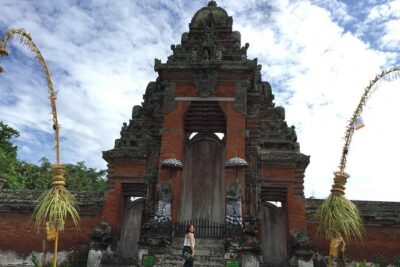
During your time in the area, you’ll visit monasteries and caves in Upper Mustang. That matters because it shifts you from sightseeing into something more grounded: religion here isn’t just architecture. It’s part of how people live, pray, and mark space.
What I like about this stop for your experience:
- You get a sense of place beyond the photos. The caves and monasteries help you understand Mustang as a spiritual route, not just a trek destination.
- You’ll be moving through built environments with fewer crowds than the classic Nepal trails, which keeps your focus on the place itself rather than constant busyness.
Potential drawback? In a town like Lo Manthang, the pace can feel slow compared to a purely viewpoint-focused hike. If you love long, uninterrupted views, you might find yourself wanting more wide-open walking time. But if you enjoy religious sites and cultural texture, this is where the trip justifies its effort.
Muktinath: When Hindu and Buddhist Paths Cross
Upper Mustang wouldn’t be the same without Muktinath Temple, an important pilgrimage site for both Hindu and Buddhist traditions.
Even if you’re not a hardcore pilgrim, a stop like this can change how you see the route. The area isn’t just a backdrop; it’s a working religious destination. You’ll see how different faiths operate side by side, with shared reverence for sacred geography.
This is a good moment to pause your trekking rhythm. Temperature and exertion can take your attention away from meaning, so plan to take time here rather than treating it like a fast photo stop.
Chhuksang and Chele: Canyons, Waterfalls, and Eroded Cliffs
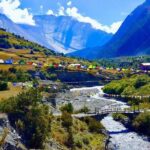
As you continue deeper into the journey, you’ll pass through Chhuksang and Chele. This is where the scenery becomes more dramatic in a geological way: canyons, eroded cliff faces, and river-adjacent walking.
The description you should keep in mind for these days is variety:
- desert-like sections
- steep, canyon-shaped turns
- occasional waterfall sightings when conditions allow
- sharp-looking valley walls and dry rock formations
This part of the trek is often where you get your best “working scenery,” the kind that makes you feel like you’re moving through a sculpted planet. It can also be physically tricky because canyon sides can mean uneven footing and long walking stretches without many easy breaks.
My practical advice: pack your days with small habits. Use a steady hydration routine, eat on schedule, and keep your layers ready for temperature swings.
Tea Houses and Camping: Sleeping How Mustang Chooses
Your trekking nights are covered in tea houses or camping. Which one you get will depend on the route conditions and what’s available day to day. Either way, you’re not doing this trip for luxury. You’re here for the combination of remote travel and cultural access.
Why this is still good value:
- It keeps you from hunting for lodging options in a region that may not have consistent choices.
- Included accommodations make the trip feel organized, even when the terrain is rugged.
In Mustang, you’ll likely find that your comfort depends on how well you prepare for cold nights and wind. Bring warm sleeping layers, and don’t treat the tea house setup as a substitute for proper cold-weather readiness.
Permits, ACAP, TIMS, and Restricted Access: Why Paperwork Shapes the Trek
Upper Mustang is a restricted region. That’s why the tour includes the key documents you need: ACAP (Annapurna Conservation Area Permit), TIMS (Trekkers Information Management system card), and the Restricted Area Permit.
For you, this matters more than people expect. These permits aren’t just fees; they determine what’s possible legally and logistically. With all of them handled through your trek operator, you avoid the common stress of figuring out what’s required and when.
The tradeoff is cost. One traveler flagged that permit fees can be over $500. That means you should budget for it—and decide whether the restricted-access experience is what you want.
If yes, it’s worth it. If you’re hoping for a cheaper, less controlled trek, Mustang isn’t built for that. It’s a more tightly managed experience for a reason.
The Guide Factor: Ganesh, Sudan, Mani, and the Team Dynamic
The trip is built around a professional Sherpa Guide with government license, and the supporting team makes a visible difference in how smooth the trek feels.
Names you may encounter through the company’s team:
- Ganesh as a guide who’s been noted for keeping things light during the trek, including lots of laughter and even dance-like moments when the mood needed a boost.
- Sudan appears in descriptions alongside porters as part of the guiding leadership.
- Mani as the owner/operator, noted for being professional and for handling requests well.
Why the guide style matters on a trek like this: Mustang days can become repetitive—walk, eat, walk—especially when views are strong but the trail doesn’t change dramatically. A guide who can keep morale steady makes the experience feel more human.
Also, the owner Mani has been described as speaking fluent Chinese, which can be helpful if you prefer clear communication and quick clarifications. Even if you don’t speak Chinese, it signals that the operator is set up for better coordination across language barriers.
Meals and Daily Energy: What’s Included, What Isn’t
During the trek, your meals are covered: breakfast, lunch, dinner. That’s a big deal because good meals matter more at altitude than people think. It’s easier to keep a steady pace when you’re not spending time deciding where to eat and worrying about portion sizes.
But in Kathmandu and Pokhara, lunch and dinner aren’t included. So you’ll need to budget for meals on those days and decide where you want to eat after sightseeing or before travel legs.
Drinks also aren’t included. That means bring cash for water and any non-meal items you want. Dehydration and low energy are two ways trekking goes wrong, so don’t treat drinks as an afterthought.
Price and Value at $1,476.93 per Person
At about $1,476.93 per person for roughly 17 days, this trek isn’t a budget play. It’s a managed, permit-heavy experience with transport, meals, and trained staff.
Here’s where the value actually shows up:
- Permits included: ACAP, TIMS, and Restricted Area Permit are costly and time-sensitive.
- Transportation included: Kathmandu to Pokhara by tourist bus, plus the flight ticket from Pokhara to Jomsom.
- Guide and support: a licensed Sherpa guide, plus coverage for guide and porter insurance and their food/accommodations.
- Meals during trekking: breakfast, lunch, dinner across the trekking segment.
- Safety support: rescue assistance that connects with your travel insurance, plus government taxes included.
A drawback is that the cost can feel sharp once you’re aware that restricted access drives much of the total. If you’re price-sensitive, you may decide you’d rather do a less regulated route.
But if you care about legally managed access to Lo Manthang and the Upper Mustang core religious sites, this price starts to look more like a system than a sticker.
Who This Trek Suits Best
This Upper Mustang Trek is best for people who:
- want a remote, Tibetan-influenced culture experience
- enjoy walking through desert-like canyons and river valleys
- can handle moderate physical effort over many days
- like having meals and key logistics handled
Because it’s a private tour/activity with only your group participating, it’s also a good fit if you value flexibility and calmer pacing than larger group tours.
If you’re someone who needs lots of modern comfort, this won’t match that expectation. You’re sleeping in tea houses or camping and trekking through dry, rugged terrain. On the flip side, if you want “real travel,” not staged sightseeing, Mustang rewards that attitude.
Should You Book This Upper Mustang Trek?
Book it if Upper Mustang is the kind of place you’ve been dreaming about: the walled feel of Lo Manthang, the monasteries and cave areas, and the shared pilgrimage significance of Muktinath. The included permits, meals during trekking, and the Pokhara-to-Jomsom flight add up to real convenience when the region is remote.
Hold off if your main goal is a cheaper trekking holiday. The restricted-area structure is part of the package, and the permit costs can hit hard. Also, be ready for the trip’s dependence on good weather, since flight and timing matter.
FAQ
FAQ
What does the tour include for Kathmandu?
It includes accommodation in Kathmandu in a 3-star hotel and a half-day sightseeing tour of UNESCO World Heritage Sites in Kathmandu Valley. Pickup is offered, and mobile ticketing is mentioned.
How do you get from Kathmandu to the trekking area?
You take a tourist bus from Kathmandu to Pokhara. Then you use a flight from Pokhara to Jomsom, with the flight ticket included.
What trekking villages and places are included?
Your route includes stops through Kagbeni, Lo Manthang, Jomsom, Chhuksang, and Chele. The itinerary also includes visits to monasteries and caves of Upper Mustang and the Muktinath Temple.
Are meals included during the trek?
Yes. During the trekking portion, breakfast, lunch, and dinner are included. Lunch and dinner in Kathmandu and Pokhara are not included.
What permits are included?
The tour includes ACAP (Annapurna Conservation Area Permit), TIMS, and a Restricted Area Permit.
What kind of accommodation do you get on the trek?
During the trek, accommodation is included as either tea house lodging or camping, depending on the segment and conditions.
What fitness level do you need?
The tour advises moderate physical fitness. It’s also described as a trekking journey that involves walking between remote villages and through canyon and desert-like terrain.