REVIEW · TBILISI
Trekking Tour from Tusheti to Khevsureti via Atsunta Pass
Book on Viator →Operated by TrekGeorgia · Bookable on Viator
Stone towers meet wild mountain country. This trek links Tusheti to Khevsureti via Atsunta Pass, with big views, medieval villages, and days where you’ll hike through places that feel totally human-free. I love how the route mixes stone village trails with true wilderness hiking, and I love that you’re still well-fed and well-guided even in remote areas. The main consideration: you need solid fitness for 72 km of walking and a high pass around 3,400m.
You start with a mountain drive from Tbilisi to the Tusheti region, then step into a landscape where alpine meadows, pine stands, and snow-covered peaks show up for real. This is also a small-group trek (up to 15 people), and guides like Tato and Dito (and sometimes Dimitri for other departures) are known for being switched-on and genuinely helpful out on the trail. That focus matters because the terrain can be rugged and the days long.
One more practical note before you fall in love with the photos: tents, sleeping gear, and cooking setup are included, but your personal trekking kit like a backpack and trekking poles is not. If you show up under-prepared, you’ll feel it more at altitude and on long walking days.
In This Review
- Key highlights to know before you go
- Tusheti to Khevsureti via Atsunta Pass: why this trek feels different
- From Tbilisi to Omalo: the mountain drive sets the tone
- Tusheti stone villages: Omalo, Dartlo, Kvavlo, and Girevi
- Atsunta Pass at 3,431m: two wild days above the huts
- Down into Khevsureti: Mutso towers, Shatili fortresses, and a softer finish
- Price and logistics: is $1,620 good value here?
- Should you book TrekGeorgia for Tusheti to Khevsureti?
- FAQ
- How long is the trekking tour?
- Where does the tour start in Tbilisi, and what time?
- What is the walking distance?
- What is the minimum age for the tour?
- Is camping equipment included?
- What documents are required for booking and travel?
Key highlights to know before you go
- Atsunta Pass around 3,431m for big panoramic views at the high point
- No huts and very few people for multiple days, so the trail feels wild
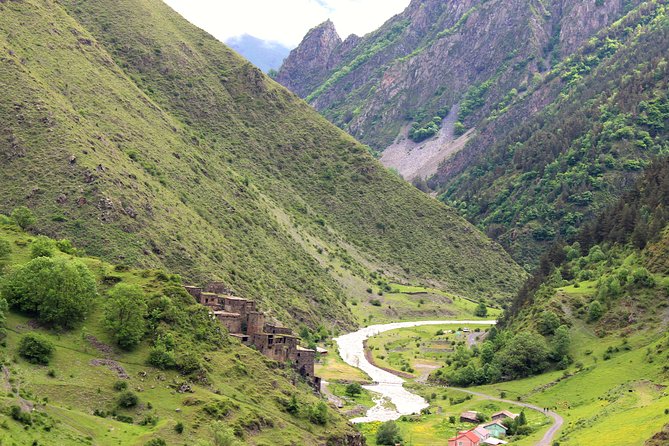
- Tusheti stone villages with defensive towers and renovated villages like Dartlo
- Real hiking between valleys and gorges, including narrow passes and river-crossing terrain
- Camping with included basic equipment plus meals planned throughout
- Group size capped at 15 for a more personal rhythm with your guide
Tusheti to Khevsureti via Atsunta Pass: why this trek feels different
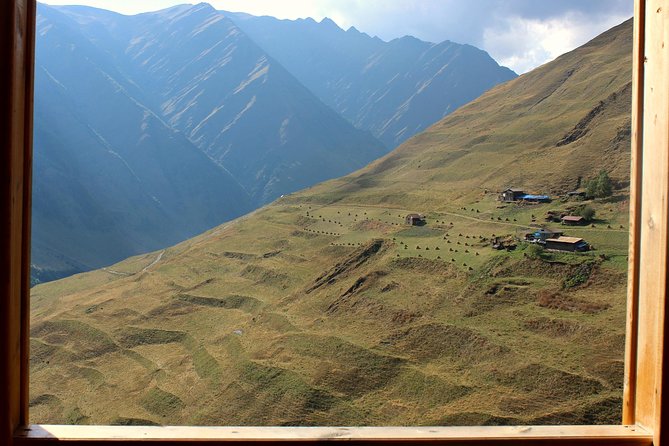
This is the kind of trek where your day-to-day surprises aren’t small. In Tusheti you’ll see alpine meadows and stone villages with defensive towers, then you’ll move into higher country where it’s mostly hikers and mountains. The route is described as one of the most stunning trails you can imagine, and the way it’s put together supports that: village sections give you cultural anchors, then the wilderness days give you space to breathe.
What I like most is the balance. You’re not just collecting viewpoints; you’re walking through the valleys and gorges that shaped life here. You also get multiple chances to see tower-house architecture up close in Tusheti and again in Khevsureti, especially around places like Shatili.
At the top end, you’re crossing Atsunta Pass at about 3,431m. That altitude doesn’t require technical climbing based on the route description, but it does mean colder air, thinner-feeling days, and a need to keep a steady pace. If you like trekking that pushes your body a little while rewarding you with wide-open scenery, this one delivers.
You can also read our reviews of more tours and experiences in Tbilisi.
From Tbilisi to Omalo: the mountain drive sets the tone
The experience starts in Tbilisi at the Giant Bicycle monument in Rose Revolution Square, with a 9:00 am departure. From there, you’re doing more than a quick transfer: you’re headed into the Kakheti region and the mountain road world of Tusheti.
The plan includes a 4WD transfer from Tbilisi to Alavani, then onward to Omalo. After about six hours of driving on Day 1, you arrive and explore Omalo and the Keselo Towers. The route also notes crossing a mountainous pass at about 2,850m during the drive, which means you’re already getting that high-country feel before the first serious hike.
This kind of long, twisting access road matters because it shapes expectations. You’re not arriving in Tusheti like you’re checking into a hotel. You’re arriving like you’re entering a remote region—slower, more weather-dependent, and more tied to local life. That remote access is often a highlight for people who like roads-as-an-experience, not just the destination.
Tusheti stone villages: Omalo, Dartlo, Kvavlo, and Girevi
Days 1–3 are your Tusheti immersion. You’re walking between villages that are marked by medieval stone houses and defensive structures. It’s not museum sightseeing. These are places with character—some renovated, some in partial ruins—and the trails between them follow the logic of valleys and sightlines.
Omalo on Day 1 gives you a first taste: tower views, a feel for village layout, and a chance to settle into mountain time. The day is also structured to be manageable after travel, with driving plus exploration rather than an immediately punishing hike.
On Day 2, you hike to Dartlo in the Pirikiti Tusheti valley, described as recently renovated with typical Tusheti medieval stone houses and defensive buildings. Then you continue to Kvavlo, mostly ruined towers and houses. The trail distance and climb are spelled out for the Dartlo-to-Kvavlo section: about 3.2 km one way, with an ascent of around 400 meters (from roughly 1,833m to 2,182m). Expect 2 hours one way for that segment at a steady trekking pace.
On Day 3, the route follows upstream along the Pirikiti Alazani river gorge. You pass Chesho and Parsma, both noted for beautiful houses and stone towers, then reach Girevi via a narrow path. This is where the walk starts to feel more like moving through terrain than moving between postcards. Narrow trails, river-gorge steps, and sightlines into surrounding mountains keep you paying attention.
Accommodation also matches the mood. You get one overnight in Omalo with private facilities, then shared-facility guesthouses later in Dartlo and Girevi. If you’re comfortable with simple mountain lodging, this part of the trek will feel authentic rather than rough-around-the-edges.
Atsunta Pass at 3,431m: two wild days above the huts
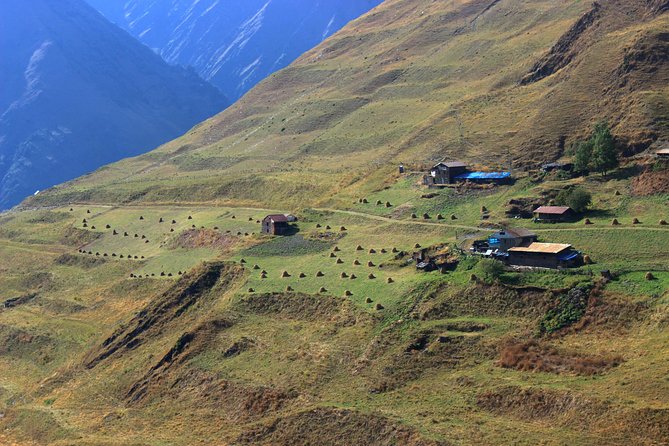
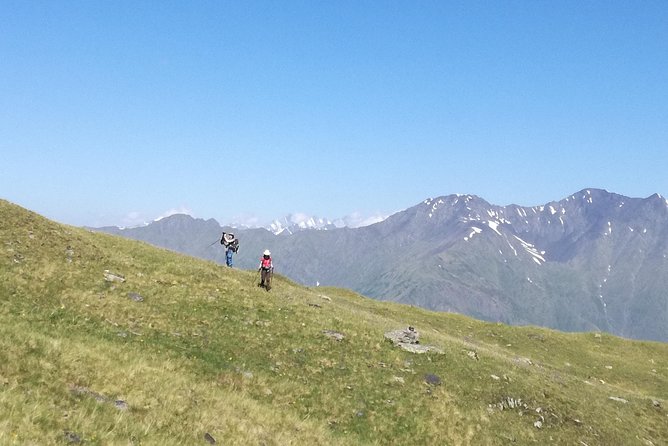
Days 4–5 are the “wow, we’re really in it” portion. The route shifts away from village-to-village hiking and into a shepherd trail style of trekking—into the wilderness where the description emphasizes no huts and no humans except hikers for about three days.
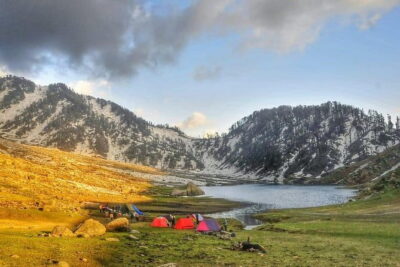
On Day 4, after breakfast you start the most difficult part of the tour. The walk follows a narrow gorge above Girevi, with crossings of small mountainous rivers, and includes a stop near Kvakhidi after passing the ruined village area of Chontio. You end the day in open green fields and alpine meadows, where you set up tents and have dinner.
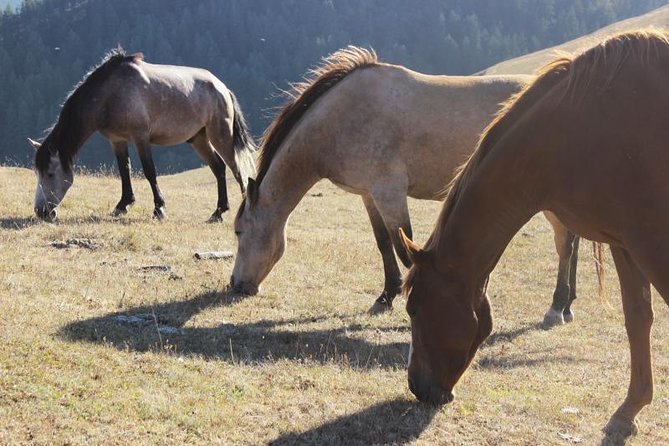
That night is part of the value here. You’re not carrying heavy camping infrastructure by yourself—the trek includes camping basic equipment (tents, sleeping bags, sleeping mats, and cooking gear). Plus, there are horses for luggage transportation, so your personal load can stay lighter than it would on a fully self-supported trek.
On Day 5, you start early and hike up to Atsunta Pass, reaching a high point around 3,431m. Snacks and a pause for views are built in. Then you descend to the Khidotani ridge and camp again in open alpine meadow. This is where your effort pays off: you’ll feel the pass more in your legs, but the panorama at the top is the reward.
A quick reality check: altitude affects everyone differently. The trek’s difficulty isn’t described in technical terms, but it is described as the toughest part and involves a major ascent. Go slower than you think you need to on the climb, keep breathing steady, and you’ll make it feel far more manageable.
Down into Khevsureti: Mutso towers, Shatili fortresses, and a softer finish
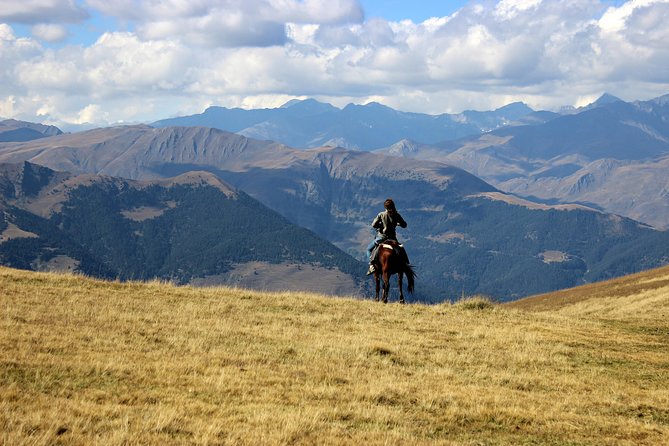
By Day 6, the hike becomes easier and the trail starts following a more car-road-adjacent path for stretches. You’re moving from the harsher high country down into Khevsureti, a region known for dramatic stone fortifications.
The day starts with breakfast in nature, then a descent into a narrow gorge to reach the first inhabited place in Khevsureti. After passing village Khone, you walk to Mutso—noted as largely abandoned, but still impressive for its towers and architectural style. The route also says the Mutso fortress complex has been renovated, so you’ll get a better sense of the site than you would from a fully roofless ruin.
There’s a detour to the Mutso fortress—about 2 km on top of the main walk. After this, your transport waits with your driver near Mutso. From there, the plan is to drive to Shatili and then back to Tbilisi.
Shatili is the big finale: stone towers and houses built on rocky ground above narrow gorges. It’s described as a defensive medieval complex with picturesque views, and that description matches the broader feel of this trek: you’re repeatedly seeing how people built for defense, climate, and visibility. Even if you’re tired, it’s a satisfying last scene—stone structures framed by cliff edges and gorge lines.
You also end right back where you started. The tour ends back at the meeting point in Tbilisi, with the activity returning you to Rose Revolution Square.
Price and logistics: is $1,620 good value here?
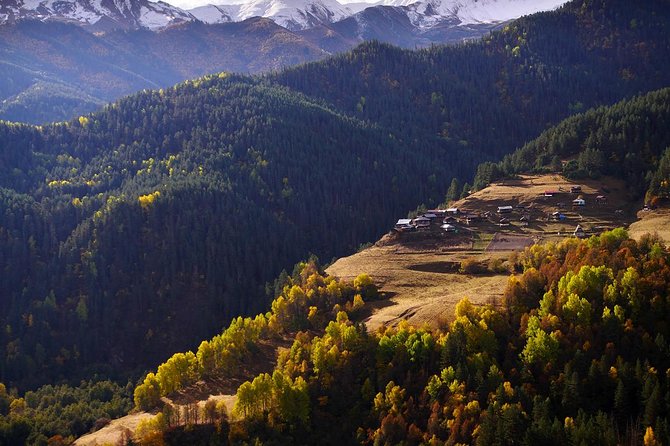
$1,620 per person is not a budget price. But for this route, it looks more like you’re paying for remote competence: guides, transport up into Tusheti, lodging in mountain guesthouses, and the camping setup to keep you moving in a place where you can’t just “figure it out.”
Here’s what you’re getting that matters in real life:
- Expert leadership from experienced adventure guides
- 4WD transfers from Tbilisi up to Alavani and then to Omalo
- Comfortable transport at the end (Mutso to Shatili to Tbilisi)
- Meals laid out across the days (breakfasts, lunches, dinners)
- Camping basic equipment included for your wilderness nights
- Horses for luggage transportation, which can make or break comfort on long days
And the group size is capped at 15, so you’re not fighting for attention or space in a crowd. In a trek like this, that “small and organized” feeling matters more than fancy add-ons.
My take: if you want a guided trek that handles the heavy logistics and still feels authentic and remote, this is priced like a real mountain program, not a casual hike.
Should you book TrekGeorgia for Tusheti to Khevsureti?
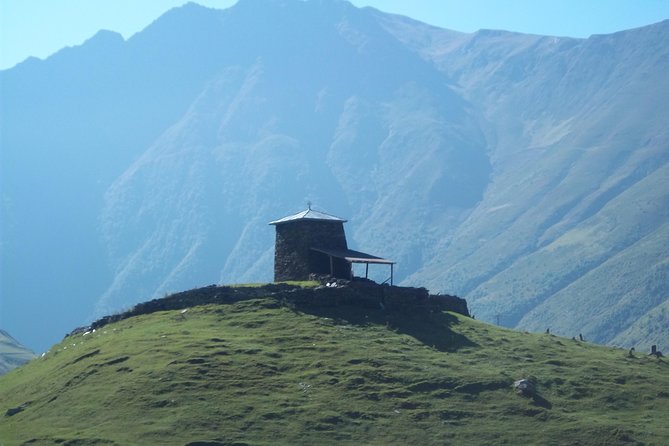
Book it if you want a trek that combines medieval stone villages with genuinely wild high-country hiking. I’d also book it if you enjoy the kind of guiding where someone can explain what you’re seeing and help you pace climbs and descents. People have praised guides such as Tato and Dito for knowledge and guidance, and Dimitri has led in Tusheti contexts as well—so the staffing reputation seems strong.
Skip (or at least think hard) if you’re not ready for long walking days—this trek involves 72 km of walking total and includes a high pass around 3,431m. Also, if you don’t already own basic trekking gear, plan to handle that. Your personal backpack and trekking poles are not included, so factor that cost and packing time into your prep.
If you’re excited by places like Atsunta Pass and you’re comfortable with simple mountain lodging and two camping nights, this is the kind of trip that can feel like a real reset: fewer people, more sky, and a trail that stays in your memory after the towers fade.
FAQ
How long is the trekking tour?
It runs for about 6 days.
Where does the tour start in Tbilisi, and what time?
It starts at the Giant Bicycle monument at Rose Revolution Square in Tbilisi, with a 9:00 am start time.
What is the walking distance?
The trek involves 72 km of walking.
What is the minimum age for the tour?
The minimum age is 14 years.
Is camping equipment included?
Yes. The tour includes tents, sleeping bags, sleeping mats, and cooking gear for the camping portion.
What documents are required for booking and travel?
You must provide passport details (name, number, expiry, and country) at booking, and you need a current valid passport on the day of travel.