REVIEW · HANOI
Sapa – Bac Ha Trek Tour – Night Train & Bus & Homestay overnight
Book on Viator →Operated by Go Asia Travel · Bookable on Viator
Waking up in Sapa starts with a train. This 3-day package links a night train from Hanoi to guided treks around Sapa Valley and a real Ta Van homestay with local families. I especially like how much is handled for you (guides, most meals, and transfers) and how the small group keeps things personal. One thing to plan for: the homestay is basic, and Sapa weather can be cold or foggy, so packing matters.
You get a simple rhythm: trek in the morning, village time midday, then sleep in the valley. Then you finish with a private day for Bac Ha’s Sunday market and Hoang A Tuong’s castle, plus a short walk to a nearby village. It’s a good fit if you want culture and walking—not just bus sightseeing—and you’re okay with a moderate pace.
In This Review
- Key things I’d focus on before you go
- Why the night train from Hanoi is the smartest part
- Getting to Sapa town: short walks first, big walking after
- Day 1: Cat Cat and Lao Chai, then on to Ta Van
- Ta Van homestay: what basic comfort really means
- Day 2: Giang Ta Chai and a second night in the valley
- Day 3: Bac Ha market on Sunday and Hoang A Tuong’s castle
- Food, included tickets, and how the price makes sense
- Weather and gear: what actually keeps the trip comfortable
- How hard is this trek, really
- Who should book this Sapa–Bac Ha package (and who should skip it)
- Should you book this tour?
- FAQ
- FAQ
- Do I take a train from Hanoi to Sapa?
- Where does the tour start in Hanoi?
- When do you visit Bac Ha market?
- What is the Ta Van homestay like?
- How large is the group?
- What meals are included?
- Are entrance fees included?
- How challenging is the trekking?
- Can I cancel for free?
Key things I’d focus on before you go
- Night train timing: You depart Hanoi around 21:30 and reach Sapa early, so day time is used for trekking.
- Small group feel: Max 15 travelers, plus an English-speaking guide in Sapa.
- Ta Van homestay reality: Shared rooms or single mattresses with public bathrooms, not hotel comfort.
- Two cultural zones: H’Mong/Zao/Zday village walks in Sapa plus a private Bac Ha market day.
- Weather-ready planning: Warm layers, rain caution, and proper trekking shoes are non-negotiable.
Why the night train from Hanoi is the smartest part

Taking the overnight train means you don’t waste a full day. You meet at Hanoi Train Station and board the SP1/SP2/SP3 departing at 21:30 for Sapa, then arrive with enough daylight to start trekking soon after the morning pickup.
At about 05:00, the driver collects you at Lao Cai Train Station and drives roughly 40 km to Sapa. That early arrival is a big deal: Sapa days are short in some seasons, and clear morning visibility can make the treks feel extra good.
It also sets the tone. You’re not just arriving; you’re already in travel mode, with the valley as your first payoff.
You can also read our reviews of more tours and experiences in Hanoi.

Getting to Sapa town: short walks first, big walking after
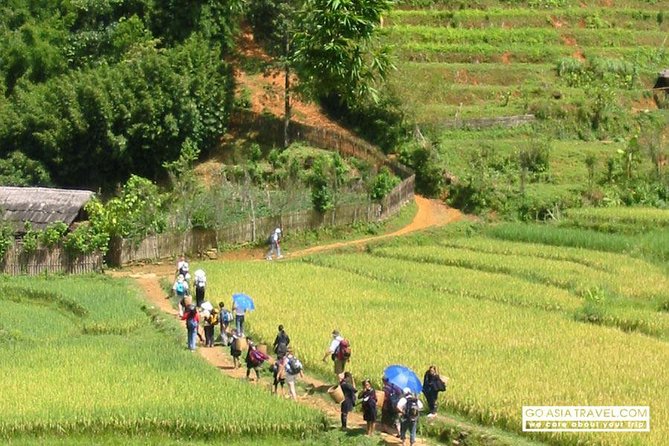
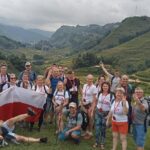
Day 1 starts with breakfast at your Sapa hotel, then you pack a light bag for the first trek to Cat Cat village with a local H’Mong guide. This is a gentler entry into the area, and it also helps you judge your footing before the longer walking later.
Cat Cat is known for waterfall views and the Muong Hoa stream, plus rice terraces in the broader area. You also get the history touch with the Hydro Electric Power Plant from French time, and you pass by schools as part of the village setting. Even if you’re not a museum person, this is one of the more grounded ways to see how daily life and older structures sit side-by-side.
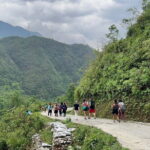
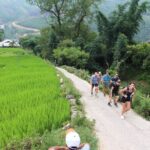
From there, the walking shifts into village-trail mode toward Lao Chai. This is where the trek gets more serious, and where you’ll feel that you’re actually moving through the valley rather than simply stopping at viewpoints.
Day 1: Cat Cat and Lao Chai, then on to Ta Van
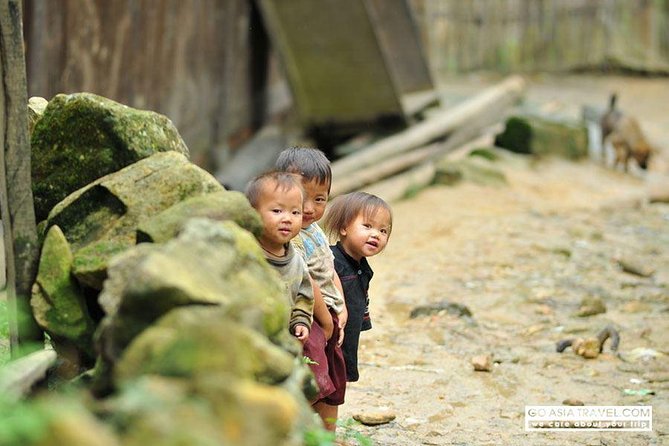
Cat Cat village (Black H’Mong)
You’ll spend about an hour here, enough time for the highlights without feeling rushed. I like this stop because it gives you something visual (water and terraces) and something practical (village pathways) in a short window.
Lao Chai trail (Black H’Mong)
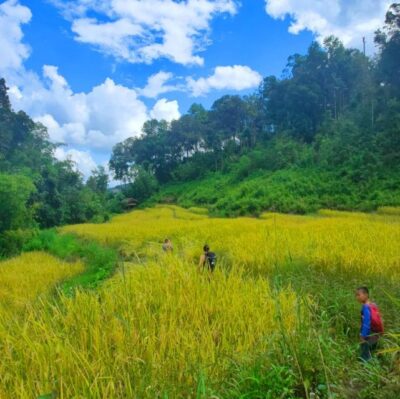
This part is built around walking through Lao Chai village along the Muong Hoa valley and stream. It sits on the foot of Fansipan Mountain, so the area tends to feel open and high-in-sight even when weather turns.
There’s a real consideration here: the trip includes a longer trek option (noted as about 9 km) and the operator warns older travelers not to take it in case of rain. In other words, treat “moderate fitness” as honest, not casual.
Ta Van village (Zday people) and overnight
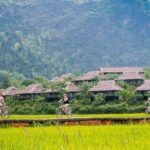
By the time you reach Ta Van, the tour transitions from day trekking to valley living. You stay overnight in a Ta Van homestay. The move to Ta Van is one of the best parts of the whole plan because it’s not just sightseeing; it’s sleep-and-morning-later in the same place.
Ta Van homestay: what basic comfort really means
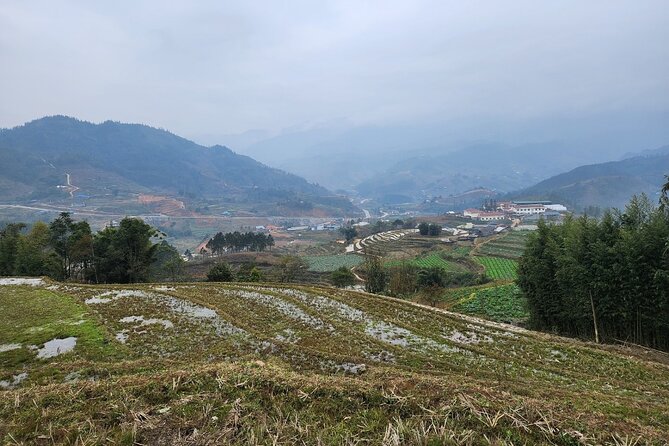
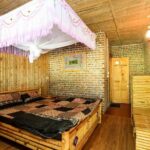
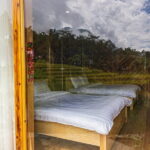
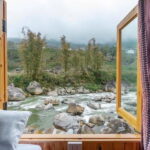
Your Ta Van stay is described as different from a hotel: it’s basic and simple, with public bathroom facilities. You’ll either get a shared room or a single mattress arrangement.
This is not a deal-breaker if you go in with the right expectations. The value here is the routine and connection with the local household, not a polished room. You’ll likely spend more time on the village side—weather walks, quiet moments, and the small pauses between trekking segments.
If you’re sensitive to cold, this is where planning saves you. Sapa can be chilly and sometimes foggy (especially in December through March), so bring warm layers you can actually sleep in. A scarf helps more than you’d think.
Day 2: Giang Ta Chai and a second night in the valley
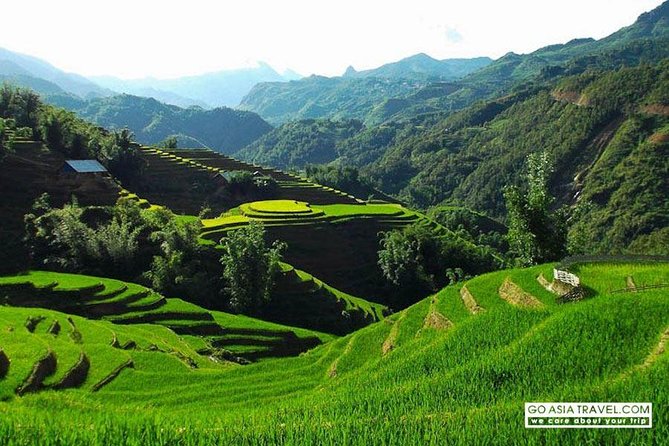
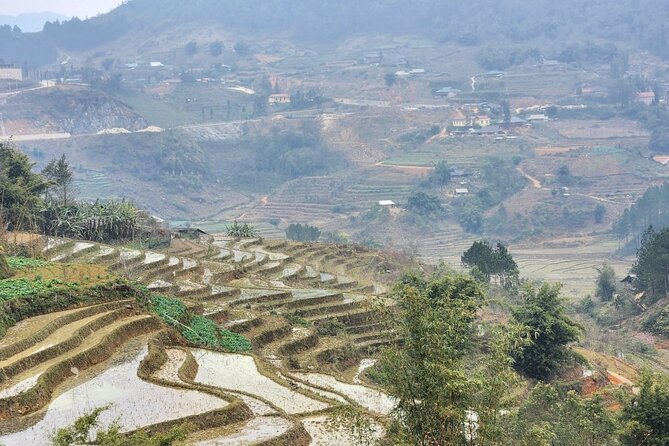
Day 2 focuses on another village stop: Giang Ta Chai village, home to Red Zdao, Zday, and Black H’Mong people living together. Expect bamboo forest and rice terrace fields views in the surrounding area.
This day feels like a continuation rather than a reset. Instead of packing in a dozen “checklist stops,” you’re walking through village geography and seeing how the same valley changes depending on the path you take and the time of day you’re out.
The pace works well if you like conversations and short village moments—asking questions, watching daily tasks, and letting the walk do the storytelling. When your feet need a break, you’ve got the comfort of knowing you return to the homestay again.

Day 3: Bac Ha market on Sunday and Hoang A Tuong’s castle
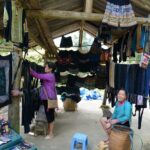
Bac Ha is the tour’s cultural shift. On Sunday morning, the Bac Ha market runs and shows an older style of trading—locals exchanging items like pig, souvenirs, and hens to get other products. If you care about how people actually barter, buy, and move through the day, this is the part you’ll remember.
After the market, you visit Hoang A Tuong’s castle, where the King of the H’Mong people lived in the past. It’s listed as the most luxurious place for him and his family to live and rule.
Then there’s a short stroll to Pho village nearby, aimed at daily life rather than big attractions. This combination works because you start with lively trading, then shift into a more reflective site, and finish with quiet neighborhood movement.
One practical note: if you’re not in Sapa on a Sunday, you may want to double-check whether your route still hits Bac Ha market as scheduled. The market timing is a big part of the value.
Food, included tickets, and how the price makes sense
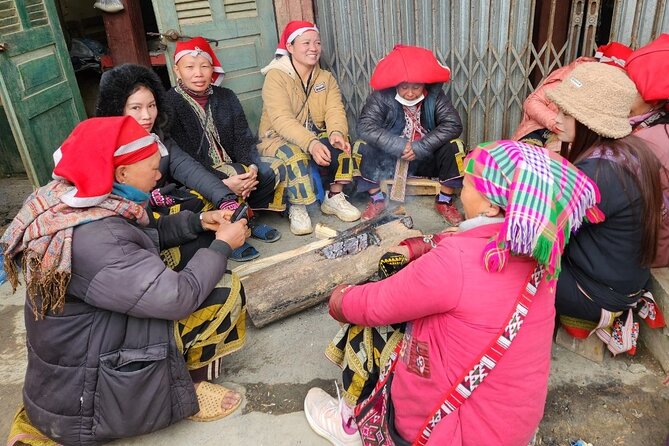
At $54.20 per person for an about 3-day trek package, the value mostly comes from avoiding the mess of stitching transport, meals, guides, and basic lodging together.
Here’s what’s listed as included:
- Dinner
- Breakfasts (3) and lunches (3)
- Overnight train Hanoi–Sapa (depending on option)
- Transfer from Hanoi to Sapa and back (limousine bus depending on option)
- A local English-speaking guide in Sapa
- Homestay in Ta Van
- Private tour to Bac Ha (private car & guide)
- Entrance fees in Ta Van and Hoang A Tuong palace in Bac Ha
- Government tax 8%
The big win is that you’re not trying to plan every stop while also trekking. Meals included also means fewer awkward moments hunting for food right after a long walk.
The main “watch-outs” are the usual ones: drinks, insurance, and personal expenses are not included, and there may be a single supplement if you want a single accommodation arrangement.
Weather and gear: what actually keeps the trip comfortable
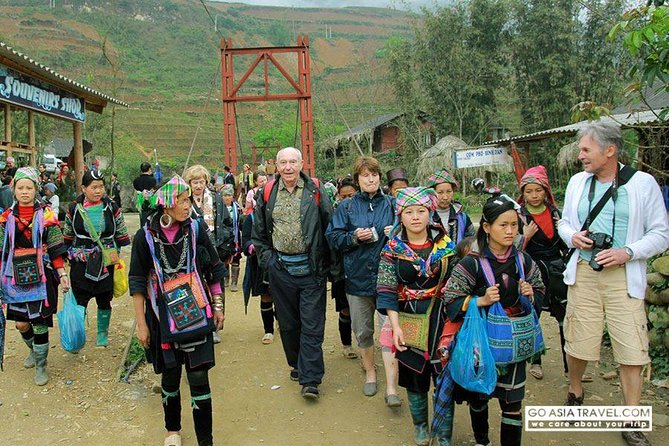
Sapa weather is unpredictable, and the tour specifically warns that it’s often cold in September through February and March. It can also get foggy in December, January, February, and March due to altitude.
Pack for cold, not just for scenery. Bring warm clothes plus essentials like a scarf, hat, and cap. For walking comfort, make sure you have trekking shoes, and consider sunglasses, sunscreen, and insect repellent.
Also bring cash in Vietnamese Dong. The guidance is blunt: banking in Sapa sometimes doesn’t function well. The tour notes that US dollars, euros, and other major currencies are accepted in Sapa, but it’s smart to have VND on hand too.
Finally, bring medicine. You might find chemist’s shops, but having your own basic kit is part of traveling smart in remote valley areas.
How hard is this trek, really
This tour is aimed at travelers with moderate physical fitness. That’s accurate, but you should still read the caution labels as part of the plan, not as legal fine print.
The operator specifically says older people should not attend the long trek (about 9 km), especially with rain in the mix. That warning tells me the terrain can be slippery or tiring enough that age and weather matter.
It also isn’t positioned for very young kids or wheelchair users: the notes say children under 6 shouldn’t attend, and handicapped travelers should not attend this tour.
If you’re generally active and pack good shoes, you should be fine. If you’re unsure, choose the more conservative pace and ask what portion you should avoid.
Who should book this Sapa–Bac Ha package (and who should skip it)
This is for you if:
- You want guided trekking with village stops, not just bus routes.
- You want a night in a real valley homestay and can handle simple facilities.
- You like small group travel, with max 15 travelers.
- You want both Sapa village walking and a private Bac Ha day.
You might skip it if:
- You’re expecting hotel-level comfort in Ta Van.
- You can’t manage cold or fog.
- You can’t handle a longer walking day in rain.
It’s also a strong pick for solo travelers who want companionship without the chaos of large-group tours, since the group size is limited.
Should you book this tour?
Yes, if you match the fitness level and you’re excited by village walking and homestay life. The value is strong because the tour handles the parts that usually eat your time: overnight transport, guides, most meals, and the Bac Ha day.
Book if you’ll pack for cold and you’re okay with basic sleeping and a public bathroom. If that sounds like a hassle, you may be happier with a more comfort-focused option.
FAQ
FAQ
Do I take a train from Hanoi to Sapa?
Yes. You meet at Hanoi Train Station and catch the SP1/SP2/SP3 overnight train departing at 21:30 to Sapa. Then around 05:00, a driver picks you up at Lao Cai Train Station and transfers you about 40 km to Sapa.
Where does the tour start in Hanoi?
The start point is listed as 160 Đ. Trần Quang Khải, Lý Thái Tổ, Hoàn Kiếm, Hanoi, Vietnam.
When do you visit Bac Ha market?
Bac Ha market takes place on Sunday morning, and that is when it’s scheduled.
What is the Ta Van homestay like?
The homestay is described as basic and simple, unlike a hotel. You’ll use either a shared room or a single mattress, and you’ll have a public bathroom.
How large is the group?
The tour has a maximum of 15 travelers.
What meals are included?
Dinner is included, and the package includes breakfasts (3) and lunches (3). The overall plan also notes that most meals are provided during the tour.
Are entrance fees included?
Yes. Entrance fees are included for Ta Van and for Hoang A Tuong’s palace in Bac Ha.
How challenging is the trekking?
It’s meant for travelers with moderate fitness. The tour also notes that older people should not attend the long trek (about 9 km), especially in rain.
Can I cancel for free?
Yes. You can cancel for a full refund up to 24 hours in advance of the experience start time. If you cancel less than 24 hours before, the amount paid is not refunded.