REVIEW · POKHARA
2-Day Private Trekking Tour to Australian Camp & Dhampus
Book on Viator →Operated by Breathe Nepal Trekking · Bookable on Viator
A good mountain view needs more than luck. This short Pokhara trek is all about maximizing your chances for Annapurna sunrise from Australian Camp. You’ll hike from Kande up through forests and along village scenery, then stay overnight near Dhampus so morning light can do its thing.
I really like the way this tour mixes effort with payoff: the climb is short enough to feel doable, but you still gain serious altitude (from about 1,770 m to 2,065 m). The second thing I love is the human side—an English-speaking guide who handles the plan, safety basics, and logistics, so you can focus on walking and looking up at the peaks.
One thing to consider: the lodge you sleep at does not provide towels or toiletries, and mountain visibility can still depend on weather and air quality. If you’re aiming for clear views, plan like you’re going to want both patience and a backup attitude.
In This Review
- Key things that make this trek worth your time
- From Pokhara hotel pickup to Kande: the smooth start that matters
- Day 1: Dhampus-area climb to Australian Camp and why the route feels real
- Overnight guest house near Dhampus: comfort you can actually use
- Day 2: early Annapurna sunrise and the walk back down to Pokhara
- Price and value: what $99 covers (and what you should budget for)
- The guide experience: why names like Kumar and Roman came up
- Who should book this trek, and who might want something different
- Practical tips so your Australian Camp morning goes smoothly
- So, should you book the 2-day Dhampus and Australian Camp trek?
Key things that make this trek worth your time
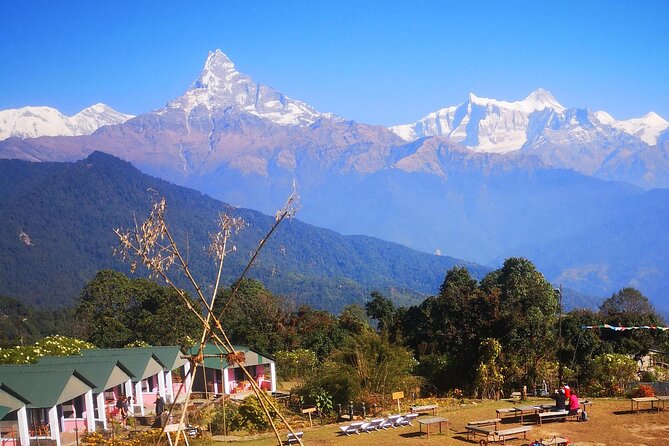
- Australian Camp sunrise focus: an overnight stay is built in to catch the early light on the Annapurna Range
- Private setup: only your group participates, so pacing feels more flexible and personal
- English-speaking guide support: professional guidance plus a first aid kit
- Meal coverage: breakfast, lunch, and dinner are included, which keeps the day simple
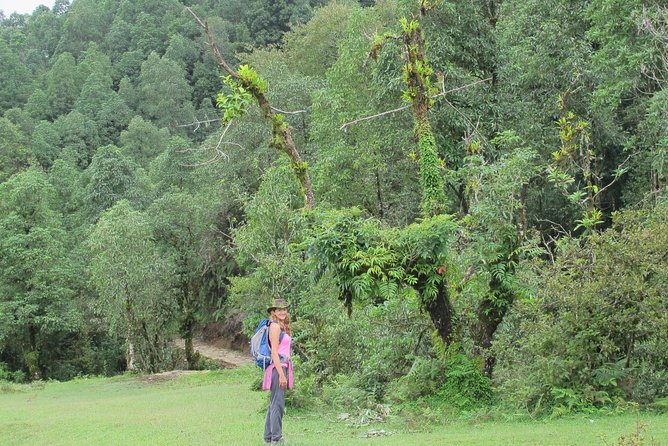
- Village-and-forest walking: the route passes through lush forest and rice-field/village scenery rather than only stone paths
From Pokhara hotel pickup to Kande: the smooth start that matters
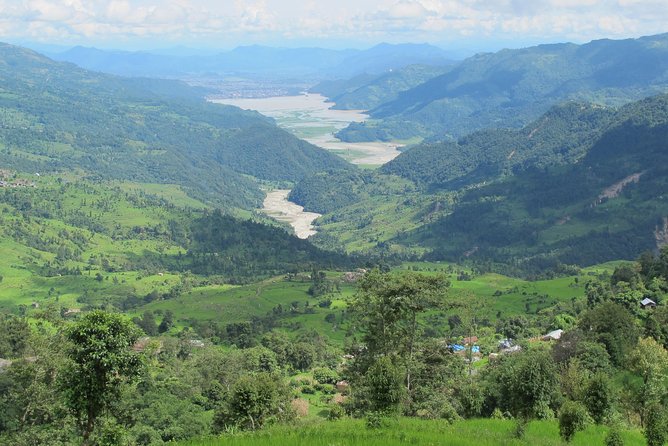
This trek begins in Pokhara, with pickup offered and a morning start time of 8:30 am. You’ll then take a taxi ride—think roughly 45 minutes to 1 hour—to Kande, around 1,770 m. That early transport part is more than convenience. It saves your legs for the actual climb, and it also helps keep the schedule calm, which is a big deal on short multi-day trips.
What I like about starting in this area is that you’re not immediately thrown into a steep, punishing ascent. The hike transitions from easier walking into climbing as you gain elevation toward Dhampus and Australian Camp. On a two-day plan, that pacing feels smart because it gives you time to settle in before sunrise becomes the main event.
Also, the tour is designed as a private experience. That means you’re not stuck in a slow shuffle behind strangers or sped along by a stronger group. You can keep a steady pace, stop for photos when you need to, and ask your guide real questions—like what the mountains look like from different angles, or why the light at morning feels different than afternoon.
You can also read our reviews of more tours and experiences in Pokhara.
Day 1: Dhampus-area climb to Australian Camp and why the route feels real
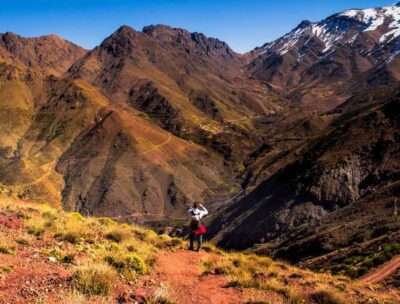
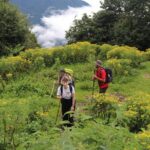
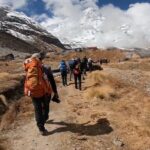
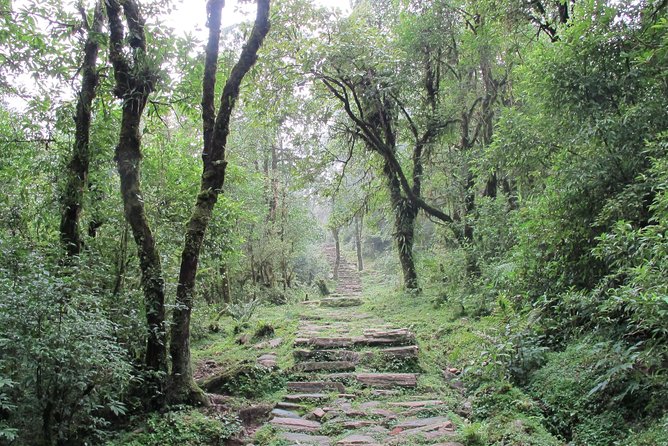
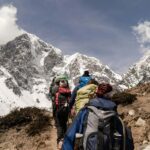
After pickup, you’ll head toward Kande and begin the ascent through lush forest. The path leads you upward until you reach Australian Camp (2,065 m). Even with only part of the day spent hiking, you still get that “we’re actually going up” feeling, which is what makes the sunrise payoff believable.
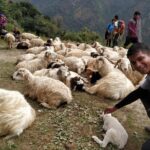
Along the way, you’ll pass through scenery tied to everyday Nepalese life—villages and farmland views. That’s one of the best parts of this kind of trek: you’re not just checking off a summit view. You’re watching how people live at mountain-adjacent elevations, from working fields to simple roadside interactions.
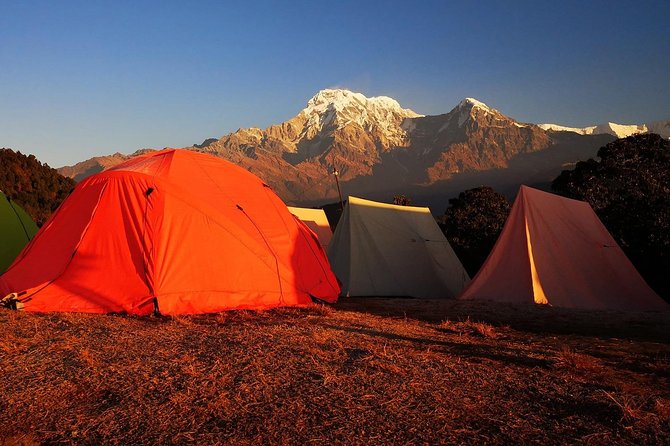
And yes, the Australian Camp name isn’t just marketing. It’s where the Annapurna scenery opens up in a way that’s built for early morning viewing. The key idea on Day 1 is that you’re positioning yourself for the next day, not trying to “win” the trek in a single afternoon.
One practical note: the hike segment on Day 1 is listed as about 4 hours. That doesn’t mean you need training. But it does mean you should expect sustained walking on uneven ground as you climb. If your goal is a gentle stroll, this won’t feel like that.
Overnight guest house near Dhampus: comfort you can actually use
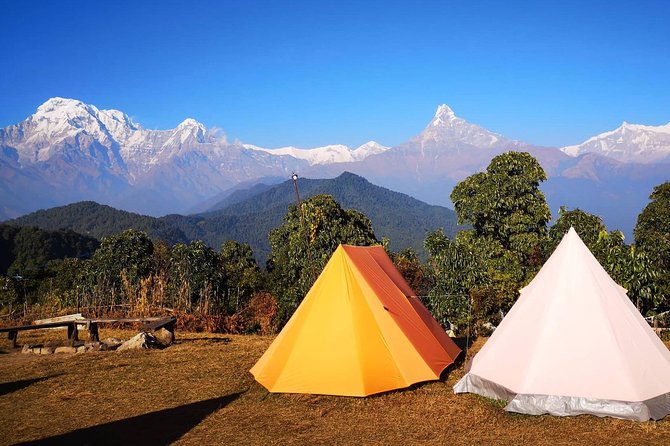
The tour includes accommodation in a guest house in the Dhampus area. This matters more than it sounds. A lot of people try to do Australian Camp as a day hike and then race home. Here, you sleep nearby, which increases your chances of catching the mountains when conditions cooperate.
That’s not just theoretical. In one of the most memorable moments from the trip, the difference was visibility: after arriving in Nepal and not seeing the peaks because of poor air quality and smog, the overnight stay and early morning timing finally made the mountains show up. When the peaks reveal themselves, the feeling is immediate.
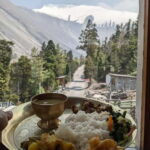
The guest house stay also got high marks for being clean, and it comes with a simple mountain-view bonus. For solo travelers, that safety-and-comfort piece is huge. One reviewer specifically felt at ease and mentioned the guide played a real role in making them comfortable—especially important when you’re trekking in a small, unfamiliar area and you don’t want surprises.
A small but important catch: the lodge does not provide towels and toiletries. So pack those. Even if you’re the type who travels light, this is one of those items that can quietly ruin your comfort if you forget.
Day 2: early Annapurna sunrise and the walk back down to Pokhara
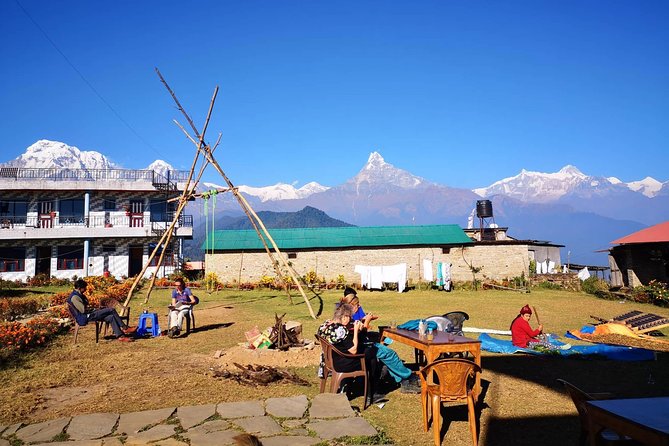
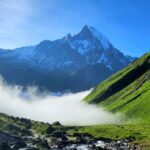
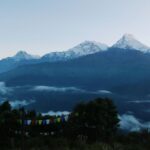
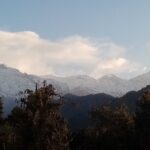
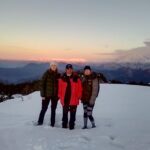
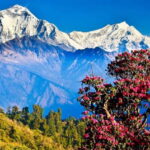
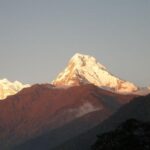
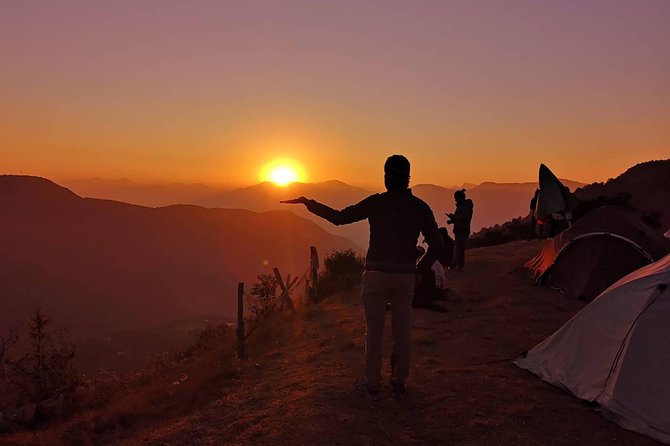
Day 2 starts early. From your lodge in Dhampus, you’ll have the chance to admire the sunrise over the Annapurna Range and take in the views. This is the heart of the experience, and it’s also the moment your effort pays off.
Sunrise here is not only about pretty colors. It’s about visibility and angle. Morning light can make a huge difference in how clearly you can see layers of mountains. If air quality has been tricky, sunrise often feels like your best shot, because you’re meeting the day at the right time rather than hoping for a later window.
After that, the plan continues toward Pokhara, with Day 2 marked at about 3 hours. That descent/walk-and-ride segment is what finishes the trek without dragging it into a full marathon. The tour keeps the overall duration to about 2 days, so you return with your legs tired but not wrecked.
Price and value: what $99 covers (and what you should budget for)
At $99 per person, this is positioned as a short private trek with a guide, transport, meals, and guest house accommodation. For many travelers, the value isn’t just the hiking—it’s the fact that the logistics are handled.
Here’s what you’re getting:
- Breakfast, lunch, and dinner
- Private transportation as part of the Pokhara-to-trail setup
- A professional English-speaking guide (including insurances and expenses) plus a first aid kit
- Guest house accommodation for the night
What you should budget separately:
- Drinks & beverages
- Travel & rescue insurance (not included)
- Tips for guide, porter, and driver (not included)
- If you want a porter, you can add one at $22 per day
- Towels/toiletries (the lodge does not provide them)
Also, the tour mentions group discounts, but the experience itself is private—so the discount logic likely helps if you’re booking with others and want to reduce per-person cost. If you’re traveling solo, you’ll still get the private experience; you just won’t get the discount unless you’re sharing the booking with a group.
For me, the value comes from the balance: you pay for a guided, supported, meal-covered trek rather than cobbling together taxis and uncertain schedules. When you’re on a short itinerary, that kind of time-saving is worth real money.
The guide experience: why names like Kumar and Roman came up
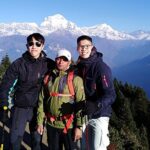
Two guide names came through in feedback: Kumar and Roman. That’s a great sign, because it suggests you’re not relying on a nameless general service. One review thanked Kumar for help and support on the trail, and another described Roman as ensuring safety and comfort for a solo female traveler.
In practical terms, a good guide on a short trek does more than point out sights. They help you pace, stay oriented, and keep the plan running smoothly so you’re not worrying about what comes next. That’s especially valuable on a route where the main goal—sunrise mountain views—depends on timing as much as walking.
You’ll also want to lean on your guide for the simple questions:
- How to judge visibility and cloud timing
- Where the best viewing angles tend to be at dawn
- What to expect walking conditions-wise as you climb and later descend
Who should book this trek, and who might want something different
This works well if you want a short Himalayan taste without committing to a longer multi-day trek. It’s described as doable without training, and the day hike lengths are reasonable: about 4 hours on Day 1 and about 3 hours on Day 2.
It’s also a solid choice if you care about comfort and safety. You’ve got a guide, first aid kit, and a guest house overnight. And it’s private, which helps if you’re traveling solo or prefer your pace to your own.
You might think twice if:
- You’re looking for a totally leisurely walk with no altitude gain
- You’re sensitive to early mornings and low-visibility conditions
- You hate carrying basic supplies, since you’ll need your own towels/toiletries
Service animals are allowed, and the tour says most travelers can participate. Still, if you have medical concerns related to altitude or walking, check with your doctor first. Even at moderate elevation, your body still notices the change.
Practical tips so your Australian Camp morning goes smoothly
A few small, realistic things make a big difference on this kind of trek:
- Pack towels and toiletries: the lodge doesn’t provide them.
- Bring your own drinks if you prefer specific options: drinks are not included.
- Plan for early timing: sunrise means you’ll be up and moving in the morning.
- Consider a porter only if you need one: it’s available at $22 per day, but you don’t have to add it.
- Wear good walking footwear: you’ll be ascending and descending on uneven paths.
If you’re traveling for mountain photos, here’s the big mindset shift: treat this as a visibility-chasing mission, not a guarantee. One reason people love the overnight approach is that it increases your odds. When the mountains finally appear after days of haze, you’ll be grateful you were positioned for the morning light.
So, should you book the 2-day Dhampus and Australian Camp trek?
I’d book this trek if you want a high-payoff, low-commitment Himalayan experience out of Pokhara. The main strengths line up with what most people truly want: sunrise access, a short but scenic climb, a clean overnight stay, and a guide who helps you stay comfortable and on track. If you’re the type who keeps missing mountain views due to air quality, the overnight strategy is exactly the kind of practical fix that can change your whole trip.
Skip it if you’re expecting a super easy walk with no altitude effort, or if you’re not willing to handle basics like bringing your own toiletries. Also, if you want a guaranteed clear-sky mountain panorama, you’ll need to accept that nature doesn’t sign contracts.
If your goal is to see the Annapurnas from Australian Camp and you’re okay with an early morning and a real hike, this is a strong value at $99—especially because the meals, transport, guide, and guest house are handled for you.