REVIEW · KATHMANDU
Everest Base Camp Trek – 16 Days
Book on Viator →Operated by Nepal Intrepid Treks · Bookable on Viator
Everest feels close, not postcard. This 16-day Everest Base Camp trek funnels you from Kathmandu to Lukla and deep into the Khumbu, with real mountain-time and plenty of built-in breathing room. I like how the trip puts experienced staff at the center, including guides such as Hem and Ram in past departures, plus Bheg and Shiva for other groups.
What I love most is the mix of big sights and practical pacing. You get time to adjust in Namche and Dingboche before pushing higher, and you still reach the true highlights like Tengboche monastery views and the early run to Kalapatthar sunrise. What I love second is the way the trek reaches Everest Base Camp in a final stretch of glacier scenery, prayer flags, and that quiet, serious feeling at the end.
One consideration: weather can disrupt Lukla flights and high altitude can hit hard if you push too fast. The good news is the program’s structure helps, and support from guides has helped people who got sick or dealt with cancelled flights mid-plan.
In This Review
- Key things to know before you go
- Kathmandu to Lukla: where the trek starts to feel real
- Namche and the smart acclimatization rhythm
- Tengboche: monastery morning vibes and serious mountain views
- Dingboche and Nagarsan Hill: your body’s rehearsal for higher altitude
- The push to Everest Base Camp via Kalapatthar
- Coming down: the trail looks different, and you feel it
- What’s included (and what you’ll need to handle yourself)
- The human side: support when things go off-script
- Value vs. cost: what you’re really paying for
- Who should book this Everest Base Camp trek
- Should you book it or keep looking?
- FAQ
- What does the tour include?
- Do I need travel insurance?
- Is oxygen available?
- What if I’m traveling solo?
- How much luggage can I bring on the domestic flight?
- How many people are in the group?
- What’s the main flight route to reach the trek?
- Can I cancel and get a full refund?
Key things to know before you go
- Lukla first step into the Khumbu: that dramatic landing and immediate mountain trail vibes start fast
- Acclimatization days that actually matter: Namche and Dingboche are built into the schedule
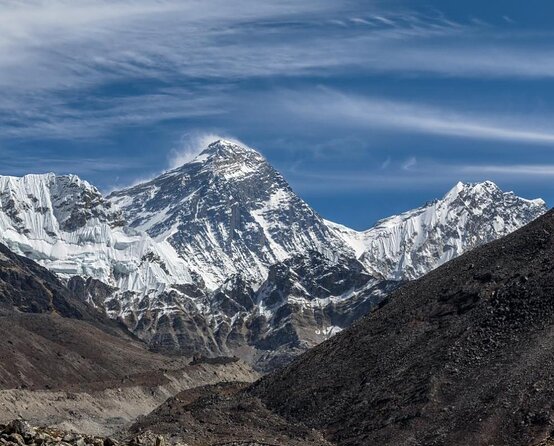
- Sunrise at Kalapatthar: early wake-up, big payoff for Everest views
- Monasteries and prayer culture: prayer wheels, mani stones, and Tengboche monastery make the trek feel lived-in
- Trek support structure: English-speaking guide plus 2 travelers per porter, with hot showers in key towns
- Altitude and weather reality check: plans depend on mountain conditions, so flexibility is part of the deal
Kathmandu to Lukla: where the trek starts to feel real
Day 1 is all about arriving and getting your feet under you. You land at Tribhuvan Airport, get picked up by private vehicle, and transfer to a three-star Kathmandu hotel with breakfast. After check-in, you can reset with an easy stroll through the city’s busy streets and alleys and use the time to get your questions answered.
Day 2 is a preparation day plus a Kathmandu stroll. This matters more than it sounds, because you’re about to shift from city rhythm to thin-air walking. If you treat Day 2 as “real rest” rather than “max sightseeing,” you’ll land better on the trekking side.
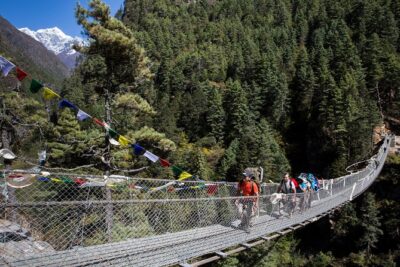
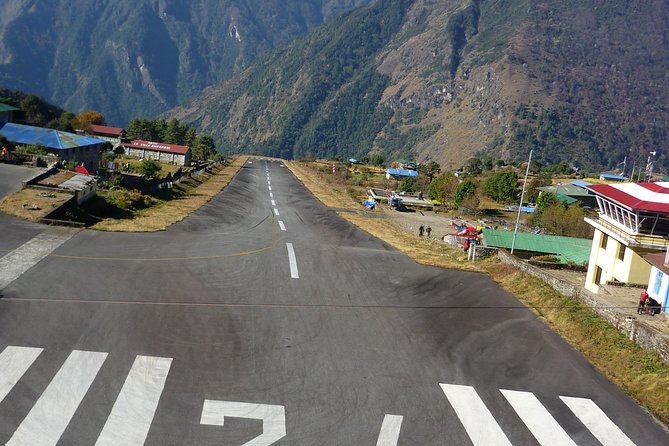
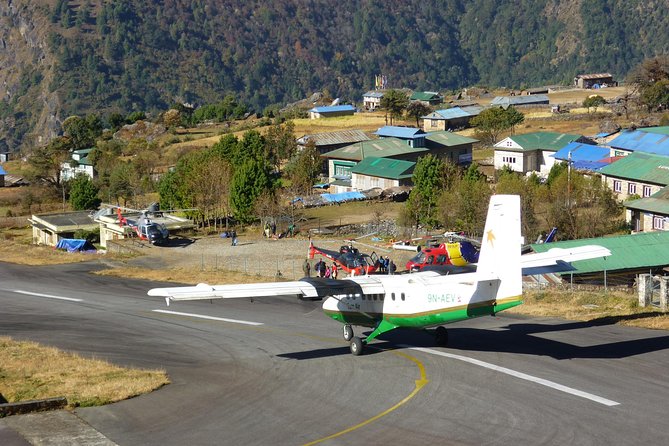
On Day 3, you fly to Lukla from the domestic terminal. The Lukla flight is famous for a reason: the airport sits in a dramatic setting, and the views during the flight can look like mountains arranged in a row. Once you step off at Lukla, you immediately enter Khumbu culture—prayer wheels to spin clockwise, villages to pass through, and suspension bridges to cross. You end the day in Phakding, in a guesthouse with breakfast, lunch, and dinner included.
Why I like this start: it gives you both a travel “handoff” and an on-trail launch. You’re not left figuring things out on your first day in Nepal.
Where it can feel tough: if you’re anxious about altitude already, the quick jump from Kathmandu to Lukla can feel abrupt. Bring calm, hydrate early, and trust the later acclimatization days.
You can also read our reviews of more tours and experiences in Kathmandu.
Namche and the smart acclimatization rhythm
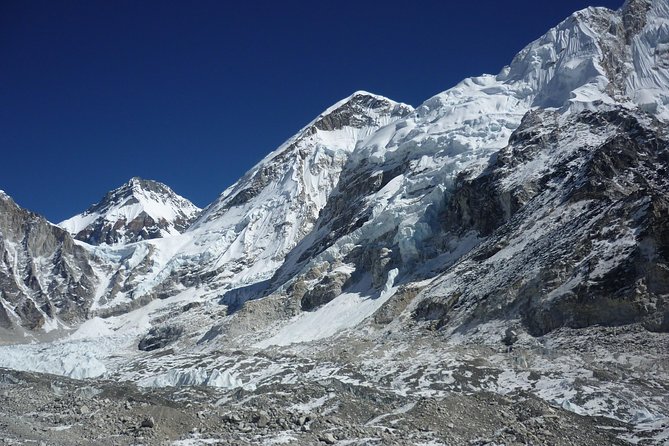
Day 4 is your first big walking push toward Namche Bazaar. The route weaves through villages and rhododendron forests, with animals and Sherpas you’ll keep noticing along the trail. You pass Monjo, cross bridges—one above another for standout photo moments—and then climb for roughly three hours into Namche. You’re also entering Sagarmatha National Park, tied to UNESCO recognition.
Day 5 is an acclimatization day. Instead of treating it like wasted time, the schedule keeps you moving lightly. You can take a short hike or just wander Namche, but the plan encourages you to get some altitude adaptation without exhausting yourself. One popular option built into the day is a visit to the Everest View Hotel area, which is known for stunning views of Everest and other peaks.
This is where people win at Everest Base Camp. The difference between “I survived the trail” and “I felt good at higher elevations” often comes down to what you do in Namche. Small, steady movement beats big hero efforts.
Tengboche: monastery morning vibes and serious mountain views
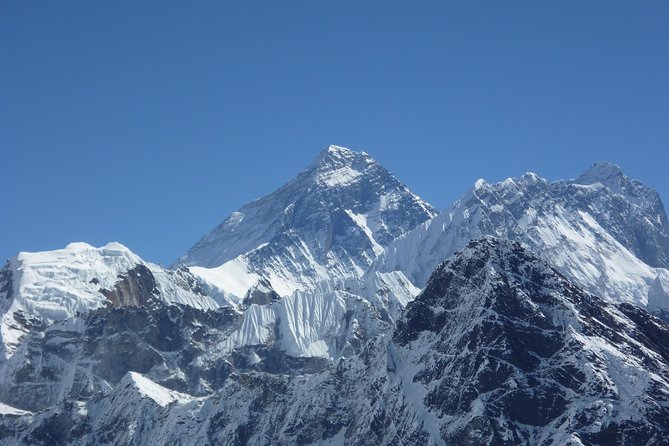
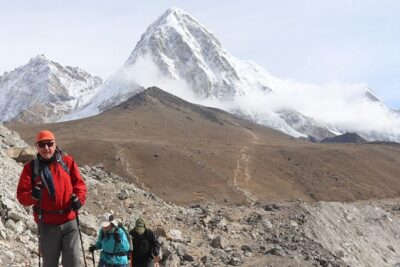
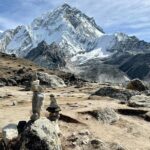
Day 6 takes you toward Tengboche. The trail has uphill-and-downhill sections, which can be tiring even when the distances don’t look extreme on paper. The reward is constant mountain scenery: views of Everest in the background and peaks in the Rolwaling range like Lhotse, Nuptse, Thamserku, and Ama Dablam.
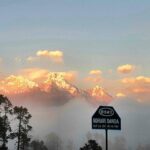
Tengboche is a highlight for culture as much as views. The monastery here is an anchor point, and you might catch monks playing football on the field near the village center. The plan also sets you up for sunrise potential over the monastery area, with Ama Dablam and the tip of Everest as the backdrop.
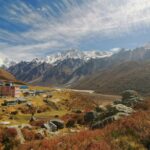
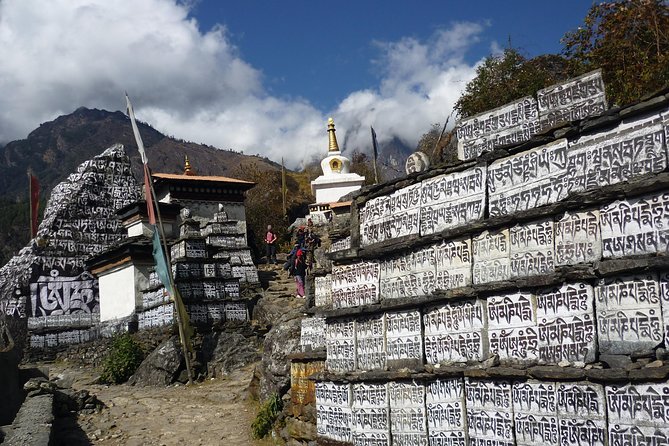
Day 7 continues by slowly descending toward Deboche and onward via forests and bridges, passing through places like Pangboche. You’ll see mani stones and prayer flags in a way that makes the route feel meaningful, not just scenic.
A practical note: keep your schedule flexible in your head. Weather can shift visibility, and prayer flags don’t care if clouds show up. Patience here pays off.
Dingboche and Nagarsan Hill: your body’s rehearsal for higher altitude
Day 8 is your acclimatization buffer in Dingboche. The schedule keeps you at this altitude zone to adapt, and it includes a hike up to Nagarsan Hill at about 5,100 meters. This hike is demanding enough to matter, but it’s still framed as part of acclimatization—go slow, breathe, and move steadily.
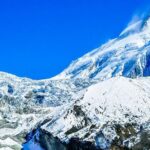
From the top, you can get sweeping views of peaks like Island peak, Ama Dablam, Lhotse, Makalu, and Nuptse. Then you head back down, which is often the best part: you feel the work without turning it into a suffering contest.
Day 9 moves you toward Lobuche. You start leaving some glacier influence behind and follow the valley floor route, then reach the cemetery area where climbers who lost their lives during Everest attempts rest. That stop gives the trek an emotional weight you won’t forget. After that, the air often feels thinner, so the pacing advice becomes more important: go slow so you don’t drain yourself before the two key days ahead.
At Lobuche, you sleep in a guesthouse with views that include peaks such as Pumori, Lingtren, Khumbutse, and Mahalangur.
The push to Everest Base Camp via Kalapatthar
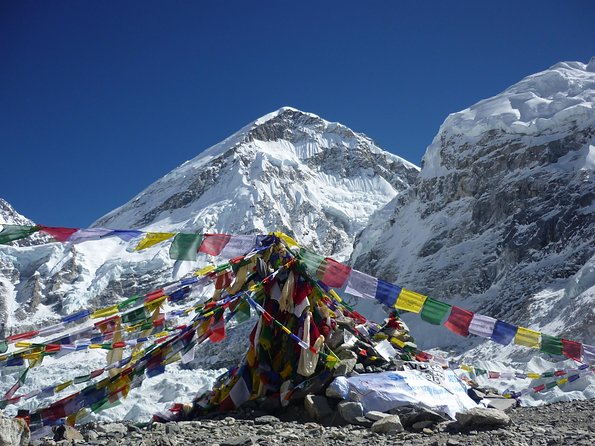
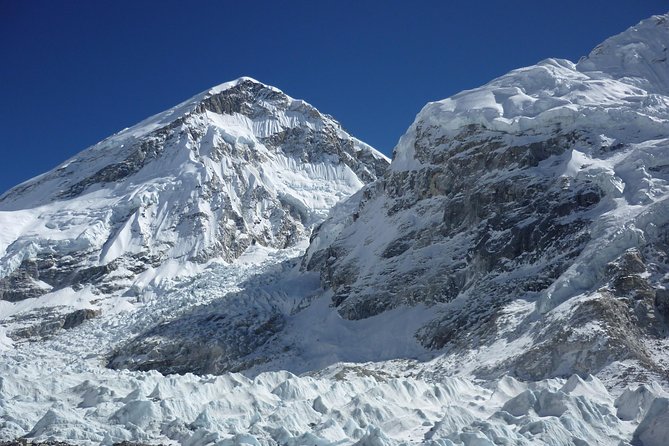
Day 10 is the main day: Everest Base Camp. The day starts with a steep climb up the Changri glacier area. From there, Kalapatthar comes into sight—then the trail continues through glacier and frozen river terrain toward Gorekshep. The final walk brings you to the prayer flags at Everest Base Camp after about the last hundred meters of rocky terrain.
This day is a “now it’s real” moment. You’ll look up and see towering peaks around you, and your eyes keep searching for angles that match what you’ve seen in photos—but bigger because you’re standing there. It’s not just sightseeing; it’s a place that changes how you interpret the mountain.
Day 11 is the return to high altitude for the sunrise payoff. Kalapatthar is framed as king of sunrise spots, with a very early start so you can see dawn breaking behind snow-covered mountains. If you care about photography, this is the day you prep for. Then you descend to Pheriche for overnight.
Why this pairing works: Base Camp gives the achievement and the raw feeling of place. Kalapatthar adds the “why people chase Everest” view—light hitting peaks like a show you didn’t know you needed.
Coming down: the trail looks different, and you feel it
Day 12 returns via the same general path toward Namche Bazaar. Even though the route is familiar, reversing it changes how everything feels. The plan highlights the idea that more exploration helps you notice details you missed going up.
Day 13 continues descending toward Lukla through Phakding. It’s easy to feel more confident after reaching Base Camp, and the schedule builds that mindset into the route. You end in Lukla with an overnight guesthouse stay.
Day 14 brings you back to Kathmandu by flight from Lukla Airport. You’re escorted to your hotel, and the rest of the day is yours. Day 15 is another free Kathmandu day, with optional activities like massage, shopping, or just relaxing at cafés and rooftop terraces. Day 16 wraps it up with hotel pickup and airport transfer to go home.
What’s included (and what you’ll need to handle yourself)
This trek includes a lot of real operational support, and that’s where the value often lives on an expensive, logistically complex route.
You get:
- Airport picks ups and drops off with a private vehicle
- Round-trip flights Kathmandu–Lukla–Kathmandu, or Ramechhap–Lukla–Ramechhap if needed
- Two nights in Kathmandu in a three-star hotel on bed and breakfast
- Three meals daily during the trek (breakfast, lunch, dinner) with tea or coffee
- Guesthouse stays on a twin-sharing basis, plus attached bathroom with hot showers in Lukla, Phakding, and Namche
- Trek permits and paperwork, plus an experienced English-speaking guide and porter system (2 travelers per porter)
- Trek gear support: a sleeping bag and down jacket during the trek
- A trekking T-shirt, duffle bag, and map
- A Trip Achievement Certificate
- Oxygen cylinder and mask on request for extra charge
- Domestic flight luggage allowance of 15 kg
You handle:
- Travel insurance (required)
- Your own personal trekking equipment (the program notes this clearly)
- Tips and personal expenses (phone, internet, laundry, bar bills)
- Cold drinks and bottled beverages
- Anything not listed in the included items
Small but important detail: the trip is limited to a maximum of 14 travelers and is private for your group only. That usually keeps the trek from feeling like a conveyor belt.
The human side: support when things go off-script
Everest Base Camp treks can be clean and smooth—or messy. The best part of this program is how it reacts to “messy.”
In prior EBC departures, people faced cancelled Lukla flights due to poor weather, and the plan still got them moving again. Others developed illness high up and needed extra time and rest; one report specifically mentioned a guide staying with the person while the rest of the group continued, then rejoining later to still reach Base Camp. That’s the kind of flexibility you hope for before you need it.
You also see repeated praise for guiding that stays patient and practical—taking care of safety, watching gear needs, and keeping pace with slower hikers. Names that show up in EBC-related feedback include Hem, Ram, Santa, Kamal, Tilak, Prince, Bheg, Shiva, and Prem Karki. Even if your own guide is different, the pattern is consistent: the trek is staffed with people who take altitude stress seriously.
Value vs. cost: what you’re really paying for
The price field in your info shows $0.00, so treat that as a placeholder and confirm the final quote before you commit. Still, you can judge value based on what you’re getting.
You’re paying for:
- Flights to Lukla (or Ramechhap) round-trip
- Permits and paperwork
- Guides + porter support structured to keep you walking rather than struggling with logistics
- Meals throughout the trek
- Sleeping bag and down jacket during the trek
- Kathmandu hotel support before and after
If you’re comparing trekking operators, focus on what you’d otherwise have to arrange yourself: permits, gear sourcing, consistent meals, and the guide/porter ratio. Those pieces add up fast, especially around Lukla.
If you’re booking solo, note the single surcharge detail: if there’s no existing group to share accommodation with, a USD 230 single supplement may apply on arrival in Nepal. That’s important for budgeting.
Who should book this Everest Base Camp trek
This trek fits best if you:
- want a classic Everest Base Camp route with strong structure and built-in acclimatization days
- prefer having someone handle permits, paperwork, and day-to-day logistics
- want early-riser sunrise time at Kalapatthar without trying to “DIY” the hard parts
It’s also a good match for couples and small groups because you’re capped at 14 and still get a private-group experience. If you’re a very fast hiker, you may find the pacing easy at times, but the altitude strategy is likely why you’ll feel better at the end.
If you’re injury-prone or very sensitive to altitude, you’ll want to be extra honest with your fitness level and consider how you’ll handle thin air. This is not the trek to “test limits.”
Should you book it or keep looking?
If your goal is Everest Base Camp with real logistical support, this is a strong choice. The itinerary is built around what matters: Namche and Dingboche acclimatization, a monastery stop with cultural depth, and sunrise at Kalapatthar followed by the Base Camp finish.
Before booking, I’d double-check two things:
1) your final cost and whether solo sharing is possible
2) how your schedule might shift if Lukla weather causes changes
If you’re okay with that mountain reality and you’re ready for an all-feelings, all-views kind of trek, this one makes sense.
FAQ
What does the tour include?
It includes private airport transfers in Kathmandu, round-trip flights to Lukla (or via Ramechhap), two nights in Kathmandu at a three-star hotel on bed and breakfast, trek meals three times daily with tea or coffee, guesthouse stays on a twin-sharing basis, trekking permits and paperwork, an English-speaking guide with a porter support team, sleeping bag and down jacket during the trek, and a trek achievement certificate. It also includes hot shower attached bathrooms in Lukla, Phakding, and Namche.
Do I need travel insurance?
Yes. The information states you must have travel insurance while traveling in Nepal.
Is oxygen available?
Oxygen cylinder and oxygen mask are available on request, but it’s listed as extra charge.
What if I’m traveling solo?
The price is based on two people booking, but it is also valid for a single person. If there is no existing group for your date or you do not want to share accommodation, a single surcharge of USD 230 may apply on arrival in Nepal.
How much luggage can I bring on the domestic flight?
The domestic flight luggage allowance is 15 kg.
How many people are in the group?
The tour/activity has a maximum of 14 travelers, and it is private for your group only.
What’s the main flight route to reach the trek?
The included flights are Kathmandu–Lukla–Kathmandu, or Kathmandu–Ramechhap–Lukla–Ramechhap, depending on operations.
Can I cancel and get a full refund?
Yes. You can cancel up to 24 hours in advance for a full refund. If you cancel less than 24 hours before the start time, the amount paid is not refunded. If the experience is canceled due to poor weather, you’ll be offered a different date or a full refund.