REVIEW · SA PA
Sapa: Muong Hoa Valley View & Villages Trek with Local Guide
Book on GetYourGuide →Operated by ASu Sa Pa Trekking Tour · Bookable on GetYourGuide
Fansipan views cue the whole hike, and I love the Muong Hoa rice terraces and the way guide Su turns the walk into real cultural context. The day is priced low for what you get, but it’s also a medium-hard trek, and wet weather can make downhill sections slick.
You start in Sapa near the main church, walk through Black Hmong villages like Hang Da and Hau Thao, meet local daily life along the way, and finish back in town around 3:30 PM. Expect a mix of big scenery moments and hands-on village observations, plus a family-style lunch that feels like part of the day instead of a break you rush past.
In This Review
- Key Things I’d Book This For
- Meeting Su at Sapa’s Main Church and Getting Going
- The 2.5 km Uphill Push: Fansipan and Sapa Town from the First Viewpoint
- Muong Hoa Valley Rice Terraces and the Downhill Sections to Hang Da
- Black Hmong Village Walks: Hang Da, Hau Thao, and Muong Hoa
- Lunch With a Local Family: Included, and Worth Slowing Down For
- Finishing the Trek and Returning to Sapa by Late Afternoon
- Difficulty, Weather, and Footwear: The Real-World Checklist
- $19 Value: Why This Price Works (and When It Might Not)
- A Quick Ethical Tip for Village-Approach Moments
- Should You Book the Sapa Muong Hoa Valley View & Villages Trek?
- FAQ
- Where do I meet the guide?
- How long does the tour last?
- How long is the hike?
- Is lunch included?
- What’s included in the $19 price?
- Is the trek challenging?
- What should I bring, and what isn’t allowed?
- What languages does the guide speak?
Key Things I’d Book This For
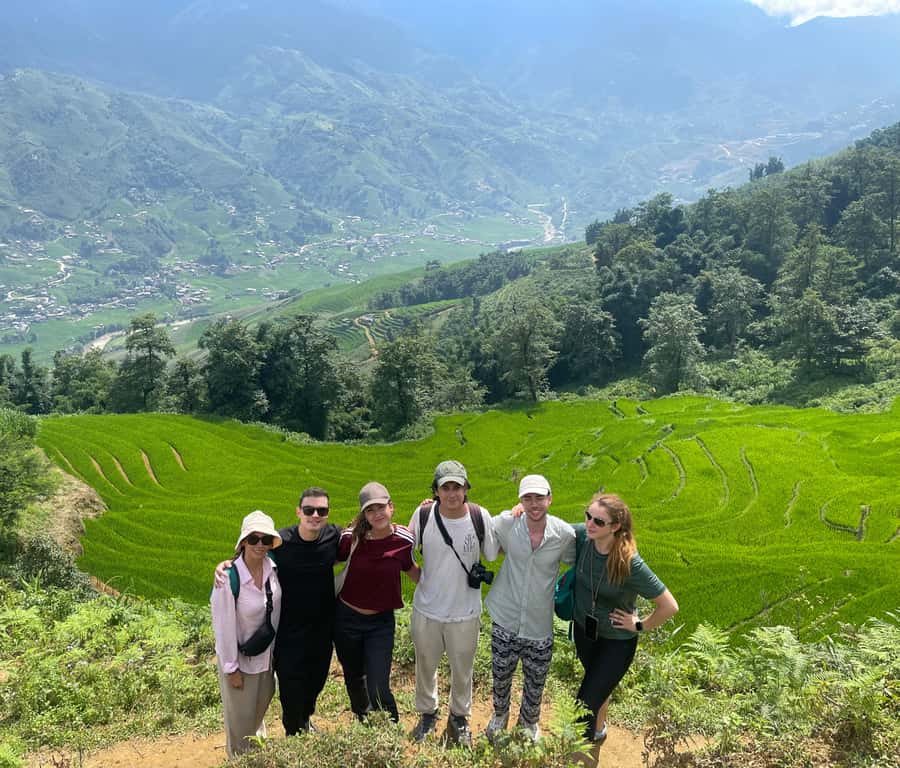
- Fansipan viewpoints early on so you know what you’re working for
- Su’s English and pacing (he adjusts to the group and the weather)
- Muong Hoa Valley rice terraces plus river/valley views you can’t recreate later
- Village stops in Hang Da and Hau Thao with Black Hmong cultural insights
- A family lunch included in the price, not an afterthought
- Practical hiking advice for rainy, slippery ground so you actually feel safe
Meeting Su at Sapa’s Main Church and Getting Going
Your tour starts in Sapa in front of the main church. The guide messages you before you meet, so you’ll want to keep your phone handy—and if the operator asks for it, leave your WhatsApp number so they can confirm details and updates.
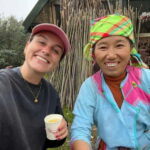
Once you meet, there’s a short intro and then you’re on the trail. What makes this part matter is the tone: this isn’t a “walk fast, ask nothing” style hike. Su is known for being patient, encouraging, and attentive, and he uses his English to explain what you’re seeing and why locals live the way they do.
It’s also when you can set yourself up for the day. This trek includes a chunk of uphill early, so you’ll want to start slow, settle into a steady rhythm, and save your “push” for later viewpoints.
You can also read our reviews of more tours and experiences in Sa Pa.
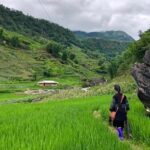
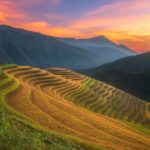
The 2.5 km Uphill Push: Fansipan and Sapa Town from the First Viewpoint
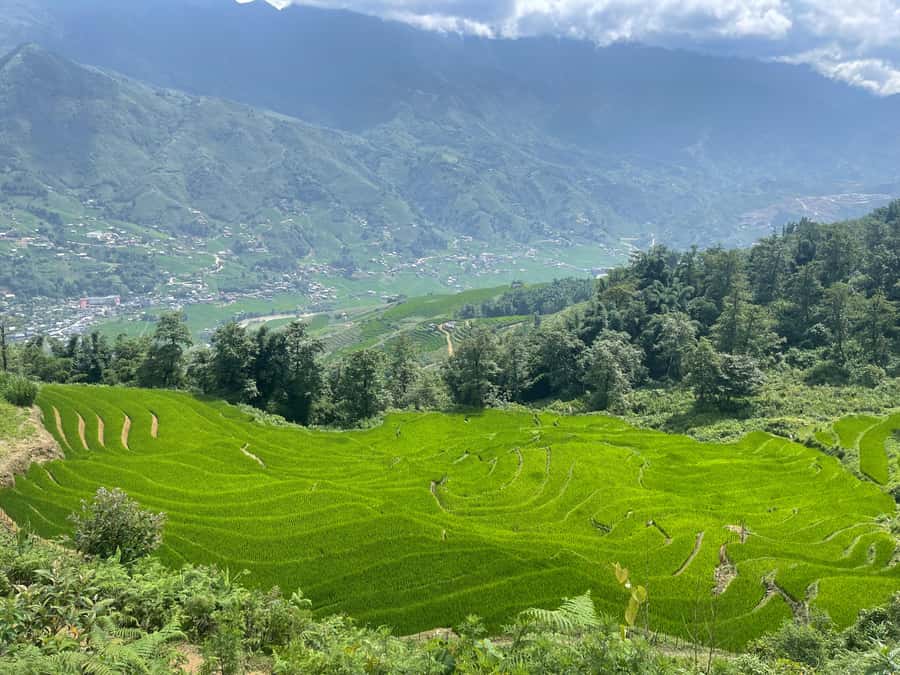
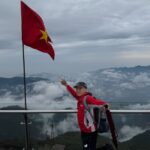
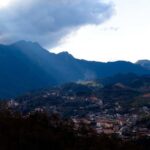
About 2.5 kilometers uphill gets you to the mountain views. This is where you’ll first see Fansipan, the highest mountain in Indochina, plus a wide view across Sapa town.
I like this structure because it rewards effort early. You get the “wow” moment before the day gets longer and more village-focused. Bring your camera, but also bring your patience—if it’s foggy or rainy, views can be muted, so you’ll enjoy the moment even when visibility isn’t perfect.
Also, plan for weather changes. Sapa can shift quickly, and the route can get slippery when it rains. If you’ve got gear like a hat or sunscreen, this is where you’ll appreciate it.
Muong Hoa Valley Rice Terraces and the Downhill Sections to Hang Da
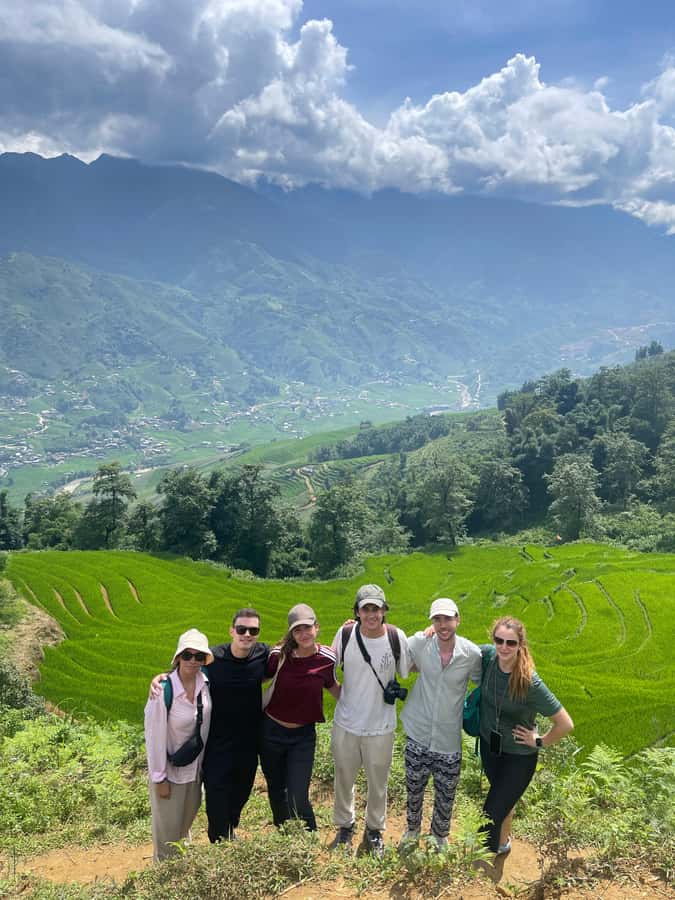
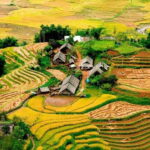
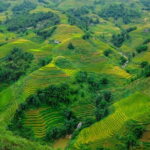
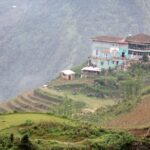
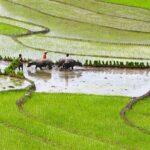
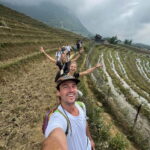
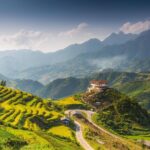
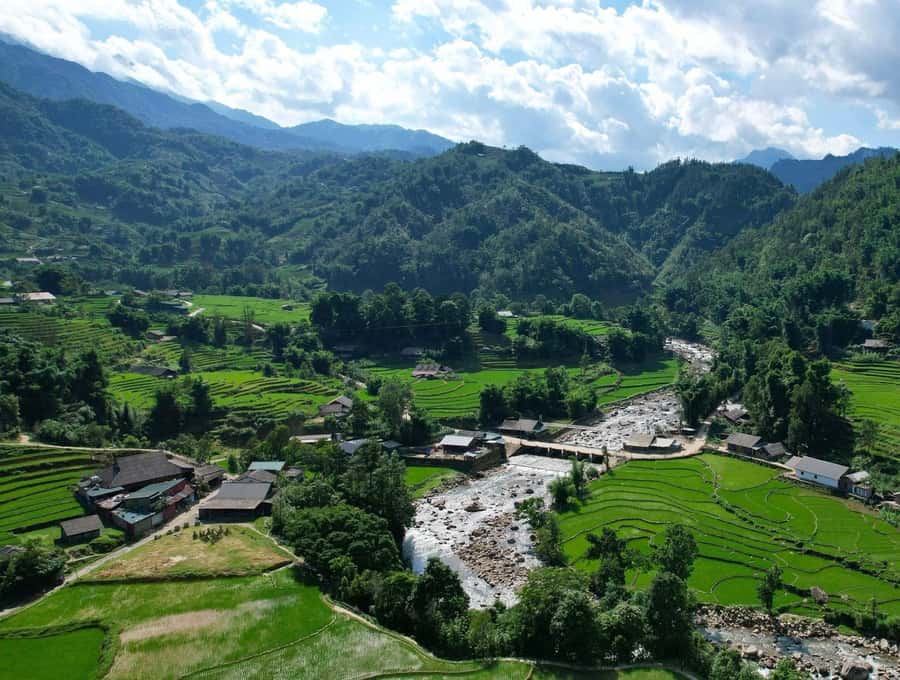
After the first viewpoint, you head toward the Muong Hoa Valley, famous for rice terraces. This is the part where the valley starts to feel like a living system: terraces step down across hillsides, and the river and valley shapes help you understand how farming fits the terrain.
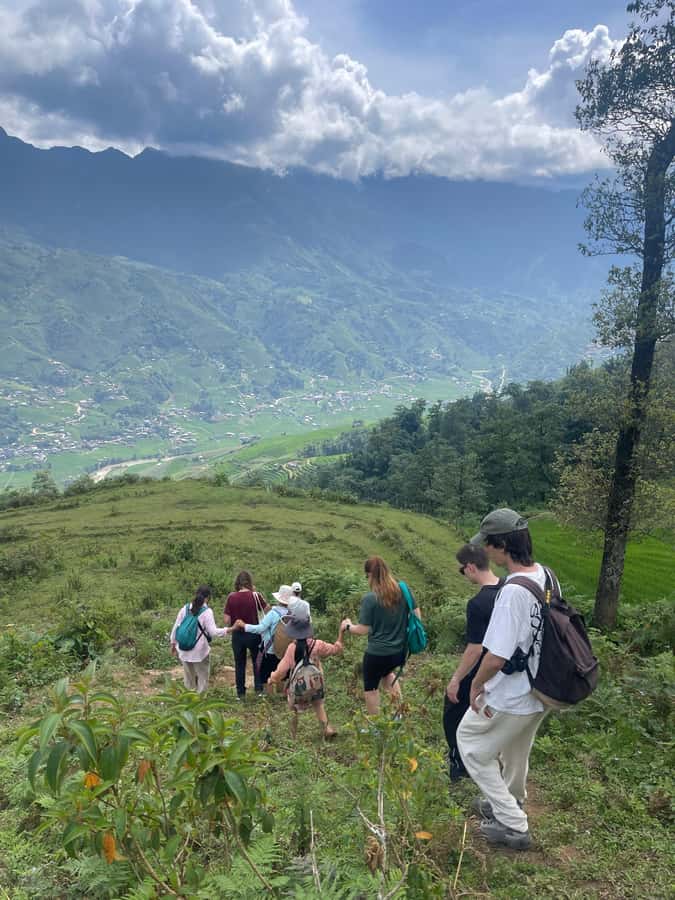
This stretch also includes walking down mountainside paths. In dry weather, downhill is simply tiring. In wet weather, it can turn into a balance test. One strong tip from experience: wear muddy, non-slip shoes when rain is involved. I’d rather you be a little over-prepared than doing the whole day with sneaker-grade traction.
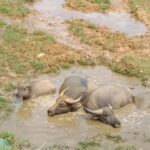
As you move toward Hang Da, you may also spot local animals such as buffalos, cows, and pigs. It’s not a zoo stop—it’s just what’s around the villages and farms, which is exactly why this works better than a “look-only” viewpoint tour.
Black Hmong Village Walks: Hang Da, Hau Thao, and Muong Hoa
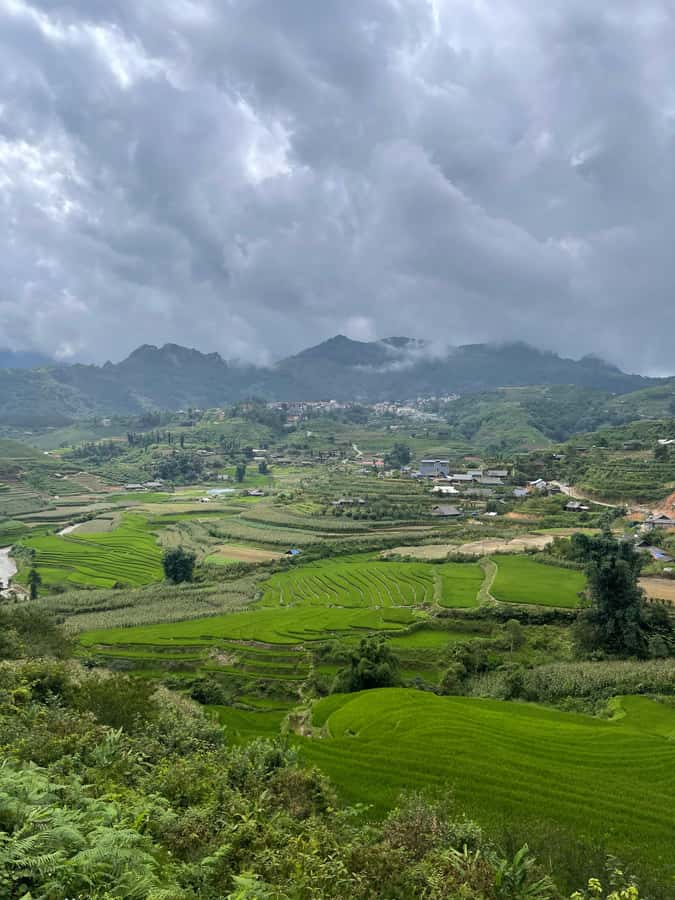
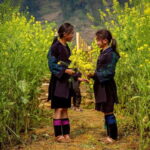
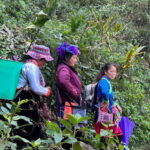
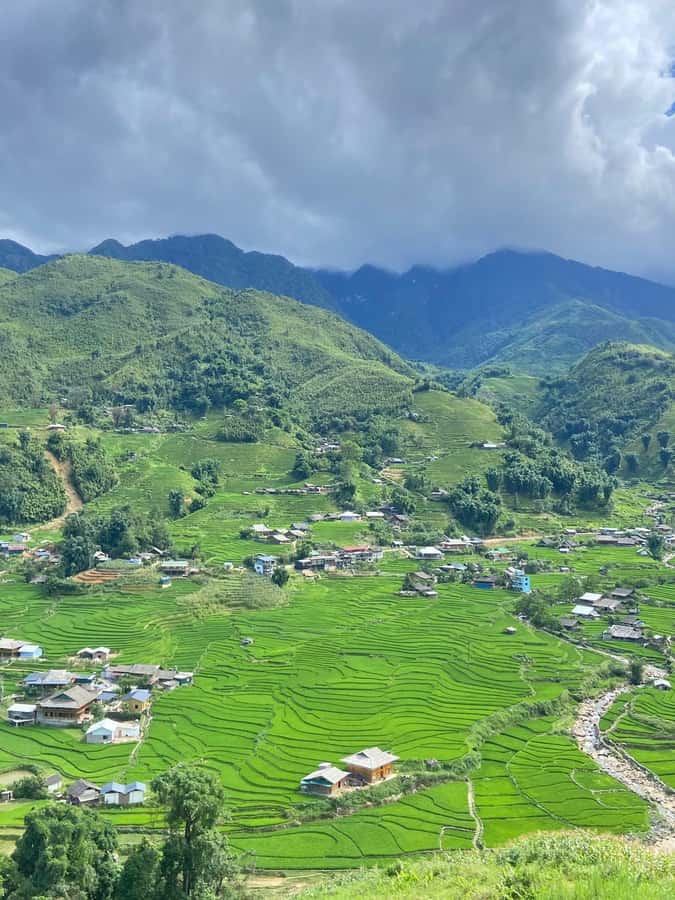
The heart of the day is your time moving through and learning from Black Hmong communities, including Hang Da and later Hau Thao, then continuing onward toward Muong Hoa village.
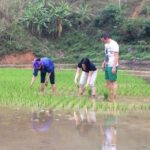
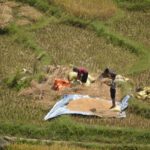
What I find valuable here is not just that you see village buildings—it’s that you watch how the day runs. You’ll get a sense of local routines, and if the timing lines up, you might see people working the fields, like harvesting or planting rice. That kind of moment sticks because it explains what the terraces are really for.
Cultural learning is also part of Su’s job. In practice, that means you’re not left with generic facts. You’ll ask questions and get answers about daily life and traditions, and the pace is guided so you can actually process what you’re seeing rather than sprinting from stop to stop.
One consideration: village paths can be narrow and uneven. Take it slow in the downhill portions and keep your footing steady. The day is designed to be manageable, but your body still needs to cooperate.
Lunch With a Local Family: Included, and Worth Slowing Down For
Lunch is part of the experience, and it’s included. You’ll stop at a small restaurant run by a local family after time in the villages.
I like this arrangement because it gives you a real reset point in the middle of the trek. It’s also where conversations can happen naturally—when you share a meal, you get a chance to see how hospitality works in a way that feels ordinary, not staged.
Fuel matters on this hike. You’ll have already walked uphill, and you still have more village trekking after lunch. If you’re the type who gets hungry fast, eat steadily and don’t skip water. One water bottle (500 ml per person) is included, but you may still want additional sips if the day is warm or you’re moving quickly.
Finishing the Trek and Returning to Sapa by Late Afternoon
After lunch and more village walking, the tour brings you back toward Sapa. The total trek is typically around 12–14 km, and it can run 14–16 km depending on conditions and how the route is handled. Either way, it’s a full half-day plus effort.
The tour ends back at the meeting point in Sapa at about 3:30 PM. That timing is actually useful for planning the rest of your visit. You’re not stuck in “all-day trekking” where you lose the evening. You still have energy to enjoy Sapa after, if you feel like it.
Difficulty, Weather, and Footwear: The Real-World Checklist
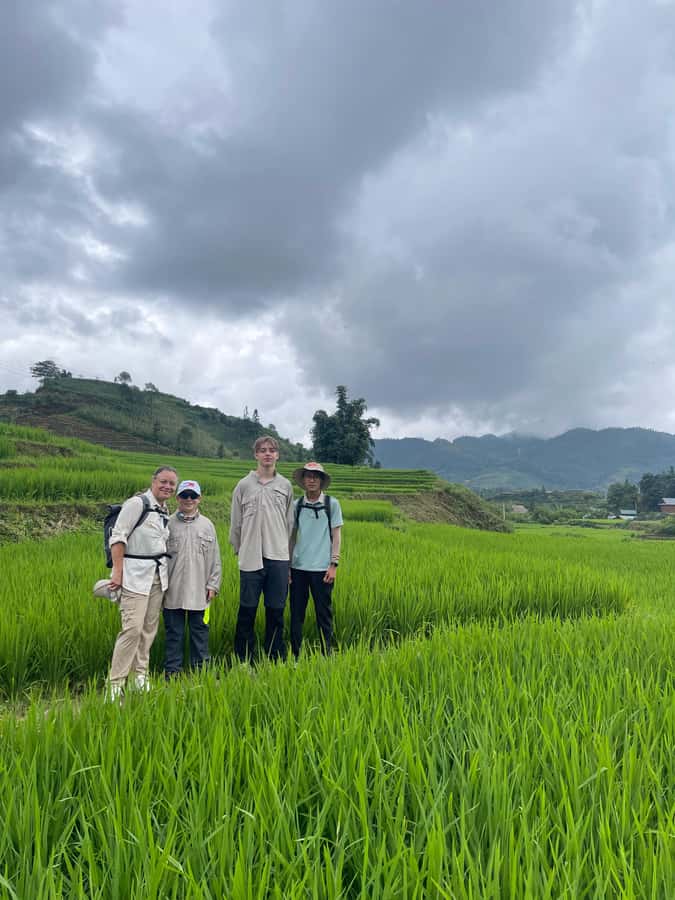
This hike is a medium-hard trek. The distance is one part; the ground is the other. If it has rained—or if rain is likely—downhill steps can be slippery, and you’ll want grip.
Here’s the practical checklist I’d follow based on the route realities:
- Wear comfortable shoes with non-slip traction (muddy-safe is ideal in wet weather)
- Bring a hat and sunscreen, since you’re exposed for long stretches
- Pack snacks so you can handle dips in energy without rushing your pace
- Bring your camera for terrace and mountain viewpoints
- Bring water even though a 500 ml bottle is included
Also pay attention to the “know before you go” limits. This trek is not suitable for:
- pregnant women
- people with back problems
- people with mobility impairments
- people afraid of heights
- people with a cold
- people with altitude sickness
If you’re uncertain, think of this as a mountain hike first and a culture walk second. If your fitness can handle longer walking on uneven ground, you’ll enjoy the village time much more.
$19 Value: Why This Price Works (and When It Might Not)
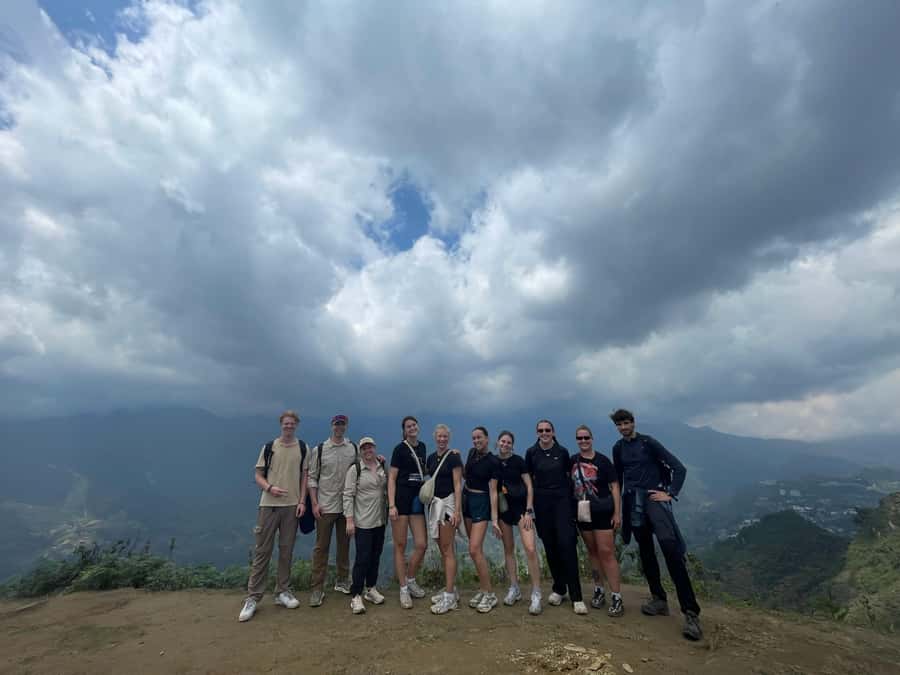
At about $19 per person, this trek is strong value because several big costs are handled for you:
- an English-speaking guide (you’re not navigating the route solo)
- lunch included
- entrance fees to villages
- transport to Sapa after you finish in the village area
- 1 water bottle (500 ml)
What you’re paying for isn’t just “a guide.” It’s guided context—Su’s explanations about Black Hmong life, the rice terraces, and the valley system. That’s what turns a hike into something you remember with clarity rather than just photos.
When it might not be the best fit: if you’re looking for a short, easy walk with minimal effort, this is likely too much. The route can be challenging, especially in wet weather, and the long distance means you’ll feel it.
A Quick Ethical Tip for Village-Approach Moments
During the afternoon, you might encounter people offering items or even asking for money. One experience included being accompanied for a while by a little girl and a woman trying to sell things.
I can’t tell you what’s right for every situation, but I will say this: if children are involved in begging or prolonged tourist interaction, I recommend you don’t hand out cash. It can worsen the exact problems families face. If you want to do something constructive instead, your best move is to support through responsible channels outside the trek context.
Should You Book the Sapa Muong Hoa Valley View & Villages Trek?
I’d book this if you want a real day outside Sapa town, with rice terrace views, Black Hmong village stops, and an English guide who explains what you’re seeing. The inclusion of lunch and the fact you’re guided through the villages (not just around viewpoints) makes the price feel fair.
Skip it if your body needs low-impact walking, you have mobility or back limitations, or you’re worried about heights and uneven ground in wet conditions. Also, if you’re fighting a cold or dealing with altitude issues, take that seriously and choose something gentler.
If you’re fit, flexible with weather, and you enjoy learning while walking, this trek is the kind of Sapa day that makes the rest of your trip easier to love.
FAQ
Where do I meet the guide?
You meet the guide in front of Sapa’s main church. The guide will message you before the tour with the details.
How long does the tour last?
The trek runs through a full morning and afternoon, ending at approximately 3:30 PM.
How long is the hike?
The trek is described as around 12–14 km, and in some conditions it can be 14–16 km.
Is lunch included?
Yes. You’ll enjoy lunch at a small restaurant run by a local family, and it’s included in the tour price.
What’s included in the $19 price?
Included items are an English-speaking guide, lunch at a local family, entrance fees to the villages, transport back to Sapa after the tour, and 1 water bottle (500 ml) per person.
Is the trek challenging?
It can be medium-hard and gets challenging in wet weather, especially for downhill sections. Comfortable footwear and a good fitness level help a lot.
What should I bring, and what isn’t allowed?
Bring comfortable shoes, a hat, camera, snacks, sunscreen, and water. Smoking, plastic bottles, and littering are not allowed.
What languages does the guide speak?
The guide provides English and Vietnamese.