REVIEW · SA PA
From Hanoi: 2-Days Sapa Trek Lao Chai/Cat Cat, Fansipan Peak
Book on GetYourGuide →Operated by Duy Amma · Bookable on GetYourGuide
Mist turns Sapa into a living postcard. The big payoff here is a day focused on Fansipan Peak (at 3,143 meters) with summit views that can look like they go on forever. I also like how the trip mixes big mountain moments with hands-on village walking, so the whole experience feels balanced instead of all sightseeing.
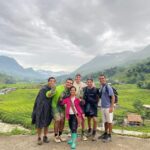
On day one, you get to pick your trekking path: Cat Cat for stilt houses and a famous waterfall, or Lao Chai and Ta Van in Muong Hoa Valley for suspension bridges, rice terraces, and real conversations with Black Hmong and Day communities. I especially like that the focus stays on daily life and culture, not just check-the-box photos.
One thing to consider: the Fansipan cable car ticket is not included (800,000 VND, about $32), and if you travel alone you may also see a single-room service charge. Also, you’ll want solid shoes because the walking happens on trails and uneven ground.
In This Review
- Key highlights you should care about
- The Sapa feel: why this 2-day plan works
- Hanoi to Sapa by sleeper bus: arrive with time to enjoy
- Day 1 trekking choice: Cat Cat or Lao Chai–Ta Van
- Option A: Cat Cat Village trek (Black Hmong)
- Option B: Lao Chai and Ta Van trek (Black Hmong + Day)
- What you actually do on the trails
- Returning to Sapa town: recharge like a local
- Day 2: Fansipan Peak by cable car, then summit pagoda views
- Price and value: what you pay $137 actually covers
- Who this Sapa tour suits best
- Practical tips that make a big difference
- Comfort and service: what Duy Amma seems to do well
- Should you book this 2-day Sapa trek with Fansipan Peak?
- FAQ
- FAQ
- How long is this Sapa experience?
- What’s included in the price?
- Is the Fansipan cable car ticket included?
- What trekking routes can I choose on day one?
- Which ethnic communities will you visit during the trek?
- What should I bring for the trekking day?
- What kind of guide language support is available?
- What about single rooms if I travel alone?
- What is the cancellation policy?
Key highlights you should care about
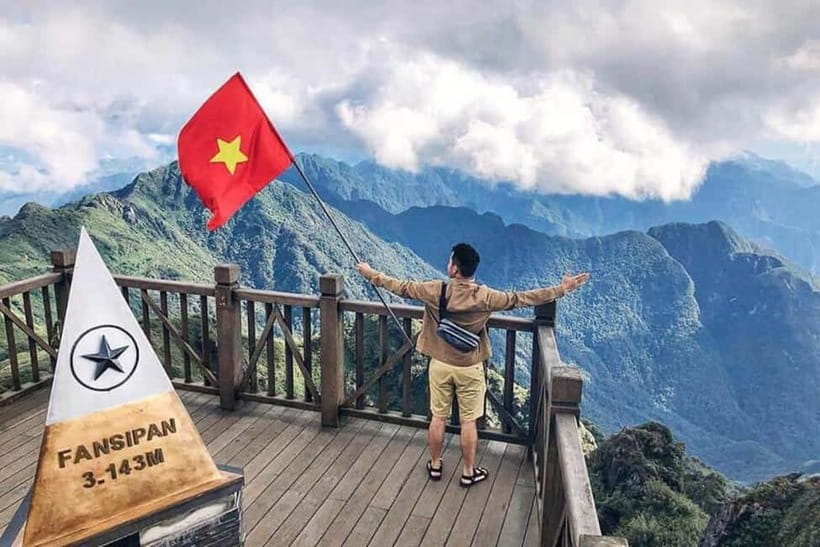
- Fansipan at 3,143 meters: summit pagoda area plus wide Hoang Lien Son range views
- Choose your day-one trek: Cat Cat or Lao Chai–Ta Van
- Village life, not just scenery: learn through real interactions with Black Hmong and Day communities
- Cat Cat waterfall + rice terraces: a classic Sapa combo if you pick Cat Cat
- Careful pacing: one night in Sapa makes the 2-day schedule feel doable
- Organized and responsive operations: plans run smoothly with quick support when you need it
The Sapa feel: why this 2-day plan works
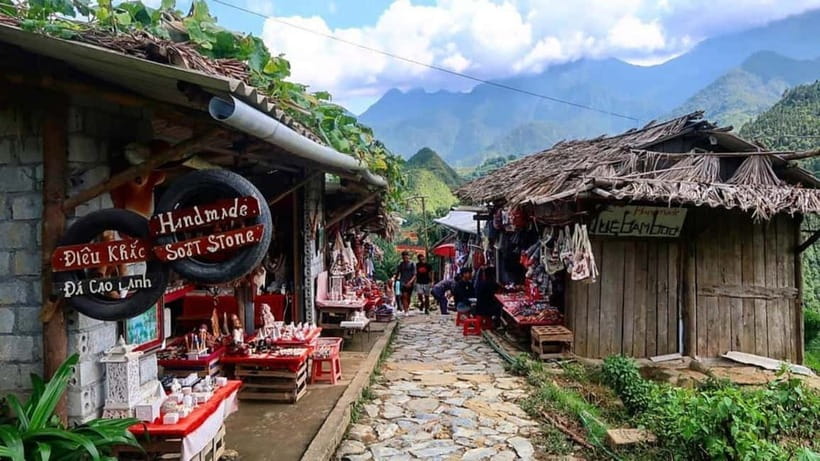
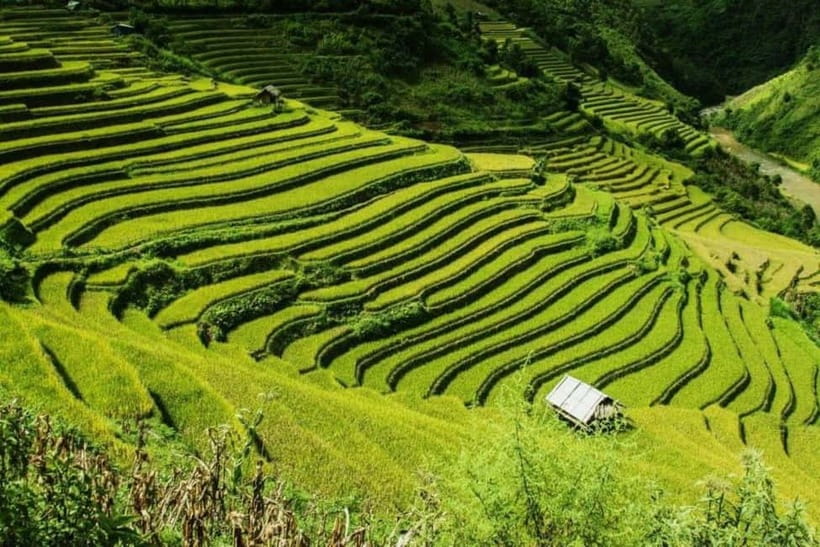
Sapa can feel like two different places. There’s the misty, postcard side—mountain air, rice terraces, cloud-hugging views. And then there’s the human side: ethnic minority villages with everyday routines that continue whether the weather cooperates or not.
This tour’s format helps you experience both. You’re not rushing Sapa as a quick stop between bigger cities. Instead, you land in the afternoon, trek with a local guide, sleep one night in town, and then finish with Fansipan the next day. That rhythm matters because it reduces stress. You’ll spend less time wondering where to go next, and more time actually looking out at the scenery or watching daily life unfold.
You can also read our reviews of more tours and experiences in Sa Pa.


Hanoi to Sapa by sleeper bus: arrive with time to enjoy
You start from Hanoi with a round-trip sleeper bus, which is a practical choice for Northern Vietnam travel. The goal is simple: trade one daytime chunk for overnight comfort, then wake up already pointed at the mountains.
You’ll typically arrive in Sapa around midday. That’s a sweet spot. It means you can settle in, eat lunch, and still have a full afternoon for trekking. After day one, you return to Sapa town in the evening, so you’re not hauling your energy late into the night.
Practical note: sleeper buses are efficient, but they can still be bumpy. If you’re sensitive to motion, pack a small comfort kit (eye mask, earplugs, and something warm for the ride).
Day 1 trekking choice: Cat Cat or Lao Chai–Ta Van

Day one is built around your trekking option. You’ll see both areas are in the same Sapa region, but the experience changes depending on where you walk.
Option A: Cat Cat Village trek (Black Hmong)
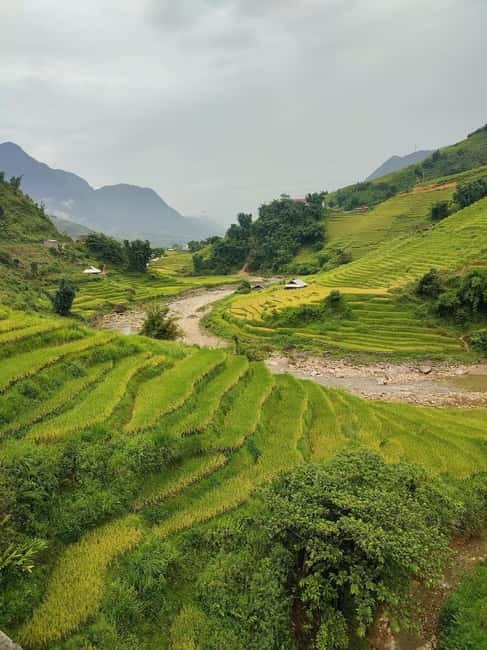
If you pick Cat Cat, you’ll walk downhill toward Cat Cat Village, a Black Hmong community. This is one of those treks where the scenery comes in layers: wooden houses on the slope, rice terraces in the distance, and the kind of waterfall viewpoint that people actually remember months later.
You’ll also get to see the Cat Cat waterfall area. The trail runs past the village and viewpoints tied to local daily life—so it’s not just a scenic detour.
Best for you if: you want a classic Sapa village walk plus a clear landmark (the waterfall) that structures your afternoon.
Option B: Lao Chai and Ta Van trek (Black Hmong + Day)
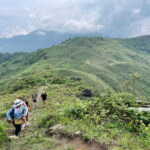
If you choose Lao Chai and Ta Van, you’ll spend your trek in Muong Hoa Valley. This option leans into long views and crossing points rather than one main waterfall stop.
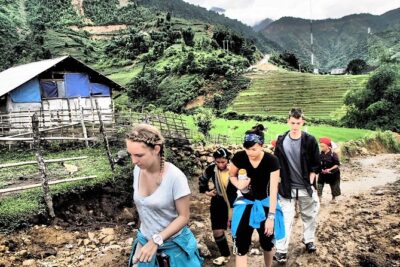
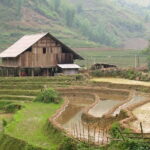
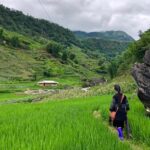
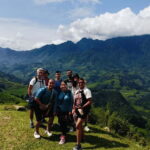
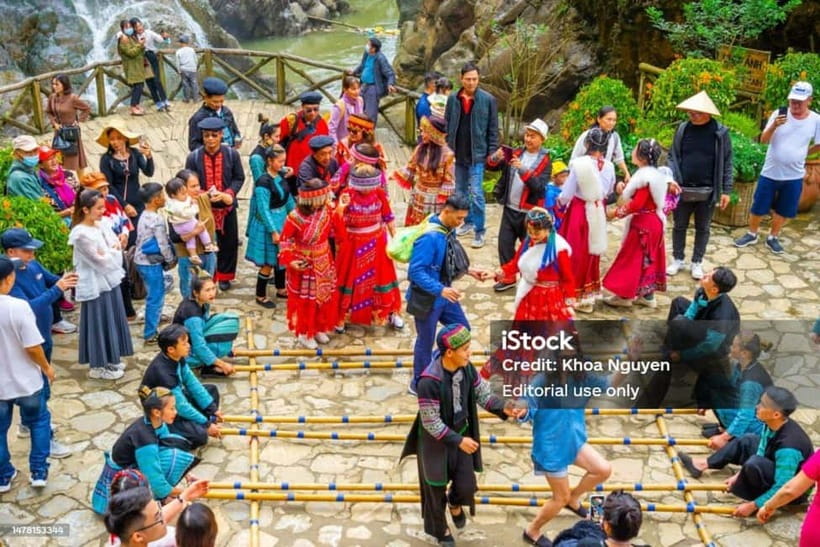
You’ll follow a scenic trail through rice paddies to Lao Chai and Ta Van, home to Black Hmong and Day people. Along the way, you’ll cross suspension bridges and meet friendly locals as you pass through and near the villages.
Best for you if: you like a valley trek feel—longer stretches of walking with bridges, terraces, and more time watching farming country.



What you actually do on the trails
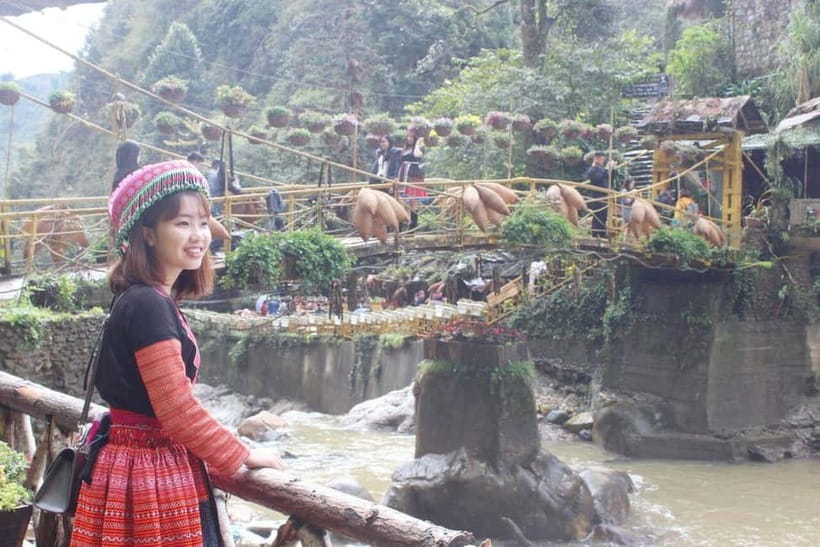
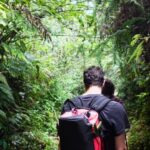
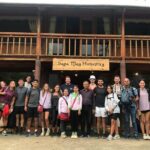
Both trekking options share the same core advantage: you’re moving through communities instead of staying behind a bus window. That’s where the tour becomes more than a photo itinerary.
As you walk, you’re likely to notice details you’d miss from a road viewpoint:
- Stilt houses and how they sit in relation to slope and water flow
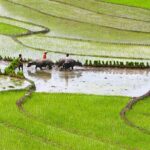
- Rice terraces that show up as work land first, scenery second
- Suspension bridge moments that force you to slow down and take in the valley
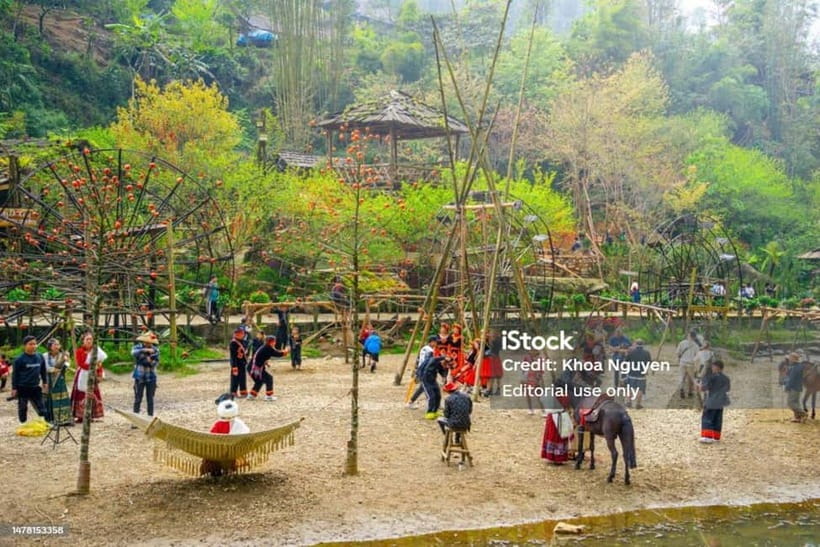
And because the trek is guided in English (with a surcharge for other languages), you should be able to ask questions about what you’re seeing. I like that the day is framed as learning local daily life and culture through real interactions, which gives your photos context instead of turning them into random snapshots.
Returning to Sapa town: recharge like a local
After day one trekking, you head back to Sapa town in the evening. The schedule is designed for rest. You’ll return to your hotel for the night, then have dinner and sleep with real downtime between the mountains and Fansipan day.
This matters more than you might think. Fansipan day starts early and involves altitude. If you try to compress everything into a single day, your body pays the price. Here, you get that one-night buffer.
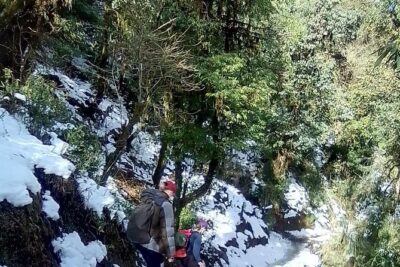
If you’re sensitive to cold or damp, plan for layers. Even in warmer months, mountain air can feel sharp once you’re back in town.
Day 2: Fansipan Peak by cable car, then summit pagoda views
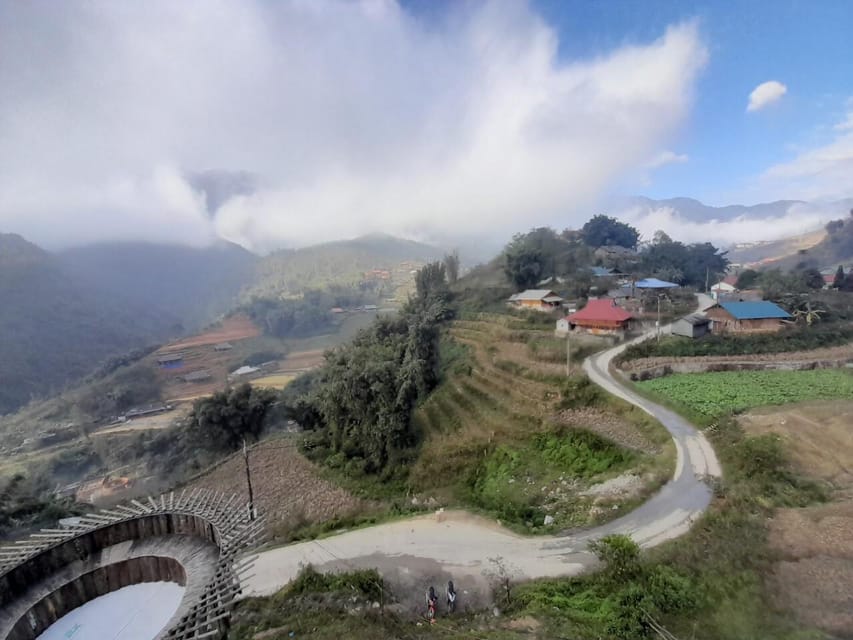
Fansipan is the headline, and the cable car ride is the most efficient way to reach the top. On day two, you start with breakfast at your hotel, then head to the Fansipan Cable Car station.
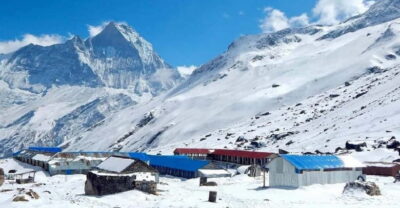
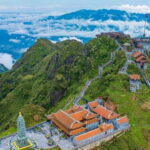
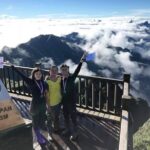
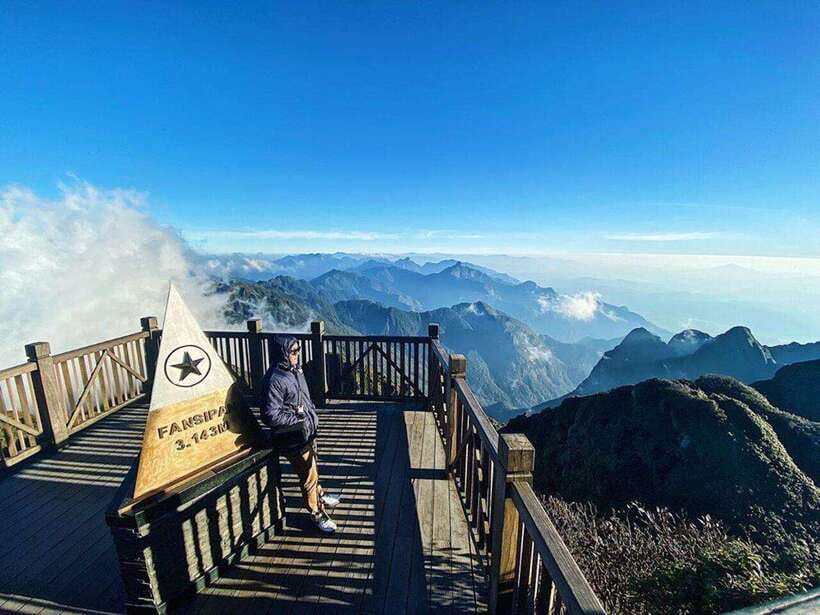
You’ll ascend to 3,143 meters, high enough that the air can feel thinner and the weather can change fast. Once you reach the summit, you can stroll around the summit pagoda complex. This is where you get that “Roof of Indochina” effect: wide, sweeping views across the Hoang Lien Son mountain range—sometimes clear, sometimes wrapped in mist.
Then you descend, and the tour includes a hearty lunch in Sapa before you board the sleeper bus back to Hanoi in the early afternoon. You should reach Hanoi in the evening with your legs a little tired and your camera full.
Reality check: mountain mist can roll in quickly. If the weather isn’t perfect, the view may soften, but you’ll still get the altitude experience and the summit area walk.
Price and value: what you pay $137 actually covers
At $137 per person, you’re not only paying for the mountain day. You’re paying for a full round-trip structure that includes:
- Round-trip sleeper bus between Hanoi and Sapa
- 1-night hotel accommodation in Sapa
- Meals: 2 Vietnamese lunches, 1 dinner, 1 breakfast
- An English-speaking local guide (other languages cost extra)
- Entrance fees and permits
- Trekking tour for either Cat Cat or Lao Chai–Ta Van
That combination is the value piece. You’re getting transport, lodging, and guided trekking packaged together. In Northern Vietnam, those pieces can be time-consuming to organize on your own—especially if you want a guide who can explain what you’re seeing while you’re walking.
Two costs you should plan for:
- Fansipan cable car ticket: 800,000 VND (about $32)
- If you travel alone: a single-room service charge may apply
So the real budget is closer to: $137 + the cable car ticket you’ll still need to buy. When you do that math, it still tends to be reasonable because the trek day includes guiding and meals, not just a route map.
Who this Sapa tour suits best
This is a great fit if you want:
- A guided trek without having to plan trail logistics
- A cultural experience focused on village life (Black Hmong and Day communities)
- One night in Sapa for a calmer pace
- A clear payoff on day two with Fansipan’s summit area
It may be less ideal if you:
- Want total freedom to choose both trekking styles in one trip (you pick one on day one)
- Dislike cable cars or are uncomfortable with steep altitude zones
- Need very flat, low-steps walking. This is trekking, and the trails can be uneven.
Practical tips that make a big difference
Here’s what I’d prioritize if you’re booking this kind of 2-day mountain program:
- Wear comfortable trekking shoes with grip. Your feet will thank you on trails and crossings.
- Bring sunscreen. Mountain sun can hit even when it’s cool or misty.
- Pack layers for day two. Summit weather can feel different from town weather.
- If you care about photos, go in expecting mist on some moments. That’s Sapa’s personality.
If you’re traveling with a camera, I also recommend keeping it accessible. The best shots often happen right before you realize they’re happening—at a bridge crossing or as you turn onto a village path.
Comfort and service: what Duy Amma seems to do well
The tone around this experience is that operations run smoothly and support is quick when you need it. I like that the tour is organized and accommodating, especially for travelers who worry about making last-minute decisions about trekking routes.
You’ll also get language options beyond English: German, French, Japanese, and Chinese are available, with a surcharge for non-English guides. That’s useful if you want better conversations during village stops instead of relying on basic phrases.
Should you book this 2-day Sapa trek with Fansipan Peak?
Yes—if you want the efficient “best of Sapa” package without doing the hard work of planning transport, lodging, and trekking. The tour’s value is strongest when you like structure: you pick Cat Cat or Lao Chai–Ta Van, then you know exactly how day two finishes at Fansipan.
I’d say book it especially if you care about more than views. Village walking with context—learning daily life, seeing stilt houses, and understanding what communities do—makes the whole trip feel more meaningful than a quick photo stop.
Skip or adjust expectations if you’re chasing a totally flexible, self-guided schedule, or if you’re not comfortable with trekking and mountain conditions. In that case, you might prefer a more relaxed itinerary with shorter walks.
FAQ
FAQ
How long is this Sapa experience?
It’s a 2-day trip: Hanoi to Sapa on day one, and Fansipan plus the return to Hanoi on day two.
What’s included in the price?
Round-trip sleeper bus between Hanoi and Sapa, 1-night hotel in Sapa, 2 Vietnamese lunches, 1 dinner, and 1 breakfast, plus an English-speaking local guide, trekking tour, and entrance fees/permits.
Is the Fansipan cable car ticket included?
No. The Fansipan Cable Car ticket costs 800,000 VND (about $32) and is not included.
What trekking routes can I choose on day one?
You choose between Cat Cat Village trek or the Lao Chai and Ta Van trek in Muong Hoa Valley.
Which ethnic communities will you visit during the trek?
Cat Cat is described as a Black Hmong village. Lao Chai and Ta Van are home to Black Hmong and Day ethnic minorities.
What should I bring for the trekking day?
Comfortable trekking shoes and sunscreen are recommended.
What kind of guide language support is available?
English-speaking local guides are included. Other language guides are available with a surcharge.
What about single rooms if I travel alone?
A single room service charge is not included if you travel alone.
What is the cancellation policy?
You can cancel up to 24 hours in advance for a full refund.