REVIEW · POKHARA
Ghorepani Poonhill Private Trek – 2 nights / 3 days
Book on Viator →Operated by Peaceful Nepal · Bookable on Viator
A short trek, big mountain payoff. The Ghorepani Poon Hill Private Trek turns Pokhara into a quick gateway to classic Annapurna scenery, village walks, and that pre-dawn sunrise climb. What makes this one work is the mix of manageable hiking days and built-in support, so you spend your energy on the trail instead of logistics.
I especially like the comfort of a private setup: you get pickup, a licensed English-speaking guide, teahouse lodging, and meals handled. I also like that the route hits Poon Hill at 3,210 meters, where the views are the main event and the payoff comes fast (about an hour for the summit push at sunrise).
One drawback to consider: you’re still doing a real mountain trek. Expect stone stairs and early mornings, and if weather is poor, sunrise views can be muted, even with the best plan.
In This Review
- Key highlights to know before you go
- Day 1: Getting warmed up on forest paths from Nayapul to Ulleri
- Day 2: Ghorepani’s stone stairs and rhododendron season energy
- Day 3: The short climb to Poon Hill and the sunrise payoff
- Pokhara timing, the 6:00 am start, and why logistics matter
- What’s included (and what you still need to budget for)
- Guide quality: why safety and comfort are built into the experience
- Price and value: is $450 fair for 3 days in the Annapurna region?
- Should you book the Ghorepani Poon Hill Private Trek?
- FAQ
- What time does the trek start?
- Where does the trek begin?
- How long is the hike on day 1 and day 2?
- How long is the sunrise hike to Poon Hill?
- What is the altitude of Poon Hill?
- What is included in the price?
- Are meals covered during the trek?
- Is this a private group experience?
Key highlights to know before you go
- Private trekking, just your group with a licensed English-speaking guide
- Early start at 6:00 am to reach Nayapul and get hiking efficiently
- Teahouse comfort for 2 nights plus breakfast, lunch, and dinner included
- Stone stairs and rhododendron paths on the way to Ghorepani
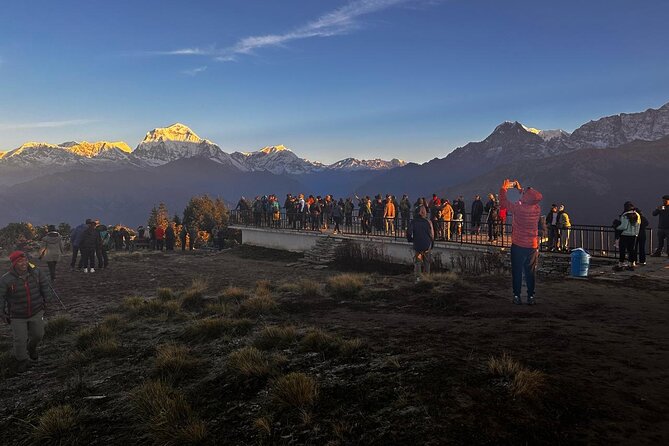
- Sunrise at Poon Hill (3,210m) with a short hike of about 45–60 minutes
- Transport is covered both ways: private vehicle to Nayapul, bus back from Ulleri
Day 1: Getting warmed up on forest paths from Nayapul to Ulleri
Most people think of Poon Hill as a sunrise trek. I think it works because day one sets you up gently. You’ll leave Pokhara early, then ride about 1 to 1.5 hours to Nayapul, where the real journey begins.
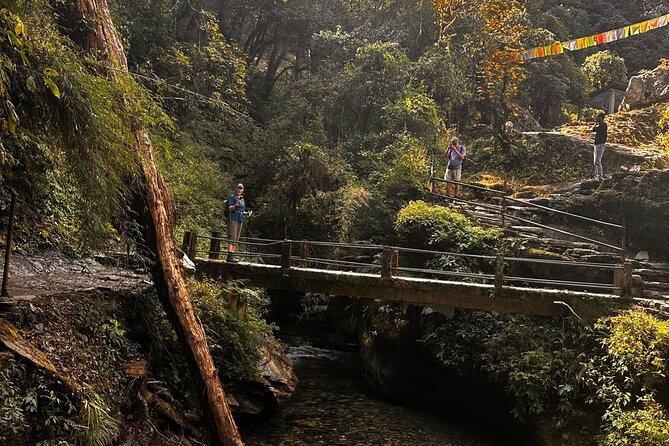
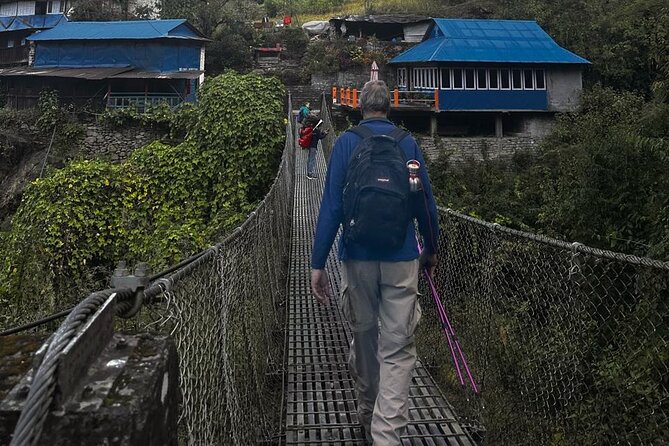
From Nayapul, the trek starts toward Tikhedhunga or Ulleri. The route you follow is the part that feels easy to love: forested paths, stream-side walking, and that steady rhythm that helps you settle into altitude and effort without going full grind right away. There are some uphill sections, and the climb becomes more noticeable as you get closer to Ulleri.
Why this matters: the first day is where you decide if the trek pacing fits you. A lot of short treks fail because they throw too much steep hiking at day one. Here, day one is long enough to feel like Nepal trekking, but not so punishing that day two becomes miserable.
Practical note: shoes with traction help on stone steps and uneven trails. Even when the hike is “gentle,” the ground can be slippery in places after morning mist.
You can also read our reviews of more tours and experiences in Pokhara.
Day 2: Ghorepani’s stone stairs and rhododendron season energy
After breakfast, you head from Ulleri toward Ghorepani. This is where the trek starts to feel more like the classic Annapurna walk many people came for.
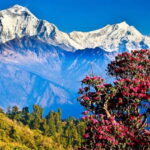
The trail includes stone staircases and walking through forest sections. You’ll also find rhododendron forests, which can be especially vivid in spring (when blooms add color and a distinct fragrance to the woods). Even if you’re not there in peak bloom season, the mix of shade, steps, and narrow paths keeps the hike interesting.
You should plan for about 5 to 6 hours of hiking time on this day. That’s the day where your legs get the best workout, because stairs are stairs: they burn in a slow, steady way. It’s not about speed. It’s about settling into a rhythm—short steps, steady breathing, and frequent chances to stop when you need them.
Why Ghorepani is a smart stop: it’s a base for the next morning’s early push. Staying here means you don’t have to wake up and travel long distances just to get your sunrise window.
If you’re the type who enjoys small, local moments (tea stops, quiet views between trees, villagers moving through their day), Ghorepani is usually where the trek starts to feel personal rather than just scenic.
Day 3: The short climb to Poon Hill and the sunrise payoff
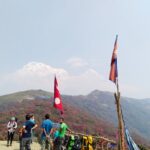
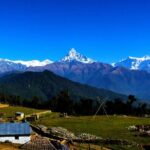
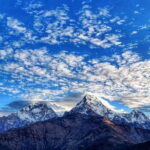
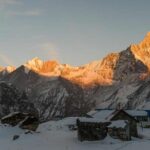
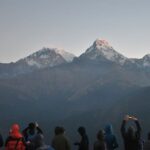
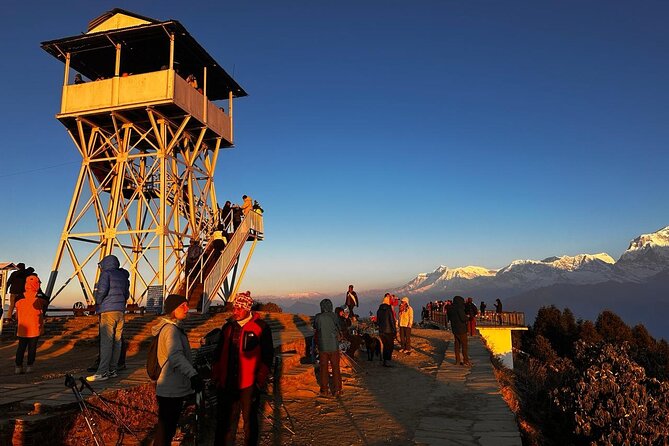
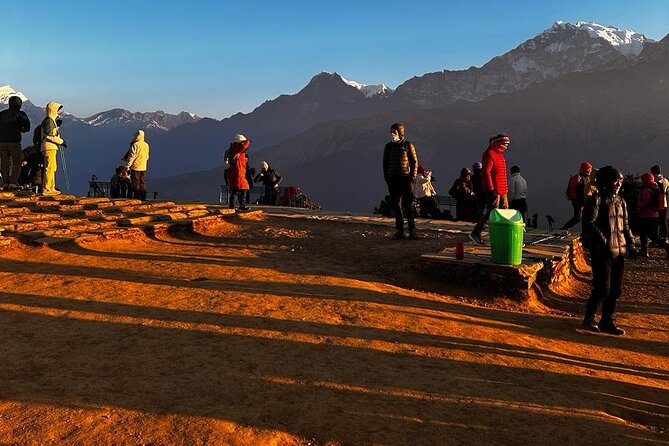
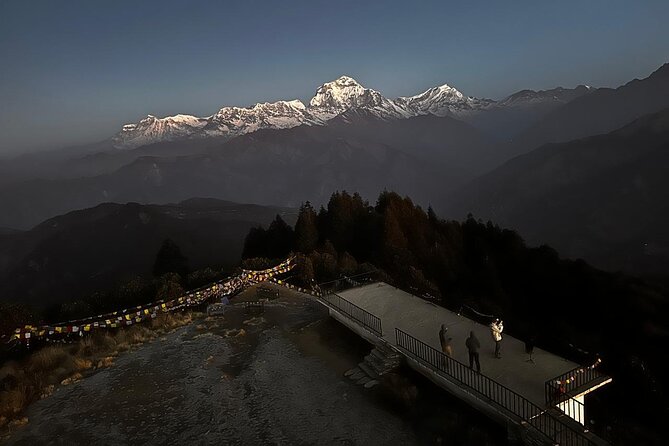
Day three is all about timing. You’ll wake up pre-dawn, hike to Poon Hill, and catch sunrise over the Annapurna and Dhaulagiri ranges.
The hike from the start point to Poon Hill takes about 45 minutes to 1 hour. That short time window is one of the smartest parts of this whole trek. You’re not spending half a day climbing just to earn a view. You climb enough to get above the morning cloud layer, then you’re there for the main show.
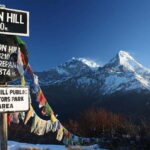
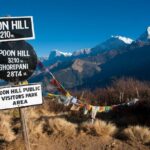
Poon Hill sits at 3,210 meters (10,531 feet), and that altitude is part of why the sunrise works. It’s high enough for the sky drama, yet the climb itself is short enough that most fitness levels can manage it with your guide’s pacing.
What to expect: early darkness, a steady climb, and the burst of light when the sun finally hits the peaks. If weather is clear, the range of visible mountains can feel almost unreal. If clouds roll in, you still get the Himalayan morning atmosphere—mist, shifting light, and a view that’s more moody than dramatic.
After sunrise, you’ll continue your descent and then head back toward Ulleri for the return trip. From Ulleri to Pokhara, you’ll use a local bus that takes about 3 hours. That means day three doesn’t stretch endlessly—you get your mountain moment, then you’re back in Pokhara without a full extra day of trekking.
Pokhara timing, the 6:00 am start, and why logistics matter
A lot of trekking misery comes from bad timing, not bad trails. This trek starts at 6:00 am, and that’s a big deal.
You’ll be moving quickly from Pokhara to Nayapul, then immediately into the hiking rhythm. If you’re thinking, I don’t want to spend my whole day traveling, this itinerary helps. It’s designed to use the morning hours so you’re not stuck waiting around.
The other logistics win: this is a private tour, and you’re offered pickup. You’re also set up with a mobile ticket, so you’re not chasing paperwork the morning you depart.
Value check: paying for a private trek isn’t just about exclusivity. It usually means less stress—especially when you’re working with early departures and changing transport modes.
One consideration: early start days require you to go to bed early. If you like late nights and slow mornings, your body will feel it.
What’s included (and what you still need to budget for)
For $450, this package does a lot of heavy lifting. The included items are the kind that add up fast if you try to DIY.
Here’s what’s covered:
- Trekking permits: TIMs card and Annapurna Conservation Area Permit
- Teahouse accommodation for the trek (2 nights)
- A licensed English-speaking guide
- Pokhara to Nayapul by private vehicle and Ulleri to Pokhara by bus
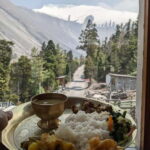
- Meals: Breakfast (2), Lunch (3), Dinner (2)
Why permits being included matters: permits are required, and sorting them last-minute is a headache. Including them removes a chunk of uncertainty.
Why teahouses being included matters: short treks often rely on basic lodges. You get set locations and meals instead of guessing where you’ll sleep each night. That’s a big deal on a tight 2-night plan.
What you should plan to pay for yourself:
- Everything not listed as included (your personal expenses). This could include snacks, extra drinks, tips, or any gear you didn’t bring.
A final budgeting tip: even when meals are included, you might want small extras for energy—like a drink or light snack between hikes. Carrying a little buffer keeps you from rationing yourself when hunger hits.
Guide quality: why safety and comfort are built into the experience
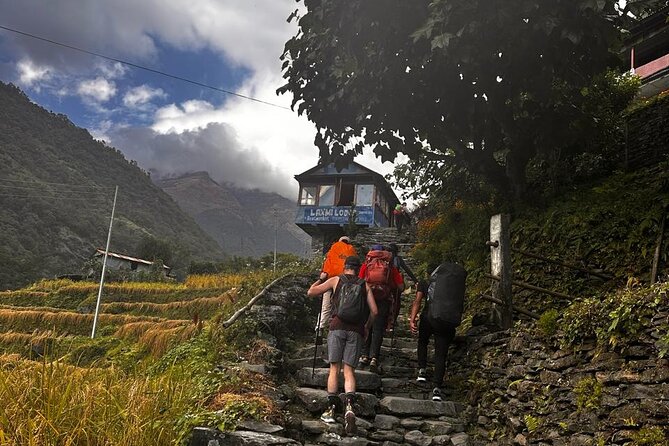
A private trek rises or falls on the guide. In the feedback available, the name Bishnu comes up as a standout example. People describe him as professional, helpful, and someone who keeps you feeling comfortable and safe, with enough good humor to make the trek more than just work.
That lines up with what you want on a short trek: you don’t need a long lecture. You need someone who can pace you, handle the route, and keep you confident when the trail gets steep or the weather changes.
Also, the guide being English-speaking matters. It reduces misunderstandings about timing, where you’ll sleep, and what to expect next. On a 3-day window, clarity saves your day.
One more benefit: when it’s private, your guide can respond to your pace instead of moving with a large group rhythm.
Price and value: is $450 fair for 3 days in the Annapurna region?
Let’s talk value without pretending trekking pricing is simple. $450 for a 2 nights / 3 days private trek is not a bargain-basement number, but it’s also not just paying for bragging rights.
You’re paying for:
- permits (TIMs and Annapurna Conservation Area Permit)
- teahouse lodging
- a licensed English-speaking guide
- meals
- private vehicle transfer to the trailhead and bus back
If you try to replicate that yourself, the cost usually shows up in the exact spots this package handles for you: permits, arranging transport, organizing lodging, and hiring a guide you can trust.
So I’d frame it like this: this is a good value if you want a smooth plan with fewer moving parts. If you’re comfortable handling paperwork and coordinating transport on your own, the cheaper route might be possible. If not, this price feels like you’re buying time, effort, and peace of mind.
Should you book the Ghorepani Poon Hill Private Trek?
I think you should book it if you want:
- a short trek with real mountain payoff
- sunrise at Poon Hill without complicated climbing logistics
- a private guide-led experience with teahouses and meals handled
- a plan that starts early but doesn’t drag on forever
You might skip it if:
- early mornings and stair-heavy days are a dealbreaker
- you only care about sunrise in perfectly clear skies (weather can always change)
- you’re trying to keep costs to the absolute minimum and don’t mind more planning
If you do book, my best advice is simple: train a little for stairs, pack warm layers for pre-dawn, and keep your expectations flexible. This trek is built for people who want the Annapurna view—but also want the day-to-day to run smoothly.
FAQ
What time does the trek start?
The start time is 6:00 am.
Where does the trek begin?
You travel from Pokhara to Nayapul by private vehicle, and the trek officially starts from Nayapul.
How long is the hike on day 1 and day 2?
Day 1 includes walking segments totaling about 2 hours to reach the Tikhedhunga area and additional hiking time toward Ulleri (around 6 hours shown for that segment). Day 2 trekking toward Ghorepani is about 5 hours.
How long is the sunrise hike to Poon Hill?
The hike to Poon Hill takes about 45 minutes to 1 hour.
What is the altitude of Poon Hill?
Poon Hill is at 3,210 meters (10,531 feet).
What is included in the price?
Included are trekking permits (TIMs card and Annapurna Conservation Area Permit), teahouse accommodation, a licensed English-speaking guide, Pokhara to Nayapul private vehicle transport, and Ulleri to Pokhara bus transport, plus meals (breakfast 2, lunch 3, dinner 2).
Are meals covered during the trek?
Yes. Breakfast is included 2 times, lunch 3 times, and dinner 2 times.
Is this a private group experience?
Yes. It’s a private tour/activity, and only your group participates.