REVIEW · KATHMANDU
Short Everest Base Camp Trek 10 Days
Book on Viator →Operated by Welcome Nepal Treks P.ltd · Bookable on Viator
The quickest way to Everest starts in Lukla. This short 10-day Everest Base Camp trek keeps the focus on mountain walking and real high-altitude moments, with a Lukla flight plus an early look at the peaks from Kala Patthar. You’ll move through Sherpa villages and iconic trail stops without the long-haul time that many bigger Everest trips demand.
What I like most is the way the trip handles the heavy logistics for you. You get a trained English-speaking guide (people mention guides like Mohan, AJ, Padam dai, Padam Bahadur, and Anjan), plus domestic transfers, permits, and tea-house lodge stays that keep your planning simple.
One consideration: this is a short trek, so the altitude hits fast and your pace matters. Also, standard trek meals (breakfast, lunch, dinner) aren’t included, so budget for food along the route and don’t assume meals are covered.
In This Review
- Key highlights worth your attention
- The Lukla setup: where this short Everest trek really begins
- Day-by-day: the 10 days that compress the Everest dream
- Day 1: Lukla to Phakding (first steps in Khumbu)
- Day 2: Phakding to Namche Bazaar (3440m and your first big town)
- Day 3: Namche to Tyangboche (views plus the emotional wow factor)
- Day 4: Tyangboche to Dingboche (forest trail to higher village life)
- Day 5: Dingboche to Lobuche (the region starts feeling severe)
- Day 6: Lobuche to Gorakshep, then Everest Base Camp (the rewarding grind)
- Day 7: Gorakshep to Kala Patthar (5,545m) and down to Pheriche
- Day 8: Pheriche to Namche Bazaar (3440m) for the return rhythm
- Day 9: Namche to Lukla (the last trek day)
- Day 10: Lukla to Kathmandu, then a farewell dinner
- Guides and group size: why your experience depends on people
- Price and logistics: what $1,400 covers, and what you must add
- What’s not included (the stuff that surprises people)
- The altitude reality check (and how to handle it in a short trek)
- Where the itinerary shines (and where it can feel tight)
- The shine
- The tight spots
- Who this trek is best for
- Practical planning tips before you go
- So, should you book this short Everest Base Camp trek?
- FAQ
- How long is the trek from Kathmandu to Everest Base Camp?
- Are flights to Lukla included, and what’s the route?
- What are the highest points on the itinerary?
- Is accommodation included during the trek?
- Are meals included in the price?
- Do I need a porter?
Key highlights worth your attention
- Lukla flight included to jump straight into the Khumbu trail
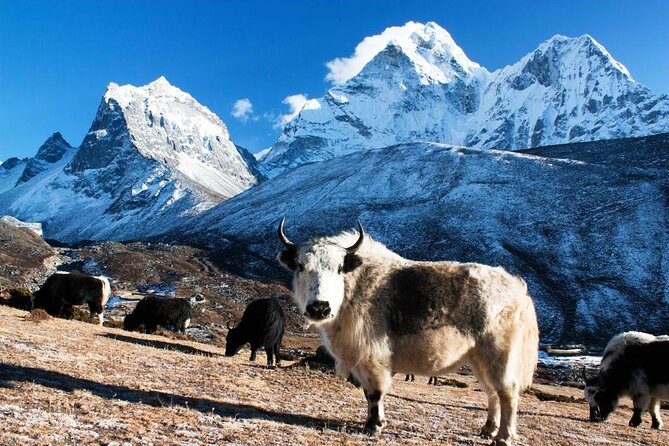
- Kala Patthar sunrise morning for big-Everest views at 5,545m
- Tea-house lodging every night to keep things practical
- Small group max of 15 for a more controlled pace
- Permits and official taxes handled so you’re not chasing paperwork
- Emergency helicopter arranged through insurance (operator arranges; insurance pays)
The Lukla setup: where this short Everest trek really begins
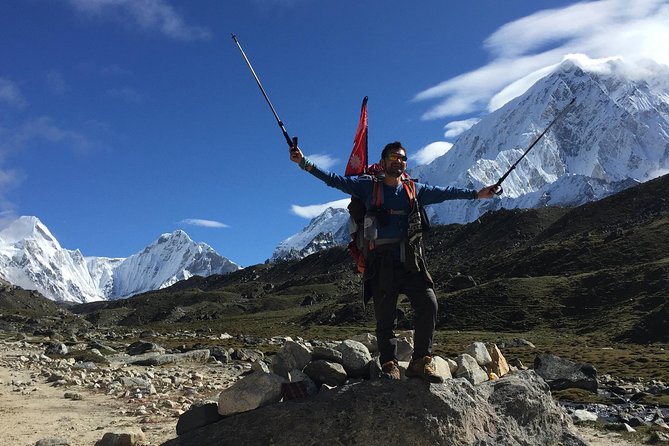
Most Everest trips start with a road drive. This one starts with an airplane into the small, famous Lukla airport area. That matters because your time gets used for walking, not for travel days.
On Day 1, you fly Kathmandu to Lukla on a commercial airline (Tara, Summit, or Sita Air) and then hike onward to Phakding. It’s a gentle on-ramp: about 3.5 hours walking to Phakding after a short flight, so you can get your legs under you before higher days.
You also get practical support before you ever step onto the trail. Private vehicle transfers and airport transfers are included, and you start with an early meeting time of 6:15am. That early rhythm is common in Nepal, and it helps you catch clearer flight and weather windows when possible.
You can also read our reviews of more tours and experiences in Kathmandu.
Day-by-day: the 10 days that compress the Everest dream
This trek is built to hit the classic Everest Base Camp region while keeping the schedule tight. The walking hours are listed each day, and the elevations climb steadily, with a key high-point push toward Kala Patthar.
Day 1: Lukla to Phakding (first steps in Khumbu)
After landing in Lukla, you start trekking to Phakding with roughly 3.5 hours of walking. You’re not yet at the big-altitude challenge, but you are learning the trail feel: small uphills, stone paths, and the steady rhythm that matters more than speed.
Why this day is smart: it gives you time to adjust mentally. You’ll quickly learn that on these trails, “slow and steady” is not a slogan—it’s how you keep breathing calm.
Day 2: Phakding to Namche Bazaar (3440m and your first big town)
Day 2 climbs to Namche Bazaar (3,440m) over about 6 hours. The trail follows the right bank of the Dudh Koshi River, with big mountain presence across the way, including Thamserku.
Namche is more than just a dot on a map. It’s a living Sherpa hub—shops, guesthouses, and layers of local life. Even if you’re not planning a long detour, Namche is where you start to feel the trek as a place, not just a route.
Possible trade-off: Namche mornings are usually busy, and it can be tempting to rush. Don’t. Spend a little time getting oriented and letting your body settle at this elevation before you push higher.
Day 3: Namche to Tyangboche (views plus the emotional wow factor)
You trek to Tyangboche (3,867m) in about 5 hours. The route moves forward leaving a steep drop toward the Dudh Kosi, and the scenery starts turning into full-scale Himalayan drama.
Tyangboche is one of those stops that tends to stick with people. It feels like the trail pauses for a moment, and the mountains “show up” with more clarity as you gain altitude.
Why I’d prioritize a calm pace here: you’ll notice it later. If you spend this day charging uphill, you’ll pay for it on later cold and high days.
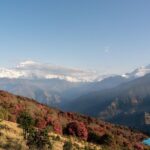
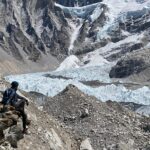
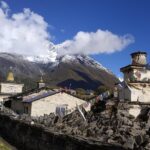
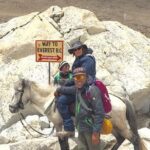
Day 4: Tyangboche to Dingboche (forest trail to higher village life)
Day 4 takes you to Dingboche (4,260m) in about 5 hours. You descend through a rhododendron forest, pass through Deboche, and cross a suspension bridge at Imja Khola before climbing back up toward the village.
That mix is part of the trek’s charm. You’re not just staring at mountains; you’re walking through changing terrain: forest shade, bridge crossings, then open valley air.
Consideration: suspension bridges add a psychological challenge even if the physical effort is manageable. Keep your steps steady, and don’t let nerves make you speed up.
Day 5: Dingboche to Lobuche (the region starts feeling severe)
You head toward Lobuche in about 5.5 hours. The trail is described as gentle up to Pheriche, which is a useful detail—this day can be less “violent” than you might expect, even as you climb.
This is also where the environment begins to shift. Higher valleys often feel drier, windier, and more exposed. The mountains keep getting taller, but the trail begins to feel more like an alpine route.
Why the guide matters here: at this stage, small decisions—snack timing, water breaks, and how long you pause—can affect how you feel later.
Day 6: Lobuche to Gorakshep, then Everest Base Camp (the rewarding grind)
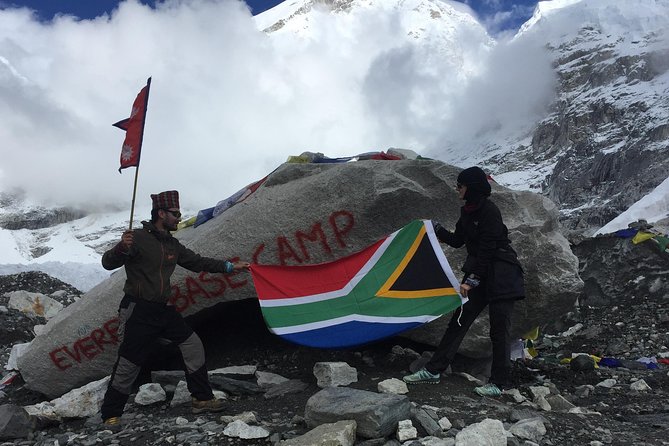
Day 6 is one of the hardest-feeling days because it’s longer—about 8 hours—and it’s the key Base Camp push. From Lobuche to Gorakshep (5,140m) you trek via rocky paths and the Khumbu glacier area, with a payoff of reaching Everest Base Camp.
This is the day most people imagine. But in practice, it’s also the day you’re most likely to feel the altitude fatigue. Base Camp itself is a moment, but the walk to and from it is the real test.
What to expect: cold air, strong mountain shadows, and that “I’m really here” feeling when you finally reach the staging area. Keep your stops short and purposeful so you can still enjoy it without feeling rushed.
Day 7: Gorakshep to Kala Patthar (5,545m) and down to Pheriche
Day 7 starts early. You trek from Gorakshep to Kala Patthar (5,545m) and then continue down to Pheriche (4,243m). It’s about 7 hours total, and the best part is the early sunrise climb for views of Everest, Pumori, and the surrounding peaks.
Kala Patthar is the trek’s “big screen” moment: you see the Everest region from a high vantage and you understand why people write about this place. It’s also the day where your breath will likely feel the most limited, so pacing is everything.
Key drawback to plan for: sunrise starts don’t leave room for sleepy mistakes. If you’re the type who hates early mornings, build a coping strategy now—extra warm layers, a calm start, and quick breakfast if you can.
Day 8: Pheriche to Namche Bazaar (3440m) for the return rhythm
You hike from Pheriche back to Namche Bazaar (3,440m) in about 4.5 hours. En route you visit traditional villages along the way, including Khumjung, and nearby communities.
This day can feel like a reset. The altitude is still real, but you’re moving downward compared to the peak days. It’s a chance to notice details you might miss while concentrating on higher ground.
Practical note: downhill can be tough on knees and thighs. Take shorter steps and keep your balance, especially on stone paths.
Day 9: Namche to Lukla (the last trek day)
Day 9 is about 7 hours from Namche back to Lukla. Lunch is served on the way, and you end the day with arrival and rest in a tea-house lodge.
It’s a strange feeling to reach Lukla after the highs. The mountain air is still there, but the trail shifts from “challenge mode” to “we made it” mode. Enjoy the quiet parts. They’re often the real memories.
Day 10: Lukla to Kathmandu, then a farewell dinner
On Day 10, you board an early flight from Lukla to Kathmandu. Once you arrive at TIA, representatives meet you and transfer you to your hotel.
In the evening, you have a farewell dinner at Bhojan Griha. After ten days of trekking food smells and tea-house routines, a proper dinner feels like a celebration—not just an ending.
Guides and group size: why your experience depends on people
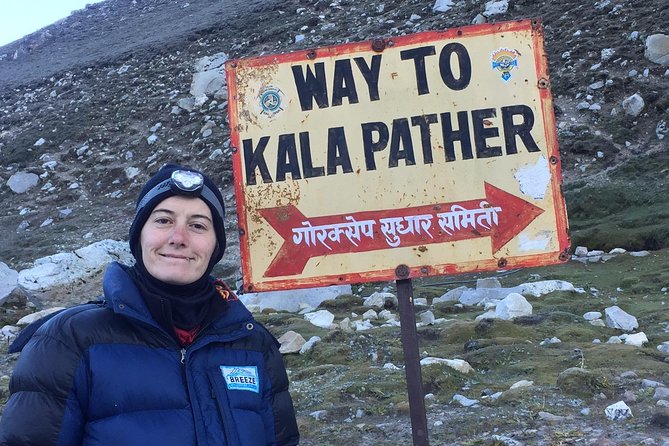
This tour runs with a maximum of 15 travelers, which is a meaningful detail. Smaller groups are easier to manage in crowds, on narrow trails, and during altitude days when your breathing and pace differ.
You also get one experienced English-speaking trekking guide with all his expenses covered. In the reviews tied to this experience, guide names come up again and again: Mohan, AJ, Padam dai, Padam Bahadur, and Anjan. People highlight that these guides explain the day plan each evening, help keep trekkers safe, and stay flexible to needs.
That last part matters because “short Everest trek” can sound like a checklist. On the ground, your body decides the pace. A good guide helps you keep moving without turning the day into a race.
Price and logistics: what $1,400 covers, and what you must add
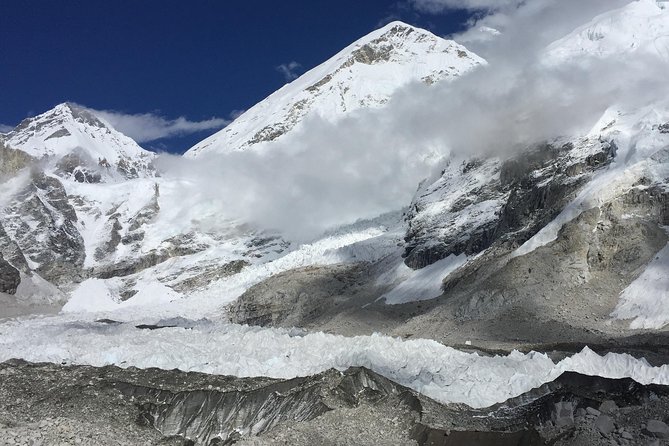
At $1,400 per person, this price is aiming at a “do the trek without the admin headaches” style of travel. Included costs cover domestic flight fare Kathmandu–Lukla–Kathmandu (with domestic airport tax), private vehicle transfers, tea-house lodging during the trek, permits, and a guide plus guide/porter salaries and insurance.
You also get an emergency helicopter arrangement as part of the planning, but important detail: it’s paid by your travel insurance company. That means you still need proper insurance that covers emergency rescue and evacuation, especially for high-altitude trekking.
What’s not included (the stuff that surprises people)
You should plan for:
- Standard meals during the trek (breakfast, lunch, dinner are not included)
- Personal trekking equipment
- Porters, available at extra cost (not automatic)
- Tips for guide and porter (tipping is expected)
So the “real budget” isn’t just the trip price. It’s also your meal spending plus any extra comfort upgrades you want in tea houses.
The altitude reality check (and how to handle it in a short trek)
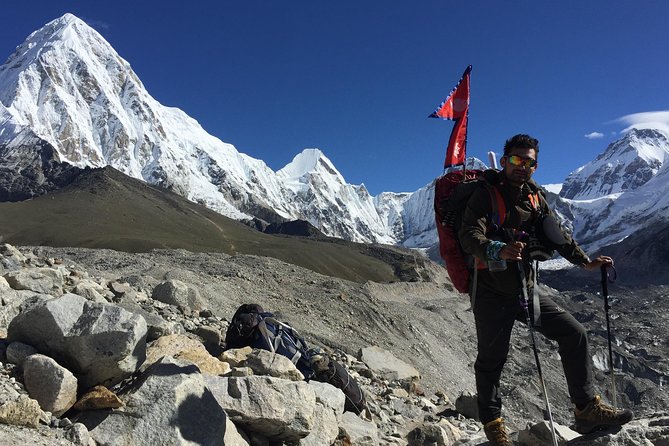
This itinerary hits high points quickly. The journey goes up from Namche (3,440m) to Dingboche (4,260m), Lobuche (you’ll approach the upper region), then to Base Camp via Gorakshep (5,140m), and finally the Kala Patthar 5,545m sunrise day.
The trek includes a down day after the high points—Pheriche gives you breathing room on Day 8 and Day 9—so the route isn’t just a straight ascent. Still, a 10-day schedule is “short” by Everest standards, so your body will call the shots.
Here’s what helps most:
- Keep your walking steady, not fast.
- Eat and hydrate regularly, even if you don’t feel hungry.
- Treat cold mornings like a serious part of the day, not an inconvenience.
If you’re in good general shape, you’ll still feel altitude. The strong fitness requirement is real, because a tight schedule gives less time to recover.
Where the itinerary shines (and where it can feel tight)
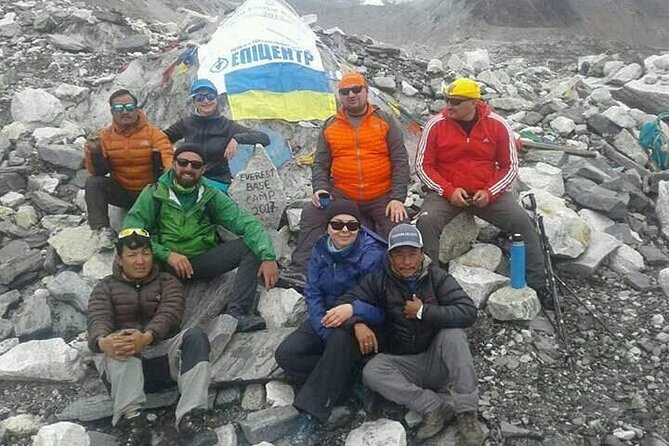
Let’s be honest about the rhythm. The days are planned with specific walking hours, typically 5–8 hours most days, with the longest being the Everest Base Camp day and a full early-morning Kala Patthar push.
The shine
- Base Camp day via Gorakshep: you get both the lead-in scenery and the classic destination payoff.
- Kala Patthar at sunrise: this is the “view for your photo album and your brain” day.
- Namche to Tyangboche to Dingboche: the trail progression feels like stepping stones toward the highest zone.
The tight spots
- Cold mornings and early starts can sap energy fast.
- The short duration means you’re less likely to have spare days if the weather or flights are affected.
- Not including meals can change your daily spending more than you expect, especially at higher tea houses.
Who this trek is best for
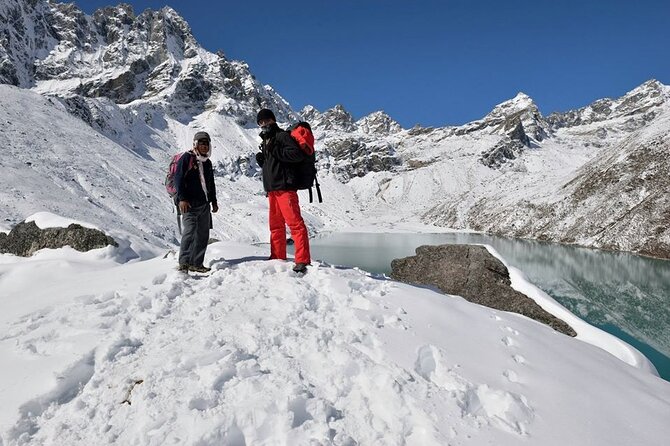
This works especially well if you:
- Want the Everest Base Camp experience without a very long trek.
- Like a structured plan with a guide who keeps you safe.
- Enjoy tea-house travel—simple rooms, warm drinks, and communal trail life.
You might want to rethink if you:
- Struggle with early mornings.
- Have trouble with altitude or inconsistent fitness days.
- Prefer fully catered meals and minimal extra spending.
It’s also a good match if you’re combining Nepal experiences. One practical tip that comes through in the reviews is pairing this with a relaxing section afterward—like Chitwan—so you can recover and enjoy Nepal beyond the mountains.
Practical planning tips before you go
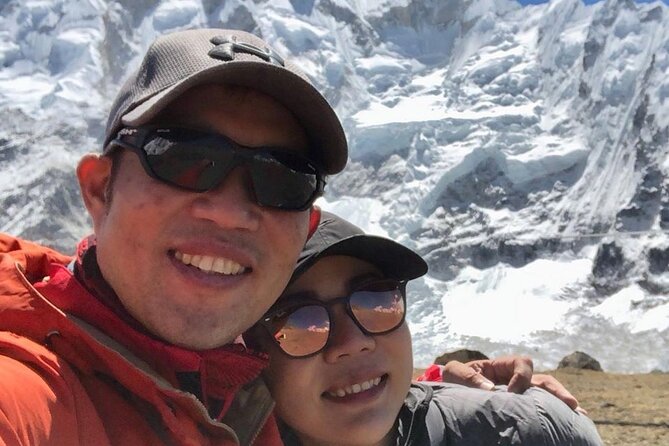
Bring your common sense, then add mountain-specific preparation:
- Pack layers for wind and cold, especially for sunrise at Kala Patthar.
- Carry enough warm items for the day and night at high elevation.
- Plan your daily snack strategy so you’re not waiting until you feel weak.
- If you think you might need extra help, discuss porters early so you don’t scramble at the start.
Also, confirm your travel insurance carefully. The tour arranges the emergency helicopter process, but you still need insurance that covers the kind of high-altitude emergency rescue you hope you never need.
So, should you book this short Everest Base Camp trek?
If your goal is the real Everest Base Camp experience in 10 days, this option makes a strong case. The inclusion list is built for convenience—flights to Lukla, tea-house lodging, permits, transfers, and a trained guide—so you can focus on walking, not paperwork.
I’d book it if you’re fit enough for daily climbs, you’re okay with early starts, and you can handle extra costs for meals and tips. I would pause if altitude anxiety or cold mornings are likely to derail you, because the schedule is tight and the high points come quickly.
If you can balance this with a calmer block of time after the trek, it becomes more than a mountain challenge. It turns into the kind of trip where you come home feeling like you visited a living place, not just a peak on a map.
FAQ
How long is the trek from Kathmandu to Everest Base Camp?
The experience runs for about 10 days, including flights between Kathmandu and Lukla and time trekking through the Everest region.
Are flights to Lukla included, and what’s the route?
Yes. Flights Kathmandu–Lukla–Kathmandu are included, along with domestic airport tax. You fly into Lukla on Day 1 and return to Kathmandu on Day 10.
What are the highest points on the itinerary?
You reach Gorakshep (5,140m) and then do Kala Patthar (5,545m) for sunrise. Everest Base Camp is referenced at 5,364m.
Is accommodation included during the trek?
Yes. You stay in lodges/tea houses throughout the trek, and these accommodations are included.
Are meals included in the price?
No. Standard meals during the trek (breakfast, lunch, and dinner) are not included.
Do I need a porter?
Porters are available at an extra cost, described as 1 porter for 2 people. The trek is guided, but porter support is optional and not automatically included. Tips for guide and porter are expected.