REVIEW · KATHMANDU
Annapurna Base Camp Trek
Book on Viator →Operated by Alpine Luxury Treks Pvt Ltd · Bookable on Viator
A hike to the top of the world, with real structure. This Annapurna Base Camp trek packs in Kathmandu temple sightseeing, a stop-and-stare Poon Hill sunrise, and the big reward day reaching Annapurna Base Camp with views of Annapurna South, Machhapuchhre, and more. I especially like how the itinerary balances steep effort with doable pacing, and I like that your days are planned around standout viewpoints instead of random walking. One consideration: the price is solid, but your total cost can rise once you add visa, international flights, tips, and tea-house extras.
I also like the practical side: you get a down jacket and sleeping bag (returned after the trek) plus walking poles, so you’re not forced to buy winter gear you’ll barely use. The group is capped at 10 travelers, which usually keeps things organized without feeling like a cattle chute. The only drawback I’d flag upfront is the weather factor. This trek requires good weather, and if conditions fail you may need to switch dates or accept a refund.
In This Review
- Key Things That Make This Trek Worth It
- Kathmandu First: Temples, Thamel, and Getting Your Legs Under You
- The Trip to Pokhara: Bus With River Views or a Fast Flight
- From Nayapul to Your First Real Views: Easy Steps, Big Reward
- Rhododendron Forests to Ghorepani: When Spring Turns the Trail Colorful
- Poon Hill Sunrise: The One Morning You Don’t Want to Skip
- Tadapani to Chhomorng: Village Trails and Gentle Climbing
- Bamboo, Sinuwa, and Ghandruk Views: A Day That Helps You Recover
- Stone Stairwork to Deurali: Long, Steady, and Worth It
- Machhapuchhre Base Camp to Annapurna Base Camp: The Peak Day
- The Descent: Bamboo, Jhinu Danda Hot Springs, and a Body Reset
- Back to Kathmandu and the Final Stretch in Thamel
- What You’re Really Getting for $1,623
- Guide Support: What Names Suggest About the Experience
- Fitness, Weather, and What to Pack (Without Guessing Too Much)
- Should You Book This Annapurna Base Camp Trek?
- FAQ
- How long is the Annapurna Base Camp trek?
- Where does the experience start and end?
- What time does the trip start?
- How do I get to Pokhara from Kathmandu?
- What parts of Kathmandu are included before the trek?
- Is trekking gear included?
- Are permits and paperwork included?
- How much support do I get for carrying bags?
- What meals are included during the trek?
- What is not included in the price?
Key Things That Make This Trek Worth It
- Poon Hill sunrise timing built into the plan so you’re hiking early, not guessing
- Porter support (1 for 2 trekkers) to keep the load realistic on long days
- Down jacket and sleeping bag included for the cold stretches, with return after the trek
- Hot spring stop at Jhinu Danda for sore legs relief on the way back
- Small-group feel (max 10) for smoother logistics and less chaos on trails
- Kathmandu sightseeing before you start so you’re not going straight into altitude fatigue
Kathmandu First: Temples, Thamel, and Getting Your Legs Under You
Your trek starts with a Kathmandu airport pickup and a night in the Thamel area, with a briefing arranged for you. Thamel is the kind of place where you can reset fast: you’ve got restaurants, bars, and easy walking. If you want a quick taste of old-market Nepal, Ason is about a short walk away.
Daytime temple stops are more than a checklist. You’ll visit Swayambhunath (Monkey Temple), Pashupatinath, Boudhanath, and Kathmandu Durbar Square, the so-called gems of the City of Temples. I like this sequence because it gets you oriented to Nepal’s cultural rhythms before you head into a very physical rhythm. It also gives you a mental break from travel stress.
One practical note: you’re starting early on trekking days, so the Kathmandu portion is your chance to sleep, pack, and sort small stuff while you still have easy access to stores and help in Thamel.
You can also read our reviews of more tours and experiences in Kathmandu.
The Trip to Pokhara: Bus With River Views or a Fast Flight
After an early start, you’ll head to Pokhara by bus. The drive can be scenic, running past settlements along the Trishuli River, with a lunch stop along the way. If you’ve done long road trips before, you’ll know the trade: it’s slower, but you get to watch Nepal move past the window.
If you’d rather reduce road time, you can choose private vehicle transportation or fly. The flight option takes about 30 minutes, which can be a big deal if you’re trying to protect energy for the first hiking day. This is one of the rare places where spending a bit more on a transport choice can actually save you from being tired before the trek even begins.
I’d pick based on how your body handles travel. If you get motion sick or feel wiped out after buses, the short flight can be worth it. If you enjoy the journey, the road route can feel like an appetizer.
From Nayapul to Your First Real Views: Easy Steps, Big Reward
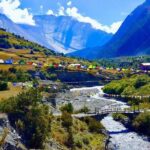
On the trekking start, you take a short drive to Nayapul from Pokhara, then begin hiking on an easy trail with stone-paved steps through small villages. This is the day where you learn the groove: steady foot placement, smart pacing, and avoiding the urge to sprint because you’re excited.
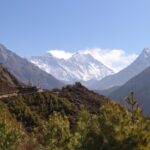
Just below Ulleri, you get an early glimpse of Annapurna South and Himchuli. That matters. On a trek like this, the trail can feel repetitive if the views don’t show up when your energy is still high. Here, you get a meaningful payoff early enough that the effort stays motivating.
What to watch for: these first steps can fool you into walking too fast. Keep your breathing calm, take breaks before you feel tired, and let the day stay easy on purpose.
Rhododendron Forests to Ghorepani: When Spring Turns the Trail Colorful
Next comes a tougher day through dense rhododendron forest. The hike is described as special in spring because rhododendrons can bloom in seven colors, which makes the walk feel like it has theme music. Even outside spring, expect a lush, enclosed feel where the trail keeps your attention focused.
When you reach Ghorepani, the views shift into gear. Mountains open up, and the day’s hard work starts to feel like it was doing something. You can take a hot cup of tea while staring at peaks—one of those small moments that keeps trekkers sane.
If you’re sensitive to cold nights, plan for temperature swings at higher points even when daytime trekking feels manageable. Ghorepani is a place where layering helps, not hurts.
Poon Hill Sunrise: The One Morning You Don’t Want to Skip
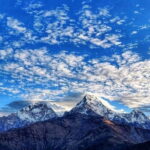
This is widely the day people talk about for good reason. You wake up early, take your torch-lit hike, and climb from Ghorepani to Poon Hill in about an hour. The payoff is sunrise viewing over Dhaulagiri and the Annapurna Himalayan ranges.
I love this kind of early start because it turns the mountain into a light show instead of a static photo backdrop. After the sunrise, you trek back for breakfast, then continue onward toward Tadapani. The transition from dawn magic to regular walking is smooth if you’re disciplined and don’t treat the return leg like a recovery sprint.
Heads-up: bring your warm layers for the pre-dawn hike. Even when the days look mild, mornings at this elevation can be very sharp.
Tadapani to Chhomorng: Village Trails and Gentle Climbing
The route continues with mountain views and a mix of uphill and easier segments. The trail until Kimrong is ascending, then you get a gentler trek toward Chhmommorng, passing through a small Gurung village (Chhmommorng).
This part of the trek matters for more than scenery. Village days are where you reset mentally. You get a feel for local rhythms, and you’re not always walking through rock and forest. It’s also the stage where your body starts to learn what “steady effort” feels like, instead of chasing intensity.
If you enjoy photography, keep an eye out for angles where village structures frame the peaks. Views here aren’t only about height; they’re about perspective.
Bamboo, Sinuwa, and Ghandruk Views: A Day That Helps You Recover
You’ll have an easier day on this stretch, including a route that passes Sinuwa at about 2360m and offers wonderful views of Annapurna and the Ghandruk village area. On paper, this might sound like a rest day. In real trekking terms, it’s a chance to eat well, walk at a comfortable pace, and keep your legs loose.
I like this pacing because it sets you up for the steeper stone-stair days that come later. If you push too hard here, you’ll feel it later. If you use the day to move smoothly, the next climbs become more manageable.
Stone Stairwork to Deurali: Long, Steady, and Worth It
Another early start brings a long steep stone staircase to Dobhan (about 2600m), then onward to Himalaya (around 2920m), passing Hinku Cave before reaching Deurali. This is not the kind of day where speed helps. Your job is to keep your effort consistent and protect your lungs.
The mention of Dobhan, Himalaya, and Hinku Cave gives this day structure. It’s easy to feel like you’re just trudging, but the trail gives you targets along the way. That helps psychologically when altitude is starting to ask for patience.
At the end of the day, prioritize sleep. Deurali is where you’ll want your body ready, because the next segment is a big one.
Machhapuchhre Base Camp to Annapurna Base Camp: The Peak Day
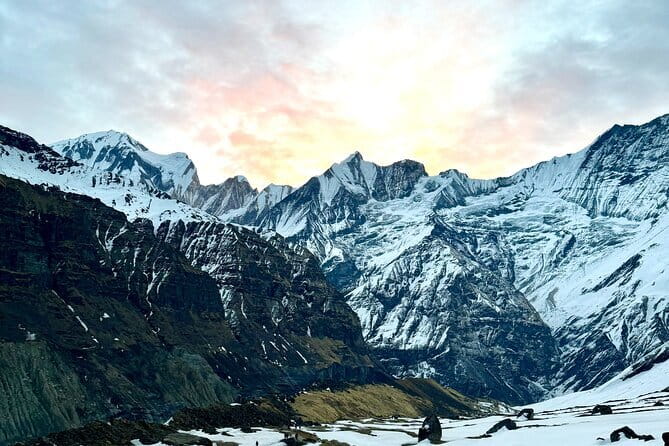
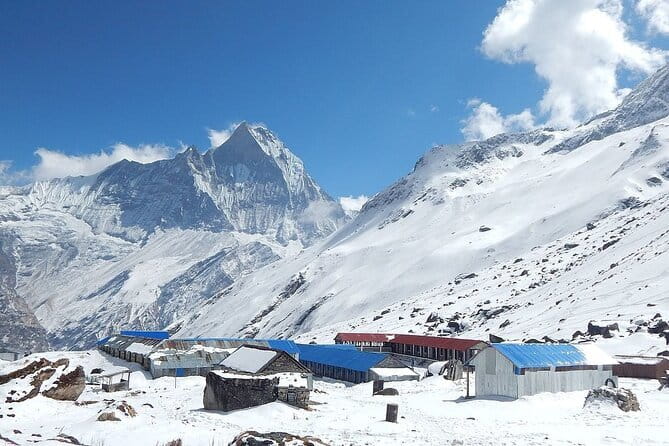
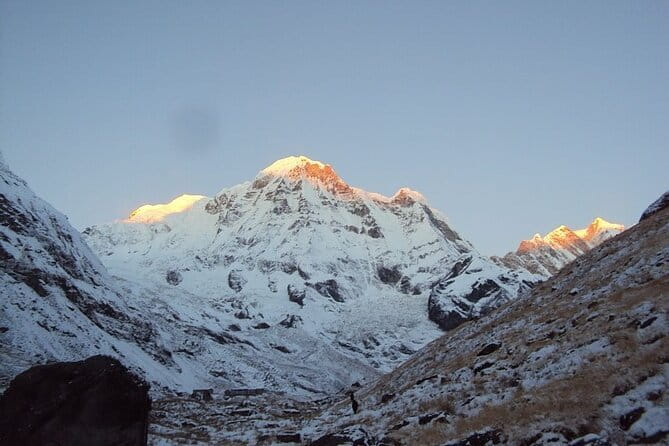
This is the slightly hard but highly rewarding day, and it’s the core of the whole experience. First you climb up to Machhapuchre base camp, which gives stunning views of Machhapuchhre along with peaks including Mt. Hiunchuli, Annapurna South, Annapurna I, Annapurna III, Gandharvachuli, and Gangapurna.
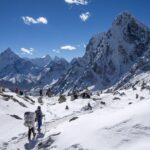
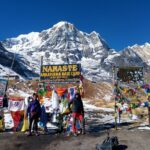
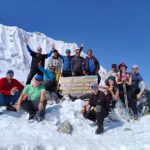
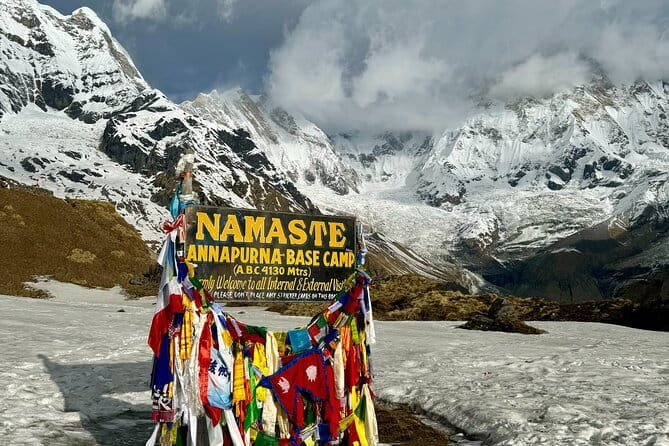
Then you push onward to Annapurna Base Camp. You’ll be treated with magnificent views of Annapurna South, Machhapuchhre, Annapurna I, Hiunchuli, and other peaks. This is where the trekking stops being about earning a location and starts being about taking in a wide view of the range.
I’d manage expectations carefully here. Even if you’ve seen photos, the scale still hits. But your body matters too—so don’t spend the whole morning forcing big breaths while you stare. Take breaks, drink water, and let the moment unfold while you’re stable.
The Descent: Bamboo, Jhinu Danda Hot Springs, and a Body Reset
After reaching base camp, the plan shifts to descent and recovery. You’ll trek gently to Bamboo, enjoying extraordinary scenery as you move downhill. Downhill days can still be tough on knees, so use the walking poles you get included and take short, careful steps.
Next, you start trekking early, going to Khuldighar (about 2540m) and then downhill to Chhomorng and further down to Jhinu Danda. Jhinu Danda is a natural hot spring area where you can take a dip in a hot water pond and refresh tired body. This is the kind of reward that isn’t just scenic—it’s practical pain relief.
Then you trek down to Nayapul and drive back to Pokhara. If you want to skip some walking, there’s also an option to drive back from Jhinu Danda directly rather than completing the final trek segments.
Back to Kathmandu and the Final Stretch in Thamel
You’ll head back to Kathmandu by early morning bus, with a lunch stop on the way. In Kathmandu, Thamel is your return buffer zone again: this is where you can do last shopping and finally eat meals that aren’t tied to tea-house hours.
Then you’re transferred to the airport to catch your flight home. It’s a clean wrap: no extra complications, just transit and decompression.
What You’re Really Getting for $1,623
At $1,623 per person, this trek prices like a structured, supported package rather than a DIY challenge. For the cost, you get a lot of the behind-the-scenes work: trekking permits paperwork, a medical kit, an included porter system (1 porter for 2 trekkers), and gear support via a down jacket and sleeping bag returned after the trek.
The meals included also matter for value. You get 14 breakfasts, 10 lunches, and 9 dinners, which reduces decision fatigue and helps you plan consistent fueling. You’ll still pay personal expenses during tea-house stays, and tips aren’t included, so don’t treat the package as “all costs covered.” But the big operational pieces are handled.
The main tradeoff is that you’re paying for coordination. If you hate schedules, early mornings, and group timing, you might feel restricted. If you like a plan that keeps you moving toward the best views, the price starts to make sense quickly.
Guide Support: What Names Suggest About the Experience
A big part of comfort on a trek is human support. In prior experiences, guides like Niren and Gobinda Subedi have been praised for being helpful and friendly, including expert guidance for first-time trekkers. Porters matter too: Keshab was noted as amazing in one trekking experience.
You can’t assume your guide will be the same person as anyone else’s, but those names tell you the trip is built around real local staff and not only logistics. When you get your briefing, ask your guide about the day’s pacing, weather expectations, and how they want you to handle altitude.
Fitness, Weather, and What to Pack (Without Guessing Too Much)
This experience requires strong physical fitness. That doesn’t mean you need to be an athlete, but you should be comfortable with long hiking days, stone steps, and altitude change. The plan also includes early morning starts for key view days like Poon Hill, so plan for sleep and stamina.
Since the trek requires good weather, keep an open mind about variability. If conditions aren’t right, you may need a different date or a refund, depending on the outcome.
On gear: you’ll receive a down jacket and sleeping bag, plus walking poles. You’ll still need your own personal clothing layers and essentials, but the heavy winter pieces are handled for you. If cold is an issue for you, bring gloves, a hat, and a warm layer you feel good wearing at sunrise.
Should You Book This Annapurna Base Camp Trek?
I think you should book if you want a well-paced route with clear highlights: Kathmandu temples first, Pokhara transit, a meaningful early trail start at Nayapul, rhododendron scenery, a Poon Hill sunrise you can actually plan for, and the real prize day reaching Annapurna Base Camp. The included gear, meals, and porter setup make it more approachable than the fully DIY version.
Skip it (or at least reconsider) if you want total freedom, dislike early starts, or know you struggle with altitude and long stair-heavy hiking. Also, check your budget beyond the base price because visa, international airfare, tea-house personal expenses, travel insurance, and tipping are not included.
If you match the fitness level and you’re okay with weather-dependent timing, this trek offers strong value because it reduces the guesswork while still giving you the real mountain experience.
FAQ
How long is the Annapurna Base Camp trek?
It runs for about 15 days.
Where does the experience start and end?
It starts at Hotel Thamel Park Pvt. Ltd. in Kathmandu and ends back at the same meeting point.
What time does the trip start?
The start time listed is 6:15 am.
How do I get to Pokhara from Kathmandu?
You can go by bus, private vehicle on request, or flight (about 30 minutes).
What parts of Kathmandu are included before the trek?
You’ll visit Swayambhunath, Pashupatinath, Boudhanath, and Kathmandu Durbar Square.
Is trekking gear included?
Yes. You receive a down jacket and sleeping bag (returned after the trek) and walking poles.
Are permits and paperwork included?
Yes. Necessary paperwork and trekking permits are included.
How much support do I get for carrying bags?
A porter is included at a ratio of 1 porter for 2 trekkers.
What meals are included during the trek?
Breakfast is included 14 times, lunch 10 times, and dinner 9 times.
What is not included in the price?
International airfare, Nepalese visa fee, travel and rescue insurance, tipping, extra Kathmandu nights, and lunch and dinner in Kathmandu are not included. Personal expenses during tea-house stays are also not included.