REVIEW · MANALI
Friendship Peak Trek
Book on Viator →Operated by Bikat Adventures Private Limited · Bookable on Viator
Summit day at Friendship Peak is serious. What makes it feel doable is a certified trek leader plus technical safety equipment built for high-altitude hiking. I also like that you get real camp support: meals are handled by the camp cook, so you spend your energy on moving up. The one drawback is straightforward: Friendship Peak is not a beginner summit, and the fitness and altitude prep need to be there.
You’ll trek in the Pir Panjal range, through alpine meadows, dense forest, and lots of stream crossings. The goal is Friendship Peak at 17,348 ft, with big panoramic payoff for people who plan for the climb rather than rush it.
This trek suits people who already have high-altitude trek experience and want a supported route with structure, gear, and guidance. If you’re still working up your stamina, you’ll be happier choosing a lower peak first.
In This Review
- Key Things I’d Want You to Know Up Front
- Friendship Peak Trek in Plain English: What You’re Really Doing
- The Route and Altitude Reality Check (17,348 ft Means Work)
- Day-by-Day Walkthrough: What Each Part Feels Like
- Day 1: Arrive in Manali and settle in
- Day 2: Drive to Solang, then trek to Bakarthatch
- Day 3: Bakarthatch to Advance Base Camp
- Day 4: Camp 1 logistics, with ABC in the mix
- Day 5: Acclimatization and moving to Camp 1
- Day 6: Summit attempt—then back to Base Camp
- Day 7: Reserve day
- Day 8: Base camp to Solang, then drive to Manali
- The Camp Experience: Tents, Meals, and the Pace You Control
- Gear and Safety: Why This Package Feels More Serious
- Price and Value: What $898.79 Covers (and What It Doesn’t)
- Best Time to Trek: May–June and September–October
- Who This Trek Suits (and Who Should Look Elsewhere)
- Should You Book Friendship Peak Trek?
- FAQ
- How difficult is the Friendship Peak summit?
- What gear is included for the trek?
- Where do you stay in Manali?
- What meals are included?
- Do I carry my own bags?
- What if weather cancels the trek?
Key Things I’d Want You to Know Up Front
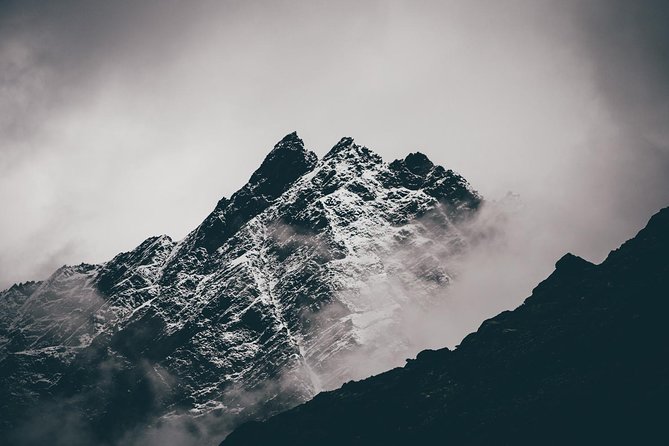
- Friendship Peak is a high-altitude challenge at 17,348 ft, so prior trek experience matters.
- Technical safety gear is included, including items like static rescue rope and harness hardware.
- You sleep in tents on trek nights, with sleeping bags and mats provided.
- Two nights in Manali are included, handled by a hotel/guesthouse on Day 1 and the last day.
- Your guide and cook travel with you, but you carry your own personal bag during the trek.
- Best trekking windows are May–June and September–October for more reliable conditions.
Friendship Peak Trek in Plain English: What You’re Really Doing
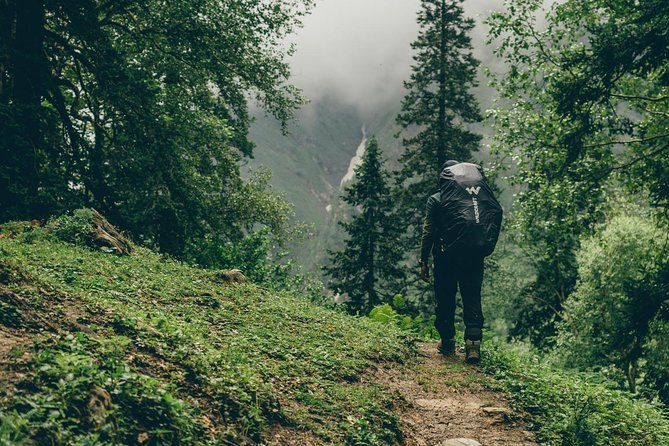
This is an 8-day supported trek based in Manali that targets one of India’s better-known summit hikes in the Pir Panjal region. You’re not just walking a trail and calling it a day. You’ll be camping, moving through changing terrain, and building toward a summit attempt with an acclimatization plan in the middle.
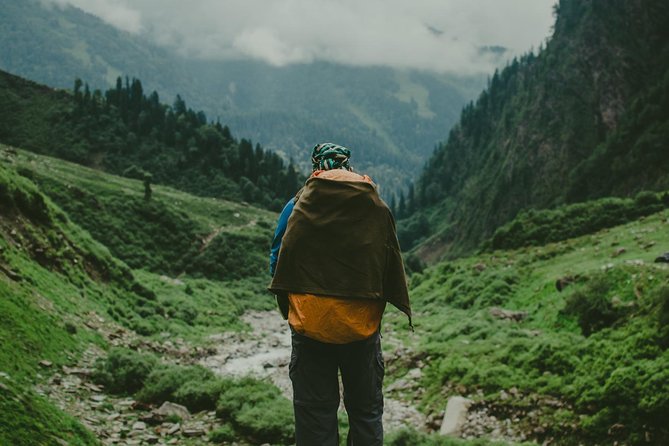
The route’s variety is one of the main attractions. You’ll pass alpine meadows and dense forests, and you’ll deal with frequent water crossings along the way. That mix keeps the days interesting, but it also means you need steady footwear habits and good balance—especially as conditions cool at higher elevation.
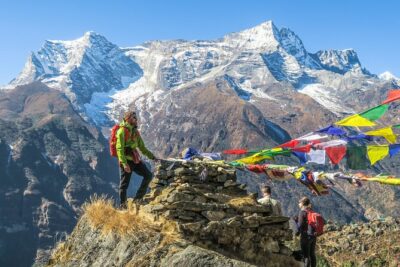
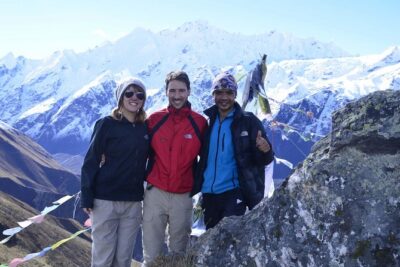
At the top, the views are the reward: you get a panoramic outlook across the Pir Panjal range, the Dhauldhar range, and the larger Himalayan landscape. On a clear day, you can also spot several named peaks like Hanuman Tibba, Shitidhar, Indra Asan, and Deo Tibba. If you’ve ever wondered what trekking feels like when it stops being about miles and starts being about the view—this is that.
You can also read our reviews of more tours and experiences in Manali.
The Route and Altitude Reality Check (17,348 ft Means Work)
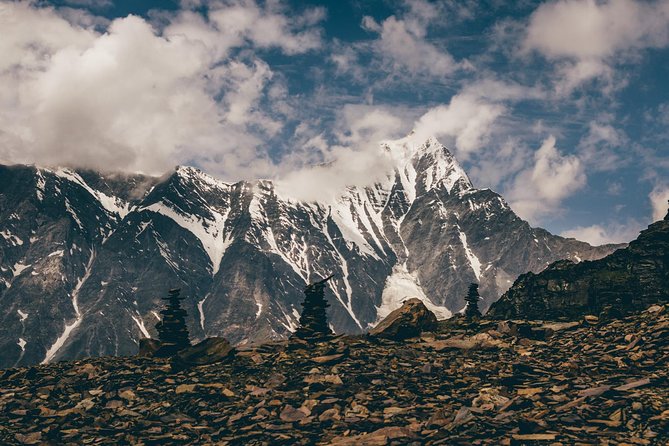
Friendship Peak is listed as one of the more famous trekking summits in the country, but it’s also clearly labeled as not meant for beginners. That’s not a marketing line. It’s a signal that the climb asks for the kind of physical preparation you typically build through multiple trekking days in the Himalayas.
The key requirements provided are practical:
- You should have completed 2–3 challenging treks with 20–25 total trekking days in Himalayas or similar ranges.
- For baseline fitness, the trek asks for either:
- jogging/running 5 km in 25–30 minutes, or
- walking continuously for 10 km on mostly plain terrain, with 3–4 small breaks.
The altitude number—17,348 ft—is the reason this trek needs respect. Even with support, summit pushes are hard. You’re going to feel wind, cold, and reduced air most strongly when everyone is tired and motivation dips.
So my advice is simple: if you’re on the fence about your readiness, treat that fence like a red light. Train or do a smaller mountain first, then come back for Friendship.
Day-by-Day Walkthrough: What Each Part Feels Like
Below is how the trip unfolds, and why each stage matters.
Day 1: Arrive in Manali and settle in
You arrive in Manali and overnight in a hotel/guesthouse. This is more than a formality. It gives you a calmer start and time to organize layers, test your boots, and get good sleep before the driving and first trek day.
Day 2: Drive to Solang, then trek to Bakarthatch
You’ll drive from Manali to Solang and then hike to Bakarthatch. This is your first real “day in motion,” and it’s a good place to learn how the terrain demands your pace—especially because it’s also the day your trek meal service begins (starting lunch on Day 2).
Expect this day to set your tone. If you go out too fast early, you’ll pay later. Better to start controlled, keep your breathing steady, and save energy for higher elevations.
Day 3: Bakarthatch to Advance Base Camp
This stage pushes deeper into the trek environment as you move toward Advance Base Camp. Base camp areas usually mean more settled time, but your body is still working against altitude and sustained effort.
This is where you should watch how you’re eating and hydrating. The climb isn’t only physical; it’s logistics of fuel and recovery. A well-run team helps because meals and camp rhythm reduce the guesswork.
Day 4: Camp 1 logistics, with ABC in the mix
Day 4 includes a stage described as loading ferry to Camp 1 and a back-and-forth to ABC. I’d treat this as a transition day where you’re moving between established points rather than simply grinding uphill.
Days like this are valuable because they reduce constant strain while keeping you in the rhythm of the trek. Think of it as practicing the “up and down” pattern you’ll feel on summit approach days.
Day 5: Acclimatization and moving to Camp 1
Acclimatization is the heart of a successful summit attempt. On Day 5 you do acclimatization and shift to Camp 1, which puts you closer to the summit push but also raises the demands of cold and fatigue.
If you’re prone to getting impatient, this is where you’ll need discipline. Acclimatization days are not time to win fitness trophies. They’re time to help your body adjust so the summit attempt is about climbing, not survival.
Day 6: Summit attempt—then back to Base Camp
This is the big day: summit attempt and return to Base Camp. Summit pushes are typically where teamwork matters most. Strong guidance can help you pace, manage effort, and keep safety in focus when conditions tighten.
In past accounts of this operator’s mountain leadership style, Nitin sir has been specifically credited for supportive summit pushing—right when people felt they were close to giving up. That matches the general truth of these treks: the final push is mental as much as it is physical.
After summiting, you still have work to do: descending can be hard on legs and concentration. Getting back to Base Camp matters because it’s where recovery begins.
Day 7: Reserve day
A reserve day is a smart piece of trek design. Weather, fatigue, and trail conditions can all affect timing. On summit-oriented itineraries, having a backup helps protect the quality of the experience rather than forcing a bad-weather summit.
Day 8: Base camp to Solang, then drive to Manali
You hike back to Solang and drive to Manali. This is your decompression day. You’ll still feel sore, but your body usually appreciates finishing strong rather than scrambling for one last big climb.
You’ll also wrap up with Manali guesthouse/hotel accommodation on the last day, so you’re not dragged straight into travel.
The Camp Experience: Tents, Meals, and the Pace You Control
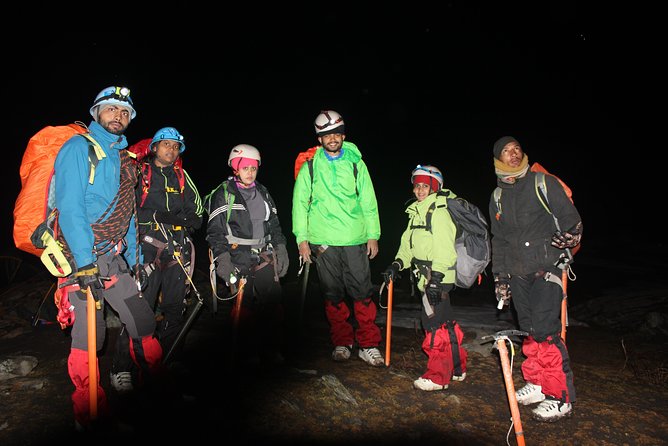
This trek is supported, but it’s still camping trekking—not a comfort tour. You’ll camp in tents at night, on a twin sharing basis. You’ll have sleeping bags and sleeping mats, plus your trekking kit organized through the team.
The meal setup is a major quality-of-life factor. Meals are provided while you’re on trek, and the package runs from starting lunch on Day 2 through dinner on the last day in Manali. I love this approach because it reduces decisions. When you’re high up and tired, hunger timing matters, and you don’t want to be figuring out food with cold hands.
A big detail: the package includes a guide and cook, and you carry your own bags. It’s a common “supported trek” structure: porters handle common supplies, but personal bag responsibility stays with you. That keeps logistics cleaner, but it also means you should pack thoughtfully and train for carrying your own weight.
If you want to keep your body happy, pack light, layer smart, and keep essentials easy to grab. On summit days, small conveniences become big energy savers.
Gear and Safety: Why This Package Feels More Serious
The included gear list is where you see the real commitment to safety. You get tents, sleeping gear, and also snow gear and technical items.
A few notable inclusions:
- Snow boots, helmet, gaiters, and ice-axe (listed as personal equipment)
- Safety equipment like static rescue rope, seat harness, carabiners, pulleys, snow stake, and dead man/boy
- A first aid certified expedition guide, plus a trek leader with first aid and a special rescue course
The reason I pay attention to these details: they signal that the team doesn’t treat emergencies like a thought experiment. Static rescue rope and harness hardware don’t magically appear on trek day unless the program is built around them.
The trek’s difficulty level makes this especially important. Friendship Peak isn’t designed for beginners, and you’re going to want the safety gear to be part of the normal setup, not something improvised.
Price and Value: What $898.79 Covers (and What It Doesn’t)
At $898.79 per person for about 8 days, you’re paying for a lot more than a guided hike. In the included list, you get:
- Two nights in Manali (hotel/guesthouse on Day 1 and last day)
- All trek meals (starting lunch on Day 2 through dinner in Manali)
- Tents (twin share) plus sleeping bags and mats
- Safety equipment and certified leadership
- Forest permits/camping charges if any
- IMF fees for foreign nationals
- Mobile ticket
What you don’t get:
- Portage of personal bags during the trek
- Travel insurance (explicitly not included)
- Any expenses not listed
For value, the standout is that you’re not assembling this trip yourself. Gear, camp basics, leadership, and core logistics are bundled. The “you carry your own bag” rule does mean you should budget effort and pack discipline, but it also often keeps things realistic and manageable.
My practical take: if you were trying to price the same level of support separately—certified leadership, camp setup, and safety gear—you’d likely find this package more efficient than DIY. If you’re already traveling with your own winter and technical gear, some people may feel you’re paying for equipment you could bring yourself. But for many, included safety and camp setup are exactly what makes a summit trek feel sane.
Best Time to Trek: May–June and September–October
This trek calls out May to June and September to October as the best months. That matters because mountain conditions are not static. The Pir Panjal region can shift quickly with temperature and precipitation.
If you’re trying to plan around reliable snow/ice conditions and workable weather, stick to those windows. Outside them, you might find that cold and storms add extra risk or delay.
Also note: the experience requires good weather. If it’s canceled due to poor weather, you’ll be offered a different date or a full refund. That’s a big deal for summit-style plans, where conditions can change fast.
Who This Trek Suits (and Who Should Look Elsewhere)
You’ll get the best results if you match the provided fitness and experience profile. This trek is a good fit for:
- People who already completed multiple challenging Himalaya treks
- Hikers who can handle continuous walking and a summit push at altitude
- Travelers who want private group experience (only your group participates) with strong support
It’s a weaker fit if:
- You’re new to high-altitude trekking
- You need a gentler start, lower elevation, or a simpler summit goal
- You don’t have the stamina described (5 km run goal or 10 km continuous walk baseline)
If you’re reading this thinking, I’m fit, but I’ve never done altitude—pause. The trek specifically says beginners shouldn’t attempt it.
Should You Book Friendship Peak Trek?
If you’re ready for a real high-altitude challenge and you want a supported route with serious safety equipment, this is a strong option. The package structure is built for summit treks: acclimatization time, a reserve day, tent camping with sleeping gear, and certified leadership with rescue-focused training.
Book it if:
- You’ve trained and you’ve done comparable altitude treks
- You like the idea of tent nights but want meals handled
- You want a private-group experience with technical safety gear included
Think twice if:
- You’re unsure about your altitude readiness
- You don’t want to carry your own personal bag
- You can’t commit to the fitness baseline listed
Overall, this trek offers the kind of support that helps you focus on the climb rather than the logistics. And when Friendship Peak delivers clear views, that effort feels worth it.
FAQ
How difficult is the Friendship Peak summit?
The trek is not meant for beginners and requires prior experience with high-altitude treks. You’ll need a strong physical fitness level, including either jogging/running 5 km in 25–30 minutes or walking continuously for 10 km on mostly plain terrain, plus 2–3 challenging treks and 20–25 trekking days in the Himalayas or similar ranges.
What gear is included for the trek?
Included items cover tent camping basics (tents on twin sharing basis, sleeping bags, and sleeping mats) and mountain gear such as snow boots, helmet, gaiters, and ice-axe. Safety equipment is also included, including items like static rescue rope and harness hardware.
Where do you stay in Manali?
You get hotel/guesthouse accommodation in Manali for Day 1 and for the last day after returning from the trek.
What meals are included?
Meals are provided on trek, starting lunch on Day 2. The package includes food as per the menu on the trek through dinner on the last day in Manali.
Do I carry my own bags?
Portage of personal bags during the trek is not included, so you should expect to carry your own personal bags. Porters are included for carrying common supplies.
What if weather cancels the trek?
The experience requires good weather. If it’s canceled due to poor weather, you’ll be offered a different date or a full refund.