REVIEW · AREQUIPA
From Arequipa: 2-Day Colca Canyon Trekking Tour
Book on GetYourGuide →Operated by Best Trips Peru · Bookable on GetYourGuide
The canyon experience starts before your alarm. This 2-day trek from Arequipa turns the long ride into part of the fun, with a guided stop at Cruz del Cóndor and a real descent into one of the world’s deepest canyons. I especially like how the guides bring the place to life, pointing out floras and fauna and sharing practical context you actually notice as you hike, from guides like Tonny and Rafael to Franco and Carlos.
There’s also the payoff of an overnight at Sangalle Oasis, plus time to soak your legs afterward at the hot springs on the way back. I like that the schedule gives you both viewpoints and hiking time, instead of treating the trail like a chore. The main drawback: this isn’t a casual stroll. You’ll do a tough hike with lots of downhill one day and a steep uphill the next, and you need to be in good condition.
In This Review
- Key points before you commit
- Why the day begins at 3:00–3:30 am
- Cruz del Cóndor: condors, photos, and why the stop matters
- The big down to San Juan Valley: where the hike really starts
- San Juan Valley to Sangalle: the canyon walk that slows you down
- Sangalle Oasis overnight: comfort, pool time, and a practical reality check
- Second day from Sangalle to Cabanaconde: the steep part
- Return-route highlights: terraces, Chacapi hot springs, and animal spotting
- Price and what that extra cash covers (don’t wing it)
- What to pack and how to avoid common pain points
- Who should book, and who should skip this trek
- Should you book this 2-Day Colca Canyon trek from Arequipa?
- FAQ
- What time is pickup in Arequipa?
- How long is the trek and what’s the walking distance?
- Is the condor-viewpoint stop included?
- Do I need to pay extra for entrances and meals?
- Is the Sangalle Oasis overnight included?
- What fitness level do I need?
Key points before you commit
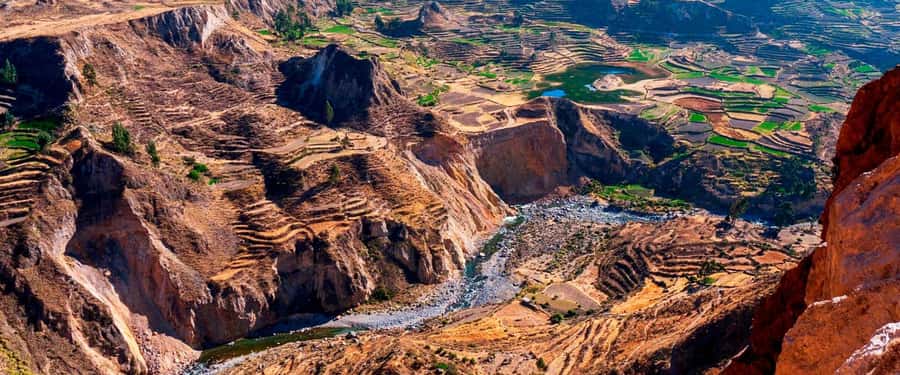
- Condor watch at Cruz del Cóndor with a guided viewpoint stop timed for big air drama
- San Juan Valley lunch right after your first long stretch down into the canyon
- Sangalle Oasis overnight with an accommodation setup that’s more comfortable than you might expect after a long day
- Second-day ascent is physically demanding, and you’ll feel it more than you think
- Return-route variety: viewpoints, terraces, Chacapi hot springs, and chances to spot camelids in reserve areas
- Small group size (up to 11) helps you move at a real hiking pace
Why the day begins at 3:00–3:30 am
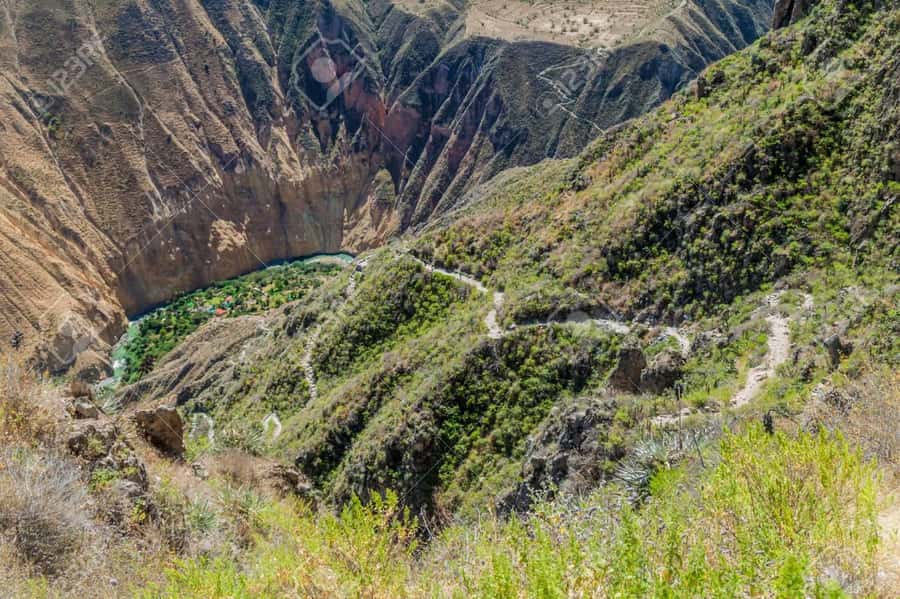
You get picked up from your hotel in Arequipa between 3:00 and 3:30 in the morning. Then it’s a tourist bus ride toward the Colca Canyon, with a breakfast stop along the way. This kind of start is not for sleeping in, but it is for a reason: you need daylight for viewpoints and enough time to reach the trailhead, descend, and still make it to Sangalle before dark.
I like that the tour doesn’t waste the early morning. You’re not just staring at a window until lunch. The pacing is structured so that by the time you’re walking, you already know where you are and what you’re looking at. Guides on this route also tend to keep energy up with humor and encouragement, which matters because the hike starts slow and then asks more of you.
One practical consideration: early start plus altitude in the Arequipa area means you should plan for a tired body, even if you’re fit. If you’re prone to altitude issues, it’s listed as not suitable—take that seriously.
You can also read our reviews of more tours and experiences in Arequipa.
Cruz del Cóndor: condors, photos, and why the stop matters
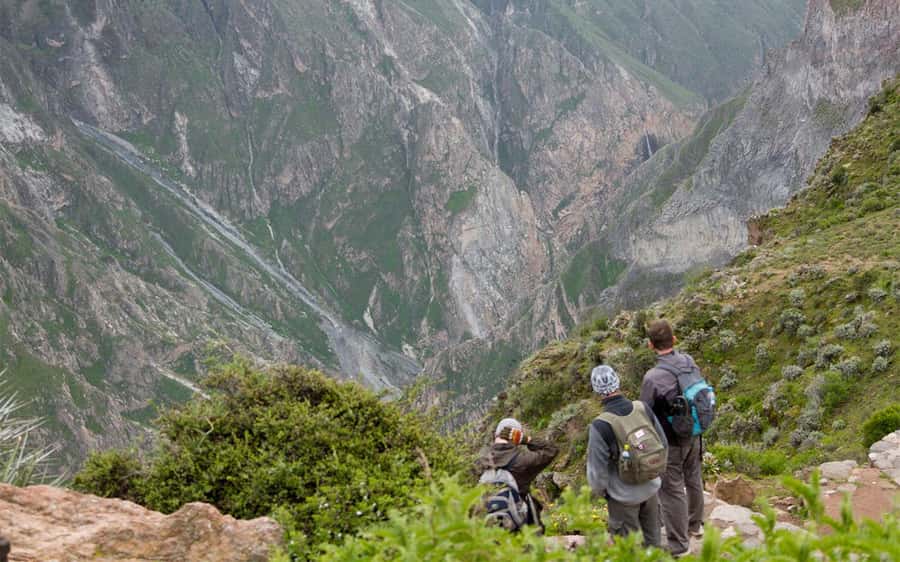
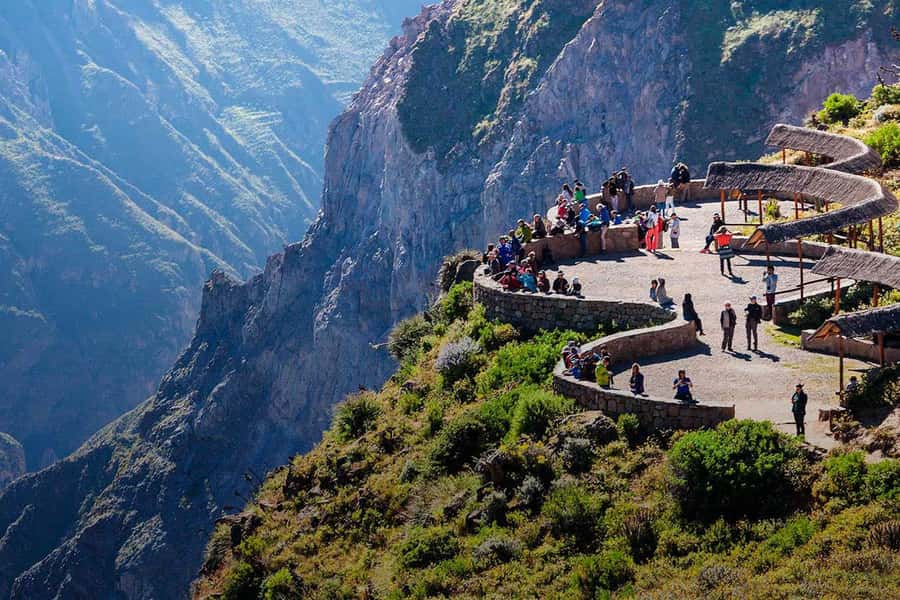
The first big viewpoint stop is Mirador Cruz del Cóndor. This is where you go to see the Andean condor—Peru’s big, slow-winged legend—circling and gliding over the canyon. You’ll get a guided tour and time to enjoy the view and take photos.
This stop works because it gives you a mental picture of what you’re hiking toward. When you’re standing there, the canyon stops being a “place name” and becomes the thing you’ll actually spend two days walking through. Guides do a good job explaining what to look for, and you’ll usually get more than one chance at watching the birds pass overhead.
Timing is also part of the magic. If you arrive early enough in the day, the viewing conditions are often better, and you’re not rushing through the stop while the group is still coming alive from the 3:00 am pickup. It’s short—about 30 minutes of guided time—so pay attention, charge your phone (or bring a spare battery), and don’t spend the whole stop reading your map.
The big down to San Juan Valley: where the hike really starts
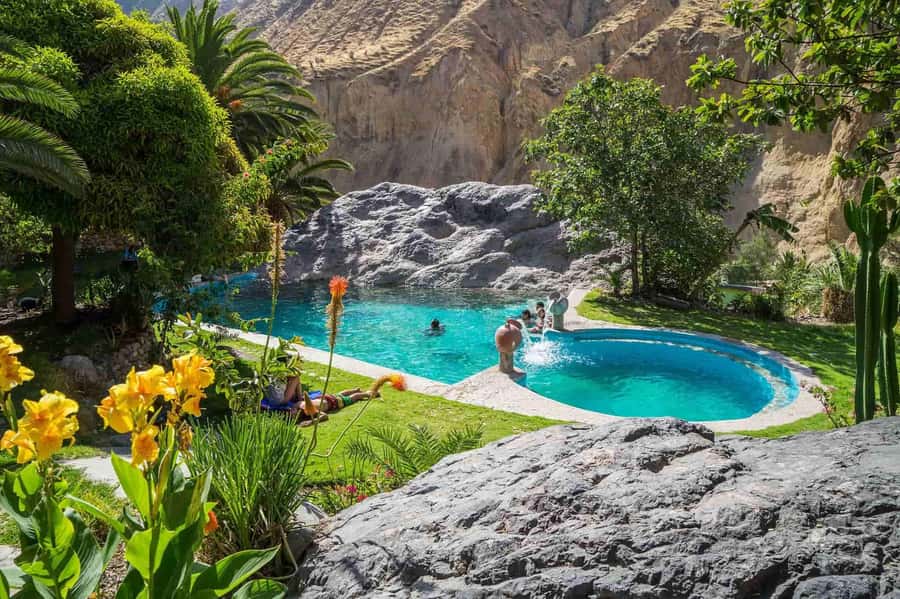
After the Cruz del Cóndor viewpoint, you continue by bus to reach the start of the walk. The itinerary notes that you begin descending at 9:39 am toward the San Juan Valley, along the Colca River.
Then you hike down for about three hours to reach the valley. This is where the canyon changes from “spectacle” to “work.” The terrain is steep, and you’re going downhill for a long stretch. It’s the kind of day where your legs get to do most of the thinking: you’ll feel quads and knees, even if you have good stamina.
This is also when you get the delicious lunch in San Juan Valley. I like the structure here: food comes after the descent when you actually need it, and the lunch stop gives you time to regroup before continuing deeper.
A smart tip from the vibe of real hikers on this route: for the downhill day, you’ll feel better if your shoes grip well. Some people also buy or rent bamboo sticks/poles once they’re underway (they’re mentioned as available for a small fee). Poles aren’t required, but they can save your knees if you’re the type who hates going downhill.
San Juan Valley to Sangalle: the canyon walk that slows you down
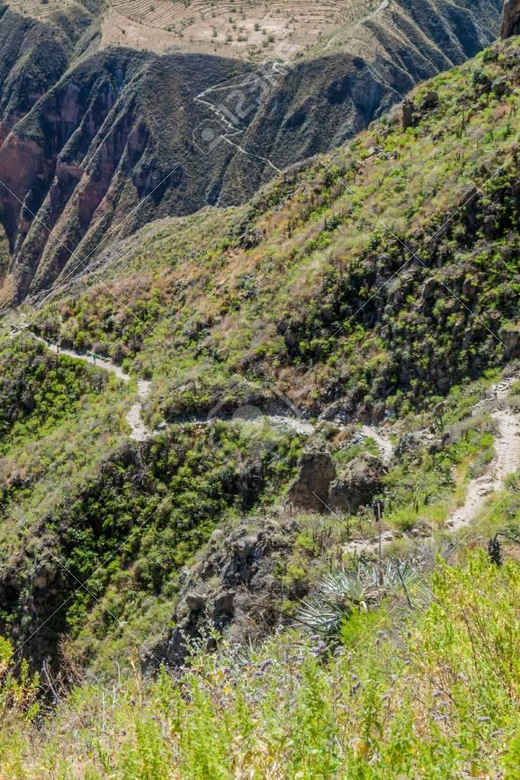
After lunch, you continue hiking through the depths of the canyon for about three more hours until you reach Sangalle Oasis. This is the part that turns the tour into more than sightseeing. You’re walking in a canyon environment where the air, light, and vegetation feel different from the high viewpoints above.
In terms of pacing, guides here seem to do a good job keeping groups together without turning it into a race. The better guides also make time to point out local plants and explain how people live in the canyon. If you enjoy learning while you move, this is where it lands best.
When you arrive at Sangalle, the plan shifts from walking to living. The oasis includes an accommodation setup, plus dinner. You’ll also have time for recovery, including a pool, and the day typically ends with a “what just happened” feeling—because even when it’s not the hardest day for distance, it’s the day you drop into the canyon world.
If you’re trying to maximize comfort, treat the arrival as a warm-down. Stretch, drink water, and eat what they serve. You’ll thank yourself during the next morning’s climb.
Sangalle Oasis overnight: comfort, pool time, and a practical reality check
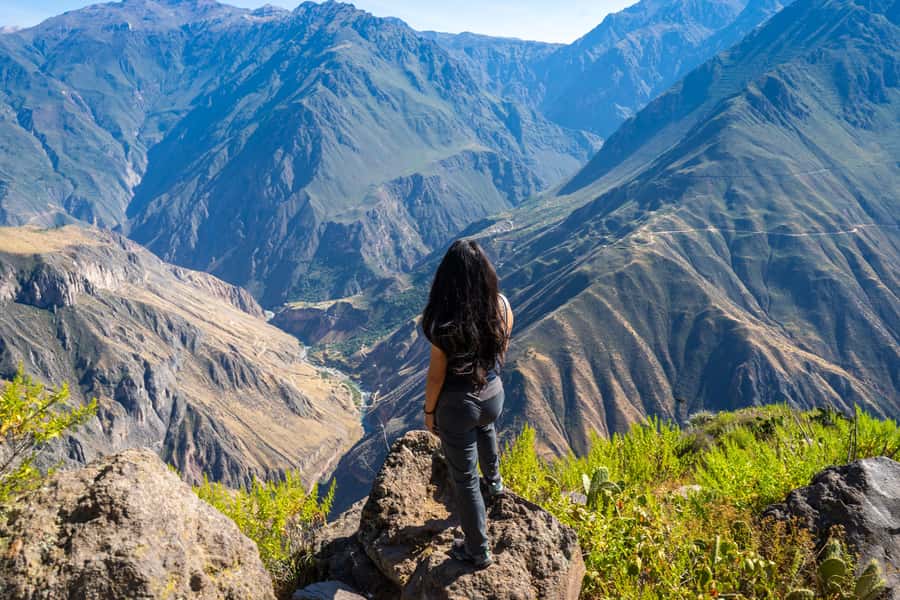
Overnight at Sangalle Oasis is one of the most praised parts of the whole experience. People mention the views being amazing and the lodging setup feeling more comfortable than expected. You may find features like hot water and private bathroom arrangements, but you should still plan like it’s basic trekking accommodation.
One very useful detail: you may need to bring your own towel. That kind of “small gear gap” shows up in feedback more often than you’d think, and it’s easy to handle by packing one light towel.
Also, use your night wisely. This hike has two days, and the second one is the one that bites. So don’t spend all evening chatting at full energy. Sleep matters. If your body is fighting altitude or fatigue, the climb tomorrow will go easier if you’re at least decently rested.
If you want a simple recovery formula: hydrate, eat, and don’t overdo alcohol. Yes, the oasis is set up for relaxation (and some people mention beer or cocktails), but your goal tomorrow is to climb uphill without turning the day into misery.
Second day from Sangalle to Cabanaconde: the steep part
The second day starts very early and includes a challenging uphill hike. The itinerary says the ascent takes about three hours, going from Sangalle Oasis up to Cabanaconde. Reviews mention starts while it’s still dark—around 4:30 am for some groups—so bring a headlamp if you have one, or expect to use your phone light in the beginning.
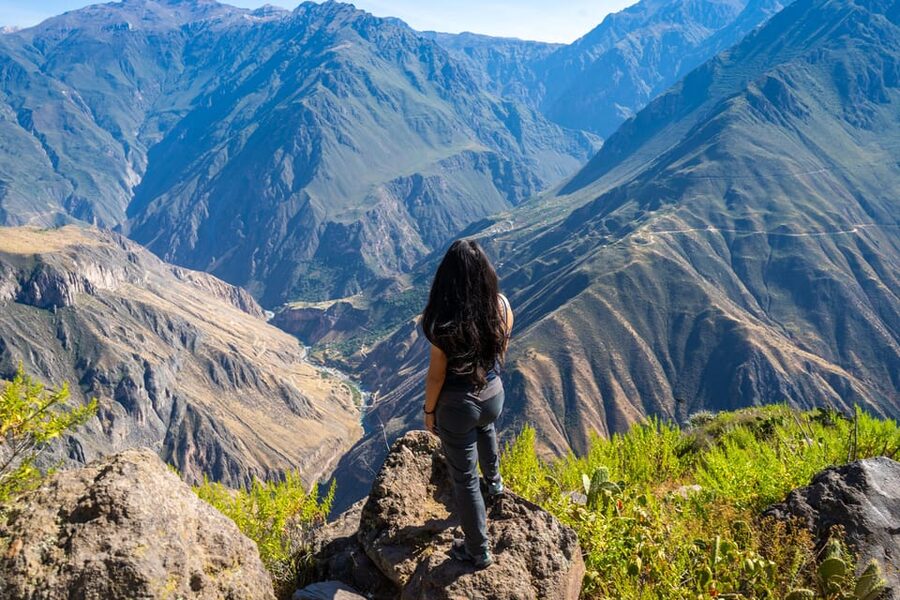
This is the part you feel in your legs. Some feedback compares it to a near-straight-up grind. You’re climbing roughly 1,000m+ elevation in the second day segment, and you’ll want to pace carefully. If you go out too fast, your lungs and thighs will file a complaint.
The good news: guides on this tour are known for support and encouragement. People have even mentioned guides helping struggling hikers and offering poles when needed. That’s not a guarantee, but it’s a good sign you’re in a group where someone will notice if you’re struggling.
Once you reach Cabanaconde, you get breakfast and time at the town before heading back by bus. That breakfast is not a small detail. It’s your chance to reset before the long ride and the viewpoint stops on the way back.
Return-route highlights: terraces, Chacapi hot springs, and animal spotting
On the bus back to Arequipa, you stop at several places that help break up the travel time into memorable chunks.
First, there’s the Antahuilque Viewpoint, a spot for seeing the pre-Inca terraces of the Colca Valley. This matters because it connects the canyon to people who managed the land long before modern hiking shoes showed up.
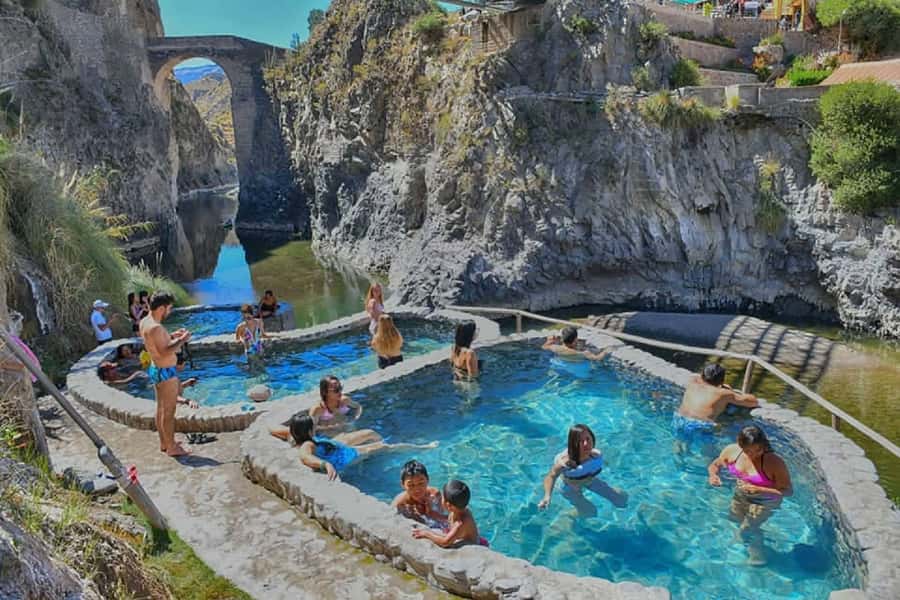
Next is Chacapi Hot Springs, where you can relax your legs after the hike. This is a true payoff stop, not just a random tourist stop. Sore calves and tight hips usually appreciate warm water right about here.
Then you pass through Chivay for your last lunch. It’s a practical stop that gives you a proper meal before the final stretch back to Arequipa.
After that, you’ll hit more viewpoints, including Mirador de los Volcanes and other stops tied to the high plateau. The tour also includes stops at the salt flats and the Aguada Blanca reserve, where you can observe South American camelids like llamas, alpacas, and vicuñas. This adds variety: you’re not just repeating canyon views for two days; you’re changing ecosystems.
The day ends back in Arequipa around 5:30 pm, close to the Plaza de Arequipa area.
Price and what that extra cash covers (don’t wing it)
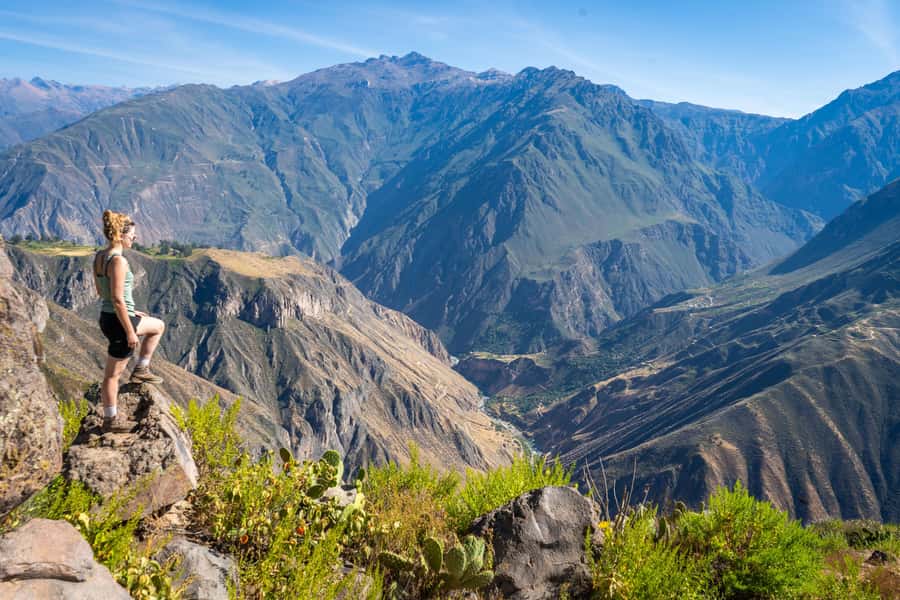
The headline price is listed as $30 per person, but it’s clearly described as a reservation amount. The key practical point: the guide charges an additional $100 (350 soles) in cash for meals, the Colca Canyon entrance, and the hot springs entrance. You pay in soles or dollars.
That means the real value comes from what you’re getting once that fee is paid. In plain terms, you’re buying a guided two-day trek that includes pickup, structured transport to and from the canyon, and the big-ticket entries and feeding plan for both days. For many people, the cost becomes reasonable because you wouldn’t want to DIY the logistics this early or this guided when your time is limited.
One more caution: some messages reference a different total around $95, so don’t assume it’s exact down to the dollar. Do what the tour data says: bring cash and be ready to settle what the guide collects on the day.
If you hate carrying cash, this is your moment to decide you’re okay with it, or you’ll have a stressful start at 3:00 am.
What to pack and how to avoid common pain points
This tour includes a long walking day and a steep uphill day. The tour also states you’ll walk around 24 kilometers up and down total, so pack for real hiking.
What I’d prioritize:
- Good shoes with solid grip for steep downhill footing
- Trekking poles if you’re the type whose knees complain on descents (or be ready to rent/buy as mentioned by hikers)
- A headlamp or flashlight for the early second-day start (people specifically mention using phones when they don’t have one)
- A towel for Sangalle Oasis showers if they don’t provide one
- Cash for the on-the-spot guide fee and any small purchases
Also think about bathroom reality. One piece of practical advice from hikers: bring toilet paper or plan to buy it. In remote trekking contexts, it’s never safe to assume it’ll be provided.
Finally, pace matters. If you try to match the fastest walkers, the climb can become a grind. The smarter strategy is to control your speed and focus on steady breathing and foot placement.
Who should book, and who should skip this trek
This trek is not for everyone. It’s listed as unsuitable for:
- children under 15
- people with heart problems
- wheelchair users
- people with vertigo
- people with visual impairment
- people with altitude sickness
- people prone to seasickness (it’s not a boat trip, but the warning is still part of the operator info)
- people with high blood pressure
- people with low fitness
- people over 55
Even if none of those apply, treat the physical requirement seriously. The second day is the headline challenge. It’s also why this tour gets such strong ratings: people who go in ready for a workout often feel rewarded by the scenery and by the canyon experience that goes beyond a quick photo stop.
If you enjoy guided interpretation—flora, fauna, local context—this is a great match. If you want a “sit and look” trip, choose something easier. This is a hike first, scenery second… and the scenery is what makes the hike worth it.
Should you book this 2-Day Colca Canyon trek from Arequipa?
Book it if you:
- want a real canyon trek over two days, not a half-day photo mission
- like the idea of combining viewpoint time at Cruz del Cóndor with a guided descent and an overnight in the canyon
- can handle early mornings and a steep uphill second day
- appreciate guides who share local nature and life details (names you might hear include Tonny, Rafael, Franco, Carlos, Alex, and others)
Skip it if you:
- don’t feel confident with steep climbs and descents
- are unsure about altitude or general exertion
- need a fully accessible or low-effort option
If you’re on the fence, here’s the decision shortcut: if you can comfortably do a demanding hike close to 24 km with big elevation changes, you’ll probably leave happy. If you can’t, you’ll probably leave exhausted and frustrated. And that wouldn’t match what this trek is built to deliver.
FAQ
What time is pickup in Arequipa?
You’ll be picked up from your hotel between 3:00 and 3:30 in the morning.
How long is the trek and what’s the walking distance?
The tour runs for 2 days, and you’ll walk about 24 kilometers up and downhill total.
Is the condor-viewpoint stop included?
Yes. The tour includes a stop at Mirador Cruz del Cóndor for photos and a guided visit.
Do I need to pay extra for entrances and meals?
Yes. The tour info says the guide will collect about $100 (350 soles) in cash for meals, the Colca Canyon entrance, and hot springs entrance.
Is the Sangalle Oasis overnight included?
The overnight at Sangalle Oasis is part of the 2-day plan, but it’s listed as booked rather than included in the base price. Expect to pay an additional amount in cash as indicated by the guide fee.
What fitness level do I need?
You must be in good physical condition. The hike is demanding, including a steep uphill the second day, and it’s not suitable for low-fitness travelers or several health conditions listed by the operator.