REVIEW · KATHMANDU
Annapurna Base Camp Trekking
Book on Viator →Operated by himalayan sanctuary adventure private limited · Bookable on Viator
Annapurna Base Camp hits different. This private 14-day plan blends Kathmandu UNESCO sightseeing with the Annapurna region trek, then gets you to the base of the 10th-highest mountain. I like that the trip keeps the logistics simple: airport pickup, transport to Pokhara, and a private guide so you’re not guessing every step.
Two things I really like: all accommodation and meals are included (3-star hotels in Kathmandu and Pokhara, then teahouses on trek), and you get the undivided attention of an English-speaking trekking guide plus porters for your luggage (2 trekkers per 1 porter). One consideration: it’s a moderate-fitness trek, and the costs for some extras aren’t included, like hot water, drinks, sightseeing entrance fees in Kathmandu, and tips for the guide and porter.
You also get a strong Kathmandu start. Day 2 is built around major world heritage sites—Pashupatinath, Boudhanath, Patan Durbar Square, and Swayambhunath—before the real altitude work begins the next day. In the trekking portion, the pacing and the teahouse rhythm make it feel more like a steady journey than a daily grind, which matters when you’re trekking toward Annapurna Base Camp.
In This Review
- Key things to know before you go
- Kathmandu to Pokhara: where the stress goes away
- Day 2 in Kathmandu: UNESCO sites and practical trek prep
- Ulleri to Ghorepani: steady climbing through villages and rhododendron
- Poon Hill sunrise and Tadapani: the view you aim for
- Chhomrong to Dovan: bridges, forests, and changing vibes
- Deurali and Annapurna Base Camp: the high point of the trip
- The descent rhythm: Bamboo, Chhomrong, and Jhinu Danda hot spring
- Pokhara and Kathmandu wrap-up: recovery and last views
- Price and value: what $899 covers (and why that matters)
- Packing and pace: the practical side of Annapurna Base Camp
- Should you book this Annapurna Base Camp trek?
- FAQ
- What time does the trek start?
- How do I get from Kathmandu airport to the hotel?
- Are accommodations included during the trek and in cities?
- Are meals included for the whole trip?
- Do I need permits for the Annapurna region?
- Is there a private guide and porters?
- How do you travel between Kathmandu and Pokhara?
- What’s the biggest hiking highlight on the route?
- What is not included in the price?
- Can I cancel and get a refund?
Key things to know before you go
- Private guide + porter support: you carry less, and you get real-time help on the route and daily choices
- All meals on trek: breakfast, lunch, and dinner in teahouses (plus breakfast in hotels)
- Poon Hill sunrise at 3,210 m: an early morning payoff with wide mountain views
- Real teahouse nights: bamboo-damp cold, open-sun stretches, and simple comforts (no “hotel vibes” up high)
- Permits and paperwork handled: ACAP and TIMS are included with government and local taxes
- Hot spring finish at Jhinu Danda: a relaxing end to a long descent day
Kathmandu to Pokhara: where the stress goes away
This trek works best when your first days feel organized, and that’s the point here. You start with pickup from Tribhuvan International Airport to your hotel in Kathmandu, then you’re handled through the sightseeing day and trek prep. Even the timing feels practical: on trek transfer day, you get picked up around 6:30 am and escorted to the tourist bus station for the ride to Pokhara.
The Kathmandu–Pokhara part is a big deal because it sets your energy for the trail. Kathmandu traffic and logistics can drain you. Using a tourist coach (and not you figuring it out alone) means you wake up, move, and keep your day on track. Pokhara then becomes your calm base before you start hiking up toward the Annapurna region’s villages.
One detail I’d take seriously: you’ll likely start your trekking days early, and you should treat that as normal. When you’re heading toward 3,000 m+ viewpoints like Poon Hill, early starts help you catch the best visibility and sunrise windows.
You can also read our reviews of more tours and experiences in Kathmandu.
Day 2 in Kathmandu: UNESCO sites and practical trek prep
Before you touch the mountains, you get a full-day sweep through four UNESCO world heritage stops. If you like seeing how Nepal’s spiritual life shapes daily life, this day is worth your attention.
- Pashupatinath Temple: one of the most sacred Hindu shrines in the world, beside the Bagmati River. You’ll see devotees taking ritual dips, and the temple complex gives you a powerful sense of place.
- Boudhanath Stupa: huge and visually striking, tied to the idea of dew used during construction. The scale alone makes it memorable.
- Patan Durbar Square: palace courtyards and pagoda temples, plus a museum area with bronze statues and religious objects.
- Swayambhunath (Monkey Temple): set on a hill overlooking the valley, with monkeys living around the premises and the stupa watching over the city views.
I like that this day is not just sightseeing for sightseeing’s sake. It’s also a mental reset: you’re busy, but you’re not yet dealing with altitude pacing. You’ll also have time to handle trek preparation without rushing.
If you’re the kind of person who hates feeling underprepared, this day does the job. You’ll come into the trekking phase with your bearings and your mind switched into hiking mode.
Ulleri to Ghorepani: steady climbing through villages and rhododendron
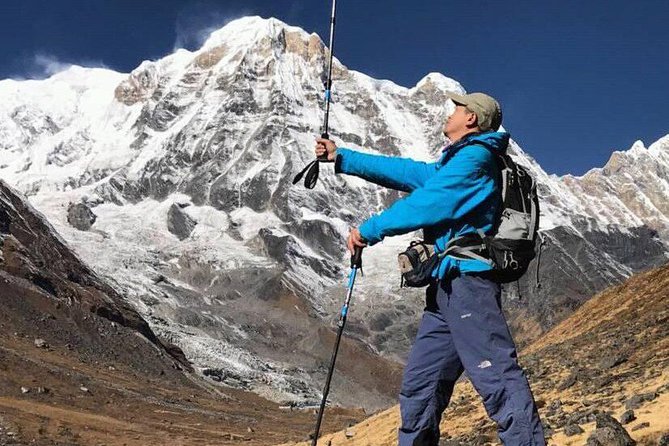
Once you reach Pokhara, the trek begins with a vehicle drive toward Nayapul, then a short walk along the Modi Khola before you start gaining elevation. Day 4 is essentially your entry point: you move toward Birethanti, then climb via the valley sides to Hille and Tikhedhunga, ending in a village zone like Ulleri.
Day 5 shifts into the deeper climb toward Ghorepani, with time through oak and rhododendron forests. You’ll pass Magar village areas (the trek route here is closely tied to local communities), then gradually work your way up to Ghorepani.
What I’d watch for on these days is the rhythm. The early stages can trick you into thinking you’ll always feel fresh. Your body is adapting to height and hiking tempo. Keep your pace steady and your breaks frequent, especially when you’re climbing.
This is where porter support matters. Your luggage is carried by the porter team, so you’re hiking with a lighter daypack. That simple change can make the difference between arriving feeling okay versus feeling cooked for the next day.
Poon Hill sunrise and Tadapani: the view you aim for
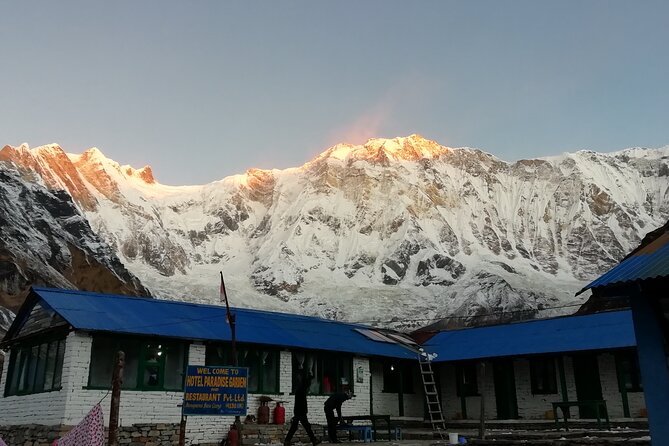
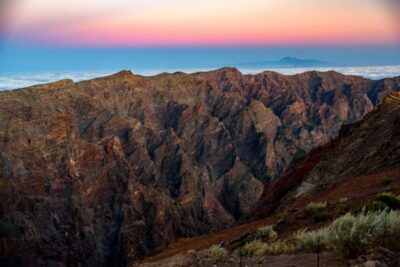
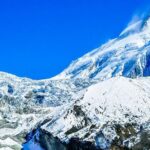
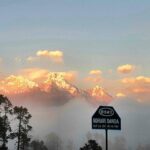
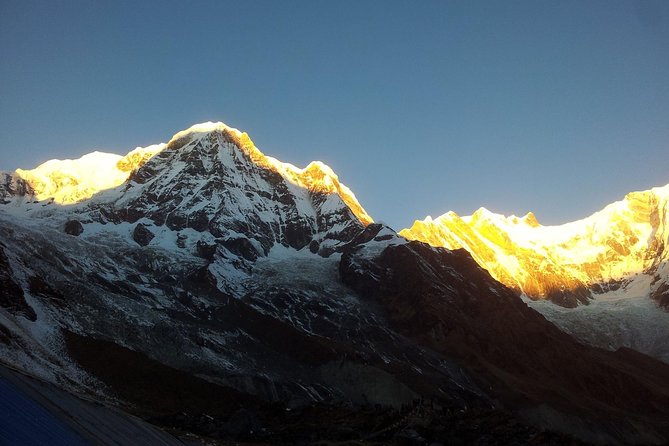
Day 6 is the classic Annapurna region “payoff day.” You start very early to walk up to Poon Hill at 3,210 m, just in time to catch sunrise over the high Himalayas. After the view, you get breakfast in Ghorepani and then continue the day’s trek toward Tadapani.
This section includes a ridge walk and descents through rhododendron forests and waterfalls, then you’ll arrive in Tadapani for the overnight. I like this because it has a clean structure: big morning moment, then a more manageable walking day afterward.
A couple of practical tips for Poon Hill type mornings (even if sunrise is clouded): dress for cold. Early starts plus height can feel sharp. Also, keep moving. When you stop for long view breaks, the chill builds fast.
Tadapani itself is a good staging village: it’s high enough that you feel the mountains up close, but it still works as a comfortable teahouse stop. You’re building toward Chhomrong and the Annapurna Base Camp push without jumping straight into the hardest terrain.
Chhomrong to Dovan: bridges, forests, and changing vibes
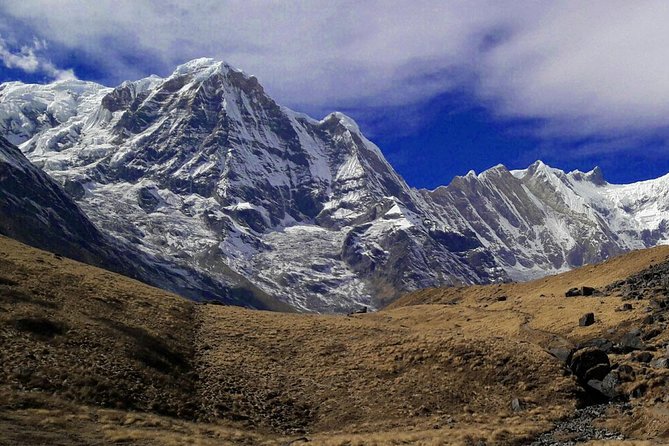
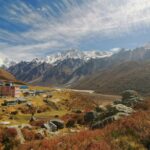
Day 7 takes you from Tadapani down through rhododendron forests and into terraced farming areas, then over to Chhomrong. Chhomrong is special because it sits right below the huge Annapurna wall. Even from the village approach, you’ll feel how serious these mountains are.
Expect a mix of descent and some uphill work, including a suspension bridge segment along the way. Suspension bridges are common in the region, and you’ll quickly learn that they’re part of the trek’s texture—sometimes fun, sometimes a little bouncy, always worth careful footing.
Day 8 then heads toward Dovan. This is where the trek starts to feel more “wild,” because you’ll pass through bamboo forest, which can be damp and colder. The route then climbs toward places like Hinku Cave and follows river valleys before reaching Dovan.
I like this day because the environment changes in a way you can feel: sun out stretches after forest cover, then cooler forest again. It keeps you alert and helps you understand why the Annapurna region is so varied even on one circuit.
The teahouses in this zone are simpler than city hotels, but that’s also the point. A warm meal and a bed at the end of each day are what keep you steady for the altitude days ahead.
Deurali and Annapurna Base Camp: the high point of the trip
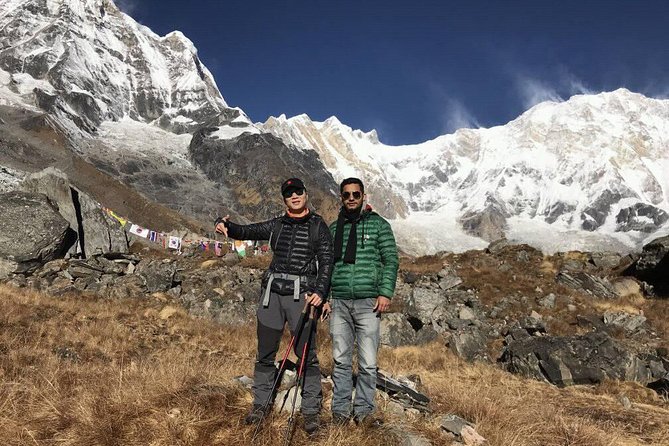
The next section is the serious work. Day 9 follows the valley trail with a steady climb, with parts that can be steep and sometimes run along rocky cliff edges. You’ll also push toward Machhapuchhre Base Camp as part of the route experience, then continue toward Deurali.
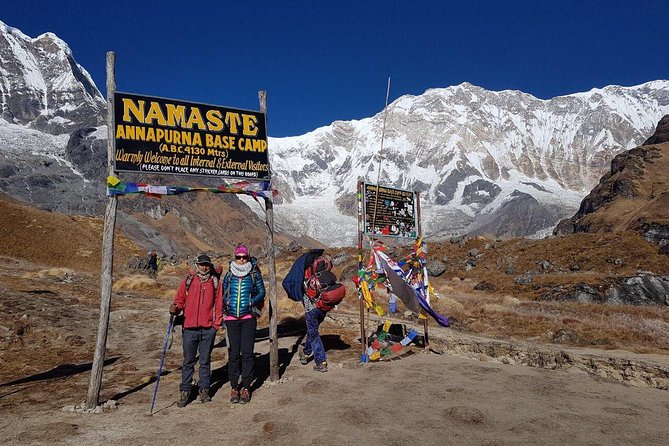
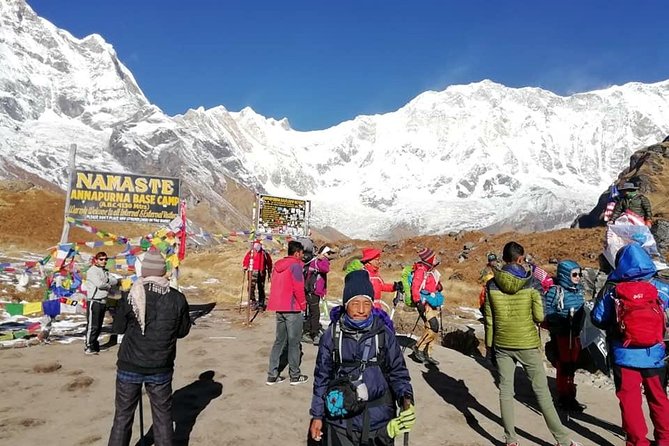
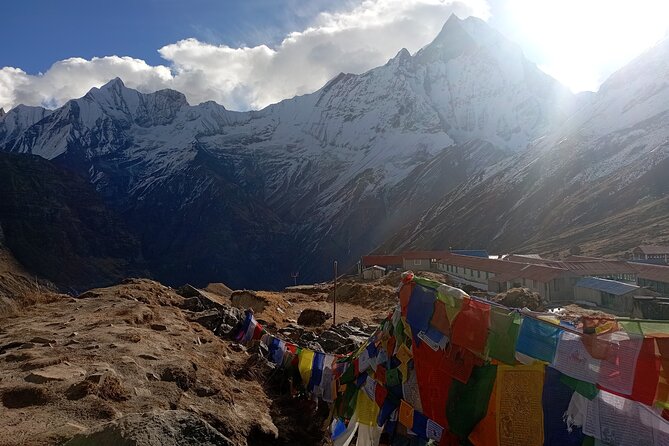
Then Day 10 is the day you’ve been stacking time for: the hike up to Annapurna Base Camp. The description calls it an early push up and then an ascent that leads to the base camp area. From there, you’re in the orbit of Annapurna’s most dramatic scenery.
This is where you should be honest with yourself about pace. Base Camp doesn’t reward speed. It rewards steady steps, frequent short breaks, and calm breathing. If you’re carrying a lighter load thanks to the porter system, you’ll still feel altitude, but the effort is more manageable.
Also, base camp days are often less about one single big view and more about a series of framed moments—turns in the trail, shifts in wind, and the way the mountain face changes as you gain height.
The descent rhythm: Bamboo, Chhomrong, and Jhinu Danda hot spring
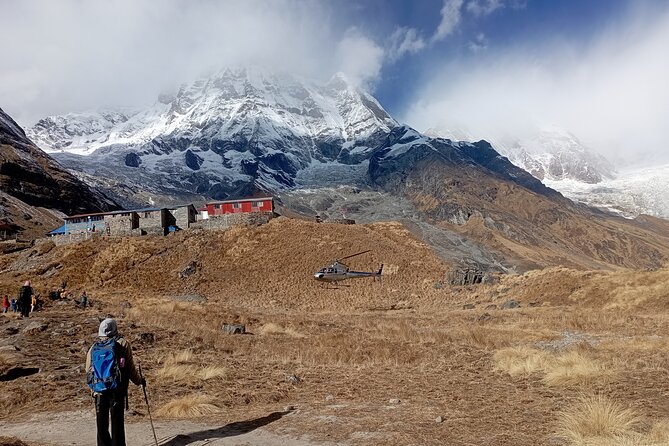
After Base Camp, the trek turns into a downhill-and-recovery phase, and that matters. Day 10 finishes with a descent and overnight near Bamboo. Day 11 continues the long way down, retracing steps toward Chhomrong and then dropping toward the Modi Khola valley again.
Downhill is its own challenge. Your knees and quads feel it, and the description even highlights tricky stone steps in the Chhomrong area. This is where I’m glad the itinerary doesn’t rush everything. You get time in teahouse stops and enough day-to-day structure to avoid panic pacing.
Day 12 brings you to Jhinu Danda with time to enjoy the hot springs. The hot spring is included in the route plan as the relaxation focus after a tough stretch of hiking. If you’ve never done a post-trek hot soak in Nepal, expect a simple, human experience: warm water, sore legs, and that moment where your body finally understands the trip is over for the day.
Day 13 returns you to Pokhara by trekking toward Nayapul and then driving back. That cut from hiking to vehicle time is a great reset. It’s also where you’ll see the difference between altitude days and normal life again.
Pokhara and Kathmandu wrap-up: recovery and last views
Day 13 overnight in Pokhara lets you reset before the final return to Kathmandu. Day 14 is a drive back to Kathmandu after breakfast, timed with a tourist bus ride.
I like this ending because it gives you a real decompression window. You’re not flying home immediately from the last hike. You get hotel comfort again in Kathmandu and a final organized exit from Nepal’s main trekking route.
If you’re the kind of person who likes to process photos while warm instead of freezing in transit, this last pacing helps. And if you’ve got travel energy for a few extra hours, Pokhara also makes sense as the place to do it.
Price and value: what $899 covers (and why that matters)
$899 per person for a 14-day private trekking program looks like a bargain or a steal depending on what’s included. Here, the value comes from what you don’t have to manage.
You get:
- 3-star category hotel accommodations in Kathmandu and Pokhara (with breakfast)
- teahouse accommodation on trek with breakfast, lunch, and dinner
- airport pickup
- transport Kathmandu–Pokhara–Kathmandu by tourist coach
- an experienced English-speaking trekking guide plus porters (with salary, insurance, equipment, food, lodging handled)
- paperwork and permits for ACAP and TIMS, plus government and local taxes
For me, that’s the key: this isn’t priced like a bare-bones hike where you pay extra every other day. When meals and lodging are included, your energy and money management get easier. You can focus on hiking and rest, not budgeting every cup of tea.
What’s not included also matters, because it affects your final trip cost:
- hot water and cold drinks
- phone calls, laundry, beer/bar bills, and similar personal expenses
- sightseeing entrance fees in Kathmandu
- lunch and dinner in Kathmandu and/or Pokhara (beyond what’s included)
- tips for guides and porters
So if you’re trying to estimate total spend, plan for those add-ons. If you keep a tight budget, you can still control it.
This trip fits best if:
- you want a private experience (only your group)
- you prefer a plan with fewer logistics headaches
- you’re okay with moderate hiking effort and teahouse basics
- you want your guide and porter team to handle the operational side so you can enjoy the trail
Packing and pace: the practical side of Annapurna Base Camp
Even with porters, you’ll want smart gear decisions. The itinerary itself signals long trekking days at elevation, plus early mornings. Here’s how to think about it using what’s explicitly not included and what the route demands.
Bring layers. Temperatures shift fast from Kathmandu to the trail and from sunny stretches to damp bamboo forest. You’ll likely feel cold on early starts and in shaded areas.
Plan for included meals, but keep your spending for extras realistic. Hot water and drinks are not included, and those small purchases add up over multiple days. Also consider that bottle or boiled water, showers, and battery recharge are also on you.
For pace, treat each day as training for the next. The plan has a classic build: gradual gains toward Ghorepani and Tadapani, then Chhomrong, Dovan, Deurali, and finally Annapurna Base Camp. After that, the return days are long descents, so your legs need attention.
Finally, consider guide support as part of your safety system. This trek is private, and the experience is designed around a guide’s day-to-day help. If you’re trekking your first time, that matters. If you’ve trekked before, it still helps you make better decisions about timing, breaks, and how to handle altitude.
Should you book this Annapurna Base Camp trek?
If you want Annapurna Base Camp without turning your trip into a spreadsheet project, this is a solid choice. The biggest strengths are simple: included logistics, included teahouse meals, and a private guide with porter support.
Book it if you:
- want a calm, organized trek with Kathmandu culture first
- like the idea of sunrise at Poon Hill as a planned highlight
- prefer paying once for the core experience rather than managing countless add-ons
Think twice if you:
- dislike moderate uphill/downhill trekking, especially long descents
- hate teahouse simplicity and expect hotel comforts the whole way
- want everything fully included, because drinks, hot water, sightseeing entrance fees, and tips are on you
FAQ
What time does the trek start?
The meeting point lists a start time of 6:45 am.
How do I get from Kathmandu airport to the hotel?
You’ll be picked up from Tribhuvan International Airport by a representative and transferred to your hotel in Kathmandu.
Are accommodations included during the trek and in cities?
Yes. You get 3-star category hotels in Kathmandu and Pokhara with breakfast, plus teahouse accommodation during the trek with breakfast, lunch, and dinner.
Are meals included for the whole trip?
Meals are included on the trek (breakfast, lunch, and dinner in teahouses). Breakfast is included in Kathmandu and Pokhara hotels, while lunch and dinner in Kathmandu and/or Pokhara are not included.
Do I need permits for the Annapurna region?
Yes, and the trip includes all necessary paper work and permits (ACAP and TIMS) along with government and local taxes.
Is there a private guide and porters?
Yes. The tour includes an experienced English-speaking trekking guide and porters to carry luggage, with a ratio of 2 trekkers to 1 porter. Tips for the guide and porter are not included.
How do you travel between Kathmandu and Pokhara?
You travel by tourist coach (tourist bus/coach service) from Kathmandu to Pokhara and back.
What’s the biggest hiking highlight on the route?
Poon Hill sunrise is a key highlight, with an early hike to reach the viewpoint at 3,210 m.
What is not included in the price?
Not included items include hot water, cold drinks, phone calls, laundry, beer and bar bills, entrance fees for Kathmandu sightseeing, lunch and dinner in Kathmandu and/or Pokhara, and personal expenses like bottle/boiled water and shower needs.
Can I cancel and get a refund?
Yes. You can cancel up to 24 hours in advance for a full refund, based on local time.