REVIEW · POKHARA
Mardi Himal Newly Discovered Trekking from Pokhara Nepal
Book on Viator →Operated by Fewa Trail Treks and Expedition Pvt Ltd · Bookable on Viator
A quieter way into Annapurna views. This Mardi Himal Newly Discovered Trekking from Pokhara takes you off the most crowded base-camp rhythm, starting with hotel pickup in Pokhara and ending with an easy drop-back after a scenic finish. I like that you get real mountain focus (not a circus) and that the route keeps revealing new angles as you push deeper.
I also like the practical setup: an English-speaking trekking guide, organized teahouse stops, and included park fees. It feels built for people who want a mountain trek to actually happen, with fewer logistics headaches and clearer pacing. One consideration: you still climb into serious altitude, with a day that can include snow patches depending on season, so pack smart and take the slower moments seriously.
In This Review
- Key Points I’d Pin to Your Map
- Mardi Himal: A Fresh Route With Real Mountain Payoff
- The Itinerary in Plain English (What Each Day Feels Like)
- Day 1: Pokhara to Kande, Then Up to Deurali
- Day 2: Deurali to Forest Camp Through Rhododendron Country
- Day 3: Forest Camp to Low Camp, and the Big View Starts Showing
- Day 4: Low Camp to High Camp (Your Acclimatization Night)
- Day 5: High Camp to Mardi Himal Base Camp (4,500m) and Back
- Day 6: High Camp Down to Siding Village (Culture + Breathing Room)
- Day 7: Siding Village to Lumle, Then Back to Pokhara
- Price and Value: Where the $370 Really Goes
- Transfers, Teahouses, and the Comfort Reality Check
- Altitude: What to Watch (Without Panic)
- Guides Make the Trek Feel Easier
- Who This Trek Fits Best
- Should You Book Mardi Himal From Pokhara?
- FAQ
- What altitude do you reach on this Mardi Himal trek?
- Is the trek to Mardi Peak itself?
- What’s included in the $370 price?
- Are meals included?
- Is this tour private?
- What is the cancellation policy for a full refund?
Key Points I’d Pin to Your Map
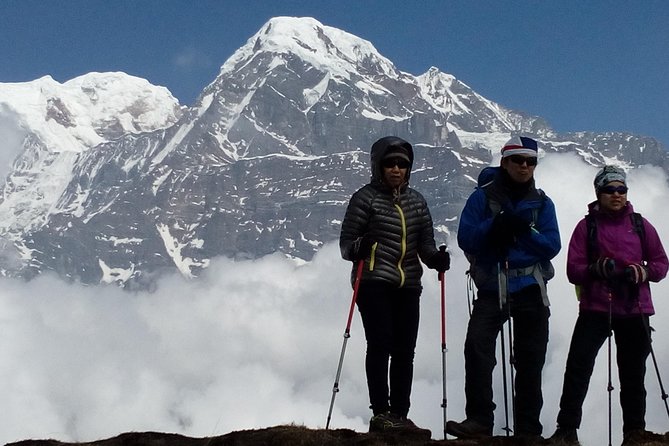
- A less-crowded Annapurna alternative: Mardi Himal helps you avoid the classic Annapurna base camp crowd without losing big-mountain views.
- A trek that adds altitude in a sensible rhythm: Forest Camp, Low Camp, then High Camp before the push to 4,500m.
- Your big moment is a base-camp morning: You hike early to Mardi Himal Base Camp and then come back down to High Camp.
- Guides who take safety and comfort seriously: the operator is associated with guides like Milan Rai and Bikram, known for friendly, attentive pacing.
- Transport that reduces friction: private car to Kande, plus a sharing jeep transfer for the Siding-to-Pokhara leg.
- Your $370 value is in what’s included: lodging, national park fees, guide, and key transfers are covered, while meals and drinks are extra.
Mardi Himal: A Fresh Route With Real Mountain Payoff
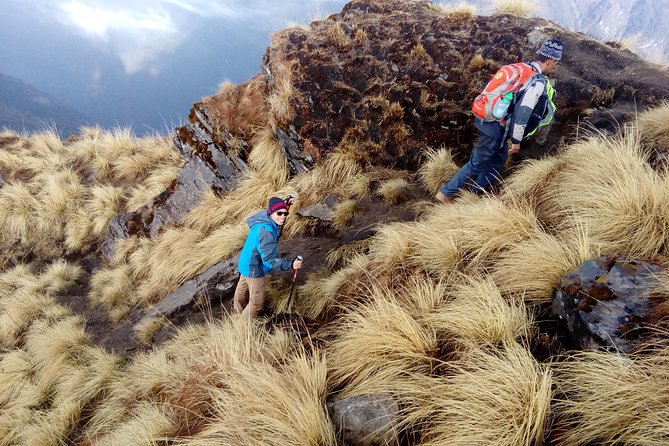
Mardi Himal is often described as a route that gives you the feeling of discovery. It’s newly opened and designed to take you toward the Mardi Peak area through a quieter trail corridor than the most famous Annapurna options. What that means for you on the ground: fewer crowds, a calmer pace, and more time to actually look around instead of waiting in lines.
The altitude profile is also part of the appeal. You trek up to around 4,500 meters at Mardi Himal Base Camp, with High Camp sitting at 3,580m the night before. That structure is useful because you get a gradual build, then a day-trip style push, rather than trying to rush everything in one long, exhausting ascent.
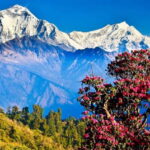
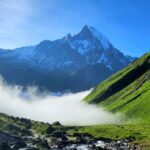
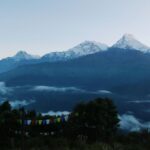
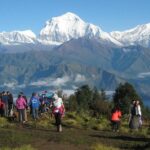
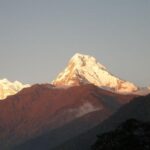
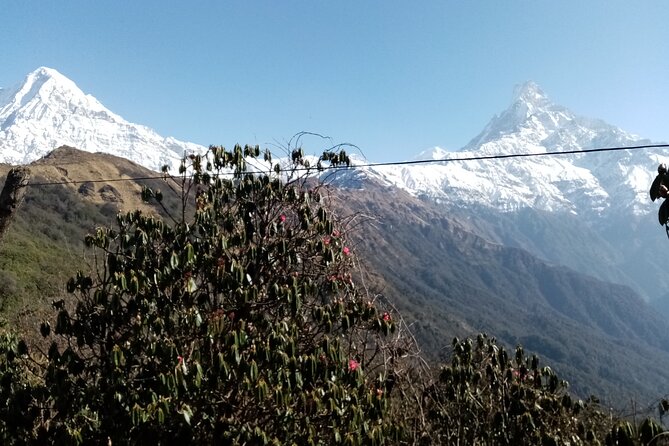
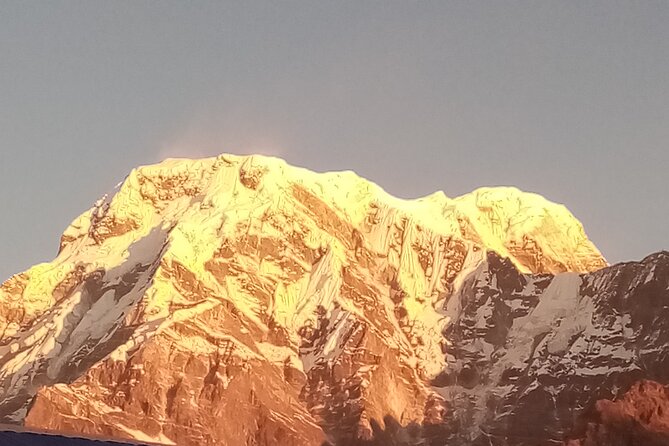
And yes, the views matter here. You’re in range for major drama: Machhapuchhre (Fishtail) shows up prominently as you climb, and you’ll also see Annapurna South from the mid-to-upper camps. Even when the trail is steep or you’re tired, the mountains are doing their job in the background.
You can also read our reviews of more tours and experiences in Pokhara.
The Itinerary in Plain English (What Each Day Feels Like)
This trek runs about 7 days, starting after pickup from your Pokhara hotel in Lakeside and ending with a drive back to your origin. It’s a private tour, so the schedule is built around your group rather than a cattle-line itinerary.
Day 1: Pokhara to Kande, Then Up to Deurali
You start with a drive from Pokhara to Kande (about 1 hour) at 1,770m. Then it’s uphill hiking to Deurali at 2,100m, with around 7 hours total on the day.
What makes this day special is the warm-up phase. You’re not yet in the cold, high-altitude zone. You’re building stamina and getting your legs used to the rhythm of stairs and stone paths. You also get panoramic views of the Annapurna and Dhaulagiri ranges, which is a nice psychological payoff early: you’ll feel like you’ve already started the real trek before Day 2.
Possible drawback: starting at Kande means you’ll hike uphill right away. If your fitness is “good but rusty,” take it slow for the first hour.
Day 2: Deurali to Forest Camp Through Rhododendron Country
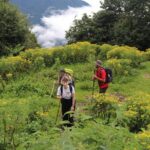
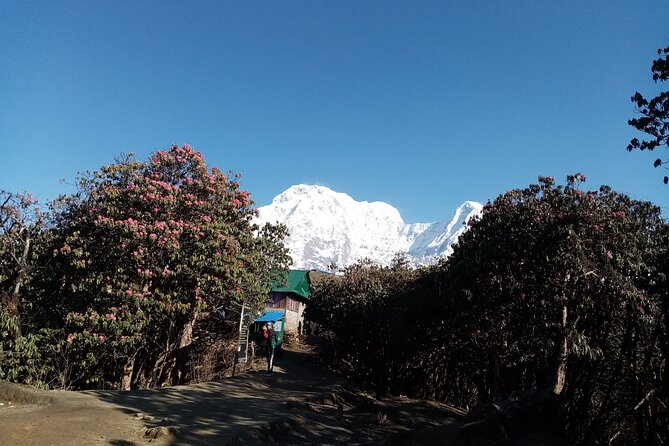
Day 2 moves from Deurali (2,100m) to Forest Camp (2,520m) with about 5 hours of trekking. The route passes through lush forest—rhododendron and oak trees are part of the scenery—and it also includes a stop through a village area called Pothana.
This is one of the better days for comfort. Forest trails tend to soften the mental workload. You get shade, cooler air, and a softer visual rhythm than rocky climbs. You also begin seeing glimpses of mountains as breaks in the canopy open up.
Overnight is in a teahouse or lodge. This is where you’ll start learning what you prefer: early lights-out? extra snacks? a quick walk outside to check weather? The evening is usually your best chance to manage your energy for the higher days.
Value note: that forest day helps your body adjust before you start getting sparser vegetation higher up.
Day 3: Forest Camp to Low Camp, and the Big View Starts Showing
Day 3 brings you from Forest Camp (2,520m) up to Low Camp (2,970m) in about 5 hours. As you climb, the vegetation thins and the views open.
This is where Machhapuchhre (Fishtail) becomes a highlight. You’ll also get sightlines toward Annapurna South. When your surroundings shift from dense forest to more open terrain, it tends to feel like the trek “turns a corner” into high-mountain geography.
The teahouse at Low Camp is your overnight anchor. Nights at camps like this usually come with less room, simpler meals, and a colder feel—but you’re still not at the freezing edge yet.
Consideration: the climb here can feel longer than the clock suggests, mainly because you’re gaining altitude into thinner air.
Day 4: Low Camp to High Camp (Your Acclimatization Night)
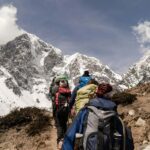
Low Camp (2,970m) to High Camp (3,580m) takes about 5 hours. Expect a steady climb and stronger mountain views across valleys.
High Camp is the night you’ll be happy you have. It’s part of the acclimatization plan, letting your body adjust before the early push to the base camp the next morning. At this point, you’ll likely feel it in your breathing. That doesn’t mean you’re failing. It means you’re working at the right altitude.
Overnight is again in a teahouse or lodge. Use this night to rest, hydrate, and avoid the temptation to overdo snacks that upset your stomach. The best strategy is calm and consistent.
Day 5: High Camp to Mardi Himal Base Camp (4,500m) and Back
This is the “earned the views” day. You hike early from High Camp (3,580m) to Mardi Himal Base Camp (4,500m). The itinerary suggests roughly 7 hours total, including the return to High Camp for the night.
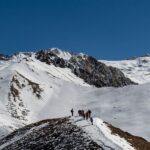
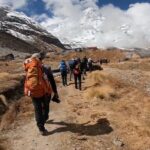
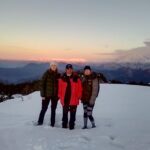
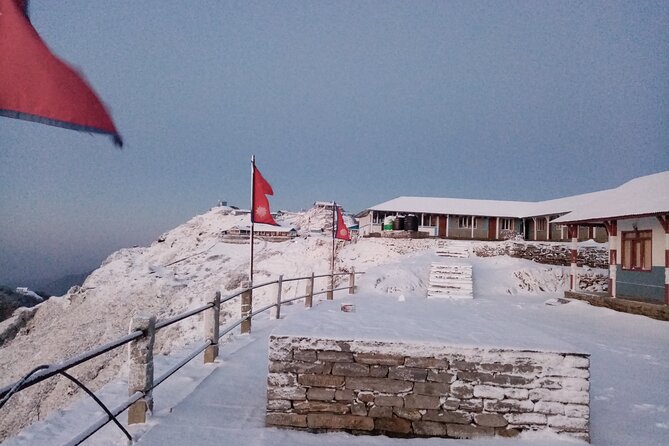
The trail includes rocky sections and snow patches depending on season. That matters for you: trekking shoes with solid grip and socks you trust become your best friend. You’ll want trekking poles if you use them, because downhill on uneven ground can be harder than the uphill.
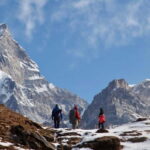
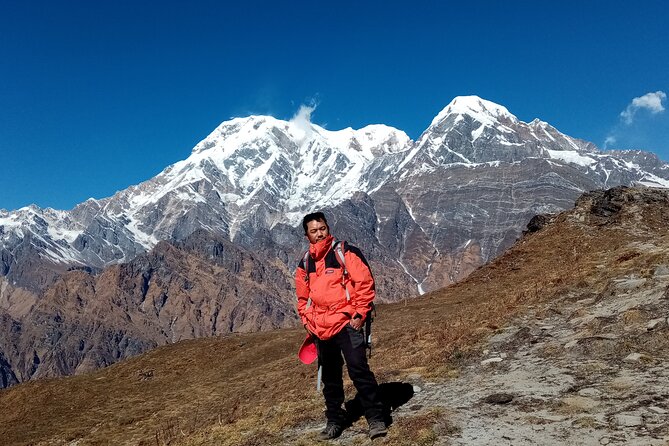
At base camp, the reward is the close-up feeling of Mardi Himal with Machhapuchhre and the Annapurna range in the mix. This is the moment you remember when you later look at photos and realize pictures don’t carry the altitude in your lungs.
Then you descend to High Camp. Coming back down is smart; it reduces time spent at the highest point and gives you a more comfortable night.
Day 6: High Camp Down to Siding Village (Culture + Breathing Room)
Day 6 is a long descent from High Camp to Siding Village at about 1,750m, with around 7 hours on the day. You retrace steps back toward Low Camp and then continue descending through the forested trail.
This is the day your body usually feels grateful for. Dropping in altitude can make walking feel lighter, and you’ll likely enjoy seeing the vegetation return and the air warm up.
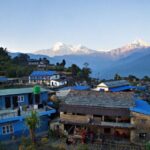
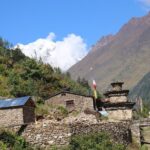
Siding Village brings local culture and lifestyle. You’ll stay overnight in a teahouse or lodge here too, which is different from the high camps. It’s typically more human-scale, and that can feel like a reset after five days of mountain-only focus.
Day 7: Siding Village to Lumle, Then Back to Pokhara
On Day 7 you trek from Siding Village to Lumle, where a vehicle waits. Then you drive back to Pokhara and drop off at your hotel. Total trek/drive time is around 5 hours.
This last stretch is a good closer. You’ve already built the trek’s arc, so you can stay present without chasing altitude gains. Once you’re back in Pokhara, it’s time for the stuff that feels tiny but matters: a shower that doesn’t run out, a proper meal, and a night with no alarm clock.
Price and Value: Where the $370 Really Goes
At $370 per person, the headline number looks straightforward, but the value depends on what’s included. Here’s what you get based on the package:
- Accommodation at the teahouses/lodges along the itinerary
- National park fees
- An English-speaking professional trekking guide
- Hotel pickup and drop-off in Pokhara
- A private tour (only your group participates)
- Transfers: Pokhara to Kande by private car, and Siding to Pokhara by sharing jeep
Meals and drinks are not included. Personal expenses and gratitude are also extra.
So is it good value? For most trekkers, yes—because you’re paying for the hard parts: lodging, park fees, guide time, and the key transport legs. The days on the trail still require your own spending for food and beverages, but you’re not buying the logistics all from scratch.
One smart way to think about it: your money buys fewer decisions. You’re not negotiating teahouse arrangements or hunting for transport at the last minute. For a trek, that reduction in uncertainty is worth real money.
Transfers, Teahouses, and the Comfort Reality Check
You’ll sleep in teahouses or lodges most nights. That’s part of the authenticity and part of the trade-off. Teahouses are simpler than hotels, and rooms can vary.
What matters for you isn’t luxury—it’s predictability:
- Your nights are planned.
- Your guide helps you match effort with rest.
- Your route includes structured camp stops rather than random wandering.
The transport plan also helps you avoid wasted time. Private car to Kande gets you to the trekking start without fuss. Then the sharing jeep for the return from Siding keeps the trek end from turning into a long, uncomfortable wait.
One practical tip: bring a small daypack setup so you don’t repack everything at every camp. Cold days make that annoying fast.
Altitude: What to Watch (Without Panic)
Mardi Himal’s high point on the trek is around 4,500m at Mardi Himal Base Camp, and the route area is associated with Mardi Peak at 5,587m. You may not climb to the absolute peak as part of this schedule, but you still need to treat 4,500m like serious altitude.
Your itinerary supports acclimatization by staging you at:
- Forest Camp (2,520m)
- Low Camp (2,970m)
- High Camp (3,580m)
- Base Camp day-trip push (4,500m), then back down
That’s a good plan. It means the hardest altitude day is not a full overnight at the top. Still, you can expect thinner air effects: faster breathing, less appetite, and fatigue. Hydrate steadily and keep your pace calm.
Also, pay attention to weather. The itinerary notes rocky terrain and snow patches depending on season. If you’re trekking in a colder month, plan for slower steps and more time for careful footing.
Guides Make the Trek Feel Easier
The trail is the main event, but the guide is what makes the experience safer and smoother. This operator is connected with trekking leaders such as Milan Rai and Bikram, known for taking care of pace and comfort. You’ll often feel that as:
- help adjusting your speed
- steady navigation through changing terrain
- reassurance if you start doubting yourself at altitude
One detail I really like from the operator’s overall approach: Sunil Dahal is mentioned for arranging the trip and sharing route information plus practical packing advice, including counseling about carrying dry fruits with less extra clutter. That’s a good mindset for trekkers. On the trail, less stuff often equals more energy.
If you’re booking this trek, ask your guide what they recommend for your daypack. The goal is simple: snacks you’ll actually eat, layers you can adjust, and nothing that feels like dead weight.
Who This Trek Fits Best
This trek is a strong match if you:
- want to avoid the thick crowds common on more famous base-camp routes
- like a steady, guided climb with planned teahouse stops
- have moderate fitness and can walk uphill for multiple hours per day
- enjoy the feeling of gradually opening mountain views
It’s also well-suited for groups of friends since it’s a private tour. You’ll share the experience without the pressure of strangers’ schedules.
If you’re chasing a rugged, technical climbing challenge, this might not be your match. This is a trekking route with altitude and seasonal snow risks, not a mountaineering course.
Should You Book Mardi Himal From Pokhara?
If you want a meaningful Annapurna-region trek without the most crowded vibe, I think this one is a smart choice. The itinerary is built around sensible camp steps and a base-camp day that doesn’t trap you overnight at the highest point. The included guide, lodging, and park fees make budgeting simpler than DIY trekking.
Book it if you:
- can handle long uphill/downhill days
- are comfortable sleeping in teahouses
- want quiet mountain time with strong guidance
Skip it (or choose a different trek) if you:
- hate altitude uncertainty and snow risk
- want meals fully included in the package
- expect hotel-level comfort every night
FAQ
What altitude do you reach on this Mardi Himal trek?
You trek up to Mardi Himal Base Camp at about 4,500 meters. The itinerary also includes High Camp at 3,580m and Low Camp at 2,970m.
Is the trek to Mardi Peak itself?
This trek is described as Mardi Himal trekking toward the base camp area. The provided information lists Mardi Peak at 5,587m, while the itinerary’s highest trekking point is Mardi Himal Base Camp at 4,500m.
What’s included in the $370 price?
The price includes accommodation as per itinerary, national park fees, an English speaking professional trekking guide, hotel pickup and drop-off, a private tour, and transfers (Pokhara to Kande by private car and Siding to Pokhara by sharing jeep).
Are meals included?
No. All meals and drinks are not included and can be purchased along the trek.
Is this tour private?
Yes. This is a private tour/activity, and only your group will participate.
What is the cancellation policy for a full refund?
You can cancel up to 6 days in advance of the experience for a full refund. If you cancel less than 6 full days before the start time, changes are not accepted per the stated policy rules.