REVIEW · KATHMANDU
Private Lobuche East Peak Climb and Mt Everest Base Camp Trekking
Book on Viator →Operated by Three Jewels Adventures · Bookable on Viator
Climbing Lobuche East and then trekking to Everest Base Camp packs a lot into 17 days, and it’s not just for bragging rights. I like the clear focus on two big goals—summit day on a high peak, then the long, classic trek—plus the way the team supports you end-to-end through the mountains. I also like that the trip is private, so you’re not stuck with a random pace that doesn’t fit how you handle altitude. The main drawback to think about is the altitude and the weather requirement: this is a high-elevation plan, and the experience depends on good conditions.
What makes this stand out as a practical choice is the people behind it. The trip manager Amber shows up in the way you want: responsive, courteous, and focused on getting the trip right, not just taking your money. And once you’re moving, the guides’ job is very direct—help you climb safely and keep you pointed at the right next step when the days get tough.
In This Review
- Key highlights worth your attention
- Why Lobuche East plus Everest Base Camp makes sense
- Kathmandu to the mountains: how the trip supports you before you go
- Trekking to Everest Base Camp via Gokyo Valley: what you’re really buying
- Chola Pass: the day that turns “trek” into “challenge”
- Lobuche East Peak (6,119m): how to think about summit day
- What’s included in the $2,470 price, and why it can be good value
- Meals, camping, and equipment: the comfort math
- Private tour reality: pace, attention, and group size
- Who should do this trek and climb
- Practical packing and preparation notes (so the trip feels easier)
- If you’re wondering about safety and guide support
- Should you book Lobuche East + Everest Base Camp with Three Jewels Adventures?
- FAQ
- How long is the Lobuche East Peak climb and Everest Base Camp trekking trip?
- Where does the trip start?
- What is the price per person?
- Does the tour include pickup and tickets?
- What’s included in the cost?
- Is there free cancellation?
Key highlights worth your attention
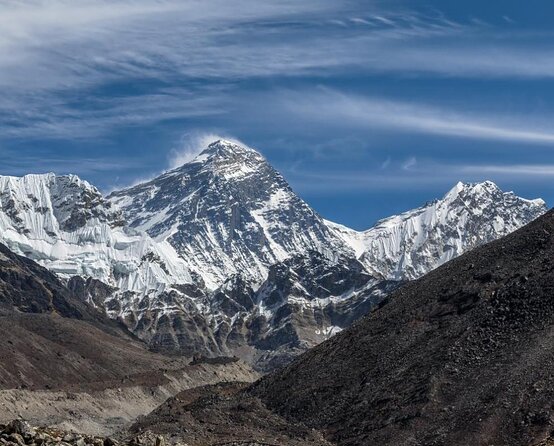
- Lobuche East at 6,119m: a short climb that’s intense enough to feel like Himalayan climbing, not a “warm-up.”
- Everest Base Camp via Gokyo Valley: you get a different approach than the straight-shot EBC routes.
- Chola Pass included: the itinerary builds toward a higher-stakes crossing rather than just strolling to landmarks.
- Private group experience: only your group participates, so your pace and needs matter.
- Guide-led safety focus: multiple accounts highlight how guides work to support both safety and summit success.
- All meals from day 3 to day 15: you’ll be fed during the core trekking stretch, not left guessing every day.
Why Lobuche East plus Everest Base Camp makes sense
If you’ve got limited time in Nepal but you still want that “real altitude + real Everest” feeling, this combo is one of the smarter ways to do it. You’re not choosing between a peak climb and the famous Everest region trek—you get both, tied together into one logical mountain arc.
Lobuche East sits at 6,119 meters, and the trip is described as one of the best short and fairly easy climbing trips in the Himalayas. That wording matters because it signals a specific promise: the climb is not meant to drag on for weeks, and it’s built for people who are fit enough to handle technical altitude without needing a major expedition mindset.
Then you roll into Everest Base Camp and the approach via Gokyo Valley and Chola Pass. That sequence is valuable because it keeps the itinerary from feeling one-note. Trekking days build your rhythm, then the pass adds a clear “step up” moment, and finally the peak day gives you a summit target with payoff views on a clear morning.
You can also read our reviews of more tours and experiences in Kathmandu.
Kathmandu to the mountains: how the trip supports you before you go
This experience is based in Kathmandu, and you’ll start from there with pickup offered. Even if you’re already comfortable navigating the city, pickup is a real convenience when you’re dealing with altitude gear, paperwork, and last-minute packing.
You also get a mobile ticket, which is the kind of small thing that reduces stress. Less time chasing details. More time focusing on your own prep—like making sure you’ve got the personal trekking gear you’re responsible for bringing.
The meeting hours are broad (daily 7:15 AM to 7:15 PM), and that’s helpful because mountain timing is rarely perfect. Flights shift. Weather windows change. You want a company that’s reachable while you’re waiting for the next decision.
Trekking to Everest Base Camp via Gokyo Valley: what you’re really buying
The EBC portion of this trip is not just a line on a map. The value is in the route choice: going to Everest Base Camp via Gokyo Valley means you’re experiencing a different side of the Everest region than the most direct approaches.
Practically, that affects your days in two ways:
- Your trekking will feel like it builds rather than just repeating the same rhythm every day.
- You’ll spend time moving through high-altitude terrain where the air changes and your body learns new limits.
From day 3 to day 15, meals are included. That matters more than it sounds. When you’re working at altitude, food quality and timing can affect how you feel. Knowing you’re covered through the core stretch reduces one more variable—especially if you’re juggling trekking energy and acclimatization needs.
One caution I’d underline: included meals don’t remove the need to plan hydration and snacks for yourself. The data says personal trekking gears aren’t included, and that usually means you should assume you’ll be responsible for key comfort items too—water solutions, small treats, and the extra layers you’ll use when temperatures swing.
Chola Pass: the day that turns “trek” into “challenge”
Chola Pass is named as part of the itinerary, and that single detail is a big deal. Pass days tend to be where weather, wind, and footing decide how smooth your day feels. If the climb portion is your summit goal, the pass crossing is your endurance and weather-readiness test.
What I like about this is that the trip structure doesn’t hide the reality. You’re not doing a vague “and maybe something happens” plan. The pass is explicitly included, so you can prepare mentally for a day that may demand patience and careful movement.
Also, since the overall experience requires good weather, you should think about buffer planning in your own schedule. If weather forces changes, you’ll want flexibility. The trip is set up so that if it’s canceled due to poor weather, you’ll be offered a different date or receive a full refund, but it’s still better when you can handle shifting days without ruining your broader Nepal itinerary.
Lobuche East Peak (6,119m): how to think about summit day
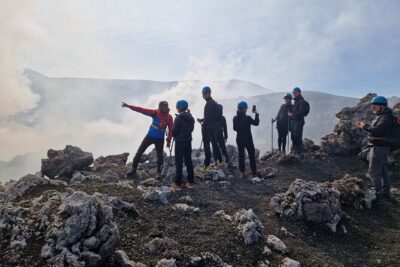
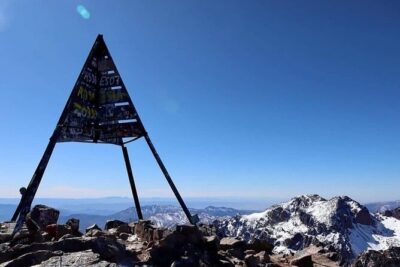
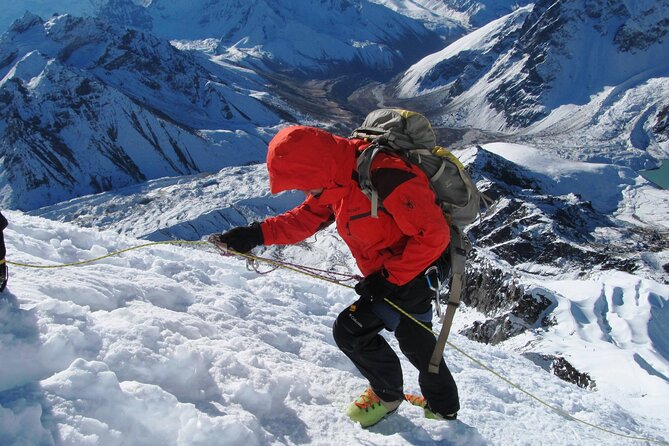
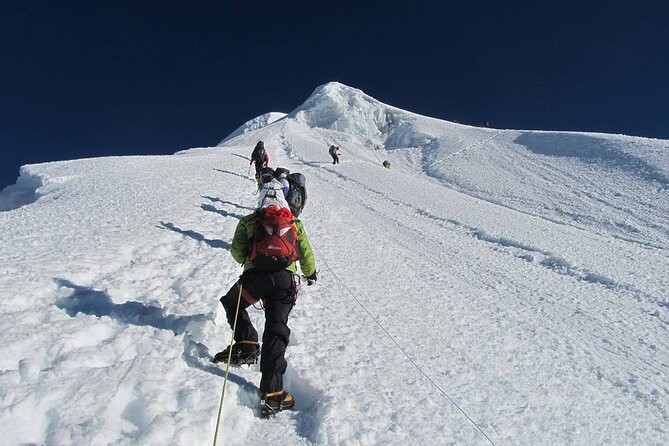
Lobuche East is the headline climb. It’s at 6,119 meters, and that altitude isn’t something you treat casually. The trip is described as short and fairly easy compared to other Himalayan peaks, but “fairly easy” in the Himalayas still means you’ll earn the summit. This is where gear, pacing, and guide attention matter.
The biggest thing I’d take from the accounts connected to this trip is the guide mindset. When people talk about climbing Lobuche East and other peaks with this team, they consistently highlight that the guides work hard to ensure success and safety. That’s not fluff. Summit day is when structure matters—knowing when to slow down, where to place your feet, how to manage your breathing, and how to keep you moving without burning out.
You also get camping and climbing equipments included. That’s a practical value point. Mountain gear adds up fast, and buying the wrong thing for a one-time trip is a waste. Still, remember that personal trekking gears are not included, so you’ll want to plan your own essentials: the items you use every day on the trail, plus whatever makes you comfortable at cold temps.
A tip I’d give you: on a peak day, your goal is not to feel heroic. Your goal is to get to the top in a controlled way and return safely. If you feel yourself rushing early, you’ll thank your guide later.
What’s included in the $2,470 price, and why it can be good value
The price is $2,470 per person for this private experience. For many people, the real question is not whether you’re paying a lot—it’s whether you’re paying for the right things.
Here’s what you’re covered for:
- Climbing permit
- Entrance fees
- All fees and taxes
- All meals from day 3 to day 15
- Coffee and/or tea
- Camping and climbing equipments
- Pickup offered (so you’re not left to sort logistics from the start)
Then what’s not included:
- Alcoholic beverages
- Personal trekking gears
- Emergency, insurance
Why that matters: when all fees and taxes and the climbing permit are already handled, you avoid last-minute surprises. When core meals are included during the trekking stretch, you don’t spend your energy hunting for food or negotiating daily costs at altitude.
The only part I’d treat carefully is “personal trekking gears.” That category can include some expensive, non-negotiable items. If you show up without the right personal gear, your day-to-day comfort drops, and your recovery suffers—both of which matter a lot on an 17-day high-altitude plan.
Meals, camping, and equipment: the comfort math
Meals are included from day 3 to day 15. Coffee and/or tea are included as well. That likely means you’ll have regular food access during the central movement days, which helps you maintain energy without scrambling.
The trip includes camping and climbing equipments, meaning you’re not expected to haul and manage all specialized items alone. For many climbers, that’s where the hidden cost of trekking and peaks shows up. By packing those pieces into the tour price, you keep your planning cleaner.
Still, don’t assume you can pack light and ignore basics. Camping in cold regions usually means you’ll feel every missing layer. Since personal trekking gear isn’t included, you’ll want to bring the items that keep you warm and dry: base layers, insulation, gloves, hat, and rain protection. If you’re unsure what class of gear you’ll need, ask the operator before you buy anything.
Private tour reality: pace, attention, and group size
This is a private tour/activity. Only your group will participate. That matters because high-altitude travel is not a one-size-fits-all activity. If you handle altitude slower, you want that recognized early. If you need time to rest without feeling awkward, privacy helps.
It also changes how the climb can feel. With a private setup, guides can tailor how they push or hold back based on your performance. The positive accounts tied to this company emphasize guides doing everything to ensure success and safety. In a private context, that kind of attention tends to be more focused because you’re not competing with other groups for logistics and guide time.
One small consideration: private travel often costs more than joining a larger group. The trade-off is fewer compromises—on pace, decisions, and how you handle the hard parts.
Who should do this trek and climb
This plan fits best if you have moderate physical fitness and you want a structured, guided route in the Everest region. You should also be comfortable with the idea that you’ll be working at high elevation for many days, and that mountain conditions can change.
You’ll especially like it if:
- you want a climb target (Lobuche East) rather than only hiking
- you want Everest Base Camp but are open to going via Gokyo Valley and Chola Pass
- you prefer a responsive, organized local team—like the sort of communication associated with Amber
If you’re the type who hates uncertainty, weather dependence is still a real factor. The experience requires good weather, and if it’s canceled due to poor weather you’ll get a different date or a full refund. That’s good protection, but it still means you should avoid locking yourself into a rigid schedule elsewhere.
Practical packing and preparation notes (so the trip feels easier)
Because personal trekking gear is not included, treat packing like part of the trip, not a last-day chore. Think in layers and think in comfort. On high peaks, your body is constantly reacting to cold and exertion, and small gear gaps feel bigger than you expect.
Here are the essentials to plan for:
- warm layers for cold nights and early starts
- rain/wind protection (mountain weather can shift fast)
- boots or footwear you’ve already tested
- a small set of personal comfort items for downtime
- basic altitude-friendly habits: steady pace, hydration, and listening to your guide
Also, note that emergency and insurance are not included. That doesn’t mean you can’t go—you just should handle insurance yourself. It’s the one piece that keeps the financial risk down if something unexpected happens.
If you’re wondering about safety and guide support
With high-elevation climbs, the difference between a stressful trip and a controlled one is often the guide’s approach. The strongest positive signals from people tied to this experience are about guide support: guides taking care with safety and working hard for success on the climb days.
You can also see the operator’s mindset in their communication. The trip manager Amber is specifically called out as courteous, responsive, and professional. That matters because it’s during planning and in the moments when conditions shift that you want clear guidance.
My advice: your job is to be honest about how you feel, and your guide’s job is to manage the plan. Don’t try to “push through” fatigue in a way that conflicts with your body or the guide’s recommended pacing.
Should you book Lobuche East + Everest Base Camp with Three Jewels Adventures?
I’d book this if you want a trip that combines a genuine summit goal with the classic Everest Base Camp region—without turning the logistics into a second full-time job. The mix of Lobuche East (6,119m), Gokyo Valley, and Chola Pass gives you real variety, not just one long trek.
It also looks like a good value on paper because the price includes big-ticket essentials: meals during the core days, climbing permit, entrance fees, all taxes, and the camping/climbing equipment. If you plan your personal gear well and you’re ready for weather to influence timing, this is the kind of guided private trip that can feel both adventurous and well managed.
If you hate high-altitude challenges or you’re not able to commit to the physical demands, look for an easier alternative. This one is built for people who can handle altitude and want a guide-led experience that prioritizes safety.
FAQ
How long is the Lobuche East Peak climb and Everest Base Camp trekking trip?
The duration is approximately 17 days.
Where does the trip start?
The trip is based in Kathmandu, Nepal.
What is the price per person?
The price is $2,470.00 per person.
Does the tour include pickup and tickets?
Pickup is offered, and you’ll receive a mobile ticket.
What’s included in the cost?
The trip includes coffee and/or tea; all meals from day 03 to day 15; camping and climbing equipment; entrance fees; all fees and taxes; and the climbing permit.
Is there free cancellation?
Yes. You can cancel up to 24 hours in advance for a full refund, and the experience requires good weather. If it’s canceled due to poor weather, you’ll be offered a different date or a full refund.