REVIEW · MADAGASCAR
Trekking, Hiking And Tours Madagascar
Book on Viator →Operated by Sudmadatrek Voyages · Bookable on Viator
Sacred climbs beat any beach day. In Madagascar’s Ambohimahamasina province, this 3-day trek blends forest walking with visits to local craft life, then pushes you toward the sacred peaks of Ambondrombe and Angovoa. I like how the route mixes real time in the countryside with meals at people’s homes, not just “look and leave” sightseeing.
One thing to consider: the hiking is not a casual stroll. The plan includes long walks and summit climbs, so you’ll want moderate physical fitness and a willingness to sweat on steep sections.
In This Review
- Key highlights at a glance
- Madagascar’s Sacred-Mountain Trek in Ambohimahamasina: What You’re Really Buying
- Day 1: From Ambalavao to Anja Reserve and a Silk-Weaving Story
- Day 2: Dawn in the Forest and the Long Route to Ambondrombe
- Day 3: Angovoa Summit at About 1400m, Hova Kingdom Remains, and a Final Rural Meal
- Price and Logistics: Does $364.11 Feel Like Value?
- What’s Included, What You Must Bring, and How to Pack Smart
- How Hard Is It, and Who This Trek Fits Best
- Responsible Trekking: Rainforest Protection and Community Benefits
- A Note on the Team and Planning Strength
- Should You Book This 3-Day Sacred-Mountain Trek?
- FAQ
- How long is the trek?
- Where does the tour start and end?
- What kind of pickup is offered?
- What’s included in the price?
- What’s not included?
- How fit do you need to be?
- Is this a private tour?
- Can I cancel for a full refund?
Key highlights at a glance
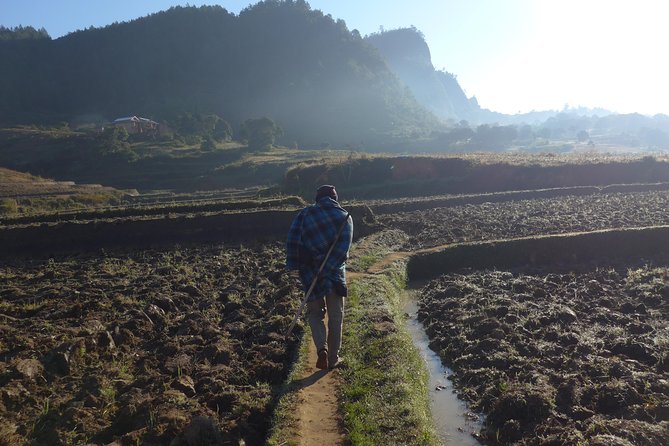
- Ambondrombe + Angovoa summits: two sacred climbs with dawn starts and big summit payoff views.
- Anja Reserve time on Day 1: a hike segment with about 400m of elevation change.
- Community stops beyond the trail: you’ll pass through areas tied to local weaving and household life.
- Home-style meals included: breakfast and dinners with the rhythm of daily rural life.
- Camping gear provided (except sleeping bag): you’re not starting from zero for the outdoors.
Madagascar’s Sacred-Mountain Trek in Ambohimahamasina: What You’re Really Buying
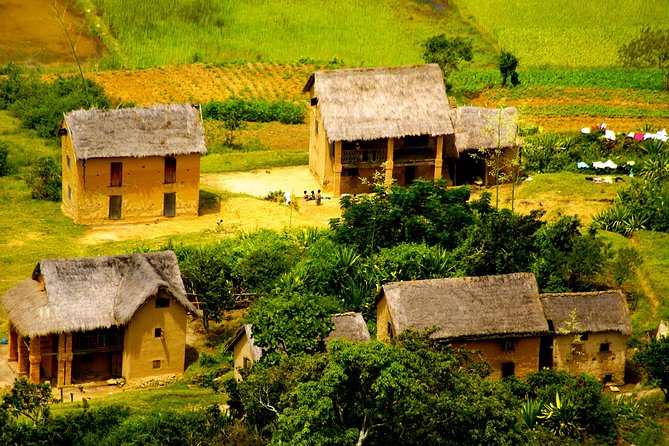
If you’re shopping for Madagascar trekking, you usually pick between “nature sites” and “culture.” This one tries to do both, and it’s not trying to fake it. The focus is the province of Ambohimahamasina, with hikes tied to sacred places that Malagasy people connect with in a deeply local way.
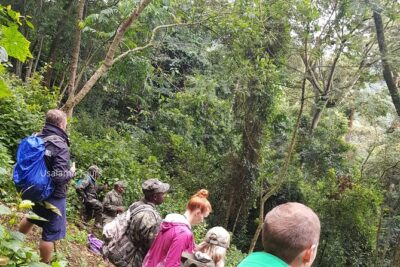
The route’s value isn’t just the idea of sacred mountains. It’s the rhythm: travel in the morning, walking in the forest, small community moments along the way, then shared meals. You’ll be outdoors most of the day, but you’ll also get direct contact with rural life—how people work, how they eat, and how they live around these landscapes.
There’s also a stated conservation and education angle. The tour describes support for rainforest protection and sensitization of locals, plus improvements to living standards. That’s the kind of “why this trip matters” you should look for in Madagascar, where protected areas can’t survive on interest alone. The practical takeaway for you: ask how your participation supports those goals when you meet the team, and you’ll feel much better about paying for a trekking circuit.
Day 1: From Ambalavao to Anja Reserve and a Silk-Weaving Story
Day 1 starts with movement south toward Ambohimahamasina. You’re looking at a ride from Ambalavao area to the rural community of Vohimarina Andepo—about 45km, and it takes more than three hours round trip. That time matters. Madagascar travel distances can be “short” on paper and still feel long in reality, so give yourself a calm mindset for the first day.
The walking segment is tied to Anja Reserve, listed at about 5 hours total with roughly 400m of height difference. In plain terms: you’re not just stretching legs. You’ll be hiking enough to feel it by the end of the day, especially if you’re not used to uneven ground and elevation changes.
Before or around the hiking, you also get a culture stop connected to weaving. In Vohimarina Andepo, the story centers on women weaving silk that used to be wild-silk and later shifted as practices changed—now often cotton. Some craft shops want to bring back older techniques, and there’s mention of a workshop reopened in Ambalavao. Even if you don’t buy anything, it’s a reminder that Madagascar craft traditions are living things, affected by ecology, materials, and markets.
What to like here:
- You’re not dropped into a reserve and then rushed out. The day has travel time, a reserve hike, and local texture.
Possible drawback:
- Day 1 can feel like a “transfer day + hike day” combo. If you like the first day to be easy, this one asks for stamina from the start.
Tip for you: if you’re coming from a higher city altitude or you’re sensitive to heat, plan to pace yourself on Day 1. Save your “I’ll just push through” energy for the summit days.
Day 2: Dawn in the Forest and the Long Route to Ambondrombe
Day 2 is where the tour turns serious. It starts at dawn and again heads into deep forest. The day is described as one of the toughest parts of the circuit, and the reason becomes clear on the walking.
After around three hours, you climb two summits to reach a third peak that’s described as the tallest and bare of vegetation. This is the kind of hike where the terrain does the talking: forests get you used to shade, then the higher, more exposed sections change how you breathe and move.
The tour also frames Ambondrombe with mystics—local beliefs that souls of the Malagasy people rest there, and even reports of unusual phenomena (sights and sounds). You don’t have to treat those claims as literal to appreciate the effect. What matters is how the guide and community relate to the place: with respect, with intention, and with a sense that the mountain is more than a backdrop for photos.
Then comes the payoff. From the bare summit area, you’re promised breath-taking scenery, with views over the mountain range of Andringitra, the Tanala territory, and the province of Ambohimahasina. Even if the details vary day to day with cloud and weather, the general promise is consistent: you climb into open sight lines, and you get the feeling of standing above the “everyday” world.
What makes Day 2 worth it for you:
- The dawn start helps you beat heat and crowds (and you’ll feel the quiet of the forest).
- The step-up structure (summit-to-summit) gives your effort a clear arc.
What to watch:
- This is not a hike for your “I’ll be fine” daydream. You’ll want solid footwear, a water plan, and the discipline to keep a steady pace.
One more practical point: the tour mentions few people reach the top. That can mean you’ll be hiking with awareness, not just wandering. It’s the kind of day where you’ll likely rely on the guide’s pacing and route choices more than on speed.
Day 3: Angovoa Summit at About 1400m, Hova Kingdom Remains, and a Final Rural Meal
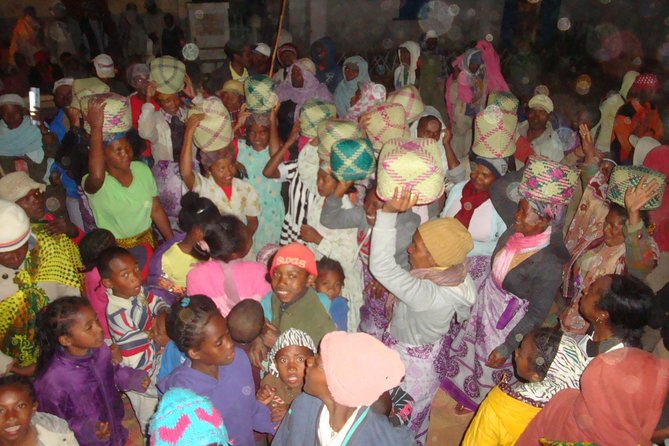
Day 3 starts with the kind of breakfast that’s described as local and rice-based. After yesterday’s climb, that matters. You need fuel that fits the environment, not just something convenient for tourists.
Then you climb again toward Angovoa, another sacred mountain. The walking might feel tough again, and the tour notes you’ll understand why you already sweated on the prior day. The summit sits at roughly 1400 meters, and once you’re there, you get a wonderful view over southern banks and surrounding mountains.
Like Day 2, this isn’t just about “reach high point, take photo, leave.” The tour includes cultural sightseeing too: you’ll admire remains of the ancient kingdom of Hova. That’s an extra layer to the hike because it turns your effort into a reason to slow down and look at what history remains in the physical environment.
From the summit, you head down through eucalyptus trees to the starting point area in Ambohimahamasina. The day ends with a last meal at a local’s house, described as a good diner around the end of the trek.
What I think you’ll enjoy most on Day 3:
- The combination of summit views and then a more human ending—food in a household setting.
A consideration:
- Your legs might already be tired. Day 3 still asks you to climb, then descend. If you’re the type who stops enjoying a hike once it becomes painful, start training early for this one.
If you want a simple strategy: treat Day 3 like a “finish strong” day. Keep your pace controlled on the final climb, then let your energy return during the descent when the legs are calmer.
Price and Logistics: Does $364.11 Feel Like Value?
The price is listed at $364.11 per person for about 3 days. For Madagascar, trekking at this scale can vary a lot depending on transport, guide work, fees, and what’s included for meals and equipment.
Here’s what you do get, based on the listed inclusions:
- Breakfast, and two lunches and two dinners
- Private transportation
- All fees and taxes
- Camping matériel provided, except for the sleeping bag
- Night with a host family (so you’re not guessing where you’ll sleep)
- Pickup offered, and mobile ticket
What’s not included:
- Sleeping bags
- All drinks
- Tips
To judge value, ask yourself what you’d pay to replicate it on your own:
- A private transport plan that handles rural roads
- Reserve and trekking fees
- Meal support across three days
- Basic camping setup (again, except the sleeping bag)
- Local-household experiences
When you factor in meals and fees, the price starts to look less like “just a hike ticket” and more like “a whole working itinerary.” That’s usually where a trek becomes worth it, because the hard part in Madagascar isn’t the walking—it’s stitching together transport, access, and consistent food.
My practical take: this feels like good value if you want guided access to sacred sites plus real rural meals, and you don’t want to spend your time coordinating everything yourself.
What’s Included, What You Must Bring, and How to Pack Smart
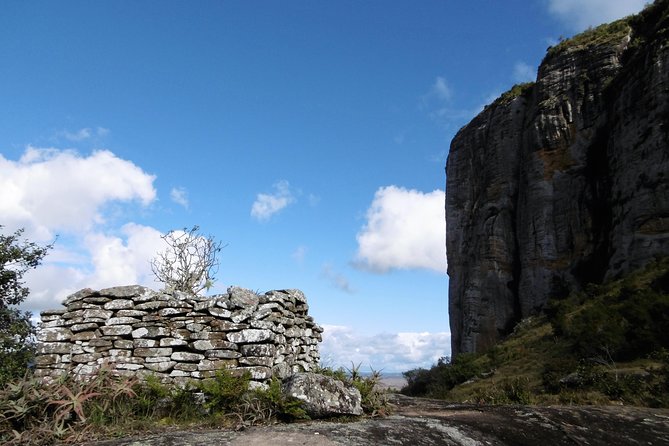
This trek is outdoors-first, so your packing should follow function.
You should bring:
- A sleeping bag (not included)
- Personal drinks (drinks are not included)
- Tips for your team if you feel it’s appropriate
What you might get from the tour:
- Camping matériel is included except the sleeping bag
- The plan includes meals: breakfast, lunch (2), dinner (2)
- Private transport handles you between key points, starting at Fianarantsoa and ending back at the meeting point
Because the tour is described as having a near public transportation access point, you’re not stranded if you need quick help. Still, you should treat this like a real trek: come ready for limited options once you’re out on the route.
Footwear matters a lot here. The tour doesn’t list shoes, but the terrain in forest trekking areas plus summit days typically means rocks, roots, and uneven steps. If your shoes are borderline for a regular trail at home, this is where they get tested.
Also: plan to carry a rain layer if you have one you trust. The itinerary is heavily time-based (dawn start on Day 2, multiple climbs), so weather changes can affect how you feel on the move.
How Hard Is It, and Who This Trek Fits Best
This experience is rated for travelers with moderate physical fitness. That’s a helpful label because this isn’t marketed as an easy “scenic walk.” You have:
- Anja Reserve day with about 5 hours walking and 400m difference
- Day 2 with dawn, about three hours walking before major climbing, and multiple summits
- Day 3 with another climb to Angovoa and a summit around 1400m, then a long descent
Who it suits:
- You want to hike in forests, not just sightsee.
- You’re comfortable with sweat and stairs-to-summit effort.
- You like tours that show daily rural life through meals and community stops.
Who should think twice:
- You want mostly flat ground.
- You have knee issues or you get discouraged by long summit days.
- You hate hikes where the day is mostly walking.
One small note that can matter: this is private. Only your group participates. That usually means you can keep a pace that works for you, and you’re not stuck averaging with strangers.
Responsible Trekking: Rainforest Protection and Community Benefits
The tour’s overview makes a point about contributing to rainforest protection, sensitization of locals, and improvements to living standards. Even with no extra fanfare, that’s the right goal for Madagascar trekking.
How to make it real on your trip:
- Ask the team what part of the circuit supports those efforts.
- Pay attention to the community stops. The weaving story, for example, isn’t just a cute pause. It’s tied to changes in materials and craft survival, which is often linked to local ecology and economic stability.
Also, the structure of shared meals at local homes and the included lunches and dinners helps reduce the “tour bubble.” You’re eating in the same cycle of food preparation and timing. That’s usually where the most meaningful cultural connection happens.
If you’re the type who cares about how money circulates, this is one of those treks where the included meals and household nights help keep your impact tied to the community.
A Note on the Team and Planning Strength
The experience provider is Sudmadatrek Voyages. In other trips shared in agency reviews, the planning support was praised, including work by a person named Tiana, who helped arrange a long RN7 route from Antananarivo toward Tulear and further north up to Ankasy. There were also mentions of an agency that can organize multi-day itineraries in multiple regions and handle groups.
That doesn’t guarantee every detail of this exact 3-day Ambohimahamasina trek will match other routes, but it does suggest the agency knows how to build coherent plans across Madagascar rather than throwing together random pieces.
Should You Book This 3-Day Sacred-Mountain Trek?
I’d book this trek if you want:
- Ambondrombe and Angovoa as the core goal, with serious climbing days
- Forest hiking plus community meals, not just photo stops
- A private setup with included transport and fees, so you can focus on walking and connecting
I’d skip it if:
- You’re looking for a low-effort nature day
- You don’t want to bring a sleeping bag
- You prefer trips where every day is short and flexible
One more decision trick: be honest about your “post-hike mood.” If you usually love hikes even when they’re hard, you’ll likely enjoy the sacred-site pacing on Day 2 and the rewarding views and cultural remains on Day 3.
FAQ
How long is the trek?
It’s listed as 3 days (approx.).
Where does the tour start and end?
It starts in Fianarantsoa, Madagascar, and ends back at the meeting point.
What kind of pickup is offered?
Pickup is offered, and the tour uses a mobile ticket.
What’s included in the price?
Breakfast is included, along with private transportation, all fees and taxes, camping matériel (except the sleeping bag), plus two lunches and two dinners.
What’s not included?
Sleeping bags, all drinks, and tips are not included.
How fit do you need to be?
The guidance says travelers should have a moderate physical fitness level.
Is this a private tour?
Yes. It’s a private tour/activity, and only your group participates.
Can I cancel for a full refund?
Free cancellation is offered. You can cancel up to 24 hours in advance for a full refund.