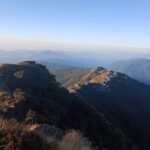
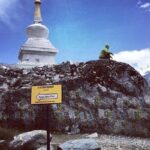
Ghandruk packs real mountain magic fast. This short, private route from Pokhara to Ghandruk Village is all about dramatic Annapurna-range views and a hands-on taste of local Gurung culture.
What I like most: you get big scenery with minimal time committed, and the trek stays “doable” for families because the walking is described as moderate, with few uphill and downhill sections.
One consideration: the schedule is tight for a hike, so you should be ready for a quick start and a structured day 2 rather than a slow, linger-everywhere pace.
In This Review
- Key things that make this tour worth your time
- Ghandruk Village: what makes the views and culture click
- The 2-day rhythm from Pokhara (and why the timing matters)
- Day 1: Naya Pool to Ghandruk, and your first hit of Annapurna
- What the Gurung-centered village experience actually gives you
- Day 2: breakfast, the Kimchi walk-back, then the vehicle to Pokhara
- Private tour style: pickup, mobile ticket, and how that reduces stress
- Price and value: is $200 per person fair for this 2-day trek?
- Who this trip suits best (and who should think twice)
- Practical tips to make your two days smoother
- Should you book this 2-day private Ghandruk trek?
- FAQ
- What’s the duration of the tour?
- What time does the tour start?
- Where does the trek begin?
- Is this a private tour?
- Do I get pickup from Pokhara?
- Is there a mobile ticket?
- What happens on Day 1?
- What happens on Day 2?
- What’s the trek difficulty level?
- What’s the cancellation policy?
Key things that make this tour worth your time
- Private, just your group: you don’t have to sync up with strangers.
- Pickup from Pokhara plus a mobile ticket to keep things simple.
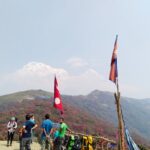
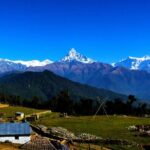
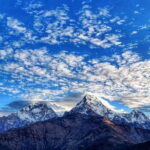
- Ghandruk Village views aimed at Annapurna, Machhapuchhre (Mt. Fishtail), and Himchuli.
- A moderate trek with walking through river bank areas and rice fields.
- A short Day 1 focus (Ghandruk stop listed at about an hour) and a clear Day 2 exit.
- Culture centered on the Gurungs, with room for music and village life.
Ghandruk Village: what makes the views and culture click
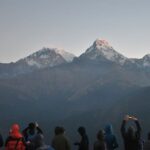
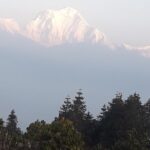
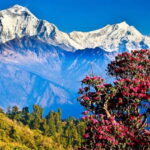
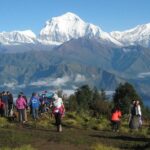
If you want Nepal in two days, Ghandruk is one of the most efficient choices around Pokhara. The trek is designed to take you from the valley up into a classic village setting where the Annapurna range frames the town, and Mt. Fishtail (Machhapuchhre) becomes one of those sights you keep looking for again and again.
What makes this stop feel more than a photo-op is the cultural angle. Ghandruk is known for its Gurung community, and the experience is built around seeing village life up close, not just walking past it. You’re also trekking along a section connected to the well-known Annapurna Base Camp corridor, so the trail already has that “this is why people come” energy without requiring a long, high-commitment plan.
Also, it helps that the hike is described as moderate. You’ll still be walking on rural paths, but it’s not presented as a tough mountaineering style day. That’s a practical sweet spot if you want atmosphere plus views, without turning the trip into a full-on training camp.
You can also read our reviews of more tours and experiences in Pokhara.
The 2-day rhythm from Pokhara (and why the timing matters)
This tour is listed as 2 days with 1 night. The start time is 12:15 pm, and the schedule is structured around getting you up to Ghandruk on Day 1, then returning toward Pokhara on Day 2.
Here’s what that means for you on the ground:
- You’re not racing the entire day. Day 1 is anchored by the Ghandruk stop (listed at about an hour), which suggests a mix of trekking and time in the village rather than nonstop hiking.
- Day 2 has a clear cut-off. After breakfast, you trek back to Kimchi (listed at 2–3 hours) and then take a vehicle back to Pokhara. That’s a big deal if you’re trying to keep the return stress low.
If your goal is simply a memorable hike plus an enjoyable village evening, this schedule can work really well. If your goal is a long, slow, detailed trek with lots of independent detours, this format may feel a bit “managed”—not bad, just different.
Day 1: Naya Pool to Ghandruk, and your first hit of Annapurna
Day 1 starts near Pokhara at Naya Pool, then moves upward through the valley. The route crosses a short section of the popular Annapurna Base Camp trekking trail, which is a useful detail because it signals you’re on a well-trodden corridor early on, then branching into the Ghandruk experience.
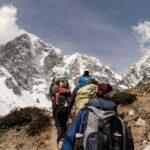
The “why this feels good” part is the combo of scenery and structure. As you gain height, the scenery is described as improving with the trek. You’re not just walking through random countryside—you’re moving through a Nepal that’s easy to understand: valley views, then rural village surroundings, then the classic mountain framing once you reach Ghandruk.
When you reach Ghandruk, the experience centers on the village itself: Gurung culture and the mountain backdrop. The Ghandruk stop is listed at 1 hour, and it shows up as admission ticket free for the stop. In plain terms, you can expect time to take in the village setting and get those “Annapurna range plus Machhapuchhre” sightlines without needing to plan a full day of extra activities.
One more thing to keep in mind: since the start is 12:15 pm, Day 1 can feel like a mid-day start rather than a sunrise trek. If you’re the type who loves early-morning starts, you might have that mild disappointment. If you prefer a relaxed morning in Pokhara before you go, the start time may suit you better than an ultra-early departure.
What the Gurung-centered village experience actually gives you
Ghandruk isn’t positioned as a museum. It’s a working village, and the cultural value is that you’re in a place where everyday life and mountain tourism overlap.
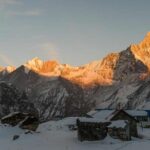
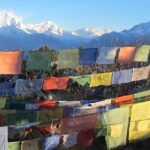
The tour description specifically highlights Gurungs and the feeling of waking up in Ghandruk to see the Annapurna range across the meadows. That matters because “culture” here isn’t only about a quick cultural show. It’s the setting: mountain proximity, village routines, and the way people in the area connect their community life to the geography.
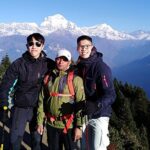
The group of hikers you’ll be with is private, so you’re less likely to be rushed by a crowd flow. That can help your time in the village feel more personal. In past bookings, people also talked about mountain dancing and enjoying the cultural vibe during the trip—so if that’s your kind of travel moment, Ghandruk is set up to deliver that sort of memory.
Practical note: even when the cultural side is the highlight, you’ll still want to treat the village with normal respect—quiet voices, be mindful where you take photos, and follow any guidance from your local contact once you’re there.
Day 2: breakfast, the Kimchi walk-back, then the vehicle to Pokhara
Day 2 is all about smooth closure. After breakfast, you’ll trek back toward Kimchi for 2–3 hours, then you switch to a vehicle for the ride back to Pokhara.
This part is valuable for two reasons:
- You don’t have to figure out your own exit route. Many short treks fall apart on the return. Here, the plan already includes the vehicle segment.
- Your day is split into “walking time” and “getting back home time.” It’s easier to manage energy and expectations.
The route type on this trek is described earlier in broad terms as moving through river bank and rice fields, with a moderate mix of uphill and downhill. So on Day 2, expect country-path walking rather than paved roads, and expect that you’ll want proper footwear even though the hike is short.
If you have knee issues or you’re worried about downhill, the word moderate is reassuring, but it still includes some downhill elements. Bring a steady pace mindset. The trick with short treks is not speed—it’s not overdoing the first day because you still have a return walk in the morning.
Private tour style: pickup, mobile ticket, and how that reduces stress
This is a private tour/activity, meaning only your group participates. That’s one of the best “hidden” values in this type of itinerary. It removes the constant timing friction you get with shared group tours.
On top of that, pickup is offered, and the tour includes a mobile ticket. In real travel terms, that means fewer moving parts for you. You’re not stuck coordinating multiple vendors just to make it to the trailhead and through the return.
Past trip experiences connected with this operator also emphasized being well managed—from transportation to accommodation. While the exact lodging details aren’t spelled out in what you provided, the message is consistent: the trip is run as a package, not a DIY puzzle. For a two-day trek, that matters because planning error has a bigger impact than on a weeklong trip.
Price and value: is $200 per person fair for this 2-day trek?
At $200 per person for a 2-day, 1-night private trek, you’re paying for three main things:
- Guided coordination and private setup
- Transportation support (pickup in Pokhara and a vehicle return on Day 2)
- End-to-end management, including accommodation coordination as described in prior booking notes
Compared to DIY trekking, the value comes from time and stress saved. Short treks are often where you feel the “cost of hassle” most—because you have limited days to get things wrong. With pickup and a structured Day 2 vehicle transfer, you avoid the common risk of getting stuck on the return.
Is it the cheapest option around? Probably not. But it’s not trying to be. The tour’s pitch is clear: a moderate trek with mountain views and Gurung village culture, wrapped in a private package.
If you’re traveling as a small group, this type of private format can start to feel more cost-effective quickly. If you’re traveling solo and price sensitivity is extreme, you might compare against shared group trekking options in the region. But with the info you shared, this $200 rate reads as a reasonable “buy yourself an easier trip” price.
Who this trip suits best (and who should think twice)
This trek is positioned as moderate, with a limited amount of uphill and downhill. That’s great for:
- Families looking for culture and mountain views without a long multi-day grind
- People who want a short Nepal trekking holiday
- Anyone who wants an experience based on Gurung village life plus the Annapurna and Machhapuchhre viewpoints
It might be less ideal if:
- You want a very long hiking day with lots of freedom to stop anywhere and everywhere
- You’re hoping for a full-day sightseeing and trekking overlap with no “set schedule” feeling
Practical tips to make your two days smoother
You don’t need special gear for a moderate trek, but you do need basics that keep you comfortable:
- Wear supportive footwear for uneven paths. The route includes river bank and rice-field walking in the tour description.
- Plan for some uphill and some downhill. Keep your pace steady, especially if Day 2 starts early after breakfast.
- Bring water and snacks. Even when the hike is short, it’s still walking through rural areas.
- Layer up. Mountain weather can shift quickly, and you’ll walk between warmer valley conditions and cooler village air.
Also, if you’re traveling with a pet, this tour lists service animals allowed, which is worth noting when you’re choosing an itinerary.
Should you book this 2-day private Ghandruk trek?
If you want Nepal that feels authentic—village culture plus Annapurna-range views—in a time box of just two days, I think this tour makes sense. The combination of a Ghandruk Village visit, a moderate trek, and a structured return (walk to Kimchi plus vehicle back to Pokhara) is a strong match for people who want memories without logistical headaches.
If you’re the type who hates schedules and likes to wander for hours with no timing, you may find the structure a bit limiting. But if you’re happy with a guided plan and you want your mountain time to be efficient, this is a solid choice.
FAQ
What’s the duration of the tour?
It’s listed as approximately 2 days.
What time does the tour start?
The start time is 12:15 pm.
Where does the trek begin?
The trek begins from Naya Pool near the Pokhara valley.
Is this a private tour?
Yes. It’s a private tour/activity, and only your group participates.
Do I get pickup from Pokhara?
Pickup is offered.
Is there a mobile ticket?
Yes, the tour includes a mobile ticket.
What happens on Day 1?
The focus is on reaching Ghandruk Village, with the Ghandruk stop listed at about 1 hour.
What happens on Day 2?
After breakfast, you trek back to Kimchi for 2–3 hours, then take a vehicle back to Pokhara.
What’s the trek difficulty level?
It’s described as moderate, with few uphill and downhill walking through river bank and rice fields.
What’s the cancellation policy?
You can cancel up to 3 days in advance for a full refund. If you cancel less than 3 days before, the amount paid is not refunded.