REVIEW · POKHARA
Poon hill Trek 3 days
Book on Viator →Operated by Nepal Wilderness Trekking · Bookable on Viator
Poon Hill can feel like a cheat code for Himalaya views. In just three days, you get high-mountain scenery, guided support, and the famous Annapurna sunrise moment from a summit that’s reachable even if you’re new to trekking.
What I like most is how much is handled for you: your guide organizes the day-to-day details so you’re not spending mental energy on logistics. Second, the small-group setup (maximum 12 trekkers) keeps things calm and makes it easier for your team to move together, with stops that match the pace you can handle.
The one drawback to plan around is effort plus early mornings: expect steep steps (including a big push toward Ulleri) and cold-weather conditions can vary. If clouds roll in, sunrise views can be less dramatic, so build a little flexibility into your expectations.
In This Review
- Key Points You’ll Feel on the Trek
- Why This 3-Day Poon Hill Trek Works So Well From Pokhara
- The Big Payoff: Sunrise Annapurna Views From Poon Hill
- The Trek Route Experience: Ulleri Steps, Village Walks, and Mountain Flora
- What’s Included (And Why It’s Better Than Guessing on Your Own)
- Gear Notes: Poles, Micro Spikes, and Staying Honest With Conditions
- Group Size, Pace, and Why the Guide Makes the Trek Feel Easy
- Price and Logistics: Is $230 Good Value Here?
- Who Should Book This Short Poon Hill Trek
- Should You Book? A Practical Decision Guide
- FAQ
- FAQ
- What time does the trek start?
- Where is the trek based?
- How long is the trek?
- How big is the group?
- Are permits included?
- What meals are included?
- Do I get any trekking gear?
- What is not included in the price?
- Is the tour refundable if plans change?
Key Points You’ll Feel on the Trek
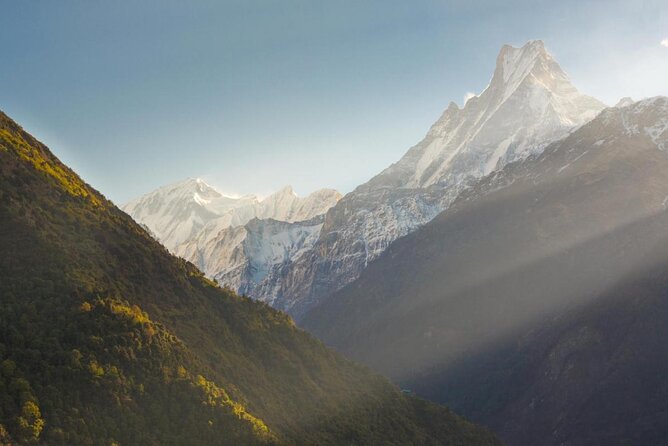
- Real Himalayan panorama in a short package: multiple major peaks and valleys are visible on clear mornings.
- Small group, max 12 trekkers: easier pacing and less crowd pressure on narrow paths and viewpoints.
- Guide + porter support: a porter for every two people helps keep the trek comfortable.
- Ulleri steps are the main workout: plan for leg burn early on.
- Winter traction included: micro spikes are provided for Dec to Feb.
- Meals are included during the trek: breakfast, lunch, and dinner are covered on the walking days.
Why This 3-Day Poon Hill Trek Works So Well From Pokhara
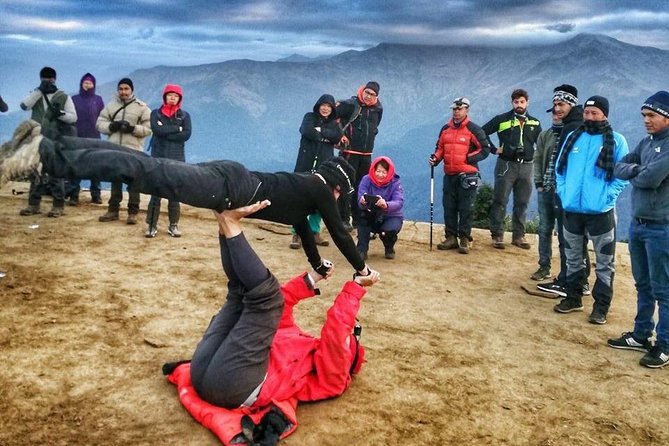
Pokhara is the perfect jump-off point for this kind of trek. The tour includes private transportation and pickup is offered, so you’re not trying to stitch together taxis, drivers, and last-minute planning while your legs are fresh and your head is buzzing with altitude expectations.
You’re also saving time by going the guided route. Your guide doesn’t just point the way; they organize accommodations and meals, which matters on a short trek. When you only have three days, there’s less room for “we’ll figure it out later.” Here, you can focus on what you actually came for: walking through mountain villages, then hitting that early viewpoint window.
One more quiet advantage: the group size stays capped at 12 travelers. On many popular treks, crowding at viewpoints can make the experience feel rushed. In a smaller group, you get more room to breathe, take photos without shoulder-to-shoulder stress, and actually enjoy the walk instead of playing dodge-the-people.
Start time is 8:15am, so you’ll want to treat that as a real day commitment. Pack smart the night before. You’ll move fast once the trek begins, and the early start sets you up for the best chances at clear weather for the sunrise part.
You can also read our reviews of more tours and experiences in Pokhara.
The Big Payoff: Sunrise Annapurna Views From Poon Hill
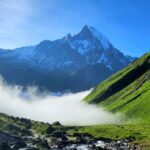
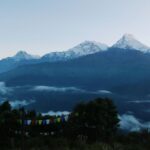
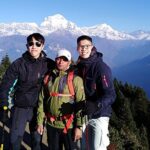
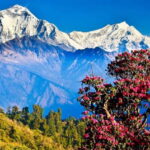
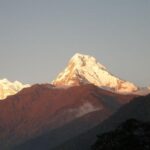
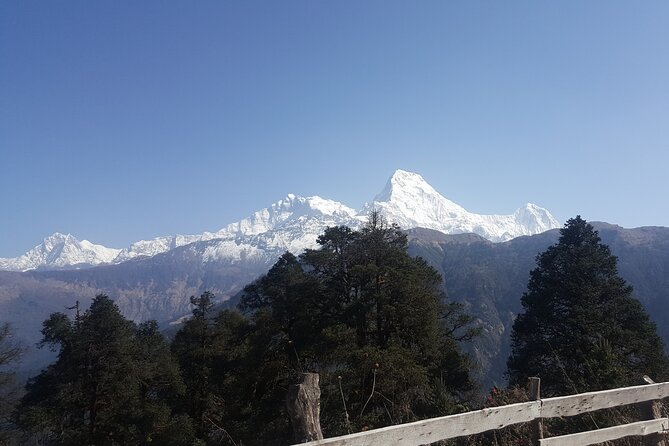
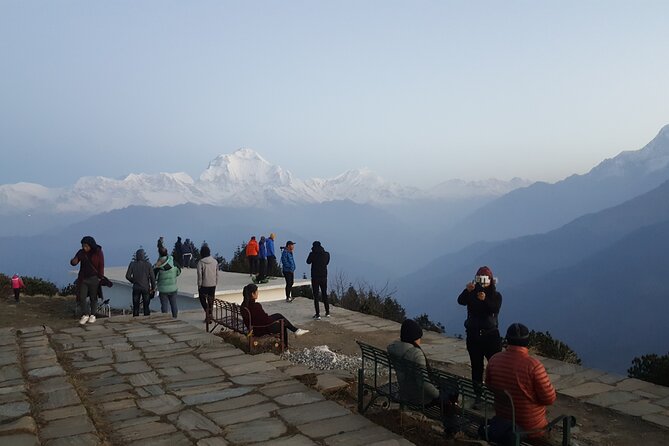
Poon Hill is famous for a reason: you’re not just looking at one peak—you’re opening a window onto a whole wall of mountains. On clear days, the viewpoint shows a long list of stars, including Dhaulagiri (8,167m), Tukuche Peak (6,920m), Mardi Himal, Manaslu Himal, and Annapurna I, II, and III.
You can also look toward Nilgiri and Khopra danda, plus the Kali Gandaki Valley and the Jomsom horizon. It’s the kind of scene that makes you understand why people keep returning to Nepal year after year. The best part is that you don’t need a week-long expedition to get that “wow” factor. This trek is built around that single moment—so it’s worth taking sunrise seriously.
Now, the practical truth: sunrise is only magical if the sky cooperates. The tour can’t control clouds. What you can control is your readiness: keep warm layers easy to reach, follow your guide’s pacing advice, and don’t treat the climb as a time to chat your legs into uselessness. Your reward is waiting at the top, and it’s time-sensitive.
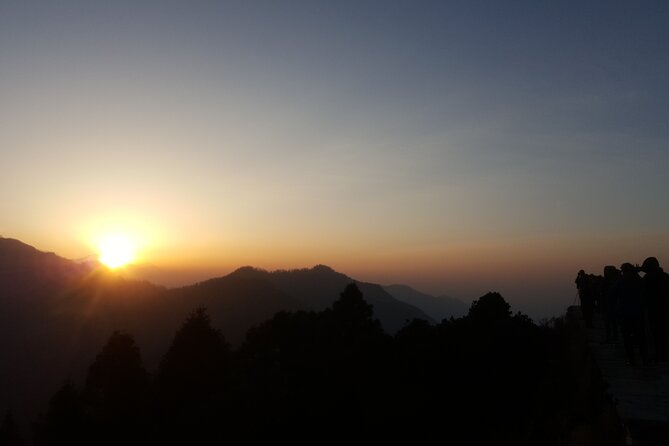
If you get clear skies, the sunrise view can feel like a living panorama—light sliding across ridgelines while the villages below sit quietly. And even when conditions aren’t perfect, you still get mountain scale and the feeling of standing in a place the rest of the world can’t casually reach.
The Trek Route Experience: Ulleri Steps, Village Walks, and Mountain Flora
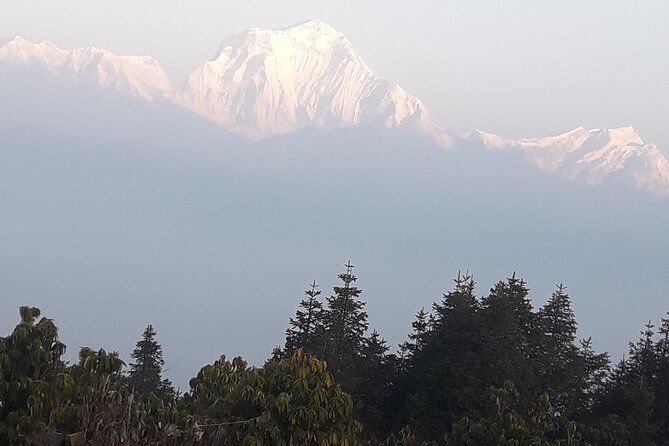
Even without getting lost in names and maps, you can think of this 3-day trek as one main climb-and-views rhythm. The hardest effort comes early, and the rest of the days build around scenery, pacing, and enjoying the high-mountain environment.
Day 1: Ulleri and the step-heavy climb
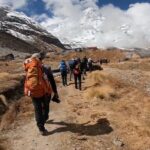
The first day is a real challenge thanks to the 3,000+ steps leading to Ulleri. That’s not “a little steep”—it’s consistent, leg-burning work. The good news is that step trails are predictable. You just have to manage your breathing and avoid sprinting. Going at your own pace is part of how the trek stays enjoyable, and your guide can help you regulate effort with breaks that fit your body.
If you’re newer to trekking, this is where small-group support matters. When people are too ambitious on steep stair days, everyone pays later. With a guide overseeing the plan, it’s easier to keep it steady.
Day 2: Rhododendrons, villages, and the bigger Himalayan outlook
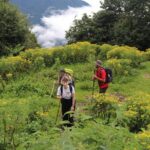
As you continue, you’ll spend more time moving through areas that feel distinctly Nepali—views of Gurung and Magar villages and slopes lined with colorful rhododendrons. That matters because this isn’t only about hitting a peak. You’re walking through a working landscape with culture in the background and seasonal plant life around you.
Also, the scenery opens up in layers. The viewpoint descriptions include valleys and distant horizons, like the Kali Gandaki and the Jomsom horizon. You’ll feel the difference between “seeing mountains” and “reading a region”—ridges, gaps, and valleys start to make sense as you move.
The sunrise push to Poon Hill
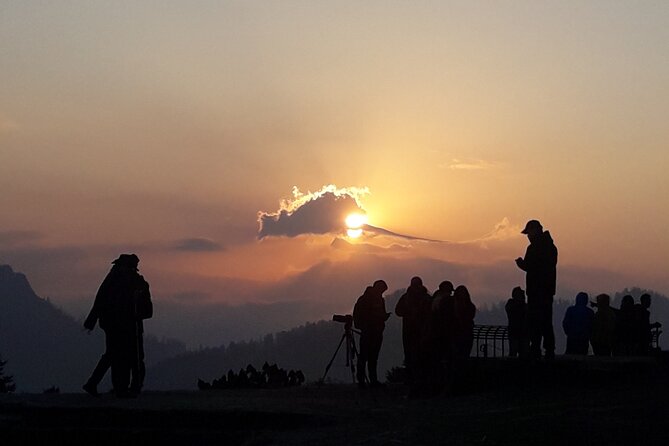
This is the moment the trek is built around: you’ll hike up to Poon Hill to catch Annapurna at sunrise. Plan for early timing, and plan for cold. Even if you’re warm at lower elevations, dawn can cut down comfort fast.
Day 3: recovery pace and heading back
The final day tends to focus on descent and getting home with satisfied legs. It’s still trekking time, but the goal is to bring your energy back into your body. You’ll feel the difference between peak-adrenaline walking and “okay, let’s finish strong” walking.
Total trekking time is listed as about 15 to 18 hours across the three days (approx.). That’s a lot of motion, but it’s also a clear signal: you’re not doing a marathon hike. You’re doing a compact mountain experience—perfect for short holidays.
What’s Included (And Why It’s Better Than Guessing on Your Own)
For $230, what you’re really paying for is the reduction of risk and uncertainty. The tour includes breakfast, lunch, and dinner during the trek, plus a guide and support staff so you’re not stuck searching for meals, tea houses, or the next place to sleep while you’re tired.
Here’s what makes the package feel practical:
- ACAP permit and TIMS permit are included
- Expert guide is included for route and timing
- 1 porter for every 2 pax (huge for comfort if you’re carrying a daypack plus a few essentials)
- kit bag and hiking poles are included
- private transportation (and pickup is offered)
- micro spikes are provided for Dec to Feb
That porter ratio matters more than people expect. Even if you’re in good shape, trekking day after day makes every extra pound add up. With a porter supporting your group, you can keep your own load manageable and protect your energy for the climbs and sunrise hike.
Also, the tour includes permits, which is one of those things that can quietly turn into a hassle if you’re doing everything yourself. Having them handled saves time and keeps you compliant.
One more small detail that adds up: kit bag and poles. Poles help a lot on steps and descents. They take some strain off knees and ankles. If you’re not sure you’ll remember to bring the right gear, it’s reassuring that the essentials are covered.
Gear Notes: Poles, Micro Spikes, and Staying Honest With Conditions
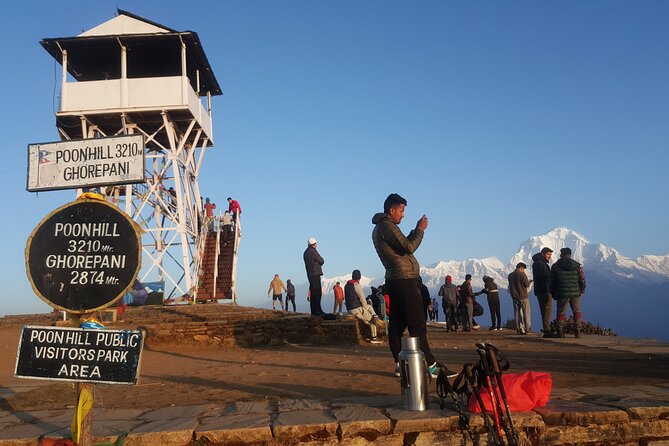
You’ll get hiking poles included, which is great for balance on steep terrain. They’re especially helpful on stair sections and on downhills where your legs are working but your brain wants to relax.
If you’re traveling in Dec to Feb, micro spikes are included. That’s important because traction needs change with season. Even if the trail looks fine in daylight, early morning surfaces can be slick. If traction is included, that’s not a “nice-to-have”—it’s your safety margin.
Beyond that, you should pack the basics you’d bring for cold dawns and changing temperatures: layers you can peel on the walk and button up before sunrise, plus rain protection. The tour includes what’s listed, but weather comfort still depends on your personal clothing system.
One practical tip from the way guides run these treks: keep your pace consistent. The best trekking days feel controlled. When you bounce too fast early, you arrive later with exhausted legs and less enjoyment at the viewpoint.
Group Size, Pace, and Why the Guide Makes the Trek Feel Easy
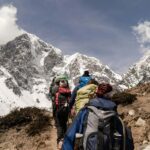
The tour runs as a guaranteed small group, capped at 12 travelers. That size helps in two ways. First, it makes the sunrise hike more manageable when the path gets tight and everyone’s trying to move in the dark or early light. Second, it gives your guide room to adjust pacing instead of following a rigid train schedule.
In real trekking life, pacing is everything. A guide can read the group and suggest breaks before you hit the “I’m done” moment. One praised guide you might encounter is Sabin, who was noted for being attentive, knowledgeable, and willing to match the pace of each person rather than forcing everyone into a single speed.
Even if you don’t get the same guide, you can expect that style of support since it’s built into how the trekking team is described. Your experience improves when the climb feels like work you control, not work that controls you.
Also, you’ll likely appreciate the way stops are handled. Breaks don’t just prevent fatigue; they help you feel the scenery instead of treating the whole trek like a chore. When the weather is clear at Poon Hill, you want to be present, not gasping for air.
Price and Logistics: Is $230 Good Value Here?
At $230, this trek is positioned as a short trek with real support and real costs built in—especially for permits and guides.
What’s included that you would otherwise have to pay for or figure out:
- private transportation and pickup
- guide and porter support
- meals during the trek (breakfast, lunch, dinner)
- ACAP and TIMS permits
- poles, kit bag, and (in winter) micro spikes
What’s not included:
- the hotel in Pokhara
- tips for guide and porter
- all drinks (including soft and caffeinated drinks like soda/beer, as noted)
- anything beyond the listed meals
So is it good value? For most people, yes, because the price covers the hard-to-schedule parts. Trekking in Nepal is not only about walking. It’s about permits, timing, food, and a safe plan. If you’re on a tight vacation schedule or you’re trekking for the first time, having meals and permits handled is worth paying for.
The only financial “gotcha” to keep in mind is drinks and tips. If you budget a little extra for water and beverages, you won’t be surprised at the end of the trek.
Also, since the cancellation policy is non-refundable and cannot be changed, you’ll want to book only when your dates are solid. Short treks are great, but they’re still tied to weather and timing.
Who Should Book This Short Poon Hill Trek
This trek is a strong fit if you want a classic Annapurna region experience without a long time commitment. It’s specifically positioned as a great choice for beginner hikers and for anyone short on time.
You’ll likely enjoy it most if you:
- can handle moderate fitness and lots of steps (especially the 3,000+ step day to Ulleri)
- want guided support and don’t want to manage permits and logistics yourself
- value small-group pacing and a calmer feel at viewpoints
- want a trek with included meals rather than constant decision-making
If you’re expecting a gentle walk with minimal elevation effort, this isn’t that. The steps are the point where you feel the trek’s seriousness. But if you’re prepared for steady effort, the payoffs are immediate and memorable.
Should You Book? A Practical Decision Guide
Book this trek if you want the Poon Hill sunrise payoff with a team that handles the important stuff: permits, guides, meals, and porter support. The small-group cap at 12 trekkers is also a meaningful quality-of-life factor, especially around viewpoints.
Don’t book if you’re not comfortable with early starts and stair-heavy trekking, even if your overall fitness is “okay.” The day to Ulleri is described as challenging for a reason. You’ll want to arrive with realistic expectations: this is a short trek, not a stroll.
If you’re traveling in Dec to Feb, you should feel confident because micro spikes are included. And if you like the idea of reading the mountains as a region—from valleys like Kali Gandaki to peaks like Dhaulagiri—this route is set up to deliver that kind of view.
FAQ
FAQ
What time does the trek start?
The start time is 8:15am.
Where is the trek based?
The location is Pokhara, Nepal.
How long is the trek?
The duration is listed as approximately 15 to 18 hours total across 3 days.
How big is the group?
The maximum group size is 12 travelers.
Are permits included?
Yes. The trek includes ACAP permit and TIMS permit.
What meals are included?
Breakfast, lunch, and dinner are included during the trek.
Do I get any trekking gear?
Yes. Hiking poles are included, and micro spikes are included for Dec to Feb. A kit bag is also included.
What is not included in the price?
The hotel in Pokhara, tips for the guide and porter, and all beverages are not included.
Is the tour refundable if plans change?
No. It is non-refundable and cannot be changed for any reason.
If you want, tell me your travel month and your hiking experience level, and I’ll suggest what to focus on for packing and pace for this specific 3-day format.