REVIEW · KAMPALA
15-Day Gorilla and chimps Trekking, Big 5 and Nature Sighting Safari
Book on Viator →Operated by Ngoni Safaris Uganda · Bookable on Viator
Uganda hits different when your time is planned down to the day. This 15-day private safari from Kampala strings together gorillas, chimps, and Big 5-style wildlife with smart logistics—so you spend less time negotiating and more time watching. I especially like how the itinerary includes meals, accommodation, and transfers, which helps you avoid the annoying add-on creep that can happen on shorter trips.
The trade-off is simple: this is a full program. You’ll have long drive days between parks, plus early starts for primate trekking and game drives, so it’s not the best fit if you want slow travel and lots of blank space.
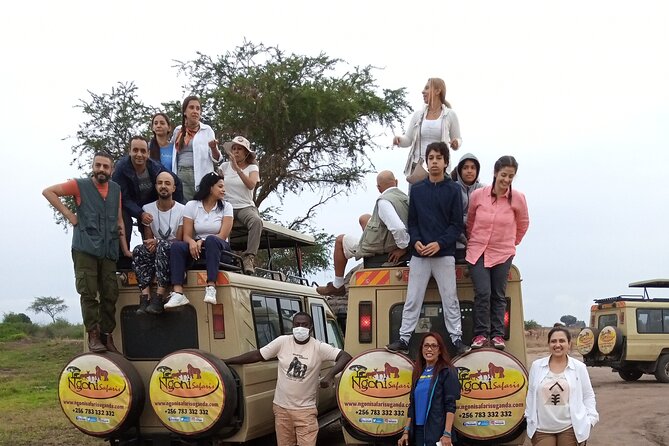
I also like that Ngoni Safaris runs with a team mindset—people such as Sedrick (planning support) and guides like Allan, James, Charls, David, Robert, and Elly show up in past trip feedback, and that lines up with what you want from a private guide: calm handling and flexible problem-solving when wildlife or weather decides to be unpredictable.
In This Review
- Key things you’ll remember
- From Entebbe to Kampala: start with birds, not chaos
- Mabamba Swamp Shoebill: the gentle warm-up before big parks
- Murchison Falls: lions, elephants, hippos—and that famous roar
- Murchison day one: land game drive plus rhino tracking at Zziwa
- Murchison day two: morning game drive and the falls by boat
- Kibale Forest for chimps: the trek is the point
- Top of the World hike: a breathing space with big views
- Chimp trekking in Kibale: briefing, then the search
- Queen Elizabeth National Park: boat safari hippo theater
- Morning game drive plus crater drive
- Ishasha: tree-climbing lions and the patience tax
- Bwindi and Mgahinga gorillas: one hour that changes your perspective
- Batwa trail and Lake Bunyonyi: culture and calm after the intensity
- Batwa experience in Mgahinga
- Lake Bunyonyi: options for how you want to wind down
- Lake Mburo: a different kind of wildlife day, with a ranger walk
- Price and value: what $5,000 per person buys you here
- Who should book this safari (and who should think twice)
- Should you book this 15-day gorilla and chimps plus safari?
- FAQ
- Where does the tour start and where does it end?
- What time does the experience start?
- Is this a private tour?
- Are meals and accommodation included?
- What primate experiences are part of the itinerary?
- What wildlife experiences besides primates are included?
- Is pickup offered?
- Are transfers between stops included?
- Is a mobile ticket mentioned?
Key things you’ll remember
- Gorilla tracking and chimp trekking built into the schedule, with ranger-led briefing and a full hour with a gorilla group once you find them
- Big game and Big 5-style wildlife time across Murchison Falls, Queen Elizabeth, and Lake Mburo, including a rhino tracking stop at Zziwa
- Kazinga Channel boat safari for hippos and crocodiles, plus classic dawn game drive odds in Queen Elizabeth
- Ishasha tree-climbing lions with a stated chance that’s strong on paper (about 70%), even if sightings still depend on timing
- Two nature-and-culture layers: Bigodi swamp walk and Batwa experiences near Mgahinga, then Lake Bunyonyi downtime
- A private setup where only your group participates, which usually means you can move at a pace that makes sense for your needs
From Entebbe to Kampala: start with birds, not chaos
Most people land in Uganda and feel a little jet-lagged, a little overwhelmed, and then suddenly you’re driving toward something that feels massive—national parks, primates, and all the wildlife you’ve dreamed about. The tour starts by meeting you at Entebbe International Airport and getting you transferred to your first night in Kampala (Acactus Hotel Kampala is listed).
If you arrive early, you can add an easy late-afternoon ride around Kampala. It’s a nice way to get your bearings without spending your first full day stuck in the same travel loop. Then you reset for the next morning.
Why I like this start: it gives you a low-pressure entry point. You’re not immediately thrown into a 6-hour drive with no time to breathe.
You can also read our reviews of more tours and experiences in Kampala.
Mabamba Swamp Shoebill: the gentle warm-up before big parks
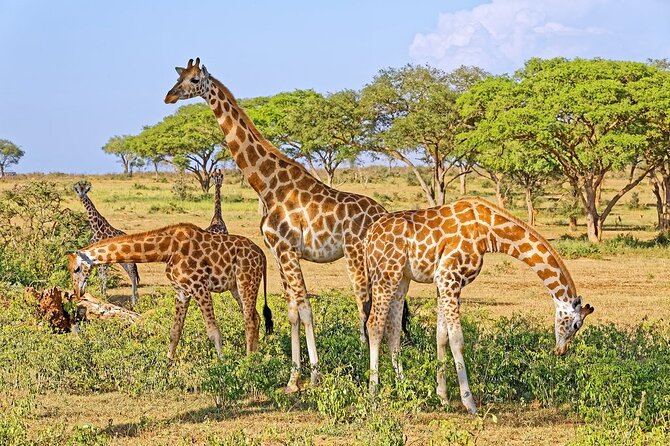
One of the smartest early choices here is the Mabamba Swamp shoebill birdwatching stop. It’s not a typical safari add-on. Shoebills live in a niche, and watching one is a very specific Uganda experience that many first-timers miss.
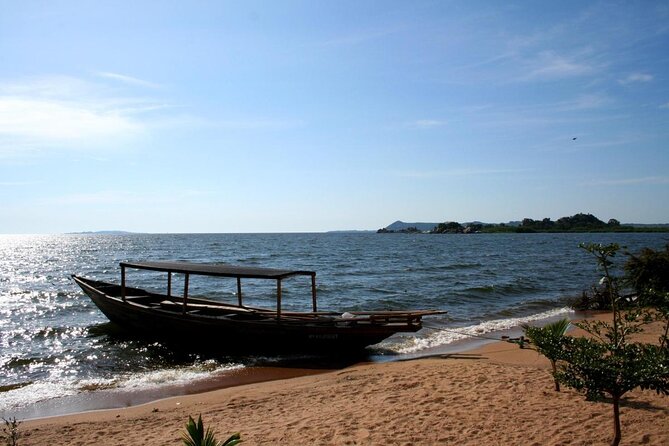
You’ll also get early context for how the region works: Lake Victoria nearby, swamp habitats, and the idea that wildlife watching isn’t always about big animals in open savannah. It’s also about patience and reading the environment.
Small consideration: birdwatching can be quiet compared with game drives. If you only want adrenaline, you might find this a slow start. If you like nature with a calmer rhythm, it’s a great fit.
Murchison Falls: lions, elephants, hippos—and that famous roar
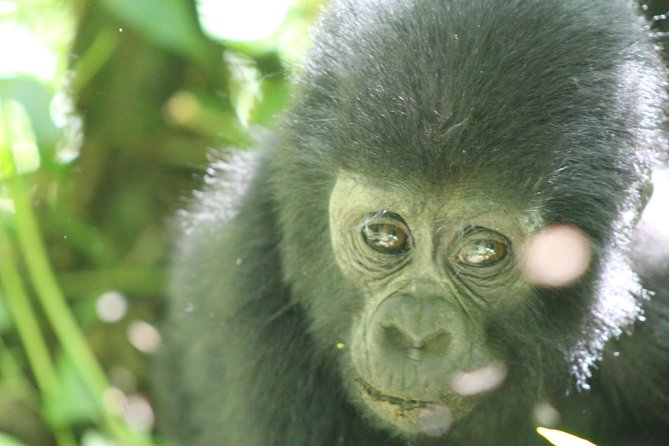
Then the safari becomes the main event. Murchison Falls National Park gets two days of attention, and the split is what makes it work.
Murchison day one: land game drive plus rhino tracking at Zziwa
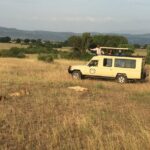
After breakfast you head toward Murchison Falls, and the plan is a land-focused game drive through open plains where you may see lions, giraffes, hartebeest, buffalo, and elephants. Murchison also supports huge numbers of birds, including the kind of species that makes birders grin—there’s even mention of the elusive shoebill stork.
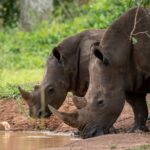
Right on the route you visit Zziwa Rhino sanctuary for your first Big 5 experience, with an hour of rhino tracking. Even if rhinos don’t step out like movie extras, this kind of controlled tracking is one of the easiest ways to check rhinos off your list in Uganda.
Why this matters for you: it reduces uncertainty early. A pure safari route can feel like you’re chasing everything blindly. This tour gives you a planned shot at rhinos, then lets the park fill in the rest with classic big game.
Murchison day two: morning game drive and the falls by boat
The next day starts with an early morning game drive, again targeting lions and elephants and other plains species. Then you return for rest and lunch, and later you do the boat trip to the base of the falls.
That boat section matters because it changes the kind of animals you’ll notice. Hippos and crocodiles are a big part of this water-world view. The optional hike to the top of the falls adds a workout if you want it, but the note is clear: the hike can be strenuous.
Consideration: this area involves a mix of drives and walking. If you’re worried about stamina, decide early whether you’ll do the top-of-falls hike. It’s not required for the day to feel complete.
Kibale Forest for chimps: the trek is the point
Kibale Forest National Park is where the safari becomes personal in a very specific way: you’re not watching wildlife from a distance. You’re joining a living forest for a chimp encounter.
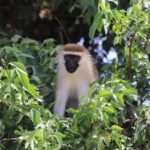
You’ll move from Murchison toward Kibale, and the day includes check-in time so you can rest before trekking. The forest is known for primates—chimpanzees, colobus monkeys, grey-cheeked mangabeys, and red-tailed monkeys are all mentioned—so it’s not only about one species.
Top of the World hike: a breathing space with big views
Before the actual chimp time gets intense, there’s a “Top of the World Hike.” You’ll have a choice of an easy or more challenging route. The best time is early when it’s cooler, so you’ll feel that Uganda rhythm: early start, big views, then you’re back for food and rest.
This is a good day to reset. It also helps if you know your chimp trek day will require focus—hiking the viewpoint beforehand makes the whole primate program feel less rushed.
Chimp trekking in Kibale: briefing, then the search
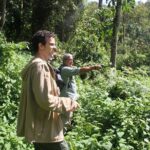
The chimp trekking day is built around a ranger briefing on dos and don’ts, then you trek with an experienced guide in the forest to find chimps. Once you locate them, you get a full hour with them.
That hour is the magic—and also why the rules matter. Chimps are powerful and unpredictable, so your job is to stay calm, respectful, and quiet. The reward is seeing how chimps move through trees, feed on wild fruits, and behave like animals, not attractions.
A plus day: Bigodi Swamp Walk in the afternoon. Bigodi Wetland Sanctuary is described as a hotspot for biodiversity, and it’s a different vibe than trekking in deep forest. You’ll likely see more small primates and birds, plus plenty of activity around the wetland edge.
If you dislike humid weather and thick foliage, plan for it. This is a forest experience, not a dry-land safari.
Queen Elizabeth National Park: boat safari hippo theater
Queen Elizabeth National Park is set at the base of the Rwenzori Mountain range, and the park’s mix of ecosystems makes wildlife viewing feel more varied day to day. You arrive, rest, and then do a Kazinga Channel boat safari—a highlight for anyone who likes seeing animals doing normal animal stuff.
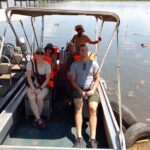
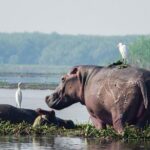
On the channel you’re aiming for giant hippos, elephants, and crocodiles, plus water birds. It’s also a good reminder that Uganda’s best wildlife moments don’t always come from spotting a lion at 100 meters. Sometimes it’s a hippo breathing like it owns the place.
Morning game drive plus crater drive
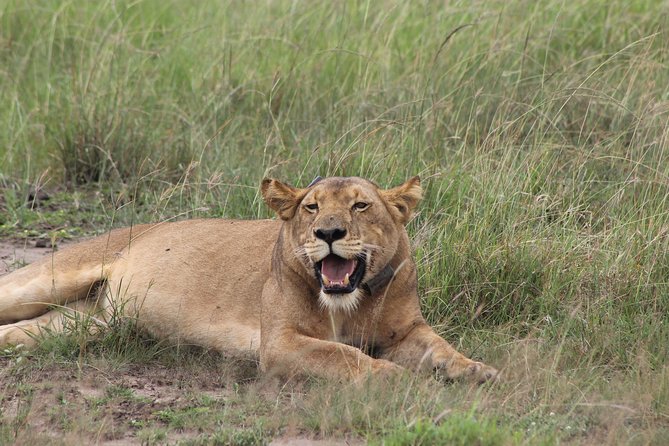
The next day includes a morning game drive across Kasenyi plains. Lions, elephants, and other species like bushbucks, buffalo, waterbucks, giant forest hogs, and Uganda kobs are mentioned as likely targets. Leopards are noted but harder to spot, which is realistic—leopards usually reward patience, not planning.
In the afternoon you do the explosion crater drive. Think of it as scenic wildlife searching: the area gives you dramatic views and the chance to see buffalo and elephants again while the scenery does most of the talking.
Consideration: crater drives and plains drives can overlap in the kind of animals you see. If you’re trying to maximize variety in a limited time, the best strategy is to go in with flexible expectations. The point is more about the range of habitats than checking a single species list.
Ishasha: tree-climbing lions and the patience tax
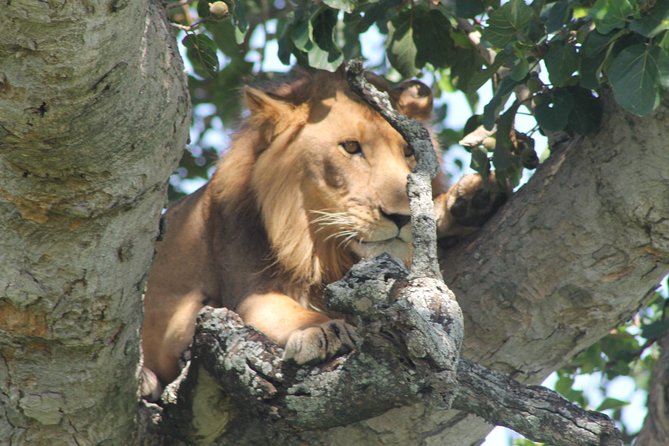
Ishasha is famous for tree-climbing lions. The tour sets expectations directly: the chance is about 70%, but sightings can still be tricky, especially if lions are down in grasslands looking for prey.
The real value of this day is that you’re aiming for something that’s genuinely distinctive. A lot of safaris advertise lions. Ishasha is about the lions doing something rare.
You’ll also have time for other wildlife—Uganda kob, Cape buffaloes, elephants, and warthogs are mentioned. If you’re lucky, you’ll see lions in the trees. If you’re not, you’ll still get a strong game viewing landscape and the satisfaction of trying for the iconic behavior.
Bwindi and Mgahinga gorillas: one hour that changes your perspective
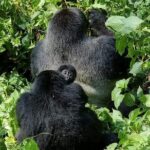
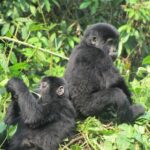
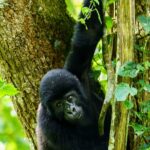
Gorilla tracking days take planning into your bones. You’re moving into Bwindi Impenetrable Forest, which is described as harboring an estimated 400 mountain gorillas—about half of the world’s mountain gorilla population. That detail isn’t trivia. It explains why this area is one of the places where gorilla trekking can happen at scale.
You’ll have a quieter arrival day to check in, rest, and prepare for the trek.
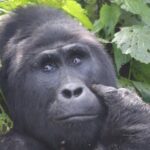
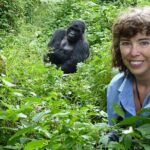
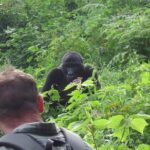
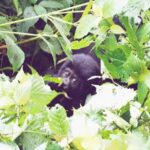
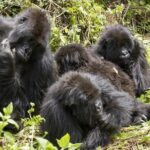
Then the gorilla experience begins with early breakfast and a ranger briefing. You enter the forest sanctuary, follow trails, and when you locate a gorilla group you get an hour with them.
Why this is worth the effort: the tour makes it clear that time in front of gorillas is earned through terrain and movement. It’s not a quick drive-by. It’s also not just about photos. Once you’re close, you’re watching behavior—how they move, rest, react, and live.
The tour includes gorilla tracking in the Mgahinga gorilla sanctuary as well, with the same general structure: briefing, forest navigation, and an hour once the group is found. If you’re doing this trip for primates, you’re building in repeat chances—two gorilla days, plus the chimp trek earlier. That reduces the risk of a single slow or difficult trek dominating your whole trip.
Small consideration: these are strenuous days. Even when you’re in good shape, the forest demands patience and a steady pace. Bring sensible footwear and accept that you might sweat more than you plan to.
Batwa trail and Lake Bunyonyi: culture and calm after the intensity
After gorillas, the schedule shifts gears. There’s less long-search trekking and more learning and downtime.
Batwa experience in Mgahinga
You’ll head out for the Batwa trail experience around Mgahinga. The tour describes the Batwa as hunter-gatherers who once lived in the dense forest, and now they guide visitors through the old home areas and explain survival techniques.
This kind of stop is valuable because it adds context. When you understand how people lived in the forest, the forest stops being just a backdrop for animals. It becomes home—past and present.
Lake Bunyonyi: options for how you want to wind down
Then you go to Lake Bunyonyi for relaxation. The next day includes options:
- You can visit the Orugano rain forest for plants and animals
- You can interact with the Batwa community
- Birding is available, with well over 300 bird species recorded
- You can do a canoe trek on the lake in traditional dugout canoes
I like that this isn’t forced. After primates, you might want quiet. Or you might want more activity. This part gives you room to choose.
Consideration: on a trip this packed, these optional days are still “in the middle of a journey.” If you know you need full rest, ask for a lighter plan inside these options.
Lake Mburo: a different kind of wildlife day, with a ranger walk
For the final safari phase, you head to Lake Mburo National Park. The switch is noticeable. Mburo can feel closer and more accessible compared with the thick forest feel of Bwindi and Mgahinga.
The afternoon game drive gives you a chance at species like eland antelopes, zebra, topis, impalas, warthogs, Uganda kob, and Cape buffaloes.
Then on the last full day you do an early morning guided nature walk with an armed Uganda Wildlife Authority ranger/guide. You may even encounter hyenas returning to dens after night activity. The walk also offers close-up chances for zebras, giraffes, eland, and other antelopes and buffalo.
A hilltop trail is included too, with views over nine of the twelve lakes surrounding Lake Mburo National Park. It’s a strong end: you get wildlife and you also get a wide Uganda view before you check out.
Price and value: what $5,000 per person buys you here
At $5,000 per person for about 15 days, you’re paying for more than driving around with a guide. You’re paying for reduced friction: the tour is designed around included accommodation, meals, and transfers, plus the listed park and activity components.
That matters because Uganda safaris can get expensive when you start piecing things together. Permits, park fees, guide services, transport, and lodges add up fast. By bundling them into an organized flow, you protect your budget from surprises and keep the pacing workable for gorilla and chimp days.
It also helps that it’s private: only your group participates. In practice, that usually means you can better match the day’s pace to your comfort level—especially when weather or animal movement shifts the timeline.
One note to consider: premium drinks might be excluded. So if you’re a wine-and-cocktail traveler, budget a little for anything above the standard included range.
Who should book this safari (and who should think twice)
This tour makes sense if you want a first-class Uganda highlight reel in one trip: two gorilla experiences, a chimp trek, rhino tracking, multiple classic parks, boat safari, swamp walks, and lake scenery.
It’s also a good fit for people who like structure. If you’ve struggled with planning alone—figuring out routes, timing, and where to stay—this itinerary does that work for you.
Think twice if you want lots of downtime and very flexible daily plans. This schedule is busy by design. You’ll have early starts and long road segments. If that sounds exhausting, you might want a shorter safari version.
Should you book this 15-day gorilla and chimps plus safari?
If your priorities are primates first and you’re also excited about game viewing and nature moments, I’d say this is a strong choice. The value is in the way it links gorilla and chimp trekking with enough wildlife time to keep the rest of the trip from feeling like filler.
Also, pay attention to your own comfort with forest trekking. If you’re physically ready for it, this kind of itinerary is where Uganda delivers hardest—because you’re not just watching wildlife. You’re standing close to it, in the places where it actually lives.
If you’re ready to do a full program and you want someone else to handle the logistics, booking makes sense. If you want a slow, low-stress trip, you may find the schedule too tight.
FAQ
Where does the tour start and where does it end?
The tour starts in Entebbe Airport, Entebbe Uganda, and it ends back at the meeting point.
What time does the experience start?
The start time is 7:00 am.
Is this a private tour?
Yes. It’s listed as a private tour/activity, and only your group participates.
Are meals and accommodation included?
Yes. The tour includes accommodation and all meals.
What primate experiences are part of the itinerary?
You’ll do chimp trekking in Kibale Forest National Park and gorilla tracking in the Bwindi Impenetrable Forest area and Mgahinga Gorilla National Park.
What wildlife experiences besides primates are included?
You’ll have game drives in several national parks, a boat safari on the Kazinga Channel, Mabamba Swamp shoebill birdwatching, swamp walks, and nature walks in Lake Mburo National Park.
Is pickup offered?
Pickup is offered.
Are transfers between stops included?
Yes. Transfers are included as part of the tour setup.
Is a mobile ticket mentioned?
Yes, a mobile ticket is included.