REVIEW · CUSCO
Inca Trail Trek to Machu Picchu – 2 Days (Small Group or Private)
Book on Viator →Operated by FlashpackerConnect LLC · Bookable on Viator
That first look at Machu Picchu feels unreal. This 2-day trek is built for people who want the big moment with pre-booked logistics, plus a guide who helps you time everything around your official entry slot.
I especially like the small-group cap (up to eight) or the option to go private, which means you actually get answers and time for photos. I also like that you stay overnight in Aguas Calientes, so you’re set up to visit Machu Picchu early and not rush your whole day on buses and queues. One thing to consider: you start early (meeting time is 4:00 am) and you do need moderate fitness for the trek.
Guides are fluent in English and Spanish, and many travelers highlight how personal, story-focused guidance can make the ruins feel more human. If you’re considering the optional hikes (Huayna Picchu or Machu Picchu Mountain), factor in extra cost and effort on top of the Inca Trail day.
In This Review
- Key things I’d zero in on before booking
- First thing to know: why this trek is built around your Machu Picchu entry time
- Small group (or private) and why eight people changes the whole vibe
- Day 1 on the Inca Trail: pacing, food you can actually feel, and carrying only what you should
- The main consideration for Day 1
- Day 2 at Machu Picchu: sunrise timing, a 2-hour guided walk, and free time that feels real
- Optional climbs: Huayna Picchu or Machu Picchu Mountain
- The Aguas Calientes overnight: what it buys you (and what it doesn’t)
- Getting back to Cusco: train to Ollantaytambo and a private van run
- Price and value: is $610.26 actually a good deal?
- Who feels the value most?
- Who might feel it’s overpriced?
- The guides: why their style shows up in your photos and your questions
- Who this tour suits best (and who should think twice)
- Should you book this Inca Trail + Machu Picchu 2-day tour?
- FAQ
- What time does the tour start?
- Is this tour small-group or private?
- What languages will the guide speak?
- Where do I stay overnight?
- Are meals included?
- Are Machu Picchu entrance fees included?
- Is the Huayna Picchu or Machu Picchu Mountain hike included?
- Do I need to carry my own bag?
- How are transfers handled to and from Cusco?
- What’s the cancellation policy?
Key things I’d zero in on before booking
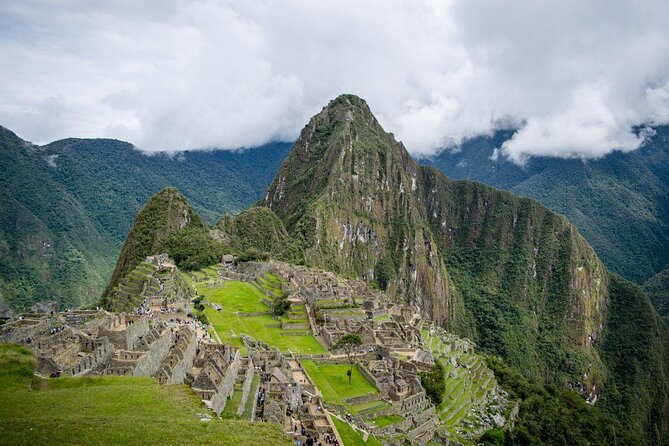
- Overnight in Aguas Calientes for early monument time: fewer headaches, more morning magic.
- Small group up to eight, or private: better pacing and easier conversations with your guide.
- Timing that matches your entry slot: your guide helps you plan wake-up time based on when you’re allowed in.
- Optional extra climbs: Huayna Picchu or Machu Picchu Mountain can add a real workout.
- Meals + lodging + core permits covered: you’re paying for the full machinery, not just a guide.
- Strong guide reputation: travelers praised guides like Maik, Miguel, Amilcar, Giovanny, Albert, Ricardo, Ross, and Gio for pacing, context, and photos.
First thing to know: why this trek is built around your Machu Picchu entry time
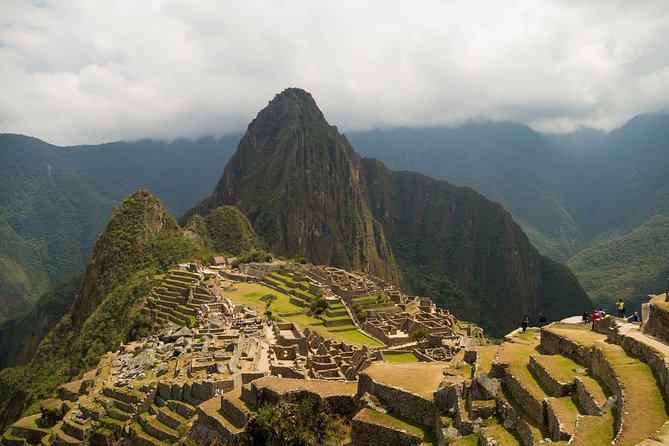
Machu Picchu isn’t one single fixed experience. Your official entrance time controls everything around it—wake-up, bus timing, and how much time you can spend looking, not just moving. That’s why this tour leans hard on planning: you don’t just show up and hope.
Your guide uses your assigned entry time to decide when you should wake up. Early entrance means an around-4:00 am start to catch the first bus, while later slots typically give you a bit more sleep before you head up.
That one scheduling detail matters more than people think. When you’re there early, you get calmer viewing, more time to linger on the details, and less “stand in line, then sprint to the viewpoint” energy.
You can also read our reviews of more tours and experiences in Cusco.
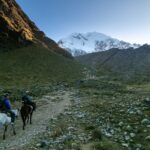
Small group (or private) and why eight people changes the whole vibe
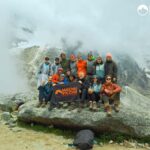
This is capped at eight travelers for the small-group option, and there’s also a private alternative. In practice, that usually means fewer delays, more personal attention, and an easier time asking questions without feeling like you’re interrupting.
You’ll also be traveling with a guide who speaks English and Spanish fluently, which helps with the flow of explanations during both the trek and the Machu Picchu portion. And the better your communication, the more you’ll get out of the ruins—because the guide’s job isn’t to recite dates. It’s to point out what you’re looking at and why it mattered.
One helpful pattern from praised guides: they tend to manage pacing so you don’t feel rushed. Several travelers called out that their guides (including Maik, Miguel, Amilcar, and Gio) kept the rhythm comfortable and made photo stops easy without turning the whole day into a production line.
Day 1 on the Inca Trail: pacing, food you can actually feel, and carrying only what you should
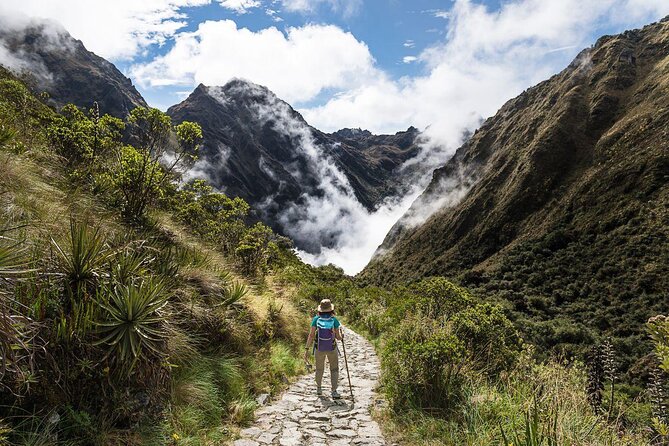
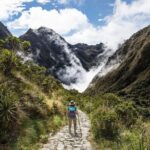
Day 1 is your Inca Trail day, and the tour is designed around moderate fitness. You’ll carry a small backpack, and you’re responsible for your own items rather than relying on someone else to haul your personal stuff. The idea is simple: travel light, move steady, and keep your energy for the steps.
A standout from traveler feedback is how the food is handled on the trail. People described porters hiking ahead to prepare hot meals that were ready when they arrived—exactly the kind of comfort that helps you keep going when you’re tired. You’ll have lunch and dinner included on this day, so you’re not doing “hunt down food” math while your legs are already working overtime.
If you care about photography, this matters too. Guides praised for taking great photos (including Miguel and Gio) usually know where to position you and when to stop so you get shots without slowing the group to a crawl.
The main consideration for Day 1
Because you’re on the trail, weather and footing can change your day fast. You’re starting early, you’re hiking, and you’ll want to be realistic about your stamina. If you’ve got knee issues or you hate steep, uneven ground, you may want a different option that’s less demanding.
Day 2 at Machu Picchu: sunrise timing, a 2-hour guided walk, and free time that feels real
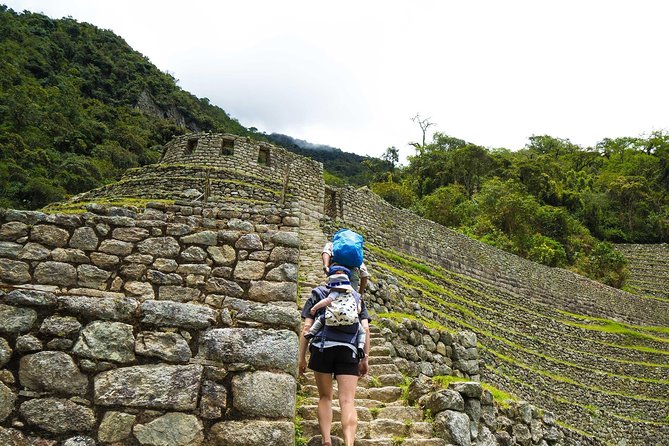
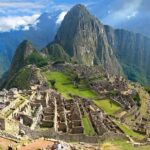
Day 2 is centered on Machu Picchu, with a guide-led walk that lasts about two hours. That’s long enough for explanations that actually connect to what you’re seeing, and it’s short enough that you still get time to wander and look closely.
Again, your guide ties your morning plan to your assigned entrance time. Early entrance typically means waking around 4:00 am to catch the first bus and see sunrise over the ruins. Later entrances give you more sleep before you head up.
After the guided portion, you get free time to explore on your own. This is a big deal because Machu Picchu rewards slow looking. You can do the iconic views, but you can also circle back for details—stonework, sightlines, and the way different angles reveal different structures.

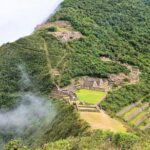
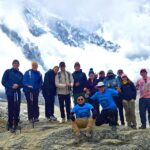
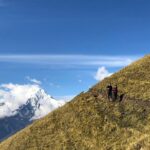
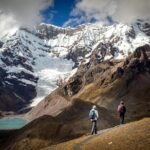
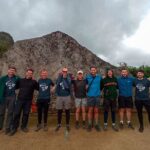
Optional climbs: Huayna Picchu or Machu Picchu Mountain
You can add Huayna Picchu Mountain or Machu Picchu Mountain if you book the option in advance. Entrance to these optional climbs isn’t included, so treat it as an add-on cost.
One traveler specifically pointed out an optional 13K hike (about 1800 feet of climbing) and said it made them better understand the physical side of the place—how the terrain shaped where people lived and moved. If you’re the type who loves a challenge and wants deeper context, it’s often worth it.
The Aguas Calientes overnight: what it buys you (and what it doesn’t)
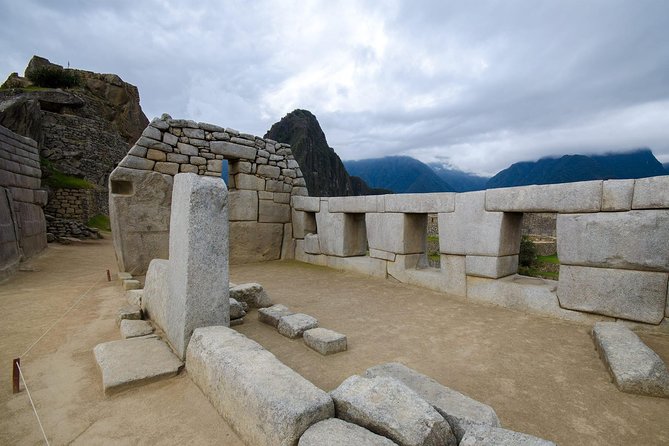
One of the highlights is staying overnight in Aguas Calientes (La Cabana or similar). This is the practical part of the “early entry” advantage. Instead of starting your day from farther away, you’re already in the right area, so your morning feels like a plan, not a scramble.
Aguas Calientes also makes the experience easier to manage. You’re not burning hours coordinating local transport while your entrance time is ticking away.
What it doesn’t guarantee: comfort. It’s a mountain town near a major tourist site, so expect a basic travel setup. But it does give you the best chance of arriving fresh and on time for the official entry window.
Getting back to Cusco: train to Ollantaytambo and a private van run
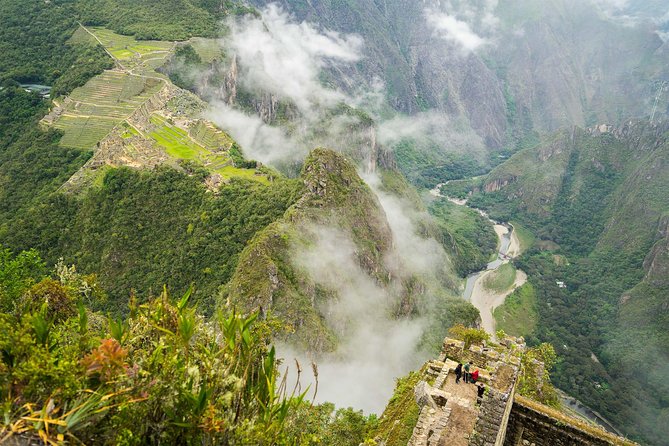
After the Machu Picchu portion, you head back by bus to Aguas Calientes, then take the train to Ollantaytambo. A private van picks you up there and returns you to Cusco, arriving between 6:00 pm and 8:00 pm.
This kind of “door-to-door” handling is one of the biggest quality-of-life upgrades in any Machu Picchu plan. You’re not piecing together timetables, figuring out which ticket works for which segment, or trying to keep your group together on tight connections.
It’s also where private or small-group tours tend to outperform self-planning. The logistics are the stress. When they’re handled for you, you get to spend your attention on the ruins.
Price and value: is $610.26 actually a good deal?
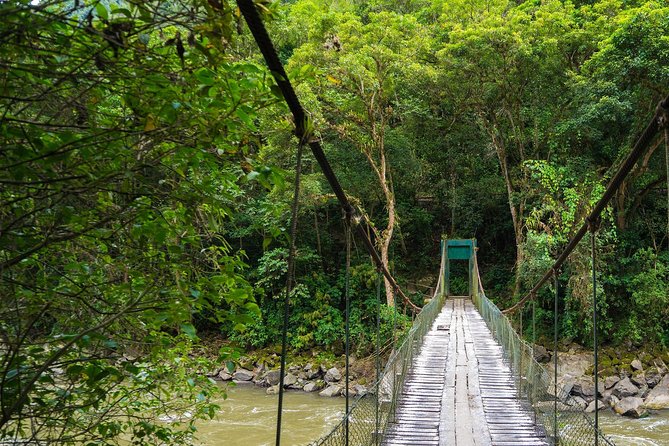
At $610.26 per person (about two days), this tour isn’t cheap. But you’re not just paying for a guide and a hike.
Included are the big ticket items: Inca Trail and Machu Picchu entrance fees, a guided tour of the archeological site, hotel in Aguas Calientes, and transport components like the round train ticket plus the private van between Cusco and Ollantaytambo. You also get lunch and dinner on Day 1, breakfast twice, and a guide who speaks fluent English/Spanish.
When you total up what an independent plan often includes (permits, entrance fees, lodging near Machu Picchu, trains, transfers), the price starts to make sense—especially if you value time and want fewer points of failure.
Who feels the value most?
- You’re short on time and want Machu Picchu to happen smoothly.
- You don’t want to spend days researching logistics and ticket rules.
- You want a smaller group and a guide who can manage pacing and photo stops.
Who might feel it’s overpriced?
If you already have a fully built Machu Picchu and train plan, or if you’re traveling extremely budget-first and don’t mind managing details yourself, you might prefer a simpler option. But if you want the day-to-day friction removed, this is the kind of “pay once, relax” setup that tends to feel worth it.
The guides: why their style shows up in your photos and your questions
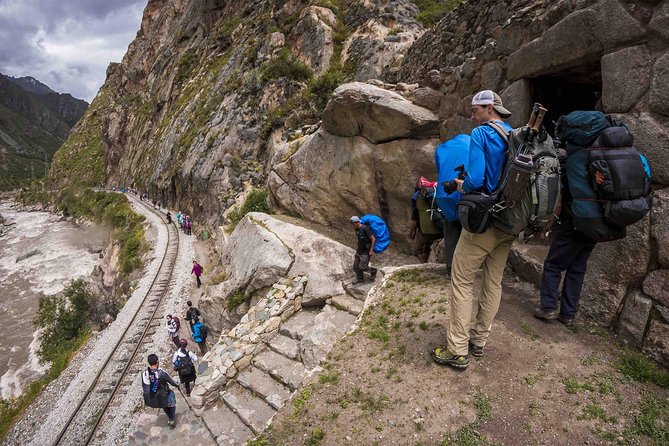
The difference between a good Machu Picchu day and a great one is often the guide. A few names came up repeatedly in strong feedback: Maik, Miguel, Amilcar, Giovanny, Albert, Ricardo, Rosbel Borda (Ross), and Gio.
What’s consistent across those praises isn’t just facts. It’s how the guide works with you:
- pacing that doesn’t feel rushed,
- help finding the best photo spots,
- clear explanations connected to what you’re actively seeing,
- and an upbeat attitude that keeps you moving without stressing.
If you care about photography, pay attention here. Some guides were called out as being strong photographers who took many pictures of group members. That can be a real help if you’re traveling with a partner or adult child and you want good shots without constantly negotiating who holds the camera.
Who this tour suits best (and who should think twice)
This tour fits best if you:
- have moderate physical fitness and can handle a hike day,
- want a guided experience without navigating the pieces yourself,
- like the idea of visiting Machu Picchu at an official entry time with less stress,
- and appreciate small-group or private attention.
It may be less ideal if you:
- have a tight budget where you’d rather not pay for built-in permits and lodging,
- struggle with early mornings (meeting time is 4:00 am),
- or aren’t comfortable hiking uneven terrain with a small backpack.
If you’re the kind of traveler who likes a clear plan and hates logistics puzzles, you’ll probably feel right at home.
Should you book this Inca Trail + Machu Picchu 2-day tour?
If your top priorities are smooth logistics, early monument timing, and a small-group or private feel, I’d book it. The value is in the bundled pieces: permits, guide, meals, hotel in Aguas Calientes, and transport that gets you back to Cusco around 6–8 pm without you managing connections.
If you’re on the fence, decide based on one question: do you want your Machu Picchu day to feel like a guided experience you can breathe in, or a schedule you have to control yourself? For most people, paying for the planning is exactly what turns this from a trip into a memory.
FAQ
What time does the tour start?
The start time is 4:00 am.
Is this tour small-group or private?
It offers both options. The small-group format is capped at a maximum of 8 travelers.
What languages will the guide speak?
The tour includes a fluent English/Spanish-speaking guide.
Where do I stay overnight?
You stay in Aguas Calientes at La Cabana or a similar hotel.
Are meals included?
Lunch and dinner are included, and breakfast is included for both days. Day 2 lunch and dinner are not included.
Are Machu Picchu entrance fees included?
Yes. Machu Picchu entrance fees are included.
Is the Huayna Picchu or Machu Picchu Mountain hike included?
It’s optional, and entrance to Huayna Picchu Mountain (and the related optional climb option) is not included.
Do I need to carry my own bag?
Yes. You are responsible for carrying your own small backpack.
How are transfers handled to and from Cusco?
You’ll use a round train ticket and a private van from Cusco to Ollantaytambo and back. Arrival back to Cusco is between 6:00 pm and 8:00 pm.
What’s the cancellation policy?
It is non-refundable and cannot be changed for any reason. If it’s canceled due to poor weather, you’ll be offered a different date or a full refund.