REVIEW · CUSCO
Machu Picchu: 5-Day Salkantay Trek with Panoramic Train
Book on GetYourGuide →Operated by TreXperience · Bookable on GetYourGuide
Salkantay delivers big mountain drama. This 5-day route blends Humantay Lake turquoise views with nights of glamping and real camping, then finishes with Machu Picchu plus a panoramic train ride back to Cusco. What I like most is the way the trek slows down enough for meaning, not just mileage, and then rewards you with that first big Machu Picchu reveal from Llactapata.
I also like the practical setup: small group size (max 16), professional guides like Cesar Augusta, and a crew that keeps meals, gear, and timing under control. One possible drawback: altitude is the boss here. Day 1 and Day 2 crest high, and if you hate hills or altitude, you’ll feel it fast.
In This Review
- Key things to know before you go
- How the Salkantay-to-Machu Picchu route stays human
- Day 1: Cusco to Humantay Lake, then glamping at Salkantay
- Day 2: Salkantay Pass (4,630 m) and the drop into cloud forest
- Day 3: Pachamanca and coffee farms, then Llactapata camp with Machu Picchu in sight
- Day 4: Hydroelectrica walk, Mandor Botanical Gardens, and hot springs in Aguas Calientes
- Day 5: Sunrise Machu Picchu with a guided citadel tour, then Vistadome or 360°
- Price and what $655 buys you in real terms
- Food that feels like travel, not just fuel
- Camps and sleep setup: glamping one night, huts the next, then hotel
- Guides and the small-group advantage (max 16 people)
- Altitude reality check and how to protect yourself
- Train choice: Vistadome vs 360° after your Machu Picchu day
- Practical packing that keeps Machu Picchu day easy
- Who should book this Salkantay trek and who should skip it
- Should you book the 5-Day Salkantay Trek with Panoramic Train?
- FAQ
- How long is the Salkantay trek to Machu Picchu?
- What time is pickup in Cusco?
- What kind of lodging do I get each night?
- Are meals included in the price?
- Is Machu Picchu entrance and transportation included?
- Is the train back to Cusco included?
- Do I need to book Huayna Picchu or Machu Picchu Mountain?
- Is a sleeping bag included?
- What’s the group size?
- What should I bring for the trek?
Key things to know before you go
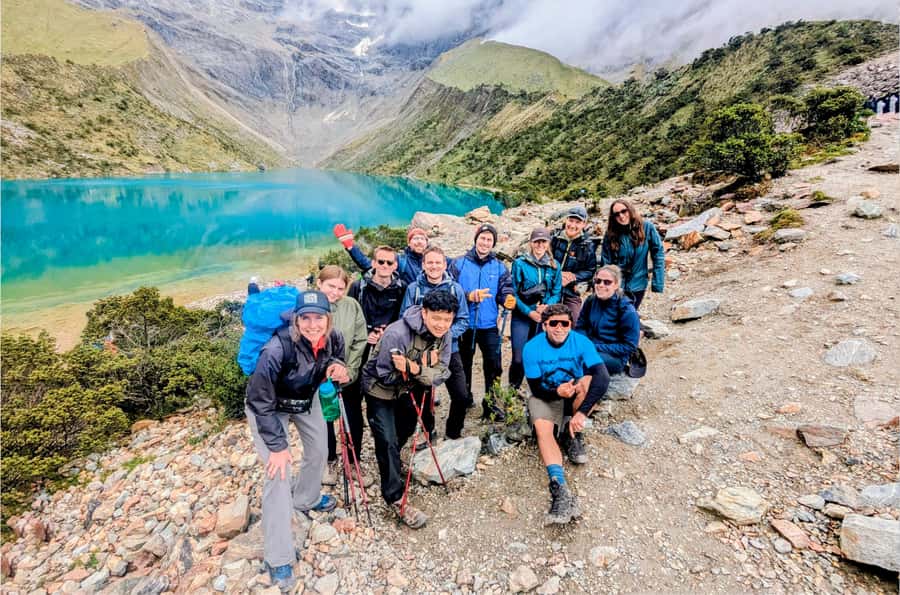
- First-night star views at high altitude: you sleep around 4,150 m after the Humantay Lake hike.
- Salkantay Pass is the hard crest: highest point hits about 4,630 m before you descend into cloud forest.
- Llactapata gives you Machu Picchu in your face: camping there means a dramatic view before the official day tour.
- Real Peru food, not just survival fuel: Pachamanca plus coffee tasting with local farms.
- A guide team that handles logistics: guide names you might meet include Cesar Augusta, Roger, Alex, Renato, Miguel, Gilbert, Jose, and Edi, and they’re focused on getting you where you need to be.
- Train ride makes the finale smoother: Vistadome or 360° brings you back with big-window views.
How the Salkantay-to-Machu Picchu route stays human
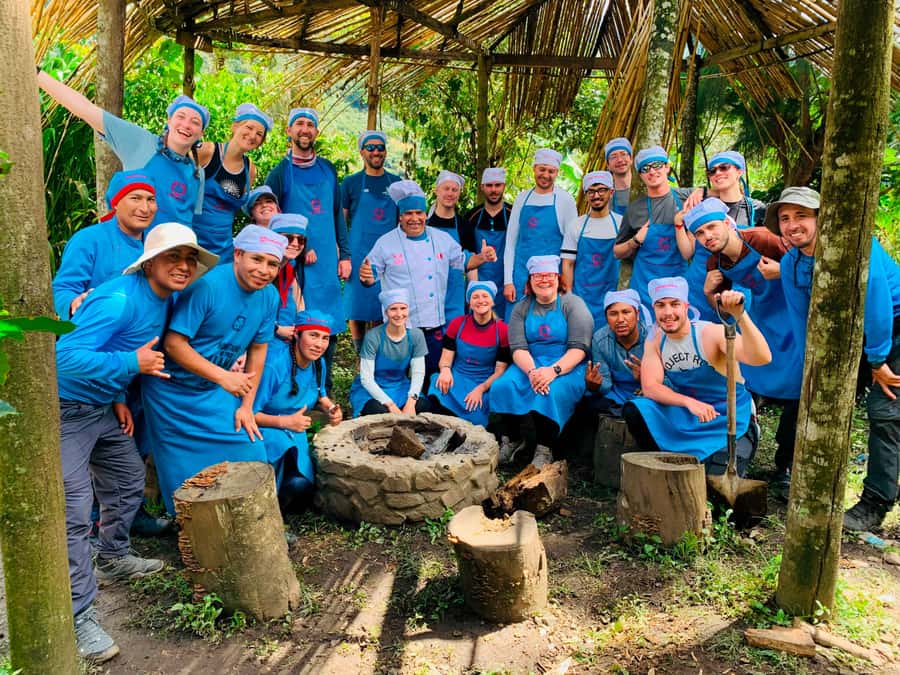
This trek works because it mixes effort with breathing room. You’re not just grinding uphill; you’re also doing cultural stops and taking time at key viewpoints. That matters on a 5-day trip where fatigue and altitude can otherwise squash the fun.
You also get a smart pacing structure: early starts on the big days, then a “walk and look” rhythm the rest of the time. Campsites are planned for the terrain, and the included gear and chef-led meals make the whole thing feel more like an expedition than a struggle.
You can also read our reviews of more tours and experiences in Cusco.
Day 1: Cusco to Humantay Lake, then glamping at Salkantay
Your day starts early with a hotel pickup around 4:30 a.m. Then it’s about a 3-hour scenic drive to Mollepata for breakfast and meet-up with your trekking team. From the trailhead you hike roughly 3 hours to Humantay Lake at about 4,200 m.
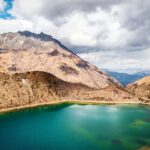
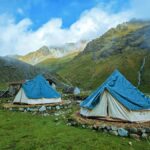
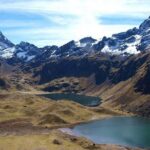
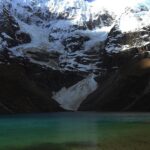
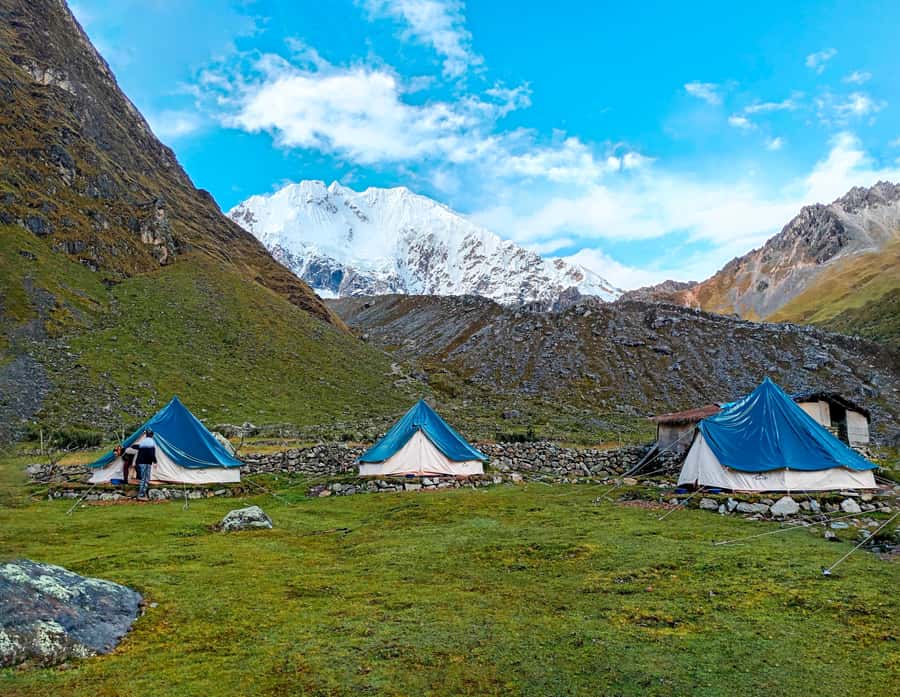
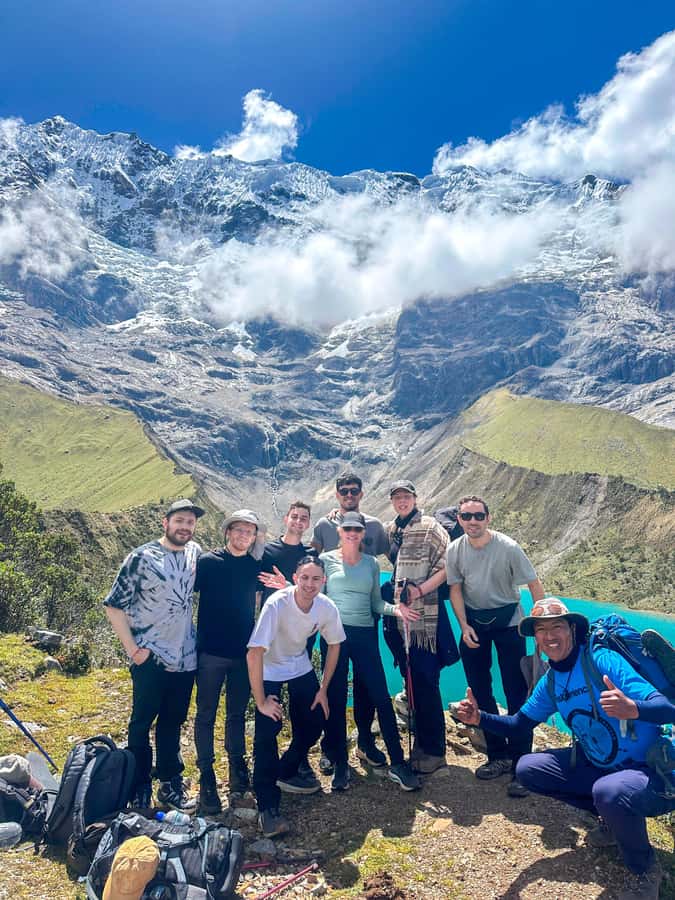
Humantay Lake is the “wow, that’s real turquoise” moment. After you soak in the views, you descend to Soraypampa for lunch, then do a gentle climb for about 2 hours to the Salkantay glamping campsite near 4,150 m. Dinner comes warm, and the sky can be stunning when the clouds cooperate.
Practical note: bring layers for real cold. Even when the sun is up, high altitude nights can bite.
Day 2: Salkantay Pass (4,630 m) and the drop into cloud forest
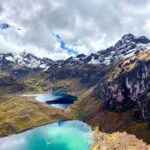
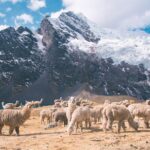
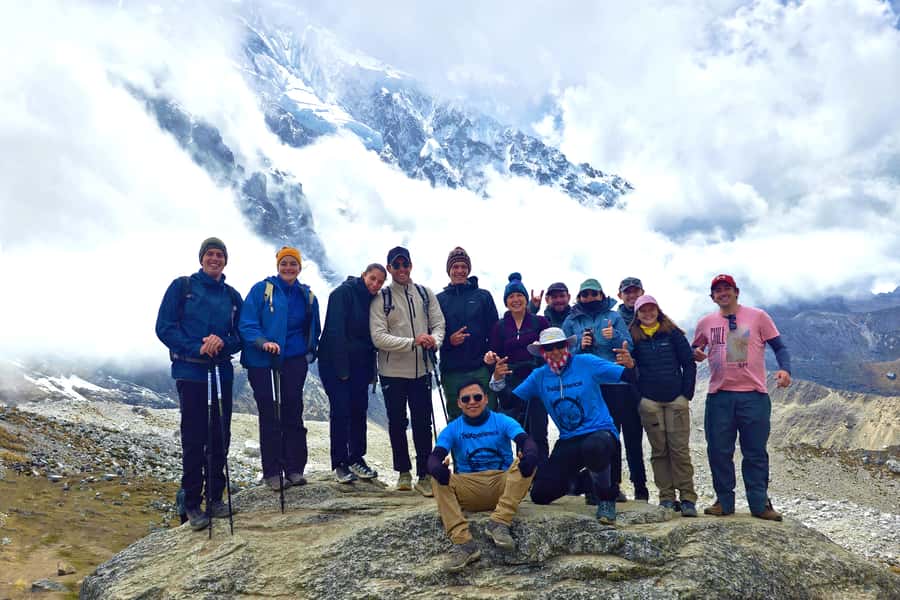
Day 2 starts with coffee or coca tea, then you climb toward the Salkantay Pass (about 4,630 m), which is the trek’s highest point. You’ll pause for mountain views and a stop near a nearby glacial lake before the longer descent.
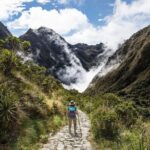
After lunch at Wayracmachay, the trail shift is the point. You move from high, harsher terrain toward lush cloud forest, where the air and vegetation feel completely different. In the evening you reach Collpapampa around 2,770 m, where you sleep in Andean huts.
This is where your pace matters. If you go out too fast, altitude takes over and the descent feels longer than it should.
Day 3: Pachamanca and coffee farms, then Llactapata camp with Machu Picchu in sight
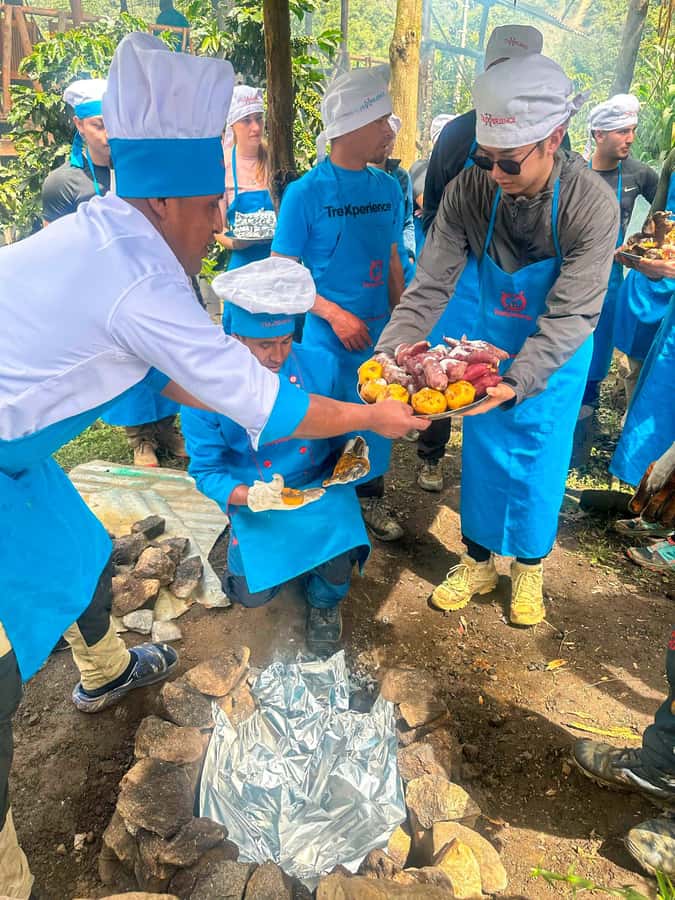
This day is a balance of culture and scenery. You hike through trails with wooden bridges, waterfalls, and plantations, heading toward Lucmabamba at about 2,000 m. Then comes the Pachamanca barbecue plus a coffee experience at local coffee farms.
Pachamanca isn’t just a meal, it’s a Peru ritual. You get the chance to taste something made in the traditional style and learn how coffee is grown and brewed in the region. If you like food as part of travel, this is one of the best pieces of the whole itinerary.
In the afternoon, you continue along an Inca Trail segment for around 3 hours to reach Llactapata at about 2,750 m. That’s the payoff: you get your first big view of Machu Picchu, and you sleep with the citadel in sight.
This camp location changes the mood. You’re not viewing Machu Picchu only on Day 5. You’re building up to it in stages.
Day 4: Hydroelectrica walk, Mandor Botanical Gardens, and hot springs in Aguas Calientes
Morning starts with a Machu Picchu view from your tent plus freshly brewed coffee. Then you descend for about 2 hours to the hydroelectric station, and you’ll have a final brunch with your group there.
After that, it’s roughly 3 hours of hiking along the railway and the Urubamba River to Aguas Calientes. Along the way you stop at Mandor Botanical Gardens, known for birdlife and orchids, and that break helps reset your legs for the final arrival.
In Aguas Calientes, you check into a 3-star hotel for one night. The evening is yours for wandering or relaxing, and hot springs are an option. Dinner is included at a local restaurant, which keeps the “what do we do now?” stress low after a trekking day.

Day 5: Sunrise Machu Picchu with a guided citadel tour, then Vistadome or 360°
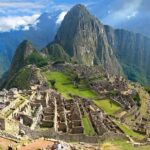
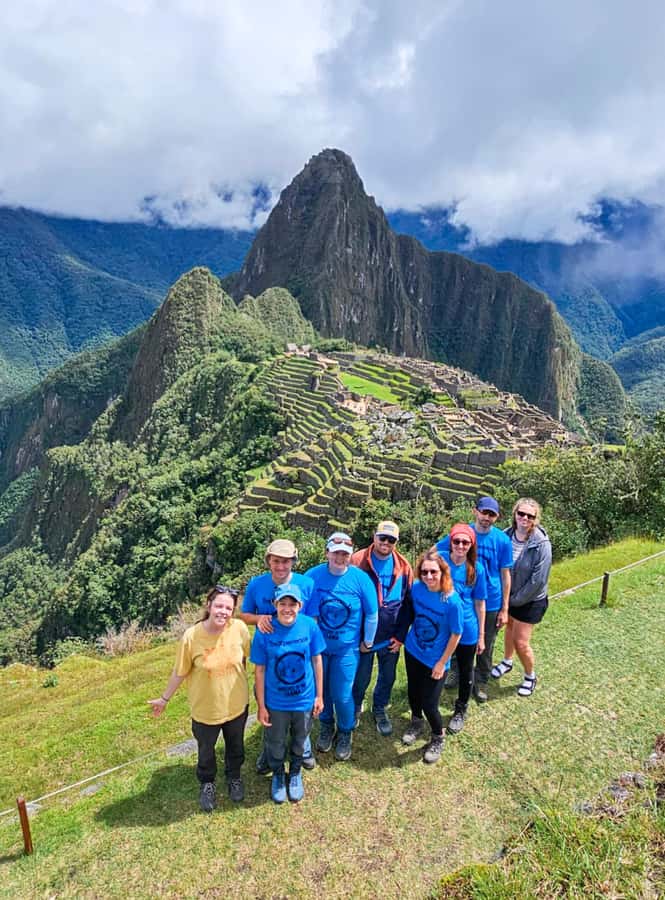
Day 5 is the big one. After breakfast, you take one of the early buses so you can catch sunrise over Machu Picchu. Then you get a guided tour of the citadel, typically 2 to 3 hours, which helps you connect what you’re seeing to how the site was used.
After the guided portion, you can explore on your own. If you’ve already booked ahead, you can hike Huayna Picchu or Machu Picchu Mountain, but those passes are not included here and must be arranged in advance.
Lunch brings you back to reality in Aguas Calientes. Then you board the Panoramic Vistadome train (or a 360° option), and from there a private van returns you to Cusco, arriving around 7:30 p.m.
This finale is also about convenience. You don’t end the trek and then fight for transport at the worst possible time.
Price and what $655 buys you in real terms
At $655 per person for 5 days, the value is in the bundle. You’re not paying just for walking and a viewpoint. You’re getting entrance tickets for the trek and Machu Picchu, guided services, most meals and snacks, and the core logistics around camping and transfers.
You also get support gear and safety gear: duffle bag allowance (up to 7 kg), muleteers for camping gear, sleeping pad and pillow, rain poncho and hand towels, plus a satellite phone, first-aid kit, and oxygen tank. Those details can make a big difference when weather turns or altitude hits harder than you hoped.
The train portion also matters. A scenic ride home is part of making this feel like a complete experience, not a one-way grind.
Food that feels like travel, not just fuel
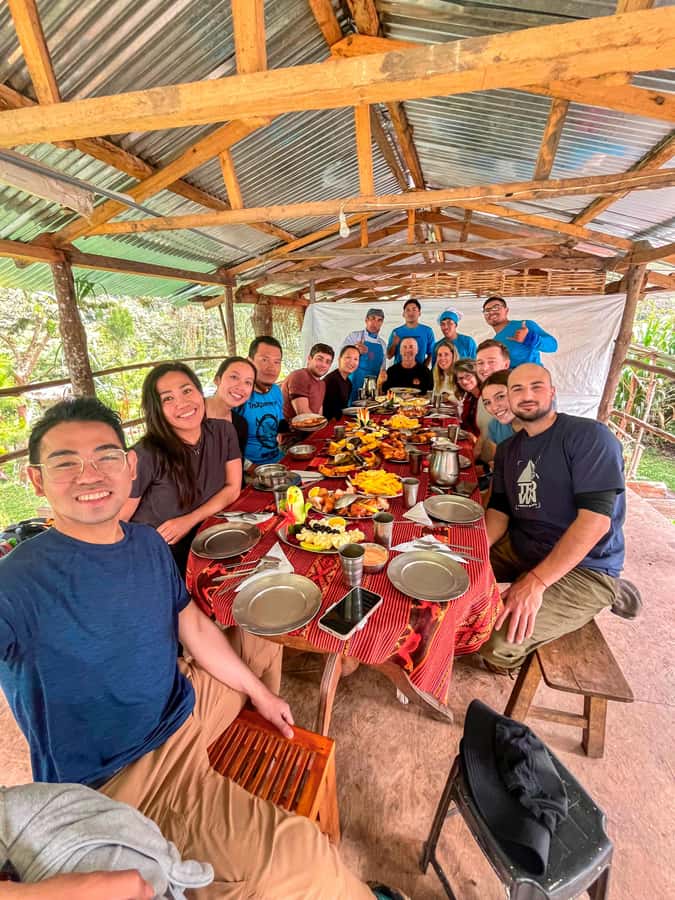
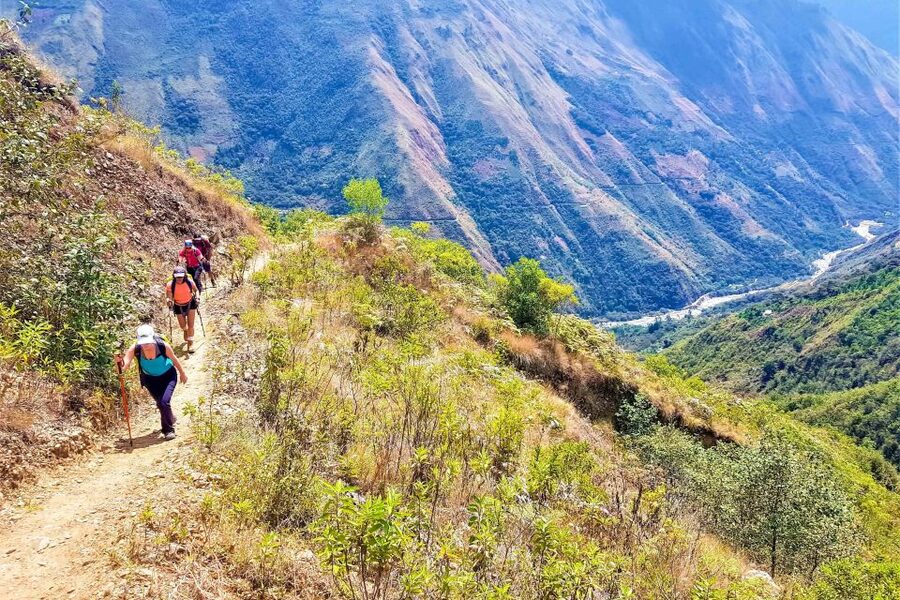
Meals are a strong point. You get 4 breakfasts, 3 lunches, and 3 dinners, and there are daily snacks and water included. Multiple guides and chefs get credited for turning food into a highlight, with dishes that go beyond basic trekking meals.
Pachamanca and coffee are the cultural center of the menu. Then, in camp, you’re usually eating soon enough that you can recover without feeling rushed or hungry. One helpful thing: hot drinks and frequent snack stops show up as part of how the guides pace the day.
If you eat vegetarian, you’ll likely be okay here since dietary options are available when you book.
Camps and sleep setup: glamping one night, huts the next, then hotel
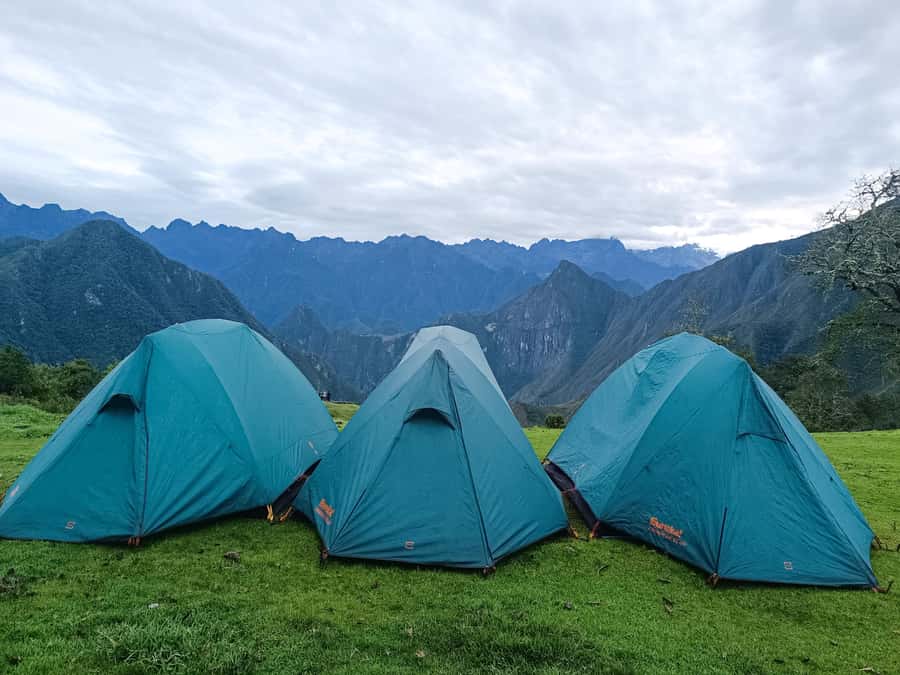
This mix is what keeps the trip from feeling like a long, repetitive backpack grind. You’ll have 1 night glamping on the Salkantay side, then 2 nights camping, including an Andean hut sleep on Day 2. The trek closes with 1 night in a 3-star hotel in Aguas Calientes.
You won’t be fully on your own. A sleeping pad, pillow, and rain poncho are provided, and you’ll get hand towels. That’s money saved if you’d otherwise rent or buy stuff in Cusco.
You still need to plan for the cold. Your packing needs to cover both sun and mountain chill, and a rain layer is not optional.
Guides and the small-group advantage (max 16 people)
Small group size changes everything on a trek. You get less chaos at junctions, fewer delays at viewpoints, and more flexibility if someone needs a slow-down moment. A lot of the positive energy comes from guides who manage both facts and morale.
You might encounter professionals like Roger and Alex, Renato and Miguel, Klever, Alexis and Elias, Gilbert, or Jose (and the cooking team working behind them). The common thread is clear: they keep the schedule realistic, push education through short moments, and then get out of the way so you can enjoy the views.
If you’re the type who likes explanations and context while you walk, this setup should feel satisfying.
Altitude reality check and how to protect yourself
Altitude is the main variable on Salkantay. Day 1 starts high at Humantay Lake and you climb and sleep around 4,150 m. Day 2 includes the big crest near 4,630 m. That combination is what can trigger headaches, nausea, and exhaustion for some people.
This tour includes practical safety support like an oxygen tank and first-aid kit, plus a safety briefing the day before. Still, your body is your body. Go slow on the pass day, hydrate consistently, and don’t treat the “it looks short on a map” climb as harmless.
Some hikers also bring acetazolamide and find it helpful for altitude adjustment, but you should talk to a doctor for what’s appropriate for you.
Train choice: Vistadome vs 360° after your Machu Picchu day
The train ride is built into the wrap-up, so you’re not stuck figuring out transport while tired. You’ll ride either Panoramic Vistadome or a 360° option back toward Ollantaytambo, then transfer by private van to Cusco.
Why this matters: after sunrise, guided touring, and on-and-off exploring, a comfortable ride helps you recover without spending energy on logistics. It’s a nice emotional landing after the intensity of the trek.
Practical packing that keeps Machu Picchu day easy
Machu Picchu day is about being light and ready. Keep your backpack no larger than 25L, since larger bags can’t go into Machu Picchu. Bring a hat and sunglasses for sun breaks and glare, plus sunscreen even if clouds hang around.
You’ll also want rain gear. The region can shift fast, and a light packable poncho is easier than fighting wet clothing. Insect repellent is smart too.
Bring your passport. You’ll also want cash in Peru, since you may run into situations where small purchases aren’t card-friendly. If you’re a student, a student card can matter for certain admissions.
Comfort checklist:
- comfortable hiking shoes
- warm layers for high camps
- hand sanitizer or tissues
- toilet paper
- a head torch (for early starts and night walking around camps)
Who should book this Salkantay trek and who should skip it
This is ideal if you want a meaningful “challenge with a story.” You’ll like it if you’re comfortable hiking long stretches, enjoy viewpoints, and care about food and culture stops like Pachamanca and coffee.
It’s not suitable for everyone. It isn’t recommended for pregnant women, people with back problems, people with mobility impairments, wheelchair users, or those with heart problems. If you’re managing any of these issues, you should look for a different style of trip with less altitude and less uneven terrain.
If you’re generally healthy and you can handle altitude, this is the kind of itinerary that turns effort into payoff.
Should you book the 5-Day Salkantay Trek with Panoramic Train?
I’d book it if your top goals are the whole arc: Humantay Lake views, Salkantay Pass challenge, Pachamanca and coffee culture, and then sleeping near Llactapata so Machu Picchu feels earned. The included meals, campsite gear, safety equipment, and guide quality make it a strong value at this price point.
I wouldn’t book it if you’re altitude-sensitive or you know long climbs and high sleeping elevations make you miserable. Also think twice if you dislike packing smart and hiking steadily, because this trek rewards consistency more than bravado.
If you want a trip that feels planned but still adventurous, this one fits.
FAQ
How long is the Salkantay trek to Machu Picchu?
It runs for 5 days total.
What time is pickup in Cusco?
Hotel or Airbnb pickup is included around 4:30 a.m. from the Cusco historic center area.
What kind of lodging do I get each night?
You’ll get 1 night glamping on the Salkantay side, 2 nights camping, and 1 night in a 3-star hotel in Aguas Calientes.
Are meals included in the price?
Yes. You’ll receive 4 breakfasts, 3 lunches, 3 dinners, plus daily snacks and water.
Is Machu Picchu entrance and transportation included?
Yes. Entrance tickets for Machu Picchu are included, along with the round-trip bus to Machu Picchu.
Is the train back to Cusco included?
Yes. You return to Cusco using the Panoramic Vistadome or a 360° train (option depends on availability), plus a private van from Ollantaytambo back to Cusco.
Do I need to book Huayna Picchu or Machu Picchu Mountain?
Yes. Those passes are not included and need to be booked in advance if you want to hike them.
Is a sleeping bag included?
No. A sleeping bag is not included, but it can be rented. An inflatable mattress can also be rented.
What’s the group size?
This is a small group limited to 16 participants.
What should I bring for the trek?
You’ll want a passport, comfortable hiking shoes, a hat, sunglasses, sunscreen, rain gear, insect repellent, warm layers, toiletries, hand sanitizer or tissues, toilet paper, and personal medication. A lightweight backpack is important because bigger bags can’t be taken into Machu Picchu.